The Art of the Ceiling: Overhead Design in High-End Interiors
August 8, 2023
The Power of the Pedestal: Elevating Objects and Furniture
August 22, 2023
-
Table of Contents
- Introduction
- The Evolution Of Tapestries: From Medieval Castles To Modern Luxury Homes
- Incorporating Wall Hangings: Elevating Interior Design With Textile Art
- The Craftsmanship Behind Luxury Tapestries: Techniques And Traditions
- Curating Textile Art: Selecting The Perfect Tapestry For Your Home
- The Role Of Color And Texture In Textile Art For Luxury Interiors
- Conclusion
Introduction
Textile art, encompassing tapestries and wall hangings, has long been a symbol of luxury and sophistication in home decor. These intricate works of art, often crafted with meticulous attention to detail, serve as both aesthetic and functional elements in luxury homes. Historically, tapestries were used not only to adorn the walls of grand castles and estates but also to insulate and add warmth to vast, drafty spaces. Today, they continue to captivate with their rich textures, vibrant colors, and the stories they tell through woven narratives. In modern luxury homes, textile art transcends its traditional role, becoming a focal point that reflects the homeowner’s taste and appreciation for craftsmanship. Whether it’s a contemporary piece with abstract designs or a classic tapestry depicting historical scenes, these textiles add depth, character, and a sense of timeless elegance to any interior. As a testament to the enduring appeal of textile art, tapestries and wall hangings remain a cherished choice for those seeking to infuse their living spaces with beauty and cultural significance.
The Evolution Of Tapestries: From Medieval Castles To Modern Luxury Homes
Tapestries have long been a symbol of opulence and artistic expression, weaving their way through history from the grand halls of medieval castles to the sophisticated interiors of modern luxury homes. These intricate textiles, once used to insulate and adorn the cold stone walls of ancient fortresses, have evolved into a beloved art form that continues to captivate homeowners and designers alike. As we explore the journey of tapestries, it becomes clear that their enduring appeal lies in their ability to blend history, craftsmanship, and contemporary design.
In medieval times, tapestries were more than just decorative pieces; they were a testament to wealth and power. Nobles and royalty commissioned these elaborate works to showcase their status and to tell stories of valor, mythology, and religious devotion. Crafted by skilled artisans, each tapestry was a labor-intensive masterpiece, often taking years to complete. The vibrant colors and intricate details were achieved through the use of natural dyes and painstaking weaving techniques, making each piece a unique work of art.
As we transition into the Renaissance period, tapestries began to reflect the changing tastes and cultural shifts of the time. The themes expanded beyond religious and historical narratives to include scenes of nature, daily life, and even abstract designs. This evolution mirrored the broader artistic movements of the era, as artists and patrons sought to explore new ideas and forms of expression. Tapestries became a canvas for experimentation, blending traditional craftsmanship with innovative concepts.
Fast forward to the present day, and tapestries have found a new home in the world of luxury interior design. Modern homeowners are rediscovering the charm and versatility of these textiles, using them to add warmth, texture, and personality to their living spaces. Unlike the heavy, ornate tapestries of the past, contemporary designs often feature lighter materials and minimalist patterns, making them suitable for a wide range of aesthetics. Whether it’s a bold geometric design or a subtle landscape, a tapestry can serve as a focal point that ties a room together.
Moreover, the resurgence of interest in sustainable and artisanal products has further fueled the popularity of tapestries in luxury homes. Many designers and homeowners are drawn to the idea of supporting traditional crafts and using materials that have a lower environmental impact. This shift towards conscious consumption aligns perfectly with the timeless nature of tapestries, which are often crafted using age-old techniques passed down through generations.
In addition to their aesthetic appeal, tapestries offer practical benefits that make them an attractive choice for modern interiors. They can help improve acoustics by absorbing sound, create a sense of coziness in large spaces, and even serve as a form of insulation. These functional advantages, combined with their artistic value, make tapestries a versatile addition to any home.
As we look to the future, it’s clear that tapestries will continue to evolve, adapting to new trends and technologies while maintaining their connection to the past. Whether displayed in a grand foyer or a cozy bedroom, these textiles offer a unique blend of history, art, and functionality that resonates with those who appreciate the finer things in life. In the world of luxury homes, tapestries are not just a nod to tradition; they are a celebration of creativity and craftsmanship that transcends time.
Incorporating Wall Hangings: Elevating Interior Design With Textile Art
Incorporating wall hangings into your home is like adding a splash of personality to a blank canvas. Textile art, particularly tapestries and wall hangings, has been making a grand comeback in luxury homes, and it’s easy to see why. These pieces are not just decorative; they are a testament to the rich history and craftsmanship that goes into creating them. As you explore the world of textile art, you’ll find that these pieces can transform a space, adding warmth, texture, and a touch of elegance.
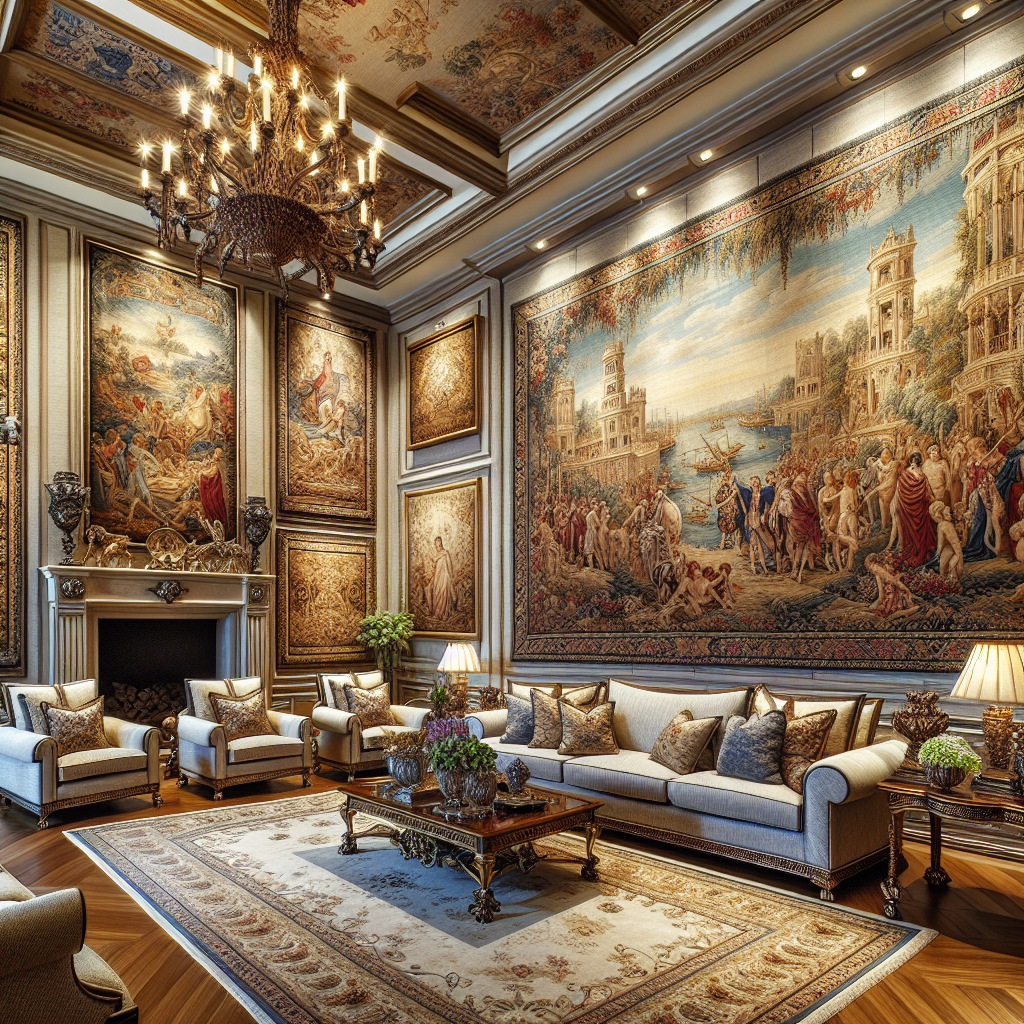
One of the most appealing aspects of using tapestries and wall hangings in interior design is their versatility. Whether your home boasts a modern aesthetic or leans more towards the traditional, there’s a textile piece that can seamlessly blend into your decor. For instance, a contemporary home might benefit from a minimalist wall hanging with geometric patterns, while a more classic setting could be enhanced by a richly detailed tapestry depicting historical scenes. The beauty of textile art lies in its ability to adapt and complement various styles, making it a perfect choice for any luxury home.
Moreover, tapestries and wall hangings offer a unique way to introduce color and texture into a room. Unlike paint or wallpaper, which can sometimes feel flat, textile art adds depth and dimension. The intricate weaves and patterns draw the eye, creating a focal point that can anchor a room’s design. Additionally, the tactile nature of these pieces invites interaction, encouraging guests to engage with the art in a way that other forms of decoration might not. This sensory experience can make a space feel more inviting and lived-in, which is often the goal in luxury home design.
Transitioning from the aesthetic benefits to the practical ones, textile art also has functional advantages. Tapestries, for example, can help with sound absorption, making them an excellent choice for rooms where acoustics are a concern. This is particularly useful in open-plan living spaces or rooms with high ceilings, where echoes can be an issue. By incorporating a tapestry, you not only enhance the visual appeal of the room but also improve its acoustic quality, creating a more comfortable environment.
Furthermore, investing in textile art can be a way to support artisans and preserve traditional crafts. Many tapestries and wall hangings are handmade, often using techniques passed down through generations. By choosing these pieces for your home, you’re not only acquiring a beautiful work of art but also contributing to the continuation of these time-honored practices. This connection to history and craftsmanship adds another layer of meaning to your decor, making it all the more special.
In conclusion, incorporating wall hangings and tapestries into your luxury home is a delightful way to elevate your interior design. These pieces offer a harmonious blend of beauty, functionality, and cultural significance, making them a valuable addition to any space. As you consider how to enhance your home, remember that textile art is more than just decoration; it’s a celebration of artistry and tradition that can enrich your living environment in countless ways. So, why not explore the world of textile art and discover how it can transform your home into a masterpiece?
The Craftsmanship Behind Luxury Tapestries: Techniques And Traditions
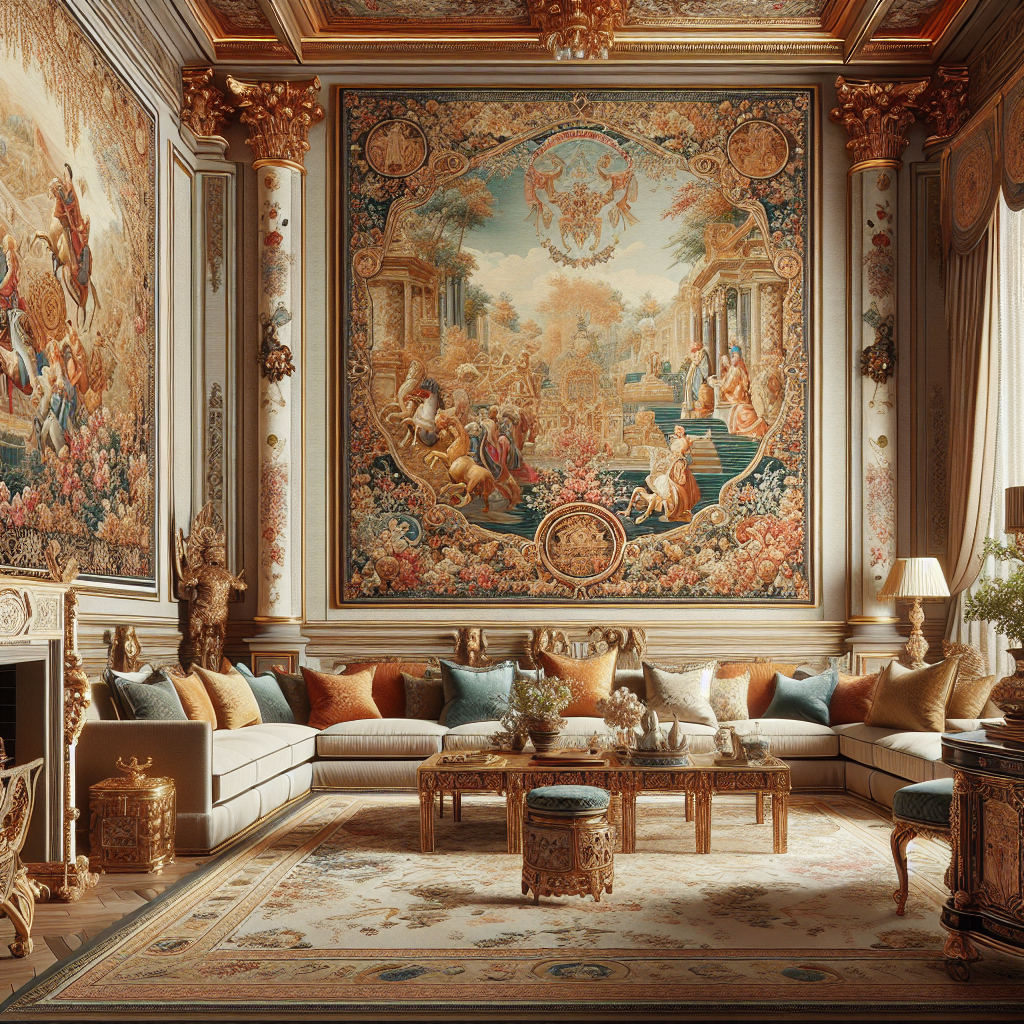
When you step into a luxury home, the ambiance is often set by the art that adorns the walls. While paintings and sculptures are common choices, there’s something uniquely captivating about tapestries and wall hangings. These textile masterpieces not only add warmth and texture to a space but also tell stories through their intricate designs and craftsmanship. The art of tapestry weaving is a tradition that dates back centuries, and its enduring appeal lies in the meticulous techniques and rich history that each piece embodies.
To truly appreciate the craftsmanship behind luxury tapestries, it’s essential to understand the techniques that artisans use to create these stunning works of art. At the heart of tapestry weaving is the interlacing of warp and weft threads, a process that requires both skill and patience. The warp threads form the foundation, while the weft threads are woven over and under to create the design. This technique allows for incredible detail and depth, making each tapestry a unique expression of the weaver’s artistry.
One of the most fascinating aspects of tapestry weaving is the use of color. Artisans often dye their own threads, using natural materials to achieve a rich palette. This process can be as much an art form as the weaving itself, with weavers experimenting to find the perfect hues to bring their designs to life. The result is a tapestry that not only tells a visual story but also reflects the natural world through its colors and textures.
In addition to the technical skills required, tapestry weaving is steeped in tradition. Many luxury tapestries are inspired by historical designs, drawing on motifs and patterns that have been passed down through generations. This connection to the past adds a layer of depth and meaning to each piece, as it becomes part of a larger narrative that spans cultures and centuries. For those who appreciate history and heritage, owning a tapestry is like holding a piece of the past in their home.
Moreover, the tradition of tapestry weaving is kept alive by artisans who are dedicated to preserving these age-old techniques. Many weavers are part of small, family-run workshops where skills are handed down from one generation to the next. This commitment to craftsmanship ensures that each tapestry is made with the utmost care and attention to detail, resulting in a piece that is not only beautiful but also built to last.
As we consider the role of tapestries in luxury homes, it’s clear that they offer more than just aesthetic appeal. They are a testament to the skill and dedication of the artisans who create them, as well as a celebration of the rich traditions that have shaped this art form. Whether used as a focal point in a grand living room or as a subtle accent in a cozy study, tapestries bring a sense of history and artistry to any space.
In conclusion, the craftsmanship behind luxury tapestries is a blend of technique, tradition, and creativity. These textile artworks are more than just decorative pieces; they are a reflection of the weaver’s skill and a connection to a rich cultural heritage. As such, they hold a special place in the world of luxury home decor, offering a unique way to infuse a space with warmth, texture, and timeless beauty.
Curating Textile Art: Selecting The Perfect Tapestry For Your Home
When it comes to infusing a sense of warmth and personality into a luxury home, few elements are as impactful as textile art. Tapestries and wall hangings, with their rich textures and intricate designs, have long been cherished as both functional and decorative pieces. Selecting the perfect tapestry for your home is an art in itself, requiring a keen eye for detail and an understanding of how these pieces can complement and enhance your living space.
To begin with, consider the overall aesthetic of your home. Is it modern and minimalist, or does it lean more towards a traditional or eclectic style? The tapestry you choose should harmonize with the existing decor, either by blending seamlessly or by providing a striking contrast. For instance, a contemporary home might benefit from a tapestry with bold geometric patterns or abstract designs, while a more classic setting could be beautifully accentuated by a piece featuring historical or nature-inspired motifs.
Color is another crucial factor to consider. The hues in your tapestry should either complement or contrast with the color palette of the room. If your space is dominated by neutral tones, a vibrant tapestry can serve as a focal point, drawing the eye and adding a splash of color. Conversely, if your room is already rich in color, a more subdued tapestry might be the perfect choice to maintain balance and harmony.
Size and scale are equally important when selecting a tapestry. A large, dramatic piece can make a grand statement in a spacious room with high ceilings, while a smaller, more delicate tapestry might be better suited to a cozy nook or hallway. It’s essential to measure the wall space where you intend to hang the tapestry to ensure it fits proportionately and doesn’t overwhelm or underwhelm the area.
Beyond aesthetics, consider the story and craftsmanship behind the tapestry. Many tapestries are handcrafted, each one telling a unique story through its patterns and textures. Investing in a piece with a rich history or a meaningful narrative can add depth and character to your home. Whether it’s a vintage find from a far-off land or a contemporary piece by a local artisan, the tapestry you choose should resonate with you on a personal level.
In addition to traditional tapestries, consider exploring other forms of textile art, such as macramé wall hangings or quilted pieces. These can offer a modern twist on the classic tapestry and provide additional texture and dimension to your walls. Mixing different types of textile art can create a layered and dynamic visual experience, adding interest and intrigue to your home.
Finally, don’t be afraid to experiment with placement. While tapestries are often hung on walls, they can also be draped over furniture, used as room dividers, or even displayed on ceilings for a dramatic effect. The versatility of textile art allows for endless possibilities in how you choose to incorporate it into your home.
In conclusion, curating textile art for your luxury home is a delightful journey of exploration and self-expression. By considering factors such as style, color, size, and story, you can select a tapestry that not only enhances your living space but also reflects your personal taste and values. With a little creativity and an open mind, the perfect tapestry can transform your home into a true work of art.
The Role Of Color And Texture In Textile Art For Luxury Interiors
When it comes to luxury interiors, the role of textile art, particularly tapestries and wall hangings, cannot be overstated. These exquisite pieces not only serve as focal points in a room but also bring a sense of warmth and personality that is often unmatched by other forms of art. One of the most compelling aspects of textile art is its ability to play with color and texture, creating a dynamic visual experience that can transform any space into a haven of elegance and sophistication.
Color, in particular, is a powerful tool in the world of textile art. It has the ability to evoke emotions, set moods, and even influence perceptions of space. In luxury homes, where every detail is meticulously curated, the choice of color in tapestries and wall hangings is crucial. Rich, deep hues like royal blue, emerald green, and burgundy can add a sense of opulence and grandeur, while softer tones such as blush pink, dove gray, and cream can create a serene and calming atmosphere. The beauty of textile art lies in its versatility; it can either complement the existing color palette of a room or introduce a bold contrast that draws the eye and sparks conversation.
Transitioning from color to texture, we find that the tactile quality of textile art is equally significant. The texture of a tapestry or wall hanging can add depth and dimension to a room, making it feel more inviting and lived-in. Luxurious materials such as silk, velvet, and wool are often used in these pieces, each bringing its own unique texture and sheen. For instance, a silk tapestry might catch the light in a way that creates a shimmering effect, while a woolen wall hanging might offer a cozy, tactile experience that invites touch. The interplay of different textures can also create a layered look that adds complexity and interest to a space.
Moreover, the craftsmanship involved in creating these textile artworks is an art form in itself. Skilled artisans spend countless hours weaving intricate patterns and designs, often drawing inspiration from historical motifs or contemporary trends. This dedication to detail is what makes each piece unique and imbues it with a sense of authenticity and character. In luxury homes, where individuality and exclusivity are highly prized, owning a one-of-a-kind tapestry or wall hanging can be a statement of personal taste and style.
In addition to their aesthetic appeal, tapestries and wall hangings also offer practical benefits. They can help improve the acoustics of a room by absorbing sound, making large, open spaces feel more intimate and comfortable. Furthermore, they can provide an extra layer of insulation, contributing to the overall energy efficiency of a home. These functional advantages, combined with their artistic value, make textile art a wise investment for any luxury interior.
In conclusion, the role of color and texture in textile art is integral to creating luxurious and inviting interiors. Tapestries and wall hangings offer a unique blend of visual appeal and practical benefits, making them an ideal choice for those looking to elevate their living spaces. Whether you prefer bold, vibrant colors or subtle, muted tones, and whether you are drawn to smooth, silky textures or rich, tactile surfaces, there is a piece of textile art out there that can perfectly complement your home and reflect your personal style.
Conclusion
Textiles as art, particularly tapestries and wall hangings, have become a significant element in luxury home design, offering both aesthetic and functional benefits. These pieces serve as a bridge between traditional craftsmanship and contemporary interior design, adding texture, color, and warmth to spaces. Tapestries and wall hangings can transform a room, acting as focal points that reflect personal taste and cultural heritage. Their versatility allows them to complement various design styles, from classic to modern. In luxury homes, these textile artworks not only enhance visual appeal but also contribute to the acoustic and thermal comfort of a space. As a result, tapestries and wall hangings continue to be cherished as timeless art forms that enrich the ambiance and character of luxury interiors.