Textile as Art: Tapestries and Wall Hangings in Luxury Homes
August 15, 2023
Luxe Libraries: Designing Sophisticated Home Study Spaces
August 29, 2023
-
Table of Contents
- Introduction
- The Art of Display: Transforming Spaces with Elevated Furniture
- Pedestal Perfection: How to Choose the Right Stand for Your Decor
- Elevate Your Aesthetic: Creative Ways to Use Pedestals in Interior Design
- From Ordinary to Extraordinary: The Impact of Pedestals on Home Decor
- Showcasing Style: The Role of Pedestals in Modern Interior Design
- Conclusion
Introduction
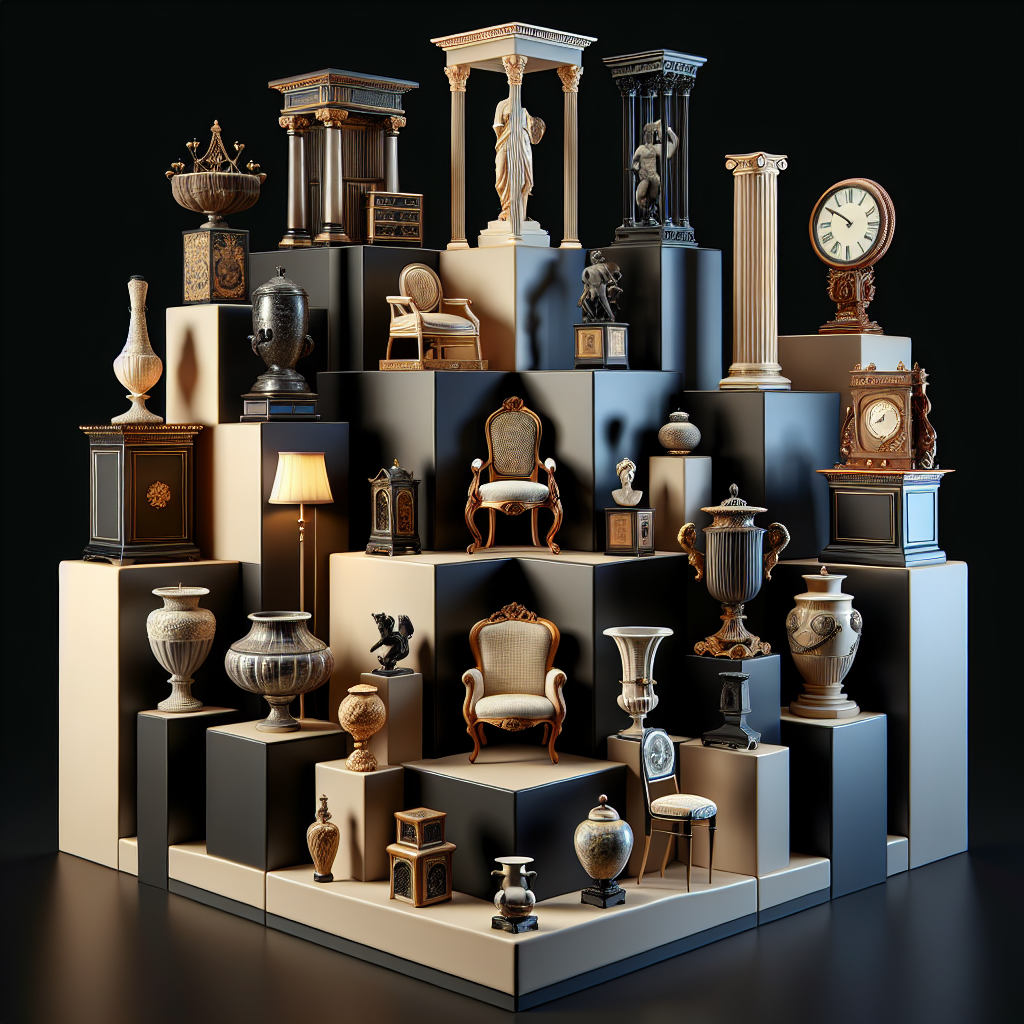
“The Power of the Pedestal: Elevating Objects and Furniture” explores the transformative role of pedestals in design and interior aesthetics. This concept delves into how pedestals, often overlooked, serve as more than mere supports; they are pivotal in highlighting and enhancing the beauty of objects and furniture. By elevating items, pedestals draw attention, create focal points, and add layers of meaning and significance to spaces. This exploration reveals the pedestal’s ability to redefine spatial dynamics, offering a fresh perspective on the interplay between art, design, and functionality.
The Art of Display: Transforming Spaces with Elevated Furniture
In the world of interior design, the art of display is a subtle yet powerful tool that can transform any space. One of the most effective ways to achieve this transformation is by using pedestals to elevate objects and furniture. While it might seem like a simple concept, the impact of raising items off the ground can be profound, adding a sense of importance and focus to the pieces you choose to highlight. Imagine walking into a room where a beautiful sculpture is placed on a pedestal, drawing your eye immediately to its intricate details. This is the power of the pedestal: it not only showcases the object but also creates a focal point that can define the entire space.
Pedestals come in various shapes, sizes, and materials, allowing for endless creativity in how they are used. Whether you prefer a sleek, modern design or a more traditional, ornate style, there is a pedestal to suit every taste and aesthetic. By carefully selecting the right pedestal, you can complement the object it supports, enhancing its beauty and significance. For instance, a minimalist marble pedestal can add a touch of elegance to a contemporary sculpture, while a rustic wooden pedestal might bring warmth and character to a vintage vase.
Moreover, pedestals are not limited to displaying art pieces alone. They can also be used to elevate furniture, such as small tables or plant stands, adding layers and depth to a room. This technique can be particularly effective in smaller spaces, where maximizing vertical space is essential. By lifting certain elements off the ground, you create a sense of openness and flow, making the room feel larger and more inviting. Additionally, elevated furniture can help to delineate different areas within a space, subtly guiding the eye and creating a natural flow from one section to another.
Transitioning from the practical to the aesthetic, the use of pedestals can also reflect personal style and creativity. They offer an opportunity to experiment with different textures, colors, and materials, allowing you to express your unique taste. For example, pairing a bold, colorful pedestal with a neutral-toned object can create a striking contrast that captures attention. Alternatively, using a transparent acrylic pedestal can give the illusion that the object is floating, adding an element of surprise and intrigue.
Furthermore, pedestals can serve as conversation starters, inviting guests to engage with the objects on display. By elevating items that hold personal significance or tell a story, you create a narrative within your space that can spark curiosity and dialogue. Whether it’s a cherished family heirloom or a piece collected during travels, placing it on a pedestal elevates its status and invites others to appreciate its history and meaning.
In conclusion, the power of the pedestal lies in its ability to transform spaces by elevating objects and furniture. Through thoughtful selection and placement, pedestals can enhance the beauty and significance of the items they support, while also adding depth and dimension to a room. Whether used to showcase art, define space, or express personal style, pedestals offer a versatile and impactful way to elevate your interior design. So next time you’re looking to refresh your space, consider the humble pedestal and the transformative power it holds.
Pedestal Perfection: How to Choose the Right Stand for Your Decor
When it comes to home decor, the little details often make the biggest impact. One such detail that can transform a space is the humble pedestal. These stands, often overlooked, have the power to elevate not just objects, but the entire aesthetic of a room. Choosing the right pedestal for your decor can be a delightful journey, blending creativity with practicality. So, how do you go about selecting the perfect pedestal to complement your space?
First and foremost, consider the purpose of the pedestal. Are you looking to showcase a cherished sculpture, a vibrant plant, or perhaps a unique piece of pottery? The object you wish to display will significantly influence the type of pedestal you choose. For instance, a delicate glass sculpture might call for a sleek, minimalist stand that doesn’t compete for attention, while a robust, earthy plant could be paired with a rustic wooden pedestal to enhance its natural charm.
Next, think about the material of the pedestal. The material not only affects the overall look but also the durability and functionality of the piece. Wood, metal, and stone are popular choices, each bringing its own character to the table. Wooden pedestals offer warmth and versatility, easily fitting into both traditional and contemporary settings. Metal stands, on the other hand, can add a touch of industrial chic or modern elegance, depending on their finish. Stone pedestals, with their timeless appeal, can serve as a solid foundation for heavier objects, while also adding a sense of permanence and stability to the decor.
In addition to material, the height of the pedestal is a crucial factor to consider. The right height can make all the difference in how an object is perceived. A pedestal that’s too tall might overshadow the item it holds, while one that’s too short could leave it unnoticed. Ideally, the pedestal should bring the object to eye level or slightly above, allowing it to be appreciated from various angles. This is especially important in spaces where people are likely to be seated, such as living rooms or dining areas.
Moreover, the style of the pedestal should harmonize with the existing decor. If your home leans towards a minimalist aesthetic, a simple, unadorned pedestal might be the way to go. Conversely, if your space is more eclectic or traditional, a pedestal with intricate carvings or ornate details could add an extra layer of interest. It’s all about finding that sweet spot where the pedestal enhances the object without stealing the spotlight.
Finally, don’t forget to consider the placement of the pedestal within the room. The location can greatly influence the overall impact. A pedestal placed in a corner might create a cozy nook, while one positioned near a window could take advantage of natural light to highlight the object it holds. Additionally, grouping multiple pedestals of varying heights can create a dynamic display, adding depth and dimension to the space.
In conclusion, choosing the right pedestal for your decor is an art in itself. By considering factors such as purpose, material, height, style, and placement, you can find a pedestal that not only elevates your cherished objects but also enhances the overall ambiance of your home. So, the next time you’re looking to refresh your space, remember the power of the pedestal—it might just be the perfect finishing touch you’ve been searching for.
Elevate Your Aesthetic: Creative Ways to Use Pedestals in Interior Design
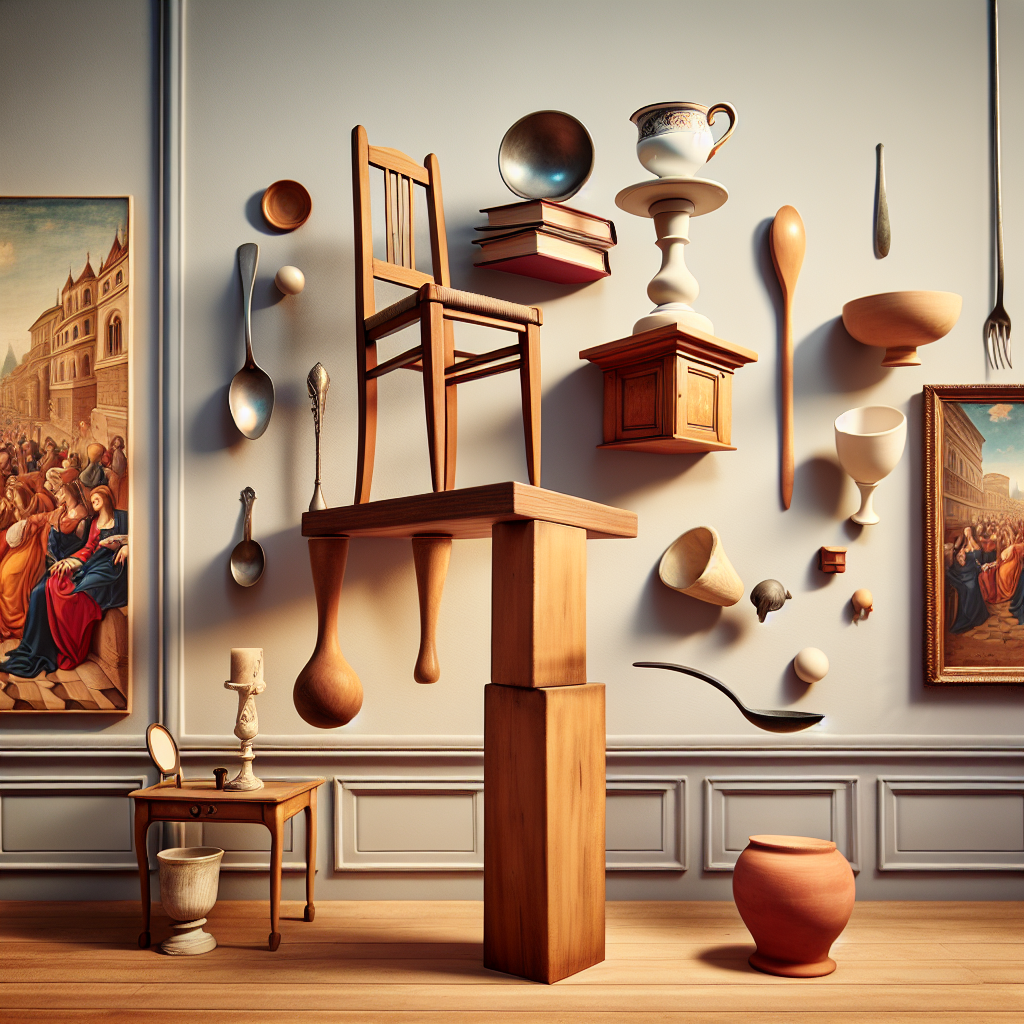
When it comes to interior design, the little details often make the biggest impact. One such detail that can transform a space from ordinary to extraordinary is the use of pedestals. These versatile pieces are not just for art galleries or museums; they can be a game-changer in your home decor. By elevating objects and furniture, pedestals add a touch of sophistication and creativity to any room. Whether you’re looking to highlight a cherished sculpture, a beautiful plant, or even a unique piece of furniture, pedestals offer a simple yet effective way to elevate your aesthetic.
To begin with, consider the power of contrast. A pedestal can create a striking visual effect by contrasting with the object it supports. For instance, a sleek, modern pedestal can make a rustic, vintage vase stand out even more, drawing the eye and creating a focal point in the room. This contrast not only highlights the object but also adds depth and interest to the overall design. Moreover, using pedestals of varying heights can create a dynamic display, allowing you to play with different levels and perspectives.
Transitioning from contrast to cohesion, pedestals can also be used to unify a space. By selecting pedestals that match or complement your existing decor, you can create a harmonious look that ties the room together. For example, if your living room features a lot of natural wood elements, a wooden pedestal can seamlessly blend in while still providing that extra lift to your chosen object. This approach ensures that the pedestal enhances rather than distracts from the overall design.
In addition to their aesthetic benefits, pedestals are incredibly functional. They can be used to elevate plants, making it easier to care for them and ensuring they receive adequate light. A pedestal can also serve as a small side table, perfect for holding a cup of coffee or a stack of books. This dual-purpose functionality makes pedestals a practical addition to any room, especially in smaller spaces where maximizing utility is key.
Furthermore, pedestals offer a unique opportunity to showcase personal treasures. Whether it’s a family heirloom, a piece of art you’ve collected on your travels, or a handmade craft, placing it on a pedestal gives it the attention it deserves. This not only personalizes your space but also sparks conversation and adds character to your home. By elevating these items, you create a narrative that reflects your personality and style.
As we move from personal treasures to seasonal decor, pedestals can also be a fantastic way to celebrate the changing seasons. Imagine a pedestal adorned with a pumpkin arrangement in the fall or a vase of fresh flowers in the spring. This seasonal rotation keeps your decor fresh and engaging, allowing you to experiment with different looks throughout the year.
In conclusion, the power of the pedestal lies in its ability to elevate both objects and the overall aesthetic of a space. By incorporating pedestals into your interior design, you can create contrast, cohesion, and functionality while showcasing personal treasures and celebrating the seasons. So, the next time you’re looking to refresh your home decor, consider the humble pedestal as your secret weapon for elevating your aesthetic.
From Ordinary to Extraordinary: The Impact of Pedestals on Home Decor
In the world of home decor, it’s often the little things that make the biggest impact. One such element that can transform a space from ordinary to extraordinary is the humble pedestal. While it might seem like a simple piece of furniture, a pedestal has the power to elevate not just objects, but the entire aesthetic of a room. Imagine walking into a living room where a beautiful sculpture is displayed on a pedestal. Instantly, the sculpture becomes a focal point, drawing the eye and inviting admiration. This is the magic of the pedestal—it takes something that might otherwise go unnoticed and gives it a stage to shine.
Pedestals come in a variety of styles, materials, and sizes, making them incredibly versatile. Whether your home is modern, rustic, or somewhere in between, there’s a pedestal that can complement your decor. For instance, a sleek, minimalist pedestal made of metal or glass can add a touch of contemporary elegance to a room. On the other hand, a wooden pedestal with intricate carvings can bring warmth and a sense of history to a space. The choice of material and design can significantly influence the overall vibe of the room, allowing you to express your personal style in a subtle yet impactful way.
Moreover, pedestals are not just for displaying art. They can be used to showcase a variety of objects, from plants to vases to treasured collectibles. By elevating these items, you create a sense of importance and intention. A simple houseplant, when placed on a pedestal, becomes a statement piece, adding height and greenery to the room. Similarly, a vase filled with fresh flowers can look even more stunning when given a little lift. This ability to highlight and enhance is what makes pedestals such a valuable tool in home decor.
In addition to their aesthetic benefits, pedestals can also serve practical purposes. They can be used to create additional surface space in a room, which is particularly useful in smaller homes or apartments. A pedestal can hold a lamp, providing both light and a decorative element. It can also serve as a small side table, perfect for holding a cup of coffee or a book. This dual functionality makes pedestals not only beautiful but also incredibly useful.
Furthermore, incorporating pedestals into your home decor can be a fun and creative process. You can experiment with different heights and groupings to create visual interest. For example, placing two or three pedestals of varying heights together can create a dynamic display that draws the eye upward. This technique can be particularly effective in rooms with high ceilings, as it helps to fill the vertical space and create a sense of balance.
In conclusion, the power of the pedestal lies in its ability to transform the ordinary into the extraordinary. By elevating objects and furniture, pedestals add depth, interest, and elegance to any room. Whether you’re looking to highlight a cherished piece of art or simply add a touch of sophistication to your decor, a pedestal can be the perfect solution. So next time you’re looking to refresh your space, consider the impact a pedestal can make. You might just find that this simple piece of furniture has the power to elevate not only your objects but your entire home.
Showcasing Style: The Role of Pedestals in Modern Interior Design
In the world of interior design, the smallest details often make the biggest impact. One such detail that has been gaining attention is the humble pedestal. While traditionally associated with art galleries and museums, pedestals are making their way into modern homes, transforming ordinary spaces into extraordinary showcases of style. The power of the pedestal lies in its ability to elevate objects and furniture, both literally and figuratively, creating focal points that draw the eye and spark conversation.
Imagine walking into a room where a beautiful sculpture or a cherished family heirloom is displayed on a pedestal. Instantly, the object is given a sense of importance and reverence, as if it were a masterpiece in a gallery. This is the magic of the pedestal—it elevates not just the object, but the entire room’s aesthetic. By lifting items off the ground, pedestals create a sense of space and airiness, allowing each piece to be appreciated from all angles. This can be particularly effective in smaller rooms, where floor space is at a premium, and every inch counts.
Moreover, pedestals are incredibly versatile. They come in a variety of materials, from sleek metals and polished woods to rustic stone and minimalist acrylic. This diversity allows them to seamlessly blend into any design style, whether it’s a modern loft, a cozy cottage, or a classic Victorian home. For those who love to experiment with their decor, pedestals offer an easy way to refresh a room’s look without a complete overhaul. Simply swapping out the items on display can change the entire vibe of a space, keeping it dynamic and interesting.
In addition to their aesthetic appeal, pedestals serve a practical purpose. They can be used to highlight seasonal decorations, such as a vase of fresh flowers in spring or a collection of pumpkins in the fall. This makes them an ideal choice for those who enjoy celebrating the changing seasons through their home decor. Furthermore, pedestals can be used to create levels in a room, adding depth and dimension to flat surfaces. By varying the heights of objects, you can create a more engaging visual experience that encourages the eye to move around the space.
Another advantage of using pedestals in interior design is their ability to showcase personal style. Whether you prefer a minimalist approach with a single statement piece or a more eclectic mix of items, pedestals provide a platform for self-expression. They allow you to curate your own mini-exhibitions, displaying items that hold personal significance or simply bring you joy. This personal touch can make a house feel more like a home, filled with stories and memories.
In conclusion, the power of the pedestal in modern interior design cannot be underestimated. By elevating objects and furniture, pedestals not only enhance the visual appeal of a space but also offer practical benefits and opportunities for personal expression. As more people discover the potential of these versatile pieces, it’s clear that pedestals are no longer just for galleries—they’re for anyone looking to add a touch of elegance and style to their home. So, the next time you’re looking to refresh your space, consider the pedestal as your secret weapon for showcasing style.
Conclusion
“The Power of the Pedestal: Elevating Objects and Furniture” explores the transformative impact of pedestals in design and interior spaces. By elevating objects and furniture, pedestals not only enhance the aesthetic appeal but also create focal points that draw attention and add a sense of importance to the displayed items. This elevation can alter perceptions, highlight craftsmanship, and introduce new dimensions to spatial arrangements. Ultimately, the strategic use of pedestals in design underscores their ability to redefine environments, offering both functional and artistic value.