The Power of the Pedestal: Elevating Objects and Furniture
August 22, 2023
The New Warmth: Cozy Elements in Sleek, Modern Interiors
September 5, 2023
-
Table of Contents
- Introduction
- Creating Elegance: Key Elements of a Luxe Library Design
- Color Palettes and Textures: Elevating Your Home Study Space
- Incorporating Technology: Modern Features for Sophisticated Libraries
- Furniture and Layout: Designing a Functional Yet Luxurious Library
- Lighting and Ambiance: Setting the Mood in Your Luxe Library
- Conclusion
Introduction
Luxe Libraries: Designing Sophisticated Home Study Spaces explores the art of creating elegant and functional home libraries that serve as both a sanctuary for reading and a statement of personal style. This guide delves into the elements that transform a simple room into a luxurious retreat, from selecting the finest materials and furnishings to incorporating advanced technology seamlessly. It highlights the importance of lighting, acoustics, and ergonomics in crafting an environment conducive to focus and relaxation. Whether you are a bibliophile seeking a serene escape or a professional in need of a refined workspace, this book offers inspiration and practical advice for designing a home library that reflects your taste and enhances your lifestyle.
Creating Elegance: Key Elements of a Luxe Library Design
Creating a sophisticated home study space is an exciting endeavor that combines functionality with elegance, transforming a simple room into a luxurious library. The key to achieving this lies in the thoughtful selection of elements that not only serve practical purposes but also elevate the aesthetic appeal of the space. As you embark on this journey, consider how each component can contribute to a cohesive and inviting environment.
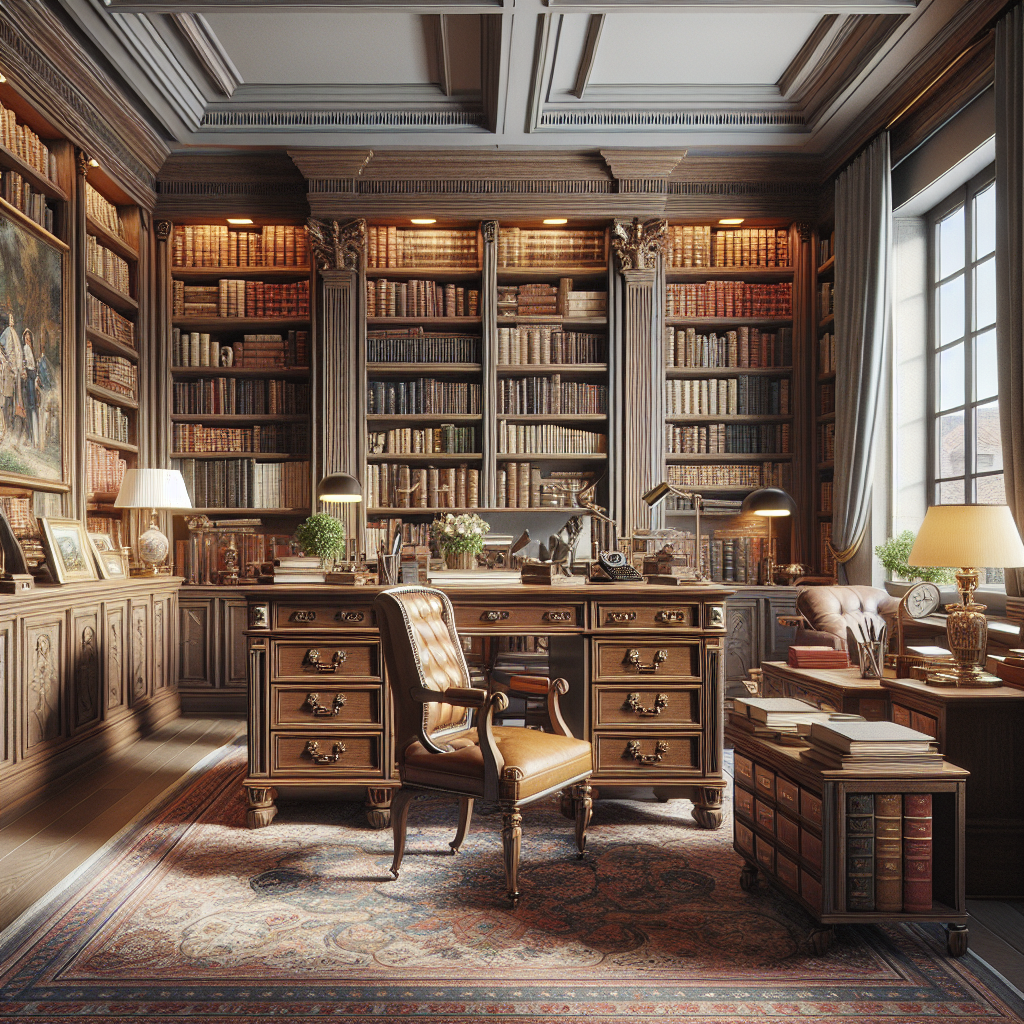
To begin with, the choice of furniture is paramount. Opt for pieces that exude timeless elegance, such as a classic wooden desk or a plush leather armchair. These items not only provide comfort and utility but also set the tone for the entire room. When selecting a desk, consider one with intricate detailing or a rich finish that complements the overall color scheme. Similarly, a well-crafted armchair can serve as a focal point, inviting you to sink into its embrace with a good book in hand.
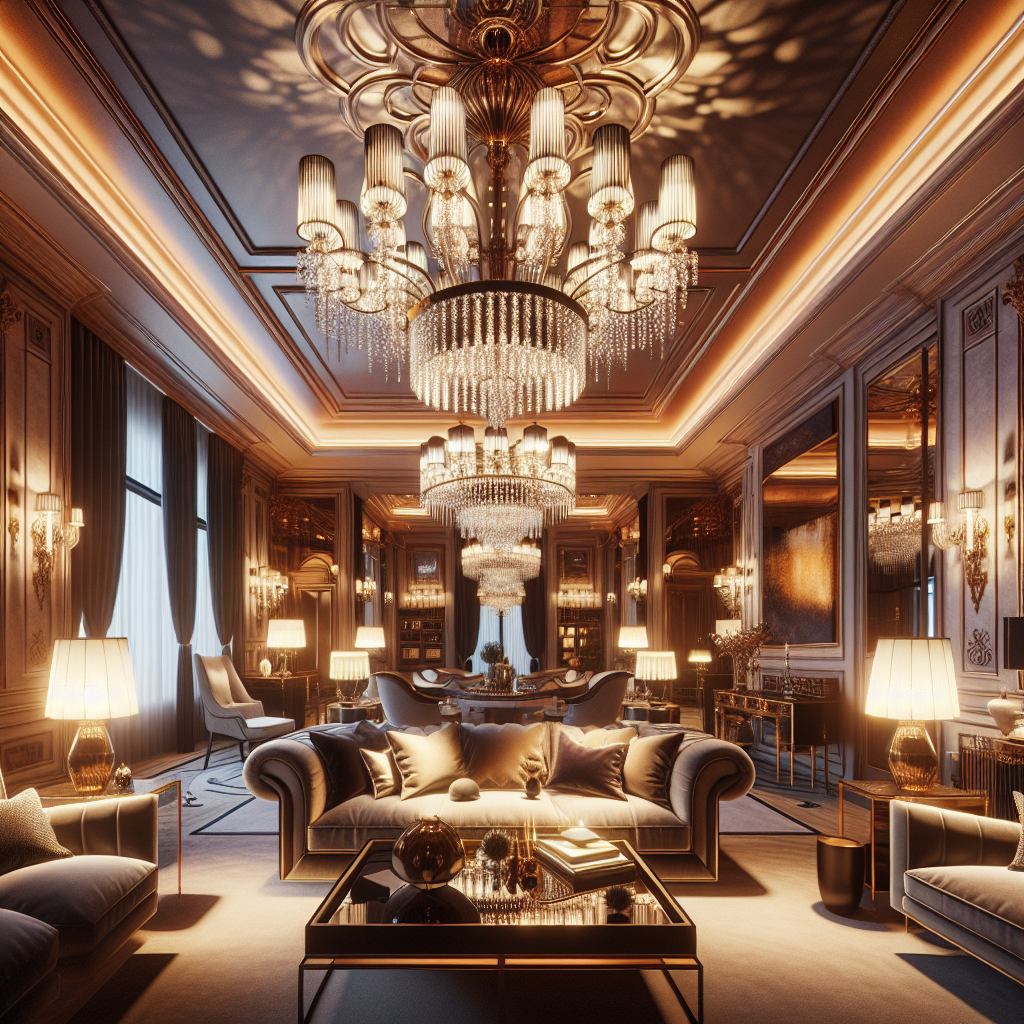
Transitioning from furniture to lighting, it’s essential to strike a balance between functionality and ambiance. Natural light is a wonderful asset, so if possible, position your study space near a window to take advantage of the daylight. For evening hours or cloudy days, incorporate a mix of lighting options. A statement chandelier can add a touch of glamour, while adjustable desk lamps provide focused illumination for reading or working. The interplay of light and shadow can create a warm and inviting atmosphere, making your library a place you’ll want to spend time in.
Moving on to color schemes, consider hues that evoke a sense of calm and sophistication. Deep, rich colors like navy blue, forest green, or burgundy can create a cozy yet elegant backdrop. These shades not only add depth to the room but also complement the natural tones of wooden furniture. If you prefer a lighter palette, soft neutrals like cream or taupe can also convey a sense of understated luxury. The key is to choose colors that resonate with you and enhance the overall mood of the space.
In addition to furniture and color, the selection of materials plays a crucial role in defining the character of your library. Incorporate textures that add visual interest and tactile appeal. For instance, a plush area rug can anchor the room and provide a soft surface underfoot, while velvet or silk cushions add a touch of opulence. Wooden bookshelves, whether built-in or freestanding, offer both storage and style, showcasing your collection of books and decorative items.
As you consider the finishing touches, think about how personal elements can infuse the space with character. Artworks, family photos, or cherished mementos can be displayed strategically to reflect your personality and interests. Additionally, incorporating greenery, such as potted plants or fresh flowers, can breathe life into the room and create a connection with nature.
Finally, remember that a luxe library is not just about aesthetics; it’s about creating a space that feels inviting and inspires creativity. By thoughtfully curating each element, from furniture and lighting to color and texture, you can design a home study space that is both elegant and functional. As you settle into your new library, you’ll find it’s not just a room, but a sanctuary where ideas flourish and relaxation comes naturally.
Color Palettes and Textures: Elevating Your Home Study Space
Creating a sophisticated home study space is all about blending functionality with aesthetics, and one of the most effective ways to achieve this is through the careful selection of color palettes and textures. When you walk into a room that feels just right, it’s often because the colors and textures are working in harmony to create a balanced and inviting atmosphere. So, let’s dive into how you can elevate your home study space with these elements.
First, consider the mood you want to set in your study space. If you’re aiming for a calm and focused environment, you might lean towards cool, muted tones like soft blues, gentle grays, or even a classic white. These colors tend to create a serene backdrop that can help reduce stress and improve concentration. On the other hand, if you want a space that energizes and inspires creativity, you might opt for warmer tones like rich terracotta, deep greens, or even a bold mustard. These colors can add a touch of vibrancy and warmth, making the space feel more dynamic.
Once you’ve settled on a color palette, it’s time to think about textures. Texture adds depth and interest to a room, preventing it from feeling flat or one-dimensional. For a luxurious feel, consider incorporating materials like velvet, leather, or silk. A velvet chair or a leather desk pad can instantly elevate the space, adding a touch of sophistication. If you prefer a more natural vibe, you might incorporate elements like wood, rattan, or linen. A wooden desk or a rattan light fixture can bring warmth and an organic feel to the room.
Moreover, don’t forget about the power of contrast. Mixing different textures can create a visually appealing space that feels both cohesive and dynamic. For instance, pairing a sleek glass desk with a plush velvet chair can create an interesting juxtaposition that draws the eye. Similarly, a soft wool rug under a metal bookshelf can add a layer of comfort and style.
Lighting also plays a crucial role in how colors and textures are perceived. Natural light can enhance the colors in your space, making them appear more vibrant and true to life. If your study space lacks natural light, consider using layered lighting to create a warm and inviting atmosphere. A combination of overhead lighting, task lighting, and ambient lighting can help highlight different textures and create a cozy environment.
In addition to colors and textures, personal touches can make your study space truly unique. Consider adding artwork, plants, or decorative objects that reflect your personality and interests. These elements can add character and make the space feel more like your own. A well-placed piece of art can serve as a focal point, while a few potted plants can bring life and freshness to the room.
Ultimately, designing a sophisticated home study space is about creating a balance between aesthetics and functionality. By carefully selecting a color palette and incorporating a variety of textures, you can transform your study into a luxurious retreat that not only looks beautiful but also supports your productivity and well-being. So, go ahead and experiment with different combinations until you find the perfect blend that speaks to you. After all, your study space should be a reflection of your personal style and a place where you feel inspired to do your best work.
Incorporating Technology: Modern Features for Sophisticated Libraries

Incorporating technology into your home library can transform it from a simple reading nook into a sophisticated study space that caters to both relaxation and productivity. As we embrace the digital age, the integration of modern features into our personal libraries not only enhances functionality but also adds a touch of luxury and convenience. Imagine walking into a room where the ambiance is set just right, with smart lighting that adjusts to your reading preferences, and a sound system that plays your favorite classical tunes or ambient sounds to help you focus. These are just a few of the ways technology can elevate your home library experience.
To begin with, consider the lighting in your library. Smart lighting systems, such as Philips Hue or LIFX, allow you to customize the brightness and color temperature to suit your mood or the time of day. Whether you prefer a warm, cozy glow for evening reading or a bright, daylight setting for studying, these systems can be controlled via smartphone apps or voice commands, making it easy to create the perfect atmosphere. Moreover, automated blinds or curtains can be programmed to adjust throughout the day, ensuring that natural light is maximized while reducing glare on screens or books.
Speaking of screens, incorporating a high-quality display can be a game-changer for your library. A sleek, wall-mounted smart TV or a large monitor can serve multiple purposes, from streaming educational content and documentaries to displaying digital art or even functioning as a virtual fireplace. For those who enjoy audiobooks or podcasts, a smart speaker like the Amazon Echo or Google Nest can provide hands-free access to a vast library of audio content, all while blending seamlessly into the room’s decor.
In addition to entertainment, technology can significantly enhance productivity in your home library. A well-designed workspace with ergonomic furniture and a powerful laptop or desktop computer is essential for those who use their library as a home office. Consider investing in a wireless charging station to keep your devices powered up without the clutter of cords. Furthermore, noise-canceling headphones or a white noise machine can help create a distraction-free environment, allowing you to focus on your work or studies.
For book lovers, digital solutions can complement traditional collections. E-readers like the Kindle or Kobo offer access to thousands of titles without taking up physical space, and they are perfect for reading on the go. Additionally, apps like Libby or OverDrive connect you to your local library’s digital collection, providing access to e-books and audiobooks with just a few taps.
Finally, don’t forget about security and organization. Smart home devices such as security cameras and smart locks can help protect your valuable book collection and technology investments. Meanwhile, digital cataloging apps can help you keep track of your books, making it easy to locate a specific title or manage your reading list.
Incorporating these modern features into your home library not only enhances its functionality but also creates a space that is both luxurious and inviting. By thoughtfully integrating technology, you can design a sophisticated study space that meets your needs and reflects your personal style, making it a true sanctuary for learning and relaxation.
Furniture and Layout: Designing a Functional Yet Luxurious Library
Creating a sophisticated home library is about more than just lining your walls with bookshelves; it’s about crafting a space that invites you to linger, learn, and luxuriate. The furniture and layout of your library play a crucial role in achieving this balance between functionality and luxury. As you embark on designing your home study space, consider how each element can contribute to an atmosphere that is both inviting and inspiring.
To begin with, selecting the right furniture is essential. A library is not complete without a comfortable chair or two. Think plush armchairs or a classic leather recliner that beckons you to sink in with a good book. These pieces should not only be comfortable but also reflect your personal style, adding a touch of elegance to the room. Pairing your seating with a small side table can provide a convenient spot for a cup of tea or a reading lamp, enhancing both the functionality and the aesthetic of the space.
Transitioning from seating to storage, bookshelves are the backbone of any library. While traditional floor-to-ceiling shelves are a timeless choice, don’t shy away from exploring more modern designs that incorporate open shelving or asymmetrical layouts. These can add a contemporary flair to your library while still offering ample space for your book collection. Consider using a mix of materials, such as wood and metal, to create visual interest and depth. Additionally, incorporating closed storage options, like cabinets or drawers, can help keep the space tidy by concealing less attractive items.
As you arrange your furniture, think about the flow of the room. A well-designed library should encourage movement and exploration. Positioning your seating near a window can take advantage of natural light, creating a cozy reading nook. Meanwhile, placing bookshelves along the walls can open up the center of the room, making it feel more spacious. If space allows, a central table can serve as a versatile surface for spreading out research materials or hosting a casual book club meeting.
Lighting is another key element in designing a luxurious library. While natural light is ideal, it’s important to have a variety of lighting options to suit different moods and times of day. Floor lamps, table lamps, and even wall sconces can provide layered lighting that enhances the ambiance. Consider dimmable options to easily transition from bright task lighting to a softer, more relaxed glow.
Incorporating personal touches can elevate your library from simply functional to truly luxurious. Artwork, decorative objects, and even a carefully curated selection of plants can add character and warmth to the space. These elements should reflect your tastes and interests, making the library a true extension of yourself. A well-placed rug can also add texture and comfort, tying the room together and making it feel more inviting.
Ultimately, the goal is to create a library that is both a sanctuary and a showcase. By thoughtfully selecting furniture and considering the layout, you can design a home study space that is as functional as it is luxurious. Whether you’re diving into a new novel or tackling a work project, your library should be a place where you feel both productive and pampered. With a little planning and creativity, you can transform any space into a sophisticated retreat that you’ll never want to leave.
Lighting and Ambiance: Setting the Mood in Your Luxe Library
Creating a sophisticated home study space is all about setting the right mood, and lighting plays a pivotal role in achieving that perfect ambiance. Imagine walking into your luxe library, where the lighting is not just functional but also a key element of the room’s design. The right lighting can transform your study space from a simple room with books to a sanctuary of knowledge and inspiration. To begin with, consider the natural light available in your space. Large windows or strategically placed skylights can flood your library with sunlight, creating a warm and inviting atmosphere. Natural light not only enhances the aesthetic appeal of your study but also boosts your mood and productivity. However, it’s essential to balance this with the need for privacy and glare control, which can be achieved with elegant drapes or blinds that complement the room’s decor.
As the sun sets, artificial lighting takes center stage. Layered lighting is the secret to creating a dynamic and versatile environment. Start with ambient lighting, which provides overall illumination. This could be a stunning chandelier or a series of recessed lights that offer a soft, even glow. The key is to ensure that the ambient light is not too harsh, as it should create a cozy and welcoming atmosphere. Next, focus on task lighting, which is crucial for reading and working. A stylish desk lamp with adjustable brightness can be both functional and a statement piece. Consider lamps with warm LED bulbs that mimic natural light, reducing eye strain during long study sessions.
Accent lighting is where you can truly let your creativity shine. Use it to highlight your favorite books, art pieces, or architectural features in the room. Picture lights or LED strips on shelves can draw attention to your curated collection, adding depth and interest to the space. Additionally, incorporating dimmers allows you to adjust the lighting to suit different moods and occasions, whether you’re hosting a book club or enjoying a quiet evening with a novel.
Beyond the technical aspects of lighting, the fixtures themselves can be a reflection of your personal style. Opt for materials and designs that resonate with the overall theme of your luxe library. Whether it’s a vintage brass lamp or a sleek, modern pendant, the right choice can tie the room together and enhance its sophistication. Moreover, don’t shy away from mixing different styles and finishes to create a unique and eclectic look.
In addition to lighting, consider the role of color and texture in setting the mood. Rich, deep hues like navy, emerald, or burgundy can create a sense of opulence and tranquility, while lighter shades can make the space feel airy and expansive. Complement these colors with textures such as plush rugs, velvet chairs, or wooden bookshelves to add layers of comfort and elegance.
Ultimately, designing a luxe library is about creating a space that reflects your personality and meets your needs. By thoughtfully considering lighting and ambiance, you can craft a study space that is not only functional but also a true retreat from the outside world. So, as you embark on this design journey, remember that the right lighting can illuminate not just your books, but also your mind and spirit.
Conclusion
Luxe Libraries: Designing Sophisticated Home Study Spaces explores the art of creating elegant and functional home libraries that serve as both a sanctuary for reading and a stylish addition to any home. The book delves into various design elements, such as the selection of high-quality materials, the integration of technology, and the importance of personalized touches that reflect the homeowner’s tastes and interests. It emphasizes the balance between aesthetics and practicality, ensuring that these spaces are not only visually appealing but also conducive to study and relaxation. By showcasing a range of design styles, from classic to contemporary, Luxe Libraries provides inspiration and guidance for anyone looking to transform their home study into a luxurious retreat.