The Luxury of Comfort: Ergonomics in High-End Furniture Design
September 17, 2024
Cultural Fusion: Global Influences in Modern Luxury Interiors
September 24, 2024
-
Table of Contents
- Introduction
- The Psychology of Scent: How Fragrance Influences Perception in Luxury Spaces
- Signature Scents: Crafting a Unique Olfactory Identity for High-End Interiors
- Aromatic Accents: Integrating Scented Elements into Luxury Design Aesthetics
- The Art of Scent Layering: Creating Depth and Dimension in Opulent Interiors
- Scent and Sustainability: Eco-Friendly Fragrance Solutions for Luxury Homes
- Conclusion
Introduction
Olfactory Opulence: The Role of Scent in Luxury Interior Design explores the transformative power of fragrance in creating sophisticated and immersive environments. In the realm of luxury interiors, scent transcends its traditional role, becoming an integral element of design that enhances aesthetic appeal and emotional resonance. This exploration delves into how carefully curated aromas can evoke a sense of exclusivity, comfort, and identity, elevating spaces from mere visual spectacles to holistic sensory experiences. By examining the interplay between scent and design, this study reveals how olfactory elements contribute to the narrative of luxury, influencing mood, perception, and the overall ambiance of high-end interiors.
The Psychology of Scent: How Fragrance Influences Perception in Luxury Spaces
When you step into a luxury space, whether it’s a high-end hotel lobby, an upscale boutique, or a lavish home, there’s an immediate sense of opulence that envelops you. While the visual elements like plush furnishings, exquisite art, and sophisticated color palettes are often the first to catch your eye, there’s another, subtler component at play that significantly influences your perception: scent. The role of fragrance in luxury interior design is an art form in itself, tapping into the psychology of scent to create an atmosphere that is not only seen but felt on a deeper, more emotional level.
Scent has a unique ability to evoke memories and emotions, often more powerfully than any other sense. This is because our olfactory system is directly linked to the limbic system, the part of the brain responsible for emotion and memory. When a particular fragrance wafts through a space, it can instantly transport you to a different time or place, conjuring feelings of nostalgia, comfort, or even excitement. Luxury interior designers harness this power to craft environments that resonate with guests on a personal level, making the experience of the space truly unforgettable.
Incorporating scent into luxury spaces is not just about choosing a pleasant aroma; it’s about curating a fragrance that aligns with the brand’s identity and the ambiance the space aims to convey. For instance, a high-end spa might opt for calming notes of lavender and eucalyptus to promote relaxation and tranquility, while a chic fashion boutique might choose a more vibrant and invigorating scent like citrus or bergamot to energize and inspire shoppers. The key is to select a fragrance that complements the visual and tactile elements of the space, creating a cohesive sensory experience.
Moreover, the use of scent in luxury spaces goes beyond mere aesthetics; it can also influence behavior. Studies have shown that certain fragrances can affect mood and even decision-making. For example, the scent of vanilla is known to evoke feelings of warmth and comfort, potentially encouraging guests to linger longer in a space. Similarly, the fresh, clean aroma of white tea might suggest purity and sophistication, subtly enhancing the perceived quality of the products or services offered.
As we delve deeper into the psychology of scent, it’s fascinating to see how cultural differences can also play a role in fragrance preferences. What might be considered luxurious and appealing in one culture could be perceived differently in another. This is why luxury brands often tailor their scent strategies to suit the tastes and expectations of their target audience, ensuring that the olfactory experience is as inclusive and inviting as possible.
In recent years, the trend of personalized scents has gained traction, with some luxury spaces offering bespoke fragrance options to cater to individual preferences. This not only elevates the guest experience but also adds a layer of exclusivity, making the space feel even more special and unique.
In conclusion, the role of scent in luxury interior design is a testament to the power of the senses in shaping our experiences and perceptions. By thoughtfully integrating fragrance into a space, designers can create an environment that is not only visually stunning but also emotionally resonant, leaving a lasting impression that goes beyond what meets the eye. As you explore the world of luxury spaces, take a moment to breathe in the atmosphere and appreciate the olfactory opulence that surrounds you.
Signature Scents: Crafting a Unique Olfactory Identity for High-End Interiors
When you step into a luxurious space, your senses are immediately engaged. The soft touch of plush fabrics, the gleam of polished surfaces, and the gentle play of light all contribute to an atmosphere of opulence. However, one often overlooked element that plays a crucial role in defining the ambiance of high-end interiors is scent. The power of fragrance to evoke emotions and create lasting memories is unparalleled, making it an essential component in crafting a unique olfactory identity for luxury spaces.
Imagine walking into a grand hotel lobby or an upscale boutique. The first thing that greets you, even before you take in the visual splendor, is the scent. It might be a subtle blend of sandalwood and vanilla or a refreshing hint of citrus and bergamot. This carefully curated fragrance is not just an afterthought; it is a signature scent designed to enhance the overall experience and leave a lasting impression. In the world of luxury interior design, scent is as important as the choice of furniture or the color palette.
Creating a signature scent involves a delicate balance of art and science. Designers and scent experts work together to develop a fragrance that aligns with the brand’s identity and the space’s purpose. For instance, a high-end spa might opt for calming notes of lavender and eucalyptus to promote relaxation, while a chic fashion boutique might choose a more vibrant and energetic scent profile to reflect its cutting-edge style. The goal is to create an olfactory experience that complements the visual and tactile elements of the space, resulting in a harmonious and immersive environment.
Moreover, the use of scent in luxury interiors is not limited to public spaces. Private residences also benefit from the thoughtful integration of fragrance. Homeowners can work with designers to develop a personalized scent that reflects their tastes and enhances the ambiance of their living spaces. This bespoke approach to scent design allows for a truly unique olfactory identity that can transform a house into a home.
In addition to enhancing the aesthetic appeal of a space, scent also has the power to influence mood and behavior. Studies have shown that certain fragrances can evoke feelings of happiness, calmness, or even nostalgia. By strategically incorporating scent into interior design, it is possible to create an environment that not only looks beautiful but also feels inviting and comforting. This emotional connection is what sets luxury interiors apart from the ordinary.
Furthermore, the technology behind scent delivery has evolved significantly, allowing for more precise and controlled diffusion of fragrance. From discreet diffusers hidden within the architecture to smart systems that adjust the scent based on the time of day or the number of people in a room, the possibilities are endless. This innovation ensures that the scent remains a subtle yet impactful element of the design, enhancing the overall experience without overwhelming the senses.
In conclusion, the role of scent in luxury interior design is both profound and multifaceted. By crafting a unique olfactory identity, designers can elevate a space from merely beautiful to truly unforgettable. Whether in a lavish hotel, a sophisticated retail space, or a private residence, the right fragrance can create an atmosphere of olfactory opulence that lingers in the memory long after the visit has ended. As we continue to explore the intersection of scent and design, the possibilities for creating immersive and emotive spaces are limited only by our imagination.
Aromatic Accents: Integrating Scented Elements into Luxury Design Aesthetics
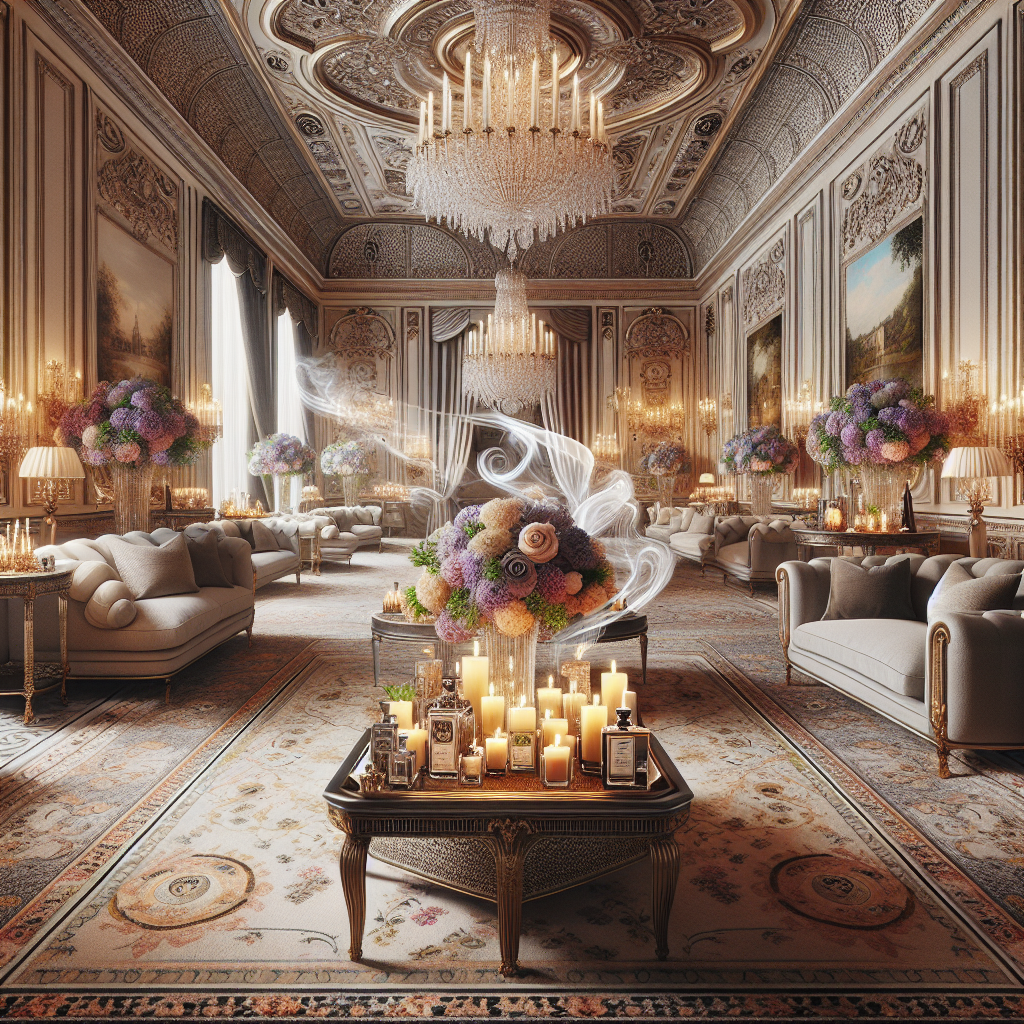
When we think of luxury interior design, our minds often drift to opulent fabrics, exquisite furniture, and artful lighting. However, there’s an often-overlooked element that can elevate a space from merely beautiful to truly unforgettable: scent. The role of fragrance in luxury design is akin to the final brushstroke on a masterpiece, adding depth and dimension that engage the senses in a unique way. As we explore the integration of scented elements into luxury design aesthetics, it becomes clear that olfactory opulence is an art form in its own right.
Imagine walking into a room where the air is infused with the subtle aroma of sandalwood and vanilla. Instantly, the space feels warmer, more inviting, and undeniably luxurious. This is the power of scent. It has the ability to transform an environment, creating an emotional connection that lingers long after you’ve left the room. In the world of luxury design, scent is not just an accessory; it’s an integral part of the experience.
To seamlessly incorporate fragrance into a design, it’s essential to consider the overall aesthetic and purpose of the space. For instance, a modern minimalist living room might benefit from a crisp, clean scent like bergamot or eucalyptus, which complements the sleek lines and open spaces. On the other hand, a richly decorated study with dark wood and leather accents might call for a more robust fragrance, such as tobacco or cedar, to enhance its cozy, sophisticated atmosphere.
Moreover, the method of scent delivery plays a crucial role in how fragrance is perceived. Candles, for example, offer a dual sensory experience with their warm glow and inviting aroma, making them perfect for intimate settings. Diffusers, on the other hand, provide a constant, subtle scent that can fill larger spaces without overwhelming the senses. For those who prefer a touch of technology, smart diffusers can be programmed to release fragrance at specific times, ensuring that the scent is always perfectly balanced.
In addition to choosing the right scent and delivery method, it’s important to consider how fragrance interacts with other elements in the room. Just as a bold piece of art can serve as a focal point, a carefully chosen scent can highlight certain design features or create a specific mood. For example, a floral fragrance might enhance the vibrant colors of a room filled with fresh flowers, while a spicy scent could add an exotic touch to a space with global influences.
Furthermore, scent can be used to create a sense of continuity throughout a home or building. By selecting complementary fragrances for different areas, designers can guide guests on a sensory journey, with each room offering a new olfactory experience that ties back to the overall theme. This thoughtful approach not only enhances the design but also creates a cohesive and memorable environment.
In conclusion, the integration of scented elements into luxury design aesthetics is a subtle yet powerful way to elevate a space. By carefully selecting fragrances that complement the design and purpose of each room, and by choosing the right delivery methods, designers can create environments that are not only visually stunning but also emotionally resonant. As we continue to explore the possibilities of olfactory opulence, it becomes clear that scent is an essential component of luxury interior design, offering an aromatic accent that enriches the overall experience.
The Art of Scent Layering: Creating Depth and Dimension in Opulent Interiors
When it comes to luxury interior design, every detail matters, and scent is no exception. The art of scent layering is an often-overlooked aspect that can transform a space from simply beautiful to truly opulent. Imagine walking into a room where the visual elements are perfectly complemented by a symphony of fragrances, each note enhancing the other to create a rich tapestry of aromas. This is the magic of scent layering, a technique that adds depth and dimension to interiors, making them not just a feast for the eyes but also a delight for the nose.
To begin with, scent layering in interior design is much like creating a fine perfume. It involves combining different fragrances to achieve a harmonious blend that evolves over time. This process starts with selecting a base scent that sets the tone for the space. Often, this is a subtle, grounding aroma like sandalwood or cedar, which provides a warm and inviting foundation. From there, mid-notes such as floral or herbal scents are introduced to add complexity and character. Finally, top notes like citrus or mint can be used to add a refreshing burst of energy, ensuring that the scent profile remains dynamic and engaging.
Transitioning from the basics to the practical application, it’s important to consider how these scents are introduced into a space. Candles, diffusers, and incense are popular choices, each offering a different level of intensity and duration. For instance, a candle might provide a gentle, flickering aroma perfect for an intimate setting, while a diffuser can offer a constant, subtle fragrance ideal for larger areas. Incense, on the other hand, can be used to create a dramatic olfactory experience, filling a room with its rich, smoky scent.
Moreover, the art of scent layering is not just about choosing the right fragrances but also about timing and placement. For example, placing a diffuser near the entrance ensures that guests are greeted with a welcoming aroma as soon as they step inside. Meanwhile, strategically placing candles around a room can create pockets of scent that draw people in and encourage them to explore different areas. This thoughtful approach to scent distribution can make a space feel more cohesive and inviting.
As we delve deeper into the nuances of scent layering, it’s worth noting that personal preference plays a significant role. Just as with color schemes and furniture choices, the scents chosen should reflect the personality and style of the homeowner. Some may prefer a more traditional approach with classic scents like lavender and vanilla, while others might opt for more exotic combinations such as oud and saffron. The key is to experiment and find a blend that resonates with the individual, creating a truly personalized olfactory experience.
In conclusion, the art of scent layering is a powerful tool in luxury interior design, offering a way to add depth and dimension to a space. By carefully selecting and combining fragrances, and considering their placement and timing, designers can create an environment that is not only visually stunning but also rich in sensory appeal. So next time you’re looking to elevate your interiors, remember that a well-crafted scent profile can be the finishing touch that transforms your home into a haven of olfactory opulence.
Scent and Sustainability: Eco-Friendly Fragrance Solutions for Luxury Homes
In the world of luxury interior design, every detail matters, from the texture of the fabrics to the color of the walls. However, one often overlooked element that plays a crucial role in creating an opulent atmosphere is scent. The right fragrance can transform a space, evoking emotions and memories while enhancing the overall aesthetic experience. As the demand for sustainable living grows, eco-friendly fragrance solutions are becoming increasingly popular in luxury homes, offering a way to indulge in olfactory opulence without compromising on environmental responsibility.
To begin with, the integration of scent into interior design is not a new concept. For centuries, people have used fragrances to enhance their living spaces, from the burning of incense in ancient temples to the use of potpourri in Victorian homes. Today, the trend continues, with luxury homeowners seeking unique and sophisticated scents that reflect their personal style and elevate their living environments. However, as awareness of environmental issues increases, there is a growing desire for sustainable fragrance options that align with eco-conscious values.
One of the most exciting developments in this area is the rise of natural and organic fragrances. These scents are derived from plant-based ingredients, such as essential oils and botanical extracts, which are not only biodegradable but also free from harmful chemicals. This makes them a healthier choice for both the environment and the inhabitants of the home. Moreover, natural fragrances often have a complexity and depth that synthetic scents cannot replicate, offering a more authentic and luxurious olfactory experience.
In addition to natural ingredients, sustainable packaging is another important consideration for eco-friendly fragrance solutions. Many luxury brands are now opting for recyclable or reusable materials, such as glass or metal, to reduce waste and minimize their environmental impact. Some companies even offer refillable options, allowing customers to replenish their favorite scents without purchasing a new container each time. This not only supports sustainability but also adds an element of exclusivity and personalization to the fragrance experience.
Furthermore, the use of technology in scent diffusion is revolutionizing the way fragrances are incorporated into luxury homes. Innovative devices, such as smart diffusers, allow homeowners to control the intensity and timing of their chosen scents with precision, ensuring a consistent and harmonious olfactory environment. These devices often use waterless technology, which eliminates the need for heat or evaporation, making them more energy-efficient and environmentally friendly.
As we explore the intersection of scent and sustainability, it is important to consider the broader impact of our choices. By opting for eco-friendly fragrance solutions, luxury homeowners can contribute to a more sustainable future while still enjoying the sensory pleasures of a beautifully scented home. This shift towards sustainability does not mean sacrificing quality or luxury; rather, it offers an opportunity to embrace new and innovative approaches to fragrance that are both elegant and environmentally responsible.
In conclusion, the role of scent in luxury interior design is evolving, with sustainability becoming a key consideration for discerning homeowners. By choosing natural ingredients, sustainable packaging, and innovative diffusion technologies, it is possible to create a luxurious and eco-friendly olfactory experience that enhances the beauty and ambiance of any space. As we continue to prioritize sustainability in all aspects of our lives, the integration of eco-friendly fragrances into luxury homes represents a harmonious blend of indulgence and responsibility, offering a truly opulent experience for the senses.
Conclusion
Olfactory Opulence: The Role of Scent in Luxury Interior Design highlights the transformative power of fragrance in creating immersive and memorable environments. Scent, as an integral component of luxury interiors, enhances the sensory experience, elevating spaces beyond visual aesthetics. By carefully selecting and integrating fragrances, designers can evoke emotions, establish ambiance, and reinforce brand identity, ultimately crafting a holistic and sophisticated atmosphere. This multisensory approach not only enriches the perception of luxury but also deepens the connection between the space and its occupants, underscoring the importance of scent in the realm of high-end interior design.