Olfactory Opulence: The Role of Scent in Luxury Interior Design
September 17, 2024
Poetic Pragmatism: Functional Beauty in High-End Spaces
September 24, 2024
-
Table of Contents
- Introduction
- The Impact Of Asian Aesthetics On Contemporary Luxury Design
- African Artistry: Integrating Traditional Motifs Into Modern Interiors
- European Elegance: Blending Classic And Modern Styles In Luxury Spaces
- Latin American Vibrancy: Infusing Color And Texture Into High-End Interiors
- Middle Eastern Opulence: Incorporating Rich Textiles And Patterns In Luxury Design
- Conclusion
Introduction
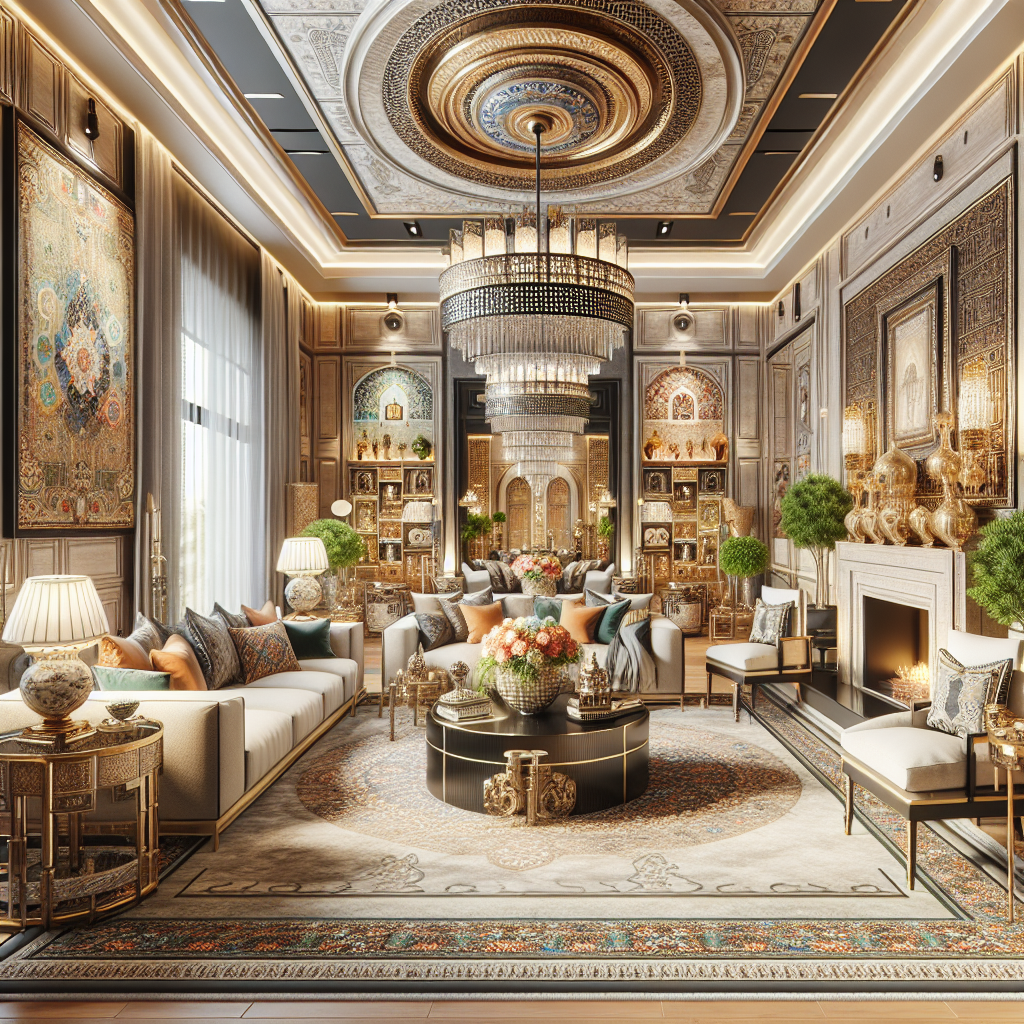
Cultural fusion in modern luxury interiors represents a dynamic and sophisticated blend of global influences, creating spaces that are both unique and reflective of a diverse world. This design approach transcends traditional boundaries, incorporating elements from various cultures to craft interiors that are rich in texture, color, and history. By integrating motifs, materials, and techniques from different parts of the globe, designers are able to create environments that tell a story of interconnectedness and appreciation for global artistry. This trend not only celebrates the beauty of cultural diversity but also caters to a cosmopolitan clientele seeking personalized and meaningful spaces. As a result, modern luxury interiors become a canvas for cultural expression, where the elegance of French art deco can seamlessly coexist with the minimalism of Japanese design or the vibrant patterns of African textiles, offering a truly global aesthetic that is both timeless and contemporary.
The Impact Of Asian Aesthetics On Contemporary Luxury Design
In recent years, the world of luxury interior design has witnessed a fascinating transformation, as Asian aesthetics have increasingly influenced contemporary styles. This cultural fusion has brought a fresh perspective to the design landscape, blending traditional elements with modern sensibilities to create spaces that are both elegant and serene. As we explore this trend, it’s important to understand how Asian design principles have seamlessly integrated into the realm of luxury interiors, offering a unique blend of simplicity, functionality, and beauty.
One of the most significant contributions of Asian aesthetics to modern luxury design is the emphasis on minimalism. Rooted in the philosophies of Zen Buddhism and traditional Japanese design, minimalism focuses on the idea that less is more. This approach encourages the use of clean lines, uncluttered spaces, and a restrained color palette, which together create an atmosphere of tranquility and sophistication. By incorporating these elements, designers can craft interiors that feel both luxurious and calming, providing a perfect retreat from the chaos of everyday life.
In addition to minimalism, Asian aesthetics often highlight the importance of natural materials and textures. This focus on nature is evident in the use of materials such as bamboo, silk, and stone, which not only add a tactile quality to a space but also connect the interior to the natural world. The integration of these materials into luxury interiors brings a sense of warmth and authenticity, making the space feel more inviting and grounded. Moreover, the use of natural materials aligns with the growing trend towards sustainability in design, as more people seek eco-friendly options for their homes.
Another key aspect of Asian influence in luxury interiors is the concept of balance and harmony. This principle is deeply rooted in Chinese philosophy, particularly in the practice of Feng Shui, which seeks to create a harmonious flow of energy within a space. By carefully considering the placement of furniture, lighting, and decorative elements, designers can achieve a sense of equilibrium that enhances the overall ambiance of a room. This attention to balance not only contributes to the aesthetic appeal of a space but also promotes a sense of well-being for its occupants.
Furthermore, Asian aesthetics often incorporate elements of traditional craftsmanship, which adds a layer of depth and character to luxury interiors. From intricate woodwork to delicate ceramics, these artisanal touches celebrate the rich cultural heritage of Asia while adding a unique and personal touch to a space. By blending these traditional elements with contemporary design, interiors can achieve a timeless quality that transcends fleeting trends.
As we continue to see the impact of Asian aesthetics on contemporary luxury design, it’s clear that this cultural fusion offers a wealth of inspiration for creating beautiful and meaningful spaces. By embracing the principles of minimalism, natural materials, balance, and craftsmanship, designers can craft interiors that are not only visually stunning but also deeply connected to the values and traditions of Asian culture. This harmonious blend of influences not only enriches the world of luxury design but also offers a fresh perspective on how we can create spaces that truly reflect our diverse and interconnected world.
African Artistry: Integrating Traditional Motifs Into Modern Interiors
In recent years, the world of interior design has witnessed a fascinating trend: the seamless integration of traditional African artistry into modern luxury interiors. This cultural fusion not only adds a unique aesthetic appeal but also tells a story of heritage, craftsmanship, and global interconnectedness. As we explore this trend, it becomes evident that African motifs and techniques are not just decorative elements; they are a celebration of history and identity.
To begin with, African artistry is renowned for its rich diversity, with each region offering distinct styles and motifs. From the intricate beadwork of the Maasai to the bold geometric patterns of the Ndebele, these traditional designs are finding their way into contemporary spaces, creating a bridge between the past and the present. This integration is not merely about aesthetics; it is about honoring the cultural significance behind each piece. For instance, the use of vibrant colors and patterns can evoke a sense of warmth and vitality, transforming a space into a lively and inviting environment.
Moreover, the incorporation of African motifs into modern interiors often involves a thoughtful blend of textures and materials. Designers are increasingly drawn to the natural elements that are characteristic of African craftsmanship, such as wood, clay, and textiles. These materials not only add depth and character to a space but also promote sustainability, a value that resonates with many contemporary homeowners. By choosing handcrafted African pieces, individuals are supporting artisans and preserving traditional techniques that have been passed down through generations.
In addition to materials, the storytelling aspect of African artistry plays a crucial role in its integration into modern interiors. Each piece often carries a narrative, whether it is a sculpture that represents a mythical tale or a textile that depicts everyday life. These stories add layers of meaning to a space, inviting occupants to engage with the art on a deeper level. This narrative quality is particularly appealing in luxury interiors, where every element is carefully curated to reflect the personality and values of the homeowner.
Furthermore, the global influence of African artistry is evident in the way it complements other design styles. Whether paired with minimalist Scandinavian decor or opulent Art Deco elements, African motifs can enhance and elevate a space. This versatility is a testament to the universal appeal of African design, which transcends cultural boundaries and resonates with people from all walks of life. By incorporating these elements into their homes, individuals are not only embracing a global perspective but also fostering a sense of unity and appreciation for diverse cultures.
As we continue to see the rise of cultural fusion in interior design, it is important to approach it with respect and authenticity. This means engaging with African artistry in a way that acknowledges its origins and significance. Collaborating with African artists and designers is one way to ensure that the integration of traditional motifs is done thoughtfully and ethically. By doing so, we can create spaces that are not only visually stunning but also rich in cultural meaning.
In conclusion, the integration of African artistry into modern luxury interiors is a beautiful example of cultural fusion at its finest. It is a celebration of tradition and innovation, a testament to the power of design to connect us across continents and generations. As we embrace this trend, we are reminded of the beauty that lies in diversity and the endless possibilities that arise when we open our homes to the world.
European Elegance: Blending Classic And Modern Styles In Luxury Spaces
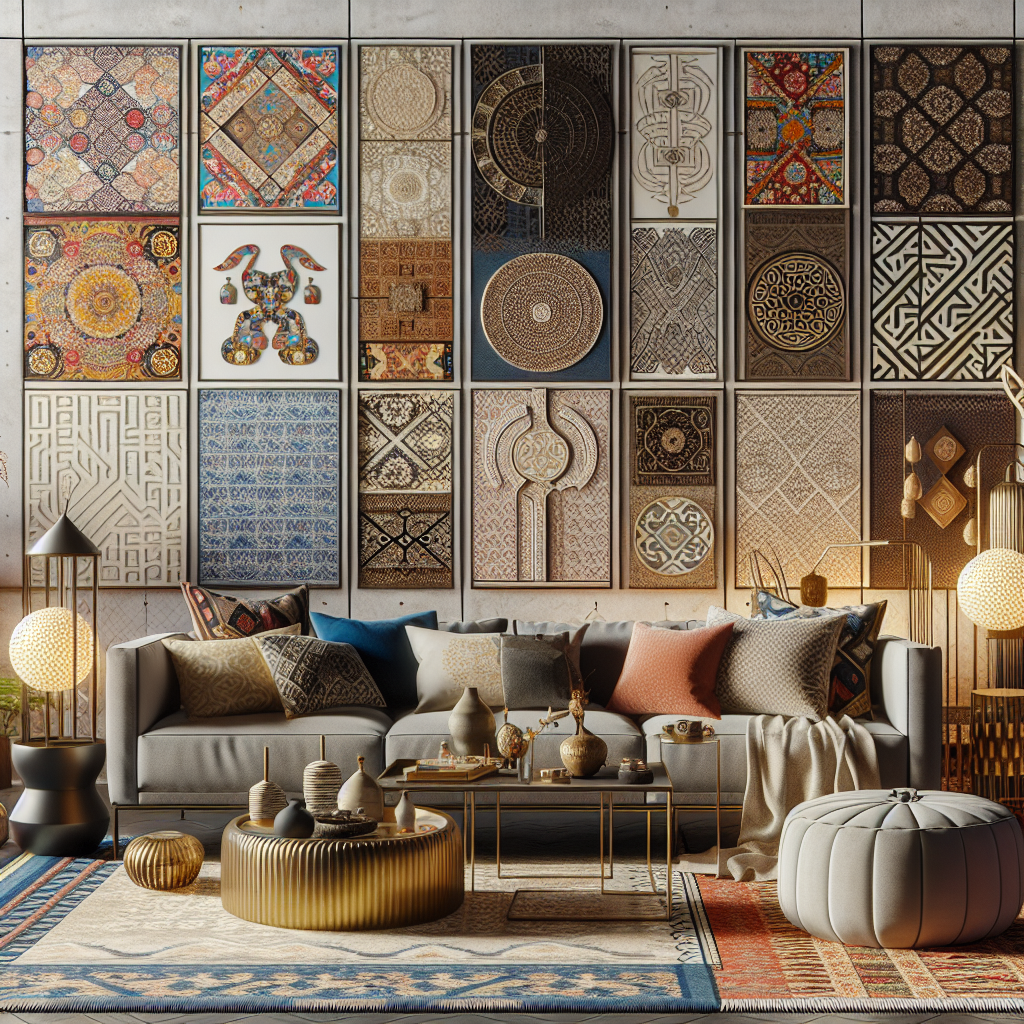
In the world of luxury interiors, European elegance has long been synonymous with timeless sophistication and refined aesthetics. However, as the world becomes increasingly interconnected, the fusion of global influences is reshaping the way we perceive and design these opulent spaces. This cultural amalgamation is particularly evident in the blending of classic and modern styles, creating interiors that are both rich in history and forward-thinking in design. Imagine walking into a room where the grandeur of a French chateau meets the sleek minimalism of Scandinavian design. This harmonious blend of styles is not only visually captivating but also tells a story of cultural exchange and evolution.
One of the most striking aspects of this fusion is the way traditional European elements are being reimagined with a contemporary twist. For instance, consider the classic Baroque motifs that have been a staple in European luxury interiors for centuries. These intricate designs, once characterized by their opulence and grandeur, are now being paired with modern materials like glass and steel, creating a fresh and unexpected contrast. This juxtaposition not only breathes new life into traditional elements but also adds a layer of depth and complexity to the space.
Moreover, the integration of modern technology into these classic settings is another fascinating aspect of this cultural fusion. Smart home systems, for example, are seamlessly incorporated into spaces adorned with antique furnishings and ornate moldings. This blend of old and new not only enhances the functionality of the space but also highlights the adaptability of classic European design to modern living. It’s a testament to how luxury interiors can evolve while still honoring their historical roots.
In addition to technology, the influence of global design trends is also evident in the choice of color palettes and materials. While traditional European interiors often favored rich, dark hues, modern luxury spaces are embracing lighter, more neutral tones. This shift not only reflects a broader global trend towards minimalism but also allows for greater flexibility in incorporating diverse cultural elements. For example, a neutral backdrop can beautifully showcase vibrant textiles from Africa or intricate ceramics from Asia, adding a touch of global flair to the space.
Furthermore, the emphasis on sustainability and eco-friendly design is another global influence that is reshaping European luxury interiors. Designers are increasingly sourcing materials that are not only luxurious but also sustainable, such as reclaimed wood or recycled metals. This conscious approach to design not only aligns with modern values but also adds a unique character to the space, as each piece carries its own history and story.
Ultimately, the blending of classic and modern styles in luxury interiors is a celebration of cultural diversity and innovation. It’s about creating spaces that are not only beautiful but also meaningful, spaces that reflect the rich tapestry of global influences that shape our world today. As we continue to explore and embrace these diverse influences, the possibilities for creating truly unique and luxurious interiors are endless. So, whether you’re a fan of classic European elegance or modern minimalism, there’s no denying that the fusion of these styles offers a fresh and exciting approach to luxury interior design.
Latin American Vibrancy: Infusing Color And Texture Into High-End Interiors
In the world of modern luxury interiors, the vibrant spirit of Latin America is making a bold statement, infusing spaces with a lively mix of color and texture that captivates the senses. This cultural fusion is not just about adding a splash of color here and there; it’s about embracing the rich tapestry of Latin American heritage and weaving it into the fabric of high-end design. As we explore this trend, it’s clear that the influence of Latin American aesthetics is reshaping the way we think about luxury interiors, offering a fresh perspective that is both dynamic and inviting.
To begin with, the use of color in Latin American-inspired interiors is nothing short of spectacular. Think of the vivid hues of a Mexican sunset or the lush greens of a Brazilian rainforest. These colors are not just decorative; they tell a story, evoke emotions, and create an atmosphere that is both warm and welcoming. Designers are increasingly drawn to this palette, using it to create spaces that are not only luxurious but also full of life and energy. By incorporating bold colors like deep blues, fiery reds, and sunny yellows, they are able to transform ordinary rooms into extraordinary experiences.
Moreover, texture plays a crucial role in bringing Latin American vibrancy into luxury interiors. From the intricate patterns of Peruvian textiles to the smooth finish of Argentine leather, the tactile elements of Latin American design add depth and richness to any space. These textures invite touch and interaction, making the environment feel more personal and engaging. By layering different materials, such as woven fabrics, natural woods, and polished metals, designers can create a harmonious balance that is both sophisticated and grounded in tradition.
In addition to color and texture, the influence of Latin American culture is also evident in the use of artisanal craftsmanship. Handcrafted pieces, whether they are intricately carved furniture or hand-painted tiles, bring an element of authenticity and uniqueness to luxury interiors. These items are not just decorative; they are a testament to the skill and creativity of artisans who have honed their craft over generations. By incorporating these elements into their designs, interior designers are able to celebrate the rich cultural heritage of Latin America while also supporting local communities and preserving traditional techniques.
Furthermore, the integration of Latin American influences into modern luxury interiors is not limited to aesthetics alone. It also encompasses a philosophy of living that emphasizes connection, community, and celebration. Spaces designed with this ethos in mind often feature open layouts that encourage social interaction, as well as areas dedicated to relaxation and reflection. This approach to design fosters a sense of belonging and well-being, making luxury interiors not just beautiful, but also meaningful and nurturing.
As we continue to see the impact of Latin American vibrancy in high-end interiors, it’s clear that this cultural fusion is more than just a passing trend. It represents a shift towards a more inclusive and diverse approach to design, one that values the richness of different cultures and the stories they tell. By embracing these influences, we can create spaces that are not only luxurious but also full of life, color, and texture, offering a truly unique and enriching experience.
Middle Eastern Opulence: Incorporating Rich Textiles And Patterns In Luxury Design
In the world of modern luxury interiors, the fusion of global influences has become a hallmark of sophisticated design. Among these, Middle Eastern opulence stands out for its ability to transform spaces with rich textiles and intricate patterns. This cultural infusion not only adds depth and character to interiors but also creates a sense of warmth and elegance that is hard to replicate. As we explore the incorporation of Middle Eastern elements into luxury design, it becomes clear that these influences offer a unique blend of tradition and modernity.
To begin with, the allure of Middle Eastern design lies in its rich history and vibrant culture. The region is known for its exquisite craftsmanship, which is evident in the textiles and patterns that have been passed down through generations. These elements are characterized by their bold colors, intricate designs, and luxurious materials, making them perfect for creating a statement in any space. When integrated into modern interiors, they bring a touch of exotic elegance that is both timeless and contemporary.
One of the most striking features of Middle Eastern design is its use of textiles. From sumptuous silks to plush velvets, these fabrics are often adorned with elaborate embroidery and intricate patterns. Incorporating such textiles into a luxury interior can be as simple as adding a few throw pillows or as grand as upholstering an entire piece of furniture. The key is to balance these rich materials with more subdued elements to prevent the space from feeling overwhelming. For instance, pairing a vibrant Persian rug with neutral-toned furniture can create a harmonious blend that highlights the beauty of the textile without overpowering the room.
In addition to textiles, patterns play a crucial role in Middle Eastern-inspired interiors. Geometric designs, arabesques, and floral motifs are commonly found in the region’s architecture and art, and they can be seamlessly integrated into modern spaces. These patterns can be introduced through wallpaper, tiles, or even decorative screens, adding visual interest and a sense of movement to the room. When used thoughtfully, they can serve as a focal point or a subtle backdrop, depending on the desired effect.
Moreover, the color palette associated with Middle Eastern design is both rich and diverse. Deep blues, vibrant reds, and shimmering golds are often used to evoke a sense of luxury and opulence. These colors can be incorporated through accessories such as cushions, curtains, or artwork, providing pops of color that enliven the space. Alternatively, for those who prefer a more subdued look, earth tones and muted shades can be used to create a calming and sophisticated atmosphere.
As we consider the integration of Middle Eastern elements into luxury interiors, it is important to remember that the goal is not to replicate a traditional Middle Eastern space but to draw inspiration from its beauty and craftsmanship. By thoughtfully incorporating these elements, designers can create interiors that are both luxurious and culturally rich, offering a unique blend of global influences that resonate with modern sensibilities.
In conclusion, the incorporation of Middle Eastern opulence into luxury design is a testament to the power of cultural fusion. By embracing rich textiles and intricate patterns, designers can create spaces that are not only visually stunning but also deeply connected to a rich cultural heritage. This approach not only enhances the aesthetic appeal of an interior but also adds a layer of meaning and history that enriches the overall experience.
Conclusion
Cultural fusion in modern luxury interiors represents a dynamic and evolving design trend that blends diverse global influences to create spaces that are both unique and sophisticated. This approach celebrates the richness of cultural diversity by incorporating elements such as traditional craftsmanship, indigenous materials, and iconic motifs from various cultures around the world. The result is an eclectic yet harmonious aesthetic that reflects a globalized world, where boundaries are blurred, and cross-cultural exchanges are embraced. By integrating these diverse influences, modern luxury interiors not only achieve a distinctive and personalized style but also foster a deeper appreciation for cultural heritage and global interconnectedness. This trend underscores the importance of inclusivity and innovation in design, offering a fresh perspective on luxury that is both timeless and contemporary.