Statement Pieces: How to Choose and Style Focal Point Furniture
September 10, 2024
Olfactory Opulence: The Role of Scent in Luxury Interior Design
September 17, 2024
-
Table of Contents
- Introduction
- The Intersection of Luxury and Ergonomics: Designing High-End Furniture for Comfort
- How Ergonomic Principles Elevate the Experience of Luxury Furniture
- The Role of Material Selection in Ergonomic Luxury Furniture Design
- Innovations in Ergonomic Design: Transforming Luxury Furniture for Modern Living
- The Future of Comfort: Trends in Ergonomic High-End Furniture Design
- Conclusion
Introduction
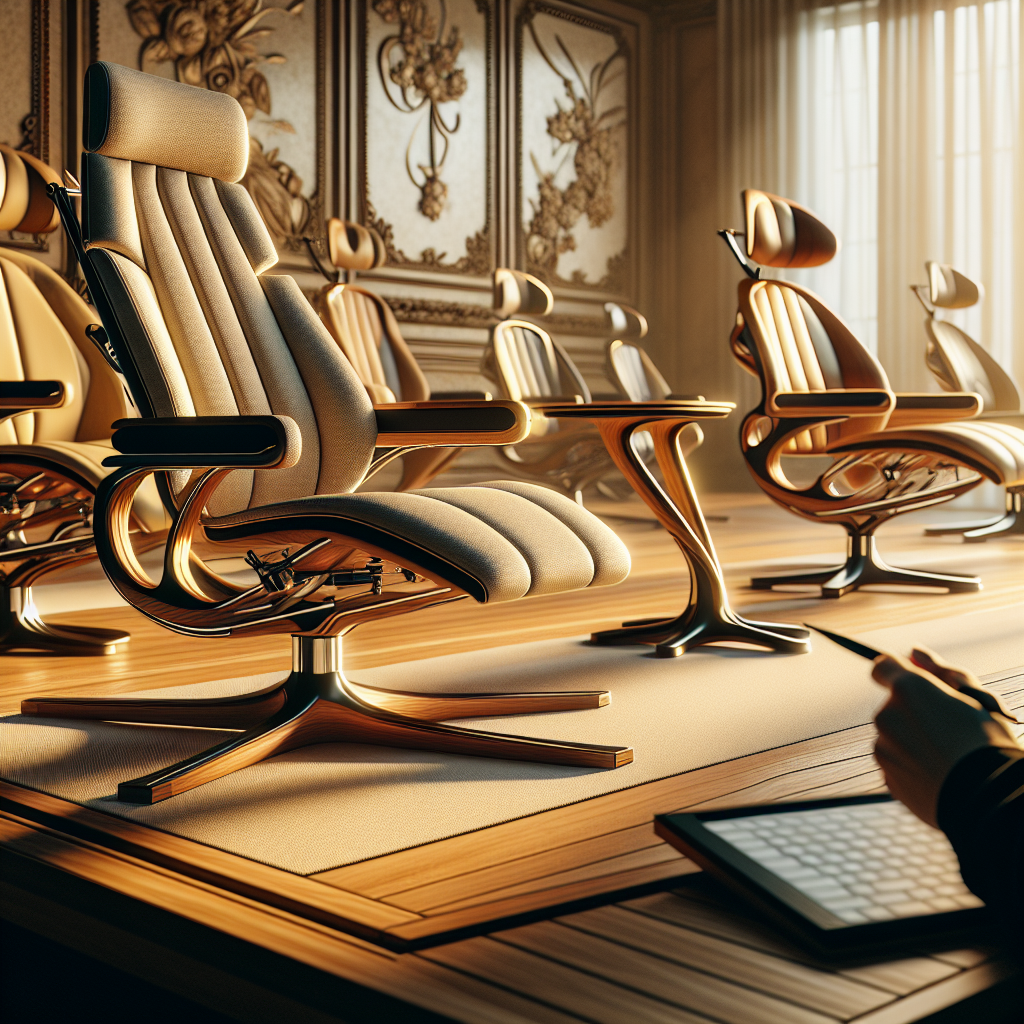
The Luxury of Comfort: Ergonomics in High-End Furniture Design explores the intersection of opulence and functionality, where the art of crafting exquisite furniture meets the science of human well-being. In the realm of luxury interiors, aesthetics often take center stage, yet the true essence of sophistication lies in the seamless integration of comfort and style. This exploration delves into how high-end furniture designers are redefining luxury by prioritizing ergonomic principles, ensuring that each piece not only captivates the eye but also supports the body. By marrying cutting-edge technology with timeless craftsmanship, these designers create environments that offer unparalleled comfort, transforming living spaces into sanctuaries of relaxation and elegance.
The Intersection of Luxury and Ergonomics: Designing High-End Furniture for Comfort
When you think of luxury furniture, images of opulent materials, exquisite craftsmanship, and timeless design often come to mind. However, in recent years, there’s been a shift in the high-end furniture market. More than just a feast for the eyes, luxury furniture is now embracing the concept of ergonomics, ensuring that comfort is as much a priority as aesthetics. This evolution is not just about adding a plush cushion here or a soft fabric there; it’s about a fundamental change in how furniture is designed and experienced.
At the heart of this transformation is the understanding that true luxury is not just about how something looks, but how it feels. Imagine sinking into a beautifully crafted chair that not only complements your living room but also supports your body in all the right places. This is where ergonomics comes into play. By focusing on the science of how the human body interacts with furniture, designers are creating pieces that offer unparalleled comfort without compromising on style.
One might wonder how these two seemingly disparate concepts—luxury and ergonomics—come together so seamlessly. The answer lies in the meticulous attention to detail that high-end furniture designers are known for. They are now applying this same level of precision to the ergonomic aspects of their creations. For instance, the curvature of a chair’s backrest is no longer just an aesthetic choice; it’s carefully designed to support the natural curve of the spine. Similarly, the height and depth of a sofa are calculated to ensure that it provides the perfect balance of support and relaxation.
Moreover, the materials used in luxury furniture are also being chosen with ergonomics in mind. High-quality leathers and fabrics are not only selected for their visual appeal but also for their ability to conform to the body’s shape, providing a custom fit that enhances comfort. Memory foam and other advanced cushioning materials are being incorporated to offer support that adapts to the user’s posture, making long hours of sitting a pleasure rather than a pain.
In addition to the physical comfort that ergonomic design brings, there’s also a psychological aspect to consider. Knowing that a piece of furniture has been designed with your well-being in mind adds an extra layer of satisfaction. It’s a reminder that luxury is not just about indulgence but also about enhancing your quality of life. This holistic approach to design is resonating with consumers who are increasingly looking for products that align with their values and lifestyle.
As we continue to spend more time at home, the demand for furniture that offers both luxury and comfort is only set to grow. Designers are rising to the challenge, pushing the boundaries of what is possible in high-end furniture design. They are proving that you don’t have to sacrifice style for comfort or vice versa. Instead, you can have the best of both worlds—a beautiful piece of furniture that feels as good as it looks.
In conclusion, the intersection of luxury and ergonomics in furniture design is a testament to the evolving nature of what we consider to be truly luxurious. It’s about creating an experience that delights the senses and nurtures the body, offering a level of comfort that is as indulgent as it is essential. As this trend continues to gain momentum, it’s clear that the future of high-end furniture design is not just about looking good but feeling good too.
How Ergonomic Principles Elevate the Experience of Luxury Furniture
When we think of luxury furniture, images of opulent materials, exquisite craftsmanship, and timeless design often come to mind. However, there’s another crucial element that elevates high-end furniture to a truly luxurious experience: ergonomics. While aesthetics and quality are undeniably important, the comfort and functionality provided by ergonomic design principles are what truly set luxury furniture apart. By seamlessly integrating these principles, designers create pieces that not only look stunning but also feel incredible to use.
To begin with, let’s consider the role of ergonomics in enhancing comfort. Ergonomics is the science of designing products that fit the human body and its movements, ensuring that they support our natural posture and reduce strain. In the realm of luxury furniture, this means crafting chairs, sofas, and other pieces that conform to the body’s contours, providing optimal support and relaxation. For instance, a well-designed ergonomic chair will cradle the spine, promote good posture, and alleviate pressure points, making it a joy to sit in for extended periods. This attention to detail transforms a simple act of sitting into a luxurious experience, where comfort is paramount.
Moreover, ergonomic principles in luxury furniture design extend beyond mere comfort. They also enhance the functionality and usability of each piece. Consider a beautifully crafted dining table with adjustable height options or a sleek recliner that effortlessly adapts to different seating positions. These features, rooted in ergonomic design, allow users to customize their experience, ensuring that the furniture meets their specific needs and preferences. This adaptability not only adds a layer of convenience but also underscores the thoughtful consideration that goes into creating high-end pieces.
In addition to comfort and functionality, ergonomics in luxury furniture design also contributes to the overall well-being of its users. By promoting healthy posture and reducing physical strain, ergonomic furniture can help prevent common issues such as back pain, neck tension, and joint discomfort. This focus on health and wellness aligns perfectly with the ethos of luxury, where the aim is to provide an experience that nurtures both body and mind. As a result, investing in ergonomically designed luxury furniture becomes an investment in one’s own well-being, offering long-term benefits that go beyond mere aesthetics.
Furthermore, the integration of ergonomic principles in luxury furniture design reflects a broader trend towards sustainability and mindful living. As consumers become more conscious of their choices, they seek products that not only look good but also feel good and do good. Ergonomic furniture, with its emphasis on user-centric design and long-lasting comfort, fits seamlessly into this narrative. By prioritizing the needs of the user and promoting a healthier lifestyle, these pieces embody a sense of responsible luxury that resonates with modern sensibilities.
In conclusion, while the allure of luxury furniture often lies in its visual appeal and craftsmanship, the incorporation of ergonomic principles elevates the experience to new heights. By prioritizing comfort, functionality, and well-being, designers create pieces that are not only beautiful but also deeply satisfying to use. As we continue to embrace a more holistic approach to luxury, the role of ergonomics in high-end furniture design will undoubtedly become even more significant, offering a perfect blend of style and substance that truly defines the luxury of comfort.
The Role of Material Selection in Ergonomic Luxury Furniture Design
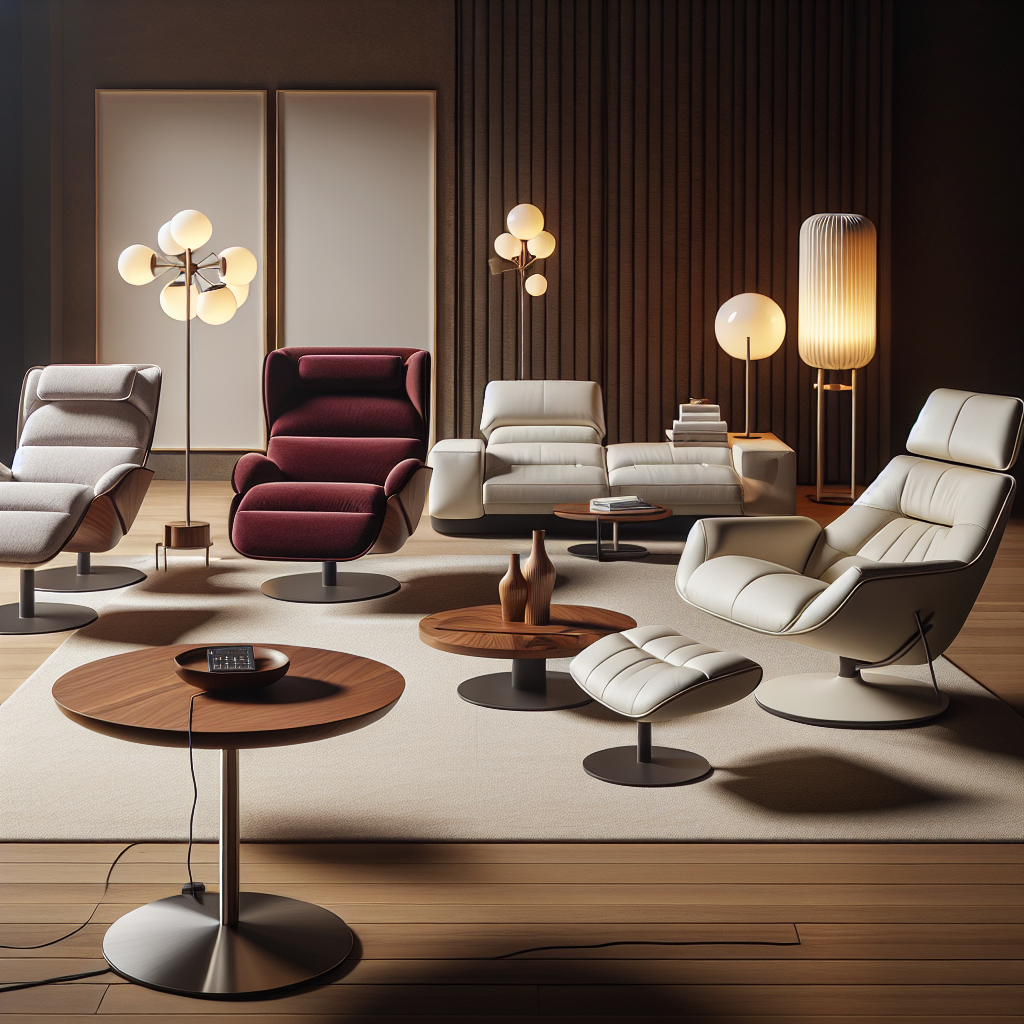
When it comes to high-end furniture design, the fusion of luxury and comfort is paramount, and at the heart of this fusion lies the careful selection of materials. The role of material selection in ergonomic luxury furniture design cannot be overstated, as it directly influences both the aesthetic appeal and the functional comfort of the piece. Imagine sinking into a plush leather armchair that not only complements your living room’s decor but also supports your body in all the right places. This is the magic of combining the right materials with ergonomic principles.
To begin with, the choice of materials in luxury furniture is often driven by a desire to create a sense of opulence and sophistication. However, it’s not just about looking good; it’s about feeling good too. High-quality materials such as top-grain leather, solid hardwoods, and premium fabrics are not only visually appealing but also offer durability and comfort. For instance, leather, with its natural elasticity, molds to the body’s contours over time, providing a personalized seating experience that enhances comfort. Similarly, the use of memory foam in cushions can offer unparalleled support, adapting to the user’s shape and reducing pressure points.
Moreover, the tactile experience of furniture is a crucial aspect of its ergonomic design. The texture and temperature of materials can significantly affect how comfortable a piece feels. Soft, breathable fabrics like cashmere or high-thread-count cotton can make a sofa or chair feel inviting and cozy, while materials like polished wood or metal can add a sleek, modern touch without compromising comfort. The key is to balance these elements to create a harmonious experience that caters to both the senses and the body’s needs.
Transitioning from the tactile to the structural, the internal composition of materials also plays a vital role in ergonomic design. For example, the use of high-density foam or gel-infused layers in seating can provide the necessary support for prolonged use, preventing discomfort and promoting good posture. Additionally, incorporating adjustable features, such as reclining mechanisms or height-adjustable components, can further enhance the ergonomic benefits, allowing users to customize their seating position to their liking.
Furthermore, sustainability is becoming an increasingly important consideration in luxury furniture design. Eco-friendly materials, such as sustainably sourced wood or recycled metals, are being integrated into designs without sacrificing quality or comfort. This not only appeals to environmentally conscious consumers but also adds an extra layer of luxury, knowing that the piece is crafted with care for the planet.
In conclusion, the role of material selection in ergonomic luxury furniture design is a delicate balance of aesthetics, comfort, and sustainability. By carefully choosing materials that offer both visual appeal and functional support, designers can create pieces that not only look stunning but also provide a luxurious seating experience. Whether it’s the supple feel of leather, the supportive embrace of memory foam, or the eco-friendly allure of sustainable materials, each choice contributes to the overall comfort and elegance of the furniture. As we continue to prioritize both style and well-being in our living spaces, the thoughtful selection of materials will remain a cornerstone of high-end ergonomic furniture design, ensuring that luxury and comfort go hand in hand.
Innovations in Ergonomic Design: Transforming Luxury Furniture for Modern Living
In recent years, the world of high-end furniture design has seen a remarkable shift towards prioritizing comfort without compromising on style. This evolution is largely driven by innovations in ergonomic design, which have transformed luxury furniture into not just a statement of elegance, but also a haven of comfort for modern living. As we delve into this fascinating intersection of luxury and ergonomics, it becomes clear that the two are no longer mutually exclusive but rather complementary forces that enhance the overall living experience.
To begin with, the concept of ergonomics in furniture design is all about creating pieces that support the natural posture and movements of the human body. This approach ensures that furniture is not only aesthetically pleasing but also functional and comfortable for everyday use. In the realm of luxury furniture, this means that designers are now paying as much attention to the science of comfort as they are to the art of design. For instance, a beautifully crafted armchair might feature adjustable components that cater to the unique needs of its user, providing personalized comfort that is both luxurious and practical.
Moreover, the integration of technology into furniture design has further propelled the ergonomic movement. High-end furniture pieces now often come equipped with smart features that allow users to customize their comfort levels with ease. Imagine a sleek, modern sofa that can be adjusted at the touch of a button to provide optimal lumbar support or a dining chair that subtly adapts to the contours of your body, ensuring that every meal is enjoyed in utmost comfort. These innovations not only enhance the user experience but also add a layer of sophistication to the furniture, making it a true embodiment of modern luxury.
In addition to technological advancements, the choice of materials plays a crucial role in the ergonomic design of luxury furniture. Designers are increasingly opting for materials that offer both durability and comfort, such as memory foam, high-quality leathers, and breathable fabrics. These materials not only contribute to the overall aesthetic appeal of the furniture but also ensure that it provides long-lasting comfort. Furthermore, sustainable materials are becoming more prevalent in high-end furniture design, reflecting a growing awareness of environmental responsibility among consumers and designers alike.
As we continue to explore the impact of ergonomics on luxury furniture, it is important to consider the broader implications for modern living. In today’s fast-paced world, where stress and fatigue are common, having a home environment that promotes relaxation and well-being is more important than ever. Ergonomically designed furniture can significantly contribute to this by reducing physical strain and enhancing comfort, ultimately improving the quality of life for its users. This shift towards comfort-focused design is not just a trend but a fundamental change in how we perceive and interact with our living spaces.
In conclusion, the fusion of ergonomics and luxury in furniture design represents a significant advancement in the way we approach modern living. By prioritizing comfort without sacrificing style, designers are creating pieces that not only elevate the aesthetic of a space but also enhance the well-being of those who inhabit it. As innovations in ergonomic design continue to evolve, we can look forward to a future where luxury and comfort go hand in hand, transforming our homes into true sanctuaries of relaxation and elegance.
The Future of Comfort: Trends in Ergonomic High-End Furniture Design
In recent years, the world of high-end furniture design has seen a fascinating shift towards prioritizing ergonomics, blending luxury with comfort in ways that were once unimaginable. As we look to the future, it’s clear that this trend is not just a passing fad but a fundamental change in how we perceive and interact with our living spaces. The marriage of aesthetics and functionality is becoming increasingly seamless, and it’s exciting to see how designers are pushing the boundaries to create pieces that are as comfortable as they are beautiful.
One of the most significant trends in ergonomic high-end furniture design is the use of advanced materials and technology. Designers are now incorporating materials that adapt to the user’s body, providing personalized support and comfort. Memory foam, once confined to mattresses, is now being used in everything from office chairs to sofas, offering a level of comfort that adjusts to individual needs. Moreover, smart technology is making its way into furniture, with features like adjustable lumbar support and temperature control becoming more common. These innovations ensure that comfort is not sacrificed for style, allowing users to enjoy the best of both worlds.
Another trend gaining momentum is the focus on sustainability in ergonomic design. As consumers become more environmentally conscious, there is a growing demand for furniture that not only looks good and feels good but also does good for the planet. Designers are responding by using sustainable materials such as bamboo, recycled metals, and organic fabrics. This shift not only reduces the environmental impact but also adds a unique aesthetic appeal to the furniture, with natural textures and colors that bring a sense of tranquility and connection to nature into the home.
Furthermore, the concept of modularity is revolutionizing the way we think about furniture. Modular designs allow for flexibility and customization, enabling users to adapt their furniture to their specific needs and spaces. This is particularly appealing in urban environments where space is at a premium. With modular furniture, you can easily reconfigure a piece to serve multiple functions, whether it’s transforming a sofa into a guest bed or adjusting a desk to accommodate standing work. This adaptability is a key component of ergonomic design, ensuring that furniture can evolve with the user’s lifestyle.
In addition to these trends, there is a growing emphasis on inclusivity in ergonomic furniture design. Designers are increasingly considering the diverse needs of users, creating pieces that cater to a wide range of body types and abilities. This inclusive approach not only broadens the appeal of high-end furniture but also ensures that everyone can enjoy the luxury of comfort. Features such as adjustable heights, easy-to-use mechanisms, and supportive structures are becoming standard, making high-end furniture more accessible than ever before.
As we look to the future, it’s clear that the luxury of comfort will continue to be a driving force in high-end furniture design. The integration of technology, sustainability, modularity, and inclusivity is setting the stage for a new era where comfort is not just a luxury but a fundamental aspect of our everyday lives. With these exciting trends on the horizon, the future of ergonomic high-end furniture design promises to be both innovative and inviting, offering a perfect blend of style and substance that enhances our living spaces in meaningful ways.
Conclusion
The Luxury of Comfort: Ergonomics in High-End Furniture Design highlights the seamless integration of ergonomic principles with luxury aesthetics, emphasizing that true luxury in furniture is not just about opulence but also about enhancing the user’s well-being and comfort. High-end furniture designers are increasingly prioritizing ergonomics to create pieces that support the body naturally, reduce strain, and promote health, while still maintaining exquisite craftsmanship and style. This approach reflects a growing consumer demand for furniture that offers both beauty and functionality, underscoring the idea that the ultimate luxury is the comfort and well-being of the user.