Luxe Levity: Incorporating Playful Elements in Sophisticated Spaces
September 10, 2024
The Luxury of Comfort: Ergonomics in High-End Furniture Design
September 17, 2024
-
Table of Contents
- Introduction
- Understanding Statement Pieces: The Art of Choosing Focal Point Furniture
- Color and Contrast: Styling Statement Furniture for Maximum Impact
- Balancing Boldness: Integrating Statement Pieces into Your Existing Decor
- Size and Scale: Selecting the Right Statement Furniture for Your Space
- Mixing Materials: Enhancing Your Room with Unique Statement Furniture
- Conclusion
Introduction
Statement pieces are transformative elements in interior design, serving as the focal point that draws attention and sets the tone for a space. Choosing and styling these pieces requires a keen eye for balance, proportion, and harmony within a room. Whether it’s a bold sofa, an intricately designed coffee table, or an eye-catching piece of art, statement furniture can elevate the aesthetic appeal and functionality of your home. The key to successfully incorporating statement pieces lies in understanding their impact and ensuring they complement the existing decor without overwhelming it. By carefully selecting and styling these focal points, you can create a cohesive and inviting environment that reflects your personal style and enhances the overall ambiance of your living space.
Understanding Statement Pieces: The Art of Choosing Focal Point Furniture
Choosing the perfect statement piece for your home can be both an exciting and daunting task. These focal point furniture items have the power to transform a room, drawing the eye and setting the tone for the entire space. Whether it’s a bold sofa, an intricately designed coffee table, or a vibrant piece of art, statement pieces are all about making an impact. But how do you choose the right one, and more importantly, how do you style it to ensure it shines without overwhelming the room?
First and foremost, it’s essential to understand what makes a piece a “statement.” Typically, these are items that stand out due to their size, color, design, or unique features. They are the first thing people notice when they enter a room, so it’s crucial to select something that resonates with your personal style and complements the existing decor. When choosing a statement piece, consider the room’s purpose and the mood you want to create. For instance, a bold, colorful sofa might be perfect for a lively living room, while a sleek, minimalist dining table could set the tone for a modern dining area.
Once you’ve identified the type of statement piece you want, think about scale and proportion. A common mistake is choosing a piece that’s either too large or too small for the space. A massive chandelier in a tiny room can feel overwhelming, while a small piece of art on a large wall might get lost. To avoid this, measure your space and visualize how the piece will fit within it. It’s also helpful to consider the other elements in the room. A statement piece should complement, not compete with, the existing furniture and decor.
After selecting your statement piece, the next step is styling it effectively. One approach is to let the piece take center stage by keeping the surrounding decor simple and understated. This doesn’t mean the rest of the room has to be bland, but rather that the statement piece should be the focal point. For example, if you have a vibrant, patterned armchair, consider pairing it with neutral-colored walls and furniture to allow the chair to stand out.
On the other hand, you can also use your statement piece as a starting point for the room’s color palette or theme. Pull colors from the piece and incorporate them into other elements like throw pillows, rugs, or artwork. This creates a cohesive look and ensures the statement piece feels integrated into the space rather than an afterthought.
Lighting is another crucial factor in showcasing your statement piece. Proper lighting can highlight the piece’s features and create a warm, inviting atmosphere. Consider using spotlights or accent lighting to draw attention to the piece, especially if it’s a work of art or a sculptural item.
Finally, don’t be afraid to experiment and have fun with your decor. Statement pieces are an opportunity to express your personality and creativity. Mix and match styles, play with textures, and try different arrangements until you find what feels right. Remember, the goal is to create a space that reflects who you are and makes you feel at home.
In conclusion, choosing and styling a statement piece is an art that involves careful consideration of scale, style, and balance. By selecting a piece that resonates with you and thoughtfully integrating it into your space, you can create a room that is both visually stunning and uniquely yours.
Color and Contrast: Styling Statement Furniture for Maximum Impact
When it comes to home decor, statement pieces are like the exclamation points of interior design. They draw the eye, spark conversation, and set the tone for the entire room. Choosing and styling these focal point furniture pieces can be both exciting and daunting. However, with a little guidance on color and contrast, you can create a space that is both visually stunning and uniquely yours.
First and foremost, consider the color palette of your room. A statement piece should either complement or contrast with the existing colors to ensure it stands out. If your room is filled with neutral tones, a bold, colorful piece can add a much-needed pop of excitement. Imagine a vibrant teal sofa in a room with soft beige walls; it immediately becomes the centerpiece, drawing attention and adding depth. On the other hand, if your room already boasts a variety of colors, a statement piece in a neutral shade can provide balance and sophistication. A sleek, white coffee table amidst a sea of colorful cushions and artwork can ground the space, offering a moment of calm amidst the chaos.
Transitioning from color to contrast, it’s important to think about the materials and textures of your statement piece. Contrast isn’t just about color; it’s also about how different materials interact with each other. A plush velvet armchair can add a touch of luxury to a room filled with rustic wooden furniture, creating an interesting juxtaposition that elevates the overall aesthetic. Similarly, a glass dining table can introduce a modern edge to a room dominated by traditional elements, making the space feel fresh and dynamic.
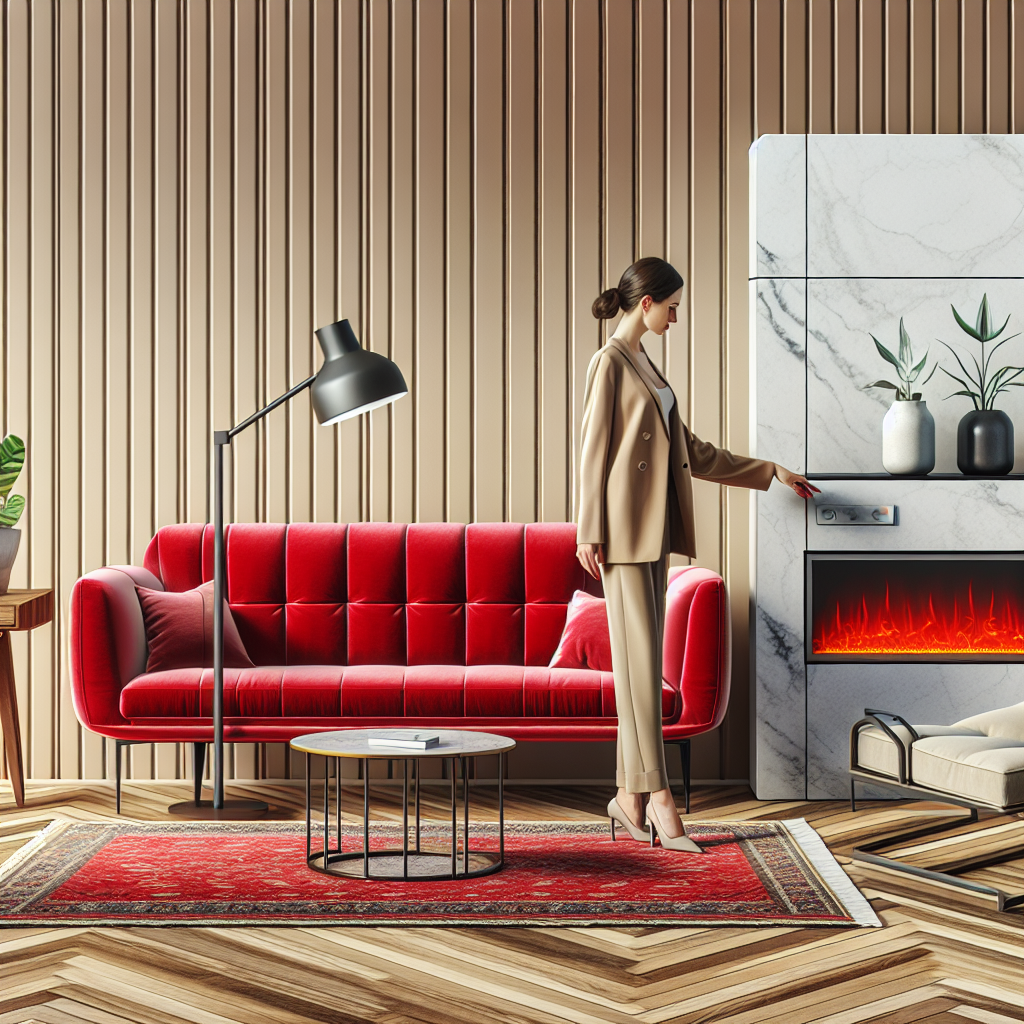
As you consider these elements, remember that balance is key. While a statement piece should stand out, it shouldn’t overwhelm the room. One way to achieve this balance is by echoing the colors or materials of your statement piece in smaller accents throughout the space. For instance, if you have a bold red armchair, consider adding a few red throw pillows or a red vase on a nearby shelf. This creates a cohesive look that ties the room together without detracting from the impact of your focal point.
Moreover, the placement of your statement piece is crucial. It should be positioned in a way that naturally draws the eye. In a living room, this might mean placing a striking piece of art above the fireplace or positioning a unique coffee table in the center of the seating area. In a bedroom, a statement headboard can serve as the focal point, anchoring the room and setting the stage for the rest of the decor.
Finally, don’t be afraid to let your personality shine through your statement pieces. Whether it’s a quirky vintage find or a sleek modern design, your choice should reflect your personal style and taste. After all, your home is an extension of yourself, and your statement pieces should tell a story about who you are.
In conclusion, choosing and styling statement furniture is all about color, contrast, and balance. By considering these elements and allowing your personal style to guide you, you can create a space that is not only visually appealing but also uniquely yours. So go ahead, make a statement, and let your home speak volumes about your individuality.
Balancing Boldness: Integrating Statement Pieces into Your Existing Decor

Incorporating statement pieces into your home decor can be an exciting way to express your personality and elevate the aesthetic of your space. These bold, eye-catching items serve as focal points, drawing attention and setting the tone for the entire room. However, integrating them into your existing decor requires a delicate balance to ensure they complement rather than overwhelm the space. With a few thoughtful considerations, you can seamlessly blend statement pieces into your home, creating a harmonious yet dynamic environment.
To begin with, it’s essential to identify the right statement piece for your space. This could be anything from a vibrant sofa, an intricately designed coffee table, or a striking piece of artwork. The key is to choose something that resonates with your personal style and the overall vibe you want to create. Once you’ve selected your focal point, consider the color palette of your room. A statement piece often works best when it contrasts with the existing colors, adding a pop of interest without clashing. For instance, a bold red chair can stand out beautifully in a room with neutral tones, while a piece of abstract art with vivid colors can enliven a minimalist setting.
As you introduce your statement piece, think about the scale and proportion of the item in relation to the room. A large piece in a small space can make the area feel cramped, while a small piece in a large room might get lost. It’s all about finding that sweet spot where the piece feels like a natural part of the room’s design. Additionally, consider the layout of your space. Positioning your statement piece in a prominent location, such as opposite the entrance or in the center of the room, can help it command attention and set the stage for the rest of your decor.
Transitioning to the styling aspect, it’s important to let your statement piece shine without competing elements. This doesn’t mean the rest of your decor should be bland, but rather that it should complement the focal point. For example, if you have a bold patterned rug, you might opt for solid-colored furniture and accessories that echo the colors in the rug. This creates a cohesive look that highlights the statement piece while maintaining visual balance.
Moreover, layering textures and materials can add depth and interest to your space. If your statement piece is a sleek, modern sculpture, consider incorporating softer elements like plush throws or textured cushions to create contrast and warmth. Similarly, if your focal point is a rustic wooden table, pairing it with metal or glass accents can add a contemporary touch.
Finally, don’t be afraid to experiment and make adjustments as needed. Sometimes, it takes a bit of trial and error to find the perfect arrangement. Move things around, swap out accessories, and play with different lighting options to see how they affect the overall look. Remember, your home is a reflection of you, and it should feel comfortable and inviting.
In conclusion, integrating statement pieces into your existing decor is all about balance and harmony. By carefully selecting and styling these focal points, you can create a space that is both visually stunning and uniquely yours. So go ahead, embrace boldness, and let your home tell your story.
Size and Scale: Selecting the Right Statement Furniture for Your Space
Choosing the right statement piece for your space can be a delightful yet daunting task. When it comes to focal point furniture, size and scale are crucial elements that can make or break the harmony of a room. Imagine walking into a living room where a massive, ornate sofa dominates the space, leaving little room for anything else. While it might be a stunning piece, if it overwhelms the room, it loses its charm. Therefore, understanding how to balance size and scale is key to selecting the perfect statement furniture.
First, consider the dimensions of your room. A large piece of furniture in a small room can make the space feel cramped and uncomfortable. Conversely, a small piece in a large room might get lost, failing to make the impact you desire. To strike the right balance, measure your space and visualize how different pieces will fit. You might even use painter’s tape on the floor to outline the dimensions of potential furniture pieces. This simple trick can help you see how much space a piece will occupy and how it will interact with other elements in the room.
Once you have a sense of the appropriate size, think about the scale of the piece in relation to other furniture. Scale refers to how the size of one object relates to another. For instance, if you have a low-profile coffee table, pairing it with a towering armchair might create an awkward visual imbalance. Instead, aim for pieces that complement each other in height and volume. This doesn’t mean everything has to match perfectly, but there should be a sense of cohesion that ties the room together.
In addition to size and scale, consider the function of the statement piece. A large dining table might be perfect for someone who loves hosting dinner parties, while a bold, oversized armchair could be ideal for a cozy reading nook. Think about how you use the space and choose a piece that not only stands out but also enhances your lifestyle. This way, your statement furniture becomes both a visual anchor and a functional asset.
Color and texture also play significant roles in selecting statement furniture. A vibrant color or unique texture can draw the eye and create a focal point without overwhelming the room. If your space is filled with neutral tones, a brightly colored sofa or a textured wooden table can add just the right amount of contrast. On the other hand, if your room is already rich in color and pattern, a statement piece in a more subdued hue might be the perfect choice to maintain balance.
Finally, don’t forget about personal style. Your home should reflect who you are, and your statement piece is an excellent opportunity to showcase your personality. Whether you lean towards modern minimalism or vintage charm, choose a piece that resonates with you. After all, you’ll be living with it, and it should bring you joy every time you walk into the room.
In conclusion, selecting the right statement furniture involves a thoughtful consideration of size, scale, function, and personal style. By keeping these factors in mind, you can choose a piece that not only stands out but also harmonizes with your space, creating a room that is both beautiful and uniquely yours.
Mixing Materials: Enhancing Your Room with Unique Statement Furniture
When it comes to decorating a room, statement pieces can truly transform a space from ordinary to extraordinary. These focal point furniture items not only draw the eye but also set the tone for the entire room. Choosing and styling these pieces can be a delightful adventure, especially when you start mixing materials to enhance the overall aesthetic. The key is to strike a balance between boldness and harmony, ensuring that your statement piece stands out while complementing the rest of your decor.
To begin with, consider the materials that resonate with your personal style and the vibe you want to create. Mixing materials can add depth and interest to a room, making it feel more dynamic and layered. For instance, a sleek metal coffee table can add a modern edge to a room filled with plush, soft furnishings. Alternatively, a rustic wooden dining table can bring warmth and character to a contemporary space. The contrast between different materials can create a visually appealing tension that keeps the eye engaged.
When selecting a statement piece, think about its function as well as its form. A piece that is both beautiful and practical will not only enhance the room’s aesthetic but also serve a purpose. For example, a bold, velvet armchair can be a luxurious focal point in a living room, offering both comfort and style. Similarly, a large, intricately designed bookshelf can serve as a stunning backdrop while providing ample storage for books and decorative items.
Once you’ve chosen your statement piece, it’s time to think about how to style it within the room. One effective approach is to use the piece as a starting point for the rest of your decor. Pull colors, textures, and shapes from the statement piece and incorporate them into other elements of the room. This creates a cohesive look that ties everything together. For instance, if your statement piece is a vibrant, patterned rug, you might choose throw pillows or artwork that echo its colors or motifs.
In addition to color and pattern, consider the scale of your statement piece in relation to the rest of the room. A large piece can anchor a space, but it’s important to ensure it doesn’t overwhelm the room. Balance is key, so if you have a substantial piece of furniture, you might want to pair it with more understated items to let it shine. Conversely, if your statement piece is smaller, you can create a vignette around it with complementary items to give it more presence.
Lighting also plays a crucial role in highlighting your statement piece. Proper lighting can accentuate the features of your focal point furniture, drawing attention to its unique qualities. Whether it’s a spotlight on a sculpture or a pendant light over a dining table, the right lighting can enhance the impact of your statement piece.
Ultimately, the goal is to create a space that feels both inviting and reflective of your personality. By thoughtfully choosing and styling statement pieces, and by experimenting with a mix of materials, you can craft a room that is not only visually stunning but also uniquely yours. So go ahead, embrace the bold, and let your statement pieces tell your story.
Conclusion
Statement pieces are essential in interior design as they serve as the focal point of a room, drawing attention and setting the tone for the entire space. When choosing a statement piece, consider its scale, color, and texture to ensure it complements the existing decor while standing out. Opt for unique designs or bold colors that reflect your personal style and create visual interest. To style focal point furniture effectively, balance it with surrounding elements by keeping other decor minimal and cohesive, allowing the statement piece to shine without overwhelming the space. Incorporating statement pieces thoughtfully can transform a room, adding character and a sense of curated elegance.