Luxury in Transition: Designing Multifunctional Spaces
August 1, 2023
Textile as Art: Tapestries and Wall Hangings in Luxury Homes
August 15, 2023
-
Table of Contents
- Introduction
- Exploring Historical Influences: The Evolution of Ceiling Design in Luxury Interiors
- Innovative Materials and Techniques: Transforming Ceilings into Art
- The Role of Lighting: Enhancing Ceiling Aesthetics in High-End Spaces
- Color and Texture: Creating Visual Impact with Ceiling Design
- Integrating Technology: Smart Ceilings in Modern Luxury Interiors
- Conclusion
Introduction
“The Art of the Ceiling: Overhead Design in High-End Interiors” explores the often-overlooked yet transformative element of interior design: the ceiling. This book delves into the creative possibilities and aesthetic impact of ceiling design in luxury spaces, showcasing how this fifth wall can elevate the ambiance and character of a room. From intricate moldings and coffered patterns to innovative lighting solutions and bold color choices, the text highlights the artistry and craftsmanship involved in creating stunning overhead designs. Through a collection of inspiring case studies and expert insights, readers are invited to reimagine the potential of ceilings as a canvas for artistic expression and a key component in the overall design narrative of high-end interiors.
Exploring Historical Influences: The Evolution of Ceiling Design in Luxury Interiors
When we think about luxury interiors, our minds often drift to opulent furniture, exquisite flooring, and lavish wall treatments. However, one element that frequently goes unnoticed, yet plays a pivotal role in defining the character of a space, is the ceiling. The art of ceiling design has evolved significantly over the centuries, drawing inspiration from various historical influences that continue to shape high-end interiors today. To truly appreciate the grandeur of modern ceiling design, it’s essential to explore its rich historical roots.
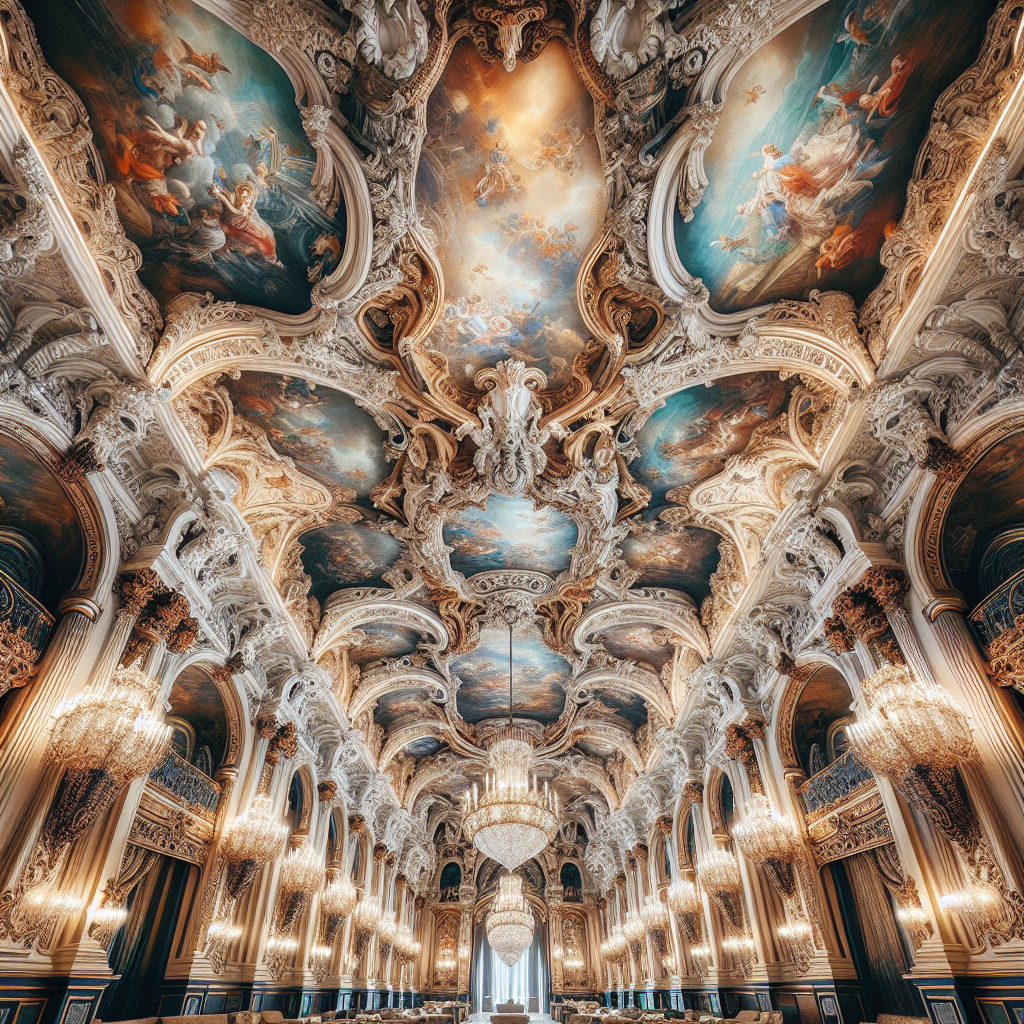
Let’s take a journey back to the Renaissance period, a time when ceilings were transformed into canvases for artistic expression. During this era, the ceilings of grand palaces and cathedrals were adorned with intricate frescoes and elaborate stucco work. Artists like Michelangelo turned ceilings into masterpieces, as seen in the Sistine Chapel, where the ceiling became a breathtaking display of artistry and storytelling. This period set the stage for ceilings to be more than just structural elements; they became focal points that added depth and drama to a room.
As we move forward in time, the Baroque period brought with it a sense of grandeur and opulence that was reflected in ceiling design. The use of gilded moldings, ornate plasterwork, and dramatic chandeliers became prevalent, creating a sense of awe and luxury. These elements were not just decorative; they were statements of wealth and power. The ceilings of this era were designed to impress, to draw the eye upward, and to create a sense of wonder.
Transitioning into the 18th and 19th centuries, the Neoclassical movement introduced a more restrained approach to ceiling design. Inspired by the classical architecture of ancient Greece and Rome, this style favored symmetry, clean lines, and subtle elegance. Ceilings were often adorned with delicate plasterwork and medallions, creating a sense of harmony and balance. This period emphasized the importance of proportion and scale, elements that continue to influence modern ceiling design.
As we entered the 20th century, the Art Deco movement brought a new wave of innovation to ceiling design. Characterized by bold geometric patterns, rich colors, and luxurious materials, Art Deco ceilings were a reflection of the modern age. This style embraced new technologies and materials, such as chrome and glass, to create ceilings that were both functional and visually striking. The influence of Art Deco can still be seen in contemporary high-end interiors, where bold patterns and innovative materials are used to create ceilings that are both timeless and modern.
Today, ceiling design in luxury interiors is a harmonious blend of historical influences and contemporary innovation. Designers draw inspiration from the past while incorporating modern technology and materials to create ceilings that are both beautiful and functional. From coffered ceilings that add depth and texture to a room, to the use of LED lighting that creates dynamic visual effects, the possibilities are endless.
In conclusion, the evolution of ceiling design in luxury interiors is a testament to the enduring influence of history on modern design. By understanding the historical context of ceiling design, we can appreciate the artistry and craftsmanship that goes into creating these stunning overhead masterpieces. Whether it’s a nod to the opulence of the Baroque period or the sleek lines of Art Deco, the art of the ceiling continues to captivate and inspire, elevating interiors to new heights of luxury and sophistication.
Innovative Materials and Techniques: Transforming Ceilings into Art
When it comes to high-end interior design, ceilings often play a crucial role in setting the tone of a space. While walls and floors typically receive the lion’s share of attention, the ceiling is an expansive canvas that offers endless possibilities for creativity and innovation. In recent years, designers have been pushing the boundaries of ceiling design, transforming these often-overlooked surfaces into stunning works of art. This transformation is largely due to the advent of innovative materials and techniques that allow for unprecedented levels of customization and artistic expression.
One of the most exciting developments in ceiling design is the use of lightweight, flexible materials that can be molded into virtually any shape. Materials like stretch fabric and acoustic panels not only offer aesthetic appeal but also serve functional purposes, such as improving acoustics or concealing unsightly wiring and ductwork. These materials can be printed with intricate patterns or even photographic images, allowing designers to create ceilings that are as visually engaging as they are functional. Imagine walking into a room and looking up to see a sky full of stars or a lush forest canopy—these are the kinds of experiences that modern ceiling design can offer.
In addition to new materials, advanced techniques like 3D printing and laser cutting have opened up a world of possibilities for ceiling design. These technologies allow for the creation of complex geometric patterns and intricate details that would be nearly impossible to achieve by hand. For instance, a 3D-printed ceiling panel can feature a latticework of interlocking shapes that cast mesmerizing shadows when illuminated. Laser-cut metal or wood panels can add a touch of elegance and sophistication, with designs ranging from traditional motifs to contemporary abstract patterns. These techniques not only enhance the visual appeal of a space but also add layers of texture and depth that draw the eye upward.
Lighting plays a pivotal role in ceiling design, and the integration of LED technology has revolutionized the way designers approach this element. LEDs are incredibly versatile, offering a range of colors and intensities that can be adjusted to suit the mood of a room. They can be embedded within ceiling panels or used to highlight specific features, such as a coffered ceiling or a decorative medallion. The ability to control lighting with precision allows for dynamic environments that can change with the time of day or the occasion, adding an interactive element to the space.
Moreover, the trend of biophilic design, which seeks to connect people with nature, has found its way into ceiling design as well. Living ceilings, featuring hanging plants or even entire green installations, bring a touch of the outdoors inside, creating a serene and refreshing atmosphere. These installations not only enhance the aesthetic appeal of a space but also contribute to improved air quality and a sense of well-being.
As we continue to explore the potential of ceilings as a design element, it’s clear that they are no longer just a structural necessity but an integral part of the overall aesthetic experience. With the right combination of materials, techniques, and creativity, ceilings can be transformed into breathtaking works of art that elevate the entire space. Whether it’s through the use of innovative materials, cutting-edge techniques, or thoughtful lighting, the art of the ceiling is a testament to the limitless possibilities of interior design.
The Role of Lighting: Enhancing Ceiling Aesthetics in High-End Spaces
When it comes to high-end interior design, ceilings often play a crucial role in setting the tone of a space. While walls and floors typically receive the most attention, the ceiling is an expansive canvas that can transform a room from ordinary to extraordinary. One of the most effective ways to enhance ceiling aesthetics is through the strategic use of lighting. Lighting not only illuminates a space but also highlights architectural details, creates ambiance, and adds a touch of luxury. Let’s explore how lighting can elevate ceiling design in high-end interiors.
To begin with, consider the impact of recessed lighting. This type of lighting is a favorite among designers for its ability to provide a clean, unobtrusive look while offering ample illumination. Recessed lights can be strategically placed to accentuate specific areas of a ceiling, such as a coffered design or intricate moldings. By casting light in a way that highlights these features, recessed lighting can draw the eye upward, making the ceiling a focal point of the room.
Transitioning from recessed lighting, pendant lights offer another avenue for enhancing ceiling aesthetics. These fixtures come in a variety of styles, from sleek and modern to ornate and traditional, allowing them to complement any design theme. When hung from a high ceiling, pendant lights can create a sense of drama and elegance. They can also be used to define different areas within a large space, such as a dining area or a cozy reading nook, by providing focused illumination.
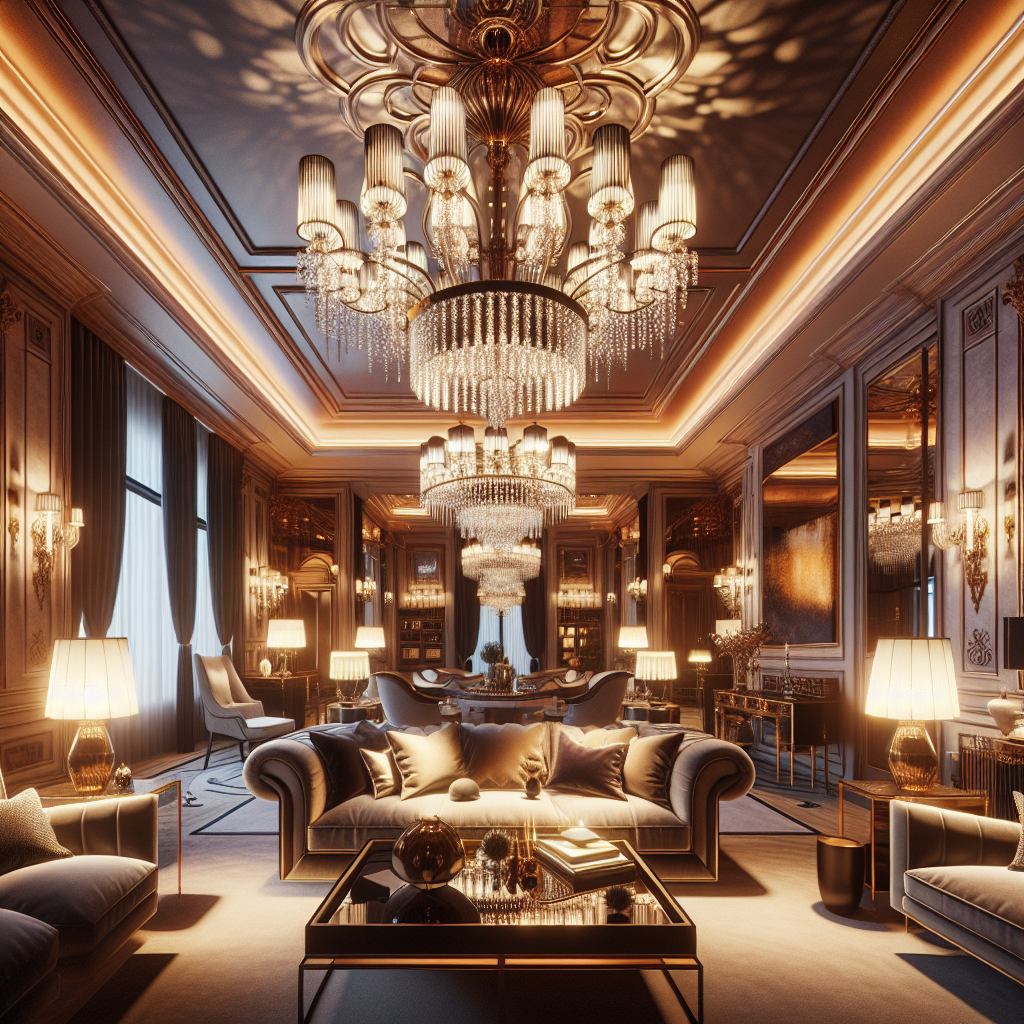
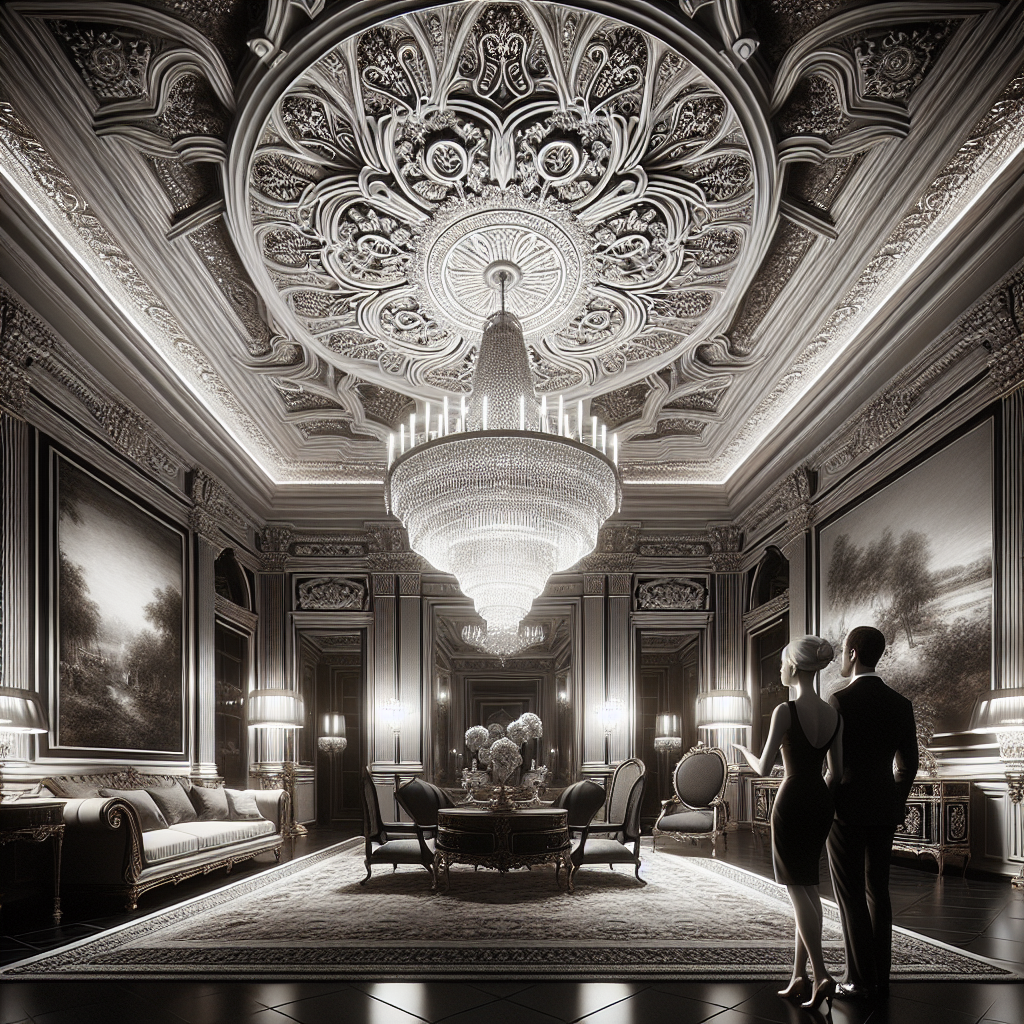
Moreover, chandeliers are the epitome of luxury lighting and can make a bold statement in high-end interiors. A well-chosen chandelier can serve as a stunning centerpiece, drawing attention to the ceiling and adding a layer of sophistication. Whether it’s a classic crystal chandelier or a contemporary design with clean lines, this type of lighting fixture can enhance the overall aesthetic of a room. Additionally, chandeliers can be paired with dimmer switches to adjust the light intensity, allowing for a customizable ambiance that suits any occasion.
In addition to these traditional lighting options, LED strip lights have gained popularity for their versatility and energy efficiency. These lights can be installed along the edges of a ceiling or within architectural features to create a soft, ambient glow. LED strip lights are particularly effective in modern interiors, where they can be used to emphasize geometric shapes or create a sense of depth. Their ability to change colors also offers an opportunity to experiment with different moods and atmospheres.
Furthermore, the use of natural light should not be overlooked when considering ceiling design. Skylights and large windows can flood a space with daylight, highlighting the ceiling’s features and creating a bright, airy environment. The interplay of natural and artificial light can add dimension and interest to a room, making it feel more dynamic and inviting.
In conclusion, lighting plays a pivotal role in enhancing ceiling aesthetics in high-end interiors. By thoughtfully selecting and positioning lighting fixtures, designers can transform ceilings into captivating elements that contribute to the overall beauty and functionality of a space. Whether through recessed lights, pendant fixtures, chandeliers, or innovative LED solutions, the right lighting can elevate a ceiling from a mere structural necessity to a work of art. So next time you find yourself admiring a beautifully designed room, take a moment to look up and appreciate the art of the ceiling.
Color and Texture: Creating Visual Impact with Ceiling Design
When it comes to high-end interior design, ceilings often play a crucial role in creating a space that feels both luxurious and inviting. While walls and floors typically receive the most attention, the ceiling is an expansive canvas that can dramatically influence the ambiance of a room. By thoughtfully incorporating color and texture into ceiling design, homeowners and designers alike can craft spaces that are not only visually stunning but also uniquely personal.
To begin with, color is a powerful tool in ceiling design. It can set the mood of a room, make a space feel larger or cozier, and even draw the eye upward to highlight architectural features. For instance, a soft, pastel hue can create a serene and airy atmosphere, perfect for a bedroom or a spa-like bathroom. On the other hand, a bold, dark color can add drama and sophistication, making it an excellent choice for a dining room or a home library. The key is to consider how the ceiling color interacts with the rest of the room’s palette. A harmonious blend can tie the entire space together, while a contrasting color can make the ceiling a focal point.
In addition to color, texture is another essential element in ceiling design that can add depth and interest. Textured ceilings can range from subtle to striking, depending on the materials and techniques used. For example, a coffered ceiling with its grid of recessed panels can add a sense of grandeur and formality to a living room or study. Alternatively, a ceiling adorned with wooden beams can introduce warmth and rustic charm, making it ideal for a cozy family room or kitchen. Textured wallpapers or plaster finishes can also be used to create unique patterns and effects, offering endless possibilities for customization.
Moreover, combining color and texture can elevate ceiling design to an art form. Imagine a ceiling painted in a rich, jewel-toned color with a metallic finish that catches the light, creating a shimmering effect that changes throughout the day. Or consider a ceiling with a textured plaster finish in a soft, neutral shade that adds subtle dimension and elegance. These combinations can transform a ceiling from a mere structural element into a statement piece that enhances the overall design of a room.
It’s also worth noting that lighting plays a significant role in highlighting the color and texture of a ceiling. Well-placed lighting fixtures can accentuate the details of a textured ceiling or enhance the vibrancy of a painted one. Chandeliers, pendant lights, or recessed lighting can all be used strategically to draw attention to the ceiling and create a cohesive look.
In conclusion, the art of ceiling design in high-end interiors lies in the thoughtful use of color and texture. By considering how these elements interact with the rest of the room and using lighting to enhance their impact, designers can create spaces that are not only beautiful but also reflective of the homeowner’s style and personality. So next time you’re planning an interior design project, don’t forget to look up—your ceiling might just be the perfect place to make a bold statement.
Integrating Technology: Smart Ceilings in Modern Luxury Interiors
In the world of high-end interiors, the ceiling has often been an overlooked canvas, but recent trends are turning this once-neglected space into a focal point of design and innovation. As technology continues to weave its way into every aspect of our lives, smart ceilings are emerging as a key feature in modern luxury interiors. These innovative designs not only enhance the aesthetic appeal of a room but also integrate seamlessly with the latest technological advancements, creating a harmonious blend of style and functionality.
Imagine walking into a room where the ceiling responds to your presence, adjusting the lighting to suit your mood or the time of day. This is the magic of smart ceilings, which are equipped with sensors and connected to home automation systems. They can be programmed to change colors, dim or brighten, and even project images or videos, transforming a simple ceiling into a dynamic element of the room. This level of customization allows homeowners to create a personalized atmosphere that reflects their unique tastes and preferences.
Moreover, smart ceilings are not just about lighting. They can also incorporate advanced sound systems, turning your living room into a concert hall or your bedroom into a serene retreat with the touch of a button. The integration of speakers and acoustic panels into the ceiling design ensures that the sound quality is impeccable, without the need for bulky equipment cluttering the space. This seamless integration of technology enhances the overall experience, making it easier than ever to enjoy high-quality audio in any room of the house.
In addition to lighting and sound, smart ceilings can also play a role in climate control. With the integration of smart thermostats and ventilation systems, these ceilings can help regulate the temperature and air quality in a room, ensuring optimal comfort at all times. This is particularly beneficial in large, open spaces where traditional heating and cooling systems may struggle to maintain a consistent environment. By incorporating these technologies into the ceiling design, homeowners can enjoy a more efficient and effective climate control system that is both discreet and stylish.
As we continue to explore the possibilities of smart ceilings, it’s important to consider the role of sustainability in these designs. Many high-end interiors are now incorporating eco-friendly materials and energy-efficient technologies into their ceiling designs, reducing their environmental impact while still delivering on luxury and style. For instance, LED lighting is a popular choice for smart ceilings, as it consumes less energy and has a longer lifespan than traditional bulbs. Additionally, some smart ceilings are equipped with solar panels, harnessing the power of the sun to generate electricity and further reduce energy consumption.
The art of the ceiling is evolving, and smart ceilings are at the forefront of this transformation. By integrating technology into the design, these ceilings offer a unique combination of beauty and functionality that enhances the overall experience of a space. Whether you’re looking to create a cozy, intimate atmosphere or a vibrant, dynamic environment, smart ceilings provide the flexibility and innovation needed to bring your vision to life. As we continue to push the boundaries of interior design, it’s clear that the ceiling is no longer just a blank canvas, but a vital component of modern luxury interiors.
Conclusion
“The Art of the Ceiling: Overhead Design in High-End Interiors” explores the transformative impact of ceiling design in luxury spaces, emphasizing its role beyond mere structural necessity. The book highlights how innovative ceiling treatments—ranging from intricate moldings and coffered designs to bold color choices and integrated lighting—can redefine a room’s ambiance and aesthetic. By showcasing a variety of styles and techniques, it underscores the ceiling’s potential as a canvas for artistic expression and a critical element in achieving cohesive interior design. Ultimately, the work inspires designers and homeowners alike to consider the ceiling as a pivotal component in crafting sophisticated and harmonious environments.