The New Florals: Botanical Patterns in Sophisticated Design
July 25, 2023
The Art of the Ceiling: Overhead Design in High-End Interiors
August 8, 2023
-
Table of Contents
- Introduction
- Embracing Versatility: The Rise of Multifunctional Luxury Spaces
- Redefining Opulence: How Multifunctional Design is Shaping Modern Luxury
- The Future of Luxury Living: Integrating Functionality and Elegance
- Transformative Spaces: The Intersection of Luxury and Practicality
- Designing for Change: The Role of Multifunctionality in Luxury Interiors
- Conclusion
Introduction
“Luxury in Transition: Designing Multifunctional Spaces” explores the evolving concept of luxury in the modern world, where adaptability and functionality are becoming as important as opulence and exclusivity. As urban living spaces shrink and lifestyles become more dynamic, the traditional notions of luxury are being redefined to embrace versatility and innovation. This book delves into the design principles and architectural strategies that are transforming luxury interiors into multifunctional environments, seamlessly blending aesthetics with practicality. By examining cutting-edge projects and insights from leading designers, it highlights how luxury spaces can be both elegant and efficient, catering to the diverse needs of contemporary living.
Embracing Versatility: The Rise of Multifunctional Luxury Spaces
In recent years, the concept of luxury has undergone a fascinating transformation. No longer confined to opulent, single-purpose rooms, luxury spaces are now embracing versatility, offering multifunctional designs that cater to the dynamic lifestyles of modern individuals. This shift is not just about maximizing space but also about enhancing the quality of life by creating environments that adapt to various needs and activities. As we explore this trend, it becomes clear that the essence of luxury is evolving, becoming more about flexibility and personalization than ever before.
To begin with, the rise of multifunctional luxury spaces can be attributed to several factors, including changing lifestyles and the increasing value placed on experiences over possessions. People today are more mobile, often working from home or traveling frequently, and they seek spaces that can accommodate these fluid lifestyles. Consequently, designers are reimagining traditional layouts, transforming static rooms into dynamic environments that serve multiple purposes. For instance, a living room might double as a home office during the day and a cozy entertainment area by night, seamlessly transitioning between functions with the help of clever design elements.
Moreover, the integration of technology plays a significant role in this transition. Smart home systems allow for the effortless transformation of spaces, with lighting, temperature, and even furniture arrangements adjustable at the touch of a button. This technological advancement not only enhances convenience but also adds a layer of sophistication to the living experience. Imagine a room that can morph from a serene yoga studio to a vibrant party space with just a few taps on your smartphone. Such adaptability is the hallmark of modern luxury, where the focus is on creating environments that respond to the user’s needs in real-time.
In addition to technology, the use of innovative materials and design techniques is crucial in crafting multifunctional spaces. Designers are increasingly employing modular furniture, sliding walls, and hidden storage solutions to maximize space without compromising on style. These elements allow for a seamless flow between different areas, making it easy to switch from one activity to another. For example, a dining table might fold away to reveal a spacious workout area, or a bookshelf could slide open to unveil a hidden home office. These creative solutions not only enhance functionality but also add an element of surprise and delight to the living space.
Furthermore, the emphasis on sustainability is another driving force behind the rise of multifunctional luxury spaces. As environmental consciousness grows, there is a greater demand for designs that minimize waste and make efficient use of resources. Multifunctional spaces inherently support this goal by reducing the need for excess furniture and materials. By creating rooms that serve multiple purposes, homeowners can enjoy a luxurious lifestyle while also contributing to a more sustainable future.
Ultimately, the transition towards multifunctional luxury spaces reflects a broader shift in how we define and experience luxury. It is no longer about having more but about having better—better use of space, better integration of technology, and better alignment with personal values. As we continue to embrace this trend, it is exciting to imagine the possibilities that lie ahead. Whether it’s a compact city apartment or a sprawling suburban home, the potential for creating versatile, luxurious environments is limitless. In this new era of design, luxury is not just about indulgence; it’s about intelligent, thoughtful living that adapts to our ever-changing world.
Redefining Opulence: How Multifunctional Design is Shaping Modern Luxury
In today’s fast-paced world, the concept of luxury is evolving, and nowhere is this more evident than in the realm of interior design. Gone are the days when opulence was defined solely by extravagant materials and ornate details. Instead, modern luxury is increasingly about creating spaces that are not only beautiful but also highly functional. This shift towards multifunctional design is reshaping how we perceive and experience luxury in our homes.
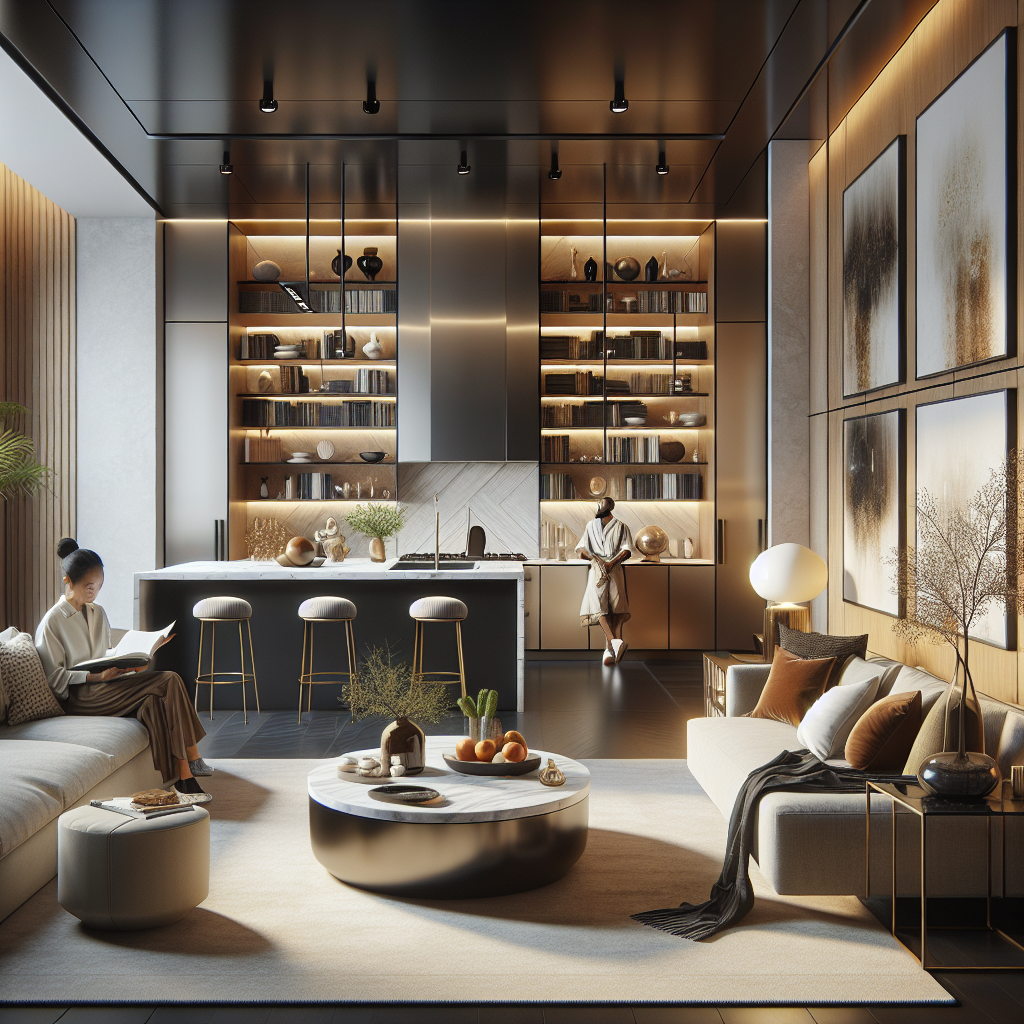
At the heart of this transition is the desire for spaces that can adapt to our ever-changing needs. With the rise of remote work, for instance, many people are seeking ways to transform their living areas into productive workspaces without sacrificing comfort or style. This has led to a surge in demand for furniture and design elements that can serve multiple purposes. Think of a sleek dining table that doubles as a conference table or a cozy reading nook that can be easily converted into a guest bed. These versatile solutions allow homeowners to maximize their space while maintaining an air of sophistication.
Moreover, the trend towards multifunctional design is also driven by a growing awareness of sustainability. As people become more conscious of their environmental footprint, there is a greater emphasis on making the most of what we have. This means investing in high-quality, durable pieces that can stand the test of time and serve various functions. By doing so, we not only reduce waste but also create a more sustainable form of luxury that aligns with our values.
In addition to practicality and sustainability, technology plays a significant role in this new era of luxury design. Smart home systems, for example, allow us to control lighting, temperature, and even security with the touch of a button, seamlessly integrating convenience into our daily lives. These technological advancements enable us to create spaces that are not only multifunctional but also intuitive and responsive to our needs. Imagine a living room that transforms into a home theater at the press of a button or a kitchen that adjusts its lighting and music to suit the mood of a dinner party. Such innovations are redefining what it means to live in luxury.
Furthermore, the aesthetic aspect of multifunctional design cannot be overlooked. Designers are finding creative ways to blend form and function, ensuring that practicality does not come at the expense of beauty. This often involves using clever design techniques, such as hidden storage solutions or modular furniture, to maintain a clean and uncluttered look. The result is a harmonious balance between elegance and efficiency, where every element serves a purpose without compromising on style.
As we continue to navigate the complexities of modern living, the appeal of multifunctional spaces is only set to grow. They offer a sense of freedom and flexibility that is increasingly valued in our dynamic world. By embracing this approach, we can create homes that are not only luxurious but also deeply personal and reflective of our lifestyles. In essence, the future of luxury lies in its ability to adapt and evolve, much like the spaces we inhabit. As we redefine opulence through multifunctional design, we open the door to a new kind of luxury—one that is as versatile and dynamic as we are.
The Future of Luxury Living: Integrating Functionality and Elegance
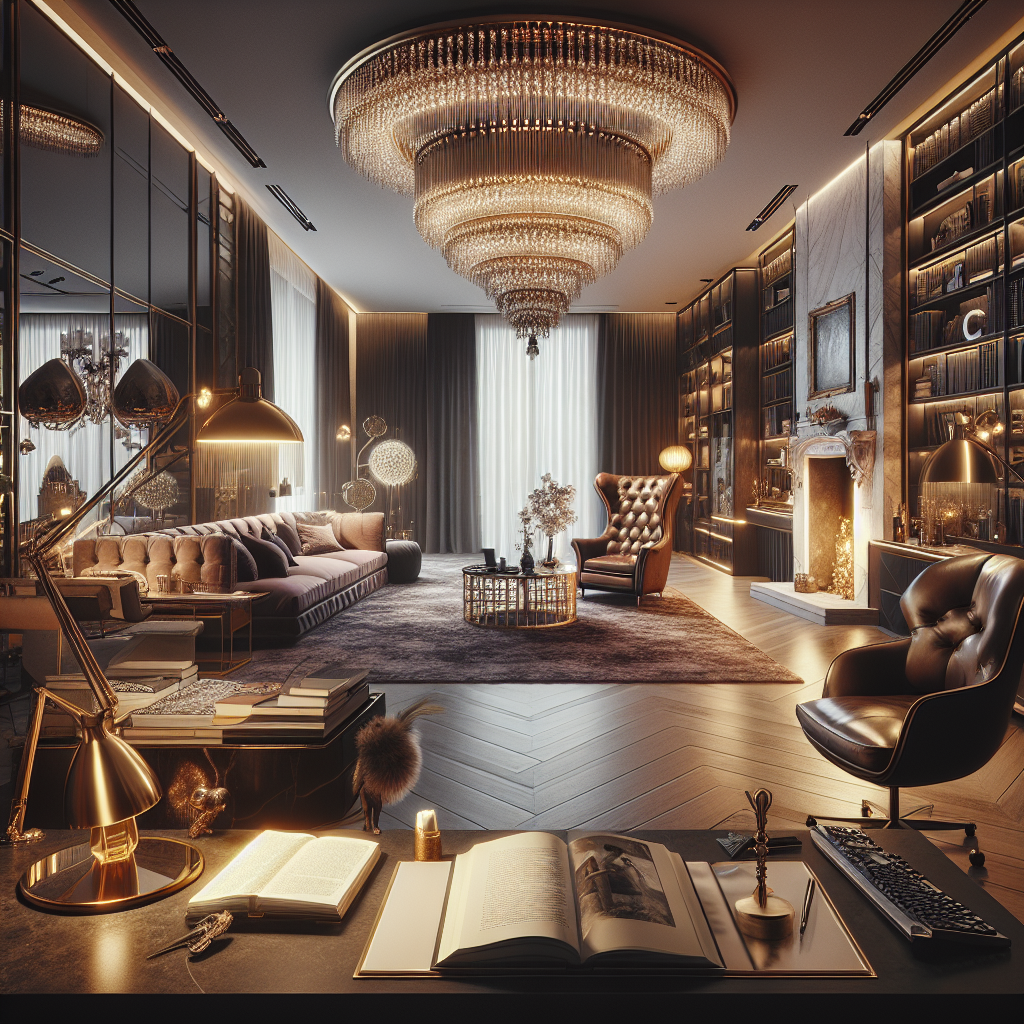
In the ever-evolving world of luxury living, the concept of opulence is undergoing a fascinating transformation. Gone are the days when luxury was solely defined by extravagant decor and lavish spaces. Today, the future of luxury living is all about integrating functionality with elegance, creating spaces that are not only beautiful but also versatile and practical. This shift towards multifunctional spaces is redefining what it means to live luxuriously, and it’s an exciting time for both designers and homeowners alike.
Imagine walking into a living room that effortlessly transforms into a home office or a guest bedroom with just a few simple adjustments. This is the essence of multifunctional design, where every piece of furniture and every square foot of space serves more than one purpose. It’s about maximizing the potential of a home, ensuring that it adapts to the ever-changing needs of its inhabitants. This approach not only enhances the functionality of a space but also adds a layer of sophistication that is truly the hallmark of modern luxury.
One of the driving forces behind this trend is the increasing demand for homes that cater to a more dynamic lifestyle. As remote work becomes more prevalent and families seek to make the most of their living environments, the need for adaptable spaces has never been greater. Luxury homeowners are now looking for designs that offer flexibility without compromising on style. This has led to a surge in innovative solutions, such as modular furniture, hidden storage, and convertible rooms, all of which contribute to a seamless blend of form and function.
Moreover, the integration of technology plays a significant role in this transition. Smart home systems are becoming an integral part of luxury living, allowing homeowners to control lighting, temperature, and even furniture arrangements with the touch of a button. This not only enhances convenience but also adds a futuristic touch to the living experience. Imagine a dining table that adjusts its height for different occasions or a bed that folds away to reveal a spacious yoga studio. These are no longer just fantasies but realities in the world of luxury design.
In addition to technological advancements, there’s a growing emphasis on sustainability within the realm of luxury living. Eco-friendly materials and energy-efficient systems are being seamlessly incorporated into multifunctional designs, ensuring that luxury does not come at the expense of the environment. This conscious approach to design reflects a broader shift in consumer values, where elegance is measured not just by aesthetics but also by the impact on the planet.
As we look to the future, it’s clear that the concept of luxury will continue to evolve, driven by the desire for spaces that are as functional as they are beautiful. Designers are challenged to think creatively, pushing the boundaries of traditional design to create homes that are truly tailored to the needs of their occupants. This new era of luxury living is not just about indulgence but about creating environments that enhance the quality of life in meaningful ways.
In conclusion, the future of luxury living lies in the seamless integration of functionality and elegance. As we embrace this transition, we open the door to a world where our homes are not just places to live but dynamic spaces that adapt to our lifestyles. It’s an exciting journey, and one that promises to redefine the very essence of luxury for years to come.
Transformative Spaces: The Intersection of Luxury and Practicality
In recent years, the concept of luxury has evolved beyond opulence and extravagance to embrace functionality and practicality. As our lives become increasingly dynamic, the spaces we inhabit must adapt to meet our changing needs. This shift has given rise to the trend of designing multifunctional spaces, where luxury and practicality intersect in a harmonious blend. Imagine a living room that effortlessly transforms into a home office or a guest bedroom that doubles as a yoga studio. These transformative spaces are not only a testament to innovative design but also a reflection of our desire for versatility in our homes.
One of the key elements driving this trend is the growing importance of maximizing space, especially in urban environments where square footage comes at a premium. With the rise of remote work and the need for flexible living arrangements, homeowners are seeking ways to make the most of every inch. This is where multifunctional design comes into play, offering solutions that are both stylish and practical. For instance, a sleek, foldable desk can be tucked away when not in use, maintaining the room’s aesthetic while providing a functional workspace when needed.
Moreover, the integration of technology has played a significant role in the evolution of multifunctional spaces. Smart home systems allow for seamless transitions between different room configurations, enhancing the user experience. Imagine controlling the lighting, temperature, and even furniture arrangement with a simple voice command or a tap on your smartphone. This level of convenience not only elevates the luxury quotient but also ensures that the space remains adaptable to various activities and moods.
In addition to technology, the choice of materials and furnishings is crucial in creating a multifunctional space that exudes luxury. High-quality, durable materials such as marble, hardwood, and leather not only add a touch of elegance but also ensure longevity and ease of maintenance. Similarly, investing in versatile furniture pieces, like modular sofas or extendable dining tables, can significantly enhance the functionality of a space without compromising on style.
Furthermore, the concept of multifunctional spaces extends beyond the interior of the home. Outdoor areas are also being reimagined to serve multiple purposes, from entertainment zones to tranquil retreats. A well-designed patio can seamlessly transition from a lively barbecue area to a serene spot for morning meditation, simply by rearranging furniture and adjusting lighting. This adaptability allows homeowners to fully utilize their outdoor spaces, regardless of the occasion or time of day.
As we continue to navigate the complexities of modern living, the demand for multifunctional spaces is likely to grow. Designers and architects are increasingly challenged to think outside the box, creating environments that are not only luxurious but also practical and adaptable. This trend is a testament to the changing definition of luxury, where the focus is on creating spaces that enhance our quality of life in meaningful ways.
In conclusion, the intersection of luxury and practicality in multifunctional spaces represents a significant shift in how we perceive and design our living environments. By embracing this trend, we can create homes that are not only beautiful but also responsive to our evolving needs. As we move forward, the possibilities for transformative spaces are endless, promising a future where luxury is defined by its ability to adapt and serve multiple purposes.
Designing for Change: The Role of Multifunctionality in Luxury Interiors
In the ever-evolving world of luxury interiors, the concept of multifunctionality is taking center stage, transforming how we perceive and interact with our living spaces. As lifestyles become more dynamic and diverse, the demand for interiors that can adapt to various needs and occasions is growing. This shift is not just about maximizing space but also about enhancing the quality of life by creating environments that are as flexible as they are beautiful.
Imagine walking into a living room that seamlessly transitions from a cozy family gathering spot to an elegant entertainment area. This is the essence of multifunctional design—spaces that cater to different activities without compromising on style or comfort. The key to achieving this lies in thoughtful planning and the clever use of furniture and decor. For instance, modular sofas that can be rearranged to suit different seating arrangements or extendable dining tables that accommodate both intimate dinners and larger gatherings are perfect examples of how functionality can be woven into luxury design.
Moreover, the integration of technology plays a significant role in enhancing the multifunctionality of luxury interiors. Smart home systems allow for the effortless transformation of spaces with just a touch of a button. Imagine adjusting the lighting, temperature, and even the layout of a room to suit your mood or the occasion. This level of customization not only adds convenience but also elevates the overall experience of the space, making it truly luxurious.
Transitioning from one function to another within a single space also requires a keen eye for aesthetics. The challenge lies in maintaining a cohesive design that flows naturally, regardless of the room’s current use. This is where the choice of materials, colors, and textures becomes crucial. Neutral palettes and versatile materials like wood and stone can provide a timeless backdrop that adapts to various styles and functions. Meanwhile, adding layers of texture through textiles and accessories can inject personality and warmth, ensuring the space remains inviting and comfortable.
In addition to aesthetics, storage solutions are a vital component of multifunctional luxury interiors. Hidden storage options, such as built-in cabinets or under-seat compartments, help maintain a clutter-free environment, allowing the space to transition smoothly between different uses. This not only enhances the functionality of the space but also contributes to a sense of tranquility and order, which is often associated with luxury living.
Furthermore, the concept of multifunctionality extends beyond individual rooms to encompass entire homes. Open-plan layouts, for example, encourage fluid movement between spaces, fostering a sense of connectivity and openness. This design approach is particularly appealing in urban settings, where space is often at a premium. By blurring the boundaries between living, dining, and working areas, open-plan designs create a versatile environment that can adapt to the changing needs of its occupants.
As we continue to navigate a world that demands flexibility and adaptability, the role of multifunctionality in luxury interiors becomes increasingly important. It challenges traditional notions of space and encourages us to think creatively about how we live and interact with our surroundings. Ultimately, designing for change is about embracing the possibilities of what our spaces can become, ensuring they remain as dynamic and vibrant as the lives we lead.
Conclusion
Luxury in Transition: Designing Multifunctional Spaces highlights the evolving nature of luxury in contemporary design, emphasizing adaptability and versatility. As lifestyles and living environments change, the demand for spaces that serve multiple purposes has grown, reflecting a shift from opulence to functionality without sacrificing elegance. This transition underscores a broader trend in luxury design, where the focus is on creating environments that are not only aesthetically pleasing but also practical and responsive to the diverse needs of modern life. The integration of technology, sustainable materials, and innovative design solutions further enhances the appeal of multifunctional spaces, making them a hallmark of modern luxury. Ultimately, this approach redefines luxury as a dynamic and inclusive concept, prioritizing user experience and adaptability in an ever-changing world.