The Alchemy of Patinas: Aged Finishes in Contemporary Design
May 28, 2024
Luxe Liminality: Designing Transitional Spaces with Elegance
June 4, 2024
-
Table of Contents
- Introduction
- Sustainable Fashion And Eco-Friendly Furniture: A Perfect Match
- The Intersection Of Vintage Fashion And Retro Furniture
- How To Incorporate Fashion Trends Into Your Home Decor
- The Influence Of Fashion Designers On Modern Furniture Design
- Color Psychology In Fashion And Furniture: Creating Harmonious Spaces
Introduction
Fashion and furniture, two distinct yet intertwined realms of design, play pivotal roles in shaping our aesthetic environments and personal expressions. Fashion, a dynamic and ever-evolving industry, reflects cultural trends and individual identities through clothing, accessories, and textiles. It is a form of art that not only adorns the body but also communicates personal and societal narratives. On the other hand, furniture design focuses on functionality and comfort while enhancing the ambiance of our living and working spaces. It combines craftsmanship with innovation, creating pieces that are both practical and visually appealing. Together, fashion and furniture influence lifestyle choices and define the essence of contemporary living, offering a harmonious blend of style, comfort, and self-expression.
Sustainable Fashion And Eco-Friendly Furniture: A Perfect Match
In recent years, the worlds of fashion and furniture have been undergoing a significant transformation, driven by a growing awareness of sustainability and eco-friendliness. As consumers become more conscious of their environmental impact, the demand for sustainable fashion and eco-friendly furniture has surged, creating a perfect match between these two industries. This shift is not just a trend but a movement towards a more responsible and mindful way of living.
To begin with, sustainable fashion has gained momentum as designers and brands strive to reduce their carbon footprint. This involves using organic materials, such as cotton and hemp, and innovative fabrics made from recycled plastics. Moreover, many fashion brands are adopting ethical production practices, ensuring fair wages and safe working conditions for their workers. By choosing sustainable fashion, consumers are not only making a style statement but also supporting a more equitable and environmentally friendly industry.
Similarly, the furniture industry is embracing eco-friendly practices, with a focus on using sustainable materials and production methods. For instance, reclaimed wood and bamboo are becoming popular choices for furniture makers due to their renewable nature and minimal environmental impact. Additionally, many companies are opting for non-toxic finishes and adhesives, ensuring that their products are safe for both the environment and the home. This shift towards eco-friendly furniture is not only beneficial for the planet but also offers consumers unique and stylish pieces that tell a story.
As these two industries evolve, they are finding common ground in their commitment to sustainability. Fashion and furniture are both integral parts of our daily lives, and by aligning their values, they create a cohesive lifestyle that reflects a dedication to the environment. This connection is evident in the rise of collaborations between fashion designers and furniture makers, resulting in collections that blend style with sustainability. These partnerships often lead to innovative designs that push the boundaries of creativity while maintaining a focus on eco-friendly practices.
Furthermore, the influence of sustainable fashion and eco-friendly furniture extends beyond individual purchases. It encourages a broader cultural shift towards mindful consumption and a deeper appreciation for the craftsmanship involved in creating these products. As consumers become more educated about the impact of their choices, they are more likely to invest in quality pieces that are built to last, rather than succumbing to the fast fashion and disposable furniture mentality. This change in mindset not only benefits the environment but also supports artisans and small businesses that prioritize sustainability.
In addition to the environmental benefits, there is a certain satisfaction that comes from knowing that your wardrobe and home are filled with items that reflect your values. Sustainable fashion and eco-friendly furniture offer a sense of authenticity and connection to the world around us. They remind us that every choice we make has an impact, and by choosing responsibly, we can contribute to a healthier planet.
In conclusion, the synergy between sustainable fashion and eco-friendly furniture is a testament to the power of conscious consumerism. As these industries continue to innovate and inspire, they pave the way for a future where style and sustainability go hand in hand. By embracing this perfect match, we not only enhance our personal spaces but also play a part in preserving the planet for future generations. So, the next time you’re shopping for a new outfit or a piece of furniture, consider the story behind it and the positive impact it can have on the world.
The Intersection Of Vintage Fashion And Retro Furniture
In recent years, there has been a delightful resurgence of interest in all things vintage and retro, with fashion and furniture leading the charge. This trend is not just about nostalgia; it’s about embracing the charm and character of bygone eras while adding a unique twist to modern living. As we explore the intersection of vintage fashion and retro furniture, it becomes clear that these two worlds are more intertwined than one might initially think.
To begin with, vintage fashion and retro furniture both offer a sense of individuality that is often missing in mass-produced items. When you slip into a vintage dress or suit, you’re not just wearing clothes; you’re donning a piece of history. Similarly, when you furnish your home with retro pieces, you’re creating a space that tells a story. This shared narrative of uniqueness and history is what draws many enthusiasts to both vintage fashion and retro furniture.
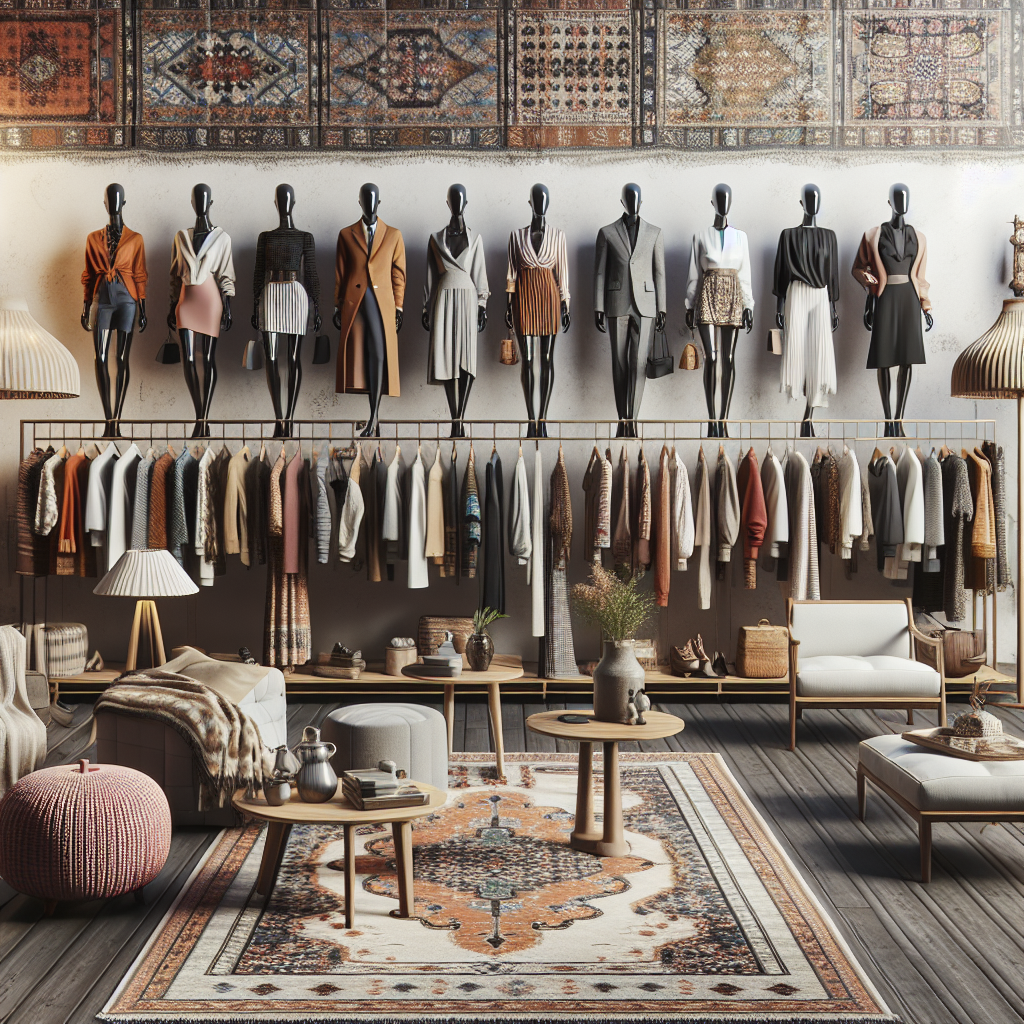
Moreover, the craftsmanship involved in creating vintage fashion and retro furniture is something to be admired. In an era where fast fashion and flat-pack furniture dominate, the attention to detail and quality of materials used in vintage and retro items stand out. A well-tailored vintage coat or a beautifully crafted mid-century modern chair can elevate an outfit or a room, respectively, in ways that contemporary items often cannot. This appreciation for quality and craftsmanship is a common thread that links fashion and furniture enthusiasts alike.
As we delve deeper into this intersection, it’s fascinating to see how the aesthetics of vintage fashion influence retro furniture design, and vice versa. For instance, the bold patterns and vibrant colors of 1960s fashion often find their way into the upholstery and design of furniture from the same era. Similarly, the sleek lines and minimalist approach of mid-century modern furniture can be seen reflected in the clean silhouettes of fashion from that time. This cross-pollination of ideas and styles creates a cohesive look that can be both nostalgic and refreshingly modern.
Transitioning from aesthetics to practicality, both vintage fashion and retro furniture offer sustainable alternatives to their modern counterparts. In a world increasingly concerned with environmental impact, choosing vintage and retro items is a way to reduce waste and promote sustainability. By giving new life to old pieces, whether it’s a classic leather jacket or a retro coffee table, you’re contributing to a more sustainable lifestyle. This shared commitment to sustainability is yet another reason why these two realms are so closely connected.
Furthermore, the hunt for the perfect vintage fashion piece or retro furniture item can be an adventure in itself. Scouring thrift stores, flea markets, and online marketplaces for that one-of-a-kind find is a thrilling experience that many enthusiasts cherish. The joy of discovering a hidden gem, whether it’s a 1950s cocktail dress or a 1970s armchair, adds an element of excitement and personal connection to the items you choose to incorporate into your wardrobe or home.
In conclusion, the intersection of vintage fashion and retro furniture is a vibrant and dynamic space where history, craftsmanship, aesthetics, sustainability, and adventure converge. Whether you’re a seasoned collector or a curious newcomer, exploring this intersection offers endless opportunities to express your individuality and create a unique style that is truly your own. So, why not take a step back in time and see where the journey takes you?
How To Incorporate Fashion Trends Into Your Home Decor
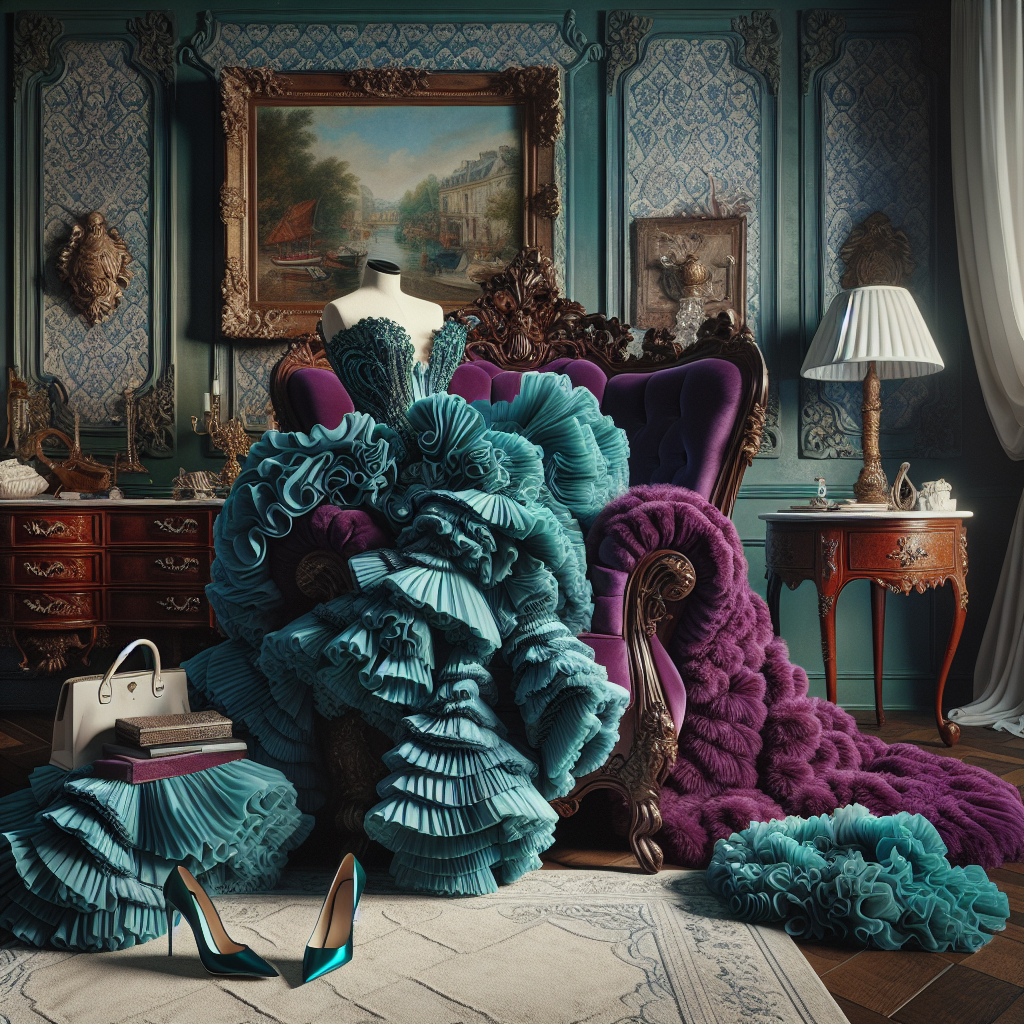
Incorporating fashion trends into your home decor can be an exciting way to refresh your living space and express your personal style. Just as fashion evolves with the seasons, so too can your home, reflecting the latest trends in color, texture, and design. The key is to find a balance that feels authentic to you while also embracing the new and the now. To start, consider the colors that are currently making waves on the runway. This year, bold and vibrant hues are in vogue, with shades like deep emerald green, rich burgundy, and striking cobalt blue taking center stage. These colors can be seamlessly integrated into your home through accent walls, throw pillows, or even a statement piece of furniture. If you’re hesitant about committing to a bold color, start small with accessories like vases or picture frames that can easily be swapped out.
Transitioning from color to texture, the fashion world is seeing a resurgence of luxurious fabrics such as velvet, silk, and leather. These materials can add a touch of elegance and sophistication to any room. Consider a velvet sofa or silk curtains to bring a sense of opulence into your living space. Leather, on the other hand, offers a timeless appeal and can be incorporated through furniture pieces like armchairs or ottomans. Mixing and matching these textures can create a dynamic and inviting atmosphere, much like layering clothing in fashion.
Moving on to patterns, animal prints and geometric designs are making a strong comeback. These patterns can add a playful yet chic element to your home decor. An animal print rug or geometric wallpaper can serve as a focal point in a room, drawing the eye and sparking conversation. If you’re feeling adventurous, consider mixing different patterns for a more eclectic look. The key is to maintain a cohesive color palette to ensure the patterns complement rather than clash.
In addition to colors, textures, and patterns, consider the overall aesthetic that is trending in fashion. Minimalism continues to be popular, with its clean lines and uncluttered spaces. This can be translated into your home by opting for furniture with simple silhouettes and keeping decor to a minimum. On the other hand, maximalism is also gaining traction, encouraging bold choices and an abundance of decor. This style is all about expressing personality and can be achieved by layering different elements, such as artwork, books, and decorative objects.
Finally, sustainability is a significant trend in both fashion and home decor. As more people become conscious of their environmental impact, there is a growing interest in sustainable materials and practices. Consider incorporating eco-friendly furniture made from reclaimed wood or recycled materials. Additionally, vintage and second-hand pieces not only add character to your home but also support a more sustainable lifestyle.
In conclusion, incorporating fashion trends into your home decor is all about finding what resonates with you and adapting it to your space. Whether it’s through color, texture, pattern, or overall aesthetic, there are countless ways to bring a touch of the runway into your home. By staying open to new ideas and experimenting with different elements, you can create a living space that is both stylish and uniquely yours.
The Influence Of Fashion Designers On Modern Furniture Design
In recent years, the worlds of fashion and furniture design have become increasingly intertwined, creating a fascinating blend of aesthetics and functionality. This fusion is largely driven by fashion designers who are stepping beyond the runway to leave their mark on the world of interior design. As we explore this trend, it becomes clear that the influence of fashion designers on modern furniture design is both profound and transformative.
To begin with, fashion designers bring a unique perspective to furniture design, one that is deeply rooted in their understanding of textiles, colors, and trends. They are accustomed to working with fabrics and materials in innovative ways, which translates seamlessly into the realm of furniture. For instance, a designer known for their bold use of patterns in clothing might apply the same principles to create a statement piece of furniture, such as a sofa with a striking geometric print. This crossover not only enriches the furniture design landscape but also offers consumers pieces that are as stylish as they are functional.
Moreover, fashion designers are adept at predicting and setting trends, a skill that is invaluable in the fast-paced world of interior design. They have a keen eye for what’s next, often drawing inspiration from art, culture, and even technology. This foresight allows them to create furniture that feels both contemporary and timeless. For example, a designer might incorporate sustainable materials into their furniture collections, reflecting a growing trend in both fashion and interior design towards eco-consciousness. This not only appeals to environmentally aware consumers but also sets a precedent for other designers to follow.
In addition to their trendsetting abilities, fashion designers often collaborate with established furniture brands, bringing a fresh perspective to traditional design processes. These collaborations can result in truly unique pieces that push the boundaries of conventional furniture design. Take, for instance, a renowned fashion designer teaming up with a classic furniture brand to create a limited-edition chair that combines avant-garde fashion elements with traditional craftsmanship. Such partnerships not only elevate the brand’s profile but also introduce fashion enthusiasts to the world of interior design, creating a crossover appeal that benefits both industries.
Furthermore, the influence of fashion designers on furniture design is evident in the way they approach the concept of space. Fashion is all about creating a narrative through clothing, and this storytelling ability translates beautifully into interior spaces. Designers often think about how a piece of furniture will interact with its surroundings, much like how a garment interacts with the human form. This holistic approach ensures that each piece is not only visually appealing but also enhances the overall ambiance of a room.
As we continue to see the lines between fashion and furniture design blur, it’s exciting to imagine what the future holds. The collaboration between these two creative fields promises to bring even more innovation and creativity to our living spaces. Whether it’s a fashion-forward armchair or a chic dining table, the influence of fashion designers on modern furniture design is undeniable and continues to shape the way we think about our homes. So, the next time you find yourself admiring a piece of furniture, take a moment to consider the fashion influences that may have played a role in its creation. You might just find a new appreciation for the artistry and vision that goes into designing the spaces we live in.
Color Psychology In Fashion And Furniture: Creating Harmonious Spaces
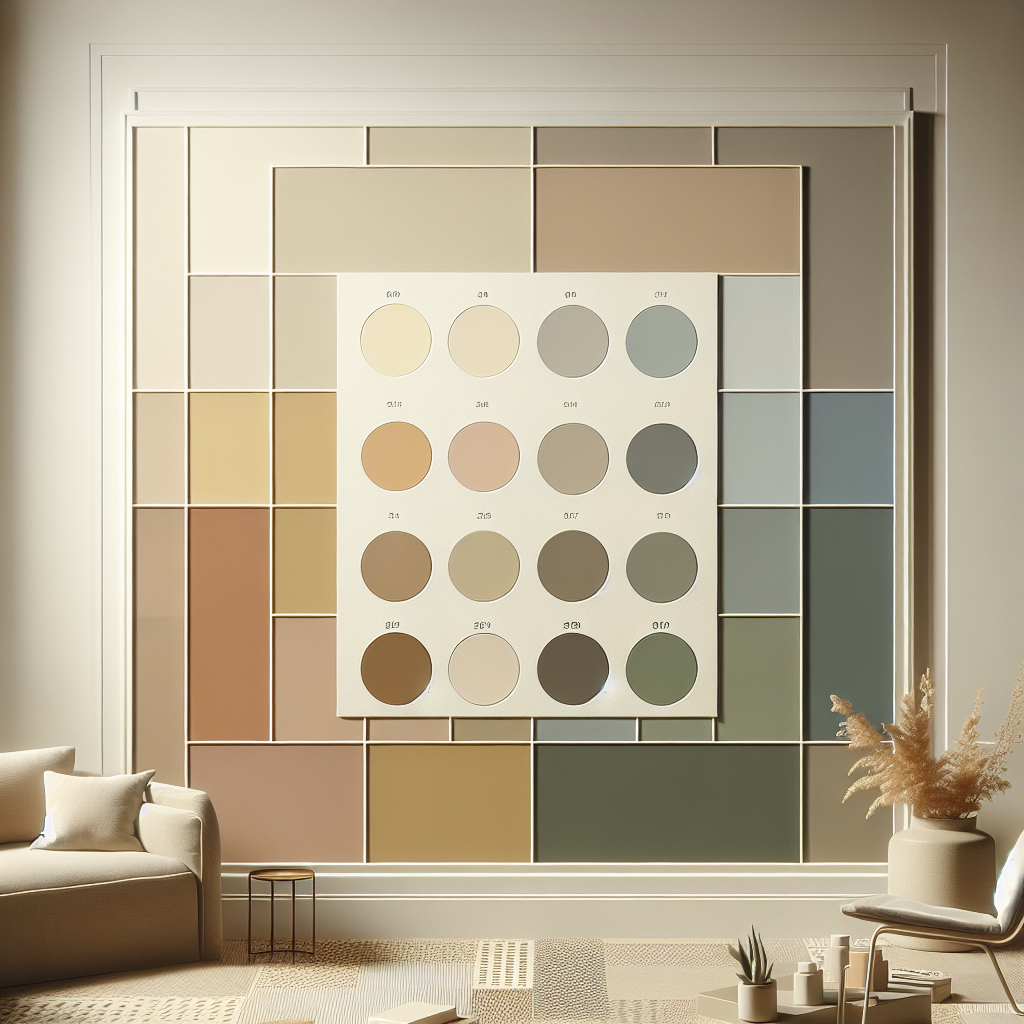
Color psychology plays a fascinating role in both fashion and furniture, influencing our emotions and perceptions in subtle yet profound ways. When we think about creating harmonious spaces, whether in our wardrobes or our living rooms, understanding the impact of color can be a game-changer. Imagine walking into a room that instantly makes you feel calm and relaxed, or putting on an outfit that boosts your confidence. These experiences are often the result of thoughtful color choices.
In fashion, color is a powerful tool for self-expression. It can convey mood, personality, and even social status. For instance, wearing red can evoke feelings of power and passion, while blue often represents calmness and reliability. Similarly, in furniture, color can set the tone for an entire room. A bright yellow sofa might add a cheerful touch to a living space, while a deep green armchair can create a sense of tranquility. By understanding the psychological effects of different colors, we can make more informed choices that align with our desired emotional outcomes.
Transitioning from fashion to furniture, it’s interesting to note how these two realms often intersect. The colors we choose to wear can reflect the environments we feel most comfortable in, and vice versa. For example, someone who gravitates towards earthy tones in their clothing might also prefer a home filled with natural hues like browns and greens. This seamless integration of color across different aspects of our lives can create a cohesive and harmonious personal style.
Moreover, the seasonal trends in fashion often influence furniture design and vice versa. As pastel colors become popular in spring fashion collections, you might notice a similar trend in home decor, with soft pinks and blues making their way into furniture stores. This cyclical relationship between fashion and furniture allows us to refresh our spaces and wardrobes simultaneously, keeping them both current and complementary.
When it comes to creating harmonious spaces, balance is key. In fashion, this might mean pairing a bold-colored top with neutral pants to avoid overwhelming the senses. In furniture, it could involve using accent pieces to introduce pops of color without dominating the room. By carefully considering the balance of colors, we can create environments that feel both dynamic and cohesive.
Furthermore, personal preferences play a significant role in how we perceive and use color. While some people might find a bright orange dress invigorating, others might prefer the subtlety of a soft lavender. The same goes for furniture; a vibrant red chair might be a statement piece for one person, while another might opt for a more understated beige. Embracing these individual differences allows us to create spaces and styles that truly reflect who we are.
In conclusion, the psychology of color in fashion and furniture is a fascinating field that offers endless possibilities for creating harmonious spaces. By understanding the emotional impact of different colors and considering how they interact across various aspects of our lives, we can make more intentional choices that enhance our well-being. Whether you’re updating your wardrobe or redecorating your home, let color be your guide to creating spaces that feel uniquely yours.