Fashion & Furniture
May 28, 2024
Timeless Elegance: Exploring the Best of Luxury Sofas
June 4, 2024
-
Table of Contents
- Introduction
- Understanding Luxe Liminality: The Art of Designing Transitional Spaces
- Key Elements of Elegance in Transitional Space Design
- Luxe Liminality: Blending Functionality and Aesthetics in Transitional Areas
- Case Studies: Successful Luxe Liminality Projects Around the World
- Future Trends in Luxe Liminality: Innovations in Transitional Space Design
- Conclusion
Introduction
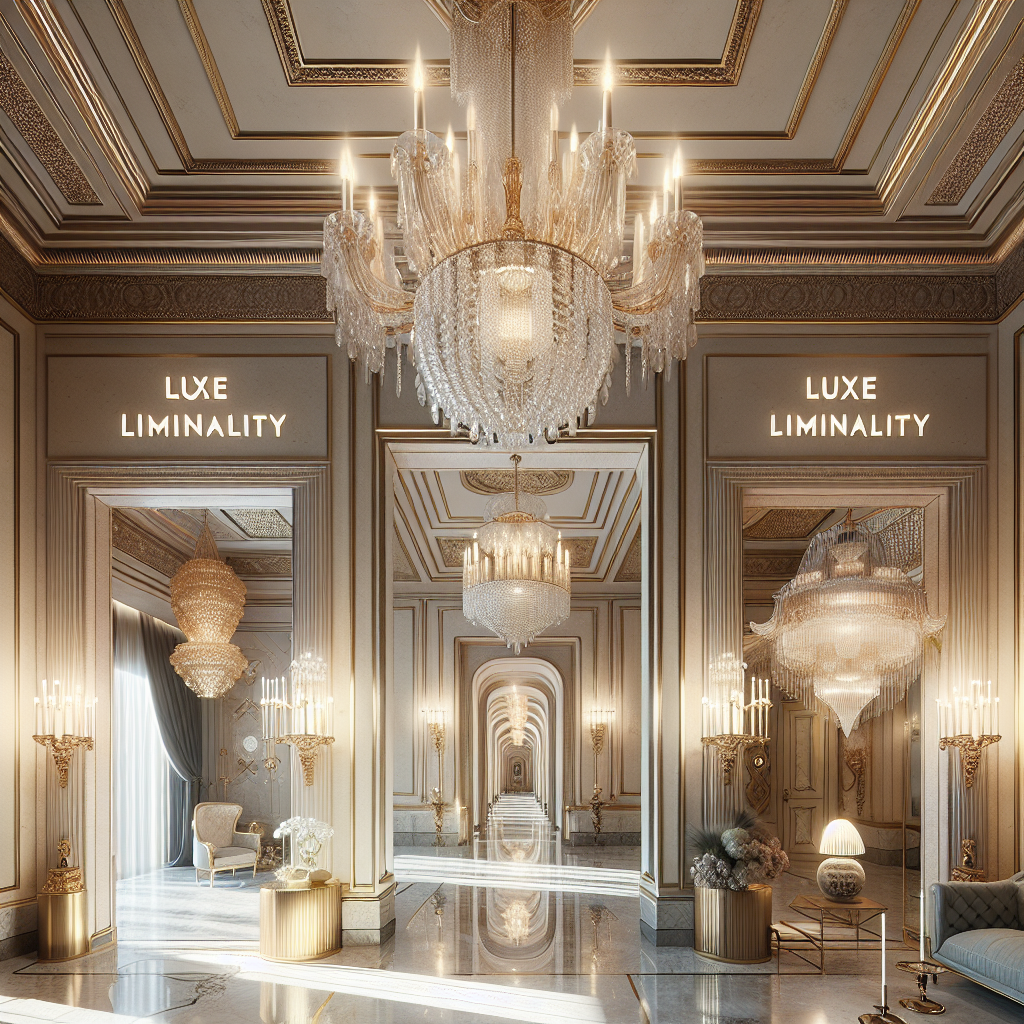
“Luxe Liminality: Designing Transitional Spaces with Elegance” explores the art and science of creating sophisticated and functional transitional spaces that bridge different areas within a home or commercial environment. This concept emphasizes the importance of these often-overlooked areas, such as hallways, entryways, and corridors, transforming them into aesthetically pleasing and purposeful spaces. By integrating elements of luxury design, the book delves into how these spaces can enhance the flow and experience of an environment, offering insights into material selection, lighting, and spatial arrangement. It serves as a guide for designers and homeowners alike, aiming to elevate the transitional spaces from mere passageways to integral components of elegant interior design.
Understanding Luxe Liminality: The Art of Designing Transitional Spaces
Luxe liminality is an intriguing concept that marries the elegance of luxury design with the subtle art of creating transitional spaces. These are the areas in our homes that often go unnoticed, like hallways, entryways, and landings, yet they hold immense potential to transform the flow and feel of a living space. By focusing on these in-between areas, we can elevate the overall aesthetic and functionality of our homes, making them not just places to live, but experiences to savor.
Imagine walking through a beautifully designed hallway that seamlessly connects your living room to your kitchen. The transition is not just a passage but a journey, enhanced by thoughtful design elements that capture your attention and set the tone for the next space. This is the essence of luxe liminality—creating a sense of anticipation and continuity that enhances the overall ambiance of your home. It’s about making every step feel intentional and every glance rewarding.
To achieve this, one must consider the elements that define luxury: quality materials, attention to detail, and a harmonious blend of form and function. In transitional spaces, these elements can be expressed through the use of high-end finishes, such as marble flooring or custom woodwork, which add a touch of sophistication. Lighting also plays a crucial role; strategically placed fixtures can highlight architectural features or create a warm, inviting glow that guides you from one room to the next.
Color and texture are equally important in designing these spaces. A neutral palette can provide a calming backdrop, allowing for bold accents or artwork to stand out without overwhelming the senses. Textures, whether through plush rugs or textured wall coverings, add depth and interest, inviting you to linger rather than rush through. The key is to strike a balance that feels both cohesive and dynamic, ensuring that each transitional space complements the rooms it connects.
Moreover, furniture and decor should not be overlooked. A well-placed console table or a statement mirror can serve as both functional and decorative elements, offering a place to pause and reflect. These pieces should be chosen with care, reflecting the overall style of your home while adding their own unique flair. It’s about creating moments of delight that surprise and engage, turning what might have been a mundane passage into a memorable experience.
Incorporating nature is another way to enhance transitional spaces. Indoor plants or a small water feature can bring a sense of tranquility and life, bridging the gap between indoors and outdoors. This connection to nature not only beautifies the space but also promotes a sense of well-being, making your home feel like a sanctuary.
Ultimately, designing transitional spaces with elegance is about embracing the journey as much as the destination. It’s about recognizing the potential in every corner and corridor, and transforming them into integral parts of your home’s narrative. By focusing on luxe liminality, you create a home that is not just a collection of rooms, but a cohesive, inviting environment that reflects your personal style and enhances your everyday life. So next time you walk through your hallway or step into your entryway, consider the possibilities that lie within these spaces, and let your imagination guide you toward creating something truly extraordinary.
Key Elements of Elegance in Transitional Space Design
When it comes to designing transitional spaces with elegance, the key lies in the artful balance between functionality and aesthetics. These spaces, often overlooked, serve as the connective tissue of our homes, guiding us from one room to another. Yet, with a touch of creativity and a keen eye for detail, they can become more than just passageways; they can be experiences in themselves. To achieve this, one must consider several key elements that contribute to the elegance of transitional space design.
First and foremost, consider the flow of movement. Transitional spaces should facilitate a seamless journey from one area to the next. This can be achieved by ensuring that the layout is intuitive and unobstructed. For instance, a well-placed runner rug can guide the eye and the feet, creating a natural path that invites exploration. Additionally, using consistent flooring materials throughout these spaces can unify the design, making the transition feel smooth and intentional.
Lighting plays a crucial role in setting the tone of transitional spaces. Natural light, when available, should be maximized to create an airy and open feel. Strategically placed mirrors can amplify this effect, reflecting light and making the space appear larger. For times when natural light is scarce, consider layered lighting solutions. A combination of ambient, task, and accent lighting can add depth and dimension, transforming a simple hallway into a captivating corridor.
Color schemes are another vital component in designing elegant transitional spaces. Neutral palettes often work best, as they provide a calming backdrop that can seamlessly connect different areas of the home. However, this doesn’t mean the space has to be devoid of personality. Subtle pops of color, introduced through artwork or decorative accents, can add interest without overwhelming the senses. The key is to maintain a cohesive look that complements the adjoining rooms.
Texture is an often-underestimated element that can elevate the elegance of transitional spaces. Incorporating a variety of textures can add warmth and richness, making the space feel inviting. Consider using materials like wood, stone, or fabric to create a tactile experience. A textured wall covering or a plush bench can serve as focal points, drawing attention and adding layers to the design.
Furniture and decor should be chosen with care, as they can either enhance or detract from the elegance of a transitional space. Opt for pieces that are both functional and stylish, such as a sleek console table or a chic coat rack. These items should not only serve a purpose but also contribute to the overall aesthetic. Decorative elements like vases, sculptures, or framed photographs can add a personal touch, making the space feel curated and intentional.
Finally, don’t forget the power of greenery. Plants can breathe life into transitional spaces, adding a touch of nature that is both refreshing and elegant. Whether it’s a tall potted plant in a corner or a small succulent on a shelf, greenery can soften the space and create a sense of harmony.
In conclusion, designing transitional spaces with elegance is about creating a harmonious blend of form and function. By paying attention to flow, lighting, color, texture, and decor, these often-overlooked areas can become beautiful extensions of your home. With a thoughtful approach, transitional spaces can transcend their utilitarian purpose, offering moments of beauty and reflection as you move through your day.
Luxe Liminality: Blending Functionality and Aesthetics in Transitional Areas
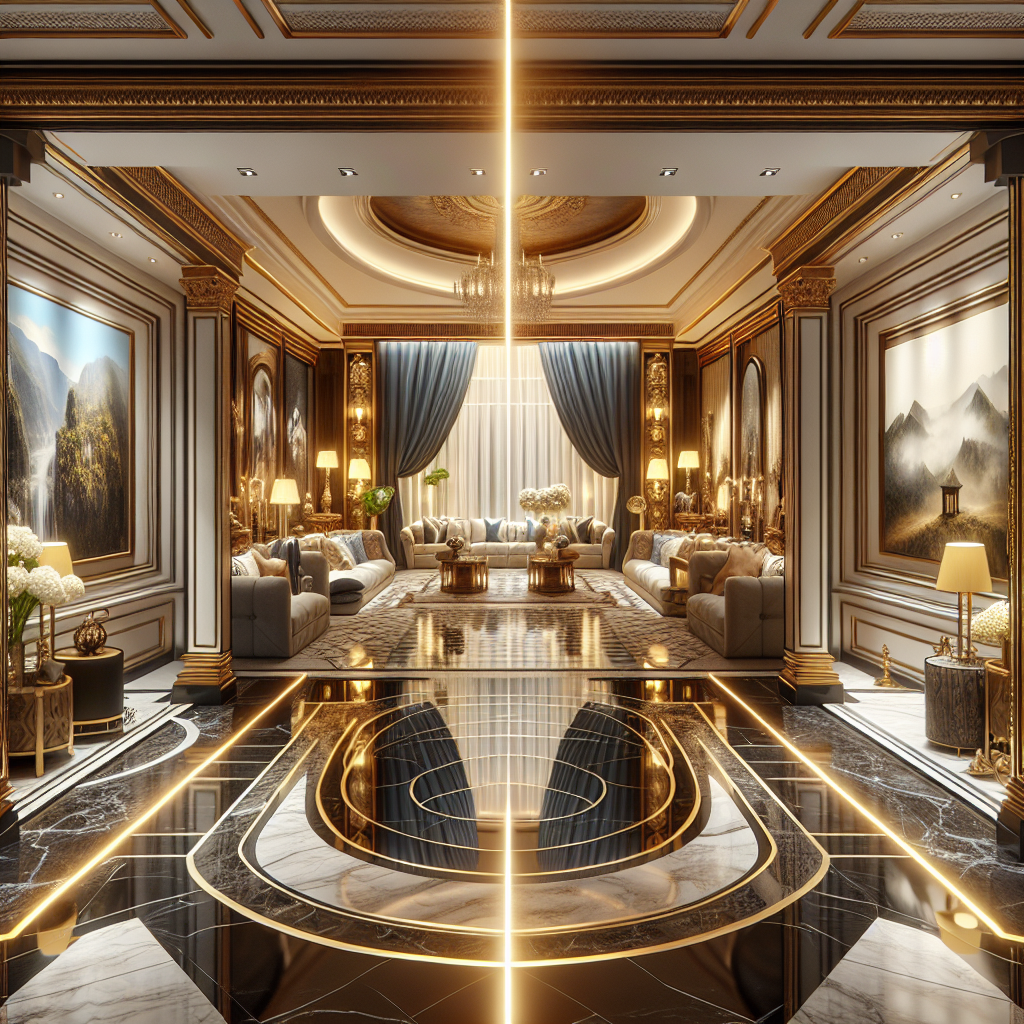
Transitional spaces, those in-between areas that connect different parts of a home, often get overlooked in the grand scheme of interior design. However, these spaces hold immense potential to blend functionality with aesthetics, creating a seamless flow throughout your home. Luxe liminality, the art of designing these transitional areas with elegance, is all about transforming them from mere passageways into integral parts of your living environment. By focusing on both form and function, you can elevate these spaces to new heights of sophistication and utility.
To begin with, consider the purpose of your transitional space. Is it a hallway that connects the living room to the kitchen, or perhaps a landing at the top of a staircase? Understanding the role of these areas is crucial in determining how best to design them. For instance, a hallway can serve as a gallery for art, while a staircase landing might become a cozy reading nook. By identifying the function, you can then move on to the aesthetics, ensuring that the space not only serves its purpose but also enhances the overall ambiance of your home.
One of the key elements in designing transitional spaces is lighting. Proper lighting can dramatically alter the perception of a space, making it feel larger, more inviting, or even more intimate. Consider using a combination of ambient, task, and accent lighting to create layers of illumination. For example, wall sconces can add a touch of elegance to a hallway, while a statement chandelier might serve as a focal point in a larger transitional area. Additionally, natural light should not be underestimated; strategically placed mirrors can help bounce sunlight around, brightening up even the darkest of corridors.
Color and texture also play significant roles in the design of transitional spaces. While it might be tempting to stick with neutral tones, don’t shy away from incorporating bold colors or patterns that reflect your personal style. A vibrant runner rug can add warmth and interest to a hallway, while textured wallpaper might provide depth and character to a stairwell. The key is to strike a balance between cohesion and contrast, ensuring that the transitional space complements the adjoining rooms while still standing out on its own.
Furniture and decor are equally important in these areas. While you want to avoid cluttering the space, a few well-chosen pieces can add both functionality and charm. A slim console table with a decorative mirror above it can make a narrow hallway feel more inviting, while a comfortable chair and a small bookshelf can transform a landing into a delightful reading corner. The idea is to choose items that enhance the space without overwhelming it, allowing for easy movement and flow.
Finally, don’t forget the power of personal touches. Transitional spaces are perfect for showcasing family photos, travel souvenirs, or cherished heirlooms. These elements not only add personality but also create a sense of continuity throughout your home. By thoughtfully curating these items, you can ensure that each transitional space tells a story, inviting guests to linger and explore.
In conclusion, designing transitional spaces with elegance is all about finding the perfect balance between functionality and aesthetics. By considering the purpose, lighting, color, texture, and decor, you can transform these often-overlooked areas into luxurious extensions of your living space. With a little creativity and attention to detail, your transitional spaces can become not just pathways, but destinations in their own right.
Case Studies: Successful Luxe Liminality Projects Around the World
In the world of interior design, the concept of liminality—spaces that serve as transitions between one area and another—has taken on a new level of sophistication. Luxe liminality is all about transforming these often-overlooked areas into elegant, functional spaces that enhance the overall aesthetic of a home or building. Around the globe, designers are embracing this trend, creating stunning transitional spaces that not only connect different areas but also stand out as design features in their own right. Let’s take a closer look at some successful luxe liminality projects that have captured the imagination of design enthusiasts everywhere.
One standout example can be found in the heart of Paris, where a historic townhouse has been reimagined with a modern twist. The designers focused on the stairwell, a quintessential transitional space, turning it into a visual masterpiece. By incorporating a sweeping spiral staircase with a custom-designed wrought iron railing, they created a sense of grandeur that seamlessly connects the home’s multiple levels. The addition of a skylight above the staircase floods the area with natural light, highlighting the intricate details of the design and creating a warm, inviting atmosphere. This project demonstrates how a transitional space can become a focal point, enhancing the overall elegance of the home.
Moving across the Atlantic, a luxury penthouse in New York City offers another example of luxe liminality done right. Here, the designers transformed a narrow hallway into a gallery-like space that not only connects the living room to the bedrooms but also serves as an art showcase. By using high-end materials such as marble flooring and custom lighting, they created a sophisticated backdrop for an impressive art collection. The hallway’s design encourages residents and guests to linger, turning what could have been a simple passageway into an experience in itself. This project highlights the potential of transitional spaces to add value and character to a home.
In Tokyo, a minimalist approach to luxe liminality can be seen in a contemporary apartment where the transition between the indoor and outdoor spaces is virtually seamless. The designers achieved this by using floor-to-ceiling glass doors that open onto a private terrace, blurring the lines between the interior and exterior. The use of natural materials such as wood and stone further enhances this connection, creating a tranquil oasis in the midst of the bustling city. This project exemplifies how transitional spaces can be designed to promote a sense of calm and relaxation, offering a retreat from the urban environment.
Finally, in Sydney, a coastal home showcases how luxe liminality can be used to highlight stunning views. The designers focused on the transition between the main living area and the outdoor deck, using large sliding glass doors to frame the ocean vista. By choosing a neutral color palette and understated furnishings, they ensured that the view remains the star of the show. This project illustrates how transitional spaces can be designed to maximize natural beauty, creating a harmonious connection between the interior and the surrounding landscape.
These case studies demonstrate that with thoughtful design, transitional spaces can be transformed into luxurious, functional areas that enhance the overall aesthetic of a home or building. Whether through the use of high-end materials, clever lighting, or seamless indoor-outdoor connections, luxe liminality offers endless possibilities for creating elegant, memorable spaces. As more designers embrace this trend, we can expect to see even more innovative and inspiring examples of luxe liminality around the world.
Future Trends in Luxe Liminality: Innovations in Transitional Space Design
In the ever-evolving world of interior design, the concept of liminality—those transitional spaces that bridge one area to another—has taken on a new level of importance. As we move towards a future where every square foot of our living spaces is maximized for both function and aesthetics, the design of these in-between areas is becoming a focal point for innovation. Luxe liminality, a term that captures the essence of designing these spaces with elegance and sophistication, is gaining traction among designers and homeowners alike. This trend is not just about filling gaps but transforming them into experiences that enhance the overall ambiance of a home.
One of the most exciting aspects of luxe liminality is the way it challenges traditional notions of space. Hallways, foyers, and staircases, once considered mere conduits from one room to another, are now being reimagined as integral parts of the home’s design narrative. Designers are employing a variety of techniques to elevate these areas, using elements such as lighting, texture, and color to create a seamless flow that connects different parts of the home. For instance, the strategic use of lighting can transform a dimly lit corridor into a gallery-like space, highlighting artwork or architectural features that might otherwise go unnoticed.
Moreover, the integration of technology into transitional spaces is another trend that is shaping the future of luxe liminality. Smart home systems are being incorporated into these areas to enhance convenience and efficiency. Imagine a hallway that automatically adjusts its lighting based on the time of day or a staircase that plays soft music as you ascend or descend. These innovations not only add a layer of luxury but also make the transition from one space to another a more engaging experience.
Sustainability is also playing a crucial role in the design of transitional spaces. As environmental consciousness becomes increasingly important, designers are seeking out eco-friendly materials and practices to incorporate into their projects. Reclaimed wood, recycled metal, and natural fibers are being used to create beautiful, sustainable designs that do not compromise on style or elegance. This approach not only benefits the environment but also adds a unique character to each space, making it truly one-of-a-kind.
Furthermore, the personalization of transitional spaces is becoming a key trend in luxe liminality. Homeowners are looking to infuse their own personalities into these areas, turning them into reflections of their tastes and lifestyles. This can be achieved through the use of bespoke furniture, custom artwork, or even personalized scents that greet you as you move from one room to another. By tailoring these spaces to individual preferences, designers are creating environments that feel both luxurious and deeply personal.
In conclusion, the future of luxe liminality is bright, with innovations in design and technology paving the way for more elegant and functional transitional spaces. As we continue to explore the potential of these areas, it is clear that they offer endless possibilities for creativity and expression. Whether through the use of cutting-edge technology, sustainable materials, or personalized touches, the design of transitional spaces is set to become an essential aspect of modern living. As we embrace this trend, we can look forward to homes that are not only more beautiful but also more harmonious and connected.
Conclusion
Luxe Liminality: Designing Transitional Spaces with Elegance explores the art and science of creating transitional spaces that blend functionality with aesthetic appeal. The concept of liminality, which refers to spaces that serve as thresholds between different environments, is elevated through luxurious design elements that enhance the user experience. By focusing on materials, lighting, and spatial flow, designers can transform these often-overlooked areas into sophisticated and inviting environments. The book emphasizes the importance of thoughtful design in transitional spaces, highlighting how elegance and practicality can coexist to create areas that are not only visually stunning but also serve a purpose in guiding movement and interaction. Ultimately, Luxe Liminality underscores the potential of transitional spaces to enrich the overall ambiance of a building, making them integral components of architectural design.