Sonic Luxury: Acoustic Design in High-End Interiors
May 21, 2024
Fashion & Furniture
May 28, 2024
-
Table of Contents
- Introduction
- Exploring The Art Of Patina: Transforming Modern Spaces With Aged Finishes
- The Science Behind Patinas: How Time And Elements Create Unique Designs
- Incorporating Patinas In Interior Design: Tips For A Timeless Look
- The Role Of Patinas In Sustainable Design: Embracing Natural Aging
- Patina Techniques: A Guide To Achieving Authentic Aged Finishes
- Conclusion
Introduction
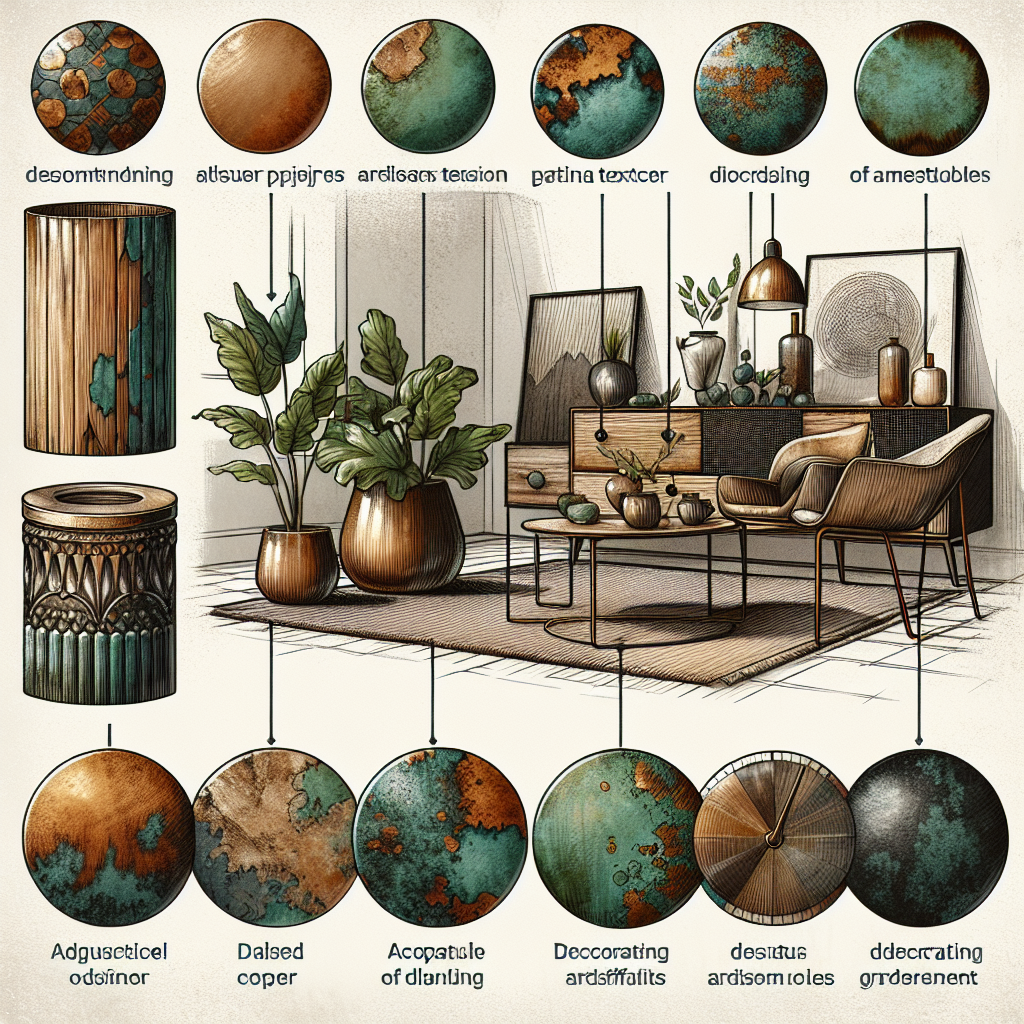
“The Alchemy of Patinas: Aged Finishes in Contemporary Design” explores the transformative power of patinas in modern aesthetics, where the allure of age and the beauty of imperfection are celebrated. This exploration delves into how designers harness the natural processes of oxidation and weathering to create surfaces that tell a story, adding depth and character to contemporary spaces. By embracing the rich textures and colors that patinas offer, this design approach bridges the gap between the past and present, infusing modern environments with a sense of history and timelessness. Through a blend of artistry and chemistry, patinas become a testament to the enduring appeal of aged finishes in the ever-evolving landscape of contemporary design.
Exploring The Art Of Patina: Transforming Modern Spaces With Aged Finishes
In the world of contemporary design, where sleek lines and minimalist aesthetics often reign supreme, there’s a growing appreciation for the charm and character that aged finishes bring to modern spaces. This is where the art of patina comes into play, transforming ordinary surfaces into extraordinary focal points. Patina, the natural or artificial aging process that gives materials like metal, wood, and stone a weathered appearance, is becoming a beloved tool for designers seeking to add depth and history to their creations.
One of the most fascinating aspects of patina is its ability to tell a story. Each layer of tarnish or discoloration is like a chapter in a book, revealing the passage of time and the elements that have interacted with the material. This storytelling quality is precisely what makes patina so appealing in contemporary design. It offers a sense of authenticity and nostalgia, evoking memories of bygone eras while seamlessly integrating into modern aesthetics. As a result, spaces adorned with patinated finishes often feel more inviting and lived-in, providing a comforting contrast to the often sterile feel of new construction.
Moreover, the versatility of patina is truly remarkable. It can be applied to a wide range of materials, from the cool elegance of copper and brass to the rustic warmth of reclaimed wood. This adaptability allows designers to experiment with different textures and colors, creating unique and personalized spaces. For instance, a patinated copper backsplash in a kitchen can add a touch of vintage charm, while a weathered wooden coffee table can become the centerpiece of a cozy living room. The possibilities are endless, limited only by the imagination of the designer.
In addition to its aesthetic appeal, patina also offers practical benefits. Aged finishes are often more forgiving than their pristine counterparts, as they naturally conceal scratches, dents, and other imperfections. This makes them an excellent choice for high-traffic areas or homes with children and pets. Furthermore, the process of developing a patina can be an eco-friendly alternative to traditional finishing methods. By using natural oxidation processes or non-toxic chemicals, designers can achieve stunning results without harming the environment.
As we delve deeper into the world of patina, it’s important to recognize the skill and artistry involved in creating these aged finishes. While some patinas develop naturally over time, others are carefully crafted by artisans who understand the delicate balance between chemistry and creativity. These skilled craftsmen and women use a variety of techniques, from applying acids and salts to heat treatments, to achieve the desired effect. Their expertise ensures that each piece is a one-of-a-kind masterpiece, adding a layer of exclusivity to any space.
In conclusion, the alchemy of patinas is a captivating aspect of contemporary design that continues to gain popularity. By embracing the beauty of aged finishes, designers can create spaces that are not only visually stunning but also rich in character and history. Whether it’s the subtle sheen of a bronze sculpture or the weathered texture of a wooden beam, patina has the power to transform modern spaces into timeless works of art. So, the next time you find yourself in a room with a beautifully aged finish, take a moment to appreciate the story it tells and the artistry behind its creation.
The Science Behind Patinas: How Time And Elements Create Unique Designs
In the world of design, there’s something undeniably magical about the way time and the elements collaborate to create patinas. These aged finishes, with their rich textures and colors, tell stories of transformation and resilience. But what exactly is the science behind these captivating surfaces, and how do they come to be? Let’s dive into the fascinating process that turns ordinary materials into extraordinary works of art.
At its core, a patina is a thin layer that forms on the surface of materials like metal, wood, or stone over time. This layer is the result of chemical reactions between the material and its environment. For instance, when copper is exposed to air and moisture, it undergoes oxidation, leading to the formation of a greenish-blue patina known as verdigris. This process is not only natural but also inevitable, as materials interact with the elements around them.
Interestingly, the formation of patinas is influenced by a variety of factors, including temperature, humidity, and even pollution levels. These environmental conditions can accelerate or slow down the chemical reactions that lead to patina development. For example, in coastal areas where the air is salty and humid, metals tend to develop patinas more quickly than in arid regions. This variability means that no two patinas are exactly alike, making each one a unique testament to its surroundings.
Moreover, the science of patinas isn’t limited to metals. Wood, for instance, can develop a beautiful patina as it ages, thanks to the gradual breakdown of its surface fibers and the absorption of oils and other substances. This process can result in a warm, rich color that adds character and depth to wooden objects. Similarly, stone surfaces can acquire a patina through weathering, as wind and water erode the surface, revealing new textures and hues.
While the natural formation of patinas is a slow and organic process, contemporary designers have found ways to replicate these effects more quickly. By understanding the science behind patinas, they can manipulate materials and conditions to create aged finishes that mimic the beauty of time-worn surfaces. This approach allows designers to incorporate the charm of patinas into their work without waiting decades for nature to take its course.
In addition to their aesthetic appeal, patinas also offer practical benefits. For metals, a patina can act as a protective layer, shielding the underlying material from further corrosion. This is why many outdoor sculptures and architectural elements are left to develop a natural patina, as it helps preserve the integrity of the material. Similarly, the patina on wood can enhance its durability by sealing the surface and preventing moisture penetration.
As we explore the science behind patinas, it’s clear that these aged finishes are more than just a visual delight. They represent a harmonious blend of art and science, where the forces of nature collaborate to create something truly unique. Whether it’s the verdant hue of oxidized copper or the warm glow of aged wood, patinas remind us of the beauty that comes with time and the stories etched into every surface. So, the next time you encounter a patina, take a moment to appreciate the intricate dance of elements that brought it to life, and consider how these timeless finishes can inspire contemporary design.
Incorporating Patinas In Interior Design: Tips For A Timeless Look
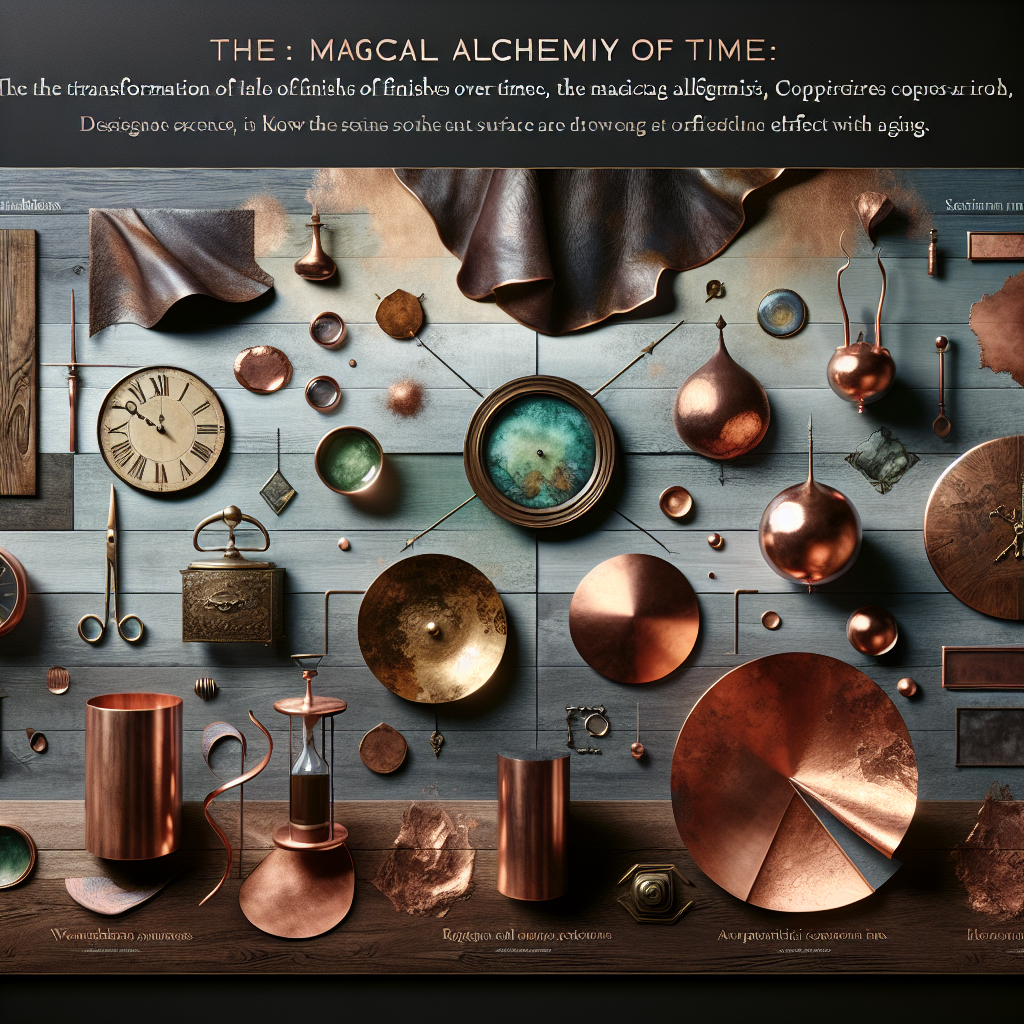
Incorporating patinas into interior design is like adding a touch of magic to your living space. These aged finishes, with their rich textures and colors, bring a sense of history and character that can transform any room into a timeless masterpiece. Whether you’re a fan of vintage charm or simply want to add depth to your modern decor, patinas offer a versatile way to achieve that perfect balance between old and new.
To begin with, understanding the essence of patinas is key. Essentially, a patina is a surface change on a material, often metal or wood, that occurs over time due to natural aging or intentional treatment. This process results in a unique finish that tells a story, adding layers of intrigue to your interiors. For those who appreciate the beauty of imperfection, patinas are a dream come true. They celebrate the passage of time, embracing the wear and tear that comes with it.
When it comes to incorporating patinas into your home, start by considering the materials you already have. Metals like copper, brass, and bronze are popular choices for achieving a patinated look. These metals naturally develop a beautiful green or brownish hue over time, which can be accelerated through various techniques. For instance, applying a mixture of vinegar and salt can speed up the patination process, giving you that coveted aged appearance in a fraction of the time.
Wood is another material that benefits greatly from a patina. Reclaimed wood, with its weathered finish, is perfect for adding warmth and character to any space. You can use it for flooring, furniture, or even accent walls. The key is to embrace the imperfections, such as knots and grain variations, which add to the wood’s charm. If you’re working with new wood, consider using stains or waxes to create an aged effect. This not only enhances the wood’s natural beauty but also gives it a sense of history.
Incorporating patinas doesn’t mean you have to overhaul your entire decor. Sometimes, it’s the small touches that make the biggest impact. Consider adding patinated accessories, such as picture frames, mirrors, or light fixtures, to introduce a hint of vintage allure. These elements can serve as focal points in a room, drawing the eye and sparking conversation.
Moreover, patinas work beautifully in contrast with modern elements. Pairing aged finishes with sleek, contemporary pieces creates a dynamic interplay between old and new. For example, a patinated metal coffee table can look stunning against a minimalist sofa, while a weathered wood dining table can add warmth to a modern kitchen. This juxtaposition not only highlights the unique qualities of each piece but also creates a balanced and harmonious space.
As you explore the world of patinas, remember that the goal is to create a space that feels authentic and lived-in. Patinas are all about embracing the beauty of imperfection and celebrating the stories that each piece tells. By thoughtfully incorporating these aged finishes into your interior design, you can achieve a timeless look that is both stylish and inviting. So, go ahead and experiment with patinas, and watch as your home transforms into a space filled with character and charm.
The Role Of Patinas In Sustainable Design: Embracing Natural Aging
In the world of contemporary design, there’s a growing appreciation for the beauty of natural aging, and patinas are at the heart of this movement. These aged finishes, which develop over time on materials like metal, wood, and stone, are not just about aesthetics; they play a significant role in sustainable design. By embracing the natural aging process, designers and homeowners alike are finding ways to create spaces that are not only visually appealing but also environmentally friendly.
To begin with, patinas offer a unique charm that is difficult to replicate with new materials. The subtle variations in color and texture that develop over time tell a story, adding depth and character to any space. This appreciation for the imperfect and the aged is a refreshing departure from the pursuit of perfection that often dominates modern design. By valuing these natural changes, we can reduce the demand for new materials, thereby minimizing waste and conserving resources.
Moreover, the use of patinas aligns perfectly with the principles of sustainable design. Instead of discarding materials that show signs of wear, we can celebrate their transformation and incorporate them into our living spaces. This approach not only reduces the environmental impact of constantly producing new materials but also encourages a mindset of reuse and repurposing. By choosing to highlight the beauty of aged finishes, we are making a conscious decision to prioritize sustainability in our design choices.
In addition to their environmental benefits, patinas also offer practical advantages. For instance, metals like copper and bronze develop a protective layer over time, which can enhance their durability and longevity. This means that items with a natural patina often require less maintenance and can withstand the test of time, making them a smart choice for both indoor and outdoor applications. By opting for materials that age gracefully, we can create spaces that are not only beautiful but also built to last.
Furthermore, the process of developing a patina can be an engaging and rewarding experience. Watching a piece of furniture or an architectural element change and evolve over time can foster a deeper connection between the owner and their space. This personal investment in the aging process can lead to a greater appreciation for the materials and craftsmanship involved, ultimately encouraging more thoughtful and intentional design choices.
As we continue to explore the role of patinas in sustainable design, it’s important to recognize that this approach is not limited to any one style or aesthetic. Whether your taste leans towards the rustic charm of a weathered farmhouse or the sleek elegance of a modern loft, there is a place for patinas in your design vision. By embracing the natural aging process, we can create spaces that are as diverse and dynamic as the materials themselves.
In conclusion, the alchemy of patinas offers a compelling case for incorporating aged finishes into contemporary design. By celebrating the beauty of natural aging, we can create spaces that are not only visually captivating but also environmentally responsible. As we move towards a more sustainable future, the role of patinas in design will undoubtedly continue to grow, reminding us of the value of time, transformation, and the stories that our spaces can tell.
Patina Techniques: A Guide To Achieving Authentic Aged Finishes
In the world of contemporary design, there’s something undeniably captivating about the allure of aged finishes. The patina, a surface appearance of something grown beautiful with age or use, has become a sought-after element in modern interiors. This fascination with patinas is not just about nostalgia; it’s about adding depth, character, and a story to the spaces we inhabit. As we delve into the alchemy of patinas, let’s explore how you can achieve these authentic aged finishes in your own design projects.
To begin with, understanding the essence of patina is crucial. It’s not merely about making something look old; it’s about celebrating the natural process of aging. Metals like copper and bronze develop a patina over time, resulting in a rich, varied surface that tells a story of its own. Similarly, wood and stone can acquire a weathered look that speaks of history and endurance. The key to achieving an authentic patina lies in embracing these natural processes and, in some cases, giving them a gentle nudge.
One of the most popular techniques for creating a patina is through oxidation. This process involves exposing metals to elements that accelerate their aging. For instance, applying a mixture of vinegar and salt to copper can speed up the development of its characteristic greenish-blue hue. This method is not only simple but also allows for a great deal of control over the final appearance. By adjusting the concentration and application time, you can achieve anything from a subtle sheen to a dramatic transformation.
Transitioning from metals to wood, the approach changes slightly. Wood patinas often rely on stains and finishes that mimic the effects of time. A common technique is to use a combination of steel wool and vinegar. When left to sit, this mixture creates a solution that, when applied to wood, reacts with the tannins to produce a weathered, grayish tone. This method is particularly effective for achieving that rustic, farmhouse look that’s so popular in contemporary design.
Stone, on the other hand, requires a different touch. To give stone surfaces an aged appearance, designers often turn to acid washes or sandblasting. These techniques wear down the surface, creating a texture that feels as though it has been shaped by the elements over decades. The result is a finish that adds a sense of permanence and gravitas to any space.
While these techniques are effective, it’s important to remember that achieving an authentic patina is as much about restraint as it is about application. The beauty of a patina lies in its imperfections and irregularities. Overworking a surface can lead to an artificial appearance, which defeats the purpose of creating an aged finish. Instead, allow the materials to speak for themselves, and embrace the unique characteristics that emerge.
Incorporating patinas into contemporary design is not just about aesthetics; it’s about creating a connection to the past while living in the present. These aged finishes bring warmth and personality to modern spaces, making them feel lived-in and loved. As you experiment with patina techniques, remember that the journey is as rewarding as the destination. With patience and a little creativity, you can transform ordinary materials into extraordinary elements that tell a story all their own.
Conclusion
“The Alchemy of Patinas: Aged Finishes in Contemporary Design” explores the transformative power of patinas in modern aesthetics, highlighting their ability to imbue objects with a sense of history and depth. By embracing the natural aging process, designers create pieces that resonate with authenticity and character, bridging the gap between past and present. This approach not only enhances the visual and tactile appeal of materials but also fosters a sustainable design ethos by celebrating imperfection and longevity. Ultimately, the use of patinas in contemporary design underscores a growing appreciation for craftsmanship and the beauty of time-worn finishes.