The Art of Layering Textures in Luxury Interior Design
October 20, 2020

-
Table of Contents
- Introduction
- Blending Eras: How to Seamlessly Integrate Antiques into Modern Interiors
- Timeless Touches: Using Vintage Pieces to Elevate Contemporary Design
- The Art of Contrast: Balancing Antique Charm with Modern Minimalism
- Statement Pieces: Choosing the Right Antiques for a Modern Aesthetic
- Reviving History: Creative Ways to Incorporate Heirlooms into Modern Homes
- Conclusion
Introduction
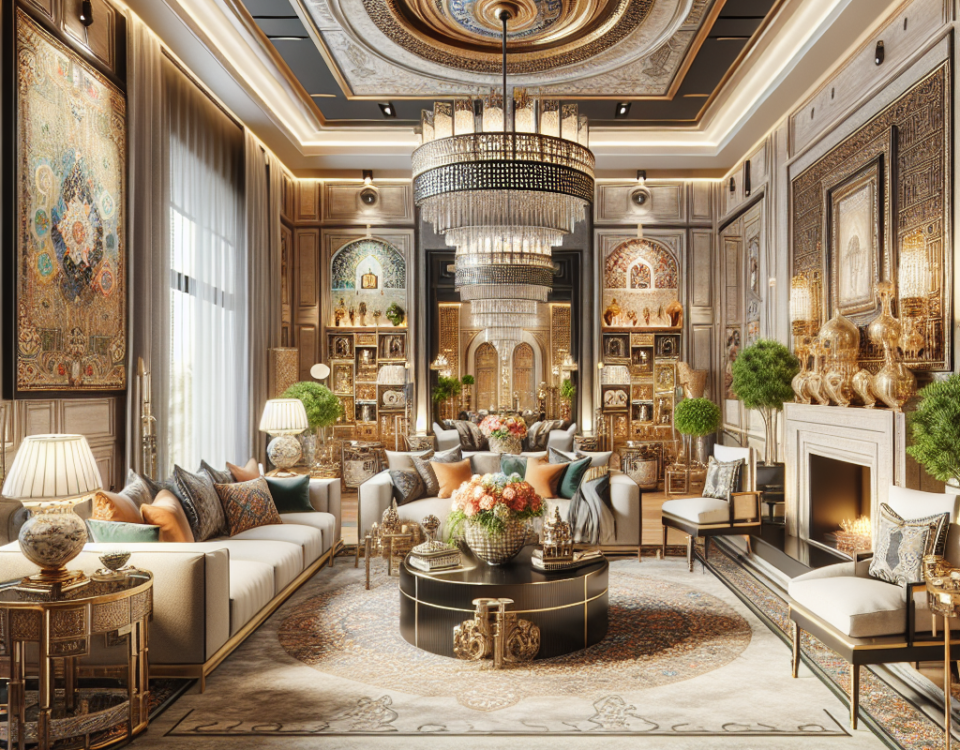
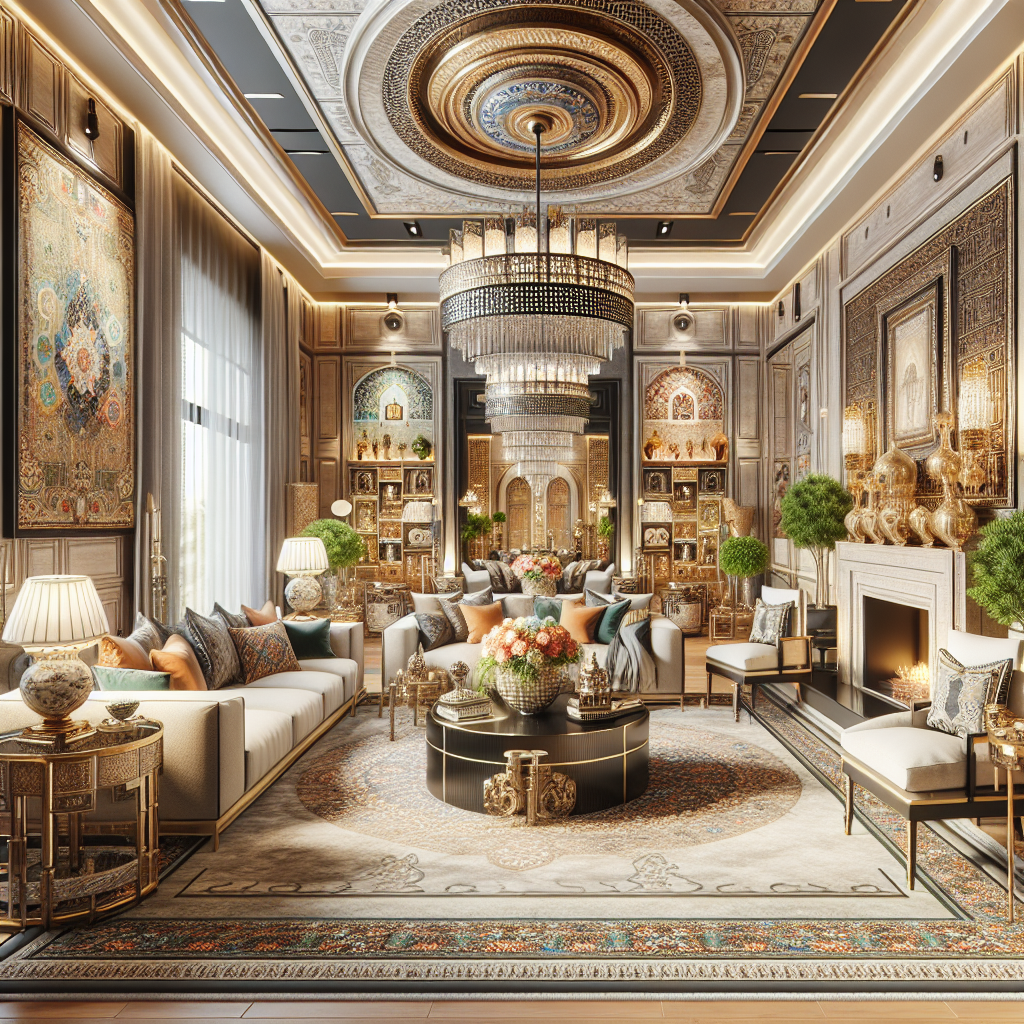
“Vintage Meets Modern: Incorporating Antiques into Contemporary Spaces” explores the artful fusion of timeless elegance and sleek modernity, creating interiors that are both unique and inviting. This design approach celebrates the charm and character of antiques, integrating them seamlessly into contemporary settings to enhance aesthetic appeal and add depth to modern living spaces. By juxtaposing the old with the new, this style not only preserves history but also breathes new life into classic pieces, offering a dynamic and personalized environment. Whether it’s a statement piece or subtle accents, incorporating antiques into modern decor invites a narrative of contrast and harmony, enriching the visual and emotional experience of any space.
Blending Eras: How to Seamlessly Integrate Antiques into Modern Interiors
Incorporating antiques into modern interiors is like crafting a beautiful symphony where each note, though distinct, contributes to a harmonious whole. The charm of vintage pieces lies in their ability to tell stories of the past, adding depth and character to contemporary spaces. When done right, blending these eras can create a unique and inviting atmosphere that reflects both history and modernity. The key is to strike a balance, allowing each piece to shine without overwhelming the overall aesthetic.
To begin with, consider the scale and proportion of the antique pieces you wish to incorporate. In a modern setting, where clean lines and minimalism often prevail, a large, ornate antique can become a stunning focal point. For instance, a grand Victorian mirror can add a touch of elegance and drama to a sleek, minimalist living room. On the other hand, smaller antiques, like a vintage clock or a set of candlesticks, can be used as accents to add subtle hints of history without dominating the space.
Color is another crucial element to consider when blending antiques with modern decor. While modern interiors often feature neutral palettes, antiques can introduce rich, warm tones that create contrast and interest. A vibrant Persian rug, for example, can bring warmth and texture to a room dominated by whites and grays. Alternatively, if your antique piece is more subdued in color, it can seamlessly blend into the existing palette, adding depth without clashing.
Moreover, mixing materials can enhance the integration of antiques into modern spaces. The juxtaposition of different textures, such as a rustic wooden table paired with sleek metal chairs, can create a dynamic and visually appealing environment. This contrast not only highlights the unique qualities of each piece but also adds layers to the overall design. Similarly, combining different styles, like pairing a mid-century modern sofa with a Baroque-style side table, can result in an eclectic yet cohesive look.
Lighting also plays a significant role in showcasing antiques within a modern context. Proper lighting can highlight the intricate details of an antique piece, drawing attention to its craftsmanship and history. Consider using spotlights or strategically placed lamps to illuminate your antiques, creating a warm and inviting ambiance. Additionally, natural light can enhance the beauty of vintage items, so positioning them near windows can be beneficial.
When integrating antiques into modern interiors, it’s essential to maintain a sense of cohesion throughout the space. One way to achieve this is by repeating certain elements or motifs found in your antique pieces elsewhere in the room. For example, if your antique has a particular pattern or color, try incorporating similar patterns or hues in your textiles or artwork. This repetition creates a sense of unity and ensures that the antique feels like an intentional part of the design rather than an afterthought.
Ultimately, the goal is to create a space that feels personal and curated, where each piece, whether antique or modern, contributes to the story of your home. By thoughtfully blending eras, you can design an interior that is not only visually stunning but also rich in character and history. Embrace the charm of antiques and let them add a touch of timeless elegance to your modern spaces, creating a home that is truly one-of-a-kind.
Timeless Touches: Using Vintage Pieces to Elevate Contemporary Design
Incorporating vintage pieces into contemporary spaces is like adding a dash of history to a modern narrative, creating a unique blend that tells a story of its own. Imagine walking into a room where a sleek, minimalist sofa sits comfortably alongside a beautifully aged wooden chest. This juxtaposition not only adds character but also invites curiosity and conversation. The charm of vintage items lies in their ability to bring warmth and depth to an otherwise stark environment, making them perfect companions for contemporary design.
One of the easiest ways to start blending these two styles is by introducing small vintage accessories. Think of a mid-century lamp casting a warm glow over a modern glass coffee table or a collection of antique books stacked neatly on a sleek, floating shelf. These small touches can make a big impact, offering a nod to the past while keeping the overall look fresh and current. Moreover, vintage accessories are often more affordable than larger pieces, allowing you to experiment without a significant investment.
Transitioning from accessories to furniture, consider the statement that a vintage armchair can make in a contemporary living room. Its worn leather or intricate woodwork can serve as a focal point, drawing the eye and anchoring the space. Pairing such a piece with modern elements, like a geometric rug or abstract art, creates a dynamic contrast that is both visually appealing and deeply personal. This mix of old and new encourages a sense of balance, where each piece complements the other rather than competing for attention.
Furthermore, vintage items often come with a story, a history that adds layers of meaning to your home. Perhaps you have a dining table that once belonged to your grandparents or a clock that has ticked through decades of family gatherings. These pieces carry memories and emotions, infusing your space with a sense of nostalgia and continuity. In a world that is constantly changing, having elements in your home that remind you of where you come from can be incredibly grounding.
When it comes to color palettes, vintage pieces often bring rich, earthy tones that can soften the sometimes stark lines of contemporary design. A vintage Persian rug, for example, can introduce a spectrum of colors and patterns that breathe life into a monochromatic room. Similarly, an antique mirror with a gilded frame can add a touch of opulence and reflect light in interesting ways, enhancing the overall ambiance.
Incorporating vintage elements into a modern space is not just about aesthetics; it’s also about sustainability. By choosing to reuse and repurpose older items, you’re contributing to a more sustainable lifestyle. This approach not only reduces waste but also supports a circular economy, where items are cherished and passed down rather than discarded.
Ultimately, the key to successfully blending vintage with modern is to maintain a sense of harmony. It’s about finding the right balance between the two styles, ensuring that they complement rather than clash. By thoughtfully selecting pieces that resonate with you, you can create a space that is not only stylish but also deeply personal. So, whether you’re a seasoned collector or just starting to explore the world of antiques, remember that each piece you choose is a step towards crafting a home that is uniquely yours.
The Art of Contrast: Balancing Antique Charm with Modern Minimalism
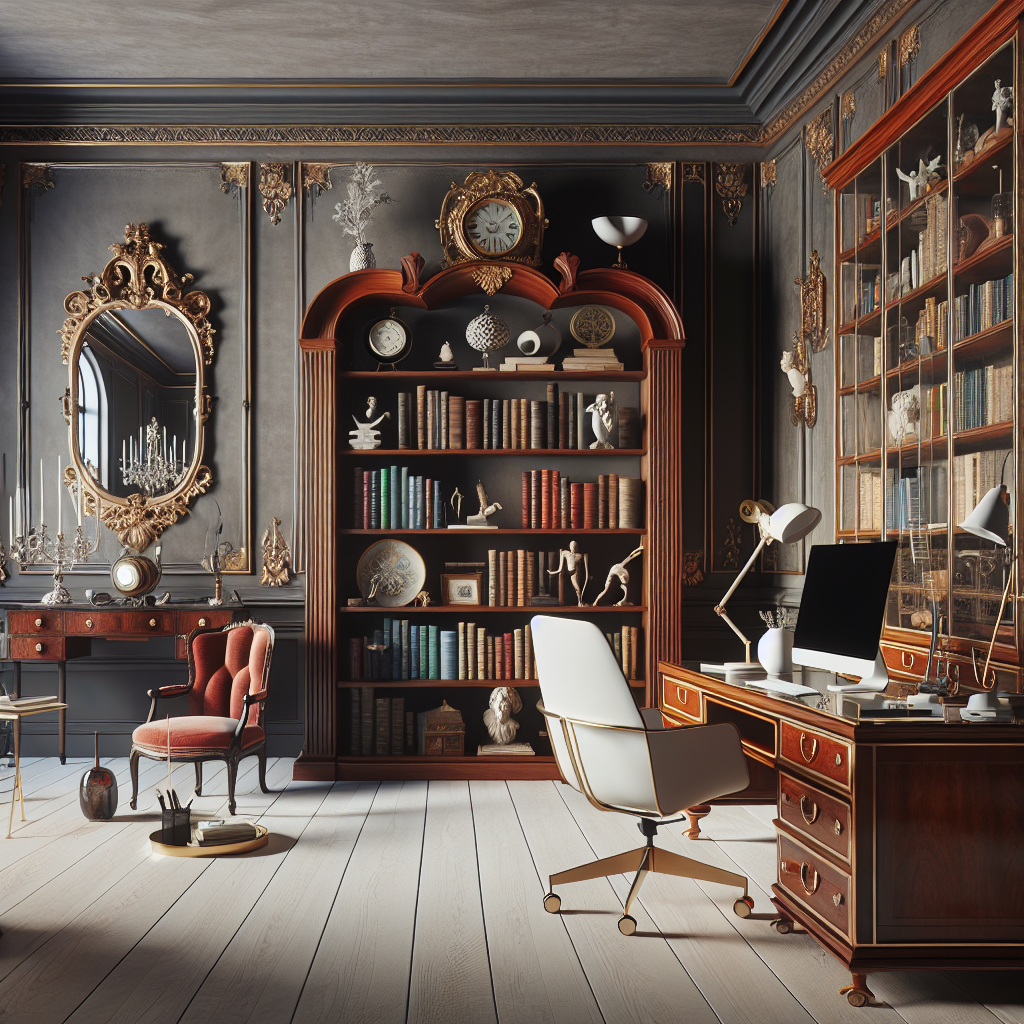
Incorporating antiques into contemporary spaces is like crafting a beautiful symphony where each note, though distinct, contributes to a harmonious whole. The art of contrast, particularly balancing antique charm with modern minimalism, is a delightful challenge that can transform any space into a unique masterpiece. Imagine walking into a room where a sleek, modern sofa sits comfortably alongside a vintage wooden coffee table, each piece telling its own story yet complementing the other. This blend of old and new not only adds character but also creates a dynamic visual interest that keeps the eye engaged.
To begin with, it’s essential to understand that the key to successfully merging these two styles lies in balance. Too many antiques can make a space feel cluttered and dated, while an overload of modern elements might lack warmth and personality. Therefore, it’s all about finding that sweet spot where both styles coexist in harmony. One effective way to achieve this is by using antiques as focal points. For instance, a grand antique mirror can serve as a stunning centerpiece in a minimalist living room, drawing attention and adding depth without overwhelming the space.
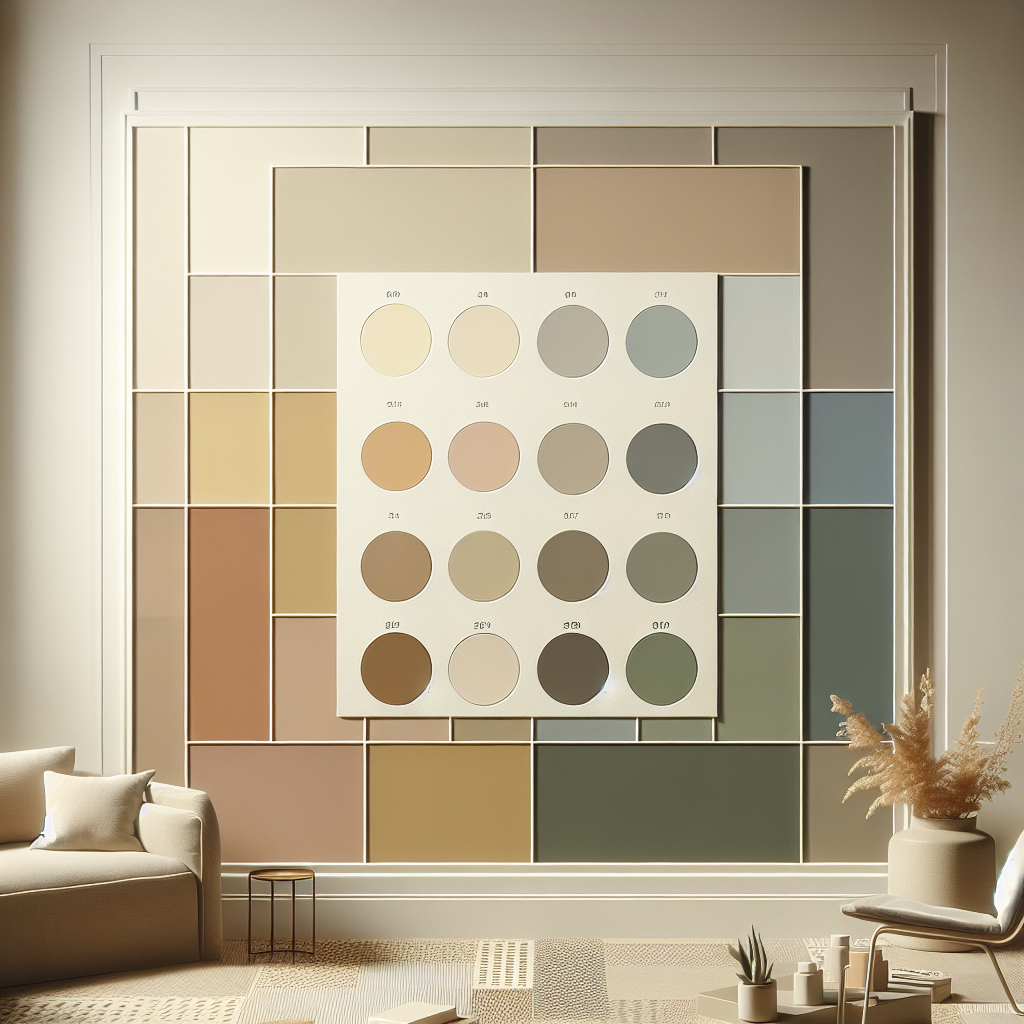
Moreover, color plays a crucial role in marrying these styles. Neutral palettes often work best as they provide a versatile backdrop that allows antique pieces to shine. Think of soft whites, grays, and beiges that can seamlessly blend with the rich tones of aged wood or the patina of vintage metals. However, don’t shy away from adding a pop of color through modern art or textiles, which can create a lively contrast and prevent the space from feeling too monochromatic.
Texture is another element that can enhance the interplay between vintage and modern. The smooth, clean lines of contemporary furniture can be beautifully offset by the intricate details and textures of antique pieces. Consider pairing a modern glass dining table with antique wooden chairs, or placing a vintage rug beneath a minimalist bed frame. These combinations not only add visual interest but also create a tactile experience that invites touch and exploration.
Lighting, too, can bridge the gap between the past and present. A modern pendant light can illuminate an antique writing desk, highlighting its craftsmanship while providing functional lighting. Alternatively, an antique chandelier can add a touch of elegance and history to a modern dining area, casting a warm glow that enhances the overall ambiance.
Furthermore, it’s important to remember that incorporating antiques into modern spaces is not just about aesthetics; it’s also about storytelling. Each antique piece carries with it a history, a narrative that adds depth and meaning to your home. By thoughtfully integrating these pieces, you create a space that reflects not only your personal style but also a connection to the past.
In conclusion, the art of contrast in interior design is a dance between the old and the new, where each step is carefully considered to create a cohesive and inviting space. By focusing on balance, color, texture, and lighting, you can successfully blend antique charm with modern minimalism, resulting in a home that is both timeless and contemporary. So, embrace the beauty of contrast and let your space tell a story that is uniquely yours.
Statement Pieces: Choosing the Right Antiques for a Modern Aesthetic
Incorporating antiques into contemporary spaces is like adding a dash of history to the present, creating a unique blend that tells a story. When it comes to choosing the right antiques for a modern aesthetic, the key is to focus on statement pieces that can seamlessly integrate into your existing decor while standing out as conversation starters. The beauty of antiques lies in their ability to add character and depth, and with a little creativity, they can enhance the modern vibe of any room.
To begin with, consider the scale and proportion of the antique piece in relation to your space. A large, ornate armoire might overwhelm a small, minimalist living room, but a sleek mid-century modern chair could fit right in. It’s all about balance. By selecting pieces that complement the size and style of your room, you can ensure that the antique doesn’t feel out of place. For instance, a vintage Persian rug can add warmth and texture to a sleek, modern floor, while a classic wooden sideboard can provide a striking contrast against a backdrop of clean lines and neutral colors.
Color is another important factor to consider when incorporating antiques into a modern space. While some antiques come in rich, dark hues, others might feature more muted tones. To create a cohesive look, try to find pieces that either match or complement your existing color palette. If your space is dominated by cool tones, a warm, wooden antique can add a touch of coziness. Conversely, if your room is filled with warm colors, a piece with cooler tones can provide a refreshing contrast.
Moreover, mixing materials can add an interesting layer to your decor. Pairing a metal-framed antique mirror with a modern glass coffee table, for example, can create a dynamic interplay of textures. Similarly, a vintage leather armchair can add a touch of luxury to a room filled with contemporary fabric sofas. By experimenting with different materials, you can create a space that feels both eclectic and harmonious.
In addition to aesthetics, consider the functionality of the antique piece. While some antiques are purely decorative, others can serve a practical purpose. A vintage trunk, for instance, can double as a coffee table and storage space, while an antique desk can be a charming addition to a modern home office. By choosing pieces that are both beautiful and functional, you can make the most of your investment.
Furthermore, don’t be afraid to mix different styles and eras. A Victorian-era chandelier can look stunning in a modern dining room, while an Art Deco lamp can add a touch of glamour to a contemporary bedroom. The key is to find a common thread that ties the pieces together, whether it’s a shared color, material, or design element. This approach allows you to create a space that feels curated and personal, rather than haphazard.
Ultimately, incorporating antiques into a modern space is about expressing your unique style and personality. By carefully selecting statement pieces that resonate with you, you can create a home that feels both timeless and current. So go ahead, explore antique shops, flea markets, and online marketplaces, and discover the perfect pieces that will make your modern space truly one-of-a-kind.
Reviving History: Creative Ways to Incorporate Heirlooms into Modern Homes
Incorporating antiques into modern homes is like blending the best of both worlds, where the charm of yesteryears meets the sleekness of contemporary design. This fusion not only adds character to your space but also tells a story, making your home uniquely yours. If you’ve inherited a family heirloom or stumbled upon a vintage treasure, you might be wondering how to seamlessly integrate these pieces into your modern decor. Fear not, as there are plenty of creative ways to revive history and make it a part of your everyday life.
One of the simplest ways to start is by using antiques as statement pieces. A vintage armchair or an ornate mirror can serve as a focal point in a room, drawing the eye and sparking conversation. Placing a beautifully carved wooden chair in a minimalist living room, for instance, can create a striking contrast that highlights the craftsmanship of the past while complementing the clean lines of modern furniture. Similarly, an antique mirror with a gilded frame can add a touch of elegance and depth to a contemporary hallway or bedroom.
Transitioning from statement pieces, consider mixing and matching styles to create a harmonious blend. Pairing an antique dining table with modern chairs can result in a dynamic dining area that feels both inviting and sophisticated. The juxtaposition of old and new can be further enhanced by choosing chairs with sleek designs and materials like metal or acrylic, which contrast beautifully with the warmth and texture of aged wood. This approach not only preserves the integrity of the antique piece but also breathes new life into it, making it relevant in today’s design landscape.
Another creative way to incorporate antiques is by repurposing them for modern use. An old trunk can be transformed into a chic coffee table, offering both style and storage. Similarly, a vintage ladder can be repurposed as a unique shelving unit or towel rack, adding a rustic touch to your bathroom or kitchen. By giving these pieces a new purpose, you not only honor their history but also make them functional for your current lifestyle.
Lighting is another area where vintage meets modern beautifully. Antique chandeliers or lamps can add a touch of glamour and warmth to any room. Imagine a crystal chandelier hanging above a sleek, modern kitchen island, casting a warm glow that softens the space. Alternatively, a vintage desk lamp can add character to a contemporary home office, providing both illumination and inspiration.
Incorporating textiles is yet another way to blend the old with the new. Vintage rugs, for example, can add color, pattern, and texture to a modern living room or bedroom. Their intricate designs and rich history can ground a space, making it feel more inviting and lived-in. Pairing these with modern furniture and accessories can create a balanced look that feels both timeless and current.
Ultimately, the key to successfully incorporating antiques into modern spaces is to strike a balance between the two styles. By thoughtfully selecting and placing these pieces, you can create a home that reflects your personal taste while honoring the past. So, whether you’re working with a cherished family heirloom or a flea market find, remember that the beauty of blending vintage with modern lies in the stories these pieces tell and the new memories you’ll create with them.
Conclusion
Incorporating antiques into contemporary spaces creates a unique and dynamic aesthetic that blends the charm and character of the past with the sleek and functional design of the present. This approach allows for a personalized and eclectic environment, where each antique piece serves as a conversation starter and adds depth to the overall decor. By carefully selecting and placing vintage items, homeowners can achieve a harmonious balance that respects the integrity of both styles. The juxtaposition of old and new not only enhances visual interest but also fosters a sense of timelessness and continuity, making spaces feel both lived-in and curated. Ultimately, the fusion of vintage and modern elements results in a distinctive and inviting atmosphere that reflects individual taste and history.