Vintage Meets Modern: Incorporating Antiques into Contemporary Spaces
October 13, 2020
Bespoke Furniture: The Ultimate in Personalized Luxury
October 27, 2020
-
Table of Contents
- Introduction
- Mastering Material Combinations: The Key to Luxurious Texture Layering
- The Role of Color in Enhancing Textural Depth in Luxury Interiors
- Balancing Soft and Hard Textures for a Harmonious Interior Design
- Incorporating Natural Elements for Rich Textural Layers in Luxury Spaces
- The Impact of Lighting on Texture Perception in High-End Interior Design
- Conclusion
Introduction
The art of layering textures in luxury interior design is a sophisticated technique that elevates spaces from the ordinary to the extraordinary. It involves the strategic combination of various materials, finishes, and textiles to create depth, interest, and a sense of opulence. By skillfully blending elements such as plush velvets, rich woods, sleek metals, and soft linens, designers can craft environments that are both visually captivating and tactilely engaging. This approach not only enhances the aesthetic appeal of a space but also adds warmth and dimension, making it feel more inviting and personalized. In luxury interiors, the careful orchestration of textures is key to achieving a harmonious balance between elegance and comfort, ultimately transforming a room into a sanctuary of style and sophistication.
Mastering Material Combinations: The Key to Luxurious Texture Layering
When it comes to creating a luxurious interior, the art of layering textures is a game-changer. It’s not just about choosing the right colors or the perfect furniture pieces; it’s about how these elements come together to create a space that feels both opulent and inviting. Mastering material combinations is the key to achieving this balance, and it all starts with understanding the role that different textures play in a room.
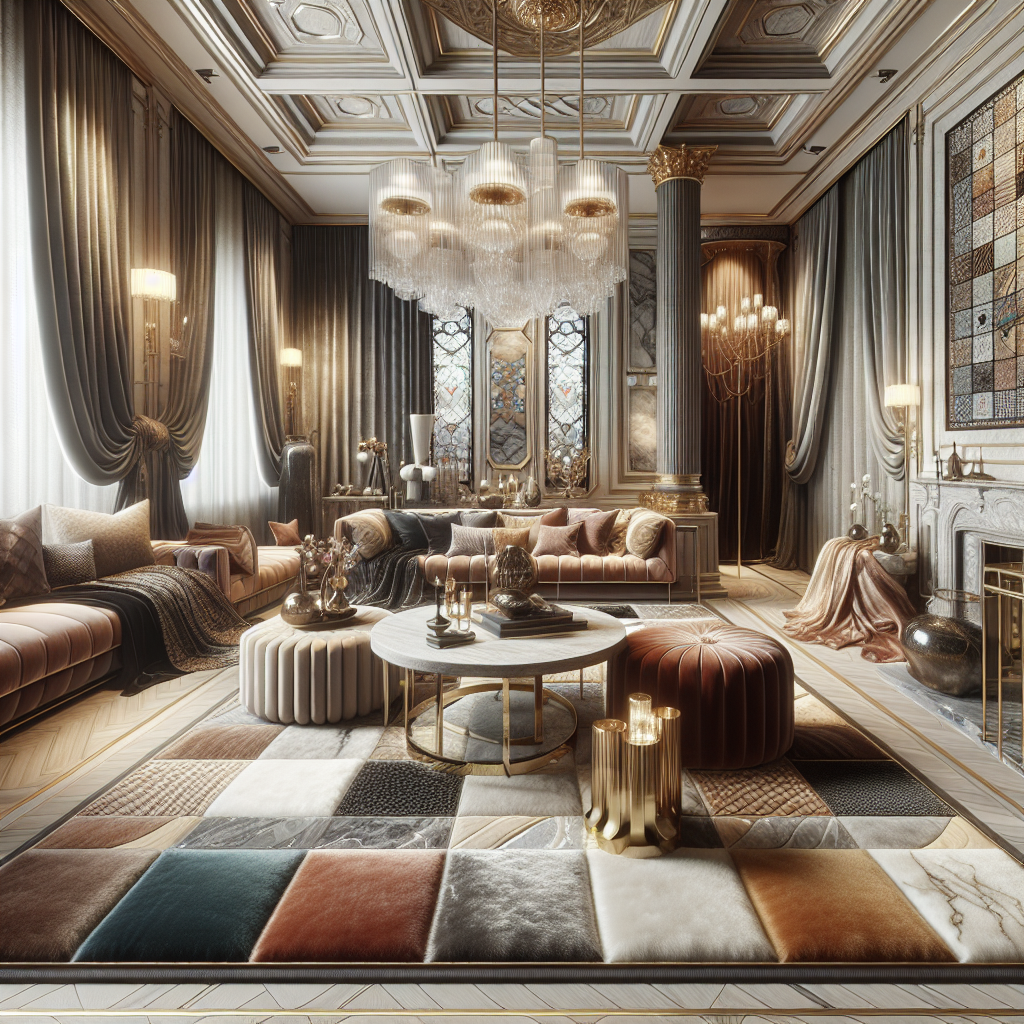
Imagine walking into a room where your senses are immediately engaged by the interplay of various materials. The smoothness of a marble countertop, the softness of a velvet sofa, and the warmth of a wooden floor all contribute to a rich tapestry of textures that make the space feel alive. This is the essence of luxury interior design—creating an environment that is as tactile as it is visually stunning. To achieve this, it’s important to consider how different materials can complement and contrast with one another.
For instance, pairing a sleek glass coffee table with a plush wool rug can create a striking contrast that adds depth to a living room. The glass offers a modern, clean look, while the wool introduces warmth and comfort. Similarly, combining metallic accents with natural elements like stone or wood can result in a sophisticated yet grounded aesthetic. The key is to find a balance that feels harmonious rather than chaotic.
Transitioning from one texture to another should feel seamless, and this is where layering comes into play. Start with a base layer, such as a neutral wall color or a simple floor covering, and build upon it with various textures. This could mean adding a textured wallpaper, a patterned throw, or even a statement piece of art. Each layer should add a new dimension to the room, enhancing its overall feel without overwhelming the senses.
Moreover, don’t be afraid to experiment with unexpected combinations. Mixing materials that you wouldn’t typically pair together can lead to surprising and delightful results. For example, a leather chair paired with a silk cushion can create an interesting juxtaposition that adds character to a space. The trick is to ensure that there is a common thread, such as color or style, that ties these elements together.
Lighting also plays a crucial role in highlighting textures. The way light interacts with different materials can dramatically alter their appearance. Soft lighting can enhance the warmth of wood, while brighter lights can accentuate the sheen of metallic surfaces. Consider using a mix of lighting sources, such as floor lamps, pendant lights, and candles, to create a dynamic atmosphere that showcases the textures in your space.
Ultimately, the art of layering textures in luxury interior design is about creating a sensory experience. It’s about crafting a space that invites you to touch, feel, and explore. By thoughtfully combining materials and paying attention to how they interact with light and color, you can transform any room into a luxurious haven. So, the next time you’re redecorating, remember that the secret to a truly luxurious space lies in the textures you choose and how you layer them. With a little creativity and an eye for detail, you can master the art of texture layering and elevate your interior design to new heights.
The Role of Color in Enhancing Textural Depth in Luxury Interiors
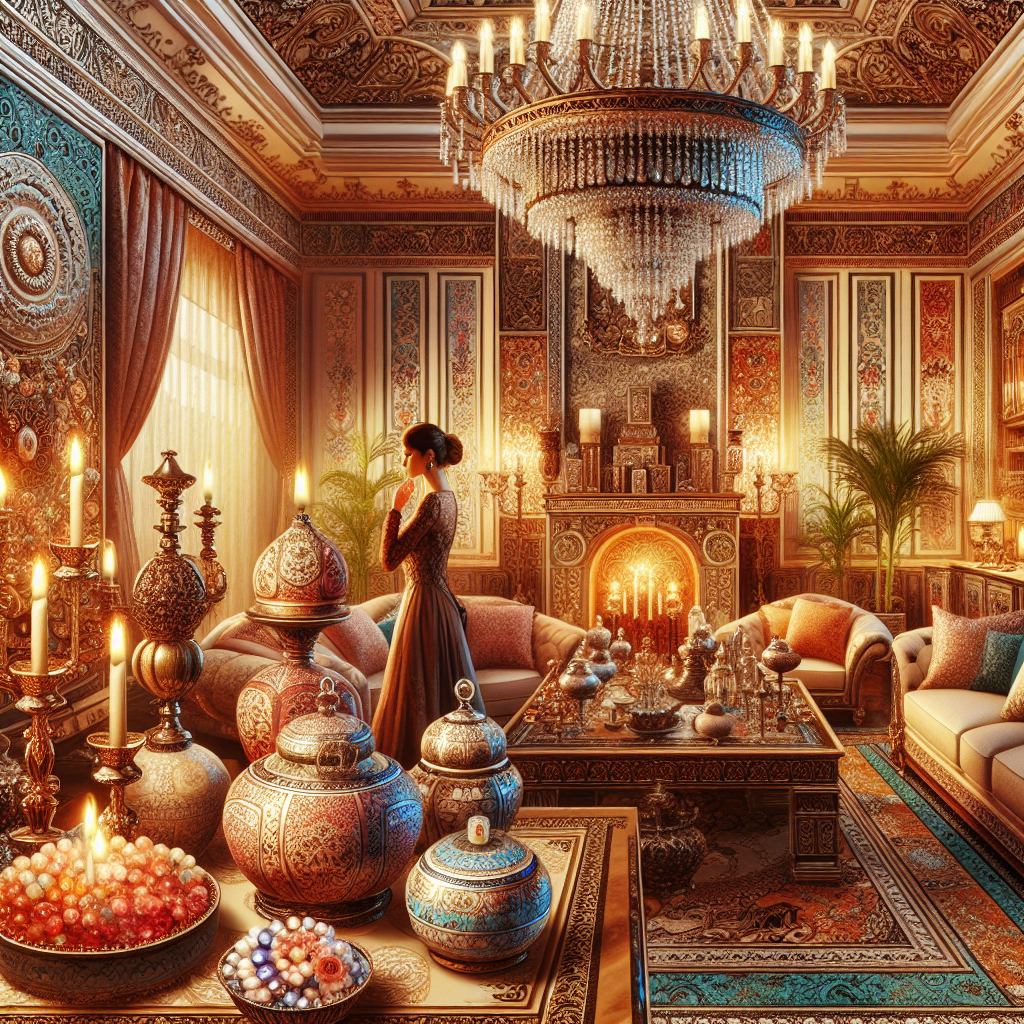
When it comes to luxury interior design, the interplay of textures can transform a space from ordinary to extraordinary. One of the most effective ways to enhance this textural depth is through the thoughtful use of color. Color, when used strategically, can highlight the intricate layers of texture within a room, creating a rich and inviting atmosphere. Imagine walking into a room where the walls are painted in a deep, velvety blue. This color choice immediately sets the stage for a luxurious experience, but it also serves as a backdrop that allows other textures to shine. Against this rich hue, a plush velvet sofa in a lighter shade of blue can stand out, its softness inviting you to sink in and relax. The contrast between the wall and the sofa creates a visual depth that draws the eye and adds dimension to the space.
Transitioning from the walls to the floor, consider the impact of a textured rug in a complementary color. A rug with a subtle pattern in shades of cream and gold can add warmth and elegance, while its texture provides a tactile experience that enhances the room’s overall luxury. The colors in the rug can tie together the various elements in the room, from the furniture to the accessories, creating a cohesive look that feels both sophisticated and inviting. Moving upward, the ceiling is another area where color can play a crucial role in enhancing textural depth. A ceiling painted in a soft, muted tone can create a sense of intimacy, drawing the eye upward and making the room feel more expansive. This effect can be further enhanced by adding architectural details, such as crown molding or ceiling beams, painted in a contrasting color to highlight their texture and craftsmanship.
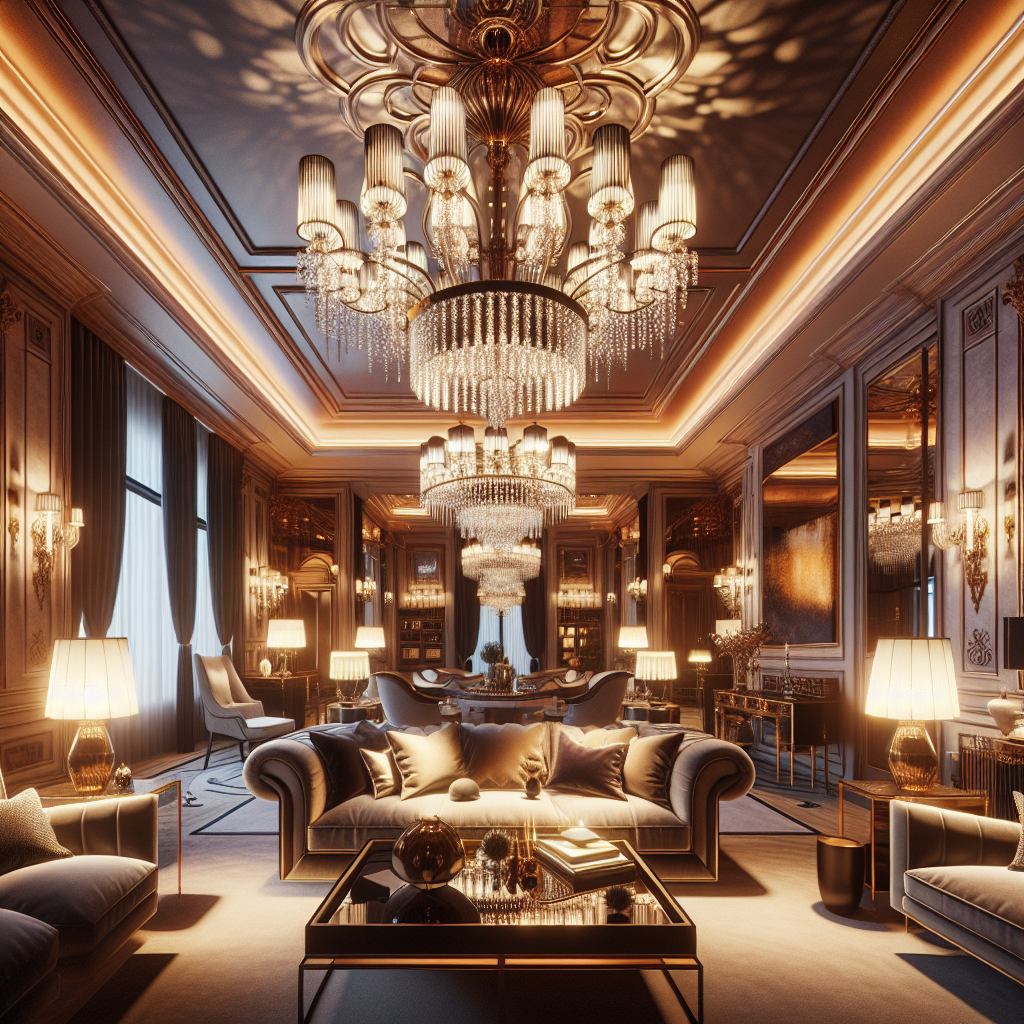
In addition to walls, floors, and ceilings, the choice of color in furniture and accessories can significantly impact the perception of texture in a luxury interior. For instance, a leather armchair in a rich cognac color can add a touch of warmth and sophistication, its smooth texture contrasting beautifully with a nearby woven throw or a knitted cushion. The interplay of these textures, highlighted by their complementary colors, creates a dynamic and inviting space that feels both luxurious and lived-in. Lighting also plays a pivotal role in showcasing the textural depth of a room. The right lighting can accentuate the colors and textures within a space, creating shadows and highlights that add to the overall ambiance. A chandelier with crystal accents, for example, can cast shimmering reflections on a textured wall, enhancing its visual interest and adding a touch of glamour.
Finally, it’s important to remember that the art of layering textures in luxury interior design is not just about aesthetics; it’s also about creating a sensory experience. The use of color to enhance textural depth can evoke emotions and set the mood for a space, making it feel more personal and inviting. Whether it’s the calming effect of cool blues and greens or the energizing warmth of reds and oranges, the right color palette can elevate the textures within a room, creating a harmonious and luxurious environment that feels uniquely yours. In the end, it’s this thoughtful combination of color and texture that defines the essence of luxury interior design, transforming spaces into works of art that are as beautiful as they are functional.
Balancing Soft and Hard Textures for a Harmonious Interior Design
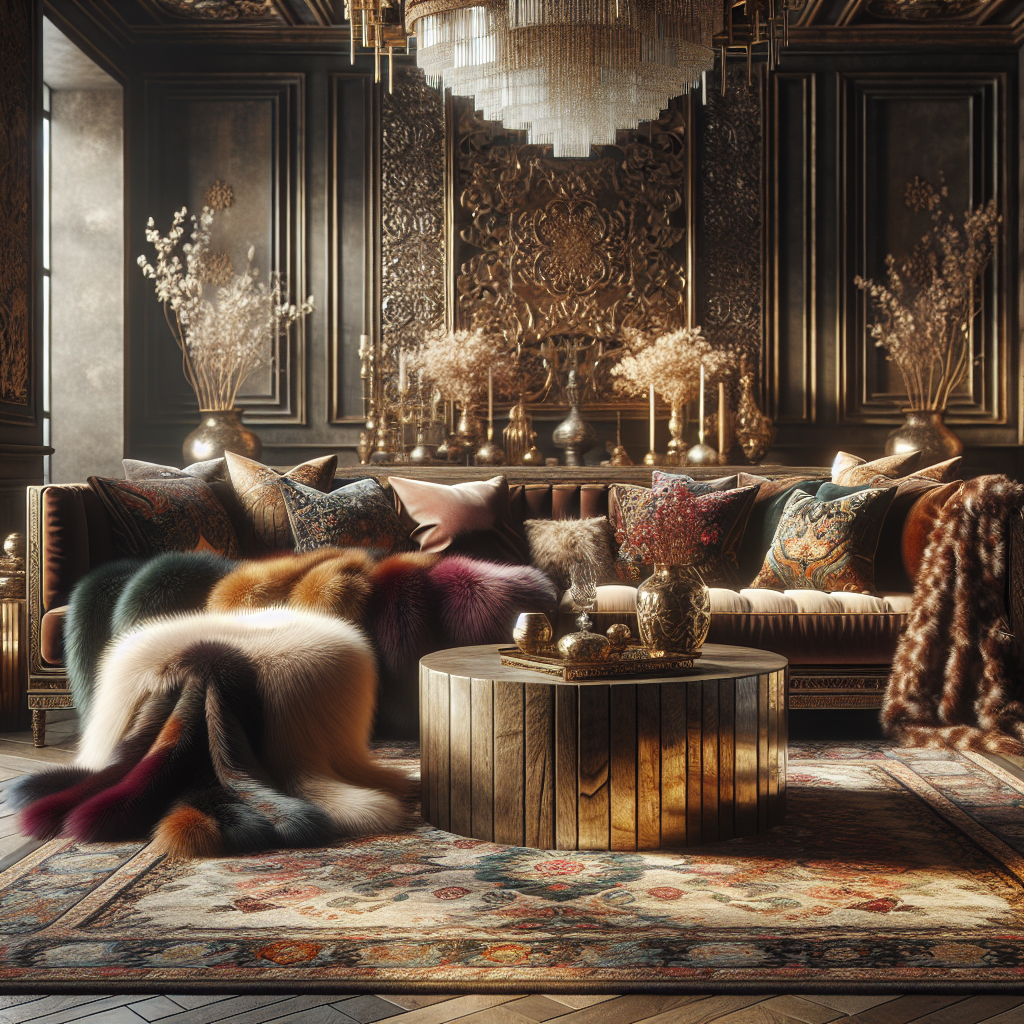
When it comes to luxury interior design, one of the most captivating elements is the art of layering textures. This technique, when done right, can transform a space from flat and uninspiring to rich and inviting. Balancing soft and hard textures is key to achieving a harmonious interior that feels both luxurious and comfortable. Imagine walking into a room where your senses are immediately engaged by the interplay of different materials, each contributing to the overall ambiance in its unique way. This is the magic of texture.
To begin with, let’s talk about soft textures. These are the elements that invite you to touch and feel, adding warmth and coziness to a space. Think plush velvet sofas, fluffy wool rugs, or silk drapes that catch the light just so. Soft textures are essential in creating a welcoming environment, and they often serve as the foundation upon which other textures are layered. They provide a sense of comfort and relaxation, making a space feel lived-in and loved. However, too many soft textures can make a room feel overly casual or even cluttered, which is why it’s important to balance them with harder elements.
On the other hand, hard textures bring structure and sophistication to a room. These include materials like polished marble, sleek metals, and rich woods. Hard textures add a sense of stability and elegance, grounding the softer elements and providing contrast. For instance, a marble coffee table can serve as a stunning centerpiece in a room filled with soft furnishings, offering a visual anchor that draws the eye. Similarly, metal accents, such as brass light fixtures or steel frames, can introduce a modern edge that complements the warmth of softer materials.
The key to balancing these textures lies in the careful selection and placement of each element. It’s about creating a dialogue between the soft and hard, allowing them to play off each other in a way that feels natural and cohesive. One effective approach is to start with a neutral base, such as a soft, muted wall color or a simple area rug, and then layer in textures gradually. This allows you to experiment with different combinations and find the right balance for your space.
Moreover, consider the scale and proportion of the textures you are using. A large, plush sofa might be balanced by a sleek, minimalist coffee table, while a small, delicate vase could be paired with a rough-hewn wooden shelf. This interplay of scale helps to create visual interest and ensures that no single element overwhelms the others.
Lighting also plays a crucial role in highlighting textures. Soft, ambient lighting can enhance the warmth of plush fabrics, while focused task lighting can accentuate the sheen of polished surfaces. By adjusting the lighting, you can change the mood of a room and emphasize different textures at different times of day.
Ultimately, the art of layering textures in luxury interior design is about creating a space that feels both dynamic and harmonious. It’s about finding the perfect balance between soft and hard, comfort and elegance, warmth and sophistication. By thoughtfully combining these elements, you can craft an interior that not only looks stunning but also feels like home. So, go ahead and experiment with textures, and watch as your space transforms into a luxurious haven that reflects your personal style.
Incorporating Natural Elements for Rich Textural Layers in Luxury Spaces
Incorporating natural elements into luxury interior design is like inviting the outdoors to play a starring role in your home. It’s about creating a space that feels both opulent and grounded, where the textures of nature add depth and richness to the environment. Imagine walking into a room where the smoothness of polished marble meets the ruggedness of reclaimed wood, and the softness of a cashmere throw is complemented by the rough texture of a stone fireplace. This harmonious blend of textures not only elevates the aesthetic appeal but also creates a sensory experience that is both luxurious and inviting.
One of the most effective ways to layer textures in luxury spaces is by using natural materials. Wood, for instance, is a versatile element that can be incorporated in various forms, from sleek, modern finishes to rustic, weathered pieces. A beautifully crafted wooden coffee table can serve as a focal point in a living room, while wooden beams on the ceiling add architectural interest and warmth. Transitioning from wood, stone is another natural element that brings a sense of permanence and elegance. Whether it’s a marble countertop in the kitchen or a slate accent wall in the bathroom, stone introduces a tactile quality that is both timeless and sophisticated.
In addition to wood and stone, incorporating textiles made from natural fibers can significantly enhance the textural layers in a luxury space. Consider the plushness of a wool rug underfoot or the gentle drape of linen curtains framing a window. These materials not only add visual interest but also contribute to the overall comfort and coziness of a room. Furthermore, using textiles in varying patterns and weaves can create a dynamic interplay of textures that keeps the eye engaged and the space feeling fresh.
Plants are another natural element that can be seamlessly integrated into luxury interiors to add texture and life. A large fiddle leaf fig in the corner of a room or a collection of succulents on a windowsill can introduce organic shapes and colors that soften the lines of a space. Moreover, plants have the added benefit of improving air quality and creating a sense of tranquility, making them a perfect addition to any luxury setting.
Lighting also plays a crucial role in highlighting the textural layers within a space. The way light interacts with different materials can dramatically alter their appearance and feel. For instance, a pendant light casting shadows on a textured wall can create a mesmerizing effect, while strategically placed lamps can accentuate the grain of a wooden surface or the sheen of a silk pillow. By thoughtfully considering the lighting, you can enhance the natural textures and create a mood that complements the overall design.
Ultimately, the art of layering textures in luxury interior design is about balance and contrast. It’s about mixing the old with the new, the rough with the smooth, and the natural with the refined. By incorporating natural elements, you not only enrich the textural landscape of a space but also create an environment that feels authentic and harmonious. So, whether you’re redesigning a single room or an entire home, remember that the beauty of luxury lies in the details, and the textures you choose can make all the difference.
The Impact of Lighting on Texture Perception in High-End Interior Design
When it comes to luxury interior design, the interplay between lighting and texture is a dance that can transform a space from ordinary to extraordinary. Imagine walking into a room where the soft glow of a chandelier highlights the intricate patterns of a velvet sofa, or where the natural light streaming through a window accentuates the subtle grain of a wooden floor. This is the magic of lighting in high-end interiors, where every beam and shadow plays a crucial role in how textures are perceived.
To begin with, consider how different types of lighting can alter the appearance of textures. Ambient lighting, for instance, provides a general illumination that can soften the look of rough surfaces, making them appear more inviting. On the other hand, task lighting, such as a focused lamp, can bring out the details in a textured wall or a piece of art, creating a focal point that draws the eye. Then there’s accent lighting, which is often used to highlight specific features in a room. By casting light at an angle, it can create shadows that add depth and dimension to textures, making them more pronounced and visually interesting.
Moreover, the color temperature of lighting also plays a significant role in texture perception. Warm lighting, with its yellowish hue, tends to enhance the richness of materials like wood and leather, giving them a cozy and luxurious feel. In contrast, cool lighting, which leans towards blue, can make surfaces like marble or metal appear sleek and modern. This ability to manipulate the mood and style of a room through lighting is a powerful tool in the hands of a skilled interior designer.
In addition to the type and color of lighting, the placement of light sources is equally important. Strategically positioned lights can highlight the layered textures in a room, creating a sense of depth and complexity. For example, placing a light source above a textured wall can cast shadows that emphasize its three-dimensional quality. Similarly, under-cabinet lighting in a kitchen can illuminate the texture of a stone countertop, making it a standout feature.
Furthermore, natural light should not be overlooked in the discussion of lighting and texture. The way sunlight moves through a space throughout the day can dramatically change the perception of textures. Morning light might bring out the warmth in a wooden floor, while the softer light of late afternoon can highlight the plushness of a fabric sofa. Designers often take advantage of this natural variability, using it to create dynamic spaces that change with the time of day.
Ultimately, the impact of lighting on texture perception in luxury interior design is a testament to the importance of thoughtful planning and creativity. By understanding how different lighting techniques can enhance or alter the appearance of textures, designers can craft spaces that are not only visually stunning but also rich in sensory experience. So, the next time you find yourself in a beautifully designed room, take a moment to appreciate the subtle interplay of light and texture. It’s this artful combination that elevates interior design to new heights, creating environments that are as luxurious as they are inviting.
Conclusion
The art of layering textures in luxury interior design is a sophisticated technique that enhances depth, richness, and visual interest within a space. By skillfully combining various materials such as plush fabrics, polished metals, natural woods, and intricate patterns, designers create a harmonious balance that elevates the overall aesthetic. This approach not only adds tactile appeal but also creates a dynamic interplay of light and shadow, contributing to a sense of warmth and opulence. Ultimately, the strategic layering of textures transforms interiors into immersive environments that exude elegance and timeless luxury.