Material Matters: Innovative Fabrics and Finishes in Luxury Furniture
December 15, 2020
Art Deco Revival: Bringing Gatsby-Era Glamour to Modern Homes
December 29, 2020
-
Table of Contents
- Introduction
- Understanding Proportion: Key Principles for Scaling Luxury Furniture
- Transforming Small Spaces: Luxury Furniture Solutions for Compact Living
- Balancing Grandeur: Integrating Large-Scale Luxury Pieces in Modest Rooms
- Proportionate Design: Achieving Harmony with Luxury Furniture in Open Spaces
- Customization and Proportion: Tailoring Luxury Furniture to Fit Any Room
- Conclusion
Introduction
“The Power of Proportion: Scaling Luxury Furniture for Any Space” explores the art and science of integrating high-end furniture into diverse environments, regardless of size or layout. This guide delves into the principles of proportion and scale, offering insights on how to harmonize luxury pieces with existing decor to create balanced and aesthetically pleasing interiors. By understanding the nuances of spatial design, homeowners and designers alike can transform any room into a sophisticated haven, ensuring that each piece of furniture not only fits but enhances the overall ambiance. Whether dealing with a sprawling estate or a compact urban apartment, this book provides the tools needed to achieve elegance and functionality through thoughtful furniture selection and placement.
Understanding Proportion: Key Principles for Scaling Luxury Furniture
When it comes to furnishing a space with luxury furniture, understanding proportion is key to achieving a harmonious and inviting environment. Proportion, in the context of interior design, refers to the relationship between the size of furniture pieces and the space they occupy. It’s about finding that sweet spot where everything feels balanced and cohesive. Whether you’re working with a sprawling living room or a cozy apartment, mastering the art of proportion can make all the difference.
To begin with, it’s important to consider the size of the room. Large spaces can easily accommodate bigger pieces of furniture, but it’s crucial to avoid overwhelming the area. On the other hand, smaller rooms require a more thoughtful approach to ensure that the furniture doesn’t dominate the space. One effective strategy is to use a mix of large and small pieces to create visual interest without sacrificing functionality. For instance, pairing a grand, luxurious sofa with a sleek, minimalist coffee table can strike the perfect balance.
Moreover, it’s essential to pay attention to the scale of individual furniture pieces. A common mistake is to choose items that are either too large or too small for the room. To avoid this, take measurements and visualize how each piece will fit into the space. This can be done by using painter’s tape to outline the dimensions on the floor, giving you a better sense of how the furniture will interact with the room’s architecture. Additionally, consider the height of the furniture in relation to the ceiling. Tall ceilings can accommodate taller pieces, while lower ceilings may benefit from furniture with a more horizontal emphasis.
Another aspect to consider is the relationship between furniture and other elements in the room, such as windows, doors, and architectural features. Ensuring that furniture doesn’t obstruct these elements is crucial for maintaining a sense of openness and flow. For example, placing a low-profile sofa in front of a large window can preserve the view and allow natural light to flood the room, enhancing the overall ambiance.
Furthermore, the arrangement of furniture plays a significant role in achieving proportion. Grouping furniture in a way that encourages conversation and interaction can create a welcoming atmosphere. Consider creating distinct zones within a room, such as a reading nook or a cozy seating area, to add depth and functionality. This can be achieved by using rugs, lighting, and other accessories to define each space.
In addition to these practical considerations, it’s important to trust your instincts and personal style. While guidelines and principles are helpful, ultimately, your space should reflect your taste and personality. Don’t be afraid to experiment with different arrangements and combinations until you find what feels right for you.
In conclusion, understanding proportion is a powerful tool in scaling luxury furniture for any space. By considering the size of the room, the scale of individual pieces, and the relationship between furniture and architectural elements, you can create a balanced and inviting environment. Remember to pay attention to the arrangement of furniture and trust your instincts to ensure that your space is not only functional but also a true reflection of your style. With these principles in mind, you can transform any space into a luxurious haven that feels just right.
Transforming Small Spaces: Luxury Furniture Solutions for Compact Living
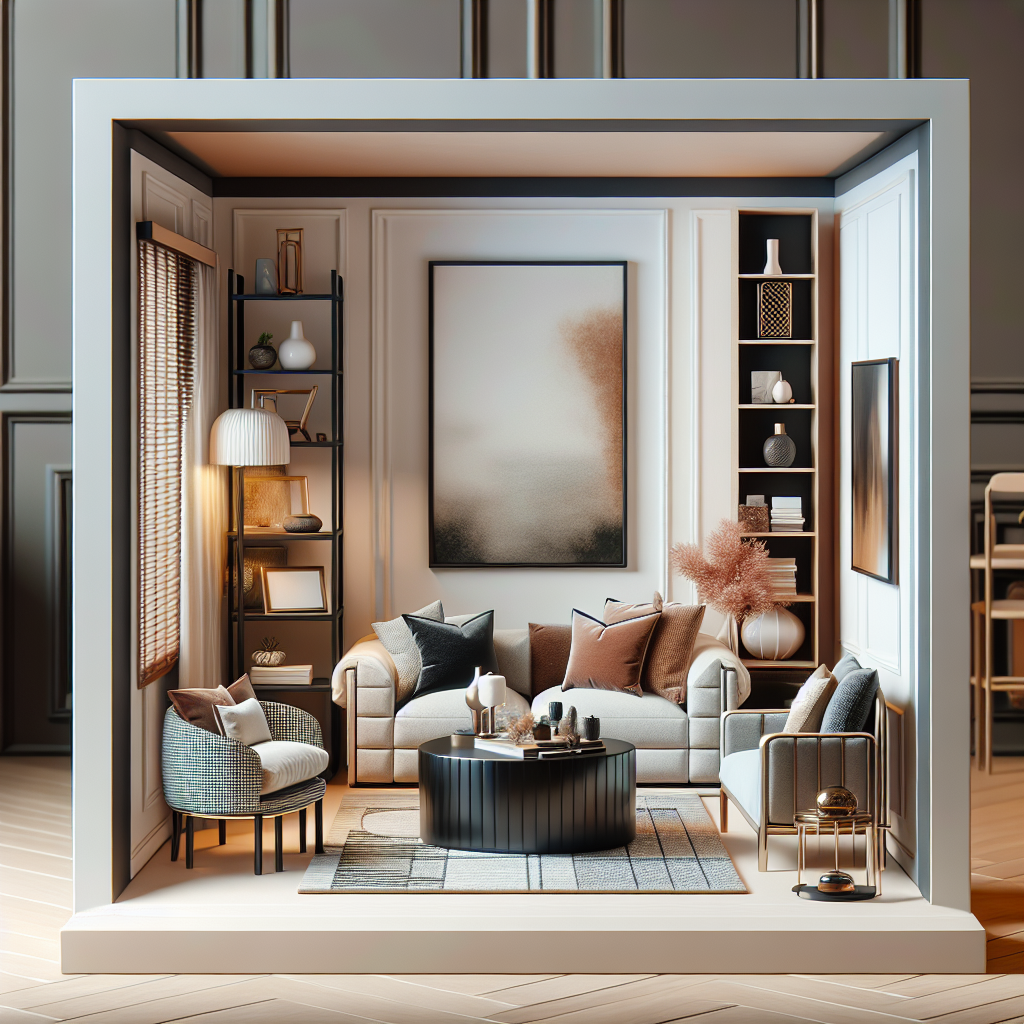
When it comes to transforming small spaces, the idea of incorporating luxury furniture might seem daunting. However, the power of proportion can turn this challenge into an opportunity to create a stunning and functional living area. With a few thoughtful choices, you can scale luxury furniture to fit any space, making even the most compact living quarters feel like a lavish retreat.
First and foremost, understanding the dimensions of your space is crucial. Before you even begin to browse for furniture, take accurate measurements of your room. This will help you visualize how different pieces will fit and ensure that you don’t end up with a sofa that overwhelms the room or a coffee table that leaves no room to walk. Once you have a clear picture of your space, you can start exploring furniture options that are designed with small spaces in mind.
One of the key elements in scaling luxury furniture for compact living is selecting pieces that offer multifunctionality. For instance, consider a sleek sofa bed that can transform your living room into a guest bedroom with ease. Similarly, a stylish ottoman with hidden storage can serve as both a footrest and a place to tuck away blankets or magazines. These dual-purpose pieces not only save space but also add a layer of sophistication to your home.
In addition to multifunctional furniture, opting for pieces with clean lines and minimalistic designs can make a significant difference. Bulky, ornate furniture can make a small room feel cramped, whereas streamlined designs create an open and airy atmosphere. Think of a glass coffee table or a slim console table that doesn’t dominate the room but rather complements it. These choices allow the eye to move freely around the space, enhancing the overall sense of openness.
Moreover, the use of mirrors and reflective surfaces can amplify the feeling of space in a small room. A well-placed mirror can create the illusion of depth, making the room appear larger than it actually is. Similarly, furniture with metallic or glossy finishes can reflect light, adding brightness and a touch of luxury to your compact living area. These elements work together to create a harmonious balance between functionality and elegance.
Color also plays a vital role in transforming small spaces with luxury furniture. Light, neutral tones can make a room feel more expansive, while darker shades can add depth and coziness. By choosing a color palette that complements your furniture, you can create a cohesive look that ties the room together. Additionally, incorporating pops of color through accessories like cushions or artwork can add personality without overwhelming the space.
Finally, don’t underestimate the power of vertical space. In a small room, every inch counts, so consider utilizing wall-mounted shelves or tall bookcases to draw the eye upward. This not only provides additional storage but also creates a sense of height and grandeur. By thinking vertically, you can maximize your space while maintaining a luxurious aesthetic.
In conclusion, transforming small spaces with luxury furniture is all about balance and proportion. By carefully selecting multifunctional pieces, embracing minimalistic designs, and utilizing color and vertical space effectively, you can create a compact living area that exudes elegance and comfort. With these strategies in mind, even the smallest of spaces can become a luxurious haven that reflects your personal style.
Balancing Grandeur: Integrating Large-Scale Luxury Pieces in Modest Rooms
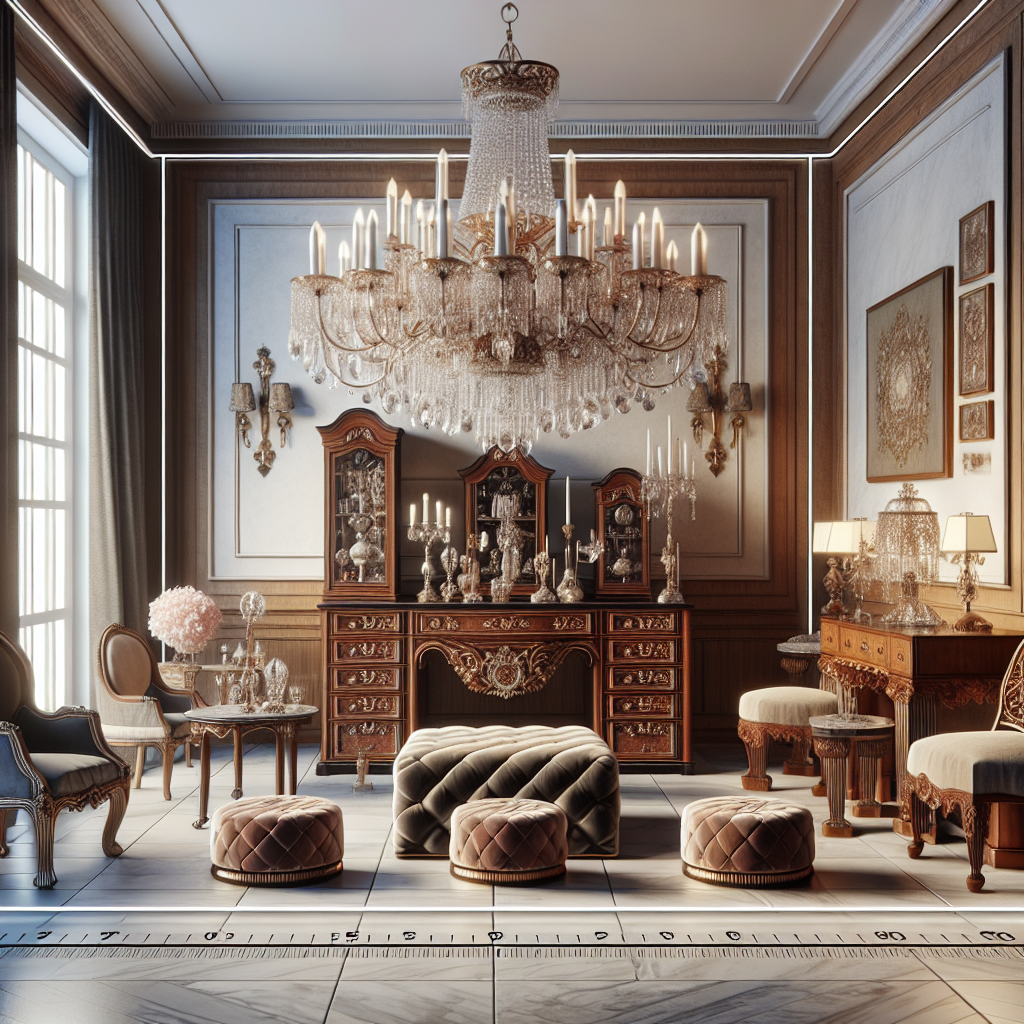
When it comes to decorating a home, the allure of luxury furniture is undeniable. The craftsmanship, the materials, and the sheer presence of these pieces can transform any space into a haven of elegance. However, integrating large-scale luxury furniture into more modest rooms can be a bit of a balancing act. The key lies in understanding the power of proportion and how to scale these grand pieces to fit seamlessly into your space.
First and foremost, it’s important to consider the dimensions of your room. While a sprawling sectional or an oversized dining table might be the centerpiece of your dreams, it’s crucial to ensure that these pieces don’t overwhelm the space. One way to achieve this balance is by measuring your room and creating a floor plan. This allows you to visualize how the furniture will fit and flow within the space. Additionally, using painter’s tape to outline the dimensions of the furniture on the floor can provide a tangible sense of scale before making any purchases.
Once you have a clear understanding of your room’s dimensions, think about the layout. Arranging furniture in a way that maximizes space and functionality is essential. For instance, placing a large sofa against a wall can open up the room, while positioning it in the center might create a more intimate setting. Similarly, a grand dining table can be complemented by sleek, minimalist chairs to maintain a sense of openness.
Moreover, the use of mirrors and lighting can play a significant role in balancing large furniture pieces. Mirrors can create the illusion of a larger space, reflecting light and making the room feel more expansive. Strategically placed lighting, such as floor lamps or pendant lights, can draw attention to specific areas, highlighting the beauty of your luxury pieces without making the room feel cramped.
In addition to layout and lighting, color and texture are vital components in integrating large-scale furniture into modest rooms. Opting for a neutral color palette can help create a cohesive look, allowing the furniture to stand out without overpowering the space. Textures, on the other hand, add depth and interest. A plush rug or a soft throw can soften the look of a large piece, making it feel more inviting.
Furthermore, it’s essential to consider the functionality of the furniture. Large pieces should not only be aesthetically pleasing but also serve a purpose. A grand armoire, for example, can provide much-needed storage, while a luxurious chaise lounge can offer a cozy reading nook. By choosing pieces that enhance the functionality of your space, you ensure that every item has a place and a purpose.
Finally, don’t be afraid to mix and match styles. Combining modern and traditional elements can create a dynamic and personalized space. A contemporary coffee table paired with a classic Chesterfield sofa can strike the perfect balance between old-world charm and modern sophistication.
In conclusion, integrating large-scale luxury furniture into modest rooms is all about balance and proportion. By considering the dimensions, layout, lighting, color, texture, and functionality, you can create a space that feels both luxurious and inviting. Remember, it’s not about the size of the furniture, but how it fits into the overall design of your home. With a little creativity and planning, you can enjoy the grandeur of luxury pieces without compromising on comfort or style.
Proportionate Design: Achieving Harmony with Luxury Furniture in Open Spaces
When it comes to designing open spaces, the allure of luxury furniture is undeniable. These pieces often serve as the focal point, drawing the eye and setting the tone for the entire room. However, the key to achieving a harmonious look lies in understanding the power of proportion. It’s not just about selecting the most opulent items; it’s about ensuring that each piece fits seamlessly within the space, creating a balanced and inviting atmosphere.
Imagine walking into a room where a grand, oversized sofa dominates the space, leaving little room for anything else. While the sofa itself might be a masterpiece, its disproportionate size can overwhelm the room, making it feel cramped rather than luxurious. This is where the art of proportionate design comes into play. By carefully considering the scale of each piece in relation to the room and to each other, you can create a space that feels both luxurious and comfortable.
One of the first steps in achieving this balance is to assess the dimensions of your open space. Take note of the room’s height, width, and length, as these measurements will guide your furniture choices. For instance, in a room with high ceilings, tall furniture pieces can help fill the vertical space, drawing the eye upward and creating a sense of grandeur. Conversely, in a room with lower ceilings, opting for lower-profile furniture can prevent the space from feeling cramped.
Once you have a clear understanding of the room’s dimensions, it’s time to consider the furniture itself. Luxury pieces often come with intricate details and bold designs, which can be stunning but also visually heavy. To maintain balance, it’s important to mix these statement pieces with more understated items. For example, pairing a lavish, intricately carved dining table with simpler, streamlined chairs can create a cohesive look that doesn’t overwhelm the senses.
In addition to mixing styles, consider the placement of each piece. In open spaces, furniture arrangement plays a crucial role in defining different areas within the room. By strategically placing furniture, you can create distinct zones for lounging, dining, and entertaining, all while maintaining a sense of flow. For instance, using a large area rug can anchor a seating area, while a console table can serve as a subtle divider between the living and dining spaces.
Lighting also plays a significant role in proportionate design. The right lighting can enhance the beauty of luxury furniture, highlighting its best features and creating a warm, inviting ambiance. Consider using a mix of overhead lighting, floor lamps, and table lamps to add depth and dimension to the room. This layered approach not only illuminates the space but also adds to the overall sense of balance.
Ultimately, the power of proportion in luxury furniture design lies in its ability to create harmony within a space. By carefully considering the scale, style, and placement of each piece, you can transform an open space into a luxurious haven that feels both elegant and welcoming. So, the next time you’re faced with the challenge of designing an open space, remember that proportion is your best friend. With a little thought and creativity, you can achieve a look that’s not only stunning but also perfectly balanced.
Customization and Proportion: Tailoring Luxury Furniture to Fit Any Room
When it comes to luxury furniture, the allure often lies in its exquisite craftsmanship, premium materials, and timeless design. However, one of the most crucial aspects that can make or break the aesthetic of a room is proportion. Understanding how to scale luxury furniture to fit any space is an art in itself, and it’s one that can transform a room from simply beautiful to absolutely breathtaking. The good news is that with a little bit of customization and a keen eye for proportion, you can tailor luxury furniture to fit seamlessly into any room, regardless of its size or shape.
Imagine walking into a room where every piece of furniture feels like it was made specifically for that space. This is the magic of proportion at work. It’s not just about choosing the right size; it’s about creating a harmonious balance that enhances the room’s overall ambiance. For instance, in a smaller room, oversized furniture can quickly overwhelm the space, making it feel cramped and cluttered. On the other hand, in a larger room, furniture that is too small can feel lost and insignificant. This is where customization comes into play, allowing you to adjust dimensions and design elements to perfectly suit your space.
Customization offers the flexibility to modify furniture pieces to better fit the unique characteristics of your room. Whether it’s adjusting the height of a table, the depth of a sofa, or the width of a cabinet, these small changes can have a significant impact on how the furniture interacts with the space around it. Moreover, customization allows you to incorporate personal touches that reflect your style and personality, making the furniture not just a functional element, but a true extension of yourself.
Transitioning from the concept of customization, let’s delve into the importance of proportion in creating a cohesive look. Proportion is all about the relationship between different elements in a room. It’s about ensuring that each piece of furniture complements the others, as well as the room’s architectural features. For example, a high ceiling might call for taller furniture pieces to draw the eye upward and fill the vertical space effectively. Similarly, a room with large windows might benefit from lower-profile furniture that doesn’t obstruct the view, allowing natural light to flood the space.
In addition to physical dimensions, proportion also involves considering the visual weight of furniture. A piece with intricate detailing or bold colors might carry more visual weight than a simpler, more neutral piece. Balancing these elements is key to achieving a well-proportioned room. For instance, pairing a statement piece with more understated items can create a focal point without overwhelming the space.
Ultimately, the power of proportion lies in its ability to create a sense of harmony and balance. By carefully considering the scale and customization of luxury furniture, you can ensure that each piece not only fits the room but enhances it. This thoughtful approach to design allows you to create spaces that are not only beautiful but also functional and inviting. So, whether you’re furnishing a cozy apartment or a sprawling estate, remember that the right proportion can make all the difference, turning your space into a true reflection of luxury and style.
Conclusion
“The Power of Proportion: Scaling Luxury Furniture for Any Space” emphasizes the importance of proportion in interior design, particularly when incorporating luxury furniture into various spaces. The article highlights that understanding and applying the principles of scale and proportion can transform any room, regardless of its size, into a harmonious and aesthetically pleasing environment. By carefully selecting and arranging furniture that complements the dimensions of a space, designers can create a sense of balance and elegance. This approach not only enhances the visual appeal but also maximizes functionality, ensuring that luxury furniture serves both as a statement piece and a practical element within the home. Ultimately, the power of proportion lies in its ability to adapt luxury design to fit any space, making high-end aesthetics accessible and functional for diverse living environments.