Zen and the Art of Luxury: Creating Calming High-End Interiors
December 8, 2020
The Power of Proportion: Scaling Luxury Furniture for Any Space
December 22, 2020
-
Table of Contents
- Introduction
- Exploring Sustainable Fabrics: Eco-Friendly Innovations in Luxury Furniture
- The Rise of Smart Textiles: Integrating Technology into Luxury Furniture Design
- Velvet and Beyond: The Return of Classic Fabrics in Modern Luxury Furniture
- High-Tech Finishes: How Nanotechnology is Transforming Luxury Furniture
- The Art of Upholstery: Crafting Unique Textures in Luxury Furniture Design
- Conclusion
Introduction
“Material Matters: Innovative Fabrics and Finishes in Luxury Furniture” explores the transformative role of advanced materials and cutting-edge finishes in the realm of high-end furniture design. This book delves into the intersection of technology, craftsmanship, and aesthetics, showcasing how designers and manufacturers are pushing the boundaries of traditional furniture-making. By highlighting a range of innovative textiles and surface treatments, it reveals how these elements contribute to the creation of luxurious, functional, and sustainable pieces. Through detailed case studies and expert insights, “Material Matters” offers a comprehensive look at the future of luxury furniture, where material innovation is at the forefront of design evolution.
Exploring Sustainable Fabrics: Eco-Friendly Innovations in Luxury Furniture
In recent years, the world of luxury furniture has seen a remarkable shift towards sustainability, with innovative fabrics and finishes taking center stage. As consumers become more environmentally conscious, the demand for eco-friendly options has grown, prompting designers and manufacturers to explore new materials that are both luxurious and kind to the planet. This movement towards sustainable fabrics in luxury furniture is not just a trend; it’s a revolution that is reshaping the industry in exciting ways.
One of the most significant developments in this area is the use of organic and natural fibers. Materials like organic cotton, linen, and hemp are gaining popularity due to their minimal environmental impact. These fibers are grown without the use of harmful pesticides and chemicals, making them a healthier choice for both the planet and the people who use them. Moreover, they offer a unique texture and aesthetic that adds a touch of elegance to any piece of furniture. As a result, more luxury brands are incorporating these materials into their designs, creating pieces that are as beautiful as they are sustainable.
In addition to natural fibers, recycled materials are also making waves in the luxury furniture market. Recycled polyester, for instance, is being used to create stunning upholstery fabrics that rival traditional options in both appearance and durability. By repurposing plastic bottles and other waste materials, manufacturers are able to reduce their carbon footprint while offering consumers a product that is both stylish and sustainable. This innovative approach not only helps to reduce waste but also encourages a circular economy, where materials are continuously reused and repurposed.
Furthermore, the development of new technologies has led to the creation of cutting-edge fabrics that are both eco-friendly and high-performance. For example, some companies are experimenting with bio-fabrication, a process that uses living organisms to grow materials. This method has the potential to produce fabrics that are not only sustainable but also customizable in terms of texture and color. Imagine a sofa upholstered in a fabric that was grown specifically for your living room—it’s a concept that is quickly becoming a reality.
Another exciting innovation in sustainable luxury furniture is the use of plant-based dyes and finishes. Traditional dyeing processes can be incredibly harmful to the environment, often involving toxic chemicals and large amounts of water. In contrast, plant-based dyes offer a natural alternative that is both safe and sustainable. These dyes are derived from renewable sources like fruits, vegetables, and flowers, resulting in rich, vibrant colors that are free from harmful substances. Additionally, plant-based finishes can be used to treat wood and other materials, providing a protective layer that enhances the natural beauty of the piece without compromising its eco-friendly credentials.
As the luxury furniture industry continues to evolve, it’s clear that sustainable fabrics and finishes are here to stay. By embracing these innovative materials, designers and manufacturers are not only meeting the demands of eco-conscious consumers but also paving the way for a more sustainable future. Whether it’s through the use of organic fibers, recycled materials, or cutting-edge technologies, the possibilities are endless. So, the next time you’re in the market for a new piece of furniture, consider opting for something that not only looks good but also does good for the planet. After all, in the world of luxury furniture, material matters more than ever.
The Rise of Smart Textiles: Integrating Technology into Luxury Furniture Design
In recent years, the world of luxury furniture has seen a fascinating evolution, with designers and manufacturers increasingly turning to smart textiles to enhance both functionality and aesthetics. This trend is not just about adding a touch of modernity to traditional designs; it’s about creating pieces that are as intelligent as they are beautiful. As we delve into the rise of smart textiles in luxury furniture design, it becomes clear that this innovation is reshaping the way we interact with our living spaces.
To begin with, smart textiles are essentially fabrics that have been embedded with technology to perform a variety of functions. These can range from changing color and texture to responding to environmental stimuli like temperature and light. In the context of luxury furniture, these textiles offer a unique opportunity to blend cutting-edge technology with high-end design, creating pieces that are not only visually stunning but also highly functional. For instance, imagine a sofa that adjusts its firmness based on your seating preference or a chair that changes color to match the mood of the room. These are just a few examples of how smart textiles are transforming the furniture landscape.
Moreover, the integration of technology into textiles is not limited to aesthetic enhancements. Many luxury furniture pieces now incorporate health and wellness features, thanks to smart fabrics. For example, some chairs and sofas are designed with built-in sensors that monitor posture and provide feedback to help improve sitting habits. This is particularly beneficial for those who spend long hours working from home, as it promotes better ergonomics and reduces the risk of back pain. Additionally, certain smart textiles have antimicrobial properties, making them ideal for households that prioritize hygiene and cleanliness.
As we explore further, it’s important to note that the rise of smart textiles in luxury furniture is also driven by a growing demand for sustainability. Many of these innovative fabrics are made from eco-friendly materials, such as recycled fibers or organic cotton, which align with the values of environmentally conscious consumers. Furthermore, the durability of smart textiles means that furniture pieces are likely to have a longer lifespan, reducing the need for frequent replacements and minimizing waste. This sustainable approach not only appeals to eco-minded buyers but also adds an extra layer of value to luxury furniture.
Transitioning to the practical side of things, the incorporation of smart textiles into furniture design does come with its own set of challenges. For one, the cost of producing these high-tech fabrics can be significantly higher than traditional materials, which may affect the overall price of the furniture. However, many consumers are willing to invest in these innovative pieces due to the added benefits they offer. Additionally, designers and manufacturers must ensure that the technology embedded in the textiles is user-friendly and seamlessly integrated into the furniture, so as not to compromise on comfort or style.
In conclusion, the rise of smart textiles in luxury furniture design is a testament to the industry’s commitment to innovation and excellence. By merging technology with traditional craftsmanship, designers are creating pieces that not only meet the demands of modern living but also enhance our everyday experiences. As this trend continues to gain momentum, it’s exciting to imagine what the future holds for luxury furniture and the role that smart textiles will play in shaping it. Whether it’s through improved functionality, enhanced aesthetics, or sustainable practices, one thing is certain: material matters, and smart textiles are leading the way.
Velvet and Beyond: The Return of Classic Fabrics in Modern Luxury Furniture
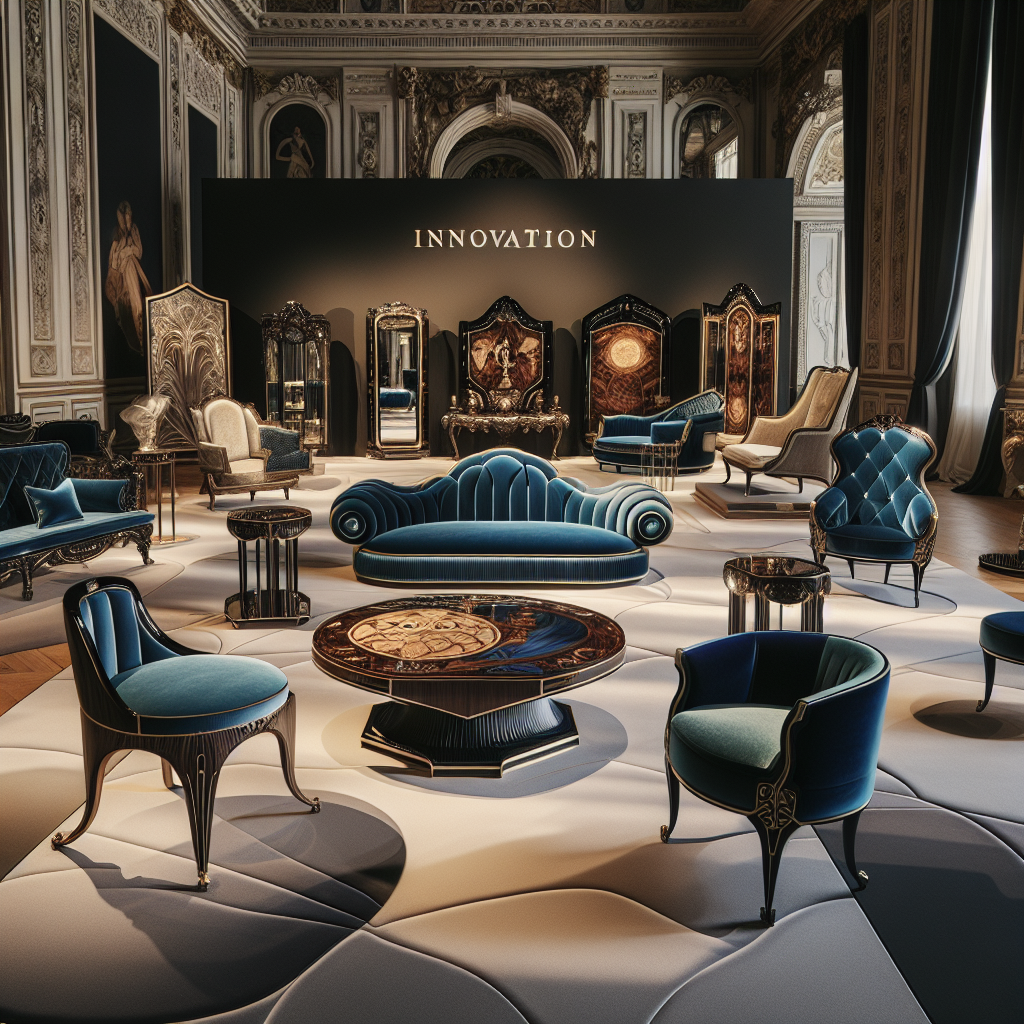
In the ever-evolving world of luxury furniture, the materials used can make all the difference between a piece that simply fills a space and one that transforms it. Recently, there has been a noticeable resurgence of classic fabrics, with velvet leading the charge. This luxurious material, once synonymous with opulence and grandeur, is making a comeback in a big way. But it’s not just about nostalgia; today’s velvet is being reimagined with modern twists that make it more versatile and appealing than ever before.
Velvet, with its rich texture and vibrant colors, has always been a favorite for those looking to add a touch of elegance to their interiors. Its ability to catch the light and create depth makes it a standout choice for statement pieces like sofas and armchairs. However, the velvet of today is not the same as the velvet of yesteryear. Thanks to advancements in fabric technology, modern velvet is more durable and easier to maintain, making it a practical choice for everyday use. This means you can enjoy the plush comfort and sophisticated look of velvet without worrying about wear and tear.
Transitioning from velvet, another classic fabric making waves in the luxury furniture scene is leather. While leather has never truly gone out of style, its current iterations are anything but ordinary. Designers are experimenting with different finishes and treatments, resulting in leather that is softer, more supple, and available in a wider range of colors than ever before. This newfound versatility allows leather to fit seamlessly into both traditional and contemporary settings, offering a timeless appeal that few other materials can match.
Moreover, the trend of blending classic fabrics with innovative finishes is not limited to velvet and leather. Linen, for instance, is being paired with metallic threads or subtle patterns to create a unique texture that adds depth and interest to any piece. This combination of old and new is a testament to the creativity of modern designers, who are constantly pushing the boundaries of what is possible in luxury furniture.
In addition to these classic fabrics, there is also a growing interest in sustainable materials. As consumers become more environmentally conscious, the demand for eco-friendly options is on the rise. This has led to the development of fabrics made from recycled materials or sustainable sources, such as organic cotton or bamboo. These materials not only offer a reduced environmental impact but also bring a fresh, natural aesthetic to luxury furniture.
As we look to the future, it’s clear that the return of classic fabrics in modern luxury furniture is more than just a passing trend. It represents a shift towards a more thoughtful and intentional approach to design, where quality and sustainability are just as important as style. Whether it’s the sumptuous feel of velvet, the timeless appeal of leather, or the innovative use of sustainable materials, these fabrics are helping to redefine what luxury means in the world of furniture.
In conclusion, the revival of classic fabrics in luxury furniture is a celebration of both tradition and innovation. By embracing the best of both worlds, designers are creating pieces that are not only beautiful but also built to last. So, whether you’re a fan of velvet, leather, or something entirely different, there’s never been a better time to explore the exciting possibilities that these materials have to offer.
High-Tech Finishes: How Nanotechnology is Transforming Luxury Furniture
In the ever-evolving world of luxury furniture, innovation is the name of the game. While traditional craftsmanship and timeless design remain at the heart of high-end pieces, the integration of cutting-edge technology is reshaping the landscape. One of the most exciting developments in this realm is the use of nanotechnology to create high-tech finishes that not only enhance the aesthetic appeal of furniture but also improve its functionality. This marriage of science and design is opening up a world of possibilities, making luxury furniture more durable, versatile, and sustainable than ever before.
To begin with, let’s delve into what nanotechnology actually entails. At its core, nanotechnology involves manipulating materials at an atomic or molecular scale, typically less than 100 nanometers. This might sound like something out of a sci-fi movie, but it’s very much a reality in today’s design world. By altering materials at such a minute level, manufacturers can imbue them with properties that were previously unimaginable. For instance, imagine a luxurious velvet sofa that repels stains or a sleek wooden table that resists scratches and water damage. These are just a few examples of how nanotechnology is transforming the way we think about furniture finishes.
Moreover, the benefits of these high-tech finishes extend beyond mere practicality. They also contribute to the longevity and sustainability of luxury furniture. In a world where environmental concerns are increasingly at the forefront, the ability to create durable pieces that stand the test of time is invaluable. By reducing the need for frequent replacements or repairs, these innovative finishes help minimize waste and promote a more sustainable approach to interior design. It’s a win-win situation for both consumers and the planet.
Transitioning from the practical to the aesthetic, nanotechnology also offers exciting opportunities for creativity and customization. Designers can experiment with a wider range of textures, colors, and effects, pushing the boundaries of what is possible in furniture design. For example, imagine a dining table that changes color with the temperature of the room or a chair that glows softly in the dark. These futuristic features are not just gimmicks; they represent a new frontier in personalizing living spaces to reflect individual tastes and lifestyles.
Furthermore, the integration of nanotechnology in luxury furniture is not limited to finishes alone. It also extends to the fabrics used in upholstery. High-tech textiles are being developed that offer enhanced comfort, durability, and even health benefits. For instance, some fabrics are now infused with nanoparticles that have antimicrobial properties, making them ideal for households with children or pets. Others are designed to regulate temperature, ensuring that your favorite armchair remains comfortable no matter the season.
In conclusion, the application of nanotechnology in luxury furniture is a testament to the endless possibilities that arise when science and design intersect. As these high-tech finishes continue to evolve, they promise to redefine our expectations of what furniture can be. Whether it’s through increased durability, enhanced aesthetics, or improved sustainability, nanotechnology is undoubtedly playing a pivotal role in shaping the future of luxury interiors. So, the next time you sink into a sumptuous sofa or admire a beautifully crafted table, take a moment to appreciate the invisible innovations that make these pieces not just furniture, but works of art.
The Art of Upholstery: Crafting Unique Textures in Luxury Furniture Design
In the world of luxury furniture design, upholstery plays a pivotal role in defining the character and comfort of a piece. It’s not just about covering a frame; it’s about crafting an experience, a tactile journey that invites you to touch, feel, and appreciate the artistry involved. As we delve into the art of upholstery, we find that innovative fabrics and finishes are at the forefront of this creative endeavor, transforming ordinary furniture into extraordinary works of art.
To begin with, let’s talk about the fabrics themselves. In recent years, there has been a significant shift towards using sustainable and eco-friendly materials in luxury furniture. Designers are increasingly opting for organic cotton, linen, and even recycled fibers, which not only reduce environmental impact but also offer unique textures and finishes. These materials bring a sense of authenticity and warmth to a piece, making it feel more personal and inviting. Moreover, the use of natural dyes and finishes enhances the depth and richness of the fabric, creating a visual and tactile feast for the senses.
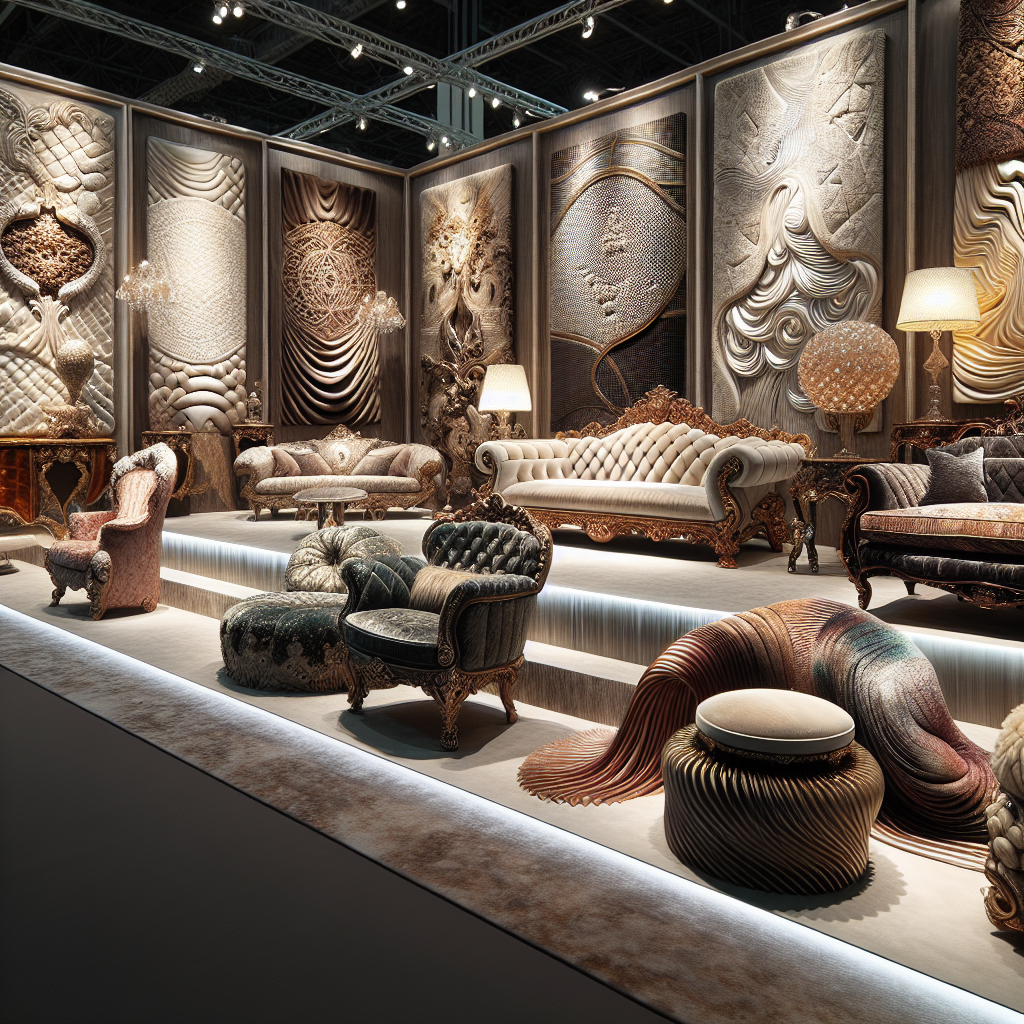
Transitioning from materials to techniques, the craftsmanship involved in upholstery is nothing short of remarkable. Traditional methods such as hand-tufting and quilting are being reimagined with a modern twist, resulting in textures that are both familiar and fresh. For instance, the art of pleating, once reserved for fashion, is now making its way into furniture design, adding a dynamic and sculptural element to sofas and chairs. This fusion of old and new techniques not only showcases the skill of the artisans but also highlights the endless possibilities in creating unique textures.
Furthermore, technology is playing an increasingly important role in the upholstery process. Advanced weaving techniques and digital printing have opened up a world of possibilities for designers, allowing them to experiment with patterns and colors like never before. Imagine a sofa adorned with a digitally printed landscape that changes with the light, or a chair that mimics the texture of a natural stone. These innovations are pushing the boundaries of what is possible in furniture design, offering consumers pieces that are as much about art as they are about function.
In addition to fabrics and techniques, finishes are another crucial aspect of upholstery that can dramatically alter the look and feel of a piece. High-gloss finishes, for example, can add a touch of glamour and sophistication, while matte finishes offer a more understated elegance. Metallic threads woven into the fabric can create a subtle shimmer, catching the light in just the right way to add depth and interest. These finishes not only enhance the aesthetic appeal of the furniture but also contribute to its durability and longevity, ensuring that each piece remains a cherished part of the home for years to come.
As we wrap up our exploration of the art of upholstery, it’s clear that innovative fabrics and finishes are redefining luxury furniture design. By embracing sustainable materials, blending traditional craftsmanship with modern technology, and experimenting with a variety of finishes, designers are crafting pieces that are not only beautiful but also meaningful. So, the next time you sink into a plush armchair or admire the intricate detailing of a sofa, take a moment to appreciate the artistry and innovation that went into creating such a masterpiece. After all, in the world of luxury furniture, material truly matters.
Conclusion
“Material Matters: Innovative Fabrics and Finishes in Luxury Furniture” highlights the transformative impact of advanced materials and finishes in the luxury furniture industry. The exploration of cutting-edge textiles and surface treatments not only enhances aesthetic appeal but also improves functionality, sustainability, and durability. By integrating technology and craftsmanship, designers are pushing the boundaries of traditional furniture design, offering consumers unique and personalized experiences. This evolution reflects a broader trend towards innovation and environmental consciousness, positioning luxury furniture as both an art form and a testament to modern engineering.