The Power of Proportion: Scaling Luxury Furniture for Any Space
December 22, 2020
Functional Luxury: Multi-Purpose Furniture for Sophisticated Living
January 5, 2021
-
Table of Contents
- Introduction
- Incorporating Art Deco Patterns: Bold Geometric Designs for Contemporary Spaces
- Color Palettes of the Jazz Age: Infusing Modern Interiors with Art Deco Hues
- Lighting the Way: Art Deco-Inspired Fixtures for a Glamorous Home
- Furniture with Flair: Selecting Art Deco Pieces for a Modern Twist
- Accessorizing with Elegance: Art Deco Decor Elements to Elevate Your Space
- Conclusion
Introduction
Art Deco Revival: Bringing Gatsby-Era Glamour to Modern Homes
The Art Deco movement, with its origins in the early 20th century, epitomized luxury, glamour, and exuberance, capturing the spirit of the Roaring Twenties and the Jazz Age. Characterized by bold geometric patterns, lavish materials, and a penchant for opulence, Art Deco became synonymous with the elegance and sophistication of the era. Today, this iconic style is experiencing a resurgence, as designers and homeowners alike seek to infuse modern spaces with the timeless allure of Gatsby-era glamour. By blending the classic elements of Art Deco with contemporary design sensibilities, the revival of this aesthetic offers a fresh take on luxury, transforming modern homes into sanctuaries of style and sophistication. From sleek metallic finishes and rich color palettes to intricate detailing and sumptuous textures, the Art Deco revival brings a touch of vintage charm and a sense of grandeur to today’s interiors, celebrating the enduring appeal of this beloved design movement.
Incorporating Art Deco Patterns: Bold Geometric Designs for Contemporary Spaces
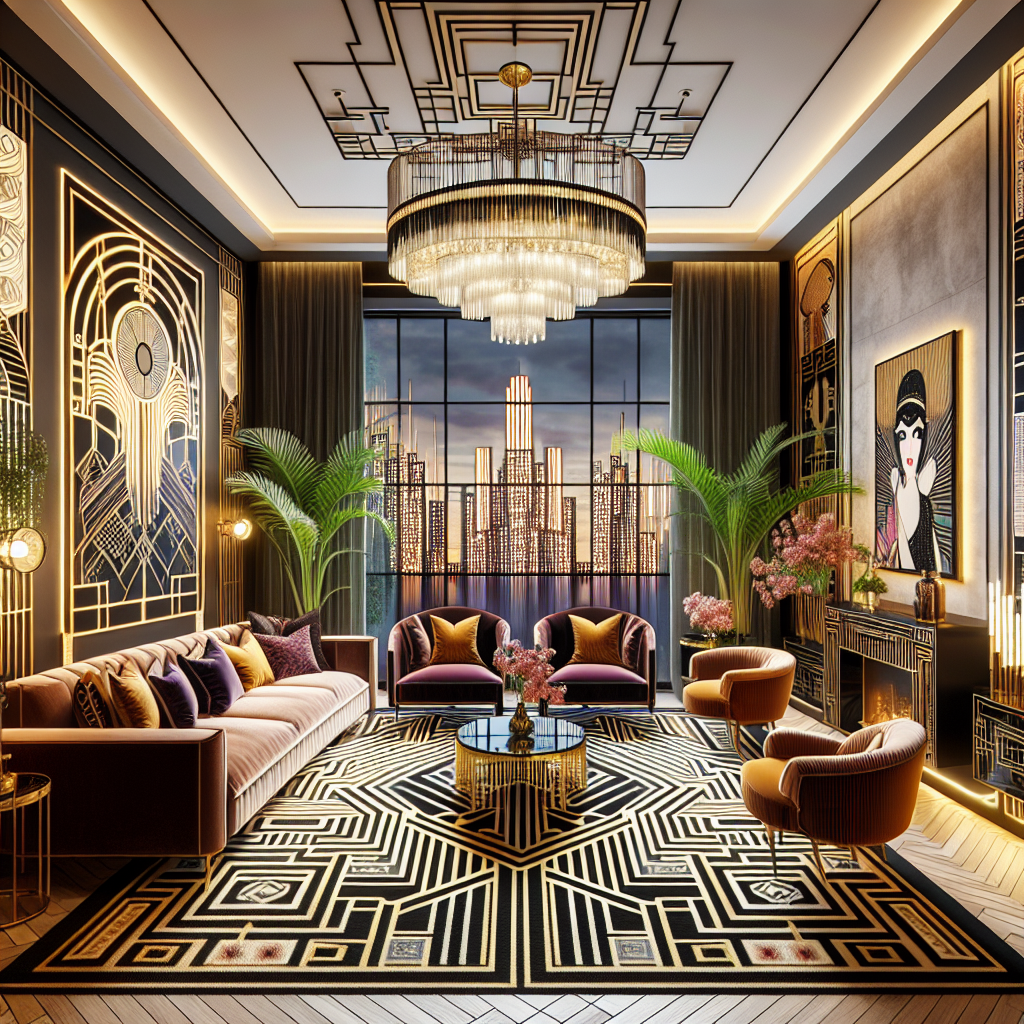
Art Deco, with its bold geometric designs and luxurious flair, is making a grand comeback in modern homes, infusing spaces with a touch of Gatsby-era glamour. This revival is not just about nostalgia; it’s about blending the opulence of the past with the functionality of the present. As homeowners seek to create unique and stylish interiors, incorporating Art Deco patterns has become a popular choice. These designs, characterized by their symmetry, rich colors, and intricate details, offer a striking contrast to the minimalist trends that have dominated the design world in recent years.
To begin with, one of the most appealing aspects of Art Deco is its versatility. Whether you’re looking to make a bold statement or add subtle elegance, there are countless ways to incorporate these patterns into your home. For instance, consider starting with the walls. Wallpaper featuring geometric motifs or metallic accents can instantly transform a room, creating a focal point that draws the eye. If wallpaper feels too permanent, opt for wall decals or stencils that can be easily changed as your tastes evolve.
Moving from walls to floors, Art Deco patterns can also be introduced through tiles or rugs. A black and white checkerboard tile floor, for example, can evoke the glamour of a 1920s ballroom, while a plush rug with a bold geometric design can add warmth and texture to a living room or bedroom. These elements not only enhance the aesthetic appeal of a space but also provide a sense of continuity, tying together various design elements.
In addition to walls and floors, furniture and accessories offer another avenue for incorporating Art Deco patterns. Think of a sleek, mirrored coffee table with angular lines or a velvet armchair with a scalloped back. These pieces can serve as conversation starters, adding character and depth to your home. Moreover, accessories such as cushions, lamps, and artwork can be used to introduce Art Deco motifs in a more understated manner. A cushion with a sunburst pattern or a lamp with a stepped base can subtly nod to the era without overwhelming the space.
Furthermore, color plays a crucial role in achieving the Art Deco look. Rich jewel tones like emerald green, sapphire blue, and ruby red can be paired with metallics such as gold, silver, and chrome to create a luxurious palette. These colors can be incorporated through paint, fabrics, or decorative objects, adding vibrancy and sophistication to your home. However, it’s important to strike a balance; too much color can feel overwhelming, so consider using neutral tones as a backdrop to let the bolder elements shine.
As you explore the world of Art Deco, remember that the key is to have fun and let your personality shine through. This style is all about embracing glamour and elegance, so don’t be afraid to experiment and make bold choices. Whether you’re redecorating an entire room or simply adding a few touches here and there, incorporating Art Deco patterns can breathe new life into your home, creating a space that feels both timeless and contemporary. So go ahead, channel your inner Gatsby, and let the spirit of the Roaring Twenties inspire your modern-day sanctuary.
Color Palettes of the Jazz Age: Infusing Modern Interiors with Art Deco Hues
When it comes to infusing modern interiors with a touch of vintage glamour, the Art Deco revival is making waves, and there’s no better way to start than by exploring the color palettes of the Jazz Age. This era, known for its opulence and bold design choices, offers a treasure trove of hues that can transform any space into a sophisticated retreat reminiscent of a Gatsby-era soirée. As we delve into these vibrant colors, you’ll find that incorporating them into your home is easier than you might think.
To begin with, let’s talk about the quintessential Art Deco color: gold. This luxurious hue instantly adds a sense of richness and warmth to any room. Whether it’s through gilded picture frames, shimmering light fixtures, or even a statement piece of furniture, gold can be used sparingly to create a focal point or more liberally for a truly decadent feel. Pairing gold with deep, moody colors like navy blue or emerald green can enhance its impact, creating a striking contrast that feels both timeless and modern.
Speaking of deep colors, the Jazz Age was all about embracing bold, saturated tones. Rich blues, greens, and reds were popular choices, often used in combination to create dynamic and eye-catching interiors. These colors can be introduced through wall paint, upholstery, or even smaller accents like throw pillows and rugs. The key is to balance these intense hues with neutral tones, such as cream or beige, to prevent the space from feeling overwhelming. This balance allows the vibrant colors to shine while maintaining a sense of harmony.
In addition to these bold shades, pastels also played a significant role in Art Deco design. Soft pinks, mint greens, and pale yellows can add a touch of whimsy and lightness to a room, providing a perfect counterpoint to the more intense colors. These pastels work beautifully in spaces like bedrooms or bathrooms, where a calming atmosphere is desired. By incorporating pastel accents through accessories or artwork, you can achieve a subtle nod to the era without committing to a full-on vintage look.
Metallics, too, are an essential component of the Art Deco palette. In addition to gold, silver and chrome were frequently used to add a sleek, modern edge to interiors. These metals can be introduced through hardware, mirrors, or decorative objects, adding a touch of shine and sophistication. When combined with the rich colors and luxurious materials typical of the era, metallics help to create a layered and textured look that feels both glamorous and inviting.
Finally, don’t forget about the power of black and white. This classic combination was a staple of Art Deco design, often used in geometric patterns and bold contrasts. Incorporating black and white elements, such as a checkerboard floor or striped wallpaper, can add a sense of drama and elegance to any space. These colors also serve as a perfect backdrop for the more vibrant hues, allowing them to stand out even more.
In conclusion, the color palettes of the Jazz Age offer a wealth of inspiration for those looking to bring a touch of Art Deco glamour into their modern homes. By thoughtfully incorporating these hues, you can create a space that feels both nostalgic and contemporary, capturing the spirit of an era defined by its boldness and beauty. So go ahead, channel your inner Gatsby, and let these colors transform your home into a stylish sanctuary.
Lighting the Way: Art Deco-Inspired Fixtures for a Glamorous Home
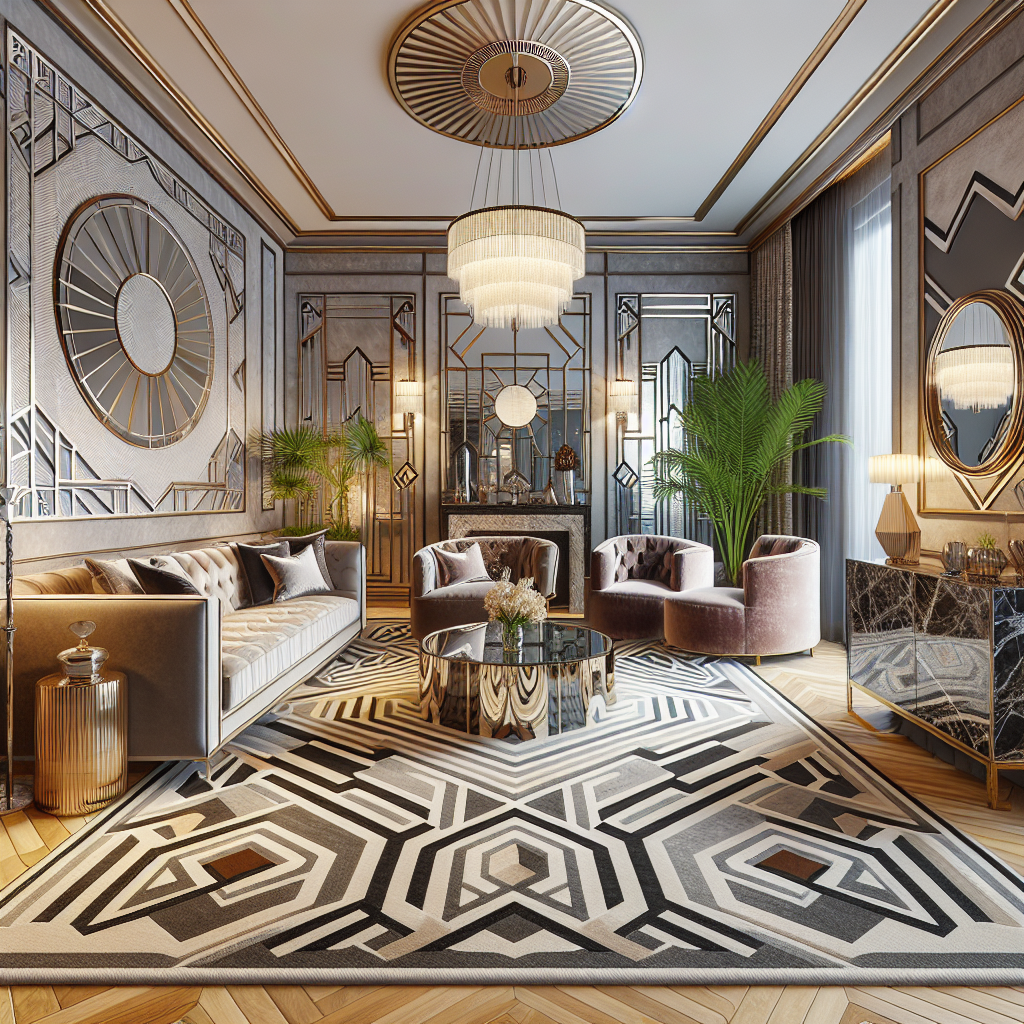
Art Deco Revival: Bringing Gatsby-Era Glamour to Modern Homes
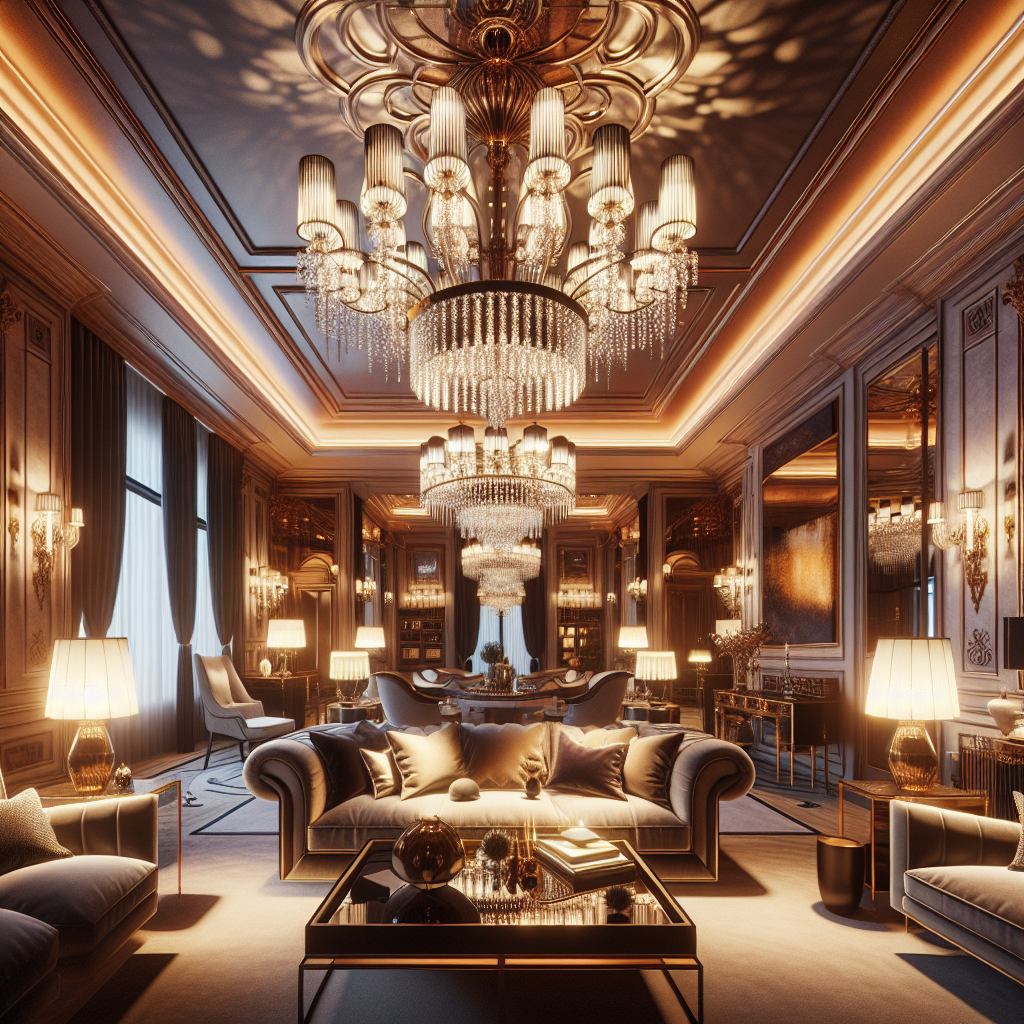
When it comes to infusing a touch of glamour and sophistication into modern homes, few styles capture the imagination quite like Art Deco. This design movement, which flourished in the 1920s and 1930s, is renowned for its bold geometric patterns, luxurious materials, and a sense of opulence that evokes the glitz and glamour of the Gatsby era. One of the most effective ways to introduce this timeless elegance into your home is through lighting fixtures inspired by Art Deco design. These fixtures not only illuminate your space but also serve as stunning focal points that can transform any room into a chic, stylish haven.
To begin with, Art Deco lighting is characterized by its use of geometric shapes and symmetrical patterns. Think of sleek lines, sunburst motifs, and stepped forms that create a sense of movement and dynamism. These elements can be found in chandeliers, wall sconces, and table lamps, each piece a testament to the craftsmanship and attention to detail that define the Art Deco style. By incorporating such fixtures into your home, you can effortlessly channel the spirit of the Roaring Twenties, adding a layer of sophistication that is both timeless and contemporary.
Moreover, the materials used in Art Deco lighting fixtures play a crucial role in their allure. Metals like chrome, brass, and nickel are often paired with glass, crystal, or even marble to create a luxurious and polished look. These materials not only reflect light beautifully but also add a tactile richness that enhances the overall aesthetic of your space. For instance, a chandelier with cascading crystal droplets can cast a dazzling array of light across a room, creating an ambiance that is both warm and inviting. Similarly, a sleek chrome table lamp with an etched glass shade can serve as a striking accent piece on a side table or desk.
In addition to their visual appeal, Art Deco-inspired lighting fixtures are incredibly versatile, making them suitable for a variety of interior styles. Whether your home leans towards a more traditional aesthetic or embraces a modern minimalist approach, these fixtures can seamlessly integrate into your existing decor. For those who prefer a more eclectic look, mixing and matching different Art Deco elements can create a unique and personalized space that reflects your individual taste and style.
Furthermore, the resurgence of interest in Art Deco design has led to a wide range of options available on the market today. From vintage pieces that capture the authenticity of the era to contemporary interpretations that offer a fresh take on classic motifs, there is something to suit every preference and budget. This accessibility makes it easier than ever to incorporate Art Deco lighting into your home, allowing you to experiment with different styles and configurations until you find the perfect fit.
In conclusion, Art Deco-inspired lighting fixtures offer a wonderful opportunity to bring a touch of Gatsby-era glamour into modern homes. With their bold geometric designs, luxurious materials, and versatile appeal, these fixtures can transform any space into a sophisticated sanctuary. Whether you’re looking to make a bold statement or simply add a hint of elegance, Art Deco lighting is a stylish and timeless choice that will continue to captivate and inspire for years to come. So why not light the way to a more glamorous home with the enduring charm of Art Deco?
Furniture with Flair: Selecting Art Deco Pieces for a Modern Twist
Art Deco Revival: Bringing Gatsby-Era Glamour to Modern Homes is all about infusing your living space with the opulence and elegance of the 1920s while maintaining a contemporary vibe. When it comes to furniture with flair, selecting Art Deco pieces for a modern twist can be an exciting journey into the world of bold designs, luxurious materials, and geometric patterns. The key is to strike a balance between the vintage charm of Art Deco and the sleek simplicity of modern aesthetics.
To begin with, consider the materials that define Art Deco style. Rich woods like mahogany and walnut, often in high-gloss finishes, are quintessential to this era. Incorporating these materials into your furniture choices can instantly elevate the sophistication of your space. For instance, a mahogany sideboard with intricate inlays can serve as a stunning focal point in your dining room. Pair it with a modern glass-top dining table to create a harmonious blend of old and new.
Moving on, the use of metals such as chrome and brass is another hallmark of Art Deco design. These materials add a touch of glamour and shine, making them perfect for accent pieces. Think about incorporating a brass-framed mirror or a chrome-legged coffee table to add a bit of sparkle to your living room. These elements not only reflect light beautifully but also create a sense of depth and dimension, enhancing the overall ambiance of the room.
In addition to materials, the shapes and forms of Art Deco furniture are crucial in achieving that Gatsby-era glamour. Look for pieces with bold geometric patterns, such as zigzags, chevrons, and sunbursts. These designs can be found in everything from rugs to upholstery, providing a striking contrast to the clean lines of modern furniture. For example, a plush armchair with a geometric print can add a pop of visual interest to a minimalist living room, serving as both a functional and decorative element.
Furthermore, color plays a significant role in the Art Deco aesthetic. Deep jewel tones like emerald green, sapphire blue, and ruby red are often used to convey luxury and richness. Incorporating these colors into your furniture selection can create a warm and inviting atmosphere. Consider a velvet sofa in a rich emerald hue or a set of sapphire blue dining chairs to add a touch of drama and elegance to your home. These bold colors can be balanced with neutral tones like cream, beige, or gray to prevent the space from feeling overwhelming.
As you explore the world of Art Deco furniture, don’t forget about the importance of accessories. Decorative items such as sculptures, vases, and lamps can enhance the overall theme and tie the room together. Opt for pieces with intricate detailing or unique shapes to add an extra layer of sophistication. A sleek, black lacquered lamp with a geometric base, for instance, can serve as a perfect finishing touch on a side table or desk.
In conclusion, bringing Gatsby-era glamour to modern homes through Art Deco furniture is all about mixing and matching elements from the past with contemporary design principles. By carefully selecting pieces that feature luxurious materials, bold shapes, and rich colors, you can create a space that is both timeless and stylish. So go ahead, embrace the elegance of the 1920s, and let your home shine with the flair of Art Deco.
Accessorizing with Elegance: Art Deco Decor Elements to Elevate Your Space
Art Deco Revival: Bringing Gatsby-Era Glamour to Modern Homes
Accessorizing with Elegance: Art Deco Decor Elements to Elevate Your Space
If you’re looking to infuse your home with a touch of glamour and sophistication, the Art Deco style might just be your perfect match. This design movement, which flourished in the 1920s and 1930s, is characterized by its bold geometric patterns, luxurious materials, and a sense of opulence that can transform any space into a scene straight out of The Great Gatsby. But how do you bring this vintage charm into a modern home without it feeling like a museum exhibit? The key lies in accessorizing with elegance, using Art Deco decor elements that elevate your space while maintaining a contemporary vibe.
To start, consider incorporating metallic accents into your decor. Art Deco is known for its love of metals like gold, silver, and chrome, which can add a touch of glamour to any room. You might choose a statement mirror with a sunburst frame or a sleek, metallic lamp to serve as a focal point. These pieces not only reflect light beautifully, enhancing the brightness of your space, but they also introduce that quintessential Art Deco shimmer.
In addition to metallics, think about adding rich, luxurious fabrics to your home. Velvet and silk are classic choices that evoke the opulence of the Art Deco era. A plush velvet sofa or a set of silk cushions can instantly elevate the look of your living room, making it feel both inviting and sophisticated. Pair these textiles with bold, geometric patterns—perhaps in the form of a rug or wallpaper—to capture the essence of Art Deco design. The juxtaposition of soft fabrics with sharp lines creates a dynamic visual interest that is both timeless and modern.
Lighting is another crucial element in achieving an Art Deco-inspired space. Consider investing in a chandelier or pendant light with an intricate design, such as cascading crystals or geometric shapes. These lighting fixtures not only serve a practical purpose but also act as stunning pieces of art that draw the eye upward, adding height and drama to your room. For a more subtle approach, opt for table lamps with frosted glass shades or sleek, angular bases that nod to the era’s aesthetic.
When it comes to color, Art Deco doesn’t shy away from bold choices. Deep jewel tones like emerald green, sapphire blue, and ruby red can add depth and richness to your decor. However, if you prefer a more subdued palette, consider incorporating these colors as accents against a backdrop of neutral tones like black, white, or gray. This approach allows you to enjoy the vibrancy of Art Deco without overwhelming your space.
Finally, don’t forget the power of art and accessories in completing your Art Deco look. Sculptures, vases, and artwork featuring stylized figures or abstract forms can add a layer of sophistication and intrigue. Look for pieces that incorporate materials like marble, glass, or lacquer to stay true to the era’s love of luxury.
In conclusion, bringing Gatsby-era glamour into your modern home is all about balance. By carefully selecting Art Deco decor elements that complement your existing style, you can create a space that feels both timeless and fresh. Whether you’re drawn to the era’s bold patterns, luxurious materials, or metallic accents, there’s no shortage of ways to accessorize with elegance and make your home a testament to the enduring allure of Art Deco design.
Conclusion
Art Deco Revival is a design movement that reintroduces the opulence and elegance of the 1920s and 1930s into contemporary interiors, blending the iconic geometric patterns, luxurious materials, and bold colors of the Gatsby era with modern sensibilities. This revival celebrates the timeless allure of Art Deco by incorporating its signature elements—such as rich woods, polished metals, and lavish textiles—into modern homes, creating spaces that are both nostalgic and innovative. By harmonizing vintage glamour with current design trends, Art Deco Revival offers a sophisticated aesthetic that appeals to those seeking to infuse their living spaces with a sense of history and grandeur, while still maintaining a fresh and updated look.