Neo-Futurism: Space Age Aesthetics in Contemporary Design
January 16, 2024
Luxe Dining: Elevating the Eating Experience Through Design
January 30, 2024
-
Table of Contents
Introduction
The Art of the Accent Wall: Focal Points in Luxury Interiors explores the transformative power of accent walls in high-end interior design. This design element, often overlooked, serves as a pivotal focal point that can redefine a space, adding depth, character, and a touch of sophistication. In luxury interiors, accent walls are not merely about color or texture; they are a statement of style and personality, reflecting the homeowner’s taste and the designer’s vision. From opulent materials like marble and velvet to bold patterns and bespoke artwork, the accent wall becomes a canvas for creativity, elevating the ambiance and aesthetic of any room. This exploration delves into the strategic use of accent walls, offering insights into how they can enhance architectural features, create visual interest, and ultimately, contribute to a harmonious and luxurious living environment.
Choosing the Perfect Color Palette for Your Accent Wall
When it comes to creating a stunning focal point in luxury interiors, the accent wall is a timeless choice that never fails to impress. Choosing the perfect color palette for your accent wall can transform a room from ordinary to extraordinary, adding depth, character, and a touch of sophistication. But with so many colors and combinations to choose from, where do you start? Let’s explore how to select the ideal hues that will elevate your space and reflect your personal style.
First and foremost, consider the mood you want to evoke in the room. Colors have a profound impact on our emotions and can set the tone for the entire space. For instance, if you’re aiming for a serene and calming atmosphere, soft blues or muted greens might be your best bet. These colors are reminiscent of nature and can create a tranquil environment perfect for relaxation. On the other hand, if you’re looking to inject energy and vibrancy into a room, bold reds or rich yellows can make a striking statement. These colors are known for their ability to stimulate conversation and creativity, making them ideal for social spaces like living rooms or dining areas.
Once you’ve settled on the mood, it’s important to consider the existing color scheme of the room. An accent wall should complement, not clash with, the other elements in the space. Take a look at the colors of your furniture, flooring, and decor. Are there any dominant shades that stand out? You might want to choose a color that harmonizes with these elements, creating a cohesive look. For example, if your room features warm, earthy tones, a terracotta or deep olive accent wall could tie everything together beautifully.
Another factor to consider is the amount of natural light the room receives. Lighting can dramatically alter the appearance of a color, so it’s crucial to test your chosen shade in different lighting conditions. A color that looks perfect in the morning light might appear completely different in the evening. To avoid any surprises, paint a small section of the wall and observe how it changes throughout the day. This will give you a better idea of how the color will truly look in your space.
Texture and finish also play a significant role in the overall effect of an accent wall. A matte finish can add a touch of elegance and sophistication, while a glossy finish can make a color pop and add a modern edge. If you’re feeling adventurous, consider incorporating a textured paint or wallpaper to add depth and interest. This can be particularly effective in luxury interiors, where attention to detail is key.
Finally, don’t be afraid to trust your instincts and have fun with the process. An accent wall is an opportunity to express your personality and make a bold statement. Whether you opt for a classic neutral or a daring hue, the most important thing is that it resonates with you and enhances the beauty of your home. So go ahead, experiment with different colors and finishes, and watch as your space transforms into a luxurious haven that reflects your unique style.
Innovative Materials for Accent Walls in Luxury Spaces
When it comes to designing luxury interiors, the accent wall has become a beloved tool for adding depth and character to a space. It’s not just about slapping a different color on one wall anymore; it’s about creating a focal point that draws the eye and elevates the entire room. With the advent of innovative materials, the possibilities for accent walls have expanded beyond traditional paint and wallpaper, offering a plethora of options to make a statement.
One of the most exciting materials making waves in luxury interiors is textured wood paneling. This isn’t your grandmother’s wood paneling; modern designs incorporate rich textures and unique patterns that add warmth and sophistication. Whether it’s reclaimed barn wood for a rustic touch or sleek, polished panels for a more contemporary feel, wood can transform a plain wall into a stunning centerpiece. The natural grains and tones of wood bring an organic element into the space, creating a cozy yet elegant atmosphere.
Transitioning from wood, another material gaining popularity is metal. Metal accent walls can range from industrial chic to opulent glam, depending on the finish and design. Brushed aluminum or stainless steel panels offer a sleek, modern look, while copper or brass can add a touch of luxury and warmth. The reflective quality of metal can also enhance the lighting in a room, making it feel brighter and more spacious. For those who want to push the envelope, perforated metal panels can create intriguing patterns of light and shadow, adding an artistic flair to the space.
Moving on to a softer option, fabric-covered walls are making a comeback in luxury interiors. These walls not only add a tactile element but also improve the acoustics of a room, making them perfect for spaces like home theaters or cozy reading nooks. Velvet, silk, or linen can be used to create a plush, inviting atmosphere. The choice of fabric can dramatically change the mood of the room, from the opulence of velvet to the casual elegance of linen. Plus, fabric walls can be customized with patterns or embroidery, offering endless possibilities for personalization.
For those who crave a bit of sparkle, glass tiles or mirrored panels can create a dazzling accent wall. Glass tiles come in a variety of colors and finishes, from frosted to iridescent, allowing for creative expression. Mirrored panels, on the other hand, can make a room feel larger and more open, while also adding a touch of glamour. These materials are particularly effective in spaces that benefit from a bit of extra light, as they reflect and amplify both natural and artificial illumination.
Finally, for the truly adventurous, living walls offer a unique and eco-friendly option. These vertical gardens not only serve as a striking visual feature but also improve air quality and bring a bit of nature indoors. Living walls can be customized with a variety of plants, from lush ferns to vibrant succulents, creating a dynamic and ever-changing focal point.
In conclusion, the art of the accent wall in luxury interiors is all about exploring innovative materials to create a space that is both beautiful and functional. Whether you prefer the warmth of wood, the sleekness of metal, the softness of fabric, the sparkle of glass, or the vibrancy of living plants, there’s an option to suit every taste and style. With so many exciting materials to choose from, the only limit is your imagination.
The Role of Lighting in Enhancing Accent Walls
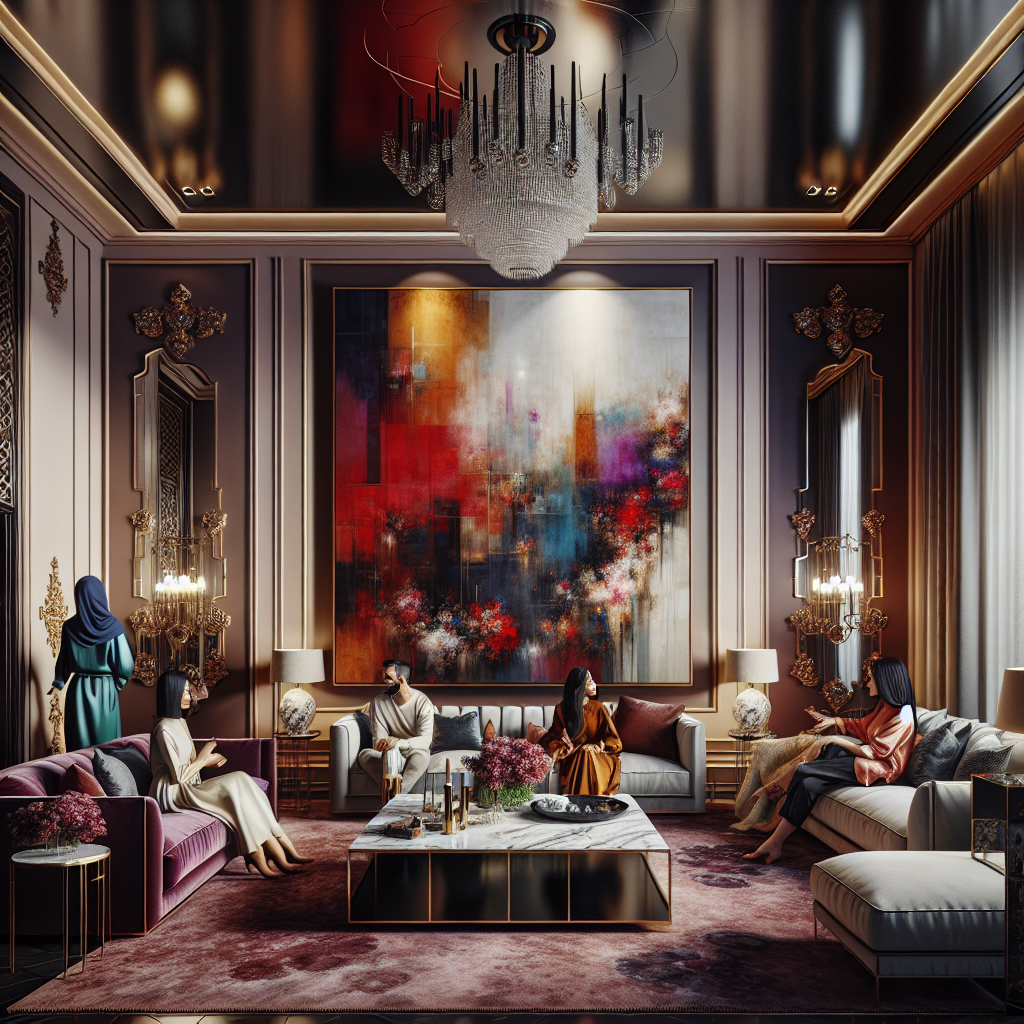
When it comes to creating a luxurious interior, the accent wall is a powerful tool that can transform a space from ordinary to extraordinary. However, the true magic of an accent wall often lies in how it is illuminated. Lighting plays a crucial role in enhancing the visual impact of an accent wall, turning it into a captivating focal point that draws the eye and sets the mood for the entire room.
Imagine walking into a room where a beautifully textured accent wall is bathed in soft, ambient light. The interplay of light and shadow can highlight the wall’s unique features, whether it’s a rich color, an intricate pattern, or a stunning piece of art. This is where the art of lighting comes into play, as it can accentuate the wall’s design elements and create a sense of depth and dimension.
To achieve this effect, it’s important to consider the type of lighting that will best complement the accent wall. For instance, recessed lighting can provide a subtle, even glow that enhances the wall’s texture without overwhelming it. On the other hand, track lighting can be adjusted to focus on specific areas, allowing you to highlight particular features or artwork. Both options offer flexibility and can be tailored to suit the mood you wish to create.
Moreover, the color temperature of the lighting can significantly influence the ambiance of the room. Warm lighting can create a cozy, inviting atmosphere, perfect for a living room or bedroom. In contrast, cooler lighting can lend a modern, sophisticated feel, ideal for a contemporary space. By experimenting with different lighting temperatures, you can find the perfect balance that complements your accent wall and enhances the overall aesthetic of the room.
In addition to the type and temperature of lighting, the placement of light fixtures is equally important. Wall sconces, for example, can frame an accent wall beautifully, adding a touch of elegance and symmetry. Alternatively, pendant lights can be used to draw attention to a specific area, such as a reading nook or a dining table, creating a sense of intimacy and focus. The key is to ensure that the lighting is strategically placed to enhance the wall’s features without causing glare or harsh shadows.
Furthermore, incorporating dimmable lighting options can provide versatility, allowing you to adjust the intensity of the light to suit different occasions. Whether you’re hosting a dinner party or enjoying a quiet evening at home, being able to control the lighting can help set the perfect mood and make your accent wall truly shine.
Ultimately, the role of lighting in enhancing accent walls is about creating a harmonious balance between light and design. By carefully selecting the right lighting elements and considering their placement and intensity, you can elevate your accent wall from a simple design feature to a stunning focal point that captures attention and adds a touch of luxury to your interior. So, the next time you’re planning an accent wall, remember that lighting is not just an afterthought—it’s an integral part of the design process that can make all the difference in creating a space that feels both luxurious and inviting.
Integrating Art and Decor with Accent Walls
Creating a luxurious interior is all about striking the perfect balance between elegance and personality, and one of the most effective ways to achieve this is through the art of the accent wall. An accent wall serves as a focal point in a room, drawing the eye and setting the tone for the entire space. When it comes to integrating art and decor with accent walls, the possibilities are endless, and the results can be truly transformative.
To begin with, choosing the right wall to accentuate is crucial. It should be a wall that naturally draws attention, such as the one behind a bed, a fireplace, or a large piece of furniture. Once you’ve identified the perfect spot, the next step is to decide on the material or color that will make your accent wall stand out. This is where you can let your creativity shine. Whether you opt for a bold paint color, a textured wallpaper, or a stunning mural, the key is to ensure that it complements the rest of the room while still making a statement.
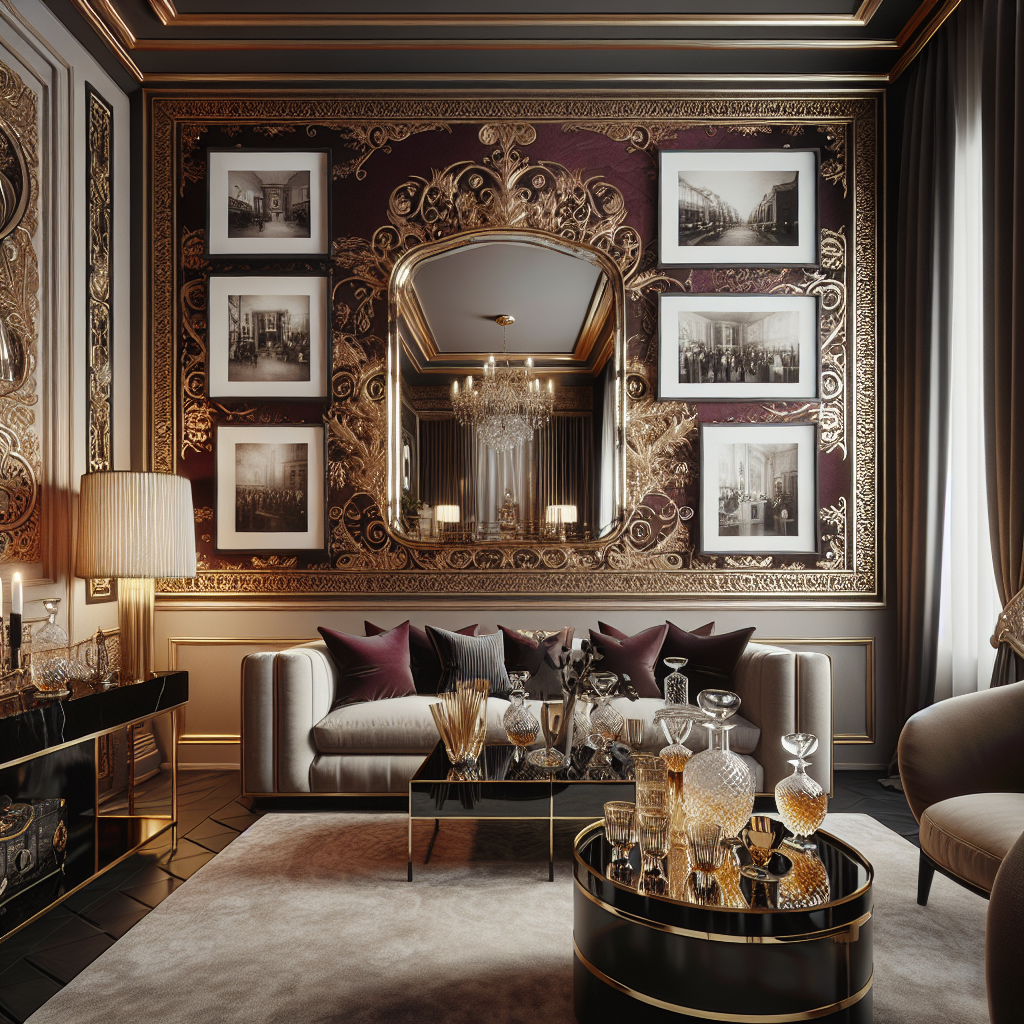
Incorporating art into your accent wall is a fantastic way to elevate the space. Consider using large-scale artwork or a gallery wall to add depth and interest. Large pieces can create a dramatic effect, while a collection of smaller artworks can add a personal touch. When selecting art, think about the mood you want to convey. For a serene and calming atmosphere, choose pieces with soft colors and gentle lines. If you’re aiming for a more vibrant and energetic vibe, go for bold colors and dynamic compositions.
Transitioning from art to decor, it’s important to consider how other elements in the room will interact with your accent wall. Furniture placement plays a significant role in this. Arrange your furniture in a way that highlights the accent wall, perhaps by positioning a statement chair or a sleek console table against it. This not only draws attention to the wall but also creates a cohesive look that ties the room together.
Lighting is another crucial factor in showcasing your accent wall. Proper lighting can enhance the colors and textures, making them pop. Consider using a combination of ambient, task, and accent lighting to create layers of light that highlight different aspects of the wall. Wall sconces, picture lights, or even a strategically placed floor lamp can add a touch of sophistication and ensure that your accent wall is always in the spotlight.
As you integrate decor, think about the accessories that will complement your accent wall. Throw pillows, rugs, and curtains can all play a part in echoing the colors and themes of the wall, creating a harmonious look. Additionally, incorporating natural elements like plants or flowers can add a fresh and organic feel, softening the overall aesthetic.
In conclusion, the art of the accent wall lies in its ability to transform a space from ordinary to extraordinary. By thoughtfully integrating art and decor, you can create a focal point that not only captures attention but also reflects your personal style. Whether you’re drawn to bold and dramatic or subtle and serene, an accent wall offers endless opportunities to express yourself and elevate your interior to new heights of luxury. So go ahead, embrace the art of the accent wall, and watch as your space comes to life with elegance and flair.
Accent Walls as a Statement in Open-Concept Living Areas
In the world of interior design, the accent wall has emerged as a powerful tool for creating focal points, especially in open-concept living areas. These spaces, characterized by their expansive layouts and fluid transitions between rooms, can sometimes feel overwhelming or lack definition. This is where the accent wall comes into play, offering a way to anchor the space and draw the eye to a specific area, adding both interest and structure.
Imagine walking into a vast open-concept living area. Without any visual cues, your eyes might wander aimlessly, unsure of where to settle. An accent wall can change that dynamic entirely. By introducing a bold color, a unique texture, or an intriguing pattern, you can instantly create a sense of purpose and direction. For instance, a deep navy wall behind a sleek, modern sofa can transform a simple seating area into a sophisticated lounge. Similarly, a wall adorned with rich, textured wallpaper can add depth and warmth, making the space feel more intimate and inviting.
Moreover, accent walls are not just about color or pattern; they can also be about material. In luxury interiors, materials like marble, reclaimed wood, or even metallic finishes can be used to create stunning accent walls that exude opulence and elegance. These materials not only add a tactile element to the space but also reflect light in unique ways, enhancing the overall ambiance. For example, a marble accent wall in a dining area can serve as a breathtaking backdrop for dinner parties, while a reclaimed wood wall in a living room can introduce a touch of rustic charm, balancing modern elements with natural beauty.
Transitioning from one area to another in an open-concept space can sometimes feel abrupt. However, an accent wall can serve as a gentle guide, subtly indicating where one functional area ends and another begins. This is particularly useful in homes where the living room, dining area, and kitchen flow seamlessly into one another. By strategically placing accent walls, you can create visual boundaries without the need for physical barriers, maintaining the open feel while providing a sense of order.
Furthermore, accent walls offer a wonderful opportunity for personal expression. They can reflect your personality and style, whether through a gallery of your favorite artwork, a collection of family photographs, or even a custom mural. This personal touch not only makes the space uniquely yours but also serves as a conversation starter when entertaining guests. It’s a chance to showcase what you love and what inspires you, all while enhancing the overall aesthetic of your home.
In conclusion, the art of the accent wall lies in its ability to transform open-concept living areas into cohesive, inviting spaces. By carefully selecting colors, materials, and designs, you can create focal points that not only define the space but also reflect your personal style. Whether you’re drawn to bold, dramatic statements or subtle, understated elegance, there’s an accent wall waiting to bring your vision to life. So, the next time you find yourself pondering how to enhance your open-concept living area, consider the transformative power of an accent wall. It might just be the perfect solution to elevate your interior design game.
Conclusion
The Art of the Accent Wall: Focal Points in Luxury Interiors highlights the transformative power of accent walls in elevating the aesthetic appeal of high-end spaces. By strategically using color, texture, and materials, accent walls serve as focal points that draw attention and add depth to a room. They offer a versatile design solution that can complement or contrast with existing decor, creating a dynamic visual experience. In luxury interiors, accent walls are not just decorative elements but are integral to the overall design narrative, reflecting the personality and style of the space while enhancing its sophistication and elegance.