The Luxury of Legacy: Incorporating Family Heirlooms
January 9, 2024
The Art of the Accent Wall: Focal Points in Luxury Interiors
January 23, 2024
-
Table of Contents
- Introduction
- Exploring Neo-Futurism: The Intersection of Technology and Design
- Space Age Aesthetics: How Neo-Futurism is Shaping Modern Architecture
- The Influence of Neo-Futurism on Interior Design Trends
- Neo-Futurism in Urban Planning: Designing Cities for the Future
- The Role of Sustainability in Neo-Futurist Design Practices
- Conclusion
Introduction
Neo-Futurism, a dynamic and forward-thinking design movement, embodies the spirit of innovation and technological advancement, drawing inspiration from the Space Age’s optimistic vision of the future. Emerging in the late 20th and early 21st centuries, Neo-Futurism is characterized by its bold, avant-garde approach to architecture, art, and design, emphasizing sleek, aerodynamic forms, and the integration of cutting-edge materials and technologies. This aesthetic celebrates the possibilities of the future, often incorporating elements such as asymmetry, fluidity, and transparency to create structures and spaces that appear to defy gravity and traditional design conventions. By embracing sustainability and digital innovation, Neo-Futurism not only pays homage to the utopian ideals of the Space Age but also addresses the contemporary challenges of urbanization and environmental responsibility, making it a pivotal force in shaping the landscapes of tomorrow.
Exploring Neo-Futurism: The Intersection of Technology and Design
Neo-Futurism is an exciting design movement that has been capturing the imagination of architects, designers, and tech enthusiasts alike. It’s a style that looks forward, drawing inspiration from the possibilities of the future while embracing the technological advancements of today. This movement is characterized by its sleek, space-age aesthetics, which often include bold geometric shapes, innovative materials, and a seamless integration of technology. As we explore Neo-Futurism, it becomes clear that it is not just about creating visually stunning structures but also about reimagining how we interact with our built environment.
One of the most fascinating aspects of Neo-Futurism is its ability to blend form and function in a way that feels both futuristic and practical. This is achieved through the use of cutting-edge materials and construction techniques that allow for more daring and imaginative designs. For instance, the use of lightweight composites and smart materials enables architects to create structures that are not only visually striking but also environmentally sustainable. This focus on sustainability is a key component of Neo-Futurism, as designers strive to create spaces that are not only beautiful but also responsible and efficient.
Moreover, technology plays a central role in Neo-Futurism, influencing both the design process and the final product. With the advent of advanced computer modeling and 3D printing, architects can now experiment with complex forms and structures that were once thought impossible. This technological prowess allows for a level of precision and creativity that is unparalleled, resulting in buildings that are as much works of art as they are functional spaces. Furthermore, the integration of smart technology into these designs means that buildings can now respond to their environment and the needs of their occupants in real-time, creating a more dynamic and interactive experience.
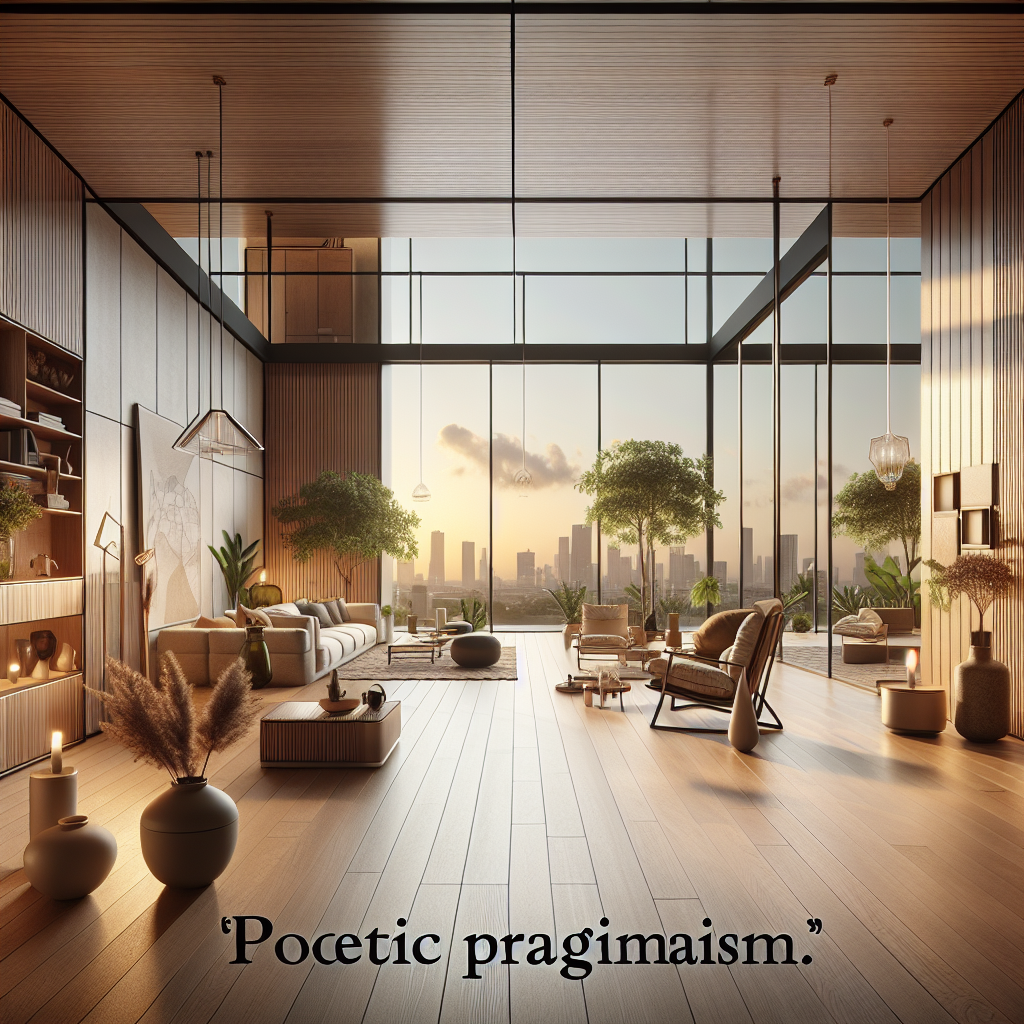
In addition to its architectural applications, Neo-Futurism is also making waves in the world of interior design. Here, the focus is on creating spaces that are not only visually appealing but also enhance the quality of life for those who inhabit them. This is achieved through the use of innovative lighting solutions, modular furniture, and interactive elements that can be customized to suit individual preferences. The result is a living space that feels both futuristic and personal, offering a glimpse into what the homes of tomorrow might look like.
As we continue to explore the intersection of technology and design, it’s clear that Neo-Futurism is more than just a passing trend. It represents a shift in how we think about our built environment and our relationship with technology. By embracing the possibilities of the future, Neo-Futurism challenges us to rethink what is possible and to push the boundaries of design in new and exciting ways. Whether it’s through the creation of awe-inspiring skyscrapers or the design of innovative living spaces, this movement is paving the way for a future where technology and design work hand in hand to create a more sustainable and aesthetically pleasing world.
In conclusion, Neo-Futurism is a testament to the power of imagination and innovation. It invites us to dream big and to envision a future where our built environment is not only functional but also inspiring. As we continue to explore this exciting movement, it’s clear that the possibilities are endless, and the future is indeed bright.
Space Age Aesthetics: How Neo-Futurism is Shaping Modern Architecture
Neo-Futurism is making waves in the world of modern architecture, bringing with it a fresh take on space age aesthetics that feels both nostalgic and forward-thinking. This design movement, which draws inspiration from the optimistic visions of the future that emerged in the mid-20th century, is characterized by its sleek lines, innovative use of materials, and a focus on sustainability. As we delve into how Neo-Futurism is shaping contemporary design, it’s fascinating to see how architects are blending the past with the present to create spaces that are not only visually stunning but also highly functional.
To begin with, Neo-Futurism is all about embracing the possibilities of tomorrow while paying homage to the bold, imaginative designs of the 1960s and 70s. This era was marked by a fascination with space exploration and technological advancement, which heavily influenced the architecture of the time. Buildings were designed to look like they belonged in a science fiction novel, with sweeping curves, geometric shapes, and an emphasis on innovation. Fast forward to today, and Neo-Futurism is reviving these elements, but with a modern twist. Architects are using cutting-edge technology and sustainable materials to create structures that are not only aesthetically pleasing but also environmentally friendly.
One of the key aspects of Neo-Futurism is its focus on sustainability. In an age where climate change is a pressing concern, architects are increasingly looking for ways to reduce the environmental impact of their designs. Neo-Futurism offers a solution by incorporating green technologies and materials into its aesthetic. For instance, many Neo-Futuristic buildings feature solar panels, green roofs, and energy-efficient systems that minimize their carbon footprint. This commitment to sustainability is not just a trend; it’s a necessity for the future of architecture.
Moreover, Neo-Futurism is characterized by its use of innovative materials and construction techniques. Advances in technology have made it possible to experiment with new materials that were once considered too expensive or impractical. For example, architects are now using lightweight composites, advanced glass, and even 3D-printed components to bring their futuristic visions to life. These materials not only enhance the visual appeal of a building but also improve its functionality and durability.
In addition to its focus on sustainability and innovation, Neo-Futurism is also about creating spaces that inspire and engage. The movement encourages architects to think outside the box and design buildings that challenge conventional norms. This often results in structures that are not only visually striking but also interactive and dynamic. For instance, some Neo-Futuristic buildings feature adaptable spaces that can change in response to the needs of their occupants, creating a more personalized and engaging experience.
As we look to the future, it’s clear that Neo-Futurism will continue to play a significant role in shaping the landscape of modern architecture. Its blend of space age aesthetics, sustainability, and innovation offers a compelling vision of what the future could look like. By drawing on the past while embracing the possibilities of tomorrow, Neo-Futurism is creating a new architectural language that speaks to our desire for progress and our responsibility to the planet. Whether you’re an architecture enthusiast or simply someone who appreciates beautiful design, there’s no denying the impact that Neo-Futurism is having on the world around us.
The Influence of Neo-Futurism on Interior Design Trends
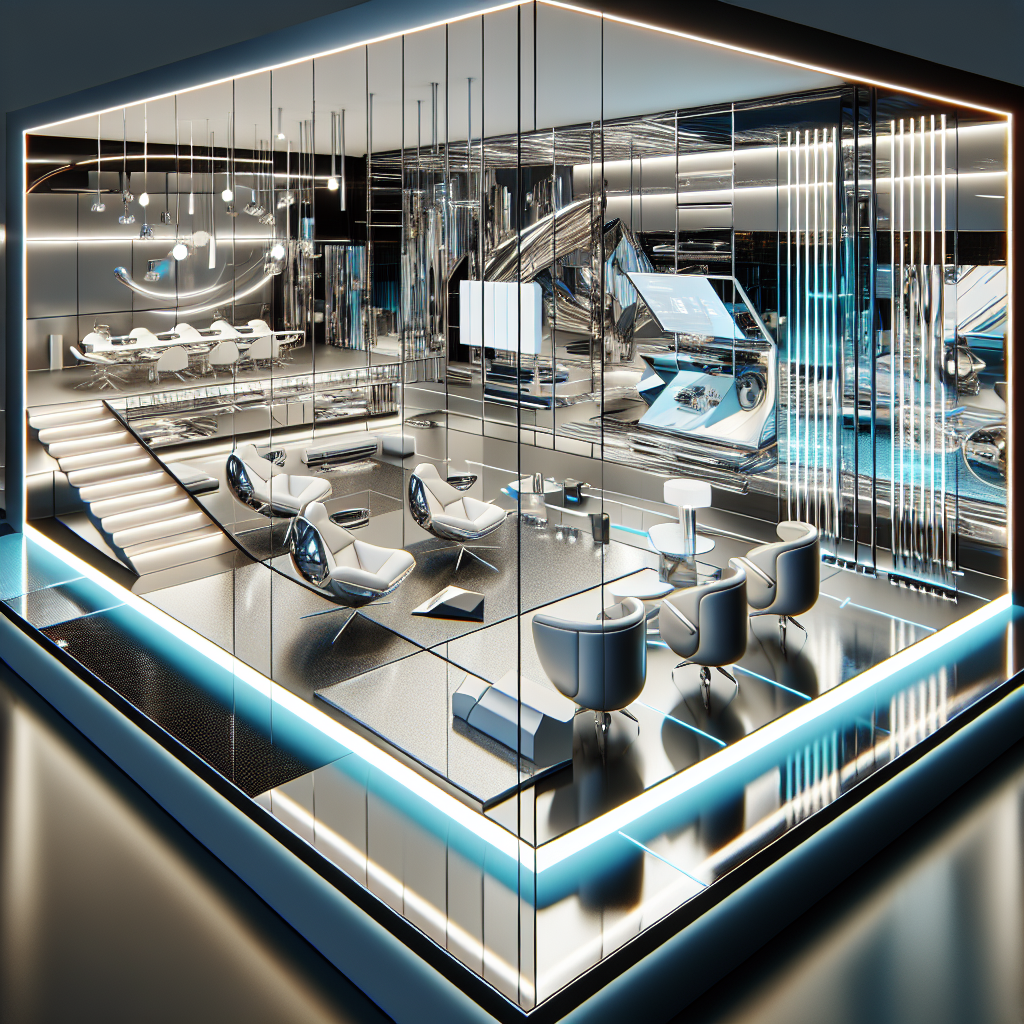
Neo-futurism, with its roots deeply embedded in the optimistic visions of the future from the mid-20th century, has made a remarkable resurgence in contemporary interior design. This design movement, characterized by its sleek lines, innovative materials, and a penchant for technology, is reshaping how we perceive and interact with our living spaces. As we delve into the influence of neo-futurism on interior design trends, it becomes evident that this aesthetic is not just about creating visually stunning environments but also about crafting spaces that resonate with our modern sensibilities.
To begin with, one of the most striking features of neo-futurism is its emphasis on fluidity and organic forms. Unlike the rigid, boxy structures of traditional design, neo-futurism embraces curves and asymmetry, drawing inspiration from nature and the cosmos. This approach is evident in the way furniture and architectural elements are designed, often resembling the sleek contours of a spaceship or the gentle arcs of a wave. By incorporating these elements, designers create spaces that feel dynamic and alive, encouraging a sense of movement and flow.
Moreover, the use of innovative materials is a hallmark of neo-futuristic design. Designers are increasingly experimenting with materials like glass, metal, and high-tech composites to achieve a futuristic look. These materials not only contribute to the aesthetic appeal but also enhance functionality. For instance, smart glass can adjust its opacity based on the time of day, providing privacy while maximizing natural light. Similarly, metallic finishes add a touch of sophistication and reflectivity, creating an illusion of expanded space. This blend of form and function is at the heart of neo-futurism, where every design choice serves a purpose beyond mere decoration.
In addition to materials, technology plays a pivotal role in neo-futuristic interiors. The integration of smart home systems, interactive lighting, and advanced climate control solutions is becoming increasingly common. These technologies not only make our lives more convenient but also align with the futuristic ethos of the movement. Imagine walking into a room where the lighting adjusts to your mood, the temperature is just right, and your favorite music starts playing automatically. Such seamless integration of technology transforms our homes into personalized sanctuaries, reflecting the neo-futuristic vision of a harmonious coexistence between humans and machines.
Furthermore, color palettes in neo-futuristic design often draw from the vastness of space, featuring shades of silver, white, and deep blues. These colors evoke a sense of calm and infinity, reminiscent of the night sky or the surface of a distant planet. Accents of bold colors like neon green or electric blue are used sparingly to add vibrancy and contrast, creating focal points that capture attention. This thoughtful use of color enhances the overall ambiance, making spaces feel both futuristic and inviting.
As we continue to explore the influence of neo-futurism on interior design, it is clear that this movement is more than just a trend; it is a reflection of our aspirations for the future. By embracing innovation, fluidity, and technology, neo-futuristic design offers a glimpse into a world where our living spaces are not only aesthetically pleasing but also deeply connected to our evolving lifestyles. Whether you’re a fan of sleek, modern aesthetics or simply curious about the future of design, neo-futurism offers a fascinating lens through which to view the possibilities of tomorrow.
Neo-Futurism in Urban Planning: Designing Cities for the Future
Neo-Futurism is making waves in urban planning, offering a fresh perspective on how we design cities for the future. This architectural movement, characterized by its sleek lines, innovative materials, and a penchant for the avant-garde, is not just about aesthetics; it’s about reimagining how we live and interact with our urban environments. As we delve into the world of Neo-Futurism, it’s fascinating to see how this style is shaping the cities of tomorrow, blending functionality with a touch of the extraordinary.
To begin with, Neo-Futurism is deeply rooted in the idea of progress and innovation. It draws inspiration from the Space Age, a time when humanity was reaching for the stars and dreaming of a future filled with technological marvels. This sense of optimism and forward-thinking is evident in the way Neo-Futurist architects approach urban planning. They envision cities that are not only visually stunning but also sustainable and efficient. By incorporating cutting-edge technology and eco-friendly practices, Neo-Futurism aims to create urban spaces that are as kind to the planet as they are to the eye.
Moreover, Neo-Futurism is all about breaking away from the conventional. Traditional cityscapes often feature rigid grids and uniform structures, but Neo-Futurist designs embrace fluidity and dynamism. This is evident in the use of organic shapes and asymmetrical forms that mimic the natural world. Such designs not only stand out visually but also encourage a more harmonious relationship between urban spaces and their inhabitants. By prioritizing open spaces, natural light, and green areas, Neo-Futurist urban planning fosters a sense of well-being and connection to nature, even in the heart of bustling metropolises.
In addition to its aesthetic appeal, Neo-Futurism is also about functionality. As cities grow and populations increase, urban planners face the challenge of creating spaces that can accommodate more people without sacrificing quality of life. Neo-Futurist designs address this by integrating smart technology into the very fabric of the city. From energy-efficient buildings that adapt to weather conditions to transportation systems that reduce congestion and pollution, these innovations are paving the way for smarter, more livable cities.
Furthermore, Neo-Futurism encourages a sense of community and interaction. In a world where digital communication often takes precedence over face-to-face interactions, creating spaces that bring people together is more important than ever. Neo-Futurist urban planning emphasizes communal areas, such as parks, plazas, and cultural centers, where people can gather, socialize, and engage with their surroundings. This focus on community not only enhances the quality of life but also fosters a sense of belonging and shared purpose among city dwellers.
As we look to the future, it’s clear that Neo-Futurism has a significant role to play in shaping the cities of tomorrow. By combining visionary design with practical solutions, this movement offers a blueprint for urban environments that are as innovative as they are inviting. As more cities embrace Neo-Futurist principles, we can look forward to a future where urban spaces are not just places to live and work, but vibrant, dynamic environments that inspire and uplift. In this way, Neo-Futurism is not just about creating cities for the future; it’s about creating a future worth living in.
The Role of Sustainability in Neo-Futurist Design Practices
Neo-futurism, with its sleek lines and space-age aesthetics, has captured the imagination of designers and architects around the world. This design movement, which draws inspiration from the technological optimism of the mid-20th century, is characterized by its innovative use of materials and futuristic forms. However, as we move further into the 21st century, the role of sustainability in neo-futurist design practices has become increasingly important. This shift reflects a growing awareness of environmental issues and a commitment to creating a more sustainable future.
To begin with, neo-futurism is all about pushing boundaries and exploring new possibilities. This makes it a perfect match for sustainable design, which often requires thinking outside the box to find creative solutions to environmental challenges. For instance, many neo-futurist architects are now incorporating renewable energy sources, such as solar panels and wind turbines, into their designs. This not only reduces the carbon footprint of their buildings but also aligns with the futuristic ethos of harnessing cutting-edge technology to improve our lives.
Moreover, the use of sustainable materials is another key aspect of neo-futurist design. Designers are increasingly turning to materials that are not only durable and aesthetically pleasing but also environmentally friendly. Recycled metals, bamboo, and reclaimed wood are just a few examples of materials that are being used to create stunning neo-futurist structures. These materials not only help to reduce waste but also add a unique texture and character to the designs, enhancing their futuristic appeal.
In addition to materials, the concept of adaptability is central to both sustainability and neo-futurism. Buildings and products designed with adaptability in mind can evolve with changing needs and technologies, reducing the need for demolition and reconstruction. This is particularly important in urban environments, where space is limited and the environmental impact of construction is significant. By designing spaces that can be easily reconfigured or repurposed, neo-futurist designers are helping to create more sustainable cities.
Furthermore, the integration of nature into neo-futurist design is another way in which sustainability is being embraced. Green roofs, vertical gardens, and indoor plant installations are becoming common features in neo-futurist architecture. These elements not only improve air quality and provide insulation but also create a connection between the built environment and the natural world. This biophilic approach not only enhances the aesthetic appeal of neo-futurist designs but also promotes well-being and sustainability.
As we continue to face the challenges of climate change and resource depletion, the role of sustainability in neo-futurist design practices will only become more critical. Designers and architects are increasingly recognizing that the future they envision must be one that is not only technologically advanced but also environmentally responsible. By integrating sustainable practices into their work, they are helping to pave the way for a future that is both innovative and sustainable.
In conclusion, the marriage of neo-futurism and sustainability is a natural one, as both are driven by a desire to create a better future. Through the use of renewable energy, sustainable materials, adaptable designs, and the integration of nature, neo-futurist designers are leading the way in creating spaces that are not only visually stunning but also environmentally friendly. As we look to the future, it is clear that sustainability will continue to play a vital role in shaping the evolution of neo-futurist design, ensuring that it remains relevant and impactful for generations to come.
Conclusion
Neo-Futurism, characterized by its innovative and forward-thinking approach, draws inspiration from the Space Age aesthetics of the mid-20th century, integrating advanced technology, sustainability, and dynamic forms into contemporary design. This movement emphasizes fluidity, asymmetry, and the use of cutting-edge materials, reflecting a vision of the future that is both optimistic and pragmatic. By merging functionality with artistic expression, Neo-Futurism challenges traditional design paradigms, creating environments that are not only visually striking but also responsive to the evolving needs of society. As a result, Neo-Futurism stands as a testament to human ingenuity and the enduring quest to harmonize technological advancement with aesthetic beauty in the built environment.