Artisanal Glass: Handblown Elements in Upscale Decor
January 2, 2024
Neo-Futurism: Space Age Aesthetics in Contemporary Design
January 16, 2024
-
Table of Contents
- Introduction
- Preserving History: The Art of Displaying Family Heirlooms
- Modern Interiors: Blending Heirlooms with Contemporary Design
- Sentimental Value: The Emotional Impact of Family Heirlooms
- Heirloom Restoration: Techniques for Reviving Treasured Pieces
- Passing Down Stories: The Role of Heirlooms in Family Traditions
- Conclusion
Introduction
“The Luxury of Legacy: Incorporating Family Heirlooms” explores the timeless elegance and sentimental value of integrating cherished family artifacts into modern living spaces. This concept delves into the art of blending history with contemporary design, creating a unique narrative that honors heritage while enhancing personal style. By thoughtfully incorporating heirlooms, individuals can transform their homes into living museums that celebrate familial bonds and preserve stories for future generations. This approach not only adds depth and character to interiors but also fosters a sense of continuity and belonging, making each piece a testament to the enduring luxury of legacy.
Preserving History: The Art of Displaying Family Heirlooms
Incorporating family heirlooms into your home is like weaving a rich tapestry of history and personal stories into your everyday life. These cherished items, passed down through generations, carry with them the whispers of the past and the warmth of familial bonds. While they hold immense sentimental value, finding the right way to display them can sometimes be a challenge. However, with a little creativity and thoughtfulness, you can transform these heirlooms into stunning focal points that not only preserve history but also enhance the aesthetic of your living space.
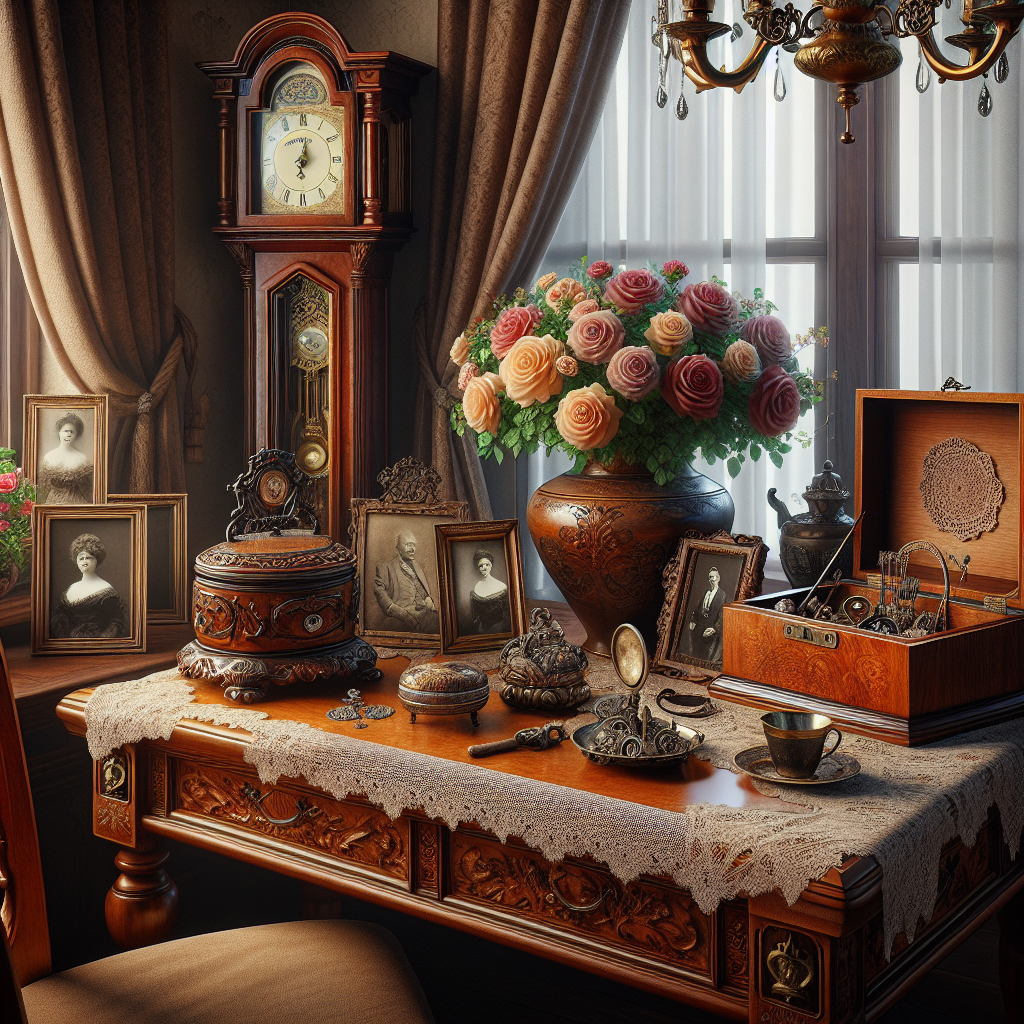
To begin with, consider the story behind each heirloom. Whether it’s your grandmother’s delicate china set or your great-uncle’s vintage clock, each piece has a unique narrative that deserves to be highlighted. By understanding the history and significance of these items, you can better decide how to showcase them. For instance, a collection of old family photographs can be beautifully arranged in a gallery wall, creating a visual timeline that invites guests to take a walk down memory lane. Similarly, a treasured quilt can be draped over a sofa or hung on a wall, serving as both a conversation starter and a cozy addition to your decor.
Transitioning from the sentimental to the practical, it’s important to consider the condition and preservation needs of your heirlooms. Some items may require special care to ensure they remain in good shape for future generations. For example, textiles like lace doilies or embroidered tablecloths should be kept away from direct sunlight to prevent fading. Meanwhile, fragile items such as porcelain figurines or glassware might benefit from being displayed in a cabinet with glass doors, offering both protection and visibility. By taking these precautions, you not only honor the legacy of your family but also ensure that these treasures can be enjoyed for years to come.
As you integrate these heirlooms into your home, think about how they can complement your existing decor. Mixing old and new elements can create a dynamic and inviting atmosphere. For instance, pairing a vintage mirror with modern furniture can add depth and character to a room. Similarly, using an antique trunk as a coffee table can bring a touch of nostalgia while providing practical storage space. The key is to strike a balance that feels authentic to your personal style while respecting the history of the pieces.
Moreover, don’t be afraid to get creative with how you display your heirlooms. A set of antique keys can be mounted in a shadow box, turning them into a unique piece of art. Alternatively, a collection of old letters or postcards can be framed and arranged in a way that tells a story. By thinking outside the box, you can find new and exciting ways to celebrate your family’s history.
In conclusion, incorporating family heirlooms into your home is a wonderful way to preserve history and keep the memory of loved ones alive. By thoughtfully displaying these treasures, you not only honor the past but also create a warm and inviting space that reflects your family’s unique story. So, take a moment to appreciate the luxury of legacy and let your heirlooms shine in your home.
Modern Interiors: Blending Heirlooms with Contemporary Design
Incorporating family heirlooms into modern interiors is like weaving a rich tapestry that tells the story of your heritage while embracing the sleek lines and minimalist aesthetics of contemporary design. It’s a delightful challenge that allows you to honor the past while living in the present, creating a home that feels both personal and stylish. The key to achieving this balance lies in understanding how to blend these cherished pieces with modern elements in a way that feels cohesive and intentional.
To begin with, consider the emotional value of each heirloom. These pieces often carry stories and memories that are deeply personal, making them more than just decorative items. By thoughtfully integrating them into your space, you can create a home that reflects your unique history and personality. For instance, a vintage grandfather clock might seem out of place in a modern living room, but by placing it against a backdrop of neutral colors and clean lines, it can become a striking focal point that adds character and depth to the room.
Moreover, mixing heirlooms with contemporary design elements can create a dynamic contrast that enhances the beauty of both. A sleek, modern sofa paired with an antique coffee table can create a visually interesting juxtaposition that draws the eye and invites conversation. Similarly, a collection of vintage china can be displayed in a minimalist glass cabinet, allowing the intricate patterns and colors to shine without overwhelming the space. This approach not only highlights the uniqueness of each piece but also demonstrates how different styles can complement each other when thoughtfully combined.
In addition to creating visual interest, incorporating heirlooms into modern interiors can also add a layer of warmth and comfort to your home. Modern design often emphasizes simplicity and functionality, which can sometimes feel cold or impersonal. By introducing heirlooms, you can soften these edges and create a more inviting atmosphere. A well-loved quilt draped over a contemporary armchair or a set of antique candlesticks on a sleek dining table can infuse a sense of history and coziness into the space, making it feel more lived-in and welcoming.
Furthermore, heirlooms can serve as conversation starters, offering guests a glimpse into your family’s history and traditions. Sharing the stories behind these pieces can foster a sense of connection and intimacy, turning your home into a space that not only looks beautiful but also feels meaningful. Whether it’s a painting passed down through generations or a piece of jewelry repurposed as a decorative accent, these items can spark curiosity and dialogue, enriching the experience of those who visit your home.
Ultimately, the luxury of legacy lies in the ability to create a home that is uniquely yours, one that honors the past while embracing the present. By thoughtfully incorporating family heirlooms into your modern interior, you can craft a space that is both stylish and soulful, a true reflection of who you are and where you come from. As you embark on this journey, remember that there are no strict rules—only opportunities to experiment and express your creativity. With a little imagination and a lot of heart, you can create a home that beautifully blends the old with the new, celebrating the stories and memories that make life truly special.
Sentimental Value: The Emotional Impact of Family Heirlooms
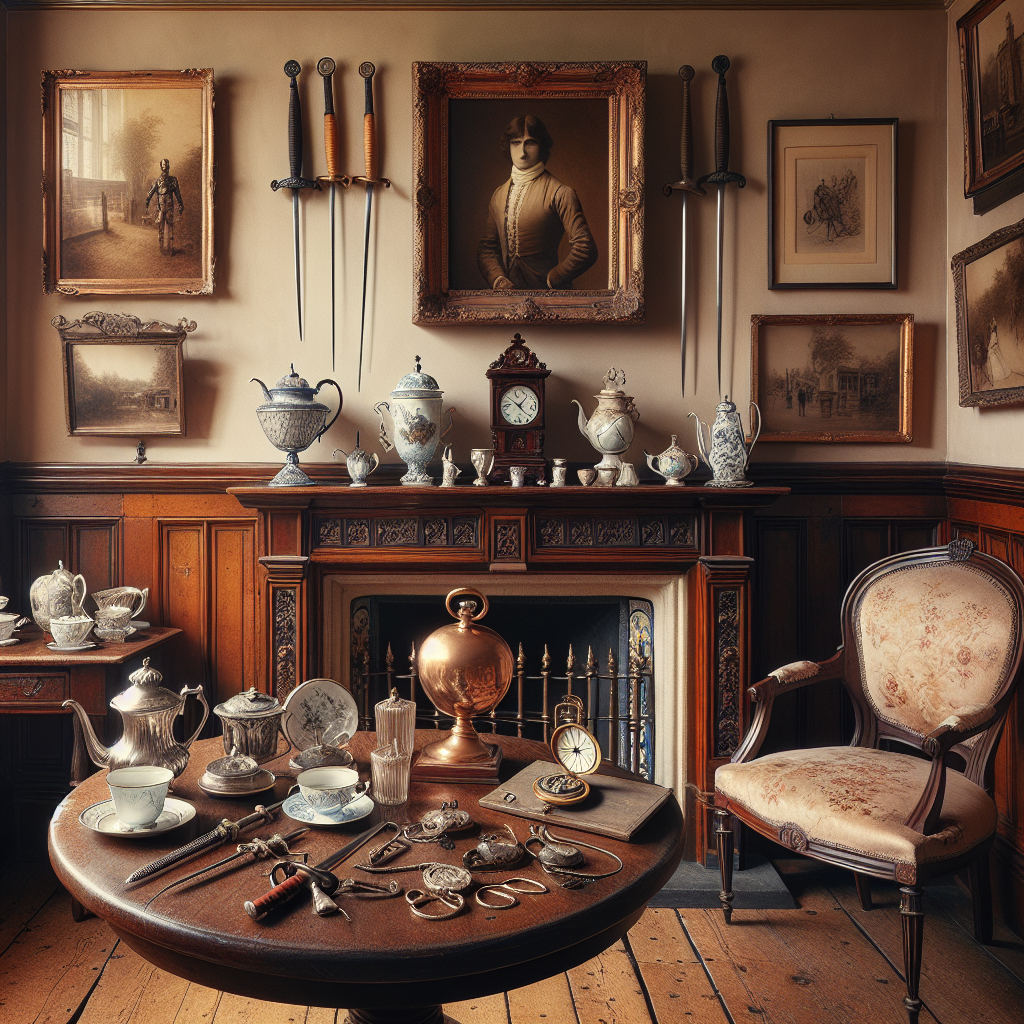
Family heirlooms are more than just objects; they are tangible connections to our past, carrying stories and memories that transcend generations. These cherished items, whether they are pieces of jewelry, furniture, or even handwritten letters, hold a sentimental value that is often immeasurable. The emotional impact of family heirlooms is profound, as they serve as a bridge between the past and the present, allowing us to feel a sense of continuity and belonging.
Incorporating family heirlooms into our lives is a way of honoring our heritage and keeping the memories of our ancestors alive. These items often come with stories that have been passed down through the family, adding layers of meaning and significance. For instance, a grandmother’s wedding ring might not only be a beautiful piece of jewelry but also a symbol of enduring love and commitment. By wearing it, one can feel a connection to the past and a reminder of the values and traditions that have shaped their family.
Moreover, family heirlooms can evoke powerful emotions and memories. A simple glance at an old photograph or a piece of furniture can transport us back to a different time, reminding us of loved ones who are no longer with us. These items can provide comfort and solace, especially during difficult times, as they serve as a reminder that we are part of something larger than ourselves. They can also be a source of inspiration, encouraging us to live up to the legacy of those who came before us.
In addition to their emotional significance, family heirlooms can also be a way to express our personal style and individuality. Incorporating these items into our homes or wardrobes allows us to create a unique blend of old and new, adding character and depth to our surroundings. A vintage piece of furniture can become a focal point in a modern living room, while an antique brooch can add a touch of elegance to a contemporary outfit. By integrating these items into our daily lives, we can celebrate our heritage while also making it relevant to the present.
However, the process of incorporating family heirlooms is not always straightforward. It often requires careful consideration and creativity to find ways to blend these items with our current lifestyle. It may involve repurposing or restoring an item to suit modern tastes, or finding new ways to display or use it. This process can be a rewarding experience, as it allows us to engage with our family history in a meaningful way and to create new memories that will be cherished by future generations.
Ultimately, the luxury of legacy lies in the ability to connect with our past and to carry it forward into the future. Family heirlooms are a testament to the enduring bonds of family and the stories that shape our lives. By embracing these items and the emotions they evoke, we can create a sense of continuity and belonging that enriches our lives and strengthens our connection to those who came before us. In doing so, we not only honor our ancestors but also ensure that their legacy lives on in the hearts and minds of future generations.
Heirloom Restoration: Techniques for Reviving Treasured Pieces
Incorporating family heirlooms into your home is like weaving a tapestry of history and personal stories into your everyday life. These cherished pieces, often passed down through generations, carry with them the essence of those who came before us. However, the passage of time can take its toll on these treasures, leaving them in need of a little TLC. Fortunately, with a few restoration techniques, you can revive these pieces and allow them to shine once more.
To begin with, it’s important to assess the condition of your heirloom. Whether it’s a piece of furniture, a painting, or a delicate piece of jewelry, understanding its current state will guide you in choosing the right restoration approach. For instance, wooden furniture often suffers from scratches, dents, or a dull finish. In such cases, a gentle cleaning with a soft cloth and a mixture of mild soap and water can work wonders. For deeper scratches, consider using a wood filler that matches the color of the piece, followed by a light sanding and a fresh coat of varnish or polish to restore its original luster.
When it comes to textiles, such as quilts or embroidered tablecloths, the key is to handle them with care. Over time, fabrics can become fragile, so it’s best to clean them using gentle methods. Hand washing with a mild detergent in lukewarm water is usually safe, but always test a small, inconspicuous area first. If the fabric is particularly delicate, consulting a professional conservator might be the best course of action to prevent any damage.
For those who have inherited paintings, the task of restoration can seem daunting. However, with a little patience and the right tools, you can breathe new life into these artworks. Dust and grime can accumulate on the surface over the years, dulling the colors. A soft brush or a microfiber cloth can be used to gently remove surface dust. For more stubborn dirt, a solution of distilled water and a few drops of mild dish soap applied with a cotton swab can help. Remember to work slowly and carefully, testing a small area first to ensure the cleaning solution doesn’t affect the paint.
Jewelry, on the other hand, often requires a different approach. Tarnish and dirt can obscure the beauty of metals and gemstones. A simple solution of warm water and mild dish soap, along with a soft toothbrush, can be used to clean most pieces. For silver items, a silver polishing cloth can help restore their shine. However, for pieces with intricate designs or delicate settings, it might be wise to seek professional cleaning to avoid any accidental damage.
Incorporating these heirlooms into your home not only adds a touch of elegance but also keeps family history alive. As you restore and care for these pieces, you become a part of their story, ensuring they continue to be cherished for generations to come. By taking the time to revive these treasures, you honor the legacy of your family and create a living connection to the past. So, embrace the luxury of legacy and let these heirlooms become a vibrant part of your everyday life.
Passing Down Stories: The Role of Heirlooms in Family Traditions
Family heirlooms are more than just objects; they are tangible pieces of history that carry the stories and traditions of generations past. These cherished items, whether they are a grandmother’s wedding ring, a father’s pocket watch, or a set of china passed down through the years, serve as a bridge between the past and the present. They offer a unique way to connect with our ancestors and keep their memories alive. As we incorporate these heirlooms into our lives, we not only honor our heritage but also enrich our own family traditions.
One of the most beautiful aspects of heirlooms is their ability to tell stories. Each piece has a history, a narrative that has been woven into the fabric of our family’s legacy. For instance, a quilt made by a great-grandmother might tell the tale of her life, her struggles, and her triumphs. As we pass these items down to the next generation, we also pass down the stories that accompany them. This storytelling tradition helps to keep our family’s history alive and ensures that future generations understand where they come from.
Incorporating heirlooms into family traditions can be a delightful way to celebrate our heritage. For example, using a set of antique silverware during holiday dinners can transform a simple meal into a meaningful event. Each time the silverware is used, it serves as a reminder of the family members who once gathered around the table, sharing laughter and love. Similarly, wearing a piece of jewelry that has been in the family for decades can add a special touch to significant life events, such as weddings or graduations, making them even more memorable.
Moreover, heirlooms can also serve as a source of inspiration and creativity. They can spark conversations about the past, encouraging family members to share their own memories and experiences. This exchange of stories can strengthen family bonds and create a sense of continuity and belonging. Additionally, heirlooms can inspire new traditions. For instance, a family might decide to create a scrapbook documenting the history of each heirloom, complete with photographs and stories, to be passed down alongside the items themselves.
While the sentimental value of heirlooms is undeniable, they also present an opportunity to teach younger generations about the importance of preserving family history. By involving children in the care and maintenance of these items, we can instill in them a sense of responsibility and appreciation for their heritage. This can be as simple as teaching them how to polish silver or sharing the story behind a particular piece. As they grow older, they will carry these lessons with them, ensuring that the legacy of their ancestors is not forgotten.
In conclusion, family heirlooms are much more than just objects; they are vessels of memory and tradition. By incorporating them into our lives, we honor the past while creating new memories for the future. Whether through storytelling, celebration, or education, heirlooms play a vital role in preserving our family’s legacy. As we pass these treasures down to the next generation, we ensure that the stories and traditions they represent continue to enrich our lives and the lives of those who come after us.
Conclusion
“The Luxury of Legacy: Incorporating Family Heirlooms” underscores the profound emotional and historical value that family heirlooms bring to contemporary living spaces. By integrating these cherished items into modern decor, individuals not only preserve their family’s heritage but also create a unique and personalized environment that reflects their lineage and personal stories. The article highlights the balance between maintaining the integrity of these heirlooms and adapting them to fit current aesthetic preferences, emphasizing creativity and respect for tradition. Ultimately, the incorporation of family heirlooms enriches one’s home with a sense of identity and continuity, bridging past and present in a meaningful and luxurious manner.