The Power of the Plump: Oversized Cushioning in Luxury Design
December 26, 2023
The Luxury of Legacy: Incorporating Family Heirlooms
January 9, 2024
-
Table of Contents
- Introduction
- The History And Evolution Of Artisanal Glass In Interior Design
- Incorporating Handblown Glass Elements Into Modern Home Decor
- The Art Of Crafting: Techniques Behind Artisanal Glass Creations
- Top Trends In Artisanal Glass For Upscale Interiors
- How To Choose The Perfect Handblown Glass Pieces For Your Space
- Conclusion
Introduction
Artisanal glass, with its rich history and intricate craftsmanship, has become a cornerstone in upscale decor, offering a unique blend of elegance and individuality. Handblown glass elements, in particular, stand out for their bespoke nature, each piece a testament to the artisan’s skill and creativity. These exquisite creations, ranging from delicate vases to striking chandeliers, infuse spaces with a sense of luxury and sophistication. The allure of artisanal glass lies in its ability to capture light and color in mesmerizing ways, transforming ordinary interiors into extraordinary environments. As a symbol of both tradition and innovation, handblown glass continues to captivate designers and homeowners alike, making it an enduring favorite in the world of high-end interior design.
The History And Evolution Of Artisanal Glass In Interior Design
Artisanal glass has long been a cherished element in interior design, captivating homeowners and designers alike with its unique blend of beauty and craftsmanship. The history of artisanal glass dates back centuries, with its roots firmly planted in ancient civilizations. From the vibrant glassworks of the Romans to the intricate stained glass windows of medieval cathedrals, glass has always held a special place in the world of art and design. Over time, the techniques and styles have evolved, yet the allure of handblown glass remains as strong as ever.
In the early days, glassmaking was a closely guarded secret, with artisans passing down their skills through generations. The process was labor-intensive and required a keen eye for detail, making each piece a true work of art. As time went on, the art of glassblowing spread across Europe, with Venice emerging as a major hub during the Renaissance. Venetian glassmakers were renowned for their exquisite creations, which often featured intricate patterns and vibrant colors. These pieces were highly sought after by the elite, who used them to adorn their homes and showcase their wealth.
Fast forward to the modern era, and artisanal glass has found a new place in upscale decor. Today, designers and homeowners are increasingly drawn to the unique charm and character that handblown glass brings to a space. Unlike mass-produced items, each piece of artisanal glass is one-of-a-kind, with subtle variations that add depth and interest to any room. This individuality is particularly appealing in a world where uniformity often reigns supreme.
Moreover, the resurgence of interest in sustainable and locally sourced materials has further fueled the popularity of artisanal glass. Many contemporary glass artists prioritize eco-friendly practices, using recycled materials and energy-efficient techniques to create their pieces. This commitment to sustainability resonates with consumers who are eager to make environmentally conscious choices without sacrificing style.
Incorporating artisanal glass into interior design can transform a space, infusing it with warmth and personality. Whether it’s a stunning chandelier that serves as a focal point in a dining room or a collection of delicate vases that add a touch of elegance to a mantelpiece, handblown glass elements can elevate the overall aesthetic of a home. The versatility of glass also allows it to complement a wide range of design styles, from modern minimalism to classic elegance.
Furthermore, the tactile nature of glass adds an extra layer of sensory experience to a room. The way light interacts with the curves and contours of a handblown piece can create mesmerizing effects, casting colorful reflections and shadows that dance across walls and floors. This dynamic quality makes artisanal glass not just a visual delight but also an ever-changing element that keeps a space feeling fresh and alive.
In conclusion, the history and evolution of artisanal glass in interior design is a testament to its enduring appeal. From its ancient origins to its modern-day resurgence, handblown glass continues to captivate with its beauty, craftsmanship, and versatility. As more people seek to create unique and meaningful spaces, the timeless charm of artisanal glass is sure to remain a beloved choice in upscale decor for years to come.
Incorporating Handblown Glass Elements Into Modern Home Decor
Incorporating handblown glass elements into modern home decor is a delightful way to add a touch of elegance and individuality to any space. These unique pieces, crafted with care and precision by skilled artisans, offer a blend of tradition and contemporary style that can transform the ambiance of a room. As you explore the world of artisanal glass, you’ll discover that each piece tells a story, reflecting the creativity and dedication of the artist who made it. This personal connection to the art form is what makes handblown glass so appealing in upscale decor.
To begin with, consider the versatility of handblown glass. Whether you’re looking for a statement piece or subtle accents, there’s a wide range of options to suit your taste. From vibrant vases and intricate chandeliers to delicate bowls and whimsical sculptures, handblown glass can be seamlessly integrated into various design styles. For instance, a bold, colorful vase can serve as a focal point in a minimalist living room, while a set of elegant glassware can add a touch of sophistication to a dining area. The key is to select pieces that complement your existing decor while adding a unique flair.
Moreover, the beauty of handblown glass lies in its imperfections. Unlike mass-produced items, each piece is one-of-a-kind, with slight variations in shape, color, and texture. These imperfections are not flaws but rather a testament to the handmade nature of the art. Embracing these unique characteristics can enhance the charm of your home, creating an environment that feels both curated and personal. As you incorporate handblown glass into your decor, you’ll find that these pieces often become conversation starters, inviting guests to admire their beauty and craftsmanship.
In addition to their aesthetic appeal, handblown glass elements can also serve functional purposes. For example, a handblown glass pendant light can provide both illumination and artistic interest in a kitchen or entryway. Similarly, glass bowls and platters can be used for serving or as decorative centerpieces on a dining table. By choosing pieces that are both beautiful and practical, you can enjoy the best of both worlds—elevating your home’s decor while also enhancing its functionality.
Furthermore, incorporating handblown glass into your home decor is an opportunity to support artisans and small businesses. Many of these artists rely on traditional techniques passed down through generations, and purchasing their work helps to preserve these skills for future generations. By investing in artisanal glass, you’re not only acquiring a beautiful piece for your home but also contributing to the livelihood of talented craftspeople.
As you consider adding handblown glass to your decor, don’t be afraid to mix and match styles and colors. The beauty of these pieces is that they can be as bold or as subtle as you desire. Whether you choose a single statement piece or a collection of smaller items, handblown glass can add depth and character to your home. With its timeless appeal and unique charm, artisanal glass is a perfect choice for those looking to elevate their decor with a touch of elegance and individuality. So, go ahead and explore the world of handblown glass—your home will thank you for it.
The Art Of Crafting: Techniques Behind Artisanal Glass Creations
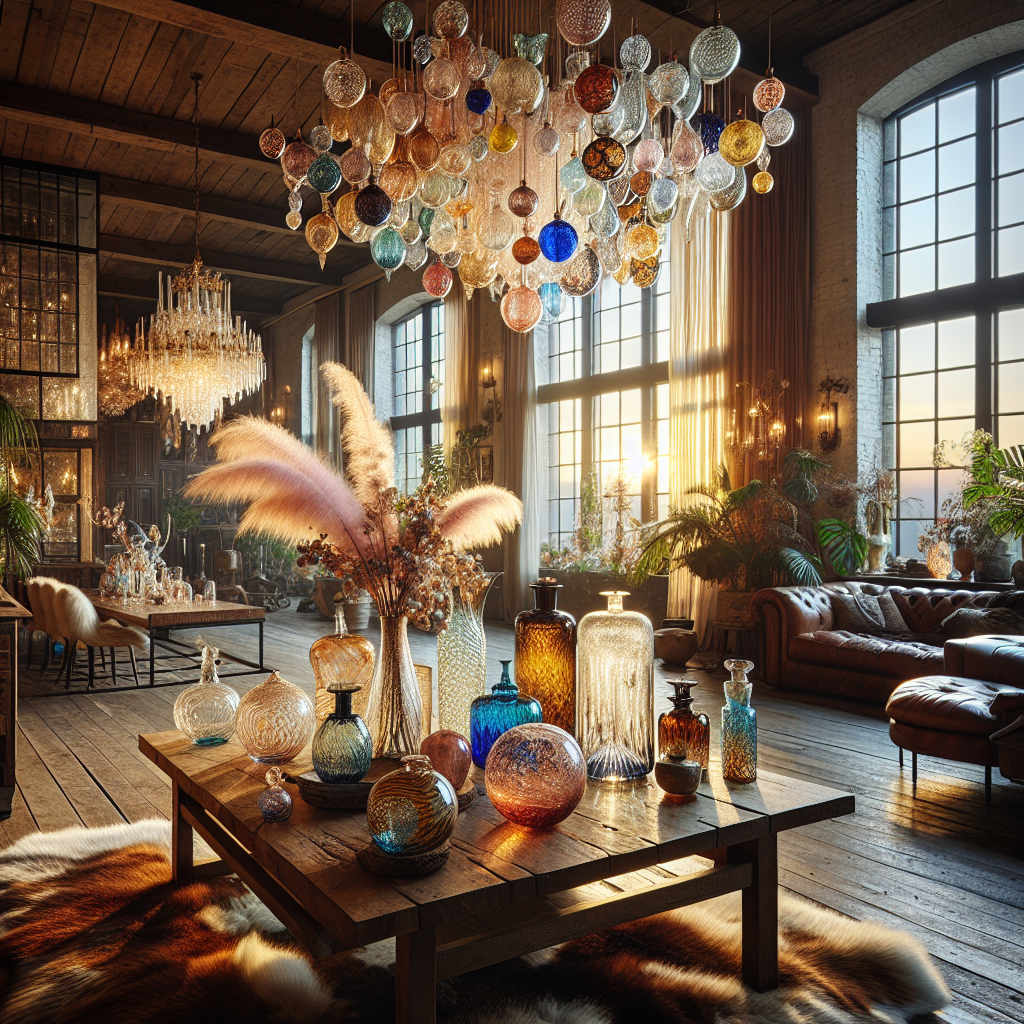
Artisanal glass has long been a cherished element in upscale decor, offering a unique blend of elegance and craftsmanship that mass-produced items simply cannot replicate. The art of crafting these exquisite pieces involves a fascinating array of techniques, each contributing to the distinct character and beauty of handblown glass. As we delve into the world of artisanal glass, it’s important to appreciate the skill and dedication that artisans pour into every creation.
To begin with, the process of handblowing glass is both an art and a science. It starts with the careful selection of raw materials, primarily silica sand, which is melted at extremely high temperatures to form molten glass. This molten glass is then gathered on the end of a blowpipe, a long, hollow tube that allows the artisan to shape the glass by blowing air into it. This initial step requires a keen eye and steady hand, as the artisan must control the temperature and viscosity of the glass to ensure it can be shaped without cracking or collapsing.
Once the glass is gathered, the real artistry begins. Artisans use a variety of tools to manipulate the glass, including paddles, shears, and tweezers, each serving a specific purpose in the shaping process. For instance, paddles are used to flatten or smooth surfaces, while shears can cut or trim excess glass. The use of these tools requires not only technical skill but also a deep understanding of how glass behaves under different conditions. This knowledge allows artisans to create intricate designs and patterns that are both visually stunning and structurally sound.
Moreover, the introduction of color into handblown glass adds another layer of complexity and beauty. Artisans often incorporate metal oxides or other compounds into the molten glass to achieve a wide range of hues and effects. This can be done by adding color directly to the glass batch or by layering colored glass over clear glass. The latter technique, known as “casing,” allows for the creation of vibrant, multi-dimensional pieces that catch and reflect light in captivating ways. The choice of colors and the method of application are crucial decisions that can dramatically alter the final appearance of the piece.
In addition to color, texture plays a significant role in the allure of artisanal glass. Techniques such as etching, engraving, and sandblasting are employed to create surface patterns and textures that enhance the tactile and visual appeal of the glass. These techniques require precision and creativity, as they can transform a simple glass object into a work of art with depth and character.
As we explore the techniques behind artisanal glass creations, it’s clear that each piece is a testament to the artisan’s skill, creativity, and passion. The time-honored methods used in handblowing glass have been passed down through generations, preserving a rich tradition of craftsmanship that continues to inspire and captivate. In a world where mass production often takes precedence, the unique charm of artisanal glass serves as a reminder of the beauty that can be achieved through dedication and artistry. Whether it’s a delicate vase, a striking chandelier, or a simple decorative bowl, handblown glass elements bring a touch of elegance and individuality to any space, making them a cherished addition to upscale decor.
Top Trends In Artisanal Glass For Upscale Interiors
Artisanal glass has been making waves in the world of upscale interior design, and it’s easy to see why. The unique charm and character of handblown glass elements bring a touch of elegance and individuality to any space. As more people seek to personalize their homes with distinctive decor, the demand for artisanal glass has soared. This trend is not just about aesthetics; it’s about celebrating craftsmanship and the stories behind each piece. With that in mind, let’s explore some of the top trends in artisanal glass for upscale interiors.
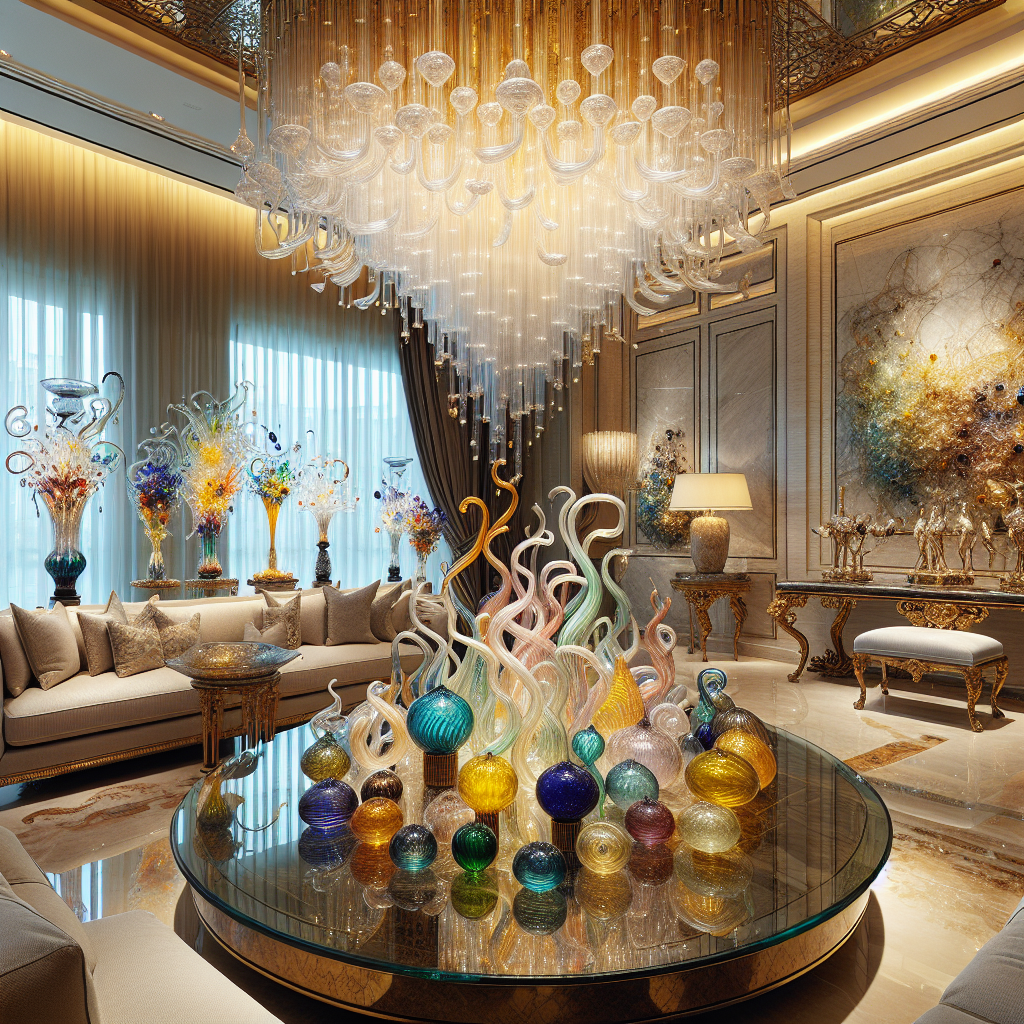
One of the most captivating aspects of artisanal glass is its ability to play with light. Handblown glass fixtures, such as chandeliers and pendant lights, have become a staple in high-end homes. These pieces not only illuminate a room but also create mesmerizing patterns and reflections that dance across walls and ceilings. The interplay of light and glass can transform a space, adding depth and warmth. Moreover, the variety of colors and finishes available means there’s something to suit every taste, from the subtle elegance of frosted glass to the bold statement of vibrant hues.
In addition to lighting, handblown glass vases and sculptures are gaining popularity as focal points in upscale interiors. These pieces often serve as conversation starters, with their intricate designs and the skill required to create them. The organic shapes and fluid lines of artisanal glass sculptures can add a sense of movement and life to a room, making them perfect for those who appreciate dynamic decor. Furthermore, the versatility of glass allows artists to experiment with different techniques, resulting in pieces that are as diverse as they are beautiful.
Another trend that’s capturing the attention of interior designers is the use of artisanal glass in functional items. Think beyond the traditional and consider glassware, bowls, and even furniture with handblown elements. These items not only serve a practical purpose but also elevate the everyday experience. Imagine sipping your morning coffee from a delicately crafted glass mug or serving dinner in a stunning glass bowl that catches the light just so. These small touches can make a big impact, turning ordinary moments into something special.
Sustainability is also playing a significant role in the rise of artisanal glass. Many artists are committed to using eco-friendly practices, such as recycling glass and minimizing waste during production. This focus on sustainability resonates with consumers who are increasingly conscious of their environmental footprint. By choosing artisanal glass, homeowners can enjoy beautiful decor while supporting responsible craftsmanship.
As we look to the future, it’s clear that artisanal glass will continue to be a beloved element in upscale interiors. Its timeless appeal, combined with the ever-evolving creativity of glass artists, ensures that there will always be something new and exciting to discover. Whether you’re drawn to the ethereal beauty of a handblown chandelier or the tactile allure of a glass sculpture, there’s no denying the transformative power of artisanal glass. So, if you’re looking to add a touch of elegance and individuality to your home, consider incorporating these stunning elements into your decor. You’ll not only enhance your space but also support the talented artisans who pour their heart and soul into every piece.
How To Choose The Perfect Handblown Glass Pieces For Your Space
Choosing the perfect handblown glass pieces for your space can be an exciting journey into the world of artisanal craftsmanship. These unique elements not only add a touch of elegance and sophistication to your decor but also tell a story of creativity and tradition. As you embark on this adventure, it’s important to consider a few key factors that will help you select pieces that truly resonate with your personal style and the ambiance of your home.
First and foremost, think about the color palette of your space. Handblown glass comes in a myriad of colors, from vibrant hues to subtle pastels. Consider the existing colors in your room and decide whether you want your glass pieces to complement or contrast with them. For instance, if your living room features neutral tones, a bold, colorful glass vase can serve as a striking focal point. On the other hand, if your space is already filled with vibrant colors, opting for clear or softly tinted glass might create a more harmonious look.
Next, consider the size and scale of the pieces you are interested in. Handblown glass items range from small, delicate ornaments to large, statement-making sculptures. It’s essential to choose pieces that fit well within the dimensions of your space. A large glass sculpture might overwhelm a small room, while tiny glass trinkets could get lost in a more expansive area. Take measurements of the space where you plan to display your glass art and keep these in mind as you shop.
In addition to size, think about the function of the glass pieces. While some handblown glass items are purely decorative, others can serve practical purposes. For example, a beautifully crafted glass bowl can be both a stunning centerpiece and a functional serving dish. Similarly, handblown glass lighting fixtures can add both beauty and illumination to a room. Consider how you want to use the pieces and choose accordingly.
Another important aspect to consider is the craftsmanship and origin of the glass pieces. Handblown glass is an art form that requires skill and precision, and each piece is unique. Take the time to learn about the artists and studios behind the creations. Many artisans have distinct styles and techniques, and understanding their background can deepen your appreciation for the work. Additionally, supporting local or independent artists can add a meaningful dimension to your purchase.
As you explore different options, don’t be afraid to mix and match styles. Combining various textures, shapes, and colors can create a dynamic and visually interesting display. For instance, pairing a sleek, modern glass sculpture with a rustic, textured glass vase can add depth and character to your decor. Trust your instincts and let your personal taste guide you in creating a collection that feels authentic to you.
Finally, remember that choosing handblown glass pieces is not just about aesthetics; it’s about creating an environment that reflects your personality and enhances your living space. Take your time, enjoy the process, and allow yourself to be drawn to pieces that speak to you. With a little thought and consideration, you can find the perfect handblown glass elements that will bring beauty and elegance to your home for years to come.
Conclusion
Artisanal glass, with its handblown elements, plays a significant role in upscale decor by offering unique, bespoke pieces that elevate interior aesthetics. The craftsmanship involved in creating handblown glass items ensures that each piece is distinct, adding a personal and artistic touch to any space. This individuality and the intricate detailing inherent in artisanal glass make it a sought-after choice for those looking to infuse elegance and sophistication into their decor. Furthermore, the use of traditional techniques combined with contemporary design sensibilities allows artisanal glass to seamlessly blend with various decor styles, from classic to modern. As a result, handblown glass elements not only serve as functional decor items but also as conversation pieces that reflect the owner’s appreciation for artistry and quality.