The Art of the Accent Wall: Focal Points in Luxury Interiors
January 23, 2024
The New Craftsman: Artisanal Touches in Modern Luxury
February 6, 2024
-
Table of Contents
- Introduction
- The Role Of Ambiance In Luxe Dining: Crafting The Perfect Atmosphere
- How Interior Design Enhances The Luxe Dining Experience
- The Art Of Table Setting: Elevating Dining Through Design
- Lighting Design In Luxe Dining: Creating Mood And Elegance
- The Impact Of Architectural Elements On Luxe Dining Spaces
- Conclusion
Introduction
Luxe Dining: Elevating the Eating Experience Through Design explores the intersection of culinary excellence and sophisticated aesthetics, transforming the act of dining into an immersive sensory journey. This concept delves into how thoughtful design elements—ranging from ambient lighting and elegant tableware to innovative spatial layouts—enhance the overall dining experience, creating an atmosphere where gastronomy and artistry converge. By prioritizing both visual and tactile elements, Luxe Dining redefines traditional dining spaces, offering patrons not just a meal, but a memorable event that engages all the senses. Through this approach, dining becomes an elevated experience, where every detail is meticulously curated to complement the culinary offerings, ultimately crafting a harmonious blend of taste and design.
The Role Of Ambiance In Luxe Dining: Crafting The Perfect Atmosphere
When it comes to luxe dining, the experience extends far beyond the plate. While the culinary creations are undoubtedly the stars of the show, the ambiance plays a crucial supporting role, setting the stage for an unforgettable meal. Imagine walking into a restaurant where the lighting is just right, the music is perfectly tuned, and the decor whispers elegance. This is the magic of ambiance in luxe dining, where every detail is meticulously crafted to elevate the eating experience.
To begin with, lighting is one of the most significant elements in creating the perfect dining atmosphere. Soft, warm lighting can transform a space, making it feel intimate and inviting. It’s like a gentle embrace that welcomes diners and encourages them to relax and savor each moment. On the other hand, harsh or overly bright lighting can detract from the experience, making it feel more like a cafeteria than a high-end restaurant. Therefore, many luxe dining establishments invest in adjustable lighting systems that allow them to tailor the mood throughout the day and evening, ensuring that every meal is enjoyed in the best possible light.
In addition to lighting, music plays a pivotal role in shaping the dining experience. The right soundtrack can enhance the mood, creating a sense of harmony and rhythm that complements the culinary journey. Whether it’s the soft strains of a jazz quartet or the soothing notes of a classical piano, music can transport diners to another world, making their meal feel like a special occasion. However, it’s essential to strike the right balance; music that is too loud or intrusive can become a distraction, pulling attention away from the food and conversation. Thus, many luxe dining venues employ sound designers to curate playlists that enhance the ambiance without overpowering it.
Moreover, the decor of a restaurant is like the canvas upon which the dining experience is painted. From the choice of furniture to the color palette, every element contributes to the overall atmosphere. Luxurious materials such as velvet, marble, and polished wood can add a touch of opulence, while thoughtful design elements like art pieces or floral arrangements can provide visual interest and a sense of place. The goal is to create a space that feels both luxurious and comfortable, where diners can feel pampered yet at ease.
Furthermore, the layout of a restaurant can significantly impact the dining experience. A well-designed space allows for a natural flow, guiding diners through their meal with ease. Thoughtful spacing between tables ensures privacy and intimacy, while strategic placement of seating can offer stunning views or highlight architectural features. In this way, the physical arrangement of the dining area becomes an integral part of the ambiance, enhancing the overall sense of luxury.
In conclusion, the role of ambiance in luxe dining cannot be overstated. It is the invisible thread that weaves together the various elements of the dining experience, creating a cohesive and memorable whole. By paying attention to details such as lighting, music, decor, and layout, restaurants can craft an atmosphere that elevates the act of dining into an art form. So, the next time you find yourself in a luxe dining establishment, take a moment to appreciate the ambiance—it’s as much a part of the experience as the food itself.
How Interior Design Enhances The Luxe Dining Experience
When it comes to dining out, the experience is about so much more than just the food on your plate. Luxe dining, in particular, is an art form that combines culinary excellence with an ambiance that elevates the entire experience. One of the key elements that contribute to this elevated experience is interior design. The moment you step into a restaurant, the design sets the tone, creating an atmosphere that can make your meal memorable. From the lighting to the furniture, every detail is meticulously curated to enhance your dining experience.
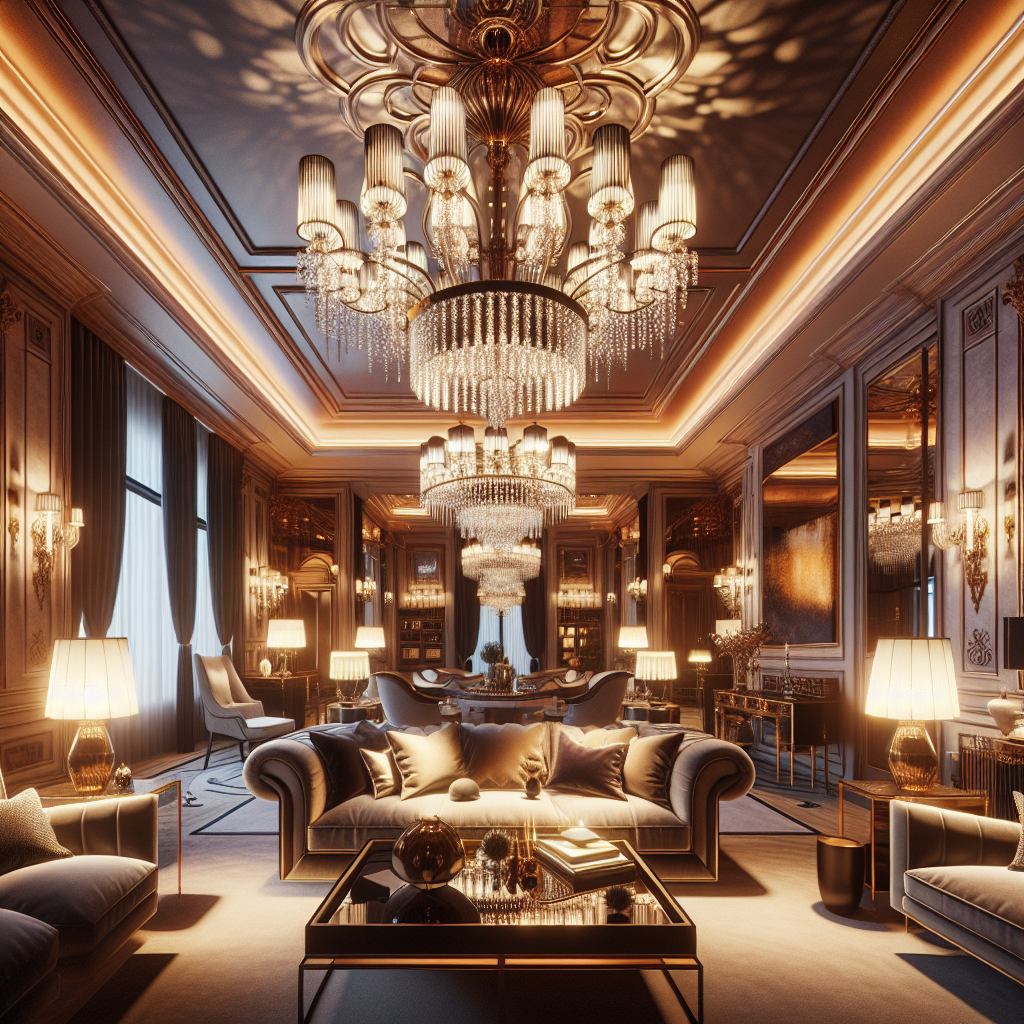
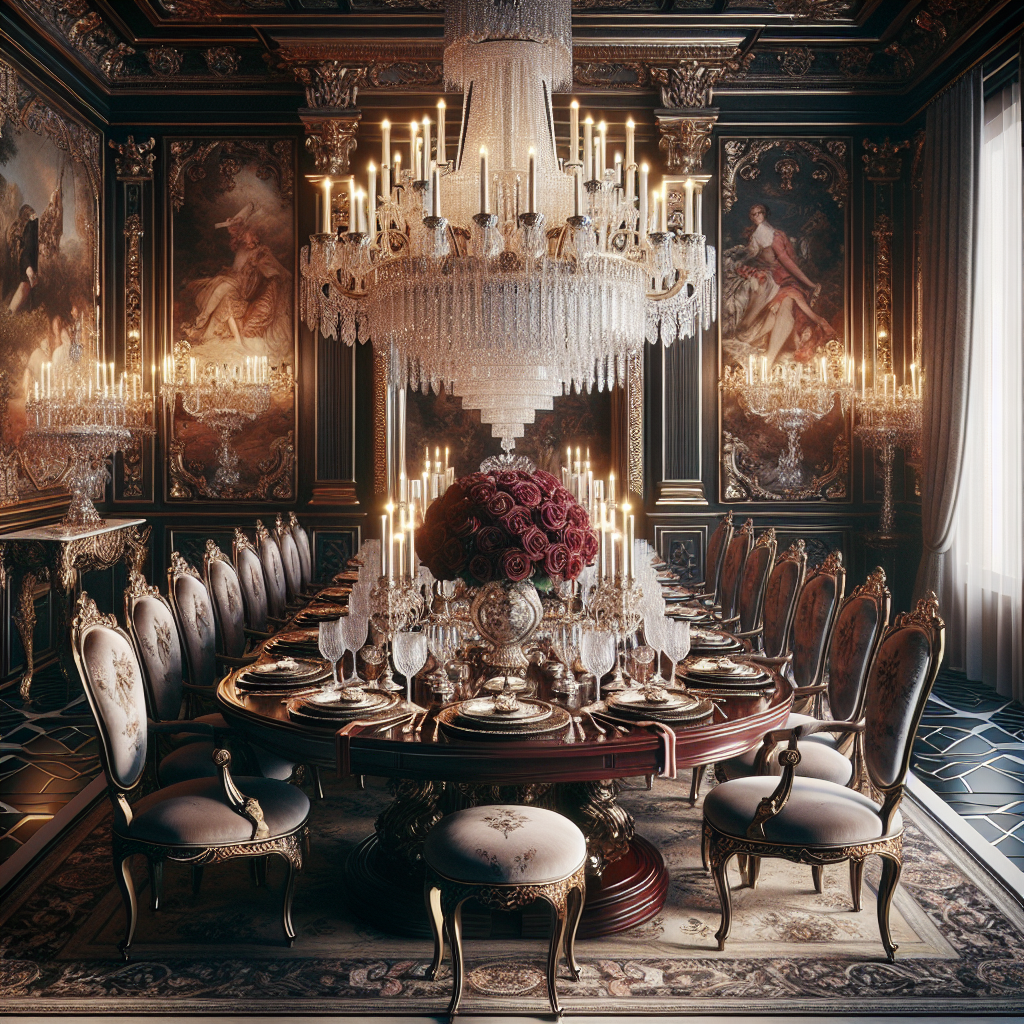
To begin with, lighting plays a crucial role in setting the mood. Soft, ambient lighting can create an intimate and cozy atmosphere, perfect for a romantic dinner or a quiet evening with friends. On the other hand, brighter lighting might be more suitable for a lively brunch or a bustling dinner service. The choice of lighting fixtures, whether they are elegant chandeliers or modern pendant lights, adds to the overall aesthetic and can even become a conversation starter. Moreover, the way light interacts with the space can highlight architectural features or art pieces, further enhancing the visual appeal.
Transitioning from lighting to furniture, the choice of seating is another important aspect of luxe dining design. Comfortable, stylish chairs and tables not only provide a place to sit but also contribute to the overall theme of the restaurant. Whether it’s plush velvet chairs for a touch of opulence or sleek, minimalist designs for a modern feel, the furniture should complement the restaurant’s concept. Additionally, the arrangement of tables can influence the flow of the space, allowing for both intimate gatherings and larger social events.
Furthermore, the color palette used in a restaurant’s interior design can significantly impact the dining experience. Warm, earthy tones might evoke a sense of comfort and relaxation, while bold, vibrant colors can energize and stimulate conversation. The choice of colors should harmonize with the restaurant’s brand and cuisine, creating a cohesive experience that resonates with diners. For instance, a seafood restaurant might incorporate blues and greens to reflect the ocean, while a steakhouse might use rich browns and reds to convey warmth and richness.
In addition to these elements, the use of textures and materials can add depth and interest to a restaurant’s design. From the smoothness of marble countertops to the rustic charm of reclaimed wood, the tactile experience can enhance the visual one. Textures can also be used to create contrast, drawing attention to certain areas or features within the space. For example, a mix of metal and wood might create an industrial-chic vibe, while soft fabrics and natural materials could evoke a sense of luxury and comfort.
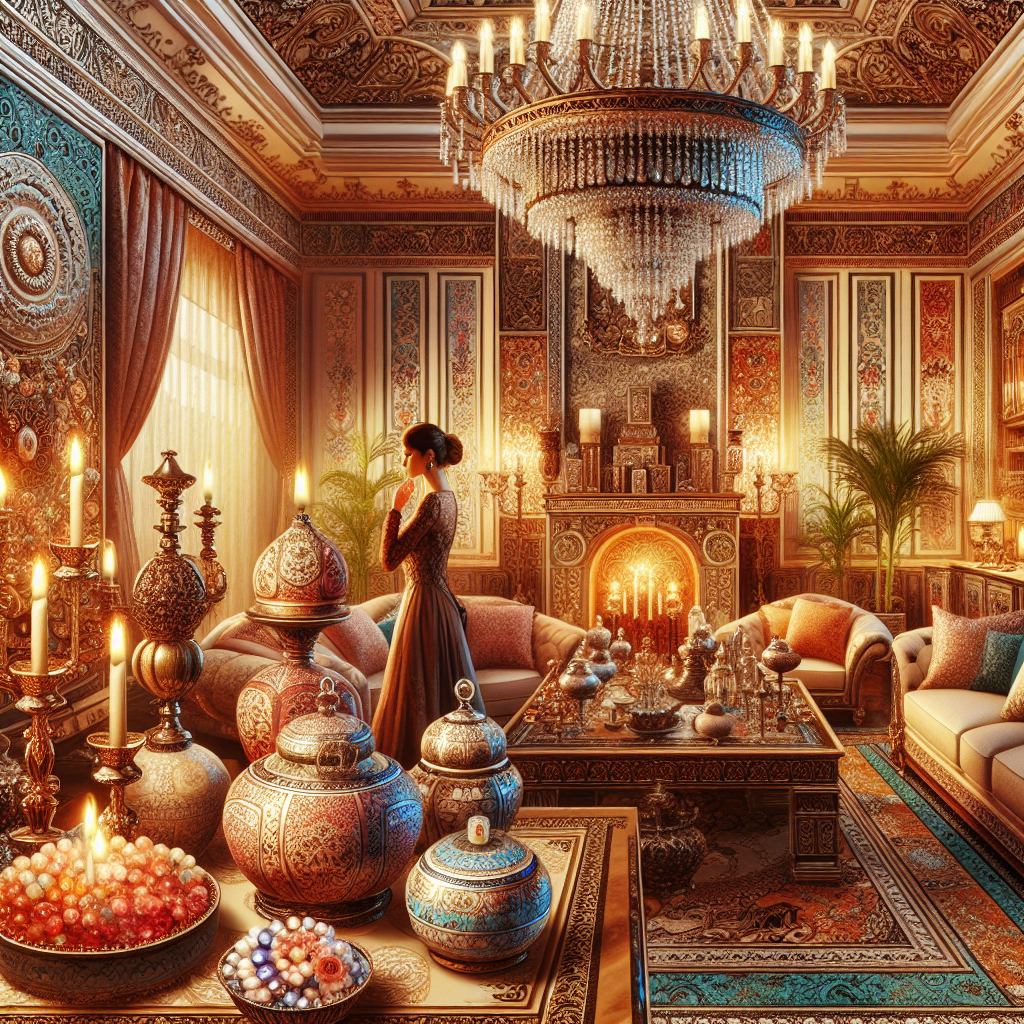
Finally, art and decor play a significant role in personalizing the dining space. Unique art pieces, whether they are paintings, sculptures, or installations, can add character and tell a story. They can also serve as focal points, drawing diners’ eyes and sparking conversation. Thoughtfully chosen decor items, such as plants, candles, or decorative tableware, can further enhance the ambiance and make the dining experience feel special.
In conclusion, interior design is an integral part of the luxe dining experience. By carefully considering elements such as lighting, furniture, color, texture, and decor, restaurants can create an environment that not only complements their cuisine but also leaves a lasting impression on their guests. So, the next time you dine out, take a moment to appreciate the design elements that contribute to the overall experience, making your meal truly unforgettable.
The Art Of Table Setting: Elevating Dining Through Design
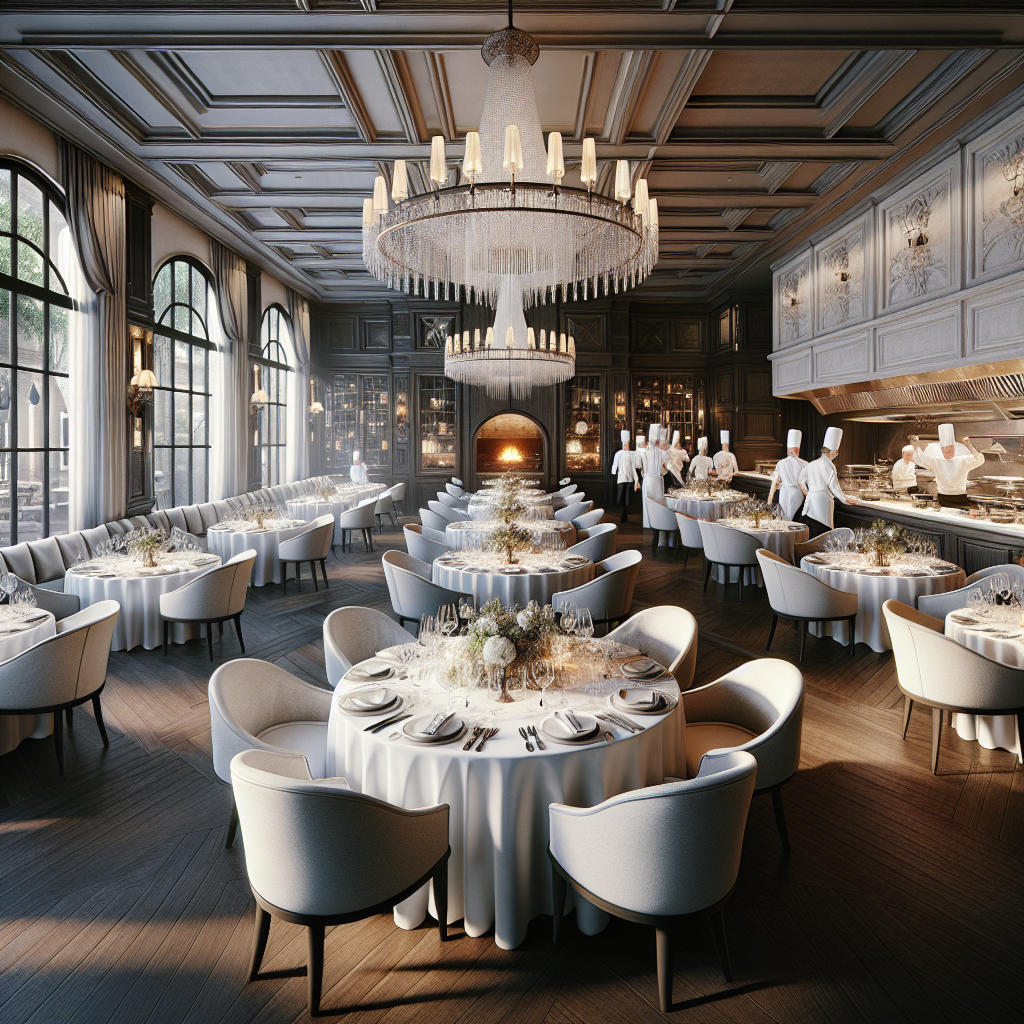
When it comes to dining, the experience is about so much more than just the food on your plate. Luxe dining is an art form that elevates the entire eating experience through thoughtful design, and one of the most crucial elements of this is the art of table setting. Imagine walking into a dining room where the table is set with exquisite attention to detail, each element carefully chosen to complement the others. This is where the magic begins, transforming a simple meal into a memorable occasion.
The first thing that catches your eye is the tablecloth, which serves as the canvas for the entire setting. A luxurious fabric, perhaps in a rich color or with an intricate pattern, sets the tone for the meal. It’s like the opening act of a play, hinting at the elegance and sophistication to come. As you take your seat, you notice the weight of the cutlery, each piece polished to a mirror-like shine. The heft of a well-crafted fork or knife adds a tactile pleasure to the dining experience, making even the simplest dish feel special.
Transitioning from the cutlery, your gaze moves to the plates, which are often the stars of the table setting. Fine china or artisanal ceramics can elevate the presentation of any dish, turning a casual dinner into a fine dining experience. The choice of dinnerware can reflect the theme of the meal, whether it’s a rustic farm-to-table affair or a sleek, modern culinary adventure. The plates are not just vessels for food; they are part of the storytelling, enhancing the visual appeal and setting the stage for what’s to come.
As you continue to explore the table, your eyes are drawn to the glassware. Crystal-clear glasses, whether for water, wine, or cocktails, add a touch of sparkle and sophistication. The clink of glasses during a toast is a sound that resonates with celebration and camaraderie, and the right glass can enhance the aroma and flavor of the drink it holds. It’s these small details that contribute to the overall ambiance, creating an environment where guests feel pampered and appreciated.
Moving on, the centerpiece of the table often serves as a conversation starter. Whether it’s a floral arrangement, a collection of candles, or an artistic sculpture, the centerpiece adds personality and flair to the setting. It’s a reflection of the host’s style and creativity, inviting guests to engage and connect. The centerpiece is like the heart of the table, drawing people in and encouraging them to linger over their meal.
Finally, the napkins, often overlooked, play a crucial role in the dining experience. A beautifully folded napkin or one adorned with a unique ring can add a touch of elegance and thoughtfulness. It’s a small gesture, but one that speaks volumes about the care and attention put into the meal. As the meal progresses, the napkin becomes a part of the dance of dining, moving from lap to table and back again, a silent partner in the evening’s enjoyment.
In conclusion, the art of table setting is about creating an atmosphere that enhances the dining experience. It’s about using design to elevate the ordinary to the extraordinary, making each meal a celebration of taste, style, and togetherness. So next time you sit down to dine, take a moment to appreciate the artistry of the table setting, and let it transport you to a world of luxe dining where every detail matters.
Lighting Design In Luxe Dining: Creating Mood And Elegance
When it comes to luxe dining, the experience extends far beyond the food on your plate. It’s about the ambiance, the atmosphere, and the way every element comes together to create a memorable evening. One of the most crucial aspects of this experience is lighting design. Lighting has the power to transform a space, setting the mood and adding a touch of elegance that elevates the entire dining experience. Imagine walking into a restaurant where the lighting is just right—soft, warm, and inviting. It immediately makes you feel at ease, ready to indulge in a culinary journey. This is no accident; it’s the result of thoughtful design choices that prioritize the guest’s experience.
To begin with, lighting in luxe dining settings is all about balance. It’s a delicate dance between too much and too little, where the goal is to create an environment that feels both intimate and sophisticated. Soft, diffused lighting is often used to achieve this effect, casting a gentle glow that flatters both the diners and the dishes. This type of lighting can make a space feel cozy and inviting, encouraging guests to linger over their meals and enjoy the company of their dining companions. Moreover, it helps to highlight the textures and colors of the food, making each dish look as delectable as it tastes.
In addition to setting the mood, lighting design in luxe dining also plays a crucial role in defining the space. Through the strategic use of different lighting fixtures, designers can create distinct areas within a restaurant, each with its own unique ambiance. For instance, pendant lights over individual tables can create a sense of intimacy, while larger chandeliers in the main dining area add a touch of grandeur. This layering of light not only enhances the visual appeal of the space but also guides the flow of the dining experience, subtly directing guests’ attention to different focal points throughout the evening.
Furthermore, the choice of lighting fixtures themselves can add an element of elegance and sophistication to a dining space. From sleek, modern designs to ornate, vintage-inspired pieces, the right fixtures can serve as statement pieces that elevate the overall aesthetic. They can reflect the restaurant’s theme or concept, adding another layer of depth to the dining experience. For example, a restaurant with a focus on sustainable, locally-sourced ingredients might opt for lighting fixtures made from natural materials, while a high-end steakhouse might choose fixtures with a more classic, timeless appeal.
Of course, technology also plays a role in modern lighting design. With the advent of smart lighting systems, restaurants can easily adjust the lighting to suit different times of day or special occasions. This flexibility allows for a more dynamic dining experience, where the ambiance can shift seamlessly from a bright, lively lunch setting to a more subdued, romantic dinner atmosphere. It’s all about creating an environment that feels just right, no matter the occasion.
In conclusion, lighting design is an essential component of luxe dining, one that can significantly enhance the overall experience. By carefully considering the balance, placement, and style of lighting, designers can create spaces that are not only visually stunning but also warm and inviting. So, the next time you find yourself in a beautifully lit restaurant, take a moment to appreciate the thought and creativity that went into crafting such an exquisite dining environment. It’s these subtle details that truly make luxe dining an unforgettable experience.
The Impact Of Architectural Elements On Luxe Dining Spaces
When it comes to luxe dining, the experience extends far beyond the plate. While the culinary creations are undoubtedly the stars of the show, the setting in which they are enjoyed plays a crucial supporting role. Architectural elements in dining spaces can transform a meal into an unforgettable experience, elevating the act of eating into an art form. As we explore the impact of these elements, it becomes clear that design is not just about aesthetics; it’s about creating an atmosphere that enhances every bite.
To begin with, consider the role of lighting in a dining space. The right lighting can set the mood, making diners feel relaxed and comfortable. Soft, ambient lighting creates an intimate atmosphere, encouraging guests to linger over their meals and engage in conversation. On the other hand, strategically placed spotlights can highlight the artistry of a dish, drawing attention to the chef’s meticulous presentation. By playing with light and shadow, designers can craft a space that feels both luxurious and inviting.
Moving from lighting to layout, the arrangement of a dining area can significantly influence the dining experience. Open floor plans with high ceilings can evoke a sense of grandeur, while more enclosed spaces can offer a feeling of exclusivity and privacy. The choice between communal tables and individual seating can also impact the social dynamics of a meal. Communal tables foster a sense of community and shared experience, while private tables allow for more intimate interactions. By thoughtfully considering the layout, designers can create a space that aligns with the desired dining experience.
Moreover, the materials used in a dining space contribute to its overall ambiance. Rich woods, sleek metals, and plush fabrics can all convey a sense of luxury and sophistication. The tactile experience of these materials—whether it’s the cool touch of a marble tabletop or the soft embrace of a velvet chair—adds another layer to the dining experience. These elements work together to create a sensory environment that complements the flavors and textures of the food.
In addition to materials, the incorporation of natural elements can enhance the dining experience. Large windows that offer views of lush gardens or cityscapes can provide a visual feast that complements the meal. Indoor greenery, such as potted plants or living walls, can bring a sense of vitality and freshness to the space. These elements not only beautify the environment but also create a connection to nature that can be both calming and invigorating.
Furthermore, the integration of art and decor can add personality and character to a dining space. Whether it’s a statement chandelier, a bold piece of artwork, or an intricately designed ceiling, these elements can serve as conversation starters and focal points. They reflect the restaurant’s identity and can make the dining experience feel unique and memorable.
Ultimately, the impact of architectural elements on luxe dining spaces is profound. By carefully considering lighting, layout, materials, natural elements, and decor, designers can create environments that elevate the act of dining into a multisensory experience. It’s about crafting a space that not only complements the culinary offerings but also enhances the overall enjoyment of the meal. In this way, design becomes an integral part of the dining experience, transforming it into something truly extraordinary.
Conclusion
Luxe Dining: Elevating the Eating Experience Through Design highlights the transformative power of thoughtful design in the culinary world. By integrating aesthetics, ambiance, and functionality, luxe dining environments create immersive experiences that enhance the sensory enjoyment of food. The strategic use of lighting, materials, and spatial arrangements not only complements the culinary offerings but also elevates the overall dining experience, making it memorable and unique. This approach underscores the importance of design as a crucial element in the hospitality industry, where the dining experience is as much about the environment as it is about the cuisine.