Luxe Dining: Elevating the Eating Experience Through Design
January 30, 2024
Poetic Luxury: Lyrical Elements in High-End Interior Design
February 13, 2024

-
Table of Contents
- Introduction
- Exploring The New Craftsman: A Fusion Of Tradition And Modern Luxury
- Artisanal Techniques In Contemporary Design: The New Craftsman’s Approach
- The Role Of Handcrafted Elements In Defining Modern Luxury
- How The New Craftsman Elevates Interiors With Artisanal Details
- The New Craftsman: Bridging The Gap Between Artistry And Luxury Living
- Conclusion
Introduction
“The New Craftsman: Artisanal Touches in Modern Luxury” explores the resurgence of traditional craftsmanship in the contemporary luxury market. As consumers increasingly seek authenticity and uniqueness, artisans are redefining luxury by blending time-honored techniques with modern design. This movement celebrates the meticulous skill and creativity of craftsmen who infuse their work with personal narratives and cultural heritage. The book delves into how these artisans are shaping a new paradigm of luxury, where the value lies not just in the finished product, but in the story and craftsmanship behind it. Through vivid imagery and insightful commentary, it highlights the intersection of tradition and innovation, showcasing how artisanal touches are elevating modern luxury to new heights.
Exploring The New Craftsman: A Fusion Of Tradition And Modern Luxury
In today’s fast-paced world, where technology often takes center stage, there’s a growing appreciation for the artisanal touch in modern luxury. This trend, often referred to as “The New Craftsman,” is a delightful fusion of tradition and contemporary elegance. It celebrates the meticulous craftsmanship of yesteryears while embracing the innovative spirit of today. As we explore this fascinating blend, it’s clear that the allure of handmade, bespoke items is more potent than ever.
To begin with, the resurgence of artisanal craftsmanship in luxury goods is not just about nostalgia. It’s about a deeper connection to the items we choose to surround ourselves with. In an era where mass production is the norm, owning something that has been carefully crafted by skilled hands feels like a breath of fresh air. These pieces often tell a story, reflecting the dedication and passion of the artisans who create them. This narrative quality adds a layer of richness and meaning that mass-produced items simply cannot replicate.
Moreover, the appeal of The New Craftsman lies in its ability to marry the old with the new. While traditional techniques are honored and preserved, they are often enhanced by modern innovations. For instance, a handcrafted leather bag might feature a classic design but incorporate cutting-edge materials that improve durability and functionality. This seamless integration of past and present not only elevates the product but also ensures it meets the demands of contemporary life.
In addition to this, the rise of The New Craftsman is also a response to the growing demand for sustainability and ethical production. Consumers today are more conscious of the impact their purchases have on the environment and society. Artisanal products, with their emphasis on quality over quantity, often align with these values. By choosing items that are made to last, consumers are making a statement against the throwaway culture that has dominated for so long. Furthermore, supporting artisans often means supporting local economies and preserving cultural heritage, which adds another layer of significance to these purchases.
As we delve deeper into this trend, it’s important to recognize the role of technology in supporting The New Craftsman. While it might seem counterintuitive, technology has become an invaluable tool for artisans. From digital platforms that allow them to reach a global audience to advanced tools that enhance precision and creativity, technology is helping to keep traditional crafts alive and relevant. This symbiotic relationship ensures that the artisanal touch remains a vital part of modern luxury.
Finally, it’s worth noting that The New Craftsman is not limited to any one sector. From fashion and home decor to food and beverages, the artisanal influence is widespread. Whether it’s a hand-knitted sweater, a bespoke piece of furniture, or a small-batch craft beer, the emphasis is on quality, authenticity, and a personal connection to the product. This universality is perhaps what makes The New Craftsman so appealing; it transcends boundaries and speaks to a shared human desire for beauty and meaning.
In conclusion, The New Craftsman represents a harmonious blend of tradition and modern luxury. It offers a refreshing alternative to the impersonal nature of mass production, inviting us to appreciate the artistry and dedication behind each piece. As we continue to navigate an increasingly digital world, the artisanal touch serves as a reminder of the value of human creativity and the timeless appeal of craftsmanship.
Artisanal Techniques In Contemporary Design: The New Craftsman’s Approach
In today’s fast-paced world, where technology often takes center stage, there’s a growing appreciation for the artisanal touches that bring a sense of warmth and authenticity to modern luxury. The new craftsman, with a keen eye for detail and a passion for traditional techniques, is redefining what it means to create something truly special. As we delve into the world of contemporary design, it’s fascinating to see how these artisans are blending age-old methods with innovative ideas to produce pieces that are both timeless and cutting-edge.
To begin with, the resurgence of artisanal techniques in contemporary design is not just a trend; it’s a movement that speaks to our desire for connection and authenticity. In an era where mass production often leads to uniformity, the new craftsman offers a refreshing alternative. By incorporating hand-crafted elements into their work, these artisans infuse each piece with a unique story and character. This approach not only elevates the aesthetic appeal of the design but also creates a deeper emotional connection between the object and its owner.
Moreover, the new craftsman is adept at merging traditional skills with modern sensibilities. For instance, consider the intricate art of hand-weaving, which has been practiced for centuries. Today, designers are reimagining this technique by experimenting with unconventional materials and patterns, resulting in textiles that are both familiar and avant-garde. Similarly, the ancient craft of pottery is experiencing a renaissance, with artisans using innovative glazing techniques and contemporary forms to create stunning ceramics that are as functional as they are beautiful.
In addition to these creative explorations, the new craftsman is also committed to sustainability, a value that resonates deeply with today’s conscious consumers. By prioritizing locally sourced materials and environmentally friendly practices, these artisans are not only preserving traditional crafts but also ensuring their relevance in a modern context. This commitment to sustainability is evident in the growing popularity of upcycled and repurposed designs, where discarded materials are transformed into luxurious, one-of-a-kind pieces.
Furthermore, the collaborative spirit of the new craftsman is another hallmark of this movement. Many artisans are joining forces with designers, architects, and even tech innovators to push the boundaries of what is possible. These collaborations often result in groundbreaking creations that challenge conventional notions of luxury and craftsmanship. For example, the fusion of digital technology with traditional woodworking techniques has led to the development of furniture pieces that are both technologically advanced and deeply rooted in artisanal heritage.
As we continue to explore the world of contemporary design, it’s clear that the new craftsman is playing a pivotal role in shaping the future of luxury. By embracing artisanal techniques and infusing them with modern innovation, these artisans are creating works that are not only visually stunning but also rich in meaning and purpose. In doing so, they remind us of the enduring value of craftsmanship and the importance of preserving these skills for future generations.
In conclusion, the new craftsman’s approach to design is a testament to the power of creativity and tradition. As we navigate an increasingly digital world, the artisanal touches in modern luxury offer a comforting reminder of the beauty and significance of the human touch. Whether through a hand-woven textile, a meticulously crafted piece of furniture, or a thoughtfully designed ceramic, the new craftsman invites us to appreciate the artistry and dedication that goes into creating something truly extraordinary.
The Role Of Handcrafted Elements In Defining Modern Luxury
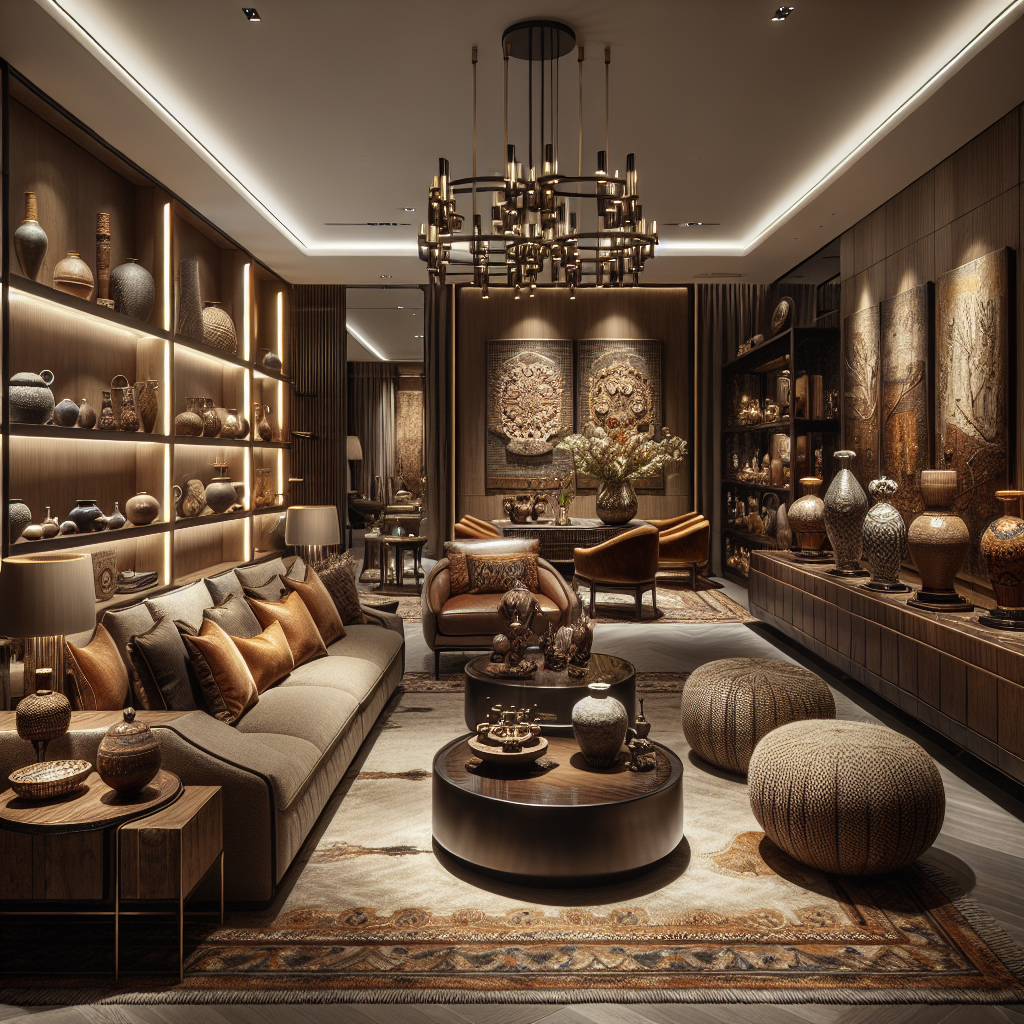
In today’s fast-paced world, where technology often takes center stage, there’s something undeniably charming about the artisanal touch that defines modern luxury. It’s like a breath of fresh air, a reminder of the beauty in the details and the stories behind each handcrafted piece. As we delve into the role of handcrafted elements in defining modern luxury, it’s clear that these unique touches are more than just a trend; they’re a testament to the enduring appeal of human creativity and skill.
Imagine walking into a room and being greeted by the warm glow of a hand-blown glass chandelier or running your fingers over the intricate patterns of a handwoven rug. These experiences evoke a sense of connection, not just to the object itself, but to the artisan who poured their heart and soul into creating it. This connection is at the heart of modern luxury, where the value lies not only in the finished product but also in the craftsmanship and dedication that brought it to life.
Moreover, the resurgence of handcrafted elements in luxury goods is a response to the growing desire for authenticity and individuality. In a world saturated with mass-produced items, there’s a certain allure to owning something that is one-of-a-kind. It’s like having a piece of art that tells a story, a narrative that is as unique as the person who owns it. This shift towards personalization and exclusivity is redefining what it means to be luxurious, moving away from mere opulence to a more meaningful and intimate experience.
Furthermore, the artisanal approach often emphasizes sustainability and ethical production, which are increasingly important to today’s discerning consumers. By choosing handcrafted items, individuals are not only investing in quality and craftsmanship but also supporting sustainable practices and small-scale artisans. This conscious choice reflects a broader movement towards responsible luxury, where the impact on the environment and communities is as significant as the aesthetic appeal.
In addition, the integration of handcrafted elements into modern luxury is not limited to traditional crafts. Contemporary artisans are blending age-old techniques with innovative designs, creating pieces that are both timeless and cutting-edge. This fusion of the old and the new is a celebration of creativity, pushing the boundaries of what is possible while honoring the rich heritage of craftsmanship. It’s a dynamic interplay that keeps the world of luxury fresh and exciting, constantly evolving to meet the desires of a sophisticated audience.
As we continue to explore the role of handcrafted elements in defining modern luxury, it’s evident that these artisanal touches are more than just embellishments. They are a reflection of a deeper appreciation for the artistry and skill that go into creating something truly special. Whether it’s a bespoke piece of furniture, a hand-stitched leather bag, or a custom-made suit, these items carry with them a sense of pride and passion that is palpable.
In conclusion, the new craftsman is at the forefront of modern luxury, bringing with them a renewed focus on authenticity, sustainability, and innovation. As we embrace these artisanal touches, we are reminded of the beauty in the details and the stories that make each piece unique. It’s a celebration of human creativity and a testament to the enduring appeal of handcrafted luxury in our ever-evolving world.
How The New Craftsman Elevates Interiors With Artisanal Details
In today’s fast-paced world, where technology often takes center stage, there’s a growing appreciation for the artisanal touches that bring warmth and character to our living spaces. The new craftsman, with their dedication to traditional techniques and eye for detail, is redefining modern luxury by infusing interiors with handcrafted elements that tell a story. As we explore how these artisans elevate our homes, it’s clear that their work goes beyond mere decoration; it creates a connection to the past while embracing contemporary aesthetics.
One of the most compelling aspects of incorporating artisanal details into interiors is the unique character they bring to a space. Unlike mass-produced items, handcrafted pieces carry the mark of the maker, each one slightly different from the next. This individuality is what makes them so special. Whether it’s a hand-thrown ceramic vase, a meticulously woven textile, or a piece of furniture crafted from reclaimed wood, these items add a layer of depth and personality that can’t be replicated by machines. They invite us to slow down and appreciate the beauty of imperfection, reminding us that true luxury lies in the details.
Moreover, the new craftsman often draws inspiration from traditional techniques, breathing new life into age-old practices. By blending these methods with modern design sensibilities, they create pieces that are both timeless and contemporary. For instance, a rug woven using ancient techniques might feature a bold, modern pattern that complements a sleek, minimalist interior. This fusion of old and new not only pays homage to the past but also ensures that these crafts remain relevant in today’s design landscape.
In addition to their aesthetic appeal, artisanal details often come with a story, adding an emotional layer to our interiors. Knowing the history behind a piece or the journey of the artisan who created it can deepen our connection to our homes. It’s not just about filling a space with beautiful objects; it’s about curating an environment that reflects our values and experiences. This narrative quality is what sets artisanal pieces apart, making them cherished heirlooms that can be passed down through generations.
Furthermore, supporting the new craftsman is an investment in sustainability. In an era where environmental concerns are at the forefront, choosing handcrafted items made from sustainable materials is a conscious decision that aligns with a more eco-friendly lifestyle. Many artisans prioritize using locally sourced materials and employ techniques that minimize waste, ensuring that their creations have a minimal environmental footprint. By opting for these pieces, we contribute to a more sustainable future while enjoying the benefits of high-quality craftsmanship.
As we continue to seek out ways to make our homes more personal and meaningful, the role of the new craftsman becomes increasingly significant. Their ability to elevate interiors with artisanal details not only enhances the visual appeal of our spaces but also enriches our lives with stories, traditions, and a sense of connection. In a world where everything seems to be moving at lightning speed, these handcrafted touches remind us to pause, appreciate, and celebrate the artistry that surrounds us. So, the next time you’re looking to refresh your home, consider the impact of artisanal details and the new craftsman who brings them to life.
The New Craftsman: Bridging The Gap Between Artistry And Luxury Living
In today’s fast-paced world, where technology often takes center stage, there’s a growing appreciation for the artisanal touch in modern luxury. This trend, which marries traditional craftsmanship with contemporary design, is redefining what it means to live luxuriously. As we delve into this fascinating intersection of artistry and luxury living, it’s clear that the new craftsman is not just a creator but a storyteller, weaving narratives into every piece they produce.
To begin with, the resurgence of artisanal craftsmanship in luxury goods is a response to the mass-produced, impersonal items that have flooded the market. People are increasingly seeking out products that have a soul, a history, and a personal touch. This desire for authenticity is driving a new wave of artisans who are dedicated to preserving traditional techniques while infusing them with modern sensibilities. These craftsmen are not just making products; they are creating experiences that resonate on a deeper level with consumers.
Moreover, the appeal of artisanal luxury lies in its uniqueness. Each handcrafted item is a testament to the skill and dedication of the artisan, often taking hours, if not days, to perfect. This level of detail and care is something that machines simply cannot replicate. As a result, owning an artisanal piece becomes a statement of individuality and a celebration of human creativity. It’s about cherishing the imperfections that make each item one-of-a-kind, much like a fingerprint.
Transitioning from the allure of uniqueness, it’s important to highlight how these artisanal touches are being integrated into modern luxury living. From bespoke furniture to custom-made fashion, the influence of the new craftsman is evident in every corner of the luxury market. Interior designers are increasingly collaborating with artisans to create spaces that are not only aesthetically pleasing but also rich in character and history. This collaboration results in homes that tell a story, where every piece has a purpose and a past.
Furthermore, the new craftsman is also playing a pivotal role in sustainable luxury. In an era where environmental consciousness is paramount, many artisans are committed to using sustainable materials and ethical practices. This commitment not only enhances the value of their creations but also aligns with the values of a growing number of consumers who prioritize sustainability. By choosing artisanal products, consumers are not only investing in quality but also supporting a more sustainable and ethical way of living.
As we continue to explore the impact of the new craftsman on luxury living, it’s evident that this movement is about more than just aesthetics. It’s about fostering a deeper connection between the creator and the consumer, bridging the gap between artistry and everyday life. The stories behind each piece, the hands that crafted them, and the traditions they uphold all contribute to a richer, more meaningful experience of luxury.
In conclusion, the new craftsman is redefining luxury by bringing artistry to the forefront. Through their dedication to craftsmanship, sustainability, and storytelling, these artisans are creating a new paradigm of luxury living that values authenticity and individuality. As we embrace this shift, we find ourselves not only surrounded by beautiful objects but also enriched by the stories they tell and the connections they foster.
Conclusion
“The New Craftsman: Artisanal Touches in Modern Luxury” explores the resurgence of craftsmanship in contemporary luxury markets, highlighting how traditional artisanal techniques are being integrated into modern design to create unique, high-quality products. This movement reflects a growing consumer desire for authenticity, sustainability, and personalization, as well as a deeper appreciation for the skill and heritage behind handcrafted items. By blending time-honored methods with innovative design, brands are redefining luxury to emphasize the value of human touch and creativity, ultimately fostering a more meaningful connection between the maker and the consumer.