The New Craftsman: Artisanal Touches in Modern Luxury
February 6, 2024
The Power of the Platform: Raised Areas in Spacious Interiors
February 20, 2024
-
Table of Contents
- Introduction
- Harmonizing Spaces: The Symphony of Color and Texture in Luxury Interiors
- Metaphorical Motifs: Incorporating Symbolism in High-End Design
- Rhythmic Flow: Creating Seamless Transitions in Opulent Spaces
- Elegance in Simplicity: Minimalist Poetry in Luxury Design
- Narrative Spaces: Telling Stories Through Luxurious Interior Elements
- Conclusion
Introduction
“Poetic Luxury: Lyrical Elements in High-End Interior Design” explores the harmonious fusion of art and opulence within the realm of interior design. This concept transcends traditional aesthetics by infusing spaces with a sense of rhythm, emotion, and narrative akin to poetry. It emphasizes the use of luxurious materials, intricate craftsmanship, and thoughtful compositions to create environments that resonate with beauty and sophistication. By drawing parallels between the evocative power of poetry and the transformative potential of design, this approach seeks to elevate interiors into immersive experiences that captivate the senses and inspire the soul.
Harmonizing Spaces: The Symphony of Color and Texture in Luxury Interiors
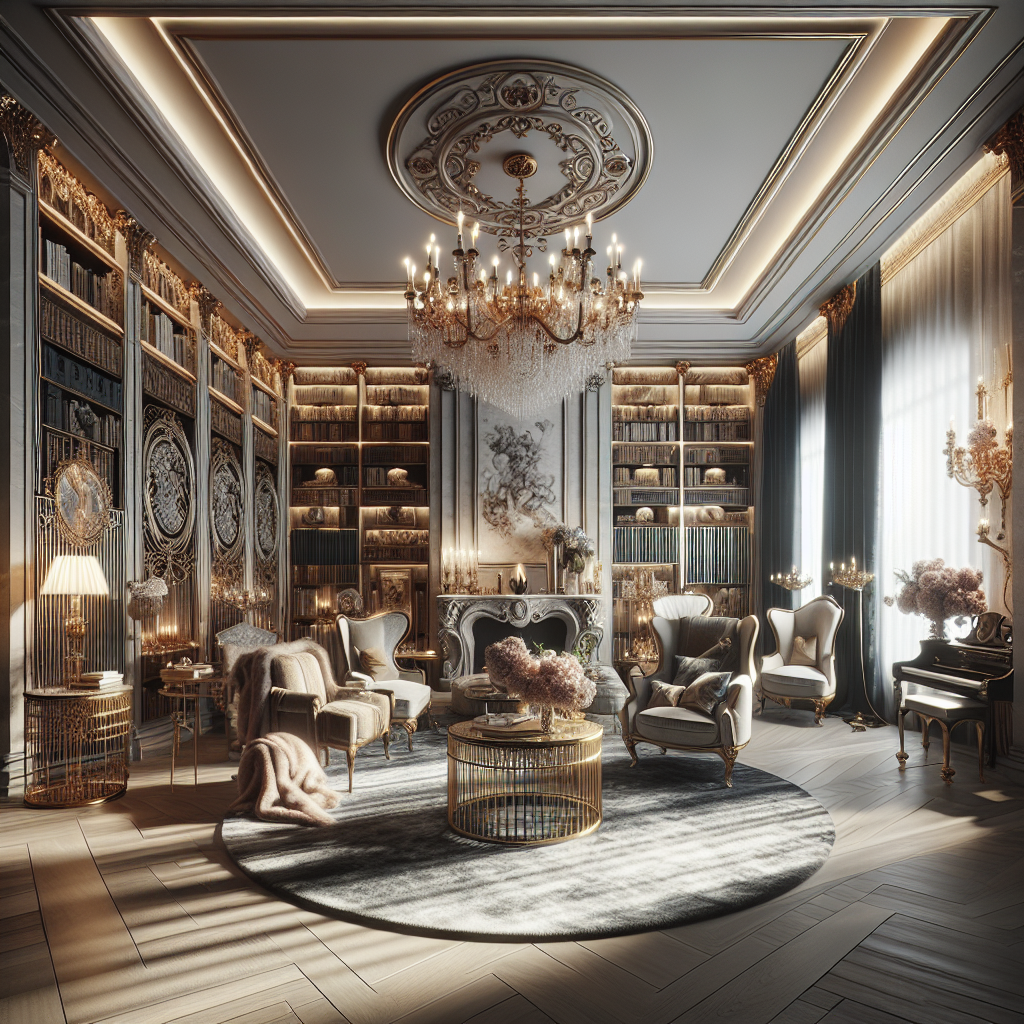
When you step into a luxury interior, it’s like entering a world where every element sings in perfect harmony. The symphony of color and texture plays a crucial role in creating spaces that not only look stunning but also feel like a poetic expression of personal style. Imagine walking into a room where the walls are painted in a deep, velvety blue, reminiscent of a calm ocean at dusk. This choice of color sets the stage for a tranquil yet sophisticated atmosphere, inviting you to relax and unwind.
As your eyes wander, they might catch the glimmer of a gold-accented mirror, its frame intricately designed to reflect light in the most flattering way. This touch of metallic not only adds a layer of opulence but also serves as a bridge between the cool tones of the walls and the warmth of the wooden flooring. The interplay of these elements is akin to a well-composed piece of music, where each note complements the other, creating a seamless flow.
Transitioning from color to texture, imagine running your fingers over a plush velvet sofa, its fabric soft and inviting. The tactile experience of such materials adds depth to the visual appeal, making the space feel more intimate and luxurious. Pair this with a silk throw, casually draped over the armrest, and you have a combination that speaks volumes about comfort and elegance. The contrast between the matte finish of the velvet and the sheen of the silk creates a dynamic visual interest, much like the contrast between different instruments in an orchestra.
In the corner of the room, a marble coffee table stands as a testament to timeless beauty. Its smooth, cool surface is a perfect counterpoint to the warmth of the surrounding textiles. The natural veining of the marble adds an organic element to the space, grounding the more opulent features with a touch of nature’s artistry. This balance between natural and luxurious materials is essential in crafting a space that feels both elevated and approachable.
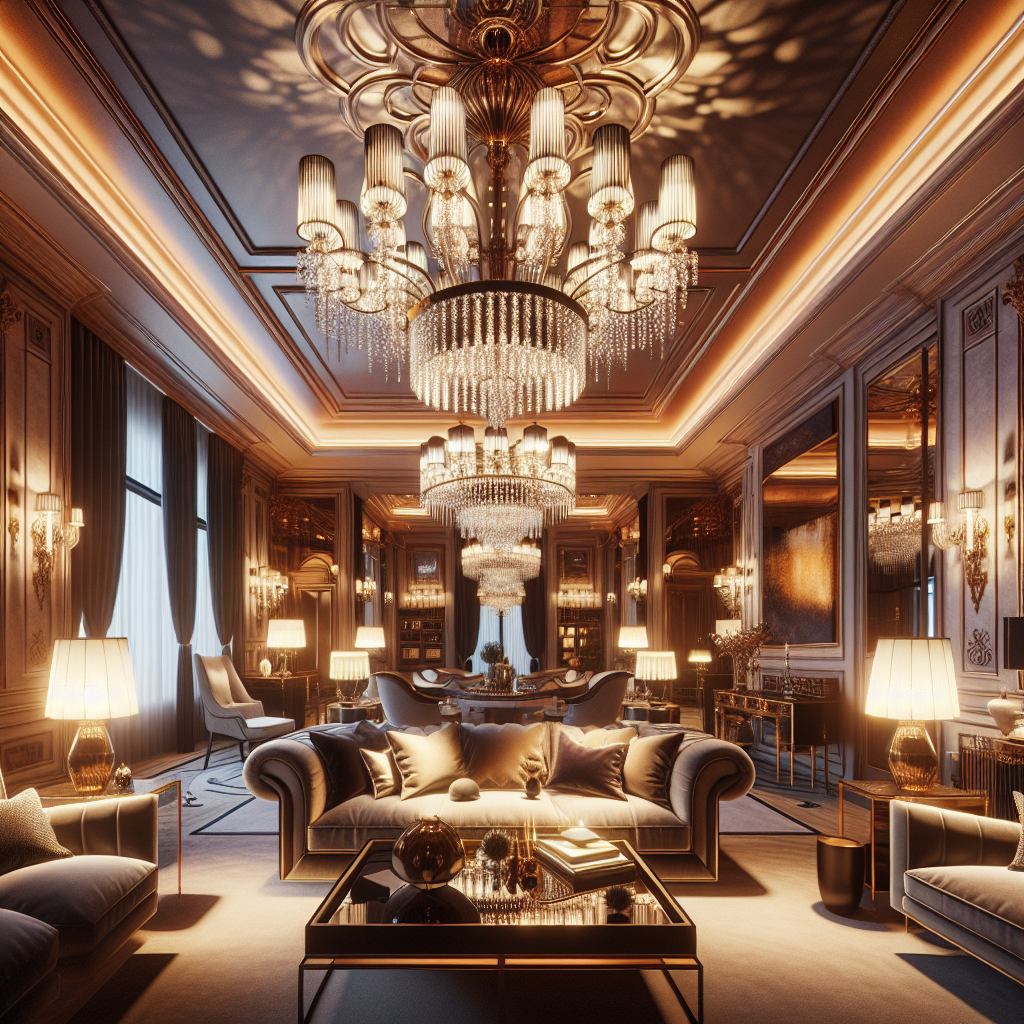
Lighting, too, plays a pivotal role in this symphony of design. Picture a chandelier hanging overhead, its crystals catching the light and casting delicate patterns on the walls. This not only illuminates the room but also adds a layer of visual poetry, as the play of light and shadow dances across surfaces. Complementing this are strategically placed lamps, their soft glow creating cozy nooks perfect for reading or quiet reflection.
As you move through the space, the careful curation of art and accessories further enhances the lyrical quality of the design. A carefully chosen painting, with its bold strokes and vibrant colors, can serve as a focal point, drawing the eye and sparking conversation. Meanwhile, a collection of curated books and objets d’art adds a personal touch, telling a story about the inhabitants and their tastes.
Ultimately, the symphony of color and texture in luxury interiors is about creating a space that resonates with the soul. It’s about finding that perfect balance where every element, from the grandest chandelier to the smallest trinket, contributes to a harmonious whole. In this way, high-end interior design becomes not just about aesthetics but about crafting an experience that is as emotionally enriching as it is visually stunning.
Metaphorical Motifs: Incorporating Symbolism in High-End Design
In the world of high-end interior design, where opulence meets artistry, there’s a growing trend that marries the elegance of luxury with the depth of poetry. This trend, known as metaphorical motifs, involves incorporating symbolism into design elements to create spaces that are not only visually stunning but also rich in meaning. Imagine walking into a room where every piece of furniture, every color, and every texture tells a story, much like a poem that unfolds with each line. This is the essence of poetic luxury, where design transcends mere aesthetics to become a narrative experience.
To begin with, let’s consider the use of color in high-end design. Colors have long been associated with emotions and ideas, and in metaphorical motifs, they are used to evoke specific feelings or symbolize particular concepts. For instance, a deep blue might be used to represent tranquility and introspection, while a vibrant red could symbolize passion and energy. By carefully selecting colors that align with the desired mood or theme, designers can create spaces that resonate on a deeper level with those who inhabit them.
Moving beyond color, the choice of materials also plays a crucial role in this symbolic approach. Natural materials like wood, stone, and metal are often chosen not just for their aesthetic appeal but for their inherent symbolism. Wood, for example, might be used to convey warmth and stability, while stone can represent strength and permanence. By incorporating these materials into the design, spaces can be imbued with layers of meaning that go beyond their physical properties.
Furthermore, the arrangement of furniture and decor can also be infused with metaphorical significance. Consider a room where the furniture is arranged in a circular pattern, symbolizing unity and continuity. Or a space where asymmetrical elements are used to represent the unpredictability and dynamism of life. These arrangements not only create visual interest but also invite occupants to reflect on the underlying themes they represent.
In addition to these elements, art and accessories offer another avenue for incorporating symbolism into high-end design. A carefully chosen piece of art can serve as a focal point that encapsulates the theme of a room, while smaller accessories like sculptures or vases can add subtle layers of meaning. For example, a sculpture of a bird in flight might symbolize freedom and aspiration, while a vase filled with fresh flowers could represent renewal and growth. These artistic touches not only enhance the visual appeal of a space but also contribute to its narrative depth.
Moreover, lighting is another powerful tool in the designer’s arsenal. The way a space is lit can dramatically alter its mood and meaning. Soft, diffused lighting might be used to create an atmosphere of calm and introspection, while bold, directional lighting could highlight specific elements and add drama. By manipulating light, designers can further enhance the symbolic impact of a space.
In conclusion, the incorporation of metaphorical motifs in high-end interior design is a testament to the power of symbolism in creating spaces that are both luxurious and meaningful. By thoughtfully selecting colors, materials, arrangements, art, and lighting, designers can craft environments that not only please the eye but also engage the mind and soul. This poetic approach to design invites us to look beyond the surface and appreciate the stories that our surroundings can tell, making every space a unique and personal experience.
Rhythmic Flow: Creating Seamless Transitions in Opulent Spaces
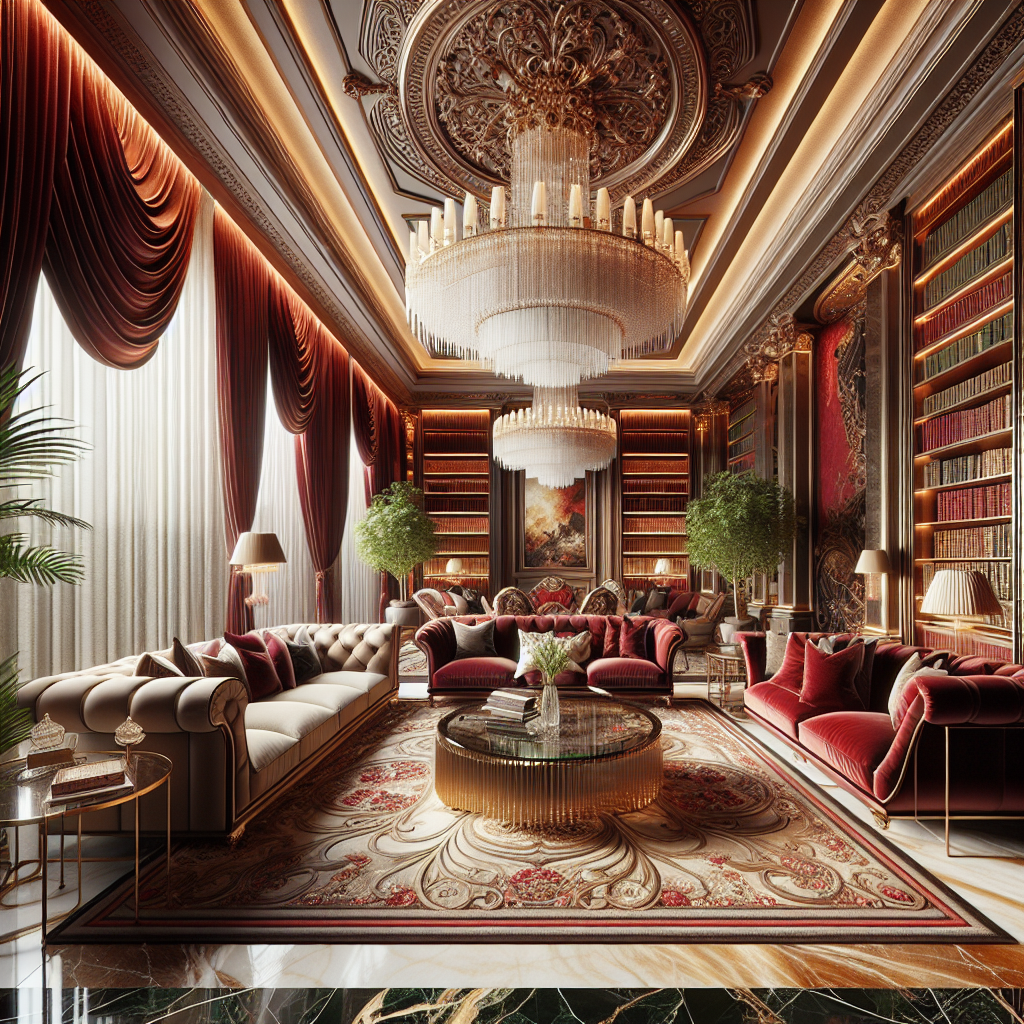
In the world of high-end interior design, creating a space that feels both luxurious and inviting is an art form. It’s not just about selecting the most expensive materials or the trendiest pieces; it’s about crafting an environment that tells a story, much like a beautifully composed poem. One of the key elements in achieving this poetic luxury is ensuring a rhythmic flow throughout the space, allowing each room to transition seamlessly into the next. This concept of rhythmic flow is akin to the way a poem uses meter and rhyme to guide the reader from one line to the next, creating a sense of harmony and continuity.
To begin with, consider the importance of color palettes in establishing this flow. Just as a poet might use a recurring motif to tie together different stanzas, a designer can use a consistent color scheme to unify various rooms. This doesn’t mean every room needs to be painted the same shade, but rather that there should be a thread of continuity—perhaps a recurring accent color or a gradient that shifts subtly from one space to another. This approach not only creates visual harmony but also allows the eye to move effortlessly through the home, much like a reader gliding through verses.
In addition to color, the choice of materials plays a crucial role in maintaining a rhythmic flow. High-end design often incorporates a mix of textures, from smooth marble to rich velvet, each adding its own layer of depth and interest. However, the key is to balance these textures in a way that feels cohesive. For instance, a marble countertop in the kitchen might be echoed by a marble-topped side table in the living room, creating a sense of connection between the spaces. Similarly, the use of wood in one area can be mirrored by wooden accents in another, establishing a dialogue between rooms that feels both intentional and organic.
Lighting, too, is an essential component in crafting a seamless transition between spaces. Just as a poet might use varying line lengths to create a sense of movement, a designer can use different lighting techniques to guide the flow of a home. Ambient lighting can set the overall mood, while accent lighting highlights specific features, drawing the eye and creating focal points. The strategic placement of light fixtures can lead one from a cozy reading nook to a grand dining area, each space illuminated in a way that enhances its unique character while contributing to the overall narrative of the home.
Moreover, the arrangement of furniture and decor can significantly impact the flow of a space. In high-end design, each piece is carefully selected not only for its aesthetic appeal but also for its ability to complement the surrounding elements. Furniture should be arranged in a way that encourages movement and interaction, much like the way a well-structured poem invites the reader to explore its themes. Thoughtful placement of art and accessories can also create visual pathways, guiding guests through the home with ease and elegance.
Ultimately, the goal of incorporating lyrical elements into high-end interior design is to create a space that feels both luxurious and lived-in, where each room is a stanza in a larger composition. By focusing on rhythmic flow, designers can craft environments that are not only beautiful but also deeply resonant, inviting occupants to experience their home as a work of art. In this way, the principles of poetry and design come together, transforming opulent spaces into harmonious sanctuaries that speak to the soul.
Elegance in Simplicity: Minimalist Poetry in Luxury Design
In the world of high-end interior design, there’s a growing trend that marries the elegance of minimalism with the expressive beauty of poetry. This fusion, often referred to as “poetic luxury,” is all about creating spaces that speak to the soul while maintaining a sense of refined simplicity. At first glance, the idea of combining poetry with interior design might seem abstract, but when you delve deeper, it becomes clear how these two art forms can harmoniously coexist to create something truly special.
Imagine walking into a room where every element, from the furniture to the color palette, feels like a carefully chosen word in a poem. Each piece has its own story, yet together they form a cohesive narrative that evokes emotion and thought. This is the essence of minimalist poetry in luxury design—it’s about stripping away the unnecessary and focusing on what truly matters. By doing so, designers can create spaces that are not only visually stunning but also deeply meaningful.
One of the key principles of this design philosophy is the use of natural materials. Just as a poet might choose words that resonate with authenticity and raw emotion, designers often opt for materials like wood, stone, and linen to bring a sense of warmth and earthiness to a space. These materials, with their inherent textures and imperfections, add depth and character, much like the layers of meaning found in a well-crafted poem. Moreover, they help to create an environment that feels grounded and serene, offering a respite from the chaos of the outside world.
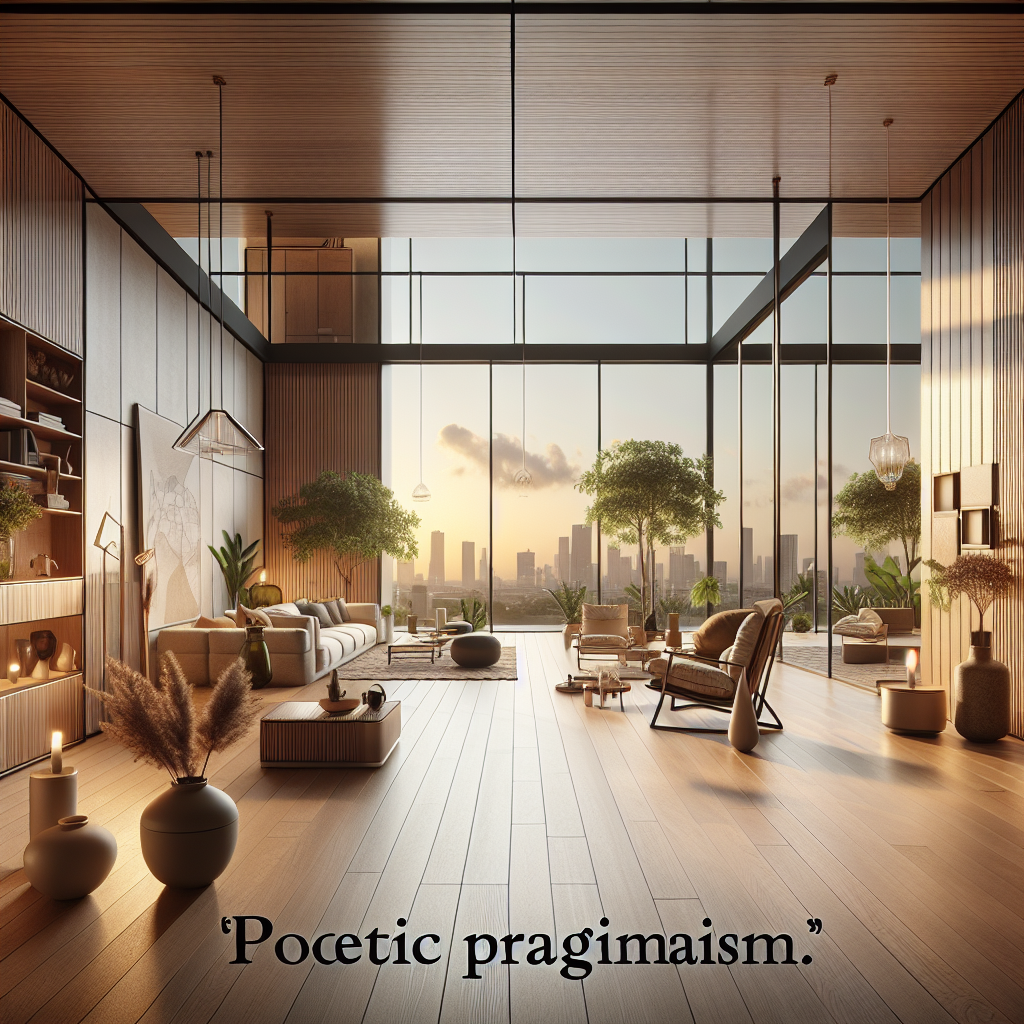
In addition to material choices, the use of space is another crucial element in achieving poetic luxury. Much like the careful arrangement of stanzas and verses, the layout of a room should be thoughtfully considered to allow for a natural flow. Open spaces, clean lines, and uncluttered surfaces are hallmarks of this approach, encouraging a sense of calm and clarity. This doesn’t mean that the space should be devoid of personality; rather, it’s about allowing each element to breathe and be appreciated in its own right.
Lighting also plays a pivotal role in this design style. Just as a poet might use light and shadow to create mood and atmosphere, designers use lighting to highlight certain features and create a sense of drama. Soft, diffused lighting can evoke a feeling of intimacy and warmth, while strategically placed spotlights can draw attention to specific pieces of art or architecture. The interplay of light and shadow adds another layer of complexity to the space, much like the nuanced emotions conveyed in poetry.
Ultimately, the goal of poetic luxury is to create an environment that feels both luxurious and personal. It’s about finding beauty in simplicity and allowing the space to tell its own story. By incorporating elements of poetry into design, we can create spaces that not only look beautiful but also resonate on a deeper level. This approach encourages us to slow down, appreciate the details, and find joy in the everyday moments. In a world that often feels overwhelming, there’s something truly comforting about a space that speaks to the heart and soul, offering a quiet refuge where elegance and simplicity coexist in perfect harmony.
Narrative Spaces: Telling Stories Through Luxurious Interior Elements
In the world of high-end interior design, every element tells a story, weaving together a narrative that speaks to the soul of the space. Imagine walking into a room where the walls whisper tales of elegance and the furniture hums with the rhythm of luxury. This is the essence of poetic luxury, where lyrical elements transform interiors into narrative spaces that captivate and inspire.
At the heart of this concept is the idea that every piece within a room contributes to a larger story. Just as a poet carefully selects words to evoke emotion, designers choose materials, colors, and textures to create an atmosphere that resonates with the inhabitants. For instance, a plush velvet sofa in a deep, rich hue might evoke the opulence of a bygone era, while a sleek, modern coffee table could suggest a forward-thinking narrative. These elements, when combined thoughtfully, create a harmonious composition that feels both intentional and organic.
Transitioning from one room to another, the narrative continues to unfold. In a luxurious dining room, a grand chandelier might serve as the centerpiece, its sparkling crystals casting a warm glow that invites guests to gather and share stories of their own. The table, perhaps crafted from reclaimed wood, adds a layer of history and character, suggesting a connection to the past while remaining firmly rooted in the present. This interplay between old and new, traditional and contemporary, is a hallmark of poetic luxury, where each element is chosen not only for its aesthetic appeal but also for its ability to contribute to the overall narrative.
Moreover, the use of art in high-end interiors further enhances the storytelling aspect. A carefully curated collection of paintings or sculptures can serve as a visual narrative, each piece offering a glimpse into different worlds and perspectives. These artworks not only add depth and dimension to a space but also invite viewers to engage with the stories they tell. In this way, art becomes an integral part of the interior design, seamlessly blending with the other elements to create a cohesive and compelling narrative.
Lighting, too, plays a crucial role in shaping the story of a space. The way light interacts with different surfaces can dramatically alter the mood and atmosphere, much like the way a poet uses rhythm and meter to influence the tone of a poem. Soft, ambient lighting might create a sense of intimacy and warmth, while bold, dramatic lighting can add an element of surprise and intrigue. By carefully considering the lighting design, designers can enhance the narrative quality of a space, guiding the viewer’s eye and setting the stage for the stories that unfold within.
Ultimately, the beauty of poetic luxury lies in its ability to transform interiors into living narratives. Each element, from the grandest chandelier to the smallest decorative accent, plays a part in telling a story that is as unique as the individuals who inhabit the space. By embracing the lyrical elements of design, we can create environments that not only look beautiful but also resonate on a deeper, more emotional level. In doing so, we invite others to step into our stories, to experience the poetry of luxury, and to find their own place within the narrative.
Conclusion
Poetic Luxury: Lyrical Elements in High-End Interior Design explores the intersection of art and opulence, where interior spaces are transformed into immersive experiences through the use of poetic and lyrical design elements. This approach emphasizes the harmony between aesthetics and functionality, creating environments that evoke emotion and tell a story. By incorporating elements such as rhythm, balance, and metaphor, designers craft spaces that resonate on a deeper level, offering not just visual appeal but also a sense of narrative and meaning. The conclusion is that poetic luxury in interior design elevates spaces beyond mere utility, turning them into sanctuaries of beauty and inspiration that reflect the individuality and aspirations of their inhabitants.