Poetic Luxury: Lyrical Elements in High-End Interior Design
February 13, 2024
Luxurious Thresholds: Elevating Transitions Between Spaces
February 27, 2024
-
Table of Contents
- Introduction
- Enhancing Aesthetics: The Visual Impact of Raised Platforms in Interior Design
- Functional Versatility: How Raised Areas Transform Open Spaces
- Creating Focal Points: The Role of Platforms in Interior Layouts
- Elevating Experiences: Platforms as Tools for Spatial Zoning
- Historical Perspectives: The Evolution of Raised Platforms in Architecture
- Conclusion
Introduction
“The Power of the Platform: Raised Areas in Spacious Interiors” explores the transformative impact of elevated spaces within large interior environments. This concept delves into how platforms, whether subtle or pronounced, can redefine spatial dynamics, enhance functionality, and contribute to aesthetic appeal. By examining various architectural and design strategies, the text highlights how platforms can create distinct zones, facilitate better flow, and introduce layers of visual interest. Through case studies and expert insights, the book underscores the versatility and potential of platforms to enrich and elevate interior spaces, making them more engaging and adaptable to diverse needs.
Enhancing Aesthetics: The Visual Impact of Raised Platforms in Interior Design
In the world of interior design, the quest for creating spaces that are both functional and visually appealing is a never-ending journey. One of the most intriguing elements that designers have embraced is the raised platform. These elevated areas, often seen in spacious interiors, have a unique ability to transform a room’s aesthetic while adding a layer of sophistication and depth. As we explore the power of platforms, it becomes clear that their impact goes beyond mere elevation; they redefine how we perceive and interact with a space.
To begin with, raised platforms serve as a natural focal point in any room. By elevating a section of the floor, designers can draw attention to specific areas, creating a sense of hierarchy within the space. This can be particularly effective in open-plan layouts, where defining different zones can sometimes be challenging. For instance, a platform can delineate a cozy reading nook in a large living room or highlight a dining area in a vast open kitchen. The subtle change in elevation naturally guides the eye and encourages movement through the space, making it feel more dynamic and engaging.
Moreover, platforms offer an opportunity to play with different materials and textures, adding another layer of visual interest. Imagine a sleek wooden platform contrasting with a polished concrete floor, or a plush carpeted area raised above a sea of hardwood. These combinations not only enhance the aesthetic appeal but also create a tactile experience that invites interaction. The choice of materials can also reflect the overall theme of the interior, whether it’s a minimalist modern look or a warm, rustic vibe. By carefully selecting the right materials, designers can ensure that the platform complements the existing decor while standing out as a unique feature.
In addition to their aesthetic benefits, raised platforms can also serve practical purposes. They can be used to conceal unsightly elements such as electrical wiring or heating systems, keeping the space looking clean and uncluttered. Furthermore, platforms can provide additional storage solutions, with hidden compartments or drawers built into the structure. This is particularly useful in smaller homes or apartments, where maximizing space is essential. By integrating storage into the design, platforms offer a clever way to keep belongings organized without sacrificing style.
Transitioning from the practical to the experiential, raised platforms can also influence how we experience a room on a psychological level. The act of stepping up onto a platform can create a sense of elevation and importance, making the area feel special or exclusive. This can be particularly effective in spaces meant for relaxation or entertainment, where a sense of escape or luxury is desired. Whether it’s a stage-like platform for a home theater or a serene meditation area, the elevated space can evoke a feeling of being in a different world, separate from the everyday hustle and bustle.
In conclusion, the power of raised platforms in interior design lies in their ability to enhance aesthetics while offering practical benefits. By creating focal points, playing with materials, and providing storage solutions, platforms redefine how we perceive and interact with our surroundings. As designers continue to explore the potential of these elevated areas, it’s clear that platforms will remain a versatile and impactful element in the world of interior design. Whether you’re looking to add a touch of elegance or simply make the most of your space, a raised platform might just be the perfect solution.
Functional Versatility: How Raised Areas Transform Open Spaces
In the world of interior design, the concept of open spaces has become increasingly popular, offering a sense of freedom and fluidity that traditional compartmentalized layouts often lack. However, with this openness comes the challenge of defining areas without the use of walls. Enter the raised platform—a versatile design element that not only adds dimension but also serves a multitude of functional purposes. Imagine walking into a spacious loft where the living room, dining area, and kitchen seamlessly blend into one another. Without distinct boundaries, it can be difficult to establish a sense of order. This is where a raised platform can work its magic. By elevating a section of the floor, you can create a visual separation that subtly distinguishes one area from another, all while maintaining the open feel that is so desirable.
Moreover, raised platforms can be a game-changer when it comes to maximizing the functionality of a space. For instance, in a home office setup, a platform can delineate the workspace from the rest of the living area, providing a psychological cue that helps shift your mindset from relaxation to productivity. This subtle elevation can also be used to highlight a particular feature, such as a reading nook or a cozy seating area, making it a focal point that draws the eye and invites engagement. Transitioning from one use to another, platforms can also serve as a clever storage solution. By incorporating drawers or compartments beneath the raised surface, you can keep clutter at bay while maintaining easy access to your belongings. This is particularly useful in smaller spaces where every square inch counts, allowing you to maintain a clean and organized environment without sacrificing style.
In addition to their practical benefits, raised platforms can also enhance the aesthetic appeal of a room. They offer an opportunity to play with different materials, textures, and colors, adding layers of interest to an otherwise flat expanse. Whether you opt for a sleek, modern finish or a rustic, wooden design, the platform can become a statement piece that reflects your personal taste and complements the overall decor. Furthermore, platforms can be used to create a sense of intimacy within a larger space. By elevating a dining area, for example, you can foster a cozy atmosphere that encourages conversation and connection, making meals feel more special and inviting. This sense of intimacy can also be extended to entertainment areas, where a raised stage can serve as a perfect spot for hosting movie nights or live performances, bringing people together in a shared experience.
As we consider the myriad ways in which raised platforms can transform open spaces, it becomes clear that their power lies in their versatility. They offer a simple yet effective solution for defining areas, enhancing functionality, and elevating the overall design of a room. Whether you’re looking to create a distinct zone for work, relaxation, or entertainment, a raised platform can provide the perfect foundation upon which to build your ideal space. So, the next time you find yourself faced with the challenge of designing an open interior, consider the potential of the platform—a small change that can make a big impact.
Creating Focal Points: The Role of Platforms in Interior Layouts
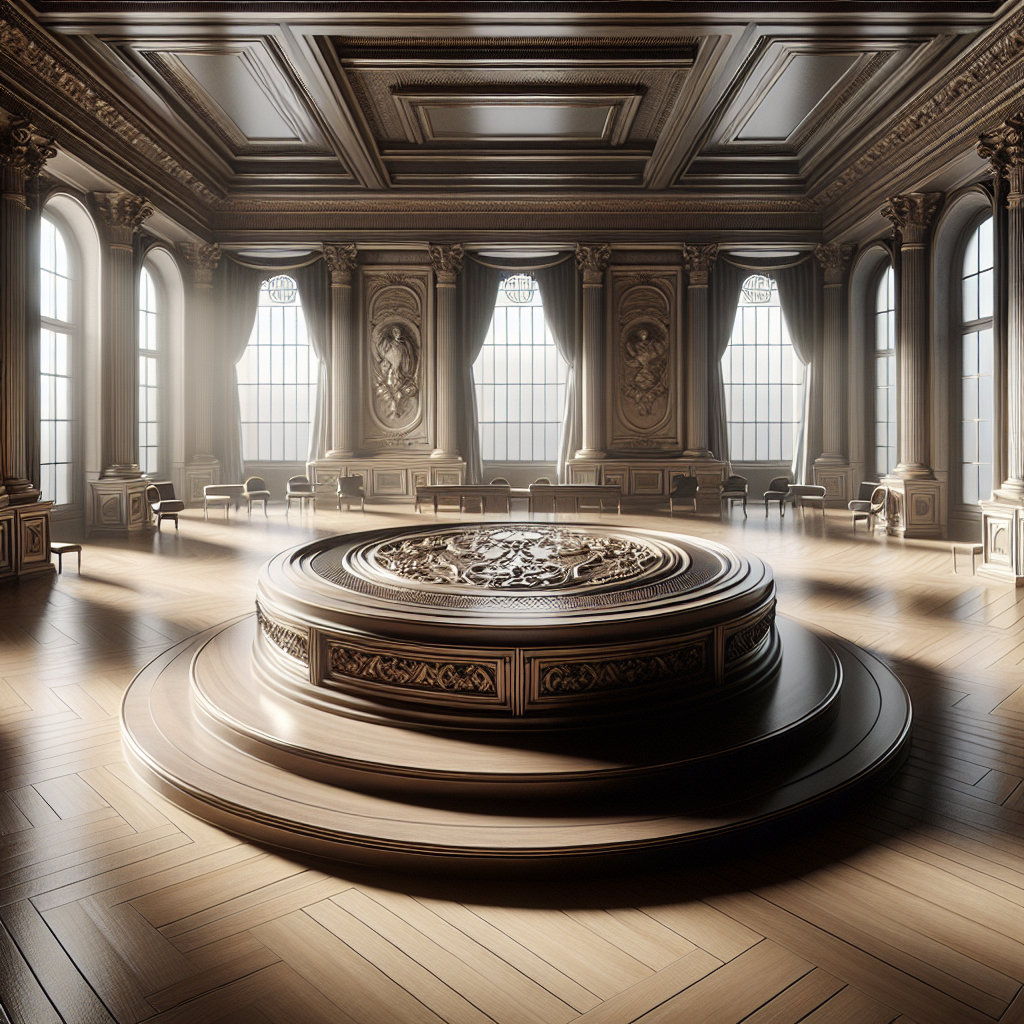
When it comes to designing spacious interiors, creating focal points can be a delightful challenge. One of the most effective ways to achieve this is by incorporating platforms into your layout. These raised areas not only add dimension and interest to a room but also serve as functional spaces that can transform the way you use your home. Imagine walking into a large, open-plan living area. Without any distinct features, the space might feel overwhelming or even a bit impersonal. However, by introducing a platform, you can instantly create a cozy nook or a designated area that draws the eye and invites interaction.
Platforms can be incredibly versatile, serving a variety of purposes depending on your needs. For instance, a raised platform in a living room can become a stage for entertainment, a reading corner, or even a dining area. By elevating a section of the floor, you naturally delineate the space, giving it a sense of purpose and making it feel more intimate. This is particularly useful in open-concept homes where defining different zones can sometimes be tricky. Moreover, platforms can be designed to blend seamlessly with the rest of the decor, using materials and colors that complement the overall aesthetic of the room.
In addition to their functional benefits, platforms also offer an opportunity to play with different design elements. For example, you might choose to incorporate built-in seating or storage into the platform, maximizing its utility while maintaining a clean and uncluttered look. Alternatively, you could use the platform as a showcase for unique flooring materials, such as hardwood, tile, or even a plush carpet, adding texture and visual interest to the space. The possibilities are endless, and with a little creativity, you can tailor the platform to suit your personal style and preferences.
Another advantage of using platforms in interior design is their ability to create a sense of hierarchy within a room. By elevating certain areas, you naturally guide the flow of movement and attention, making it clear which parts of the space are meant for specific activities. This can be particularly beneficial in multi-functional rooms, where different tasks or gatherings might take place simultaneously. For instance, a platform could delineate a home office area within a larger living space, providing a subtle yet effective boundary that helps maintain focus and productivity.
Furthermore, platforms can also enhance the overall ambiance of a room by influencing lighting and acoustics. A raised area can be strategically positioned to take advantage of natural light, creating a bright and inviting spot that becomes a favorite gathering place. Additionally, platforms can help manage sound within a space, as the change in elevation can affect how sound waves travel, potentially reducing echoes and creating a more pleasant auditory environment.
In conclusion, platforms are a powerful tool in interior design, offering both practical and aesthetic benefits. They allow you to create focal points that draw attention and define spaces, all while adding an element of style and sophistication. Whether you’re looking to carve out a cozy corner in a vast living room or simply want to add a touch of architectural interest to your home, platforms provide a versatile solution that can be customized to meet your needs. So, the next time you’re considering a redesign, don’t overlook the potential of these raised areas to transform your interior into a harmonious and engaging space.
Elevating Experiences: Platforms as Tools for Spatial Zoning
In the world of interior design, the concept of spatial zoning has become increasingly popular, and one of the most effective tools for achieving this is the use of platforms. These raised areas within a room can transform a space, adding both functionality and aesthetic appeal. Imagine walking into a spacious loft; the open floor plan is inviting, but it can also feel overwhelming. This is where platforms come into play, offering a simple yet powerful solution to define different areas without the need for walls or partitions.
Platforms can serve a variety of purposes, from creating a cozy reading nook to delineating a dining area in an open-concept living space. By elevating certain sections of a room, platforms naturally guide the flow of movement and subtly suggest how each area might be used. For instance, a platform in a living room can house a seating area, making it the focal point of the space and encouraging social interaction. This not only enhances the functionality of the room but also adds a layer of visual interest.
Moreover, platforms can be a creative way to introduce texture and contrast into a space. By using different materials or finishes, such as wood, concrete, or carpet, a platform can stand out or blend in, depending on the desired effect. This versatility allows homeowners and designers to experiment with various styles, from modern minimalism to rustic charm. Additionally, platforms can be designed with built-in storage solutions, making them not only stylish but also practical.
Transitioning from one area to another within a large room can sometimes feel disjointed, but platforms offer a seamless way to connect different zones. They can act as gentle transitions, guiding the eye and the foot from one space to the next. For example, a platform leading from a kitchen to a dining area can create a sense of progression, enhancing the overall flow of the room. This is particularly beneficial in open-plan homes, where maintaining a cohesive design can be challenging.
Furthermore, platforms can be used to highlight architectural features or create focal points. A raised area beneath a skylight or in front of a large window can draw attention to these elements, making them stand out even more. This not only maximizes the impact of natural light but also creates a sense of drama and elegance. In this way, platforms can elevate the entire experience of a room, making it feel more dynamic and engaging.
In addition to their practical benefits, platforms can also evoke a sense of playfulness and creativity. They invite exploration and can be particularly appealing in homes with children, where a platform can become a stage for imaginative play or a cozy spot for storytelling. This playful aspect can bring a sense of joy and warmth to a home, making it feel more inviting and lived-in.
In conclusion, platforms are a versatile and powerful tool in the realm of spatial zoning. They offer a myriad of benefits, from enhancing functionality and aesthetics to creating seamless transitions and highlighting architectural features. Whether used to define a specific area or to add a touch of creativity, platforms have the ability to transform spacious interiors into cohesive, engaging, and personalized spaces. So, the next time you find yourself in a large, open room, consider the potential of a platform to elevate your experience.
Historical Perspectives: The Evolution of Raised Platforms in Architecture
Throughout history, raised platforms have played a significant role in architecture, serving both functional and symbolic purposes. These elevated areas, often found in spacious interiors, have evolved over time, reflecting changes in cultural, social, and technological contexts. To understand their enduring appeal, it’s helpful to explore how these platforms have been used across different eras and regions.
In ancient civilizations, raised platforms were often associated with power and authority. For instance, in Mesopotamia, ziggurats—massive structures with terraced levels—were built to elevate temples closer to the heavens, symbolizing a connection between the divine and the earthly. Similarly, in ancient Egypt, platforms were used in temples to elevate statues of deities, emphasizing their importance and sanctity. These early examples highlight how platforms were not just practical architectural features but also carried deep symbolic meanings.
As we move forward in time, the use of raised platforms continued to evolve. In the classical architecture of Greece and Rome, platforms were integral to the design of public spaces. Theaters, for example, featured raised stages that allowed performers to be seen and heard by large audiences. This practical application of platforms enhanced the communal experience, making performances accessible to all. Moreover, in Roman basilicas, raised platforms were used to distinguish the apse, where important figures such as judges or clergy would preside, reinforcing the idea of authority and hierarchy.
Transitioning into the medieval period, raised platforms took on new forms and functions. In Gothic cathedrals, the use of elevated areas became more intricate, with choir stalls and pulpits designed to project sound and visibility. These platforms were not only functional but also contributed to the grandeur and verticality of the architectural style. The emphasis on height and elevation in these spaces was a reflection of the spiritual aspirations of the time, aiming to inspire awe and reverence.
As we enter the Renaissance and Baroque periods, the use of platforms became more elaborate and decorative. In palaces and grand homes, raised areas were often used to create a sense of drama and opulence. For instance, in the grand halls of Versailles, platforms were used to stage elaborate ceremonies and entertainments, showcasing the wealth and power of the monarchy. This period saw a shift towards using platforms as a means of enhancing aesthetic appeal and creating focal points within large interiors.
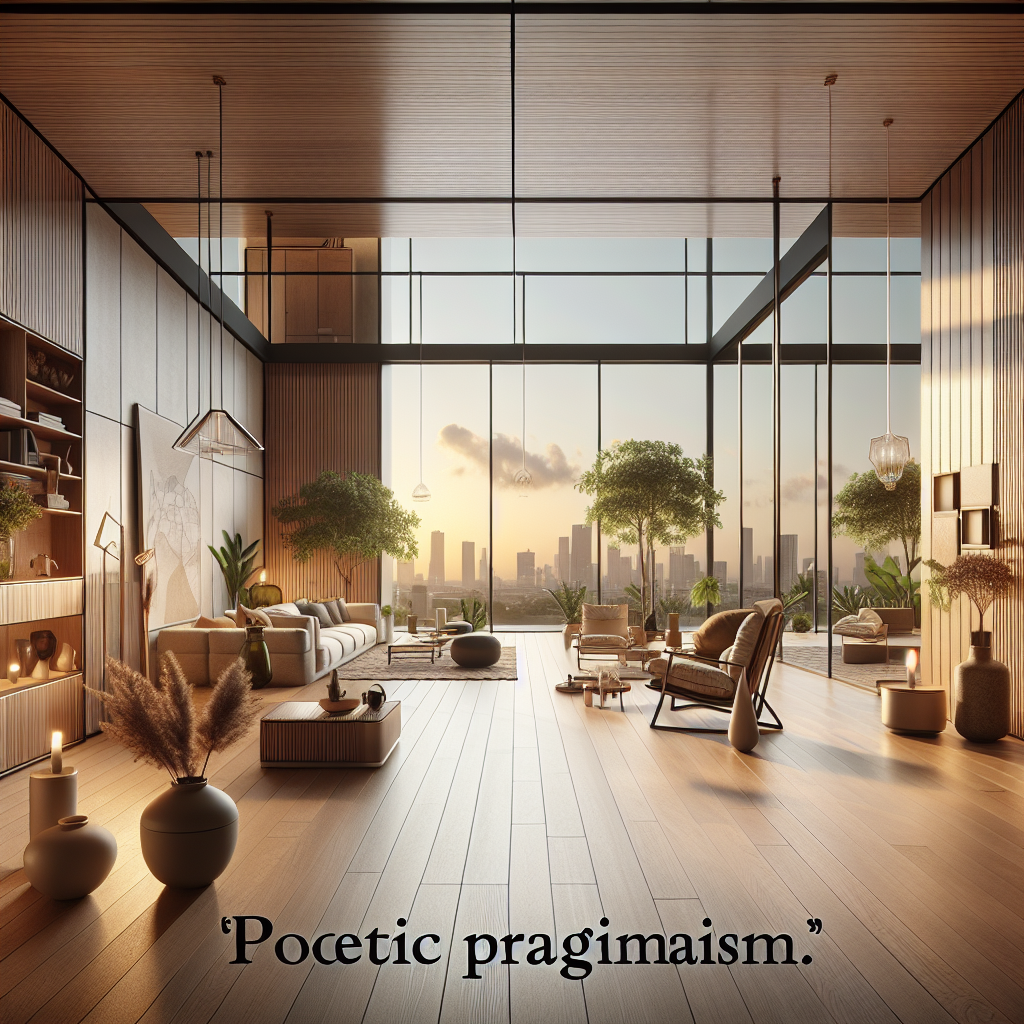
In modern architecture, the use of raised platforms has become more varied and innovative. With advances in technology and materials, architects have greater freedom to experiment with form and function. Platforms are now used in a wide range of settings, from open-plan offices to contemporary homes, where they serve to define spaces, create visual interest, and facilitate movement. The flexibility of modern design allows for platforms to be both functional and expressive, catering to the diverse needs and tastes of today’s society.
In conclusion, the evolution of raised platforms in architecture is a testament to their enduring versatility and significance. From ancient temples to modern interiors, these elevated areas have adapted to changing times while maintaining their core functions of enhancing visibility, defining space, and conveying meaning. As we continue to explore new possibilities in design, the power of the platform remains a vital element in the creation of dynamic and engaging spaces.
Conclusion
“The Power of the Platform: Raised Areas in Spacious Interiors” explores how elevated platforms within large interior spaces can transform functionality and aesthetics. These platforms create distinct zones, enhancing spatial organization and visual interest. They can serve various purposes, from seating and display areas to stages and workspaces, offering versatility in design. Platforms also contribute to a sense of hierarchy and focus within a room, guiding movement and interaction. By integrating platforms thoughtfully, designers can maximize the potential of spacious interiors, balancing openness with defined areas to enrich the overall experience and utility of the space.