The Power of the Platform: Raised Areas in Spacious Interiors
February 20, 2024
The Art of Framing Views: Interior Design with a Focus on Windows
March 5, 2024
-
Table of Contents
- Introduction
- Designing Opulent Entryways: The Art of Luxurious Thresholds
- Materials That Define Luxury: Elevating Transitions with Style
- The Psychology of Space: How Luxurious Thresholds Influence Perception
- Historical Inspirations: Luxurious Thresholds Through the Ages
- Modern Innovations: Technology and Design in Luxurious Thresholds
- Conclusion
Introduction
“Luxurious Thresholds: Elevating Transitions Between Spaces” explores the art and design of creating opulent and seamless transitions within architectural spaces. This concept delves into the intricate details and thoughtful craftsmanship that transform ordinary doorways, hallways, and entry points into extraordinary experiences. By focusing on materials, lighting, and spatial dynamics, luxurious thresholds redefine how we perceive and interact with the boundaries between rooms, enhancing both aesthetic appeal and functional flow. This exploration invites readers to consider how these elevated transitions can enrich the ambiance and character of any environment, offering a sophisticated blend of style and substance.
Designing Opulent Entryways: The Art of Luxurious Thresholds
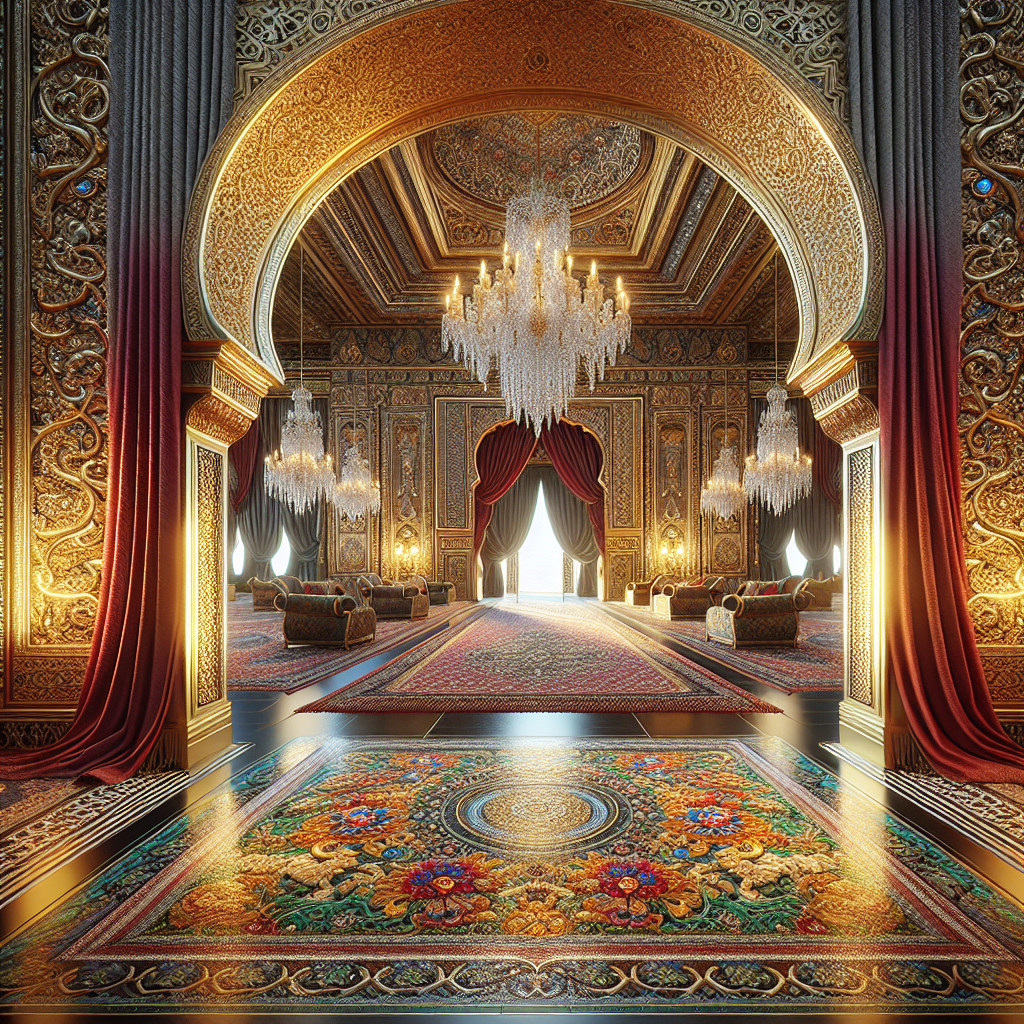
When it comes to designing a home that exudes luxury and sophistication, every detail counts, and one of the most overlooked yet impactful elements is the threshold. These transitional spaces, often seen as mere passageways, can be transformed into opulent entryways that set the tone for the entire home. Imagine stepping through a doorway that not only separates two rooms but also elevates the experience of moving from one space to another. This is the art of creating luxurious thresholds, where design meets functionality in the most elegant way.
To begin with, the choice of materials plays a crucial role in crafting a threshold that speaks of luxury. High-quality materials such as marble, polished wood, or even intricate tile work can instantly elevate the aesthetic of a doorway. These materials not only provide a visual appeal but also offer a tactile experience that enhances the transition between spaces. For instance, a marble threshold can add a touch of grandeur, while a beautifully crafted wooden threshold can bring warmth and richness to the entryway. The key is to select materials that complement the overall design of the home while also standing out as a statement piece.
Moreover, the design of the threshold itself can be an opportunity to showcase creativity and attention to detail. Consider incorporating unique design elements such as inlays, patterns, or even lighting to highlight the threshold. A well-lit threshold can create a welcoming ambiance, guiding guests from one room to another with a sense of anticipation and delight. Additionally, using contrasting colors or textures can draw attention to the threshold, making it a focal point rather than just a functional element. This approach not only enhances the visual appeal but also adds depth and character to the space.
Furthermore, the concept of luxurious thresholds extends beyond just the physical design. It also involves creating a seamless flow between spaces, ensuring that the transition feels natural and harmonious. This can be achieved by considering the layout and function of the adjoining rooms. For example, a threshold leading from a formal dining room to a cozy living area can be designed to gradually shift the mood from elegant to relaxed. This can be done through the use of complementary colors, subtle changes in lighting, or even the strategic placement of furniture and decor. By thoughtfully designing these transitions, homeowners can create a cohesive and inviting atmosphere throughout their home.
In addition to aesthetics and functionality, luxurious thresholds can also reflect the personality and lifestyle of the homeowner. Personal touches such as custom engravings, monograms, or even art installations can add a unique and personal dimension to the entryway. These elements not only make the threshold more meaningful but also create a sense of connection and belonging for those who pass through it. After all, a home is a reflection of its inhabitants, and every detail, including the thresholds, should tell a story.
In conclusion, designing opulent entryways through luxurious thresholds is an art that combines aesthetics, functionality, and personal expression. By carefully selecting materials, incorporating unique design elements, and ensuring a seamless flow between spaces, homeowners can transform ordinary passageways into extraordinary experiences. So, the next time you walk through a doorway, take a moment to appreciate the threshold and consider how it can be elevated to enhance the beauty and elegance of your home.
Materials That Define Luxury: Elevating Transitions with Style
When it comes to creating a luxurious home, every detail counts, and one of the most overlooked yet impactful elements is the threshold—the transition between spaces. These often unnoticed boundaries can be transformed into stunning features that not only define the style of your home but also elevate its overall ambiance. By carefully selecting materials that exude luxury, you can turn these transitions into elegant statements that seamlessly connect different areas of your living space.
To begin with, consider the timeless appeal of marble. Known for its opulence and classic beauty, marble thresholds can instantly elevate the aesthetic of any room. Whether you choose a sleek Carrara or a dramatic Nero Marquina, the natural veining and polished finish of marble create a sophisticated look that is hard to match. Moreover, marble’s durability ensures that it will withstand the test of time, making it a wise investment for those looking to add a touch of luxury to their home.
Transitioning from marble, another material that speaks volumes of luxury is hardwood. Rich, warm, and inviting, hardwood thresholds can add a sense of continuity and flow between rooms. Whether you opt for the deep tones of mahogany or the lighter hues of oak, hardwood offers a versatile option that complements a variety of interior styles. Additionally, the tactile experience of stepping from one room to another over a smooth wooden threshold can enhance the overall sensory experience of your home.
For those who prefer a more contemporary look, metal thresholds offer a sleek and modern alternative. Materials such as brushed stainless steel or polished brass can provide a striking contrast to traditional flooring, creating a bold statement that draws the eye. Metal thresholds are not only visually appealing but also incredibly durable, making them an excellent choice for high-traffic areas. Furthermore, their reflective surfaces can help to bounce light around a room, adding to the sense of space and brightness.
In addition to these classic materials, consider the growing trend of using glass for thresholds. Glass offers a unique way to create a seamless transition between spaces while maintaining an open and airy feel. Whether frosted for privacy or clear for unobstructed views, glass thresholds can add a modern and sophisticated touch to any home. They are particularly effective in spaces where you want to maintain a visual connection between rooms, such as between a kitchen and dining area.
As you explore these luxurious materials, it’s important to consider how they will interact with the existing elements in your home. The key to a successful transition is harmony, ensuring that the threshold complements the flooring, walls, and overall design aesthetic. By thoughtfully selecting materials that resonate with your personal style, you can create transitions that not only serve a functional purpose but also enhance the beauty and luxury of your home.
In conclusion, the materials you choose for your thresholds can significantly impact the look and feel of your home. Whether you opt for the timeless elegance of marble, the warmth of hardwood, the modern edge of metal, or the transparency of glass, each material offers its own unique way to elevate the transitions between spaces. By paying attention to these often-overlooked details, you can create a home that is not only luxurious but also a true reflection of your personal style.
The Psychology of Space: How Luxurious Thresholds Influence Perception
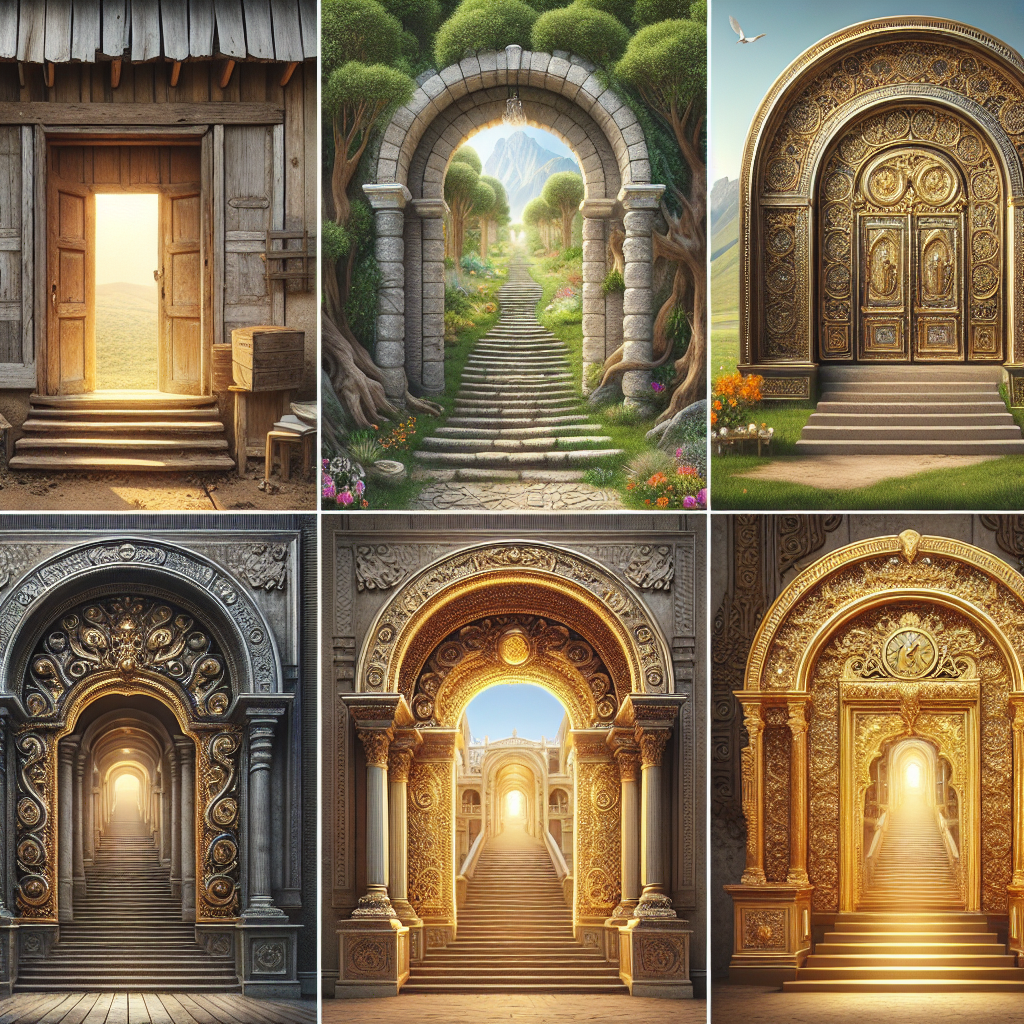
When we think about luxury in interior design, our minds often drift to opulent furniture, exquisite art pieces, or lavish materials. However, one of the most subtle yet impactful elements in creating a sense of luxury is the threshold—the transition between spaces. These often-overlooked areas can significantly influence our perception of a space, setting the tone for what lies beyond. Understanding the psychology of space and how luxurious thresholds can elevate our experience is a fascinating journey into the nuances of design.
Imagine walking through a grand archway adorned with intricate carvings or stepping over a threshold made of polished marble. These elements do more than just separate one room from another; they create a sense of anticipation and elevate the experience of moving through a space. The threshold acts as a prelude, a moment of transition that prepares us for what is to come. This is where the psychology of space comes into play. Our brains are wired to respond to these cues, and a well-designed threshold can evoke feelings of excitement, curiosity, or even tranquility.
Moreover, luxurious thresholds can also serve as a form of storytelling within a home. They can hint at the design narrative that unfolds as one moves from room to room. For instance, a threshold with a rich wooden finish might suggest a warm, cozy living area ahead, while a sleek, metallic threshold could indicate a modern, minimalist space. These subtle hints help to create a cohesive flow throughout the home, guiding the occupant’s journey and enhancing their overall experience.
In addition to their aesthetic appeal, thresholds can also have practical benefits. They can help delineate spaces in an open-plan layout, providing a sense of separation without the need for walls. This can be particularly useful in creating distinct zones within a home, such as transitioning from a bustling kitchen to a serene dining area. By using different materials or design elements at the threshold, one can subtly signal a change in function or atmosphere, making the space feel more organized and intentional.
Furthermore, luxurious thresholds can also contribute to the perceived value of a home. Just as a beautifully framed painting draws more attention, a well-crafted threshold can elevate the entire room. It suggests attention to detail and a commitment to quality, which can be particularly appealing to potential buyers or guests. In this way, investing in luxurious thresholds can be seen as an investment in the overall appeal and value of a property.
As we consider the role of thresholds in interior design, it’s clear that they are much more than mere passageways. They are opportunities to enhance the sensory experience of a space, to create a narrative, and to add value. By paying attention to these transitional spaces, we can transform the way we perceive and interact with our environments. So, the next time you step over a threshold, take a moment to appreciate the subtle artistry at play and the impact it has on your journey through the space. After all, in the world of design, it’s often the smallest details that make the biggest difference.
Historical Inspirations: Luxurious Thresholds Through the Ages
Throughout history, the concept of a threshold has been more than just a physical boundary between spaces; it has been a symbol of transition, a marker of change, and an opportunity for artistic expression. Luxurious thresholds have graced the entrances of palaces, temples, and grand homes, each reflecting the cultural and historical context of its time. As we journey through the ages, we can see how these opulent transitions have evolved, drawing inspiration from various eras and regions.
In ancient Egypt, thresholds were not merely functional but also deeply symbolic. The grandeur of Egyptian architecture is well-documented, and their thresholds were no exception. Often adorned with intricate carvings and hieroglyphics, these entryways served as a prelude to the splendor within. The use of precious stones and metals in these designs was not uncommon, reflecting the wealth and power of the pharaohs. Moving forward in time, the classical architecture of ancient Greece and Rome also placed significant emphasis on thresholds. The Romans, in particular, were known for their grand entrances, often featuring imposing columns and elaborate mosaics. These thresholds were designed to impress and convey a sense of majesty, setting the tone for the opulence that lay beyond.
As we transition into the medieval period, we find that thresholds took on a more fortified appearance. Castles and cathedrals of this era often featured heavy wooden doors with ironwork, designed to protect as much as to impress. However, even in these more austere times, there was room for luxury. The Gothic cathedrals of Europe, for instance, often boasted intricately carved stone portals, depicting biblical scenes and saints, inviting worshippers into a sacred space. The Renaissance brought a renewed focus on art and beauty, and this was reflected in the thresholds of the time. Inspired by classical antiquity, architects of the Renaissance incorporated symmetry, proportion, and harmony into their designs. The use of marble and other fine materials became more prevalent, and thresholds were often adorned with sculptures and frescoes, blurring the line between architecture and art.
As we move into the Baroque and Rococo periods, thresholds became even more elaborate. These styles were characterized by their ornate details and dramatic flair. In the grand palaces of Europe, thresholds were often framed by gilded moldings and embellished with intricate carvings. The use of mirrors and chandeliers in entryways became popular, creating a sense of grandeur and opulence that was truly breathtaking. The transition from the outside world into these luxurious interiors was designed to be an experience in itself.
In more recent times, the Art Deco movement of the early 20th century brought a new kind of luxury to thresholds. Characterized by geometric patterns, bold colors, and the use of new materials like chrome and glass, Art Deco thresholds were sleek and modern, yet still exuded a sense of luxury. Today, the concept of a luxurious threshold continues to evolve, drawing inspiration from the past while incorporating contemporary design elements. Whether through the use of cutting-edge technology or sustainable materials, modern thresholds are as much about innovation as they are about tradition.
In conclusion, the history of luxurious thresholds is a testament to humanity’s enduring desire to create beautiful and meaningful transitions between spaces. From the ancient temples of Egypt to the sleek skyscrapers of today, these opulent entryways continue to captivate and inspire, reminding us that the journey from one space to another can be as significant as the destination itself.
Modern Innovations: Technology and Design in Luxurious Thresholds
In the world of interior design, the concept of thresholds has evolved far beyond the simple doorway. Today, luxurious thresholds are not just about moving from one room to another; they are about creating an experience, a seamless transition that elevates the ambiance of a space. With modern innovations in technology and design, these transitions have become an art form, blending functionality with aesthetic appeal.
To begin with, technology has played a pivotal role in transforming how we perceive and interact with thresholds. Smart home systems have introduced automated doors that respond to voice commands or motion sensors, offering a touch of futuristic elegance. Imagine walking towards a door that gracefully opens as it senses your approach, welcoming you into the next room with a sense of sophistication. This integration of technology not only enhances convenience but also adds a layer of luxury that was once reserved for high-end hotels and exclusive venues.
Moreover, the materials used in creating these thresholds have seen a significant upgrade. Designers are now experimenting with a variety of high-quality materials such as glass, metal, and even sustainable options like bamboo and reclaimed wood. These materials are not only durable but also add a unique texture and visual interest to the space. For instance, a threshold made of frosted glass can create a sense of mystery and allure, subtly hinting at what lies beyond while maintaining a sense of privacy.
In addition to materials, lighting has become an essential element in designing luxurious thresholds. The strategic use of LED lights can highlight architectural features and create a warm, inviting glow that guides you from one space to another. Whether it’s a soft underfoot lighting that illuminates a pathway or a dramatic chandelier that marks the entrance to a grand room, lighting can transform a simple threshold into a captivating focal point.
Furthermore, the concept of biophilic design has influenced the way thresholds are crafted, bringing elements of nature into the transition between spaces. Incorporating natural elements such as indoor plants, water features, or even natural stone can create a calming and rejuvenating atmosphere. This connection to nature not only enhances the aesthetic appeal but also promotes well-being, making the transition between spaces a moment of tranquility and reflection.
As we explore these modern innovations, it’s important to consider the role of personalization in creating luxurious thresholds. Customization allows homeowners to infuse their personal style and preferences into the design, ensuring that each threshold is a unique reflection of their taste. Whether it’s through bespoke hardware, intricate carvings, or personalized color schemes, these details can make a significant impact, turning a functional element into a statement piece.
In conclusion, the evolution of thresholds in modern design is a testament to the endless possibilities that technology and creativity can offer. By embracing these innovations, we can transform the simple act of moving from one space to another into an experience that is both luxurious and meaningful. As we continue to push the boundaries of design, the threshold becomes more than just a passageway; it becomes a luxurious gateway that elevates the entire living experience. So, the next time you step through a doorway, take a moment to appreciate the artistry and innovation that make that transition truly special.
Conclusion
“Luxurious Thresholds: Elevating Transitions Between Spaces” explores the transformative power of well-designed transitional spaces in enhancing the overall aesthetic and functional experience of an environment. By focusing on the details and materials that define these thresholds, such as doorways, hallways, and entryways, the concept emphasizes the importance of creating seamless and elegant connections between different areas. These transitions not only serve as physical connectors but also as opportunities to introduce elements of luxury and sophistication, setting the tone for the spaces they lead to. Ultimately, the thoughtful design of luxurious thresholds can elevate the ambiance and flow of a space, making the journey through it as enriching as the destination itself.