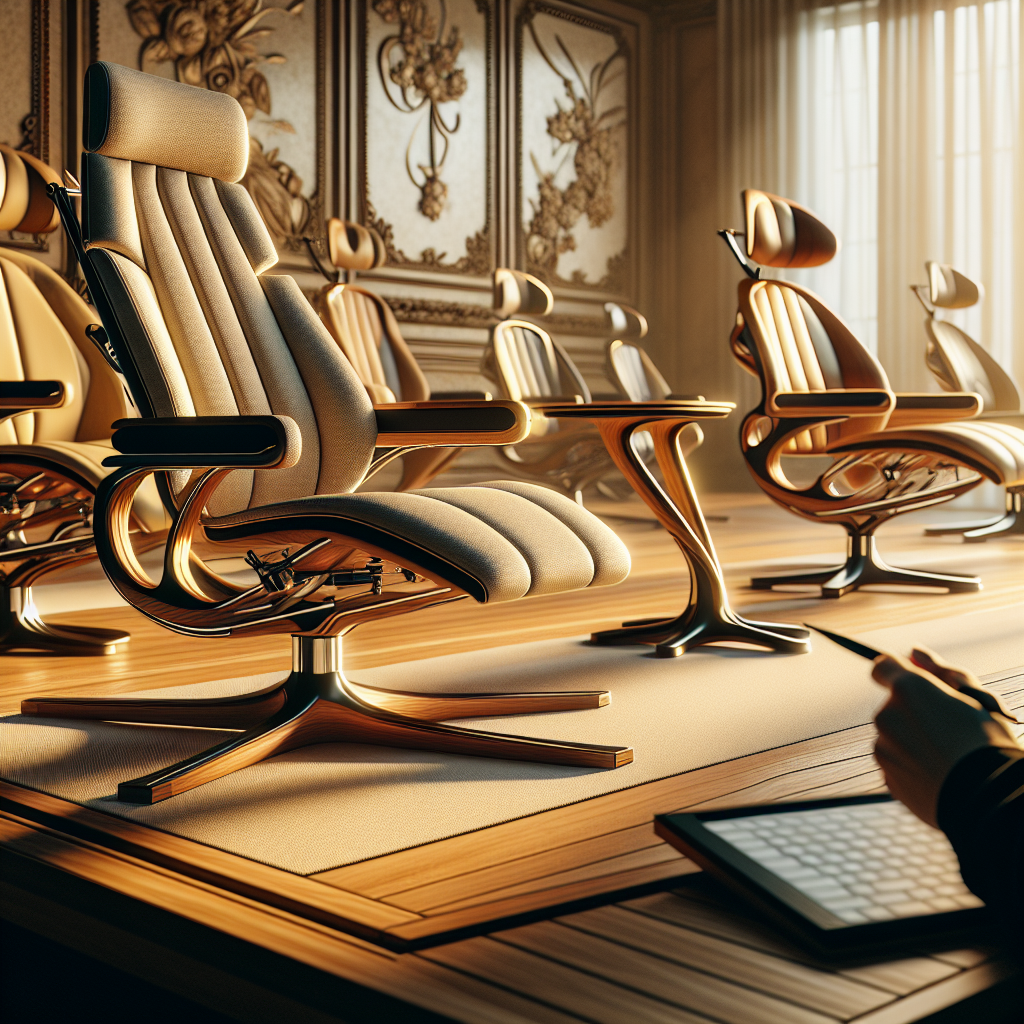
Maximalism Done Right: Bold Choices for the Daring Decorator
July 9, 2024
Sculptural Staircases: Elevating Vertical Transitions in Luxury Homes
July 16, 2024
-
Table of Contents
- Introduction
- Embracing Simplicity: The Core Principles of Minimalist Luxury Furniture
- The Intersection of Functionality and Aesthetics in Minimalist Design
- How Minimalism Enhances the Elegance of Luxury Living Spaces
- Sustainable Luxury: The Role of Minimalism in Eco-Friendly Furniture Design
- Transforming Spaces: The Impact of Minimalist Furniture on Interior Design
- Conclusion
Introduction
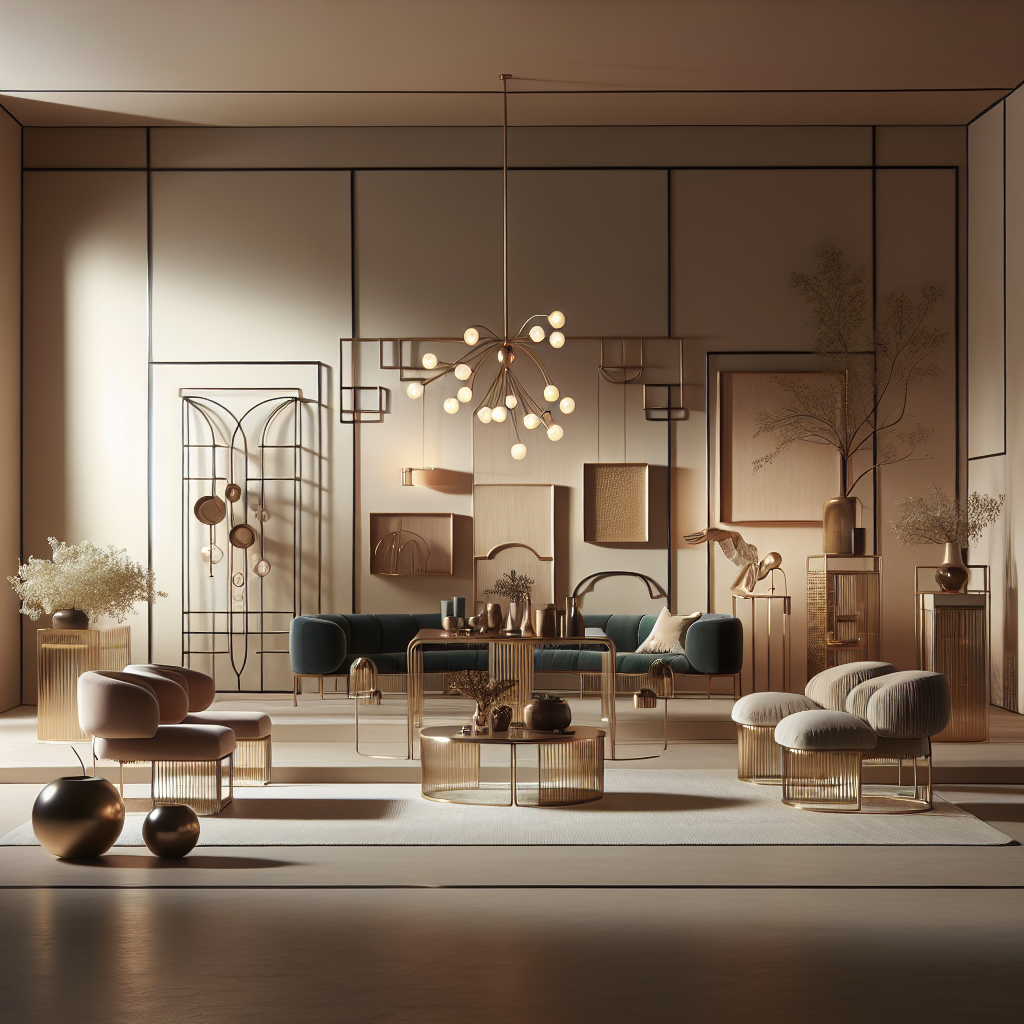
The Art of Minimalism: Less is More in Luxury Furniture explores the transformative power of simplicity in design, where elegance and functionality converge to create spaces of serene sophistication. This approach to luxury furniture emphasizes clean lines, uncluttered spaces, and a focus on quality over quantity, allowing each piece to stand out as a testament to craftsmanship and thoughtful design. By embracing the minimalist ethos, this style redefines opulence, offering a refined aesthetic that prioritizes intentionality and harmony, ultimately creating environments that are both luxurious and inviting.
Embracing Simplicity: The Core Principles of Minimalist Luxury Furniture
In a world where excess often reigns supreme, the art of minimalism offers a refreshing counterpoint, especially in the realm of luxury furniture. Embracing simplicity doesn’t mean sacrificing style or comfort; rather, it elevates these elements by focusing on what truly matters. At the heart of minimalist luxury furniture lies the principle that less is indeed more, a concept that resonates with those who appreciate the beauty of clean lines, functional design, and high-quality materials.
To begin with, minimalist luxury furniture is all about intentionality. Every piece is carefully curated to serve a purpose, whether it’s a sleek sofa that invites relaxation or a streamlined dining table that encourages conversation. This intentionality extends to the materials used, which are often natural and sustainable, such as rich woods, supple leathers, and cool metals. These materials not only add a touch of elegance but also ensure that each piece is built to last, embodying the idea that true luxury is timeless.
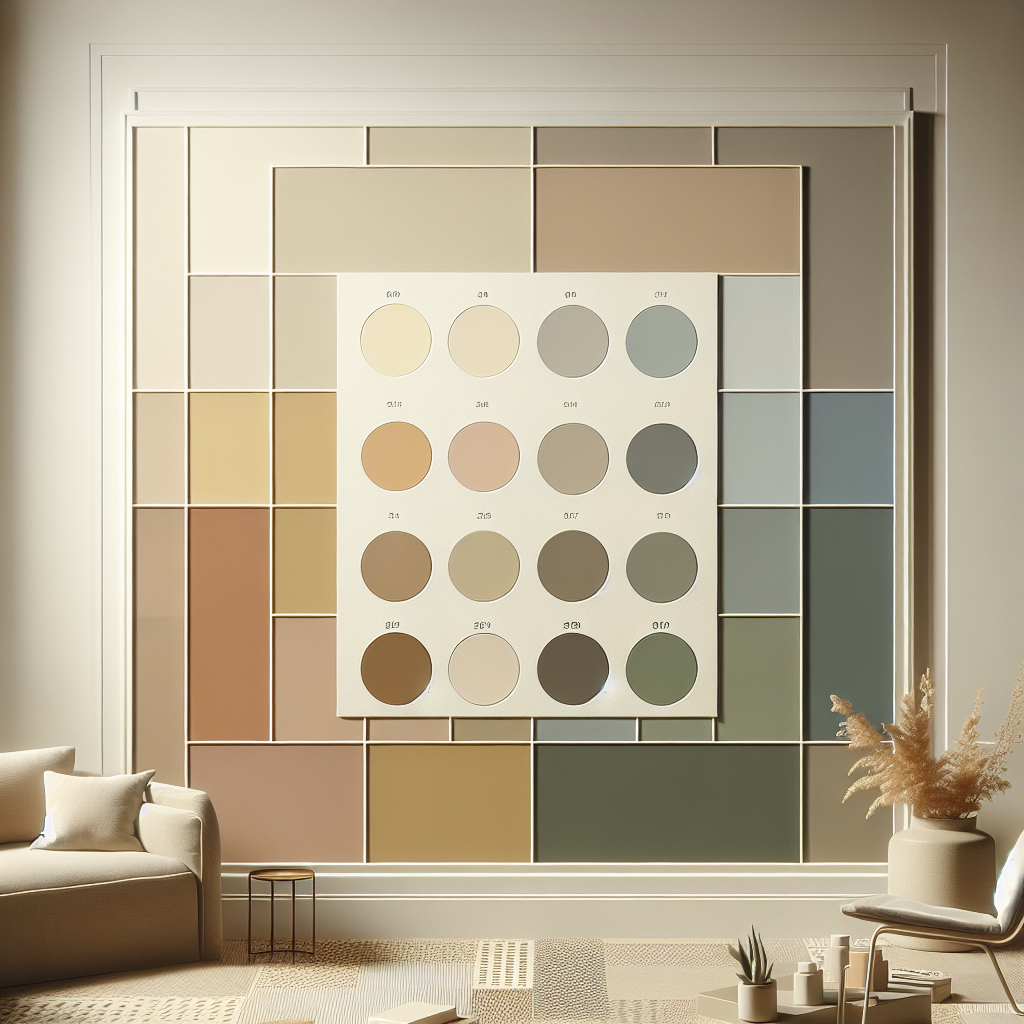
Moreover, the color palette in minimalist luxury furniture tends to be subdued, favoring neutral tones like whites, grays, and earth tones. This choice of colors creates a calming atmosphere, allowing the furniture to blend seamlessly into any space while still making a statement. The subtlety of these hues also highlights the craftsmanship and design of each piece, drawing attention to the details that might otherwise go unnoticed in a more cluttered setting.
Transitioning from aesthetics to functionality, minimalist luxury furniture often incorporates innovative design features that enhance usability without compromising on style. For instance, a minimalist coffee table might include hidden storage compartments, or a modular sofa could be reconfigured to suit different occasions. These thoughtful touches demonstrate that minimalism is not about stripping away, but rather about enhancing the user experience by focusing on what is truly essential.
Furthermore, the minimalist approach to luxury furniture encourages a sense of mindfulness in how we interact with our living spaces. By reducing clutter and emphasizing quality over quantity, minimalist design invites us to appreciate the beauty of simplicity and the joy of living with less. This mindset can lead to a more peaceful and organized home environment, where each piece of furniture serves a purpose and contributes to the overall harmony of the space.
In addition to its aesthetic and functional benefits, minimalist luxury furniture also aligns with a growing awareness of sustainability and environmental responsibility. By choosing pieces that are built to last and made from sustainable materials, consumers can make a positive impact on the planet while enjoying the elegance and sophistication that luxury furniture offers. This alignment with eco-friendly practices further enhances the appeal of minimalist design, making it a choice that is both stylish and conscientious.
In conclusion, the art of minimalism in luxury furniture is about embracing simplicity without sacrificing elegance or comfort. By focusing on intentionality, quality materials, and functional design, minimalist furniture creates spaces that are both beautiful and practical. As we continue to navigate a world filled with distractions and excess, the minimalist approach offers a welcome reminder that sometimes, less truly is more. Whether you’re furnishing a new home or simply looking to refresh your current space, embracing the core principles of minimalist luxury furniture can lead to a more serene and fulfilling living environment.
The Intersection of Functionality and Aesthetics in Minimalist Design
In recent years, the minimalist design movement has gained significant traction, especially in the realm of luxury furniture. This trend, characterized by its “less is more” philosophy, has captivated the hearts of many who seek both functionality and aesthetics in their living spaces. At the intersection of these two elements lies the true art of minimalism, where every piece of furniture is not only a statement of style but also a testament to practicality.
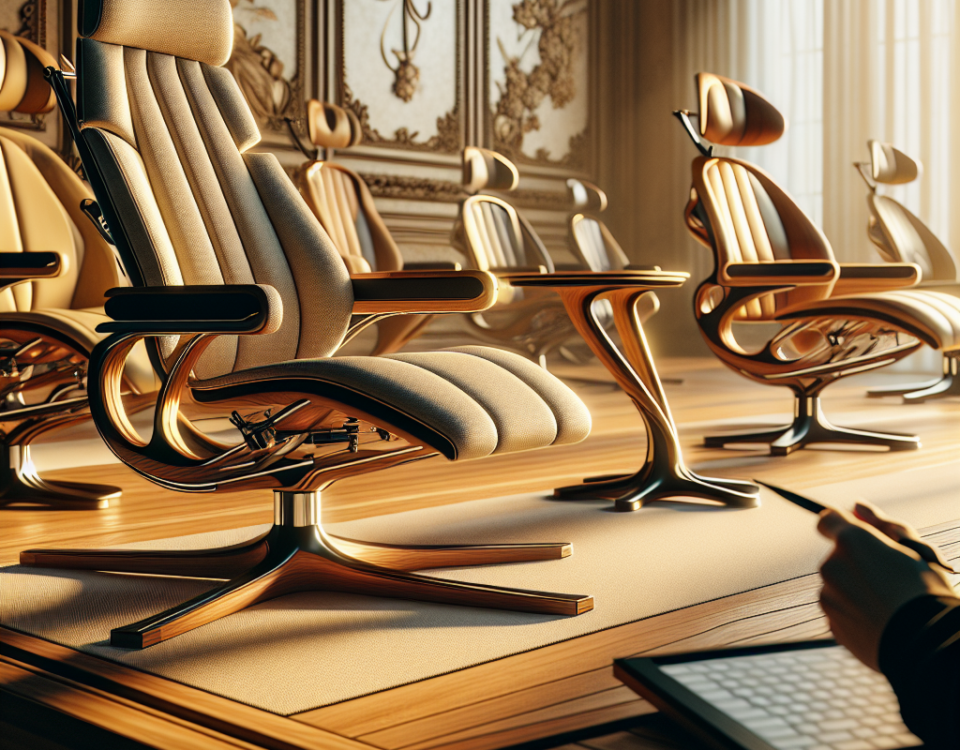
To begin with, minimalist design is all about stripping down to the essentials. It’s about creating spaces that are free from clutter, allowing each piece of furniture to stand out and serve its purpose. This approach is particularly appealing in luxury furniture, where the quality of materials and craftsmanship can truly shine. For instance, a sleek, well-crafted leather sofa can become the focal point of a room, offering both comfort and elegance without the need for excessive embellishments. The beauty of such pieces lies in their simplicity, where the focus is on clean lines and understated elegance.
Moreover, the functionality of minimalist furniture is a key aspect that cannot be overlooked. In a world where space is often at a premium, especially in urban settings, furniture that serves multiple purposes is highly desirable. Consider a minimalist coffee table that doubles as a storage unit or a bed with built-in drawers. These designs not only maximize space but also enhance the overall aesthetic of a room by maintaining a clean and organized look. The integration of functionality and aesthetics in minimalist design ensures that each piece is not only beautiful but also practical, catering to the needs of modern living.
Transitioning to the materials used in minimalist luxury furniture, it’s evident that quality is paramount. Natural materials such as wood, stone, and metal are often favored for their durability and timeless appeal. These materials, when used thoughtfully, can add warmth and texture to a minimalist space, creating a harmonious balance between form and function. For example, a solid oak dining table with a simple design can exude sophistication while providing a sturdy and reliable surface for everyday use. The choice of materials plays a crucial role in minimalist design, as it emphasizes the importance of sustainability and longevity.
Furthermore, color palettes in minimalist design tend to be neutral, with whites, grays, and earth tones dominating the scene. This choice of colors not only creates a serene and calming environment but also allows the furniture to take center stage. By using a restrained color palette, the focus remains on the shapes and forms of the furniture, highlighting their design and craftsmanship. This approach fosters a sense of tranquility and order, making minimalist spaces ideal for relaxation and contemplation.
In conclusion, the art of minimalism in luxury furniture is a celebration of both functionality and aesthetics. By embracing simplicity and focusing on quality, minimalist design offers a refreshing perspective on how we can create beautiful and practical living spaces. Whether it’s through the use of natural materials, multifunctional pieces, or a neutral color palette, the minimalist approach encourages us to appreciate the beauty of simplicity and the elegance of restraint. As we continue to navigate the complexities of modern life, the allure of minimalism serves as a gentle reminder that sometimes, less truly is more.
How Minimalism Enhances the Elegance of Luxury Living Spaces
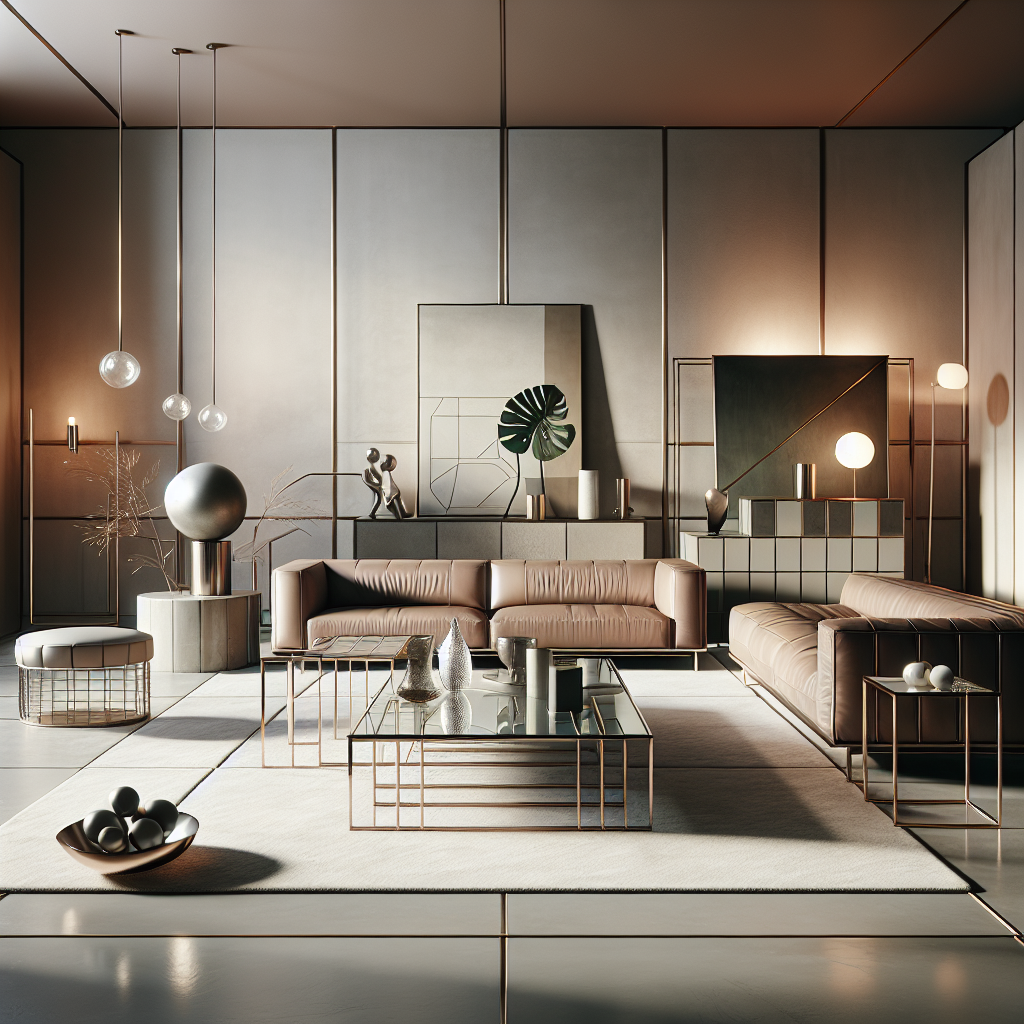
In recent years, the concept of minimalism has taken the world by storm, and nowhere is this more evident than in the realm of luxury furniture. At first glance, minimalism and luxury might seem like opposing forces. After all, luxury often conjures images of opulence and abundance, while minimalism is about simplicity and restraint. However, when these two concepts come together, they create a harmonious balance that enhances the elegance of living spaces in a truly remarkable way.
To begin with, minimalism in luxury furniture is all about focusing on quality over quantity. Instead of filling a room with numerous pieces, the minimalist approach emphasizes selecting a few key items that are both functional and aesthetically pleasing. This careful curation allows each piece to stand out, showcasing its craftsmanship and design. For instance, a beautifully crafted leather sofa or a sleek marble coffee table can become the focal point of a room, drawing attention to its fine details and superior materials.
Moreover, minimalism encourages a sense of calm and tranquility, which is often a hallmark of luxurious living spaces. By reducing clutter and unnecessary distractions, minimalist design creates an environment that feels open and inviting. This sense of spaciousness is particularly appealing in urban settings where space is often at a premium. With fewer items competing for attention, the room feels more expansive, allowing the mind to relax and unwind.
In addition to creating a serene atmosphere, minimalism also enhances the functionality of luxury furniture. By prioritizing clean lines and simple forms, minimalist pieces are often more versatile and adaptable to different settings. This flexibility is especially valuable in luxury homes, where the ability to easily reconfigure a space can be a significant advantage. Whether it’s a modular sofa that can be rearranged for different occasions or a dining table that extends to accommodate more guests, minimalist furniture offers practical solutions without sacrificing style.
Furthermore, the minimalist approach to luxury furniture often incorporates sustainable and eco-friendly materials, reflecting a growing awareness of environmental issues. By choosing pieces made from responsibly sourced wood, recycled metals, or natural fibers, homeowners can enjoy the beauty of their furnishings while also contributing to a more sustainable future. This commitment to sustainability not only adds to the appeal of minimalist luxury furniture but also aligns with the values of many modern consumers who prioritize ethical and environmentally conscious choices.
As we consider the impact of minimalism on luxury living spaces, it’s important to recognize that this design philosophy is not about deprivation or austerity. Instead, it’s about making thoughtful choices that enhance the overall experience of a space. By embracing minimalism, homeowners can create environments that are both luxurious and livable, where every element serves a purpose and contributes to the overall aesthetic.
In conclusion, the art of minimalism in luxury furniture is a testament to the idea that less truly can be more. By focusing on quality, functionality, and sustainability, minimalist design elevates the elegance of living spaces, creating environments that are both beautiful and practical. As more people embrace this approach, it’s clear that minimalism is not just a trend but a timeless philosophy that will continue to shape the world of luxury interiors for years to come.
Sustainable Luxury: The Role of Minimalism in Eco-Friendly Furniture Design
In recent years, the concept of minimalism has taken the world by storm, especially in the realm of luxury furniture design. This trend, characterized by simplicity and functionality, is not just about creating aesthetically pleasing spaces but also about embracing a more sustainable lifestyle. As we become increasingly aware of our environmental impact, the role of minimalism in eco-friendly furniture design has become more significant than ever. By focusing on quality over quantity, minimalism encourages us to invest in pieces that are not only beautiful but also sustainable.
One of the key principles of minimalism is the idea that less is more. This philosophy aligns perfectly with the goals of sustainable design, which aims to reduce waste and promote the use of environmentally friendly materials. By choosing minimalist furniture, we are often opting for pieces that are made from sustainable resources, such as reclaimed wood, bamboo, or recycled metals. These materials not only have a lower environmental impact but also add a unique character to each piece, making them truly one-of-a-kind.
Moreover, minimalist furniture is typically designed with longevity in mind. Unlike mass-produced items that are often discarded after a few years, minimalist pieces are crafted to stand the test of time. This durability is a crucial aspect of sustainability, as it reduces the need for frequent replacements and minimizes waste. By investing in high-quality, timeless furniture, we are making a conscious decision to support sustainable practices and reduce our carbon footprint.
In addition to the materials used, the minimalist design process itself often incorporates sustainable practices. Many designers are now prioritizing local production to reduce transportation emissions and support local economies. Furthermore, minimalist designs often require fewer resources to produce, as they focus on clean lines and simple forms rather than elaborate details. This efficiency not only benefits the environment but also allows designers to create luxurious pieces that are accessible to a wider audience.
Transitioning to a minimalist lifestyle can also have a positive impact on our mental well-being. By decluttering our spaces and focusing on what truly matters, we can create a more peaceful and harmonious environment. This sense of calm is an essential aspect of luxury, as it allows us to fully enjoy and appreciate the beauty of our surroundings. In this way, minimalism not only contributes to a more sustainable world but also enhances our quality of life.
As we continue to explore the intersection of luxury and sustainability, it is clear that minimalism plays a vital role in shaping the future of furniture design. By embracing this philosophy, we can create spaces that are not only beautiful and functional but also environmentally responsible. As consumers, we have the power to drive change by supporting brands and designers who prioritize sustainability and ethical practices. By choosing minimalist furniture, we are making a statement about our values and our commitment to a more sustainable future.
In conclusion, the art of minimalism is about more than just aesthetics; it is a lifestyle choice that promotes sustainability and mindfulness. By incorporating minimalist principles into luxury furniture design, we can create spaces that are both elegant and eco-friendly. As we strive to live more sustainably, let us remember that sometimes, less truly is more.
Transforming Spaces: The Impact of Minimalist Furniture on Interior Design
In recent years, the concept of minimalism has taken the world of interior design by storm, and nowhere is this more evident than in the realm of luxury furniture. The art of minimalism, with its mantra of “less is more,” has transformed spaces in ways that are both aesthetically pleasing and functionally efficient. As we explore the impact of minimalist furniture on interior design, it becomes clear that this approach is not just a trend but a timeless philosophy that resonates with those seeking elegance and simplicity in their living spaces.
To begin with, minimalist furniture is characterized by its clean lines, uncluttered spaces, and a focus on functionality. This design philosophy encourages the use of high-quality materials and craftsmanship, ensuring that each piece is not only beautiful but also durable. By prioritizing quality over quantity, minimalist furniture allows homeowners to invest in pieces that will stand the test of time, both in terms of style and longevity. This approach aligns perfectly with the principles of luxury, where exclusivity and refinement are key.
Moreover, minimalist furniture has a unique ability to transform spaces by creating a sense of openness and tranquility. In a world that often feels chaotic and overwhelming, having a home that serves as a sanctuary is more important than ever. Minimalist design achieves this by eliminating unnecessary clutter and focusing on the essentials. The result is a space that feels calm and inviting, allowing the mind to relax and unwind. This is particularly beneficial in urban environments, where space is often limited, and the need for a serene retreat is paramount.
Transitioning from traditional to minimalist design can be a liberating experience. It encourages individuals to evaluate their possessions and consider what truly adds value to their lives. This process of decluttering not only enhances the physical space but also has a positive impact on mental well-being. By surrounding ourselves with only the things that bring joy and serve a purpose, we create an environment that fosters clarity and focus. This is the essence of minimalism: creating a space that reflects our values and supports our lifestyle.
Furthermore, minimalist furniture seamlessly integrates with various design styles, making it a versatile choice for any home. Whether your taste leans towards modern, Scandinavian, or even industrial, minimalist pieces can complement and enhance your existing decor. This adaptability is one of the reasons why minimalism has become so popular in luxury interior design. It allows for personalization and creativity while maintaining a cohesive and harmonious aesthetic.
In addition to its aesthetic and functional benefits, minimalist furniture also promotes sustainability. By choosing fewer, high-quality pieces, we reduce waste and minimize our environmental footprint. Many luxury furniture brands are now embracing sustainable practices, using eco-friendly materials and production methods. This aligns with the minimalist ethos of mindful consumption and responsible living, making it an appealing choice for those who are conscious of their impact on the planet.
In conclusion, the art of minimalism in luxury furniture is about more than just aesthetics; it’s a lifestyle choice that prioritizes quality, functionality, and sustainability. By embracing the “less is more” philosophy, we can transform our spaces into havens of tranquility and elegance. Whether you’re looking to revamp your home or simply appreciate the beauty of minimalist design, there’s no denying the profound impact it can have on our living environments. So, why not take a step towards simplicity and discover the transformative power of minimalist furniture?
Conclusion
The Art of Minimalism: Less is More in Luxury Furniture emphasizes the philosophy that simplicity and functionality can coexist with opulence and sophistication. By focusing on clean lines, high-quality materials, and thoughtful design, minimalism in luxury furniture creates spaces that are both aesthetically pleasing and practical. This approach challenges the traditional notion that luxury requires excess, instead highlighting how restraint and intentionality can lead to a more profound sense of elegance and comfort. Ultimately, minimalism in luxury furniture underscores the idea that true luxury is found not in abundance, but in the careful curation of elements that enhance the living experience.