Haute Hibernation: Designing Luxurious Sleeping Sanctuaries
July 9, 2024
The Art of Minimalism: Less is More in Luxury Furniture
July 16, 2024
-
Table of Contents
- Introduction
- Embracing Color: How to Use Bold Hues in Maximalist Decor
- Layering Patterns: Mixing Prints for a Cohesive Maximalist Look
- Statement Pieces: Choosing Bold Furniture for Maximum Impact
- Artful Arrangements: Curating Eclectic Collections in Maximalist Spaces
- Balancing Boldness: Tips for Harmonizing Maximalist Elements
- Conclusion
Introduction
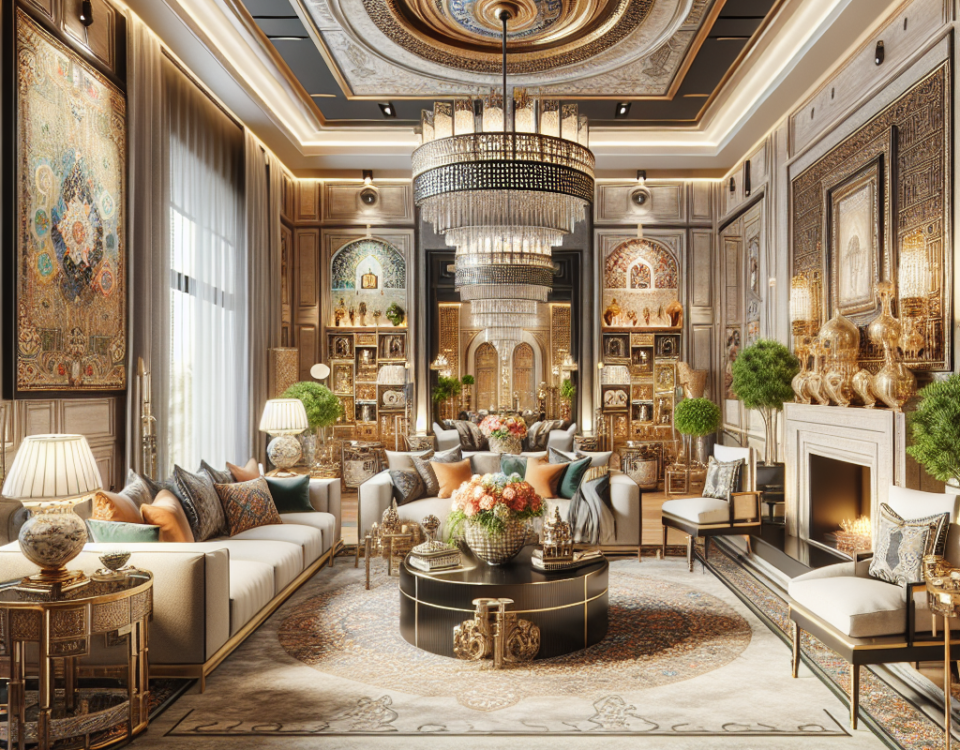
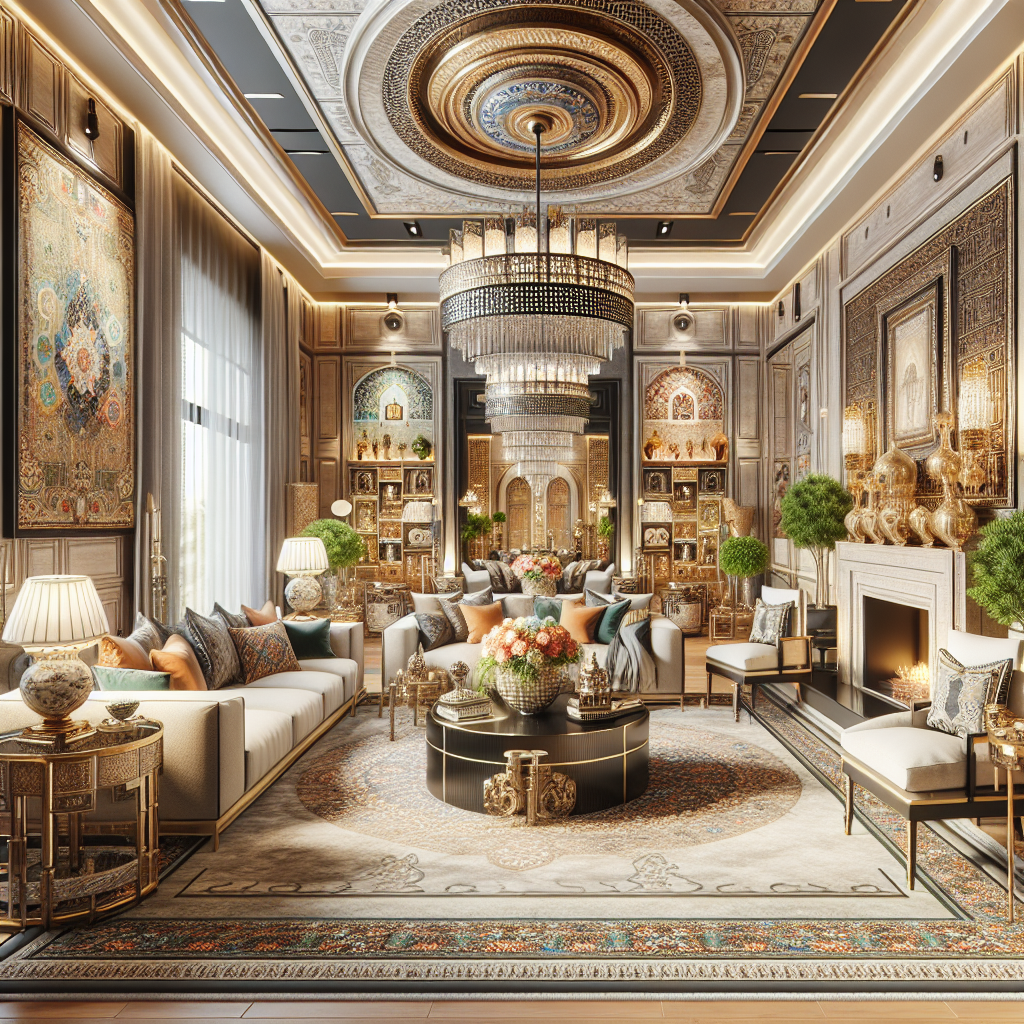
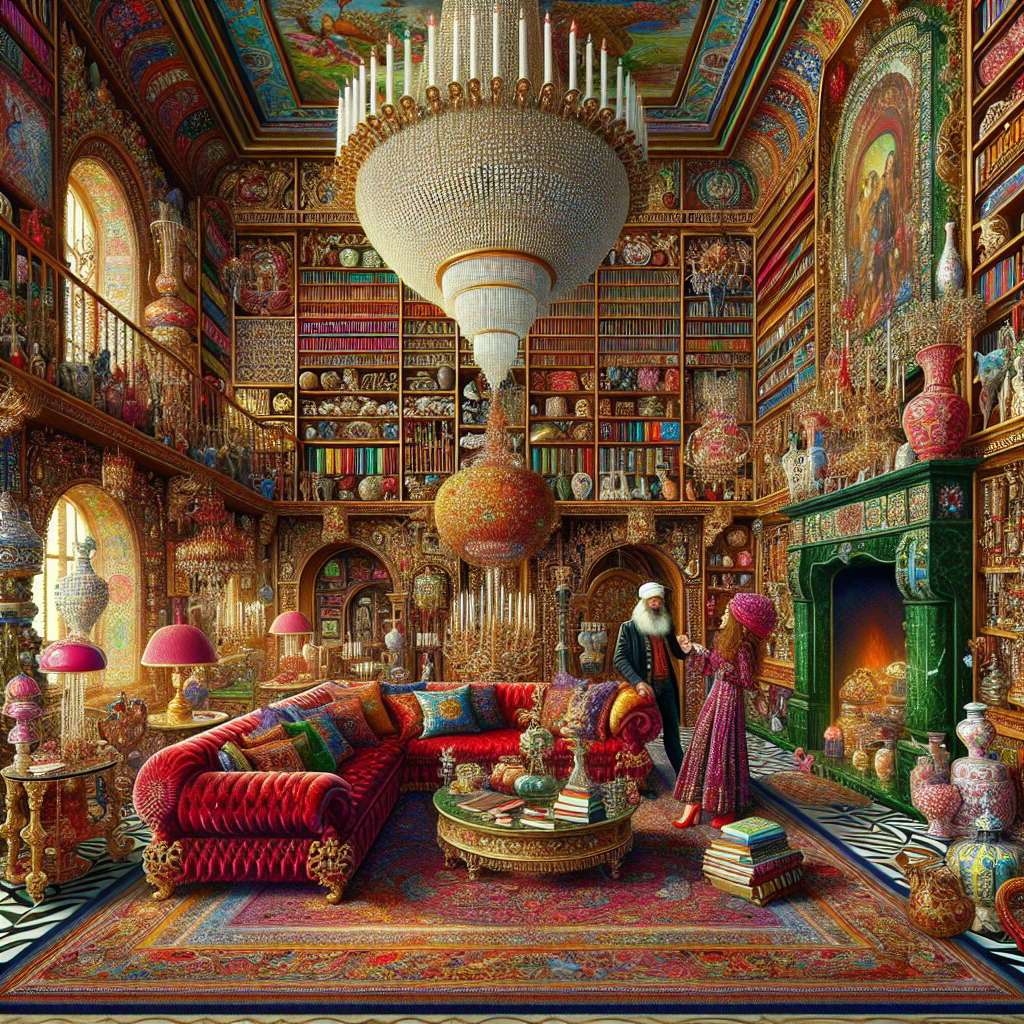
“Maximalism Done Right: Bold Choices for the Daring Decorator” is an exploration into the vibrant world of maximalist interior design, where more is truly more. This design philosophy embraces the beauty of abundance, encouraging decorators to break free from minimalist constraints and express their individuality through bold patterns, eclectic collections, and rich textures. In this guide, we delve into the art of layering colors, mixing styles, and curating spaces that tell a story. Whether you’re a seasoned decorator or a novice eager to experiment, this book offers inspiration and practical advice for creating dynamic, personalized environments that captivate and inspire. Discover how to balance chaos with cohesion, and transform your living spaces into a testament to your unique taste and adventurous spirit.
Embracing Color: How to Use Bold Hues in Maximalist Decor
Maximalism is all about embracing the bold, the vibrant, and the unapologetically expressive. For those who dare to venture beyond the minimalist trend, maximalism offers a playground of possibilities, especially when it comes to color. If you’re ready to dive into the world of maximalist decor, using bold hues can be your ticket to creating a space that is both dynamic and uniquely yours. But how do you incorporate these daring colors without overwhelming your space? Let’s explore some tips and tricks to help you master the art of maximalist color.
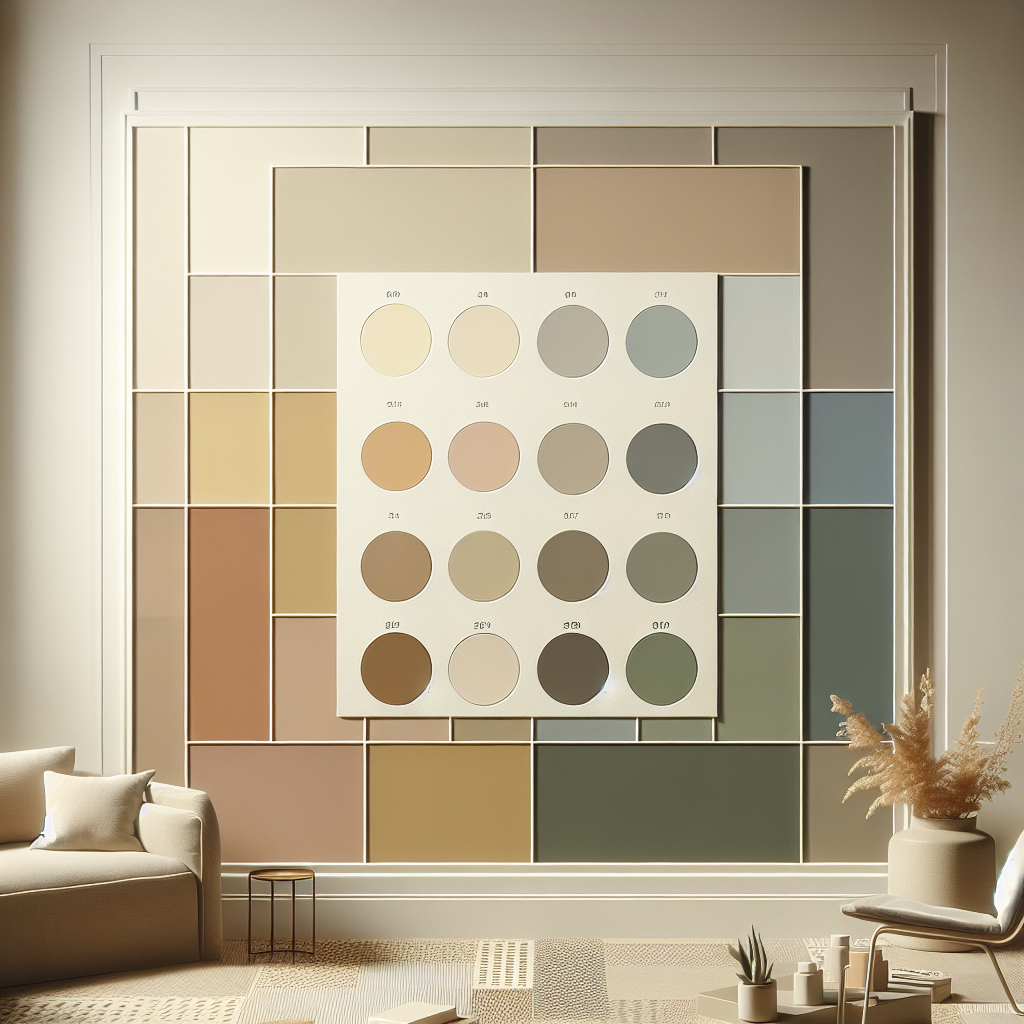
First and foremost, it’s important to understand that maximalism is not about chaos; it’s about curated abundance. This means that while you can use a variety of colors, they should work together harmoniously. Start by choosing a color palette that speaks to you. This could be a combination of jewel tones like emerald green, sapphire blue, and ruby red, or perhaps a mix of warm, earthy tones like terracotta, mustard, and deep plum. Once you have your palette, you can begin to layer these colors throughout your space.
One effective way to introduce bold colors is through your walls. Painting a room in a rich, saturated hue can instantly transform the space and set the tone for the rest of your decor. If you’re feeling particularly adventurous, consider using wallpaper with a bold pattern that incorporates your chosen colors. This can add depth and interest to your walls, making them a focal point in the room. However, if you’re not ready to commit to such a dramatic change, you can start small by painting an accent wall or using removable wallpaper.
In addition to walls, textiles are another fantastic way to infuse color into your maximalist decor. Think plush velvet sofas in deep blues or vibrant yellows, or perhaps a collection of throw pillows in various patterns and shades. Rugs, curtains, and even bedding can also be opportunities to play with color. By layering different textures and patterns, you can create a cozy and inviting atmosphere that feels both eclectic and cohesive.
Moreover, don’t forget about the power of art and accessories. A large, colorful painting or a gallery wall filled with diverse artwork can serve as a stunning centerpiece in a maximalist room. Similarly, decorative objects like vases, lamps, and sculptures in bold colors can add pops of interest throughout your space. These elements not only enhance the color scheme but also reflect your personal style and taste.
While it’s easy to get carried away with color, balance is key in maximalist decor. To prevent your space from feeling too overwhelming, incorporate some neutral elements to ground the design. This could be a neutral-colored rug, a wooden coffee table, or even white trim on your walls. These elements provide a visual break and allow the bold colors to shine without competing for attention.
Finally, remember that maximalism is about self-expression and creativity. There are no strict rules, so feel free to experiment and have fun with your decor. Trust your instincts and choose colors that make you happy. After all, your home should be a reflection of who you are, and maximalism offers the perfect opportunity to showcase your unique personality through bold and daring choices.
Layering Patterns: Mixing Prints for a Cohesive Maximalist Look
Maximalism is all about embracing boldness and creativity, and one of the most exciting aspects of this design style is the art of layering patterns. For the daring decorator, mixing prints can transform a space into a vibrant tapestry of colors and textures, creating a look that is both cohesive and delightfully eclectic. While it might seem daunting at first, mastering the art of pattern mixing is all about balance and confidence. By understanding a few key principles, you can create a maximalist space that feels intentional and harmonious.
To begin with, consider starting with a unifying color palette. This doesn’t mean everything has to match perfectly, but having a few common colors running through your patterns can help tie everything together. For instance, if you love the idea of combining florals with geometric prints, look for patterns that share a similar hue. This shared color will act as a thread that weaves through your design, creating a sense of unity amidst the chaos.
Next, think about scale. Mixing patterns of different sizes can add depth and interest to a room. Large-scale patterns can serve as a focal point, drawing the eye and anchoring the space, while smaller patterns can act as supporting players, adding texture and complexity. For example, a bold, oversized floral wallpaper can be complemented by smaller, intricate prints on cushions or throws. This contrast in scale prevents the space from feeling overwhelming and ensures that each pattern has its moment to shine.
Texture is another important element to consider when layering patterns. Incorporating a variety of textures can enhance the visual interest of a room and add a tactile dimension to your design. Think about mixing smooth, glossy surfaces with rough, matte ones, or combining soft, plush fabrics with more structured materials. This interplay of textures can make a maximalist space feel rich and inviting, encouraging exploration and interaction.
Moreover, don’t be afraid to experiment with unexpected combinations. Maximalism is all about pushing boundaries and taking risks, so let your imagination run wild. Pairing seemingly disparate patterns, like stripes with polka dots or animal prints with paisleys, can result in a surprisingly cohesive look when done with intention. The key is to trust your instincts and have fun with the process. After all, your home should be a reflection of your personality and style.
In addition to these tips, consider using pattern to highlight architectural features or create zones within a space. For instance, a bold patterned rug can define a seating area, while a striking wallpaper can draw attention to a feature wall or alcove. By using pattern strategically, you can guide the flow of a room and create a sense of order within the maximalist aesthetic.
Finally, remember that maximalism is a journey, not a destination. Your space should evolve over time, reflecting your changing tastes and experiences. Don’t be afraid to swap out patterns or introduce new elements as your style develops. The beauty of maximalism lies in its flexibility and adaptability, allowing you to continually reinvent your space.
In conclusion, layering patterns in a maximalist design is an art form that celebrates individuality and creativity. By embracing color, scale, texture, and unexpected combinations, you can create a space that is both cohesive and uniquely yours. So go ahead, be bold, and let your home tell your story in the most vibrant way possible.
Statement Pieces: Choosing Bold Furniture for Maximum Impact
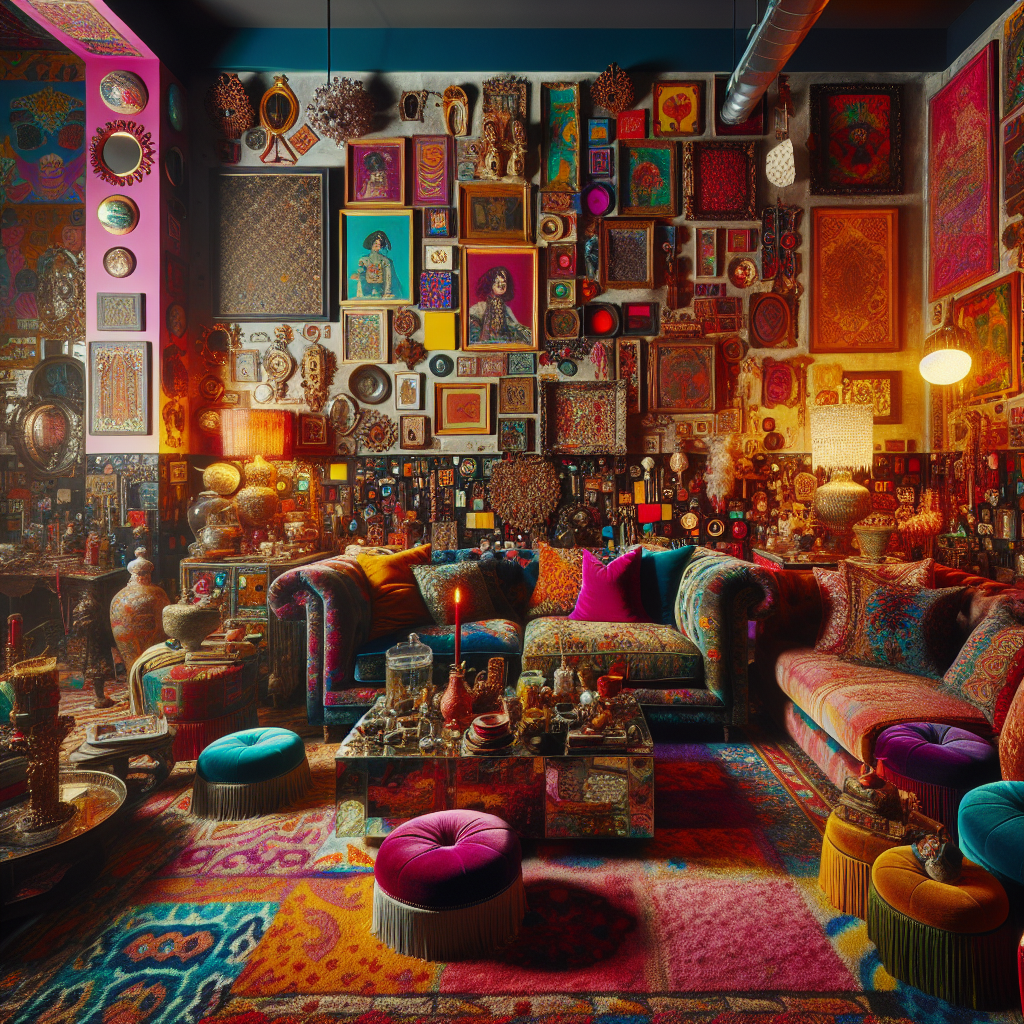
Maximalism is all about embracing boldness, color, and personality in your home decor. It’s a style that encourages you to break free from the constraints of minimalism and express yourself through vibrant and daring choices. When it comes to maximalism, statement pieces are key. These are the bold furniture items that capture attention and set the tone for the entire room. Choosing the right statement pieces can transform your space into a lively and inviting environment that reflects your unique taste.
To begin with, consider the power of a bold sofa. A brightly colored or uniquely patterned sofa can serve as the centerpiece of your living room. Imagine a plush velvet couch in a rich emerald green or a striking geometric print. Such a piece not only provides comfort but also acts as a conversation starter. Pair it with contrasting throw pillows or a cozy blanket to add layers of texture and interest. The key is to let the sofa shine while complementing it with accessories that enhance its boldness.
Transitioning to the dining area, a statement dining table can make a significant impact. Opt for a table with an unusual shape or material, such as a round marble top or a reclaimed wood finish. These choices add character and depth to the room. Surround the table with an eclectic mix of chairs, perhaps in different colors or styles, to create a dynamic and inviting atmosphere. This approach not only showcases your creativity but also ensures that your dining space is anything but ordinary.
In the bedroom, a statement bed can be the focal point that ties the room together. Consider a bed frame with an intricate headboard or one upholstered in a bold fabric. A canopy bed can also add a touch of drama and elegance. To balance the boldness of the bed, choose bedding in complementary colors or patterns. This creates a cohesive look that is both daring and harmonious.
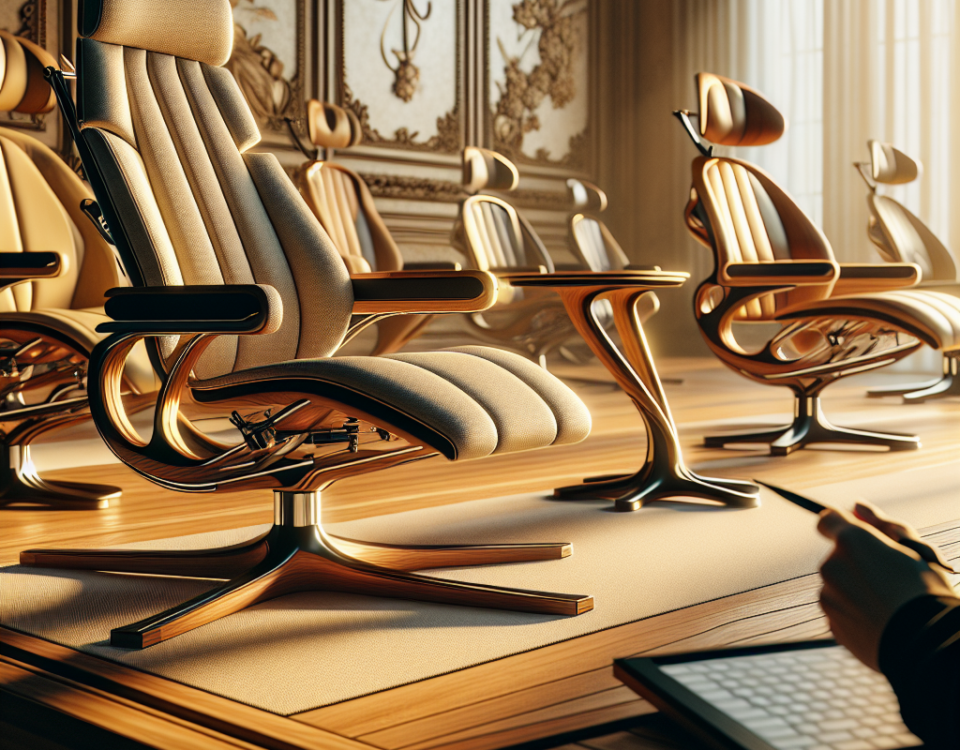
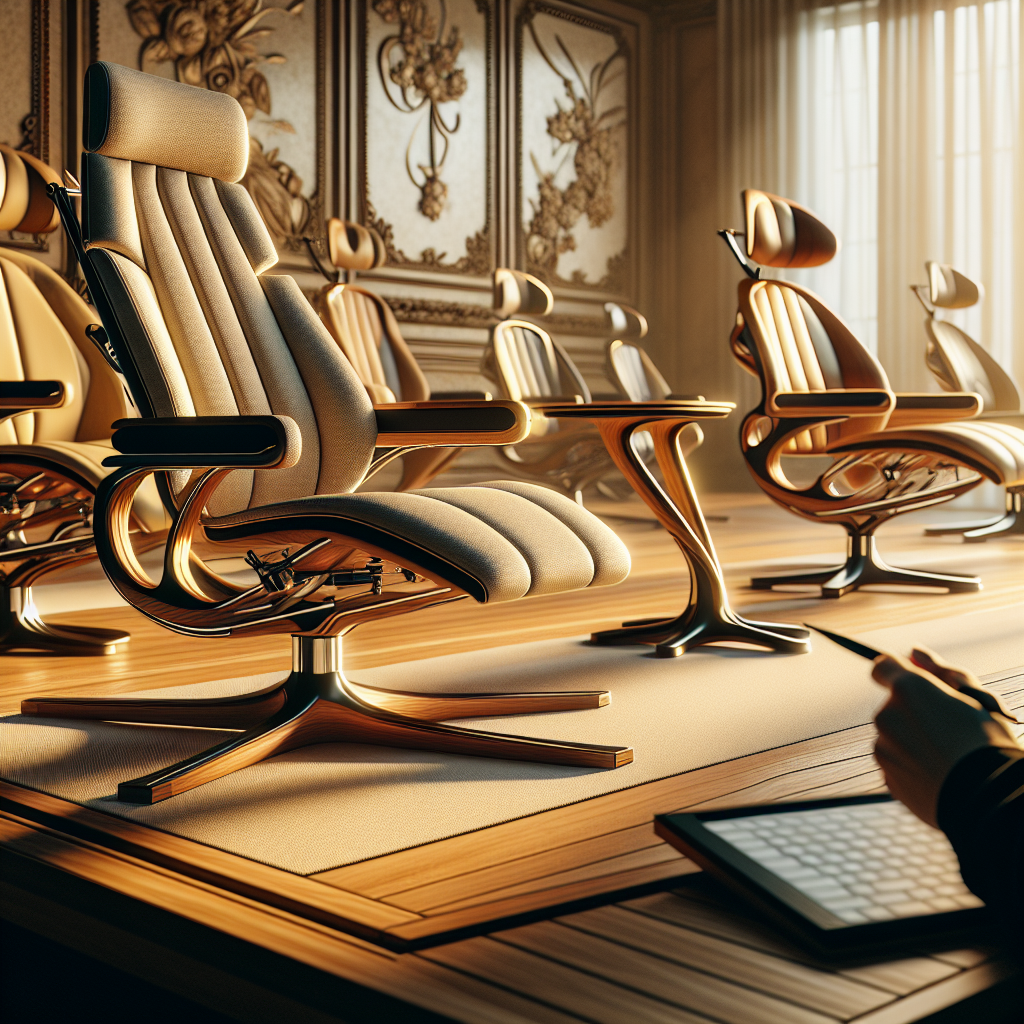
Moving on to the home office, a statement desk can inspire creativity and productivity. Look for a desk with a unique design, such as one with a sculptural base or a vibrant lacquer finish. Pair it with an eye-catching chair that offers both comfort and style. This combination not only enhances the aesthetic of your workspace but also makes it a place where you enjoy spending time.
Incorporating statement pieces doesn’t mean every item in the room has to be bold. It’s about finding the right balance between standout items and supporting elements. For instance, if you have a bold piece of furniture, consider using neutral or muted tones for the walls and flooring. This allows the statement piece to take center stage without overwhelming the space.
Finally, don’t forget about lighting. A statement chandelier or a set of unique pendant lights can add a touch of glamour and sophistication to any room. Lighting not only serves a functional purpose but also enhances the overall ambiance. Choose fixtures that complement your statement pieces and add an extra layer of visual interest.
In conclusion, maximalism done right is all about making bold choices that reflect your personality and style. By carefully selecting statement pieces and balancing them with complementary elements, you can create a space that is both daring and inviting. So go ahead, embrace the bold, and let your home be a true reflection of who you are.
Artful Arrangements: Curating Eclectic Collections in Maximalist Spaces
Maximalism is all about embracing the bold, the vibrant, and the eclectic. It’s a celebration of abundance, where more is truly more, and every corner of a room tells a story. For the daring decorator, curating eclectic collections in maximalist spaces is an art form that requires a keen eye and a fearless spirit. The key to maximalism done right lies in the artful arrangement of diverse elements, creating a harmonious yet dynamic environment that captivates and inspires.
To begin with, consider the foundation of your space. Maximalism thrives on layers, so start with a base that can support a multitude of textures and patterns. A richly colored wall or a statement wallpaper can serve as the perfect backdrop for your collection. From there, think about how you can build upon this foundation with furniture that complements your vision. Mixing vintage pieces with modern designs can create an intriguing contrast that adds depth and character to the room.
As you start to assemble your collection, remember that maximalism is not about clutter but about curated abundance. Each piece should have a purpose and a place, contributing to the overall narrative of the space. This is where your personal taste and creativity come into play. Perhaps you have a penchant for mid-century ceramics or a love for contemporary art. Whatever your passion, let it guide your choices and create a cohesive theme that ties everything together.
Transitioning from one area of the room to another, consider how you can use color to unify your collection. Bold hues can act as a thread that weaves through the space, connecting disparate elements and creating a sense of continuity. Don’t be afraid to experiment with unexpected color combinations; after all, maximalism is about pushing boundaries and embracing the unconventional. A vibrant rug or a series of colorful throw pillows can inject energy into the room and highlight key pieces in your collection.
Lighting also plays a crucial role in maximalist spaces. It can accentuate the textures and colors of your collection, adding another layer of interest. Consider using a mix of lighting sources, such as floor lamps, table lamps, and pendant lights, to create a warm and inviting atmosphere. Each light source can highlight different aspects of your collection, drawing the eye to specific areas and creating a sense of movement throughout the space.
As you continue to curate your collection, think about how you can incorporate different materials and textures. A mix of metals, woods, and fabrics can add richness and complexity to the room. For instance, a velvet sofa paired with a brass coffee table and a wooden bookshelf can create a tactile experience that invites exploration. The interplay of textures can also help to balance the visual weight of your collection, ensuring that no single element overwhelms the space.
Finally, remember that maximalism is a reflection of your personality and style. It’s an opportunity to showcase your unique taste and create a space that feels truly yours. Don’t be afraid to take risks and make bold choices; after all, maximalism is about celebrating individuality and creativity. By thoughtfully curating your eclectic collection and arranging it with care, you can create a maximalist space that is both artful and inviting, a true testament to the daring decorator within you.
Balancing Boldness: Tips for Harmonizing Maximalist Elements
Maximalism is all about embracing boldness, color, and a mix of textures and patterns to create a space that feels vibrant and full of life. For the daring decorator, it offers a playground of possibilities, allowing you to express your personality and creativity without restraint. However, the key to mastering maximalism lies in balancing these bold elements to ensure your space feels cohesive rather than chaotic. To achieve this harmony, start by selecting a color palette that will serve as the foundation for your design. While maximalism encourages the use of multiple colors, choosing a few core shades can help anchor the room and provide a sense of unity. Consider using one or two dominant colors and then layering in complementary hues to add depth and interest.
Once you have your color palette, it’s time to think about patterns. Mixing patterns is a hallmark of maximalist design, but it requires a thoughtful approach to avoid overwhelming the senses. Start by selecting a few key patterns that you love, such as florals, stripes, or geometric shapes. Then, vary the scale of these patterns to create visual interest. For instance, pair a large floral print with a smaller geometric pattern to create contrast and balance. Additionally, consider the color relationships between patterns; using patterns that share similar colors can help tie the room together.
Textures also play a crucial role in maximalist design, adding another layer of richness and complexity to your space. Incorporate a variety of materials, such as velvet, leather, wood, and metal, to create a tactile experience. Mixing textures can also help soften bold patterns and colors, making the space feel more inviting. For example, a plush velvet sofa can provide a cozy counterpoint to a bold, patterned rug.
Incorporating statement pieces is another way to embrace maximalism while maintaining balance. Choose a few standout items, such as an oversized piece of art, a unique light fixture, or an intricately designed piece of furniture, to serve as focal points in the room. These pieces can draw the eye and provide a sense of structure amidst the abundance of elements. However, be mindful not to overcrowd the space with too many statement pieces, as this can lead to visual clutter.
Layering is an essential technique in maximalist design, allowing you to build depth and dimension in your space. Start with larger foundational pieces, such as furniture and rugs, and then layer in smaller accessories like pillows, throws, and decorative objects. This approach not only adds interest but also allows you to experiment with different elements without committing to a complete overhaul.
Finally, remember that maximalism is about personal expression, so don’t be afraid to showcase your unique style and interests. Whether it’s a collection of vintage finds, a gallery wall of eclectic art, or a mix of global influences, let your space tell your story. By thoughtfully curating your maximalist elements and focusing on balance, you can create a space that feels both daring and harmonious, a true reflection of your bold personality.
Conclusion
Maximalism Done Right: Bold Choices for the Daring Decorator emphasizes the art of embracing bold, eclectic, and vibrant design elements to create visually stimulating and personalized spaces. The approach encourages the use of diverse patterns, rich textures, and a mix of colors to reflect individuality and creativity. Successful maximalist design balances these elements to avoid overwhelming the senses, ensuring that each piece contributes to a cohesive and harmonious environment. By thoughtfully curating and layering decor, maximalism celebrates abundance and personality, offering a dynamic alternative to minimalist aesthetics.