The Art of the Canopy: Overhead Fabric in Luxurious Spaces
April 30, 2024
The Luxury of Wellness: Designing Spaces for Mind and Body
May 14, 2024
-
Table of Contents
- Introduction
- Exploring Neo-Expressionism: Transforming Spaces with Bold Artistry
- The Impact of Neo-Expressionist Art on Modern Interior Design
- Incorporating Neo-Expressionist Elements into Your Home Decor
- Neo-Expressionism and Color Psychology in Interior Design
- Iconic Neo-Expressionist Artists and Their Influence on Interior Aesthetics
- Conclusion
Introduction
Neo-Expressionism, a dynamic and emotive art movement that emerged in the late 20th century, has significantly influenced the realm of interior design with its bold and expressive aesthetic. Characterized by intense colors, dramatic forms, and a raw, often chaotic energy, Neo-Expressionism draws inspiration from earlier expressionist movements while embracing contemporary themes and techniques. This artistic style is marked by its ability to convey deep emotional experiences and complex narratives, making it a powerful tool in transforming interior spaces. In interior design, Neo-Expressionism manifests through the use of striking artworks, vibrant color palettes, and eclectic furnishings that evoke a sense of spontaneity and individuality. By integrating these elements, designers create environments that are not only visually captivating but also emotionally resonant, offering a unique and immersive experience that challenges conventional design norms.
Exploring Neo-Expressionism: Transforming Spaces with Bold Artistry
Neo-Expressionism, a vibrant and dynamic art movement that emerged in the late 20th century, has been making waves in the world of interior design. This bold artistic style, characterized by its intense colors, emotional depth, and raw energy, offers a fresh and exciting way to transform living spaces. As we explore the influence of Neo-Expressionism in interior design, it becomes clear that this movement is not just about aesthetics; it’s about creating an environment that resonates with emotion and individuality.
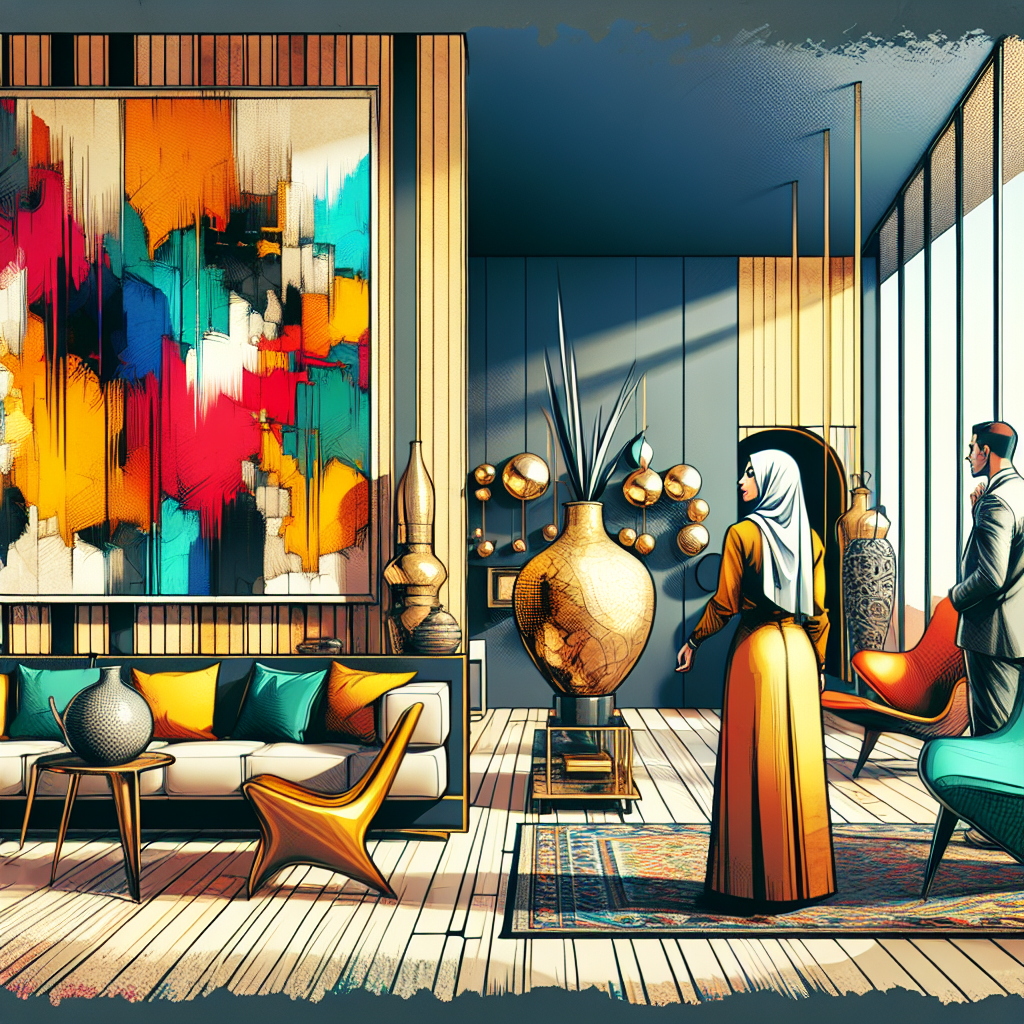
To begin with, Neo-Expressionism is all about breaking free from the constraints of traditional design. It encourages a sense of freedom and spontaneity, allowing homeowners to express their personalities through their living spaces. This is achieved by incorporating elements such as bold color palettes, abstract forms, and textured surfaces. These features work together to create an atmosphere that is both visually stimulating and emotionally engaging. For instance, a living room adorned with a large, expressive painting can serve as a focal point, drawing the eye and sparking conversation.
Moreover, the use of color in Neo-Expressionist design is particularly noteworthy. Unlike more subdued styles, Neo-Expressionism embraces vibrant hues that evoke strong emotions. Think deep reds, electric blues, and sunny yellows that can transform a room from mundane to mesmerizing. These colors are often applied in unexpected ways, such as on an accent wall or through statement furniture pieces, adding an element of surprise and delight. This approach not only enlivens a space but also allows for personal expression, as individuals can choose colors that resonate with their own experiences and emotions.
In addition to color, texture plays a crucial role in Neo-Expressionist interiors. The movement’s emphasis on raw, unrefined materials can be seen in the use of rough-hewn wood, exposed brick, and distressed metals. These elements add depth and character to a space, creating a tactile experience that invites touch and interaction. By incorporating such textures, designers can craft environments that feel lived-in and authentic, rather than overly polished or sterile.
Furthermore, Neo-Expressionism encourages the blending of different artistic influences, resulting in eclectic and unique interiors. This might involve mixing modern furniture with vintage pieces or combining various art styles within a single room. The key is to create a harmonious balance that reflects the homeowner’s tastes and interests. This eclectic approach not only adds visual interest but also allows for a more personalized and meaningful space.
As we delve deeper into the world of Neo-Expressionism in interior design, it becomes evident that this movement is about more than just aesthetics. It’s about creating spaces that tell a story, evoke emotion, and inspire creativity. By embracing the bold and the unconventional, homeowners can transform their living environments into true reflections of their inner selves. Whether through the use of vibrant colors, rich textures, or eclectic combinations, Neo-Expressionism offers endless possibilities for those looking to infuse their homes with a sense of artistry and individuality.
In conclusion, Neo-Expressionism provides a refreshing and innovative approach to interior design. Its emphasis on bold colors, textures, and eclectic influences allows for the creation of spaces that are not only visually striking but also deeply personal. As more people seek to express their individuality through their living environments, the influence of Neo-Expressionism is likely to continue growing, offering exciting opportunities for creativity and self-expression in the world of interior design.
The Impact of Neo-Expressionist Art on Modern Interior Design
Neo-Expressionism, a vibrant and dynamic art movement that emerged in the late 20th century, has left an indelible mark on the world of interior design. This movement, characterized by its bold colors, emotional intensity, and raw, gestural brushstrokes, has found a new home in modern interiors, where its influence is both profound and inspiring. As we explore the impact of Neo-Expressionist art on contemporary interior design, it becomes clear that this movement has not only transformed the way we view art but also how we experience our living spaces.
To begin with, Neo-Expressionism’s emphasis on emotion and individuality resonates deeply with those seeking to create personal and unique environments. In a world where mass-produced furniture and decor often dominate, the incorporation of Neo-Expressionist elements allows homeowners to express their personalities and emotions through their surroundings. This is achieved by integrating artwork that features the movement’s signature bold colors and dynamic forms, which can serve as focal points in a room, drawing the eye and sparking conversation.
Moreover, the movement’s use of vivid colors and dramatic contrasts has inspired a shift in color palettes within interior design. Gone are the days when neutral tones reigned supreme; instead, designers are increasingly embracing rich, saturated hues that evoke the emotional intensity of Neo-Expressionist paintings. These colors, whether applied to walls, furniture, or accessories, create a sense of energy and vitality that can transform even the most mundane spaces into vibrant, engaging environments.
In addition to color, the textural qualities of Neo-Expressionist art have also influenced modern interior design. The movement’s characteristic use of thick, impasto brushstrokes and layered surfaces has inspired designers to experiment with texture in new and exciting ways. This can be seen in the use of materials such as rough-hewn wood, textured fabrics, and layered finishes, which add depth and interest to a space. By incorporating these tactile elements, designers can create interiors that not only look visually striking but also invite touch and interaction.
Furthermore, the narrative and symbolic aspects of Neo-Expressionism have encouraged a more thoughtful approach to interior design. Rather than simply focusing on aesthetics, designers are increasingly considering the stories and emotions that spaces can convey. This has led to the creation of interiors that are not only beautiful but also meaningful, with each element carefully chosen to reflect the homeowner’s personal journey and experiences. In this way, Neo-Expressionism has helped to elevate interior design from mere decoration to a form of storytelling.
As we continue to explore the impact of Neo-Expressionist art on modern interior design, it is important to recognize the movement’s role in fostering creativity and experimentation. By challenging traditional notions of beauty and encouraging a more expressive approach to design, Neo-Expressionism has opened up new possibilities for how we can shape our environments. Whether through the use of bold colors, dynamic forms, or textured surfaces, this movement has inspired a generation of designers to push the boundaries of what is possible in interior design.
In conclusion, the influence of Neo-Expressionism on modern interior design is both significant and enduring. By embracing the movement’s emphasis on emotion, individuality, and creativity, designers have been able to create spaces that are not only visually stunning but also deeply personal and meaningful. As we continue to explore new ways to incorporate Neo-Expressionist elements into our homes, it is clear that this bold and dynamic art movement will continue to inspire and shape the world of interior design for years to come.
Incorporating Neo-Expressionist Elements into Your Home Decor
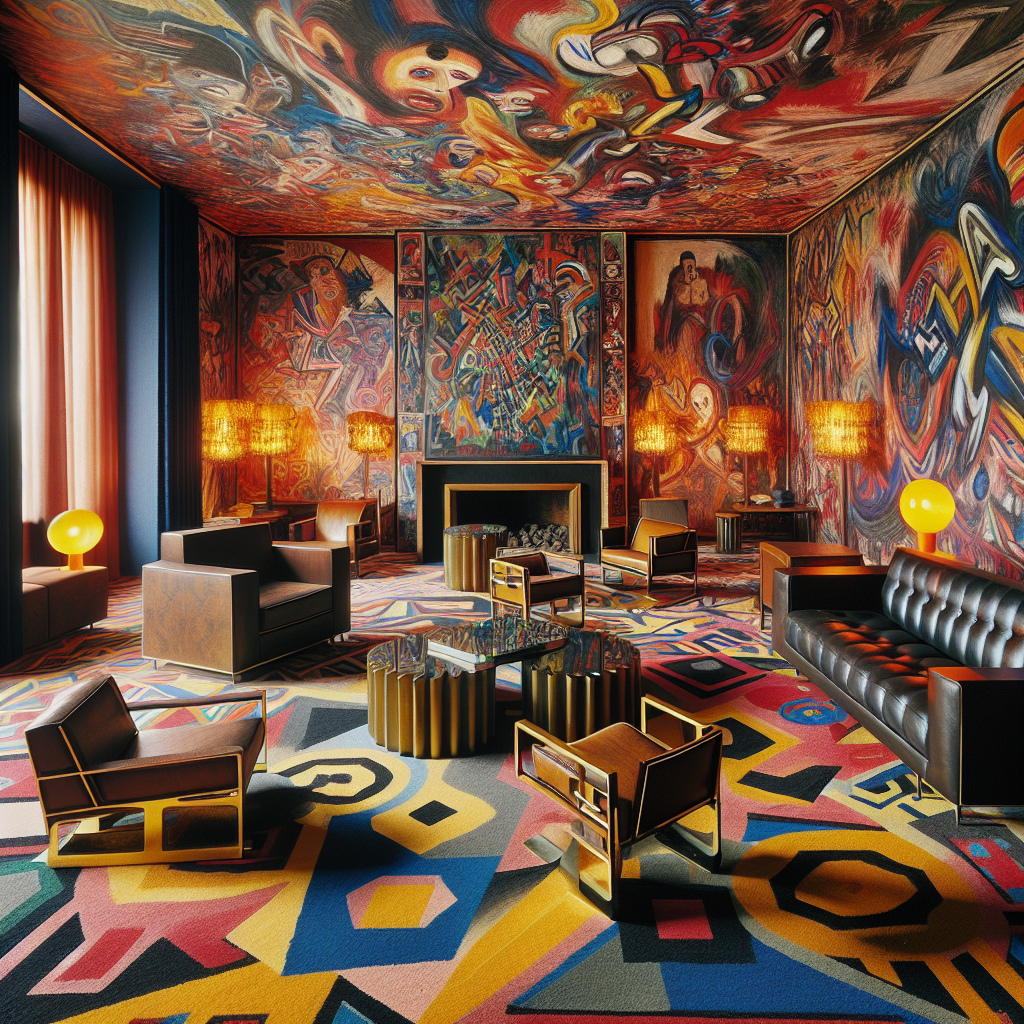
Incorporating Neo-Expressionist elements into your home decor can be an exciting journey into the world of bold colors, dynamic forms, and emotional depth. This art movement, which emerged in the late 20th century, is characterized by its vivid use of color, energetic application of paint, and a focus on conveying emotion. Bringing these elements into your home can create a space that is not only visually striking but also deeply personal and expressive.
To begin with, consider the color palette. Neo-Expressionism is known for its bold and often contrasting colors. Think vibrant reds, deep blues, and rich yellows. These colors can be incorporated into your home through wall paint, furniture, or even smaller accents like cushions and throws. If painting an entire room feels overwhelming, start with an accent wall. This allows you to experiment with bold colors without committing to a full transformation. Additionally, incorporating artwork that features these vivid hues can be a great way to introduce Neo-Expressionist elements without making permanent changes to your space.
Moving beyond color, texture plays a significant role in Neo-Expressionist design. The movement is known for its dynamic and often rough textures, which can be mirrored in your home through various materials. Consider using textured wallpapers, which can add depth and interest to a room. Alternatively, look for furniture pieces with unique finishes, such as distressed wood or metal, to bring in that raw, expressive feel. Textiles like rugs and curtains with bold patterns or tactile fabrics can also contribute to the overall aesthetic, adding layers of interest and comfort.
Incorporating Neo-Expressionist elements is not just about aesthetics; it’s also about creating a space that feels alive and full of energy. One way to achieve this is through the use of dynamic forms and shapes. Furniture and decor items with unconventional shapes can add a sense of movement and excitement to a room. Think of a sculptural chair or a coffee table with an irregular form. These pieces can serve as focal points, drawing the eye and sparking conversation.
Lighting is another crucial aspect to consider. The right lighting can enhance the colors and textures in your space, making them appear more vibrant and dynamic. Consider using a mix of lighting sources, such as floor lamps, table lamps, and pendant lights, to create a layered effect. This not only adds visual interest but also allows you to adjust the mood of the room according to the time of day or the occasion.
Finally, personal expression is at the heart of Neo-Expressionism, so don’t be afraid to let your personality shine through in your decor choices. Whether it’s a piece of art that speaks to you, a color that you love, or a piece of furniture that makes a statement, these elements should reflect who you are. After all, your home is an extension of yourself, and incorporating Neo-Expressionist elements is about creating a space that feels uniquely yours.
In conclusion, bringing Neo-Expressionist influences into your home decor is about embracing boldness, texture, and personal expression. By carefully selecting colors, textures, forms, and lighting, you can create a space that is not only visually stunning but also deeply personal and full of life. So go ahead, take the plunge, and let your home become a canvas for your creativity and individuality.
Neo-Expressionism and Color Psychology in Interior Design
Neo-Expressionism, a vibrant and dynamic art movement that emerged in the late 20th century, has made a significant impact on various creative fields, including interior design. This movement, characterized by its bold colors, emotional intensity, and raw, gestural brushstrokes, offers a fresh perspective on how we can transform our living spaces. As we delve into the world of Neo-Expressionism and its influence on interior design, it’s fascinating to explore how color psychology plays a crucial role in shaping our environments.
To begin with, Neo-Expressionism is all about embracing boldness and emotion, which naturally translates into the use of vivid and striking colors. These colors are not just visually appealing; they also have the power to evoke specific emotions and moods. For instance, a deep, rich red can create a sense of warmth and passion, while a bright, electric blue might inspire feelings of calmness and serenity. By understanding the psychological effects of colors, interior designers can harness the essence of Neo-Expressionism to craft spaces that resonate with the inhabitants on a deeper level.
Moreover, the use of color in Neo-Expressionist-inspired interiors is not limited to walls and furniture. It extends to every element within a space, from artwork and textiles to lighting and accessories. This holistic approach ensures that the entire environment is cohesive and harmonious, allowing the bold colors to flow seamlessly from one area to another. By doing so, designers can create a sense of unity and balance, even when working with a diverse palette of intense hues.
In addition to color, the textures and materials used in Neo-Expressionist interiors play a significant role in enhancing the overall aesthetic. The movement’s emphasis on raw, gestural forms can be reflected in the choice of materials such as rough-hewn wood, textured fabrics, and unpolished metals. These elements add depth and dimension to a space, inviting tactile exploration and creating a more immersive experience. When combined with the vibrant colors typical of Neo-Expressionism, these textures can transform a room into a living work of art.
Furthermore, the influence of Neo-Expressionism in interior design is not just about aesthetics; it’s also about creating spaces that tell a story. Each color, texture, and form can be seen as a brushstroke on a canvas, contributing to a larger narrative that reflects the personality and emotions of those who inhabit the space. This storytelling aspect is what makes Neo-Expressionist interiors so compelling and unique, as they invite individuals to engage with their surroundings on a personal level.
As we consider the impact of Neo-Expressionism on interior design, it’s clear that this movement offers a wealth of inspiration for those looking to infuse their spaces with energy and emotion. By understanding the principles of color psychology and embracing the bold, expressive nature of this art form, designers can create environments that are not only visually stunning but also deeply resonant. Whether you’re drawn to the movement’s vibrant colors, its emphasis on texture, or its storytelling potential, Neo-Expressionism provides a rich tapestry of ideas to explore and incorporate into your own interior design projects.
Iconic Neo-Expressionist Artists and Their Influence on Interior Aesthetics
Neo-Expressionism, a vibrant and dynamic art movement that emerged in the late 20th century, has left an indelible mark on the world of interior design. This movement, characterized by its bold colors, emotional intensity, and raw, gestural brushstrokes, has inspired countless designers to infuse their spaces with a sense of drama and individuality. At the heart of this influence are iconic Neo-Expressionist artists whose works continue to captivate and inspire. Among these artists, Jean-Michel Basquiat, Anselm Kiefer, and Julian Schnabel stand out as key figures whose artistic visions have seamlessly transitioned from the canvas to the realm of interior aesthetics.
Jean-Michel Basquiat, with his distinctive style that blends graffiti, text, and abstract imagery, has become a symbol of urban sophistication and cultural commentary. His works often explore themes of identity, race, and power, making them not only visually striking but also intellectually engaging. In interior design, Basquiat’s influence is evident in spaces that embrace a sense of urban edge and eclecticism. Designers often incorporate elements such as bold, graphic patterns, and unexpected color combinations to evoke the spirit of Basquiat’s art. This approach creates interiors that feel alive and dynamic, inviting occupants to engage with their surroundings on a deeper level.
Transitioning to another influential figure, Anselm Kiefer’s monumental works are known for their textured surfaces and historical references. Kiefer’s art often delves into themes of memory, mythology, and the passage of time, using materials like lead, ash, and straw to create a sense of depth and complexity. In the world of interior design, Kiefer’s influence can be seen in spaces that prioritize texture and materiality. Designers might choose to incorporate rough-hewn wood, distressed metals, or layered textiles to echo the tactile quality of Kiefer’s work. This approach not only adds visual interest but also creates a sense of history and narrative within the space, encouraging occupants to reflect on their own stories and experiences.
Julian Schnabel, another prominent Neo-Expressionist artist, is renowned for his large-scale paintings and use of unconventional materials such as broken plates and velvet. Schnabel’s work often exudes a sense of opulence and grandeur, making it a perfect fit for interiors that aim to make a bold statement. Designers inspired by Schnabel might opt for luxurious fabrics, oversized art pieces, and a mix of textures to create spaces that feel both lavish and inviting. This approach allows for a sense of drama and theatricality, transforming ordinary rooms into extraordinary experiences.
As we consider the impact of these artists on interior design, it’s clear that Neo-Expressionism offers a wealth of inspiration for those looking to create spaces that are both visually arresting and emotionally resonant. By embracing the bold colors, textures, and themes championed by Basquiat, Kiefer, and Schnabel, designers can craft interiors that not only reflect the spirit of this influential art movement but also resonate with the personal tastes and stories of those who inhabit them. In this way, Neo-Expressionism continues to shape the world of interior design, offering endless possibilities for creativity and self-expression.
Conclusion
Neo-Expressionism, characterized by its vivid colors, dynamic forms, and emotive intensity, has significantly influenced interior design by introducing a bold, artistic flair that challenges conventional aesthetics. This movement, which emerged in the late 20th century, draws inspiration from earlier expressionist styles, emphasizing raw emotion and individual perspective. In interior design, Neo-Expressionism manifests through the use of striking color palettes, abstract forms, and eclectic combinations of textures and materials, creating spaces that are both visually stimulating and deeply personal. By incorporating elements such as oversized artworks, sculptural furniture, and dramatic lighting, designers can evoke the movement’s essence, transforming interiors into immersive environments that reflect the complexity and vibrancy of human emotion. Ultimately, Neo-Expressionism in interior design celebrates artistic freedom and personal expression, encouraging a departure from minimalism and inviting a more dynamic and engaging interaction with space.