Luxury Tech Integration: Seamless Technology in High-End Interiors
April 23, 2024
Neo-Expressionism: Bold Artistic Influences in Interior Design
May 7, 2024
-
Table of Contents
- Introduction
- Exploring Historical Influences: The Evolution of Canopy Design in Luxurious Interiors
- Modern Innovations: Integrating Technology with Overhead Fabric in Luxury Spaces
- The Psychology of Space: How Canopies Transform Ambiance and Perception
- Sustainable Luxury: Eco-Friendly Materials in Canopy Design
- Customization and Craftsmanship: Tailoring Canopies for Unique Luxurious Experiences
- Conclusion
Introduction
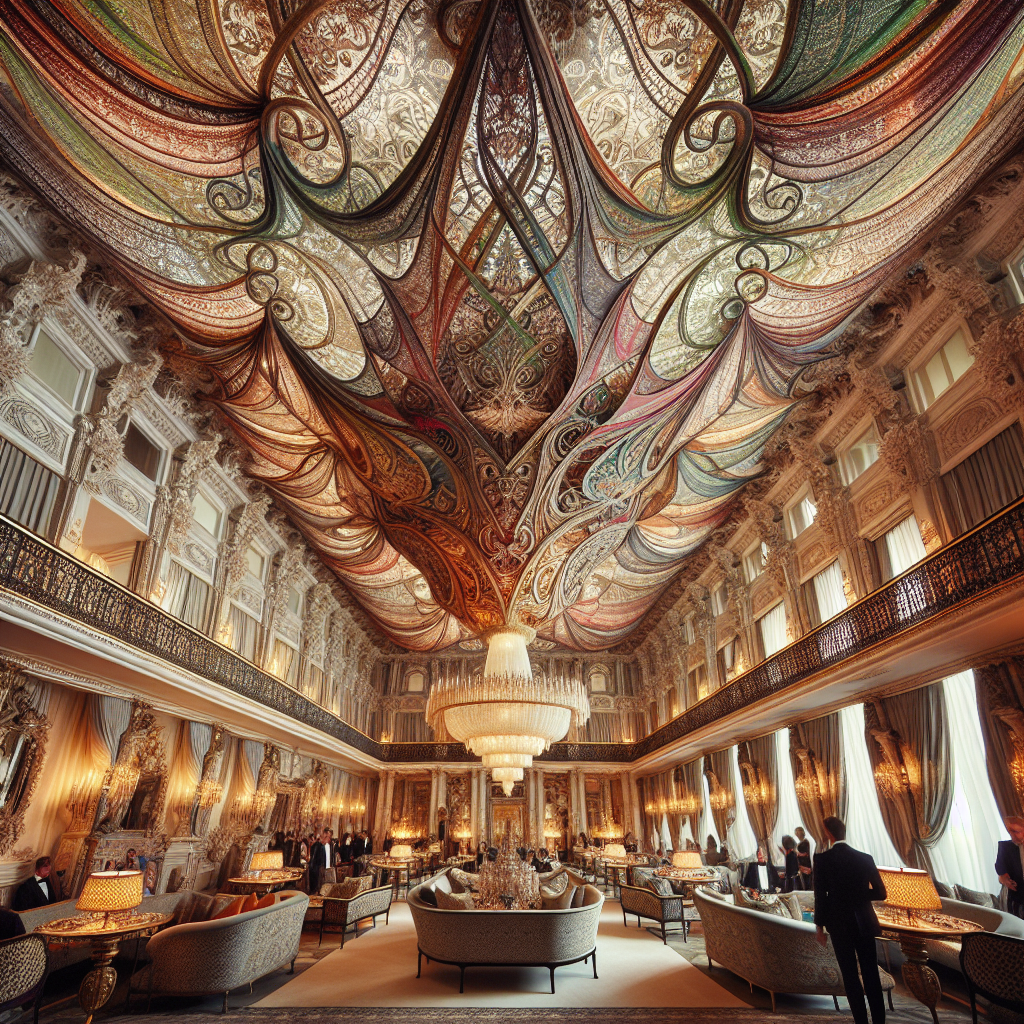
“The Art of the Canopy: Overhead Fabric in Luxurious Spaces” explores the transformative power of fabric canopies in creating opulent and inviting environments. This book delves into the historical significance and modern applications of overhead fabric, showcasing how designers and architects use this versatile element to enhance aesthetics, acoustics, and ambiance. Through a collection of stunning visuals and expert insights, readers are guided through the process of selecting materials, understanding structural considerations, and achieving the perfect balance between functionality and luxury. Whether in grand hotel lobbies, intimate dining areas, or serene outdoor retreats, the art of the canopy elevates spaces to new heights of elegance and sophistication.
Exploring Historical Influences: The Evolution of Canopy Design in Luxurious Interiors
The art of the canopy has long been a symbol of luxury and elegance, weaving its way through history and into the heart of opulent interiors. As we explore the historical influences that have shaped canopy design, it becomes clear that this decorative element is more than just a piece of fabric; it is a testament to the evolution of style and taste across different cultures and eras. From the grand palaces of Europe to the serene sanctuaries of the East, canopies have adorned spaces with a sense of grandeur and intimacy, creating a unique blend of comfort and sophistication.
To begin with, let’s travel back to the Middle Ages, a time when canopies were not only a mark of luxury but also served a practical purpose. In the drafty castles of medieval Europe, bed canopies were used to provide warmth and privacy. These early canopies were often made from heavy fabrics like velvet or brocade, richly embroidered and draped over four-poster beds. As we move into the Renaissance period, the canopy evolved into a more decorative element, reflecting the era’s emphasis on art and beauty. The designs became more intricate, with elaborate carvings and sumptuous fabrics that showcased the wealth and status of their owners.
Transitioning into the Baroque and Rococo periods, the canopy took on an even more theatrical role. These styles, known for their opulence and extravagance, embraced the canopy as a focal point in interior design. The use of luxurious materials such as silk and satin, along with ornate embellishments like tassels and fringe, transformed canopies into works of art. They were no longer confined to the bedroom but began to appear in other areas of the home, such as dining rooms and salons, where they added a touch of drama and elegance.
As we continue our journey through history, we find that the influence of Eastern design cannot be overlooked. In regions like India and the Middle East, canopies have been used for centuries to create intimate and inviting spaces. The Mughal Empire, for instance, is renowned for its use of lavish textiles and intricate patterns, which were often incorporated into canopy designs. These influences eventually made their way to Europe, where they were embraced by designers seeking to add an exotic flair to their interiors.
In the modern era, the canopy has undergone yet another transformation. While it still retains its association with luxury, contemporary designers have reimagined the canopy to suit a variety of styles and spaces. From minimalist designs that emphasize clean lines and simplicity to bohemian-inspired canopies that evoke a sense of whimsy and relaxation, the possibilities are endless. Today, canopies are used not only in bedrooms but also in outdoor spaces, where they provide shade and a sense of enclosure.
In conclusion, the evolution of canopy design in luxurious interiors is a fascinating journey through time and culture. It reflects the changing tastes and priorities of society, from the practical needs of medieval times to the artistic expressions of the Renaissance and beyond. As we continue to explore new ways to incorporate canopies into our spaces, we are reminded of their enduring appeal and the timeless elegance they bring to any setting. Whether used to create a cozy retreat or a statement piece, the canopy remains a beloved element in the art of interior design.
Modern Innovations: Integrating Technology with Overhead Fabric in Luxury Spaces
In recent years, the world of interior design has seen a fascinating blend of tradition and technology, particularly in the use of overhead fabric canopies in luxury spaces. These canopies, once a hallmark of opulent tents and grand palaces, have found a new life in modern interiors, thanks to innovative technological integrations. As we explore this trend, it’s clear that the art of the canopy is not just about aesthetics but also about creating an immersive experience that combines comfort, style, and cutting-edge technology.
To begin with, the use of overhead fabric in luxury spaces is not a new concept. Historically, canopies have been used to signify grandeur and provide a sense of enclosure and intimacy. However, what sets modern canopies apart is the seamless integration of technology that enhances both functionality and ambiance. For instance, imagine a dining room where the overhead fabric canopy is embedded with smart lighting systems. These systems can adjust the intensity and color of the light based on the time of day or the mood you wish to create. With a simple voice command or a tap on your smartphone, you can transform the atmosphere from a bright, lively brunch setting to a soft, romantic dinner ambiance.
Moreover, the incorporation of sound systems into these canopies is another exciting development. High-quality speakers can be discreetly installed within the folds of the fabric, providing an immersive audio experience without the need for visible equipment. Whether you’re hosting a sophisticated cocktail party or enjoying a quiet evening with your favorite playlist, the sound envelops the space, creating an auditory experience that complements the visual elegance of the canopy.
In addition to lighting and sound, climate control is another area where technology meets design in these luxurious spaces. Advanced climate control systems can be integrated into the canopy structure, allowing for precise temperature regulation. This ensures that the space remains comfortable regardless of the season, enhancing the overall experience for those who inhabit it. Imagine lounging under a canopy that not only looks stunning but also maintains the perfect temperature, making every moment spent beneath it a true pleasure.
Furthermore, the materials used in modern canopies are a testament to the innovation in this field. High-tech fabrics that are both durable and aesthetically pleasing are now available, offering a range of textures and colors that can be customized to fit any design vision. These fabrics are often treated to be stain-resistant and easy to clean, ensuring that the canopy remains pristine over time. Additionally, some fabrics are designed to be acoustically absorbent, further enhancing the sound quality within the space.
As we look to the future, it’s exciting to consider how the art of the canopy will continue to evolve. With advancements in smart home technology and sustainable materials, the possibilities are endless. Designers and homeowners alike are embracing this trend, recognizing that an overhead fabric canopy is not just a decorative element but a dynamic component of a luxurious living environment. By integrating technology with traditional design elements, these canopies offer a unique blend of comfort, style, and innovation, making them a standout feature in any modern luxury space.
The Psychology of Space: How Canopies Transform Ambiance and Perception
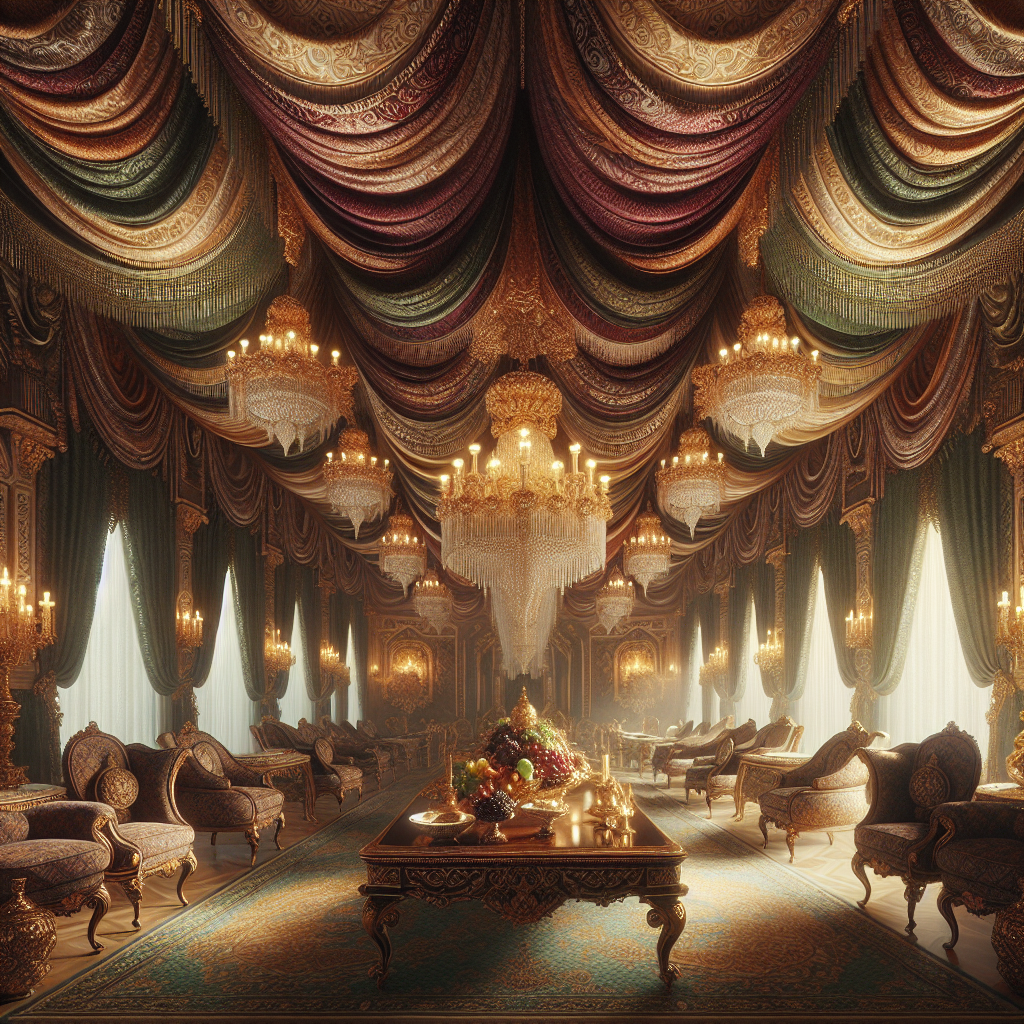
When you step into a room adorned with a canopy, there’s an immediate sense of transformation that occurs. It’s as if the space has been wrapped in a gentle embrace, inviting you to relax and unwind. The art of the canopy, particularly in luxurious spaces, is not just about aesthetics; it’s about creating an ambiance that speaks to the soul. The psychology of space is a fascinating field, and canopies play a significant role in how we perceive and interact with our surroundings.
To begin with, canopies have a unique ability to alter our perception of space. By drawing the eye upward, they create a sense of height and grandeur, making even the most modest room feel expansive and open. This vertical extension can evoke feelings of freedom and openness, which are often associated with luxury and comfort. Moreover, the gentle draping of fabric overhead can soften harsh architectural lines, adding a touch of elegance and fluidity to the environment.
In addition to altering spatial perception, canopies also have a profound impact on the ambiance of a room. The choice of fabric, color, and texture can set the tone for the entire space. For instance, a sheer, flowing fabric in a soft pastel hue can create a dreamy, ethereal atmosphere, perfect for a serene bedroom or a tranquil spa. On the other hand, a rich, velvet canopy in deep jewel tones can add a sense of opulence and drama, ideal for a luxurious dining room or a sophisticated lounge.
Furthermore, canopies can influence our emotional state by providing a sense of enclosure and security. This is particularly important in spaces where relaxation and comfort are paramount. The cocoon-like effect of a canopy can make a room feel more intimate and personal, encouraging occupants to let their guard down and fully immerse themselves in the experience. This psychological comfort is why canopies are often found in high-end hotels and resorts, where creating a sanctuary for guests is a top priority.
Transitioning from the emotional to the practical, canopies also offer functional benefits that enhance the overall experience of a space. They can help control lighting, filtering harsh sunlight to create a soft, diffused glow that is both flattering and calming. This ability to manipulate light can be particularly advantageous in spaces where mood and ambiance are crucial, such as in a romantic restaurant or a cozy reading nook.
Moreover, canopies can contribute to the acoustics of a room by absorbing sound and reducing echoes. This is especially beneficial in large, open spaces where noise can be overwhelming. By dampening sound, canopies help create a more peaceful and serene environment, allowing occupants to focus on the finer details of their surroundings.
In conclusion, the art of the canopy is a testament to the power of design in shaping our experiences and perceptions. By transforming the ambiance and altering our perception of space, canopies elevate luxurious environments to new heights. Whether through their aesthetic appeal, emotional impact, or practical benefits, canopies have a unique ability to create spaces that are not only beautiful but also deeply comforting and inviting. So, the next time you find yourself under a canopy, take a moment to appreciate the subtle yet profound ways it enhances the space around you.
Sustainable Luxury: Eco-Friendly Materials in Canopy Design
In recent years, the world of luxury design has seen a significant shift towards sustainability, and one of the most fascinating areas where this change is taking place is in the art of the canopy. Overhead fabric installations, once purely decorative, are now being crafted with eco-friendly materials that not only enhance the aesthetic appeal of a space but also contribute to a more sustainable future. This trend is reshaping how we think about luxury, blending opulence with environmental responsibility in a way that feels both modern and timeless.
To begin with, the choice of materials is crucial in creating a sustainable canopy. Designers are increasingly turning to organic fabrics such as cotton, linen, and hemp, which are not only biodegradable but also have a lower environmental impact during production. These materials offer a natural elegance that synthetic fabrics often lack, providing a soft, inviting texture that enhances the ambiance of any room. Moreover, the use of organic dyes further reduces the ecological footprint, ensuring that the entire process from production to installation is as green as possible.
In addition to organic fabrics, recycled materials are making a splash in the world of canopy design. Fabrics made from recycled plastics, for instance, are gaining popularity for their durability and versatility. These materials can be transformed into stunning overhead installations that mimic the look and feel of traditional luxury fabrics, all while diverting waste from landfills. This innovative approach not only supports environmental sustainability but also adds a unique story to each piece, making it a conversation starter in any space.
Furthermore, the integration of sustainable practices in canopy design extends beyond the materials themselves. The production process is also being reimagined to minimize waste and energy consumption. Many designers are adopting techniques such as digital printing, which reduces fabric waste by allowing for precise pattern placement. Additionally, local sourcing of materials and craftsmanship helps to cut down on transportation emissions, further enhancing the eco-friendly credentials of these luxurious installations.
As we explore the intersection of luxury and sustainability, it’s important to consider the broader impact of these choices. By opting for eco-friendly materials and practices, designers are not only reducing their carbon footprint but also setting a new standard for what luxury can and should be. This shift is encouraging consumers to think more critically about the products they choose and the impact those choices have on the environment. In this way, the art of the canopy becomes more than just a design element; it becomes a statement of values and a commitment to a more sustainable future.
Moreover, the appeal of sustainable luxury is not limited to its environmental benefits. There is a growing appreciation for the craftsmanship and innovation that goes into creating these eco-friendly canopies. The use of natural and recycled materials often requires a higher level of skill and creativity, resulting in pieces that are not only beautiful but also unique. This adds an extra layer of exclusivity to the luxury experience, as each canopy tells its own story of sustainability and artistry.
In conclusion, the art of the canopy is undergoing a transformation as designers embrace sustainable materials and practices. This evolution is redefining luxury, proving that opulence and environmental responsibility can coexist harmoniously. As more people become aware of the impact of their choices, the demand for eco-friendly luxury will continue to grow, paving the way for a future where beauty and sustainability go hand in hand.
Customization and Craftsmanship: Tailoring Canopies for Unique Luxurious Experiences
When it comes to creating luxurious spaces, the devil is truly in the details. One of the most captivating elements that can transform a room from ordinary to extraordinary is the use of overhead fabric canopies. These elegant installations not only add a touch of opulence but also offer a unique opportunity for customization and craftsmanship. As we explore the art of the canopy, it becomes clear that tailoring these fabric wonders is an experience in itself, blending creativity with precision to craft spaces that are as unique as the individuals who inhabit them.
To begin with, the allure of a canopy lies in its ability to evoke a sense of grandeur and intimacy simultaneously. Imagine walking into a room where the ceiling is adorned with flowing fabric, gently draping down to create a cocoon-like atmosphere. This is the magic of a well-designed canopy—it draws the eye upward, creating a focal point that is both dramatic and inviting. The choice of fabric plays a crucial role here, as it sets the tone for the entire space. Luxurious silks, rich velvets, or even sheer linens can be used to achieve different effects, each bringing its own texture and color palette to the room.
Moreover, the customization of canopies allows for endless possibilities. Whether it’s a private residence, a high-end hotel suite, or a lavish event space, the design can be tailored to reflect the personality and style of the client. This is where craftsmanship truly shines. Skilled artisans work closely with designers and clients to bring their visions to life, ensuring that every pleat, fold, and drape is executed with precision. The process often involves a collaborative effort, where ideas are exchanged, sketches are drawn, and samples are reviewed until the perfect design is achieved.
In addition to aesthetics, functionality is another important aspect to consider when designing a canopy. For instance, in a bedroom setting, a canopy can serve as a romantic focal point above the bed, while also providing a sense of privacy and coziness. In a dining area, it can create an intimate atmosphere, enhancing the dining experience by softening acoustics and adding a layer of visual interest. The versatility of canopies is truly remarkable, as they can be adapted to suit various spaces and purposes.
Furthermore, the installation of a canopy requires a keen eye for detail and a deep understanding of the space. The dimensions of the room, the height of the ceiling, and the existing decor all play a role in determining the final design. It’s a delicate balance between creating a statement piece and ensuring that it complements the overall aesthetic. This is where the expertise of craftsmen becomes invaluable, as they meticulously measure and adjust the fabric to achieve the desired effect.
Ultimately, the art of the canopy is a celebration of creativity and craftsmanship. It is about taking a simple piece of fabric and transforming it into a work of art that elevates a space to new heights of luxury. As more people seek to create personalized and unique environments, the demand for custom canopies continues to grow. Whether it’s for a special occasion or a permanent installation, these overhead fabric wonders offer a timeless elegance that is sure to leave a lasting impression. So, the next time you find yourself in a room with a beautifully crafted canopy, take a moment to appreciate the artistry and skill that went into its creation.
Conclusion
“The Art of the Canopy: Overhead Fabric in Luxurious Spaces” explores the transformative impact of fabric canopies in enhancing the aesthetic and functional aspects of high-end interiors. By examining various design techniques and materials, the text highlights how canopies can create a sense of intimacy, grandeur, and elegance, while also addressing practical considerations such as acoustics and lighting. The conclusion emphasizes that the strategic use of overhead fabric not only elevates the visual appeal of luxurious spaces but also contributes to a unique and immersive environment, reflecting the sophistication and creativity of contemporary interior design.