Neo-Expressionism: Bold Artistic Influences in Interior Design
May 7, 2024
Sonic Luxury: Acoustic Design in High-End Interiors
May 21, 2024
-
Table of Contents
- Introduction
- Integrating Nature: Biophilic Design in Wellness Spaces
- The Role of Color Psychology in Creating Calming Environments
- Smart Technology: Enhancing Wellness Through Intelligent Design
- Minimalism and Mindfulness: Designing Spaces for Mental Clarity
- The Importance of Sensory Elements in Holistic Wellness Spaces
- Conclusion
Introduction
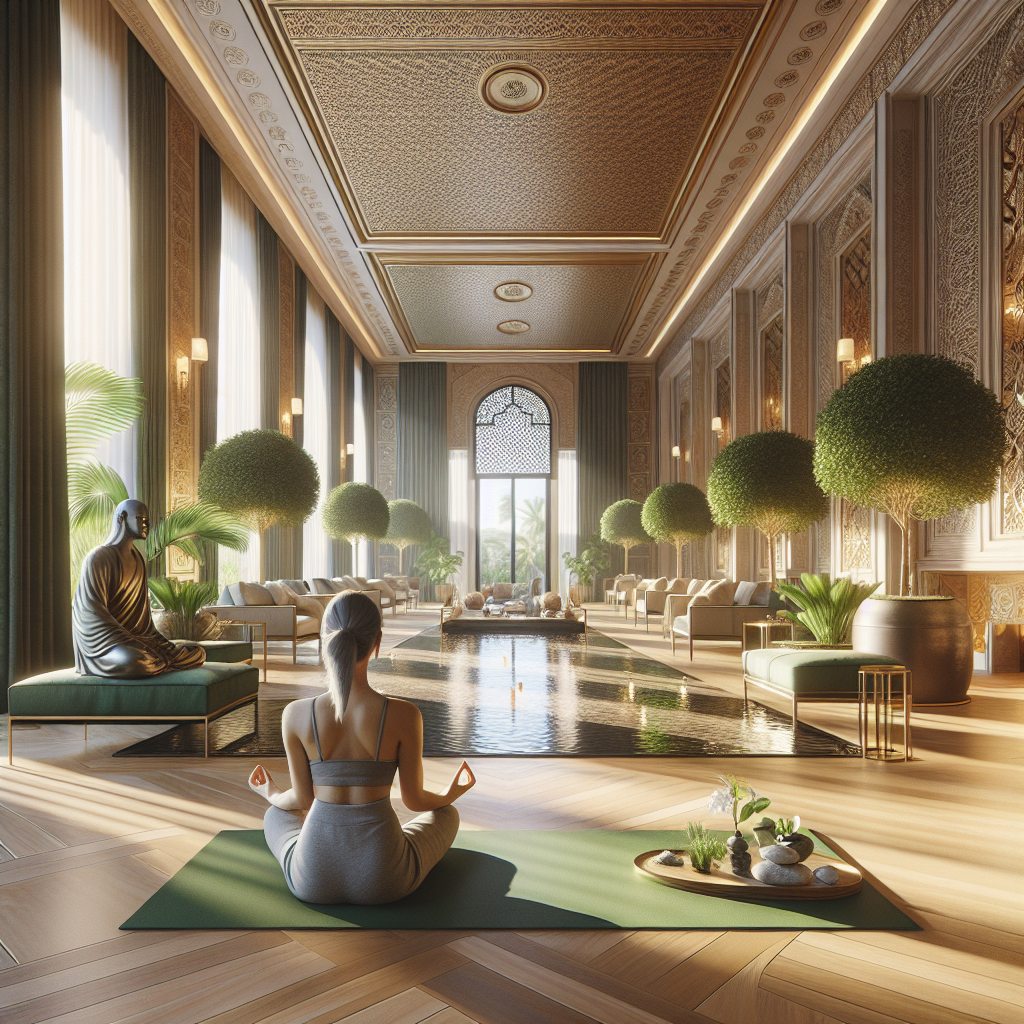
“The Luxury of Wellness: Designing Spaces for Mind and Body” explores the intersection of opulence and holistic well-being, emphasizing how thoughtfully designed environments can enhance both mental and physical health. In an era where wellness has become a paramount concern, this concept delves into the creation of spaces that not only exude luxury but also promote tranquility, rejuvenation, and balance. By integrating elements such as natural light, sustainable materials, and innovative technology, these spaces aim to provide a sanctuary from the stresses of modern life. This approach underscores the importance of design in fostering a harmonious lifestyle, where luxury is not merely about aesthetics but also about nurturing the mind and body.
Integrating Nature: Biophilic Design in Wellness Spaces
In recent years, the concept of wellness has evolved beyond just physical health, encompassing mental and emotional well-being as well. This holistic approach has influenced various aspects of our lives, including the spaces we inhabit. One of the most exciting trends in this area is the integration of nature into our living and working environments, a concept known as biophilic design. This design philosophy is all about creating spaces that connect us with nature, promoting relaxation, reducing stress, and enhancing overall well-being.
Imagine walking into a room filled with natural light, where the gentle rustle of leaves and the soothing sound of water create a serene atmosphere. This is the essence of biophilic design. By incorporating elements such as plants, natural materials, and water features, these spaces aim to mimic the calming effects of the natural world. It’s not just about aesthetics; it’s about creating an environment that nurtures both mind and body.
One of the key principles of biophilic design is the use of natural light. Sunlight has been shown to boost mood and improve sleep patterns, making it an essential component of any wellness space. Large windows, skylights, and open layouts can help maximize the amount of natural light entering a room, creating a bright and inviting atmosphere. Moreover, the strategic placement of mirrors can reflect light into darker areas, ensuring that every corner of the space benefits from this natural resource.
In addition to light, incorporating greenery is another fundamental aspect of biophilic design. Plants not only enhance the visual appeal of a space but also improve air quality by filtering out toxins. Whether it’s a small potted plant on a desk or a living wall that serves as a focal point, greenery can bring a sense of vitality and freshness to any environment. Furthermore, the act of caring for plants can be a therapeutic activity, providing a sense of purpose and connection to nature.
Water features, such as fountains or aquariums, can also play a significant role in creating a tranquil atmosphere. The sound of flowing water has a calming effect, helping to drown out background noise and promote relaxation. Additionally, water features can serve as a visual reminder of nature’s beauty, encouraging mindfulness and reflection.
Natural materials like wood, stone, and bamboo are also integral to biophilic design. These materials add warmth and texture to a space, creating a sense of harmony and balance. By choosing sustainable materials, we not only enhance the aesthetic appeal of our surroundings but also contribute to environmental conservation, aligning our personal wellness with the well-being of the planet.
As we continue to explore the luxury of wellness, it’s clear that biophilic design offers a unique opportunity to create spaces that support our mental and physical health. By integrating nature into our environments, we can foster a deeper connection with the world around us, promoting a sense of peace and well-being. Whether it’s through the gentle glow of sunlight, the vibrant presence of plants, or the soothing sound of water, these elements remind us of the simple joys that nature provides. In doing so, they help us cultivate a lifestyle that prioritizes wellness in its most holistic form.
The Role of Color Psychology in Creating Calming Environments
When it comes to designing spaces that promote wellness for both mind and body, color psychology plays a pivotal role. Imagine walking into a room and instantly feeling a sense of calm wash over you. This isn’t just a coincidence; it’s the power of color at work. Colors have the ability to influence our emotions and behaviors, making them a crucial element in creating environments that foster relaxation and tranquility.
To begin with, let’s consider the color blue. Often associated with the sky and the ocean, blue has a naturally calming effect. It can lower blood pressure and slow down the heart rate, making it an ideal choice for spaces where relaxation is the goal. Whether it’s a soft pastel blue for a bedroom or a deeper navy for a meditation room, incorporating shades of blue can help create a serene atmosphere. Moreover, blue is known to enhance productivity and focus, which is why it’s also a popular choice for home offices.
Transitioning from blue, we find green, another color that is synonymous with nature and tranquility. Green is incredibly versatile and can be used in various shades to evoke different feelings. A light, minty green can refresh and rejuvenate, while a darker, forest green can ground and stabilize. Green is also said to reduce stress and promote a sense of balance, making it perfect for living rooms or any space where you want to unwind after a long day.
On the other hand, if you’re looking to add warmth and comfort to a space, consider incorporating shades of earth tones like beige, taupe, or terracotta. These colors are reminiscent of the earth and can create a cozy, inviting atmosphere. They work well in spaces where you want to encourage conversation and connection, such as dining rooms or family rooms. Earth tones can also be paired with natural materials like wood and stone to enhance their calming effect.
While cool colors and earth tones are often the go-to for creating calming environments, it’s important not to overlook the power of neutral colors like white and gray. These colors can serve as a blank canvas, allowing other elements of the room to shine. White, in particular, is associated with purity and simplicity, which can help clear the mind and reduce clutter, both physically and mentally. Gray, on the other hand, offers a sense of sophistication and can be used to create a more modern, minimalist space.
Of course, the key to using color psychology effectively is balance. Too much of one color can be overwhelming, while too little can make a space feel incomplete. It’s all about finding the right mix that works for you and the specific environment you’re designing. Additionally, personal preferences and cultural associations with color can vary, so it’s important to consider these factors when choosing colors for your space.
In conclusion, the luxury of wellness is not just about the physical elements of a space but also about how that space makes you feel. By understanding and utilizing color psychology, you can create environments that not only look beautiful but also promote a sense of calm and well-being. Whether you’re designing a personal sanctuary or a communal area, the right colors can make all the difference in nurturing both mind and body.
Smart Technology: Enhancing Wellness Through Intelligent Design
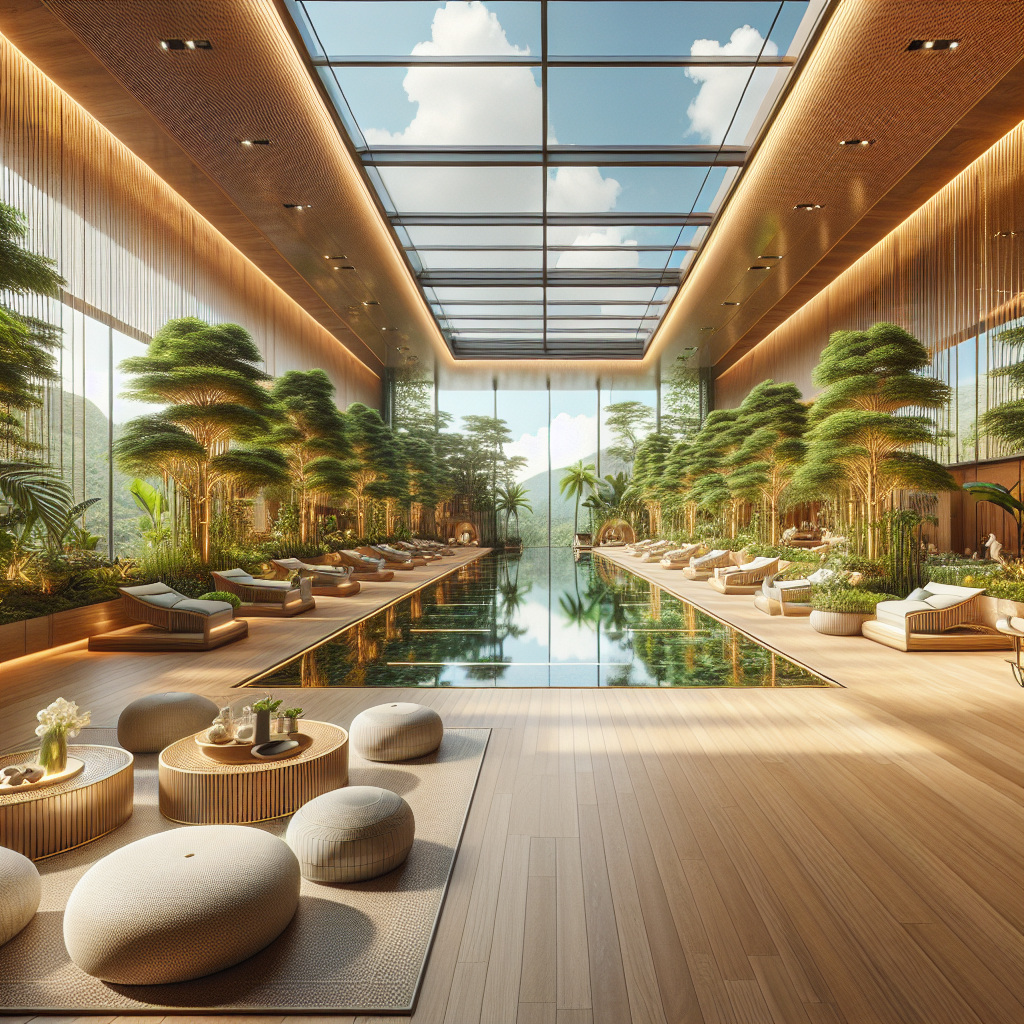
In today’s fast-paced world, the concept of wellness has evolved beyond traditional health practices to encompass a holistic approach that integrates mind, body, and environment. As we seek to create spaces that nurture our well-being, smart technology has emerged as a key player in enhancing our daily lives. By seamlessly blending intelligent design with wellness principles, we can transform our living spaces into sanctuaries that promote relaxation, rejuvenation, and overall health.
Imagine waking up in the morning to the gentle glow of simulated sunrise lighting, gradually illuminating your room to mimic the natural dawn. This is just one example of how smart technology can enhance our well-being by aligning our living spaces with our natural rhythms. Smart lighting systems can be programmed to adjust throughout the day, providing bright, energizing light during work hours and softer, calming hues in the evening. This not only supports our circadian rhythms but also creates an environment that fosters productivity and relaxation.
Moreover, smart technology extends beyond lighting to include climate control systems that maintain optimal temperature and humidity levels. These systems can be tailored to individual preferences, ensuring that each room in the house provides the perfect atmosphere for comfort and relaxation. For instance, a cooler bedroom can promote better sleep, while a warmer living room might be ideal for unwinding with a good book. By creating personalized microclimates, smart technology helps us achieve a sense of balance and harmony within our homes.
In addition to lighting and climate control, smart technology can also enhance our wellness through intelligent sound design. Imagine a home where soothing nature sounds or calming music automatically play when you enter a room, creating an auditory oasis that helps you unwind after a long day. Smart speakers and sound systems can be integrated into the design of a space, providing a seamless auditory experience that complements the visual and tactile elements of the environment.
Furthermore, smart technology can play a crucial role in promoting physical wellness by encouraging movement and exercise. For example, smart mirrors equipped with fitness apps can guide you through personalized workout routines, offering real-time feedback on your form and progress. These mirrors can transform any room into a personal gym, making it easier than ever to incorporate physical activity into your daily routine. By integrating fitness technology into our living spaces, we can create environments that support our physical health and well-being.
As we continue to explore the intersection of technology and wellness, it’s important to consider how these innovations can be used to foster social connections and community. Smart home systems can facilitate virtual gatherings, allowing us to stay connected with loved ones even when we’re miles apart. By creating spaces that support both individual and collective well-being, we can cultivate a sense of belonging and connection that is essential for our mental health.
In conclusion, the luxury of wellness is no longer confined to spas and retreats; it can be woven into the very fabric of our homes through smart technology and intelligent design. By embracing these innovations, we can create spaces that nurture our mind and body, enhancing our overall quality of life. As we continue to prioritize wellness in our daily lives, the integration of smart technology offers exciting possibilities for designing environments that truly support our well-being.
Minimalism and Mindfulness: Designing Spaces for Mental Clarity
In today’s fast-paced world, where the hustle and bustle of daily life can often feel overwhelming, creating a sanctuary for mental clarity has become more important than ever. The concept of minimalism, which emphasizes simplicity and the removal of excess, has gained traction as a powerful tool for fostering mindfulness and mental well-being. By designing spaces that are both functional and serene, we can cultivate an environment that nurtures the mind and body, allowing us to recharge and find balance.
Imagine walking into a room that immediately puts you at ease. The air feels lighter, the colors are soothing, and there’s a sense of order that calms your racing thoughts. This is the essence of minimalism in interior design. By stripping away the unnecessary and focusing on what truly matters, we create spaces that encourage mindfulness and mental clarity. It’s not just about having fewer things; it’s about having the right things that serve a purpose and bring joy.
One of the key principles of minimalism is the idea of intentionality. Every item in a minimalist space is chosen with care, serving a specific function or bringing a sense of beauty and peace. This intentional approach can be incredibly liberating, as it encourages us to let go of clutter and distractions that weigh us down. Instead of being surrounded by chaos, we find ourselves in an environment that supports our mental well-being.
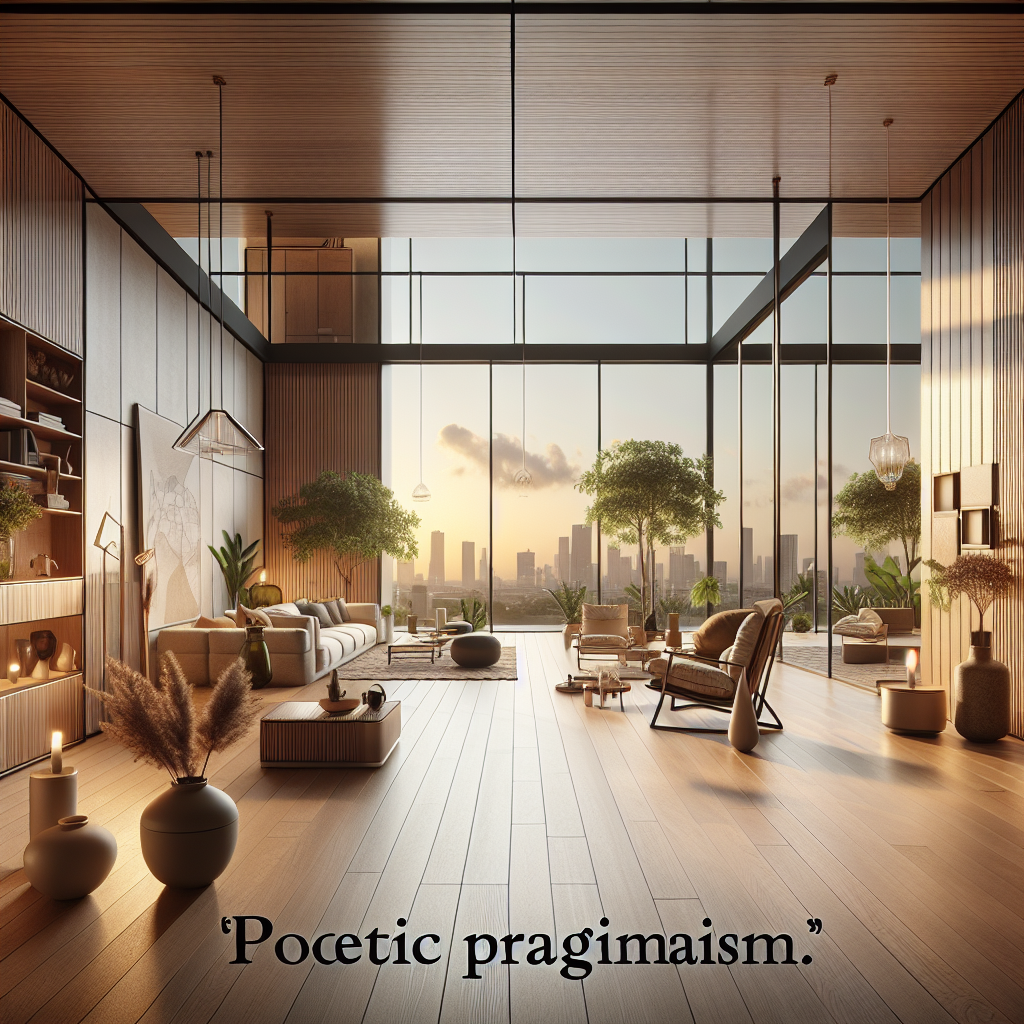
Moreover, the minimalist aesthetic often incorporates elements of nature, which can further enhance our sense of tranquility. Natural materials like wood, stone, and plants bring a touch of the outdoors inside, reminding us of the beauty and simplicity of the natural world. These elements not only add visual interest but also promote a sense of grounding and connection to the earth, which can be incredibly soothing for the mind.
In addition to the physical aspects of a space, lighting plays a crucial role in creating an atmosphere conducive to mindfulness. Natural light is ideal, as it has been shown to boost mood and improve focus. However, when natural light is limited, soft, warm lighting can create a cozy and inviting ambiance. The goal is to create a space that feels open and airy, allowing the mind to breathe and wander freely.
Furthermore, color choices can significantly impact our mental state. Neutral tones like whites, grays, and beiges are often favored in minimalist design for their calming effect. These colors provide a blank canvas that allows the mind to relax and focus on the present moment. However, a pop of color here and there, perhaps in the form of a piece of art or a decorative pillow, can add a touch of personality and joy without overwhelming the senses.
Ultimately, designing spaces for mental clarity is about creating an environment that supports our well-being and encourages us to live mindfully. By embracing minimalism, we can cultivate spaces that are not only beautiful but also functional and nurturing. As we strip away the excess and focus on what truly matters, we open ourselves up to a world of peace and clarity, where the mind and body can thrive in harmony.
The Importance of Sensory Elements in Holistic Wellness Spaces
In recent years, the concept of wellness has evolved from a simple focus on physical health to a more comprehensive approach that encompasses mental, emotional, and spiritual well-being. As we embrace this holistic view, the spaces we inhabit play a crucial role in nurturing our overall wellness. One of the key aspects of designing these spaces is the thoughtful incorporation of sensory elements, which can significantly enhance our experience and promote a sense of tranquility and balance.
Imagine walking into a room that instantly makes you feel at ease. The soft lighting, gentle sounds, and soothing scents all work together to create an environment that calms the mind and rejuvenates the spirit. This is the power of sensory elements in wellness spaces. By engaging our senses, these elements help us connect with our surroundings on a deeper level, fostering a sense of presence and mindfulness.
Lighting, for instance, is a fundamental component that can dramatically influence our mood and energy levels. Natural light is ideal, as it not only brightens a space but also helps regulate our circadian rhythms, promoting better sleep and overall health. When natural light is limited, using warm, adjustable lighting can mimic the sun’s natural progression throughout the day, creating a comforting and inviting atmosphere.
Sound is another powerful sensory element that can transform a space. The gentle trickle of a water feature or the soft rustle of leaves can evoke a sense of peace and relaxation. Incorporating nature sounds or soft, ambient music can help mask unwanted noise and create a serene environment conducive to meditation or reflection. Moreover, soundscapes can be tailored to individual preferences, allowing for a personalized experience that enhances one’s sense of well-being.
Scent, often overlooked, is a potent tool in designing wellness spaces. Our sense of smell is closely linked to memory and emotion, making it a powerful medium for evoking feelings of calm and comfort. Essential oils, such as lavender, eucalyptus, or chamomile, can be diffused to create an aromatic environment that promotes relaxation and stress relief. Additionally, incorporating natural materials like wood or plants can add subtle, earthy scents that further enhance the sensory experience.
The tactile elements of a space also play a significant role in our perception of comfort and luxury. Soft, plush textures invite us to touch and engage with our surroundings, creating a sense of warmth and coziness. Incorporating natural materials like stone, wood, or bamboo can add an organic feel to a space, grounding us and fostering a connection with nature. These tactile elements not only enhance the aesthetic appeal of a space but also contribute to a holistic sensory experience.
Finally, the visual aspect of a wellness space should not be underestimated. A harmonious color palette can evoke specific emotions and set the tone for the entire environment. Soft, muted colors like blues, greens, and earth tones are often associated with calmness and relaxation, while brighter hues can energize and uplift. Thoughtful placement of art and decor can also inspire and stimulate the mind, adding layers of meaning and personal connection to the space.
In conclusion, the integration of sensory elements in wellness spaces is essential for creating environments that nurture both mind and body. By thoughtfully considering lighting, sound, scent, texture, and visual aesthetics, we can design spaces that not only look beautiful but also promote a profound sense of well-being. As we continue to prioritize our holistic health, these sensory elements will remain at the forefront of creating luxurious, nurturing spaces that support our journey toward balance and harmony.
Conclusion
The Luxury of Wellness: Designing Spaces for Mind and Body emphasizes the growing importance of integrating wellness into the design of living and working environments. It highlights how spaces can be thoughtfully crafted to enhance physical health, mental well-being, and overall quality of life. By incorporating elements such as natural light, sustainable materials, biophilic design, and technology that promotes relaxation and mindfulness, these spaces not only cater to the aesthetic and functional needs of individuals but also support their holistic wellness. The conclusion underscores that as the demand for wellness-oriented spaces continues to rise, designers and architects have a unique opportunity to innovate and create environments that nurture both mind and body, ultimately leading to healthier and more fulfilling lifestyles.