The New Ornamentalism: Decorative Details in Modern Luxury
February 22, 2022
The Art of Curation: Selecting Pieces for a Cohesive Luxury Interior
March 8, 2022
-
Table of Contents
- Introduction
- Embracing Creativity: How Constraints Fuel Innovative Design
- The Art of Minimalism: Finding Beauty in Design Limitations
- Sustainable Design: Thriving Within Environmental Constraints
- Budget-Friendly Luxury: Achieving High-End Design on a Budget
- Adaptive Reuse: Transforming Spaces Within Existing Boundaries
- Conclusion
Introduction
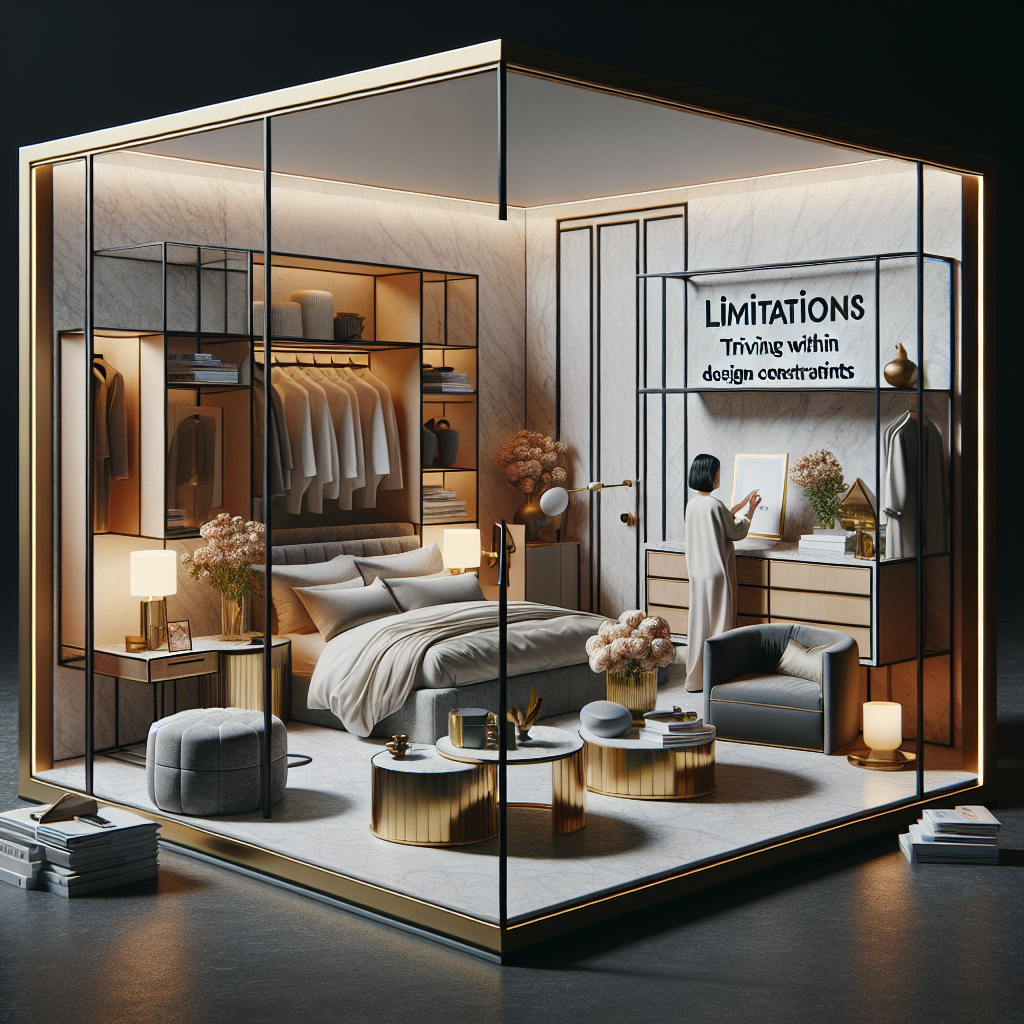
“Luxe Limitations: Thriving Within Design Constraints” explores the intriguing intersection of creativity and constraint in the world of design. This concept delves into how limitations, often perceived as obstacles, can become catalysts for innovation and elegance. By embracing restrictions—be they budgetary, spatial, or material—designers are challenged to push the boundaries of their creativity, resulting in solutions that are not only functional but also aesthetically compelling. This approach celebrates the art of making the most out of less, transforming potential drawbacks into opportunities for unique expression and sustainable luxury. Through a series of case studies and expert insights, “Luxe Limitations” reveals how thriving within constraints can lead to groundbreaking designs that redefine the standards of luxury and functionality.
Embracing Creativity: How Constraints Fuel Innovative Design
In the world of design, constraints are often seen as obstacles that limit creativity. However, when viewed through a different lens, these limitations can actually serve as catalysts for innovation. Embracing constraints can lead to unexpected solutions and push designers to think outside the box. This might sound counterintuitive at first, but when you consider how constraints force us to focus and prioritize, it becomes clear that they can be a designer’s best friend.
Imagine you’re tasked with designing a tiny home. The limited space might initially seem like a hindrance, but it actually encourages you to maximize every square inch. You start thinking about multifunctional furniture, clever storage solutions, and ways to create the illusion of space. Suddenly, what seemed like a limitation becomes an opportunity to innovate and create something truly unique. This is the magic of constraints—they push us to explore new possibilities and challenge the status quo.
Moreover, constraints can also foster collaboration. When a team is faced with a specific set of limitations, it encourages open dialogue and brainstorming. Everyone brings their own perspective to the table, and together, they can come up with creative solutions that might not have been possible individually. This collaborative spirit not only leads to better designs but also strengthens the team dynamic, making the process more enjoyable and rewarding.
In addition to fostering collaboration, constraints can also enhance creativity by providing a clear framework within which to work. With a defined set of parameters, designers can focus their energy on exploring the possibilities within those boundaries. This can lead to more targeted and effective solutions, as the constraints help to eliminate distractions and keep the project on track. It’s like having a roadmap that guides you toward your destination, allowing you to enjoy the journey without getting lost along the way.
Furthermore, constraints can inspire designers to experiment with new materials and techniques. When traditional methods are not an option, designers are forced to think creatively and explore alternative approaches. This can lead to the discovery of new materials, technologies, and processes that can be incorporated into future projects. In this way, constraints not only fuel innovation in the present but also pave the way for future advancements in design.
It’s also worth noting that constraints can lead to more sustainable design practices. When resources are limited, designers are encouraged to think about how to use them more efficiently. This can result in designs that are not only innovative but also environmentally friendly. By embracing constraints, designers can create solutions that are both beautiful and sustainable, benefiting both people and the planet.
In conclusion, while constraints may initially seem like barriers to creativity, they can actually be powerful tools for innovation. By embracing these limitations, designers can unlock new possibilities, foster collaboration, and create more sustainable solutions. So, the next time you find yourself faced with a design constraint, remember that it’s not a roadblock—it’s an opportunity to thrive and create something truly extraordinary. Embrace the challenge, and let your creativity soar within the luxe limitations that guide your design journey.
The Art of Minimalism: Finding Beauty in Design Limitations
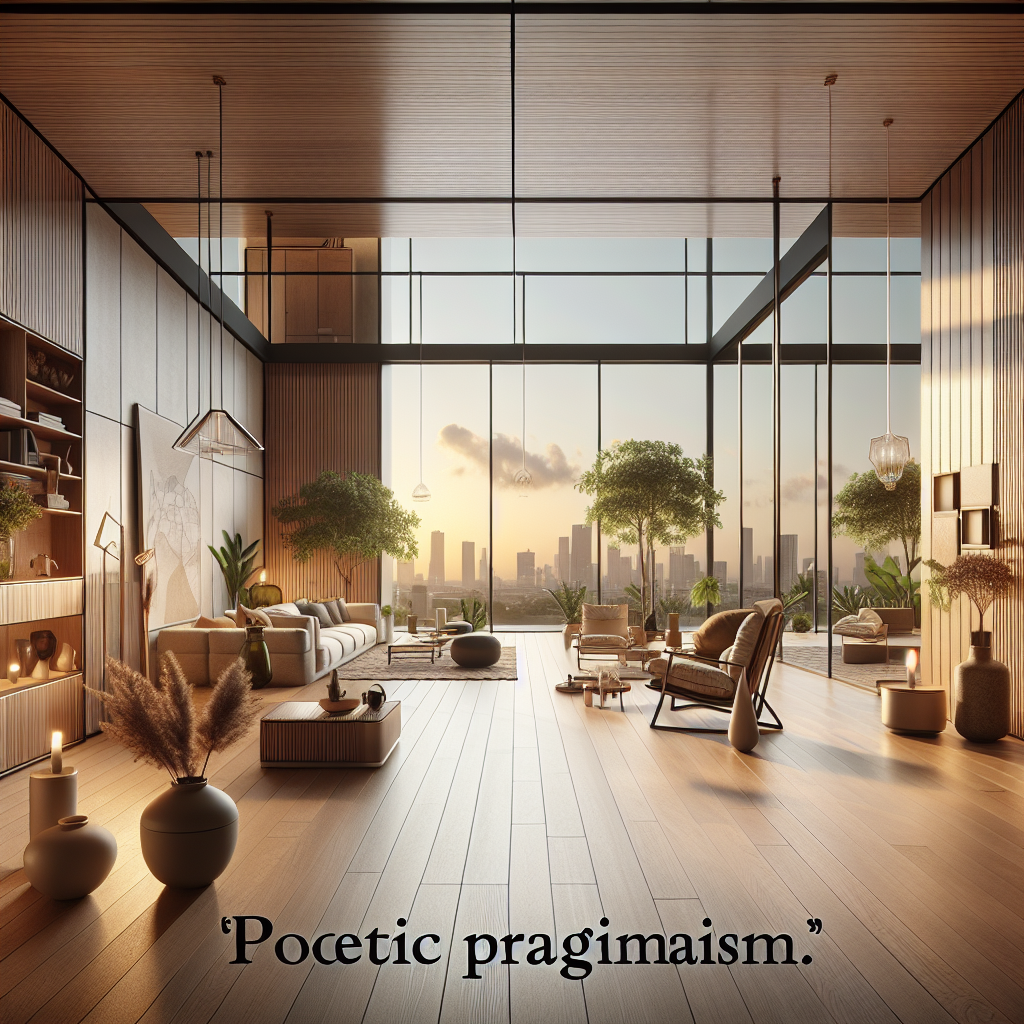
In the world of design, limitations are often seen as obstacles to creativity. However, embracing these constraints can lead to some of the most innovative and beautiful outcomes. This is particularly true in the realm of minimalism, where the art of doing more with less is celebrated. By focusing on the essentials and stripping away the unnecessary, designers can create spaces and products that are not only functional but also aesthetically pleasing. The beauty of minimalism lies in its ability to transform limitations into opportunities for creativity and expression.
One of the key aspects of minimalism is the emphasis on simplicity. This doesn’t mean that designs are plain or boring; rather, they are thoughtfully curated to include only what is necessary. This approach encourages designers to think critically about each element they include, ensuring that every piece serves a purpose. As a result, minimalist designs often exude a sense of calm and order, providing a refreshing contrast to the chaos of everyday life. By focusing on the essentials, designers can create spaces that feel open and inviting, even within the confines of limited square footage.
Moreover, minimalism encourages the use of high-quality materials and craftsmanship. When working within constraints, designers often choose to invest in fewer, but better, materials. This not only enhances the overall aesthetic but also ensures that the design is built to last. The use of natural materials, such as wood, stone, and metal, can add warmth and texture to a minimalist space, creating a sense of harmony between the built environment and the natural world. By prioritizing quality over quantity, designers can create timeless spaces that continue to inspire and delight for years to come.
In addition to material choices, color plays a crucial role in minimalist design. A limited color palette can help to unify a space and create a sense of cohesion. Neutral tones, such as whites, grays, and beiges, are often used as a backdrop, allowing other elements to shine. However, this doesn’t mean that color is absent from minimalist design. On the contrary, strategic pops of color can add interest and personality to a space, drawing the eye and creating focal points. By using color sparingly, designers can create a sense of balance and harmony, ensuring that each hue has a purpose and impact.
Furthermore, minimalism is not just about aesthetics; it’s also about functionality. In a world where space is often at a premium, designing with intention becomes even more important. By focusing on the essentials, designers can create spaces that are not only beautiful but also highly functional. This might mean incorporating clever storage solutions or designing multi-purpose furniture that can adapt to different needs. By prioritizing functionality, minimalist designs can enhance the way we live and interact with our environments.
Ultimately, the art of minimalism is about finding beauty in design limitations. By embracing constraints, designers can create spaces and products that are both functional and aesthetically pleasing. Through thoughtful curation, high-quality materials, and a focus on functionality, minimalism offers a refreshing approach to design that celebrates simplicity and elegance. In a world that often feels overwhelming, the beauty of minimalism lies in its ability to provide a sense of calm and order, reminding us that sometimes, less truly is more.
Sustainable Design: Thriving Within Environmental Constraints
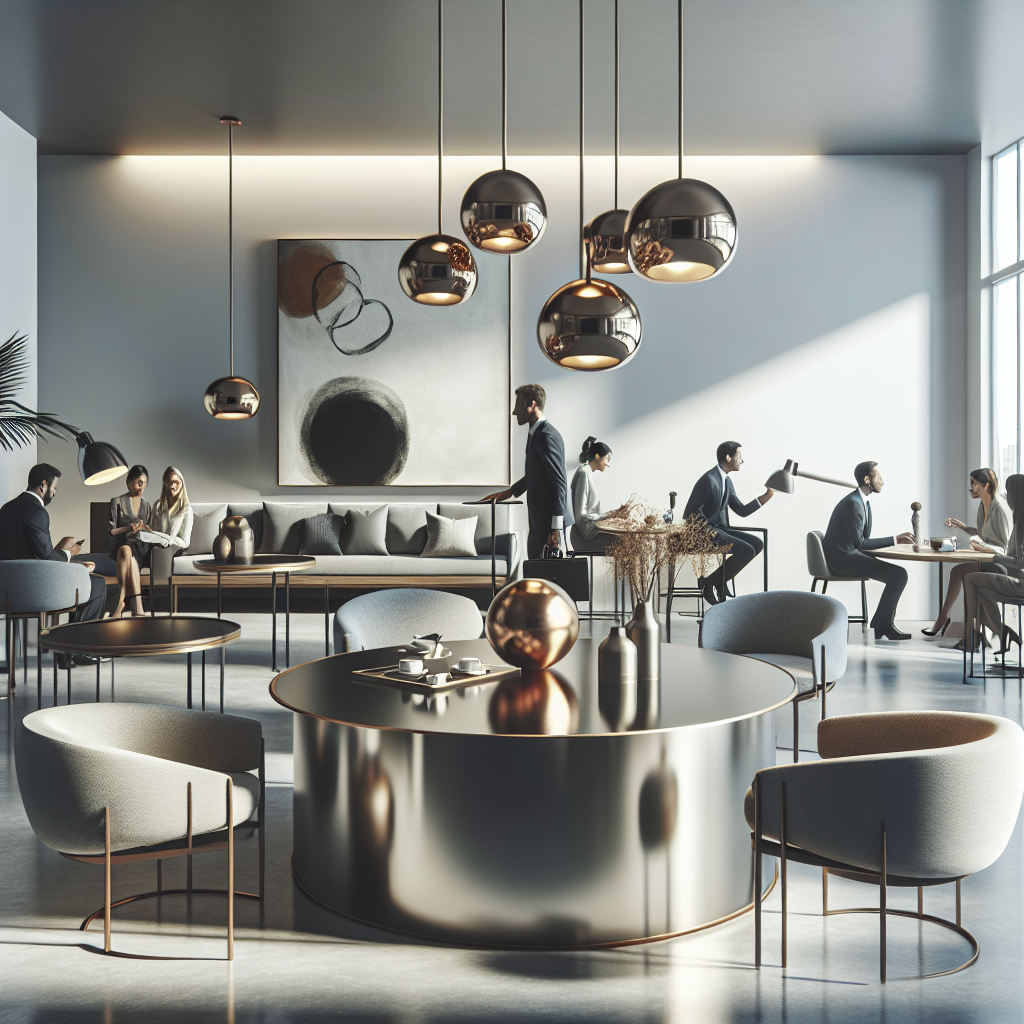
In the world of design, constraints are often seen as obstacles, but what if they could be the very thing that sparks creativity and innovation? When it comes to sustainable design, working within environmental constraints is not just a necessity; it’s an opportunity to thrive. Imagine a world where every design decision is made with the planet in mind, where limitations are not barriers but rather stepping stones to more thoughtful and innovative solutions. This is the essence of sustainable design, where thriving within environmental constraints becomes a rewarding challenge.
To begin with, let’s consider the materials we use. Traditional design often relies on materials that are not environmentally friendly, but sustainable design flips this notion on its head. By embracing constraints such as limited resources or the need for recyclability, designers are encouraged to explore alternative materials. For instance, bamboo, a rapidly renewable resource, is being used in everything from flooring to furniture. Its versatility and sustainability make it a perfect example of how working within constraints can lead to beautiful and functional designs.
Moreover, sustainable design is not just about the materials; it’s also about the processes. Energy efficiency is a key consideration, and designers are finding innovative ways to reduce energy consumption. For example, passive solar design takes advantage of a building’s site, climate, and materials to minimize energy use. By strategically placing windows and selecting materials that absorb and release heat, designers can create spaces that are comfortable year-round without relying heavily on artificial heating or cooling. This approach not only conserves energy but also enhances the living experience, proving that constraints can lead to more harmonious and efficient designs.
In addition to materials and processes, sustainable design also considers the lifecycle of a product. Designers are increasingly adopting a cradle-to-cradle approach, which means thinking about what happens to a product at the end of its life. This mindset encourages the creation of products that can be easily disassembled and recycled, reducing waste and environmental impact. By considering the entire lifecycle, designers are not only meeting environmental constraints but also creating products that are more durable and adaptable.
Furthermore, sustainable design often involves a shift in perspective. Instead of viewing constraints as limitations, designers see them as opportunities to innovate. This mindset fosters creativity and encourages designers to think outside the box. For instance, urban planners are reimagining cities to be more sustainable by incorporating green spaces, promoting public transportation, and designing buildings that blend seamlessly with their natural surroundings. These efforts not only address environmental constraints but also enhance the quality of life for residents, demonstrating that sustainable design can lead to thriving communities.
Ultimately, thriving within environmental constraints is about embracing the challenge and finding joy in the process. It’s about recognizing that limitations can lead to more meaningful and impactful designs. As we continue to face global environmental challenges, the importance of sustainable design becomes ever more apparent. By working within these constraints, designers have the opportunity to create a more sustainable and beautiful world. So, the next time you encounter a design constraint, remember that it might just be the key to unlocking your most innovative ideas. Embrace the challenge, and watch as your designs not only meet but exceed expectations, all while treading lightly on our precious planet.
Budget-Friendly Luxury: Achieving High-End Design on a Budget
Creating a luxurious space on a budget might seem like a daunting task, but with a little creativity and strategic planning, it’s entirely possible to achieve high-end design without breaking the bank. The key lies in embracing the constraints and turning them into opportunities for innovation. By focusing on a few essential elements, you can transform any space into a haven of elegance and style.
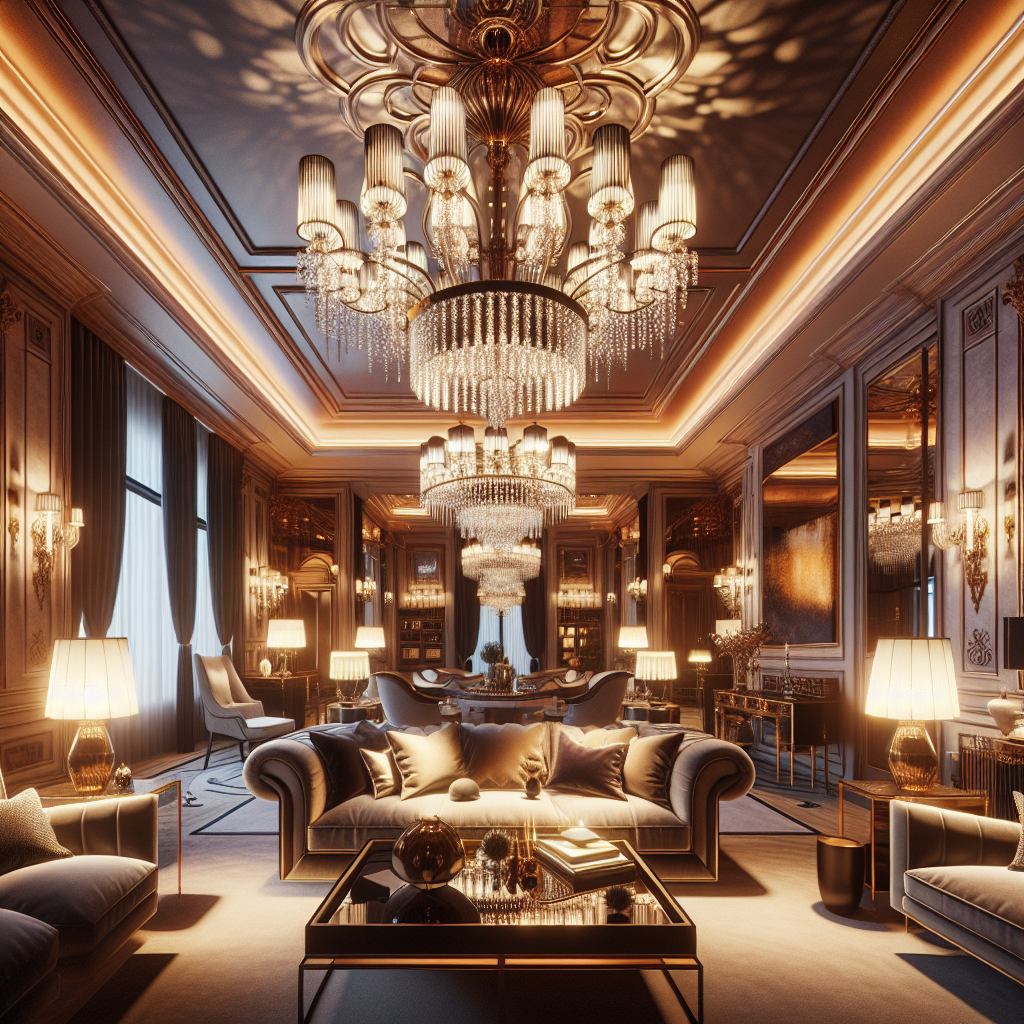
To begin with, it’s important to prioritize quality over quantity. Instead of filling your space with numerous inexpensive items, invest in a few standout pieces that exude luxury. A well-chosen statement piece, such as a plush velvet sofa or a beautifully crafted coffee table, can set the tone for the entire room. These items don’t necessarily have to be brand new; vintage or second-hand finds can often add character and charm at a fraction of the cost.
Moreover, attention to detail can make a significant difference in achieving a high-end look. Small touches like upgrading hardware on cabinets, adding crown molding, or incorporating elegant light fixtures can elevate the overall aesthetic. These changes are often cost-effective and can be done as DIY projects, allowing you to save money while adding a personal touch to your space.
Another effective strategy is to play with textures and materials. Mixing different textures, such as combining a soft wool rug with sleek metal accents or pairing a rustic wooden table with glass elements, can create a rich and layered look. This approach not only adds depth to your design but also gives the impression of a thoughtfully curated space.
Color also plays a crucial role in creating a luxurious atmosphere. Opting for a neutral palette with pops of color can create a sophisticated and timeless look. Neutral tones provide a versatile backdrop that allows you to experiment with different styles and accessories over time. Meanwhile, strategically placed bursts of color can add vibrancy and interest without overwhelming the space.
In addition to these design elements, consider the power of lighting in transforming a room. Proper lighting can enhance the ambiance and highlight the best features of your space. Layering different types of lighting, such as ambient, task, and accent lighting, can create a dynamic and inviting environment. Don’t underestimate the impact of natural light, either; maximizing the use of windows and mirrors can make a room feel more open and airy.
Furthermore, incorporating art and personal touches can infuse your space with personality and luxury. Art doesn’t have to be expensive to be impactful. Local artists, prints, or even DIY projects can add a unique flair to your home. Personal items, such as family photos or travel souvenirs, can also be displayed in a way that feels intentional and curated.
Finally, it’s essential to remember that luxury is not just about aesthetics but also about how a space makes you feel. Creating a comfortable and functional environment is just as important as achieving a visually appealing design. By focusing on what truly matters to you and your lifestyle, you can create a space that feels luxurious and inviting, regardless of budget constraints.
In conclusion, thriving within design constraints is all about making thoughtful choices and embracing creativity. By prioritizing quality, paying attention to detail, and incorporating personal touches, you can achieve a high-end look that reflects your style and personality. With these strategies in mind, you can transform any space into a luxurious retreat without overspending.
Adaptive Reuse: Transforming Spaces Within Existing Boundaries
In the world of design, constraints are often seen as obstacles, but they can also be the very elements that spark creativity and innovation. When it comes to adaptive reuse, the art of transforming spaces within existing boundaries, these limitations become the canvas upon which designers paint their masterpieces. Imagine walking into an old warehouse, its walls echoing stories of the past, and envisioning it as a chic urban loft. This is the magic of adaptive reuse, where the past and present collide to create something truly unique.
One of the most exciting aspects of working within existing boundaries is the challenge of reimagining what already exists. Instead of starting from scratch, designers are tasked with breathing new life into spaces that have their own history and character. This process often involves a delicate balance between preserving the original elements that give a space its charm and introducing modern touches that make it functional for contemporary use. For instance, exposed brick walls and original wooden beams can be retained to maintain the authenticity of a space, while sleek, modern fixtures and open floor plans can be introduced to enhance its usability.
Moreover, adaptive reuse is not just about aesthetics; it’s also about sustainability. By repurposing existing structures, we reduce the need for new materials and minimize waste, making it an environmentally friendly approach to design. This is particularly important in today’s world, where sustainability is no longer just a trend but a necessity. By choosing to work within the confines of existing buildings, designers are making a conscious decision to contribute to a more sustainable future.
However, thriving within design constraints requires a certain level of ingenuity and flexibility. Designers must be willing to think outside the box and explore unconventional solutions. For example, a narrow hallway might be transformed into a cozy reading nook, or an awkwardly shaped room could become a unique gallery space. These creative solutions not only make the most of the available space but also add character and personality to the design.
Furthermore, adaptive reuse often involves collaboration between various stakeholders, including architects, engineers, and local authorities. This collaborative approach ensures that the project is not only aesthetically pleasing but also structurally sound and compliant with regulations. It also allows for a diverse range of ideas and perspectives, which can lead to more innovative and effective solutions.
In addition to the practical benefits, there is something inherently rewarding about working within design constraints. It challenges designers to push their boundaries and think creatively, resulting in spaces that are not only beautiful but also meaningful. These projects often tell a story, weaving together elements of the past and present to create a narrative that resonates with those who experience the space.
Ultimately, adaptive reuse is about embracing the luxe limitations that come with working within existing boundaries. It’s about seeing potential where others might see obstacles and transforming spaces in a way that honors their history while meeting the needs of the present. As we continue to navigate the ever-evolving landscape of design, it’s clear that these constraints are not limitations at all, but rather opportunities to create something truly extraordinary.
Conclusion
“Luxe Limitations: Thriving Within Design Constraints” explores the creative potential that emerges when designers work within specific boundaries. The book argues that constraints, rather than stifling creativity, can actually enhance it by forcing designers to think innovatively and resourcefully. By embracing limitations, whether they be budgetary, spatial, or material, designers can produce more thoughtful, sustainable, and unique solutions. The conclusion emphasizes that constraints should not be viewed as obstacles but as opportunities to push the boundaries of conventional design, ultimately leading to more meaningful and impactful creations.