Tonal Textures: Monochromatic Luxury in Layered Materials
February 15, 2022
Luxe Limitations: Thriving Within Design Constraints
March 1, 2022
-
Table of Contents
- Introduction
- Exploring The Revival Of Ornamentalism In Contemporary Luxury Design
- The Role Of Decorative Details In Defining Modern Luxury Spaces
- How The New Ornamentalism Is Shaping High-End Fashion Trends
- The Intersection Of Technology And Ornamentalism In Luxury Architecture
- Craftsmanship And The New Ornamentalism: A Return To Artisanal Excellence
- Conclusion
Introduction
“The New Ornamentalism: Decorative Details in Modern Luxury” explores the resurgence of ornamental design in contemporary luxury spaces, challenging the minimalist aesthetic that has dominated for decades. This movement celebrates intricate craftsmanship, rich textures, and elaborate patterns, drawing inspiration from historical art forms while integrating modern techniques and materials. By examining the intersection of tradition and innovation, the book highlights how designers are redefining luxury through a renewed appreciation for decorative details, creating environments that are both opulent and meaningful. Through a series of case studies and visual analyses, “The New Ornamentalism” showcases the transformative power of ornamentation in elevating modern luxury to new heights.
Exploring The Revival Of Ornamentalism In Contemporary Luxury Design
In recent years, there’s been a noticeable shift in the world of luxury design, where the minimalist aesthetic that once dominated is now sharing the spotlight with a resurgence of ornamentalism. This revival of decorative details is not just a fleeting trend but a testament to the evolving tastes of consumers who are increasingly drawn to the richness and depth that ornamentation can bring to modern luxury. As we explore this fascinating development, it’s essential to understand why these intricate details are making a comeback and how they are redefining the concept of luxury in today’s design landscape.
To begin with, the appeal of ornamentalism lies in its ability to tell a story. Each decorative element, whether it’s an intricate pattern on a piece of furniture or an elaborate motif on a garment, carries with it a sense of history and craftsmanship. This narrative quality is something that many consumers find lacking in the stark simplicity of minimalism. In a world where mass production often leads to uniformity, the unique character of ornamental designs offers a refreshing change. It’s as if each piece whispers tales of its origin, inviting us to appreciate the artistry and skill that went into its creation.
Moreover, the revival of ornamentalism is closely tied to a broader cultural shift towards valuing authenticity and individuality. In an era where personal expression is celebrated, people are increasingly seeking out designs that reflect their unique tastes and personalities. Ornamental details provide a canvas for this expression, allowing designers to experiment with colors, textures, and forms in ways that are both innovative and deeply personal. This trend is evident in everything from high-end fashion collections to luxury home interiors, where bold patterns and intricate embellishments are becoming more prevalent.
Another factor contributing to the resurgence of ornamentalism is the growing appreciation for traditional craftsmanship. As consumers become more conscious of the environmental and ethical implications of their purchases, there is a renewed interest in artisanal techniques that prioritize quality over quantity. This appreciation for craftsmanship is evident in the meticulous attention to detail seen in modern ornamental designs. Whether it’s hand-embroidered fabrics or intricately carved woodwork, these elements highlight the dedication and skill of artisans who are keeping age-old techniques alive in a contemporary context.
Furthermore, the integration of technology in design has opened up new possibilities for ornamentalism. Advanced tools and techniques allow designers to push the boundaries of what is possible, creating intricate patterns and textures that were once unimaginable. This fusion of traditional craftsmanship with modern technology results in designs that are not only visually stunning but also innovative in their execution. It’s a perfect marriage of the old and the new, where the past informs the present, and the present reimagines the past.
In conclusion, the revival of ornamentalism in modern luxury design is a reflection of a broader desire for depth, authenticity, and individuality. As consumers continue to seek out designs that resonate on a personal level, the intricate details and rich narratives offered by ornamentalism provide a compelling alternative to the minimalist aesthetic. This trend is not just about embellishment for its own sake but about creating meaningful connections through design. As we embrace this new ornamentalism, we celebrate the beauty of craftsmanship and the stories that these decorative details have to tell.
The Role Of Decorative Details In Defining Modern Luxury Spaces
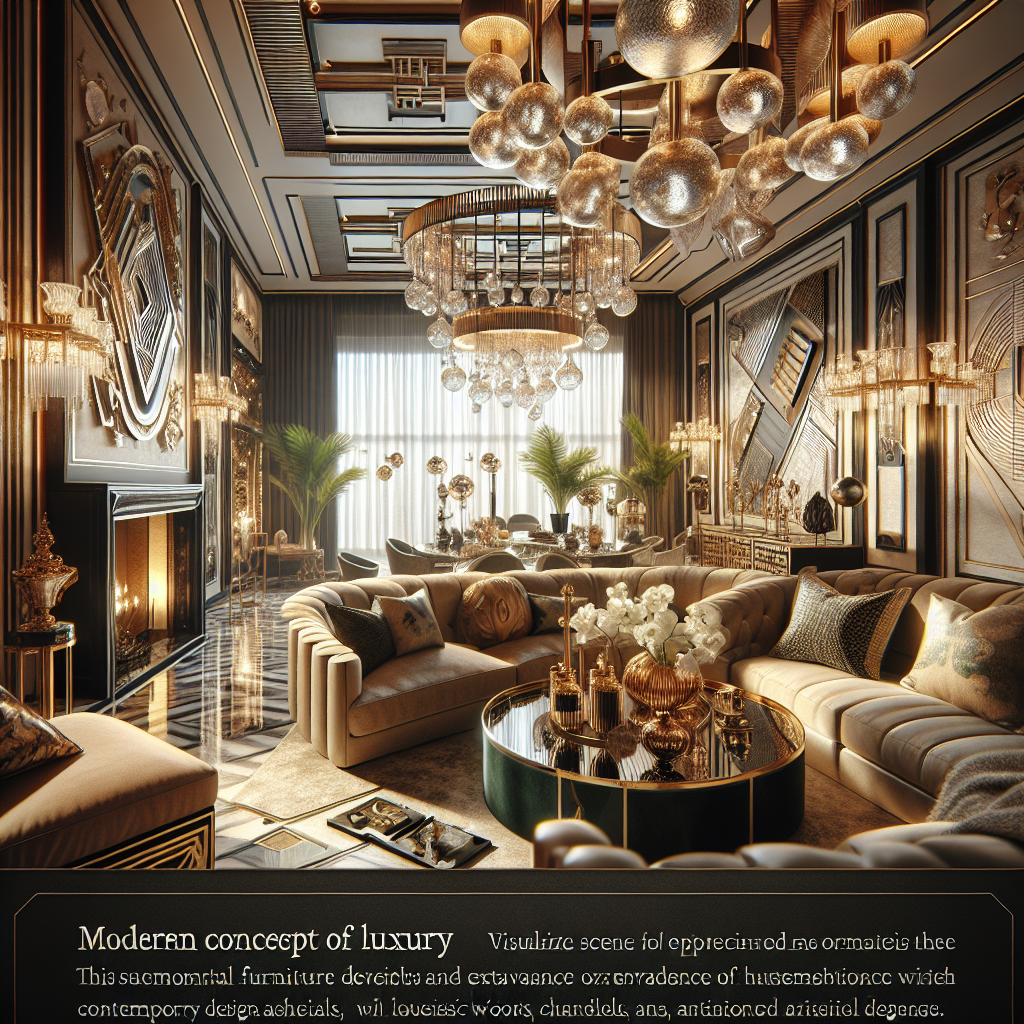
In recent years, the world of interior design has witnessed a fascinating shift towards what many are calling “The New Ornamentalism.” This trend is all about embracing decorative details that add a touch of luxury and sophistication to modern spaces. Gone are the days when minimalism reigned supreme, with its stark lines and bare essentials. Today, there’s a growing appreciation for the intricate and the ornate, as people seek to create environments that are not only functional but also visually captivating.
One of the key aspects of this movement is the use of decorative details to define luxury spaces. These details can range from elaborate moldings and intricate tile work to sumptuous fabrics and statement lighting fixtures. By incorporating such elements, designers are able to infuse a sense of personality and character into a space, making it feel unique and tailored to the individual. This approach allows for a more personalized experience, as each decorative detail tells a story and contributes to the overall narrative of the space.
Moreover, the resurgence of ornamentalism in modern luxury spaces is not just about aesthetics; it’s also about creating a sense of comfort and warmth. In a world that often feels fast-paced and impersonal, there’s something incredibly inviting about a space that has been thoughtfully adorned with beautiful details. These elements can evoke a sense of nostalgia, reminding us of a time when craftsmanship and attention to detail were highly valued. As a result, people are increasingly drawn to spaces that offer a respite from the hustle and bustle of everyday life, where they can relax and unwind in an environment that feels both luxurious and welcoming.
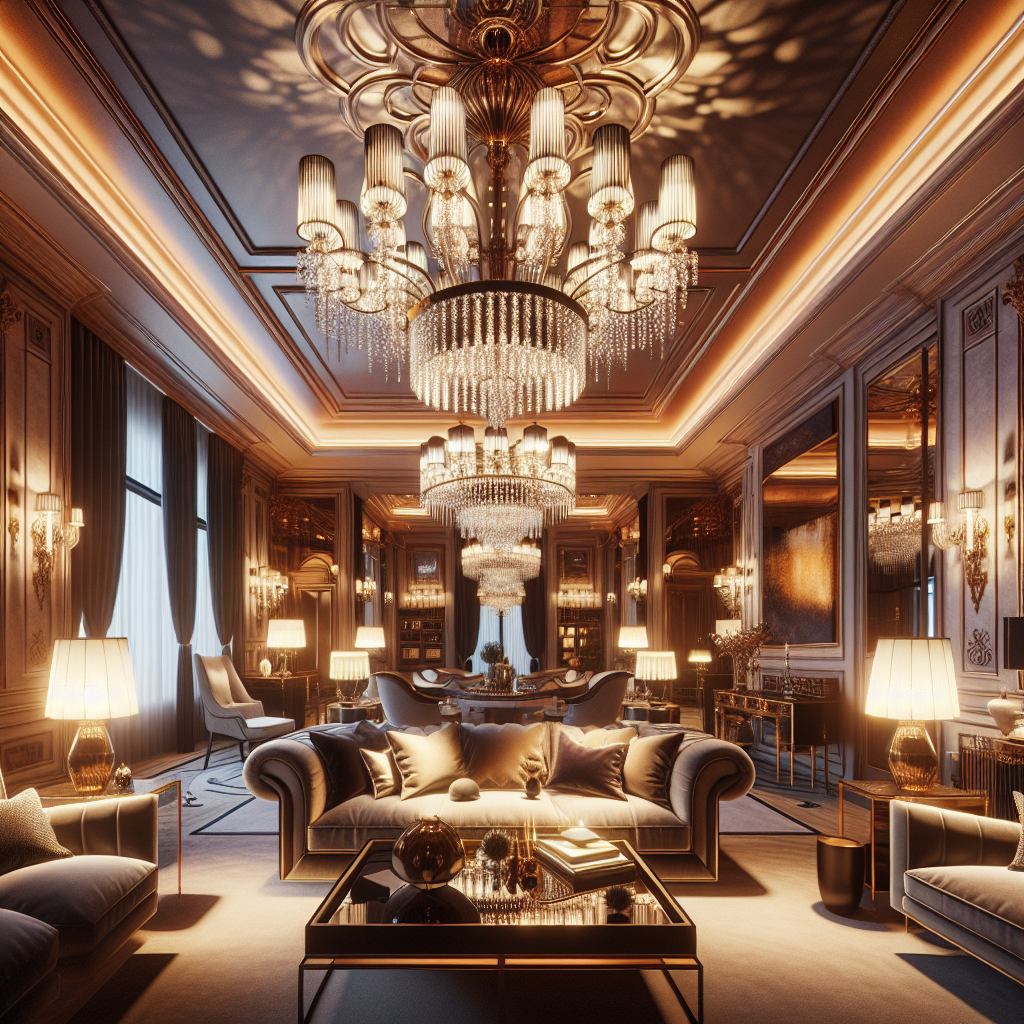
In addition to enhancing the aesthetic appeal and comfort of a space, decorative details also play a crucial role in defining its functionality. For instance, a beautifully designed room divider can serve as both a visual focal point and a practical solution for creating distinct areas within an open-plan layout. Similarly, a statement chandelier can provide ambient lighting while also acting as a stunning centerpiece that draws the eye upward, adding a sense of height and grandeur to the room. By carefully selecting and placing these elements, designers can create spaces that are not only beautiful but also highly functional.
Furthermore, the use of decorative details in modern luxury spaces often involves a thoughtful blend of traditional and contemporary influences. This fusion allows for a fresh take on classic design elements, resulting in spaces that feel both timeless and current. For example, a modern luxury space might feature a traditional Persian rug paired with sleek, minimalist furniture, or an ornate, vintage mirror juxtaposed against a backdrop of clean, white walls. This harmonious blend of old and new creates a dynamic and engaging environment that appeals to a wide range of tastes and preferences.
Ultimately, the role of decorative details in defining modern luxury spaces is about more than just aesthetics; it’s about creating environments that resonate on a deeper level. By incorporating these elements, designers are able to craft spaces that are not only visually stunning but also rich in meaning and emotion. As we continue to embrace The New Ornamentalism, it’s clear that decorative details will remain an essential component of modern luxury, offering endless possibilities for creativity and self-expression.
How The New Ornamentalism Is Shaping High-End Fashion Trends
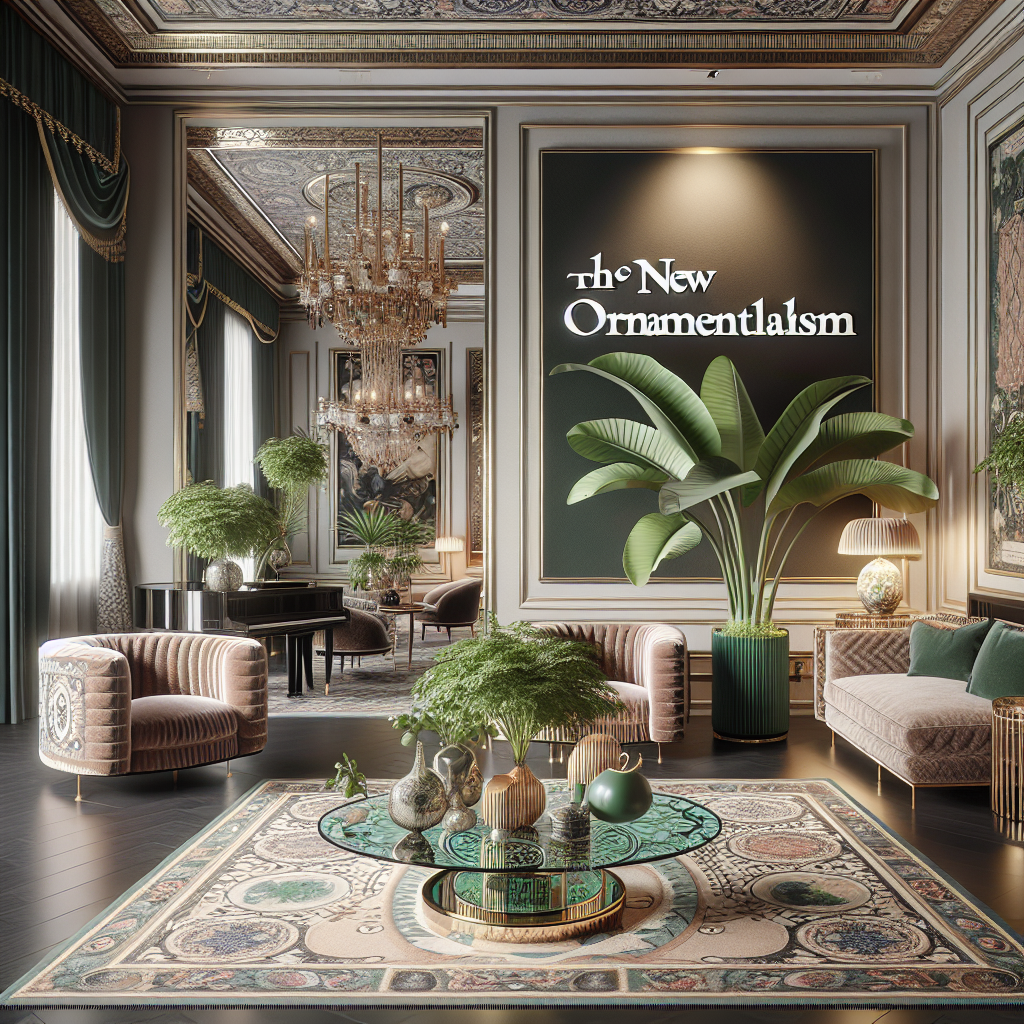
In recent years, the world of high-end fashion has witnessed a fascinating resurgence of ornamentalism, a trend that is redefining luxury with its intricate details and elaborate designs. This new ornamentalism is not just about embellishment for the sake of embellishment; it’s about creating a narrative through design, where every bead, stitch, and pattern tells a story. As we delve into how this trend is shaping modern luxury, it’s essential to understand the underlying factors driving this movement.
To begin with, the new ornamentalism is a response to the minimalist aesthetic that has dominated fashion for the past decade. While minimalism emphasized clean lines and simplicity, the pendulum is now swinging back towards maximalism, where more is more. Designers are embracing this shift by incorporating rich textures, vibrant colors, and intricate patterns into their collections. This change is not just about aesthetics; it’s about evoking emotion and creating a sense of wonder. In a world where fast fashion often prioritizes speed over quality, the new ornamentalism stands out as a celebration of craftsmanship and attention to detail.
Moreover, this trend is deeply rooted in cultural appreciation and storytelling. Designers are drawing inspiration from diverse cultures, incorporating traditional techniques and motifs into their work. This fusion of the old and the new creates a unique blend that resonates with a global audience. For instance, embroidery, a technique that has been used for centuries across various cultures, is being reimagined in contemporary designs. By doing so, designers pay homage to the past while creating something entirely new and exciting.
In addition to cultural influences, technology plays a significant role in the evolution of ornamentalism. Advanced techniques such as 3D printing and laser cutting allow designers to experiment with new forms and materials, pushing the boundaries of what is possible in fashion. These innovations enable the creation of intricate designs that were once unimaginable, adding a futuristic twist to traditional ornamentation. As a result, the new ornamentalism is not just about looking back; it’s about looking forward and embracing the possibilities of the future.
Furthermore, the rise of social media has amplified the impact of ornamentalism in fashion. In an age where visual content is king, eye-catching designs with elaborate details are more likely to capture attention and go viral. This has encouraged designers to create pieces that are not only beautiful but also shareable. The new ornamentalism thrives in this environment, as it offers endless opportunities for visual storytelling and self-expression.
As we continue to explore the influence of ornamentalism on high-end fashion, it’s clear that this trend is here to stay. It represents a shift towards a more thoughtful and intentional approach to design, where every element serves a purpose and contributes to the overall narrative. In embracing the new ornamentalism, designers are not only redefining luxury but also challenging us to see fashion as an art form that transcends mere functionality.
In conclusion, the new ornamentalism is shaping high-end fashion trends by celebrating craftsmanship, cultural diversity, and technological innovation. It invites us to appreciate the beauty in complexity and to find joy in the details. As this trend continues to evolve, it will undoubtedly inspire both designers and consumers to embrace a more ornate and expressive approach to fashion.
The Intersection Of Technology And Ornamentalism In Luxury Architecture
In recent years, the world of luxury architecture has witnessed a fascinating evolution, where the age-old charm of ornamentalism meets the cutting-edge advancements of technology. This intersection has given rise to a new era of design that marries the intricate beauty of decorative details with the precision and innovation of modern tech. As we delve into this captivating blend, it becomes clear that technology is not just a tool but a partner in crafting spaces that are as functional as they are beautiful.
To begin with, let’s consider how technology has revolutionized the way architects and designers approach ornamentalism. In the past, creating intricate designs required painstaking manual labor and a significant investment of time. However, with the advent of digital design tools and 3D printing, the process has become more efficient and accessible. These technologies allow designers to experiment with complex patterns and structures that were once deemed too challenging or costly to produce. As a result, we see a resurgence of ornate details in luxury spaces, from intricately carved facades to elaborate interior moldings, all made possible by the precision of modern technology.
Moreover, technology has opened up new possibilities for customization in luxury architecture. Homeowners and designers can now collaborate more closely, using virtual reality and augmented reality tools to visualize and tweak designs before they are brought to life. This level of personalization ensures that every decorative element is tailored to the client’s taste, creating a unique blend of traditional aesthetics and contemporary innovation. It’s like having a digital sketchbook where ideas can be tested and refined, ensuring that the final product is nothing short of perfection.
In addition to enhancing design capabilities, technology also plays a crucial role in the sustainability of ornamental architecture. With growing awareness of environmental issues, there is a push towards using eco-friendly materials and energy-efficient systems. Advanced software can simulate the environmental impact of different design choices, allowing architects to make informed decisions that balance beauty with sustainability. For instance, intricate latticework or decorative screens can be designed not only for their visual appeal but also to optimize natural light and ventilation, reducing the need for artificial lighting and air conditioning.
Furthermore, the integration of smart technology into luxury spaces adds another layer of sophistication to ornamentalism. Imagine a beautifully designed room where the lighting, temperature, and even the artwork can be controlled with a simple voice command or a tap on your smartphone. This seamless blend of aesthetics and functionality is the hallmark of modern luxury, where every decorative detail serves a purpose beyond its visual appeal.
As we look to the future, it’s exciting to imagine how technology will continue to shape the world of ornamental luxury architecture. With advancements in artificial intelligence and machine learning, we may soon see buildings that can adapt and evolve their decorative elements in response to their environment or the preferences of their inhabitants. This dynamic approach to design promises to keep the spirit of ornamentalism alive, while also pushing the boundaries of what is possible.
In conclusion, the intersection of technology and ornamentalism in luxury architecture is a testament to the endless possibilities that arise when tradition meets innovation. By embracing the tools of the digital age, architects and designers are breathing new life into decorative details, creating spaces that are not only visually stunning but also smart, sustainable, and uniquely personal. It’s a thrilling time for luxury architecture, where every ornate flourish is a celebration of both the past and the future.
Craftsmanship And The New Ornamentalism: A Return To Artisanal Excellence
In recent years, there has been a noticeable shift in the world of luxury design, where the focus has moved from minimalism to a more ornate and decorative style. This trend, often referred to as “The New Ornamentalism,” celebrates the intricate details and craftsmanship that define modern luxury. As we delve into this fascinating movement, it’s clear that the emphasis on artisanal excellence is at the heart of this transformation.
To begin with, the resurgence of ornamental design can be seen as a response to the stark minimalism that dominated the early 2000s. While minimalism offered a clean and uncluttered aesthetic, it often lacked the warmth and personality that many people crave in their living spaces. Enter The New Ornamentalism, which brings with it a sense of richness and depth, achieved through the use of decorative details that tell a story. This approach not only adds visual interest but also creates a more inviting and personalized environment.
Moreover, the rise of The New Ornamentalism is closely tied to a renewed appreciation for craftsmanship. In an age where mass production and disposable goods have become the norm, there is a growing desire for items that are made with care and precision. Artisans who specialize in traditional techniques, such as hand-carving, embroidery, and metalwork, are now in high demand. These skilled craftsmen and women are breathing new life into age-old practices, ensuring that their expertise is not only preserved but also celebrated in contemporary design.
Furthermore, the integration of decorative details in modern luxury is not limited to any one medium. From fashion to interior design, and even architecture, the influence of The New Ornamentalism is widespread. In fashion, for instance, designers are incorporating elaborate embellishments, such as beading and lace, into their collections, creating garments that are as much works of art as they are clothing. Similarly, in interior design, we see a return to opulent materials like velvet and marble, often adorned with intricate patterns and textures that add a layer of sophistication to any space.
In addition to its aesthetic appeal, The New Ornamentalism also speaks to a deeper cultural shift. As people become more conscious of the impact of their consumption habits, there is a growing interest in investing in pieces that are not only beautiful but also sustainable. By choosing items that are crafted with care and designed to last, consumers are making a statement about their values and their commitment to supporting ethical practices.
As we continue to explore the world of modern luxury, it’s clear that The New Ornamentalism is more than just a passing trend. It represents a return to the values of quality, craftsmanship, and individuality that have long been associated with luxury. By embracing decorative details and celebrating artisanal excellence, this movement is redefining what it means to live a life of luxury in the 21st century. So, whether you’re looking to add a touch of elegance to your wardrobe or seeking to create a more inviting home, The New Ornamentalism offers a wealth of inspiration and possibilities.
Conclusion
“The New Ornamentalism: Decorative Details in Modern Luxury” explores the resurgence and reinterpretation of ornamental design in contemporary luxury spaces. It highlights how modern designers are integrating intricate details and embellishments to create unique, opulent environments that blend traditional craftsmanship with innovative techniques. This movement reflects a shift towards personalization and artistic expression in luxury design, emphasizing the importance of aesthetics and cultural heritage in creating spaces that are both visually captivating and deeply meaningful. Ultimately, the book underscores the enduring appeal of ornamentation as a vital component of modern luxury, offering a rich tapestry of inspiration for designers and consumers alike.