Luxe Limitations: Thriving Within Design Constraints
March 1, 2022
Nostalgic Luxury: Comfort and Elegance in Vintage-Inspired Design
March 15, 2022
-
Table of Contents
- Introduction
- Understanding Aesthetic Harmony: The Key to Curating Luxury Interiors
- Balancing Boldness and Subtlety: Selecting Statement Pieces for Elegance
- The Role of Color and Texture in Creating a Cohesive Interior Design
- Incorporating Art and Antiques: Elevating Luxury Through Timeless Pieces
- The Importance of Personalization: Tailoring Curation to Reflect Individual Style
- Conclusion
Introduction
The Art of Curation: Selecting Pieces for a Cohesive Luxury Interior is a sophisticated exploration into the meticulous process of designing high-end living spaces that exude harmony and elegance. This practice involves more than just choosing beautiful objects; it requires a discerning eye and a deep understanding of how each piece contributes to the overall aesthetic and atmosphere of a room. Curating a luxury interior is akin to composing a symphony, where every element—from furniture and artwork to lighting and textiles—must work in concert to create a seamless and inviting environment. This art form balances creativity with precision, ensuring that each selection not only stands out on its own but also enhances the collective beauty of the space. Through thoughtful curation, interiors are transformed into personal sanctuaries that reflect the unique tastes and lifestyles of their inhabitants, offering a timeless blend of comfort, style, and sophistication.
Understanding Aesthetic Harmony: The Key to Curating Luxury Interiors
Creating a luxury interior that exudes both elegance and comfort is an art form that requires a keen eye for detail and a deep understanding of aesthetic harmony. At the heart of this process is the art of curation, where selecting the right pieces can transform a space into a cohesive masterpiece. Imagine walking into a room where every element, from the furniture to the artwork, sings in perfect harmony. This is the magic of thoughtful curation, where each piece is chosen not just for its individual beauty but for how it contributes to the overall ambiance.
To begin with, understanding the concept of aesthetic harmony is crucial. It’s about creating a balance between various elements in a room, ensuring that they complement rather than compete with each other. This doesn’t mean everything has to match perfectly; rather, it’s about finding a rhythm and flow that feels natural and pleasing to the eye. For instance, when selecting furniture, consider the lines and shapes. A room filled with sharp, angular pieces might feel harsh, whereas incorporating some softer, rounded elements can create a more inviting atmosphere.
Color plays a significant role in achieving aesthetic harmony. A well-curated luxury interior often features a sophisticated color palette that ties the room together. This doesn’t mean sticking to neutrals, although they are a popular choice for their timeless appeal. Instead, think about how colors interact with each other. A pop of color in a piece of art or a statement piece of furniture can add interest and depth, drawing the eye and creating a focal point. However, it’s important to ensure that these colors don’t clash with the rest of the room. A good rule of thumb is to choose a primary color and then select complementary shades that enhance rather than overpower.
Textures and materials are another essential aspect of curating a luxury interior. Mixing different textures can add layers and richness to a space, making it feel more dynamic and engaging. Consider combining smooth, sleek surfaces with more tactile elements like plush fabrics or natural materials. This contrast can create a sense of balance and harmony, making the room feel both luxurious and comfortable. Additionally, the choice of materials can reflect personal style and taste, adding a unique touch to the space.
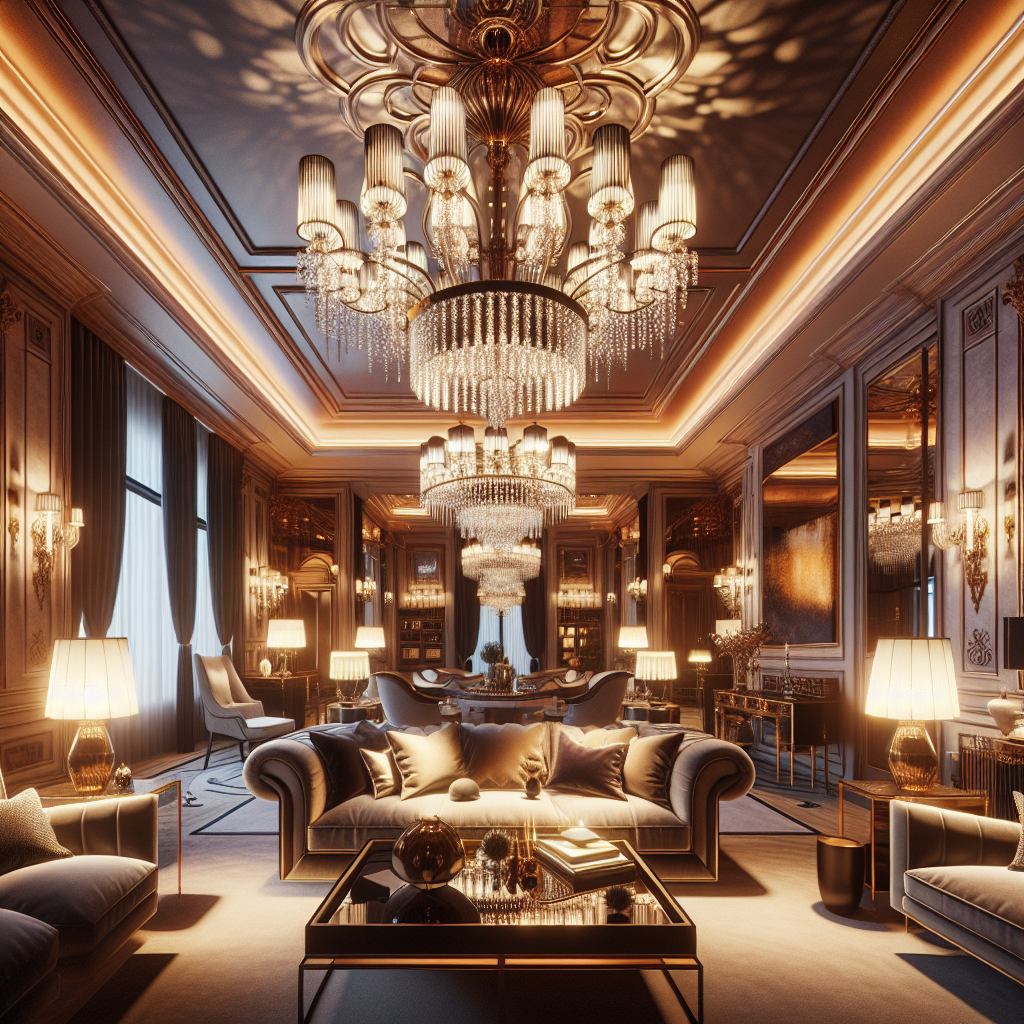
Lighting is often an overlooked element in interior design, yet it plays a pivotal role in setting the mood and highlighting curated pieces. The right lighting can enhance the colors and textures in a room, creating a warm and inviting atmosphere. Consider using a mix of ambient, task, and accent lighting to create layers of light that can be adjusted to suit different occasions and moods. A well-placed lamp or a stunning chandelier can also serve as a statement piece, adding to the room’s overall aesthetic.
Finally, personal touches are what truly make a curated space feel luxurious and unique. Incorporating pieces that have personal significance or tell a story can add character and warmth to a room. Whether it’s a piece of art collected on travels or a vintage find with a history, these elements can make a space feel more personal and inviting. In the end, the art of curation is about creating a space that reflects your personality and style while maintaining a sense of balance and harmony. By carefully selecting each piece with intention and thoughtfulness, you can create a luxury interior that is not only beautiful but also feels like home.
Balancing Boldness and Subtlety: Selecting Statement Pieces for Elegance
Creating a luxurious interior is much like painting a masterpiece; it requires a keen eye for detail, a sense of balance, and an appreciation for both boldness and subtlety. When it comes to selecting statement pieces for an elegant space, the art of curation becomes essential. It’s not just about choosing items that catch the eye, but about weaving them into a cohesive narrative that speaks to the personality and taste of the homeowner. The key lies in balancing elements that stand out with those that whisper sophistication, ensuring that each piece contributes to the overall harmony of the room.
To begin with, it’s important to understand that statement pieces are not just about size or color. While a grand chandelier or a vibrant piece of art can certainly draw attention, the true essence of a statement piece lies in its ability to evoke emotion and spark conversation. It’s about selecting items that resonate with you personally, whether it’s a vintage armchair with a story to tell or a modern sculpture that challenges the norm. These pieces should reflect your individuality and serve as focal points that anchor the room.
However, the challenge often lies in ensuring that these bold elements do not overwhelm the space. This is where the art of subtlety comes into play. By pairing statement pieces with more understated elements, you create a sense of balance that allows each item to shine without competing for attention. For instance, a striking piece of artwork can be complemented by neutral-toned furniture and soft textures, allowing the art to take center stage while the rest of the room provides a serene backdrop.
Moreover, it’s crucial to consider the scale and proportion of each piece in relation to the room. A large, ornate mirror might look stunning in a spacious living room but could feel overpowering in a smaller space. Similarly, a delicate vase might get lost in a room filled with oversized furniture. By paying attention to the size and placement of each item, you can ensure that the room feels cohesive and well-balanced.
In addition to scale, color plays a significant role in achieving a harmonious interior. While it’s tempting to stick to a single color palette, incorporating a mix of hues can add depth and interest to the space. The trick is to choose colors that complement each other and tie the room together. For example, a bold, jewel-toned sofa can be offset by soft, muted walls and accents in complementary shades, creating a dynamic yet cohesive look.
Texture is another element that can enhance the elegance of a room. By mixing different materials, such as velvet, leather, and wood, you add layers of interest that draw the eye and invite touch. This tactile quality can elevate the overall feel of the space, making it both luxurious and inviting.
Ultimately, the art of curation is about creating a space that feels both personal and polished. It’s about finding the perfect balance between boldness and subtlety, allowing each piece to contribute to the story of the room. By carefully selecting statement pieces and thoughtfully integrating them into the design, you can craft an interior that is not only visually stunning but also a true reflection of your style and sensibility.
The Role of Color and Texture in Creating a Cohesive Interior Design
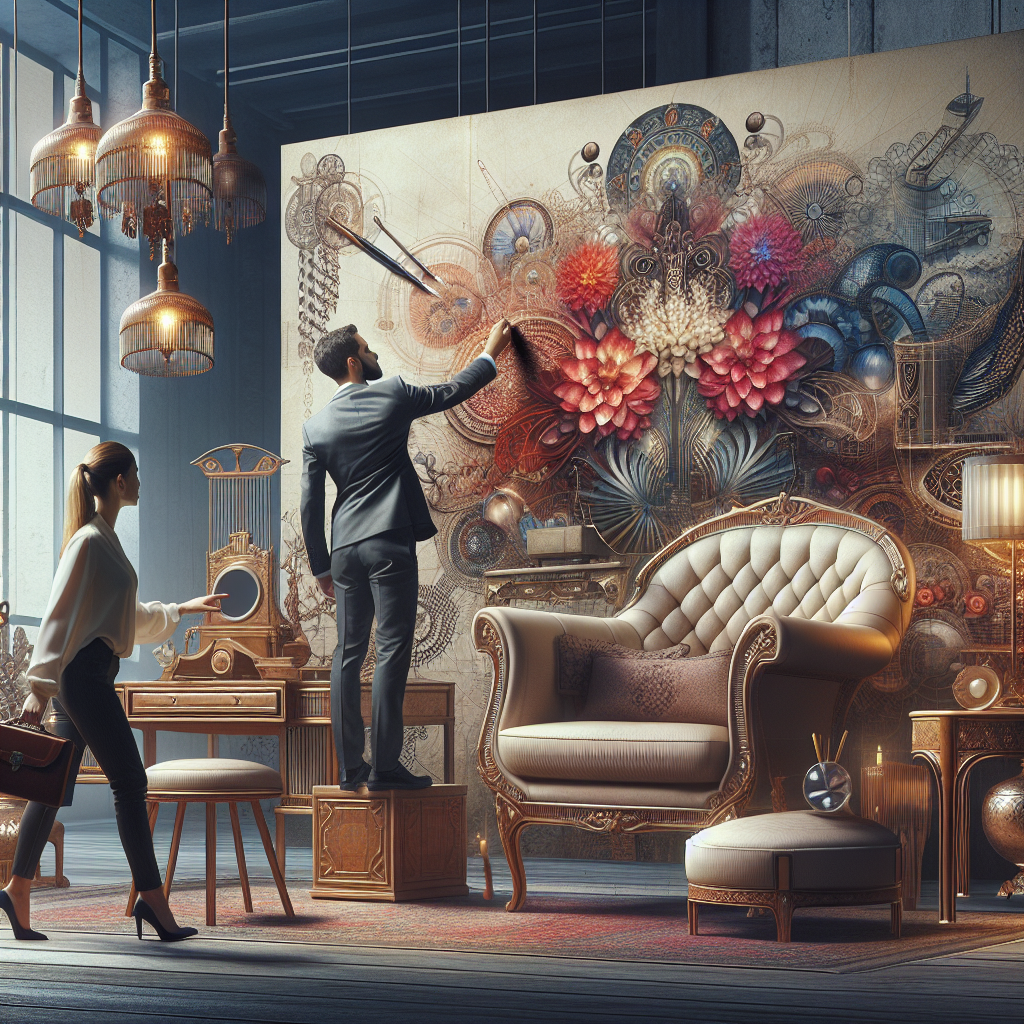
Creating a cohesive luxury interior is much like painting a masterpiece; it requires a keen eye for detail, a deep understanding of the elements at play, and a touch of creativity. At the heart of this process lies the art of curation, where selecting the right pieces can transform a space from ordinary to extraordinary. One of the most crucial aspects of this curation is the thoughtful use of color and texture, which together can weave a tapestry of elegance and harmony throughout a home.
When it comes to color, it’s not just about picking your favorite shades and splashing them across the walls. Instead, it’s about understanding how different colors interact with each other and the emotions they evoke. For instance, a palette of soft, muted tones can create a serene and calming atmosphere, perfect for a luxurious bedroom retreat. On the other hand, bold, vibrant colors can inject energy and excitement into a living room, making it a lively space for entertaining guests. The key is to find a balance that reflects the desired mood of each room while ensuring that the colors flow seamlessly from one space to the next.
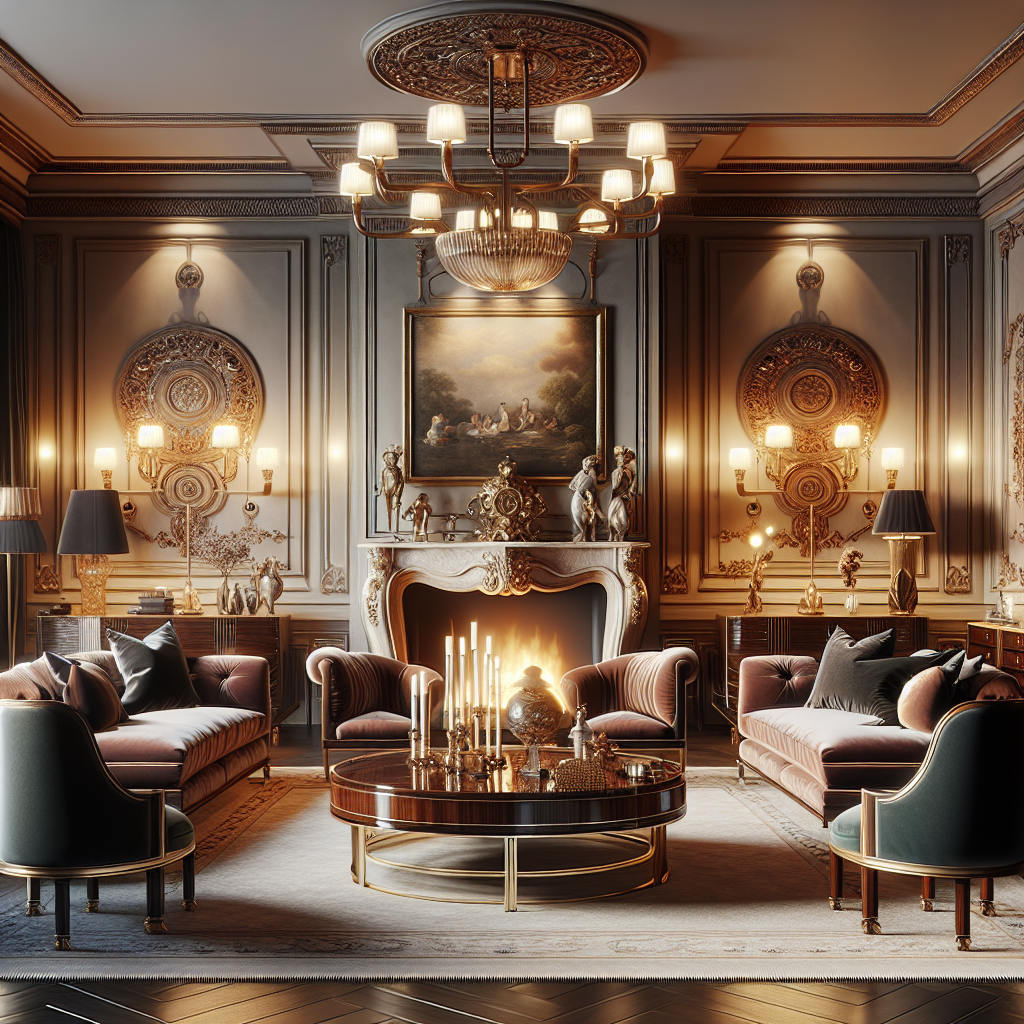
Transitioning from color to texture, it’s important to recognize that texture adds depth and dimension to a room, making it feel more inviting and layered. Imagine walking into a living room where a plush velvet sofa sits alongside a sleek marble coffee table, with a soft wool rug underfoot. The contrast between these textures creates a sensory experience that is both luxurious and comforting. By mixing and matching different materials, such as wood, metal, glass, and fabric, you can add visual interest and tactile appeal to your interiors.
Moreover, the interplay between color and texture can further enhance the cohesiveness of a space. For example, a monochromatic color scheme can be elevated by incorporating various textures, such as a leather armchair paired with a silk throw pillow. This approach not only maintains a unified color palette but also prevents the room from feeling flat or monotonous. Similarly, a textured wall covering in a complementary color can serve as a stunning backdrop for a curated collection of art pieces, adding depth and character to the room.
As you curate your luxury interior, it’s also essential to consider the role of lighting in highlighting the colors and textures you’ve chosen. Proper lighting can accentuate the richness of a deep blue velvet or the subtle sheen of a metallic finish, bringing out the best in each element. Whether it’s natural light streaming through large windows or strategically placed lamps casting a warm glow, lighting can dramatically influence how colors and textures are perceived.
In conclusion, the art of curation in luxury interior design is a delicate dance between color and texture, where each choice contributes to the overall harmony of the space. By thoughtfully selecting pieces that complement and enhance one another, you can create an environment that is not only visually stunning but also deeply personal and inviting. So, as you embark on your design journey, remember to trust your instincts, embrace your creativity, and most importantly, have fun with the process. After all, your home is a reflection of who you are, and there’s no better canvas than that.
Incorporating Art and Antiques: Elevating Luxury Through Timeless Pieces
Creating a luxury interior is much like painting a masterpiece; it requires a keen eye, a sense of balance, and an appreciation for the finer details. One of the most effective ways to elevate a space is by incorporating art and antiques, which bring a sense of history and timeless elegance. The art of curation is essential in selecting pieces that not only stand out individually but also contribute to a cohesive and harmonious environment.
To begin with, understanding the existing style and color palette of your space is crucial. This doesn’t mean you have to match everything perfectly, but rather, you should aim for a complementary relationship between the art and the room. For instance, if your interior leans towards a modern aesthetic, a striking abstract painting can serve as a focal point, while a classic antique piece might add a touch of contrast and depth. On the other hand, if your space is more traditional, consider incorporating contemporary art to create an interesting juxtaposition that keeps the room from feeling too predictable.
Moreover, scale and proportion play a significant role in the selection process. A large, dramatic piece can anchor a room and draw the eye, but it’s important to ensure it doesn’t overwhelm the space. Conversely, smaller pieces can be grouped together to create a gallery wall, offering a dynamic and engaging visual experience. This approach allows for flexibility and creativity, as you can mix and match different styles, periods, and mediums to reflect your personal taste.
In addition to visual appeal, the story behind each piece can add layers of meaning and interest to your interior. Antiques, in particular, often come with rich histories and unique characteristics that can spark conversation and intrigue. When selecting antiques, consider their provenance and craftsmanship, as these elements contribute to their value and authenticity. Similarly, when choosing art, learning about the artist and their inspiration can deepen your connection to the piece and enhance its significance within your home.
Lighting is another critical factor in showcasing art and antiques effectively. Proper lighting can highlight the textures, colors, and details of a piece, bringing it to life and allowing it to shine. Whether it’s a strategically placed spotlight or ambient lighting that creates a warm glow, the right illumination can transform how a piece is perceived and appreciated.
Furthermore, it’s important to remember that curating a luxury interior is an ongoing process. As your tastes evolve and your collection grows, you may find yourself rearranging or replacing pieces to maintain a fresh and inspiring environment. This fluidity is part of the joy of curation, as it allows you to continually refine and enhance your space.
Ultimately, the art of curation is about creating a dialogue between the pieces and the space they inhabit. By thoughtfully selecting art and antiques that resonate with you and complement your interior, you can craft a luxurious environment that is both timeless and uniquely yours. So, embrace the journey of discovery and let your home become a canvas for your personal expression, where every piece tells a story and contributes to the overall harmony of your space.
The Importance of Personalization: Tailoring Curation to Reflect Individual Style
Creating a luxury interior that truly feels like home is an art form that goes beyond simply selecting high-end furniture and decor. At the heart of this process is curation, the thoughtful selection and arrangement of pieces that not only exude elegance but also reflect the unique personality and style of the homeowner. Personalization is key in this endeavor, as it transforms a space from a mere showcase of luxury items into a deeply personal sanctuary.
To begin with, understanding one’s individual style is crucial. This involves a bit of introspection and exploration, as personal style is often an amalgamation of various influences, experiences, and preferences. Some might find inspiration in the sleek lines and minimalism of modern design, while others might be drawn to the opulence and intricate details of classic styles. By identifying these preferences, one can start to build a foundation for their curated space.
Once a clear sense of style is established, the next step is to select pieces that resonate on a personal level. This is where the magic of curation truly comes into play. It’s not just about choosing items that are visually appealing or on-trend; it’s about finding pieces that tell a story or evoke a particular emotion. For instance, a vintage armchair might remind someone of their grandmother’s living room, adding a layer of nostalgia and warmth to the space. Similarly, a piece of art acquired during travels can serve as a daily reminder of adventures and cherished memories.
Incorporating personal elements doesn’t mean sacrificing cohesion. On the contrary, a well-curated space seamlessly blends diverse pieces into a harmonious whole. This can be achieved through careful consideration of color palettes, textures, and materials. For example, a room might feature a mix of modern and antique furniture, but by maintaining a consistent color scheme or using complementary materials, the space can feel unified and intentional.
Moreover, personalization in curation allows for flexibility and evolution. As people grow and change, so too can their interiors. A curated space is never truly finished; it evolves with the homeowner, accommodating new acquisitions and shifting tastes. This dynamic aspect of curation ensures that a luxury interior remains fresh and relevant, continually reflecting the current state of the homeowner’s life and style.
In addition to personal satisfaction, a curated space that reflects individual style can also enhance the overall ambiance and functionality of a home. When each piece is chosen with intention and care, the result is a space that not only looks beautiful but also feels right. This alignment between aesthetics and personal identity can create a sense of peace and comfort, making the home a true refuge from the outside world.
Ultimately, the art of curation in luxury interiors is about more than just aesthetics; it’s about creating a space that is deeply personal and meaningful. By tailoring curation to reflect individual style, homeowners can craft interiors that are not only luxurious but also uniquely theirs. This personalized approach ensures that every corner of the home tells a story, making it a place where one can truly feel at ease and inspired.
Conclusion
The art of curation in selecting pieces for a cohesive luxury interior involves a meticulous process of choosing elements that harmonize in style, color, and texture to create a unified and sophisticated space. It requires a keen eye for detail, an understanding of spatial dynamics, and an appreciation for both contemporary trends and timeless elegance. By thoughtfully integrating furniture, artwork, and accessories, curators can craft interiors that not only reflect the desired aesthetic but also enhance the functionality and ambiance of the environment. Ultimately, successful curation results in a luxurious interior that feels both curated and personal, offering a seamless blend of beauty and comfort.