The Art of Mixing: Combining Different Luxury Furniture Styles
June 14, 2022
The Renaissance of Rattan: Tropical Elegance for Modern Homes
June 28, 2022
-
Table of Contents
- Introduction
- Exploring Bamboo: The Eco-Luxe Material Revolutionizing High-End Furniture
- The Rise Of Reclaimed Wood In Luxury Furniture Design
- Sustainable Elegance: Incorporating Recycled Metals In High-End Pieces
- Organic Textiles: The Future Of Eco-Luxe Upholstery
- The Art Of Upcycling: Transforming Waste Into Luxury Furniture
- Conclusion
Introduction
Eco-Luxe: Sustainable Materials in High-End Furniture explores the intersection of luxury design and environmental responsibility, highlighting a transformative trend in the furniture industry. As consumers become increasingly conscious of their ecological footprint, the demand for sustainable yet opulent furnishings has surged. This movement marries the elegance and sophistication of high-end furniture with the principles of sustainability, utilizing materials that are not only aesthetically pleasing but also environmentally friendly. From responsibly sourced woods and recycled metals to innovative textiles and natural finishes, eco-luxe furniture embodies a commitment to preserving the planet without compromising on style or quality. This approach not only redefines luxury but also sets a new standard for conscientious consumption, proving that sustainability and sophistication can coexist harmoniously.
Exploring Bamboo: The Eco-Luxe Material Revolutionizing High-End Furniture
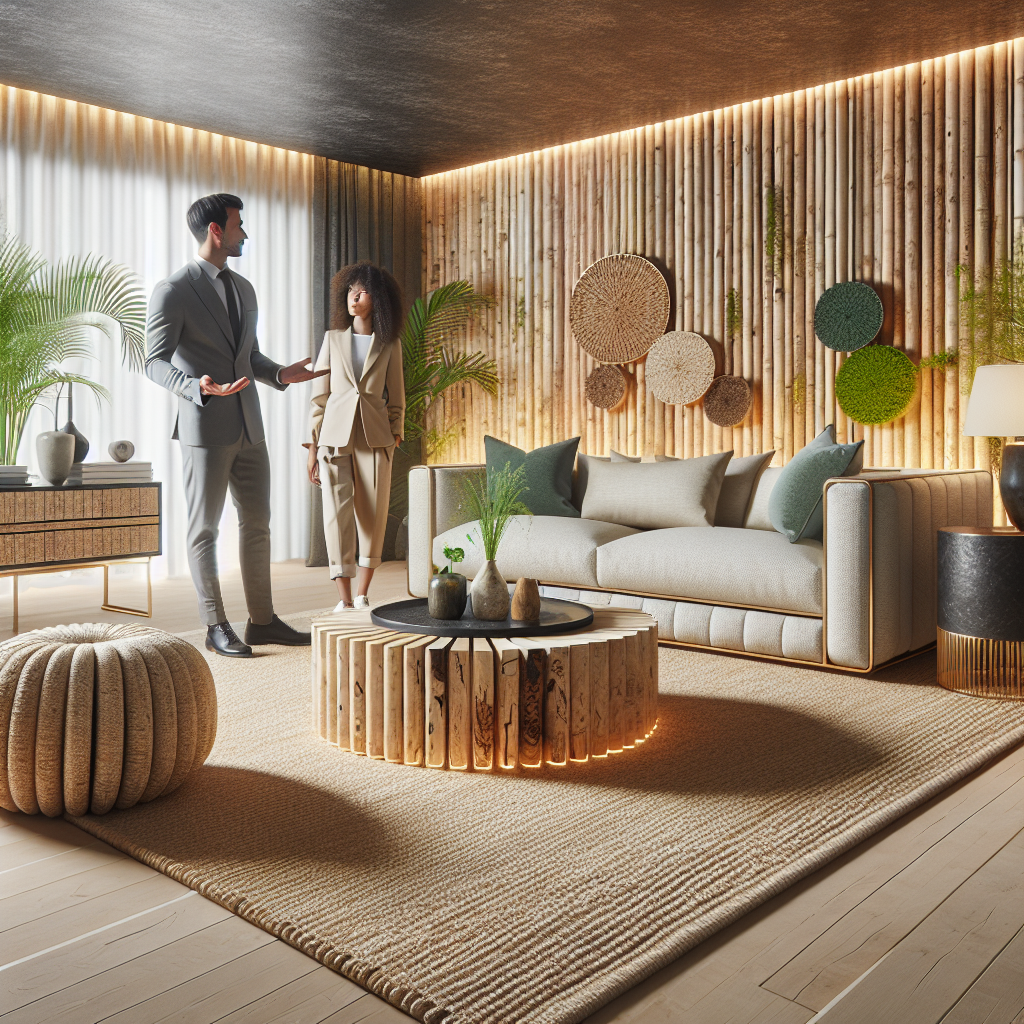
In recent years, the world of high-end furniture has been undergoing a fascinating transformation, with sustainability taking center stage. Among the myriad of materials being explored, bamboo has emerged as a standout choice, revolutionizing the way we think about luxury furnishings. This eco-friendly material is not only sustainable but also incredibly versatile, making it a perfect fit for the eco-luxe movement that is sweeping through the design world.
Bamboo, often mistaken for a tree, is actually a type of grass that grows at an astonishing rate. Some species can grow up to three feet in just 24 hours! This rapid growth makes bamboo an incredibly renewable resource, as it can be harvested without causing long-term damage to the environment. Unlike traditional hardwoods, which can take decades to mature, bamboo is ready for harvest in just a few years. This quick turnaround is a game-changer for sustainability, as it allows for continuous production without depleting natural resources.
Moreover, bamboo’s environmental benefits extend beyond its rapid growth. It is known for its ability to absorb carbon dioxide and release oxygen, making it a powerful ally in the fight against climate change. Additionally, bamboo requires minimal water and no pesticides to thrive, further reducing its ecological footprint. These attributes make it an attractive option for designers and consumers alike who are looking to make more environmentally conscious choices without sacrificing style or quality.
Transitioning from its environmental benefits, let’s delve into the aesthetic and functional qualities that make bamboo a favorite in high-end furniture design. Bamboo’s natural beauty is undeniable, with its warm tones and unique grain patterns adding a touch of elegance to any piece. Its versatility allows it to be crafted into a wide range of styles, from sleek and modern to rustic and traditional. This adaptability means that bamboo can seamlessly fit into any design scheme, making it a popular choice for designers looking to create timeless pieces.
In addition to its aesthetic appeal, bamboo is incredibly strong and durable. Despite its lightweight nature, it boasts a tensile strength that rivals steel, making it an ideal material for furniture that needs to withstand the test of time. This strength does not come at the expense of comfort, as bamboo furniture often features ergonomic designs that prioritize user experience. Whether it’s a luxurious bamboo bed frame or a chic dining set, these pieces offer both style and substance.
As the demand for sustainable luxury continues to grow, more and more high-end furniture brands are incorporating bamboo into their collections. This shift is not just a trend but a reflection of a broader movement towards responsible consumption. Consumers are increasingly aware of the impact their choices have on the planet, and they are seeking out products that align with their values. By choosing bamboo, they are not only investing in beautiful, high-quality furniture but also supporting a more sustainable future.
In conclusion, bamboo is truly revolutionizing the world of high-end furniture. Its combination of sustainability, versatility, and strength makes it an ideal material for those looking to embrace the eco-luxe lifestyle. As more designers and consumers recognize the benefits of this remarkable material, bamboo is set to become a staple in luxury interiors, proving that style and sustainability can indeed go hand in hand.
The Rise Of Reclaimed Wood In Luxury Furniture Design
In recent years, the world of luxury furniture design has witnessed a fascinating shift towards sustainability, with reclaimed wood taking center stage. This trend, often referred to as “eco-luxe,” marries the elegance and sophistication of high-end furniture with the environmental consciousness that many consumers are now seeking. As we delve into the rise of reclaimed wood in luxury furniture design, it becomes clear that this movement is not just a fleeting trend but a meaningful evolution in the industry.
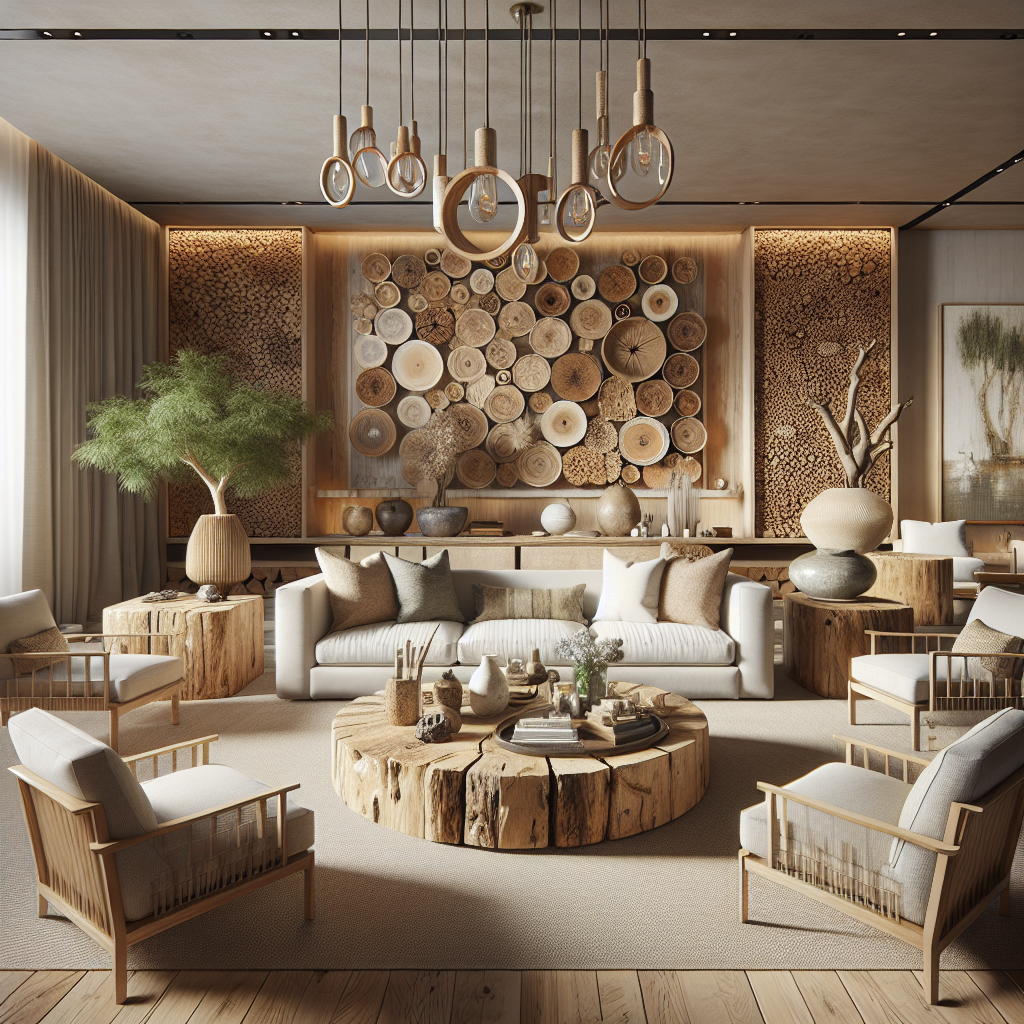
To begin with, reclaimed wood offers a unique charm that new materials simply cannot replicate. Each piece of wood carries its own history, often sourced from old barns, factories, or even wine barrels. This history imbues the furniture with a sense of character and authenticity, qualities that are highly prized in luxury design. Moreover, the natural imperfections and weathered textures of reclaimed wood add a layer of depth and intrigue, making each piece truly one-of-a-kind. It’s no wonder that designers and consumers alike are drawn to the stories embedded in these materials.
Transitioning from aesthetics to environmental impact, the use of reclaimed wood significantly reduces the demand for new timber, thereby helping to preserve our forests. This is a crucial consideration in an era where deforestation poses a serious threat to biodiversity and climate stability. By choosing reclaimed wood, designers are not only creating beautiful pieces but also contributing to a more sustainable future. This alignment of luxury with environmental responsibility resonates with a growing demographic of eco-conscious consumers who are willing to invest in products that reflect their values.
Furthermore, the process of working with reclaimed wood requires a high level of craftsmanship, which aligns perfectly with the standards of luxury furniture. Skilled artisans must carefully select, treat, and assemble the wood to ensure that it meets the quality expectations of high-end design. This meticulous attention to detail enhances the exclusivity of the final product, as each piece is crafted with precision and care. The result is furniture that is not only sustainable but also a testament to the artistry and dedication of its makers.
In addition to its environmental and aesthetic benefits, reclaimed wood also offers practical advantages. It is often more durable than new wood, having already withstood the test of time. This durability ensures that luxury furniture made from reclaimed wood is not only beautiful but also built to last, providing long-term value to consumers. As more people seek to invest in pieces that are both timeless and sustainable, reclaimed wood continues to gain traction in the luxury market.
As we look to the future, it is clear that the rise of reclaimed wood in luxury furniture design is more than just a passing fad. It represents a broader movement towards sustainability and conscious consumption in the design world. By embracing materials that are both eco-friendly and aesthetically pleasing, designers are redefining what it means to create luxury furniture. This shift not only benefits the environment but also enriches the lives of those who choose to surround themselves with pieces that tell a story and stand the test of time. In this way, eco-luxe is paving the way for a more sustainable and stylish future in the world of high-end design.
Sustainable Elegance: Incorporating Recycled Metals In High-End Pieces
In recent years, the world of high-end furniture has seen a remarkable shift towards sustainability, with designers and manufacturers increasingly embracing eco-friendly materials. Among these, recycled metals have emerged as a popular choice, offering a unique blend of luxury and environmental responsibility. This trend, often referred to as “eco-luxe,” is redefining what it means to create elegant and sustainable furniture pieces.
To begin with, recycled metals bring a distinct charm to high-end furniture. These materials, often sourced from discarded industrial products, old machinery, or even decommissioned vehicles, carry a history that adds character to any piece. When skillfully crafted, recycled metals can transform into stunning furniture that tells a story, making each item not just a piece of decor, but a conversation starter. Moreover, the use of recycled metals aligns perfectly with the growing consumer demand for products that are both beautiful and environmentally conscious.
Transitioning to the environmental benefits, incorporating recycled metals in furniture production significantly reduces the carbon footprint. Traditional metal extraction and processing are energy-intensive and contribute to environmental degradation. By opting for recycled metals, manufacturers can cut down on energy consumption and reduce the need for mining, which in turn helps preserve natural habitats. This sustainable approach not only benefits the planet but also appeals to eco-conscious consumers who are increasingly prioritizing sustainability in their purchasing decisions.
Furthermore, the versatility of recycled metals allows for endless design possibilities. Designers can experiment with different finishes, textures, and colors to create pieces that range from sleek and modern to rustic and industrial. This adaptability ensures that recycled metal furniture can seamlessly fit into various interior styles, whether it’s a minimalist urban loft or a cozy countryside retreat. The ability to customize and innovate with recycled metals is a significant draw for designers looking to push the boundaries of traditional furniture design.
In addition to their aesthetic and environmental advantages, recycled metals are incredibly durable. Unlike some other sustainable materials that may compromise on longevity, metals like aluminum, steel, and copper are known for their strength and resilience. This durability ensures that high-end furniture made from recycled metals can withstand the test of time, offering both style and substance. As a result, consumers can invest in pieces that not only look good but also last for generations, making them a worthwhile addition to any home.
As we continue to explore the intersection of luxury and sustainability, it’s clear that recycled metals have a significant role to play in the future of high-end furniture. By choosing these materials, designers and consumers alike are making a statement about their commitment to the environment without sacrificing style or quality. This harmonious blend of elegance and eco-friendliness is what makes the concept of eco-luxe so appealing.
In conclusion, the incorporation of recycled metals in high-end furniture is more than just a trend; it’s a movement towards a more sustainable and responsible future. As the demand for eco-friendly products continues to grow, we can expect to see even more innovative and beautiful designs that celebrate the marriage of luxury and sustainability. So, the next time you’re in the market for a new piece of furniture, consider the story behind the materials and the impact of your choices. After all, embracing eco-luxe is not just about enhancing your living space—it’s about making a positive difference in the world.
Organic Textiles: The Future Of Eco-Luxe Upholstery
In recent years, the world of high-end furniture has seen a remarkable shift towards sustainability, and at the heart of this transformation is the growing use of organic textiles. As more consumers become environmentally conscious, the demand for eco-friendly options has surged, leading luxury furniture designers to explore innovative materials that are both sustainable and stylish. Organic textiles have emerged as a frontrunner in this movement, offering a perfect blend of luxury and responsibility.
To begin with, organic textiles are derived from natural fibers that are grown without the use of harmful pesticides or synthetic fertilizers. This not only makes them better for the environment but also ensures that they are free from toxic chemicals, making them a healthier choice for our homes. Materials like organic cotton, linen, hemp, and wool are gaining popularity in the world of high-end upholstery, as they provide a soft, luxurious feel while maintaining a low environmental impact. These textiles are not only biodegradable but also require less water and energy to produce compared to their conventional counterparts.
Moreover, the appeal of organic textiles extends beyond their environmental benefits. They offer a unique aesthetic that resonates with the modern consumer’s desire for authenticity and quality. The natural textures and earthy tones of these materials add a touch of elegance and warmth to any space, making them a favorite among interior designers who are keen on creating sophisticated yet sustainable interiors. The versatility of organic textiles allows them to be used in a variety of styles, from minimalist to bohemian, ensuring that they can complement any design vision.
In addition to their aesthetic and environmental advantages, organic textiles also boast impressive durability. Natural fibers are known for their strength and resilience, which means that furniture upholstered with these materials can withstand the test of time. This durability is a crucial factor for high-end furniture, where longevity is a key consideration. Investing in pieces made from organic textiles not only supports sustainable practices but also ensures that the furniture remains a cherished part of the home for years to come.
Furthermore, the rise of organic textiles in luxury furniture is also driven by advancements in technology and innovation. Designers and manufacturers are continually exploring new ways to enhance the performance and appeal of these materials. For instance, organic textiles can now be treated with natural dyes and finishes that enhance their color and texture without compromising their eco-friendly properties. This opens up a world of possibilities for creating bespoke pieces that are as unique as they are sustainable.
As we look to the future, it is clear that organic textiles will play an increasingly important role in the world of eco-luxe upholstery. Their ability to combine sustainability with style makes them an ideal choice for those who wish to make a positive impact on the environment without sacrificing luxury. As more consumers embrace this trend, we can expect to see a wider range of high-end furniture options that prioritize both the planet and personal taste. In this way, organic textiles are not just a passing fad but a fundamental shift towards a more sustainable and stylish future in the world of luxury furniture.
The Art Of Upcycling: Transforming Waste Into Luxury Furniture
In recent years, the world of high-end furniture has witnessed a remarkable transformation, as designers and consumers alike have begun to embrace the concept of eco-luxe. This trend, which marries luxury with sustainability, is redefining what it means to furnish a home with style and conscience. At the heart of this movement is the art of upcycling, a creative process that transforms waste materials into stunning pieces of furniture that are as beautiful as they are environmentally friendly.
Upcycling, unlike recycling, involves repurposing discarded materials without breaking them down into their raw components. This approach not only conserves energy but also preserves the unique character of the original materials. For instance, imagine a weathered barn door being transformed into a chic dining table or an old leather jacket finding new life as the upholstery for a sleek armchair. These pieces tell a story, adding depth and personality to any space they inhabit.
One of the most exciting aspects of upcycling in high-end furniture is the sheer variety of materials that can be used. From reclaimed wood and metal to vintage textiles and glass, the possibilities are virtually endless. Designers are constantly pushing the boundaries of creativity, finding innovative ways to incorporate these materials into their work. This not only results in one-of-a-kind pieces but also helps reduce the demand for new resources, making it a win-win for both consumers and the planet.
Moreover, the appeal of upcycled furniture extends beyond its environmental benefits. Many people are drawn to the idea of owning something unique, something that cannot be found in a typical furniture store. Upcycled pieces often come with a sense of history and character that mass-produced items simply cannot replicate. This individuality is particularly appealing in a world where personal expression is increasingly valued.
In addition to their aesthetic and environmental advantages, upcycled furniture pieces often boast superior craftsmanship. Because they are typically made by skilled artisans who take pride in their work, these items are built to last. This focus on quality over quantity is a hallmark of the eco-luxe movement, which prioritizes durability and timeless design over fleeting trends.
As more consumers become aware of the impact their purchasing decisions have on the environment, the demand for sustainable luxury furniture continues to grow. This shift in consumer behavior is encouraging more designers and manufacturers to explore upcycling as a viable and profitable option. In turn, this is leading to greater innovation and creativity within the industry, as designers experiment with new techniques and materials to meet the evolving tastes of their clientele.
Ultimately, the art of upcycling is about more than just transforming waste into luxury furniture; it is about reimagining the way we think about consumption and design. By choosing upcycled pieces, consumers are not only making a statement about their personal style but also supporting a more sustainable future. As the eco-luxe movement continues to gain momentum, it is clear that the marriage of sustainability and luxury is not just a passing trend but a lasting change in the world of high-end furniture. So, the next time you find yourself in the market for a new piece of furniture, consider the beauty and benefits of upcycled design. You might just find that the perfect addition to your home is one that tells a story of transformation and renewal.
Conclusion
Eco-Luxe: Sustainable Materials in High-End Furniture represents a transformative shift in the luxury furniture industry, where environmental responsibility meets opulent design. This movement emphasizes the use of sustainable materials such as reclaimed wood, bamboo, recycled metals, and organic textiles, ensuring that high-end furniture not only exudes elegance but also minimizes ecological impact. By integrating sustainable practices, designers and manufacturers are redefining luxury to include ethical considerations, appealing to a growing demographic of environmentally conscious consumers. This trend not only supports the preservation of natural resources but also encourages innovation in material sourcing and production techniques. Ultimately, Eco-Luxe signifies a harmonious blend of luxury and sustainability, setting a new standard for the future of high-end furniture design.