Tactile Luxury: The Importance of Texture in High-End Design
June 7, 2022
Eco-Luxe: Sustainable Materials in High-End Furniture
June 21, 2022
-
Table of Contents
- Introduction
- Embracing Eclecticism: Blending Modern and Vintage Luxury Furniture
- Harmonizing Textures: Mixing Leather, Velvet, and Wood in Luxury Interiors
- Color Coordination: Creating Cohesive Spaces with Diverse Furniture Styles
- Statement Pieces: Integrating Bold Luxury Furniture into Mixed-Style Rooms
- Balancing Proportions: Combining Large and Small Luxury Furniture Elements
- Conclusion
Introduction
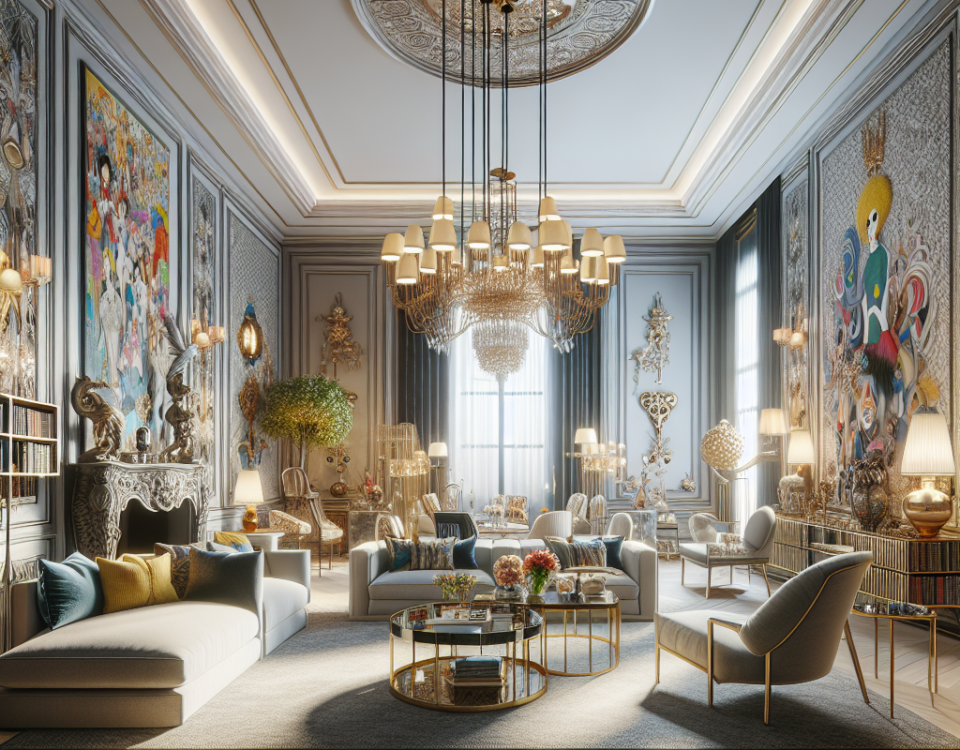
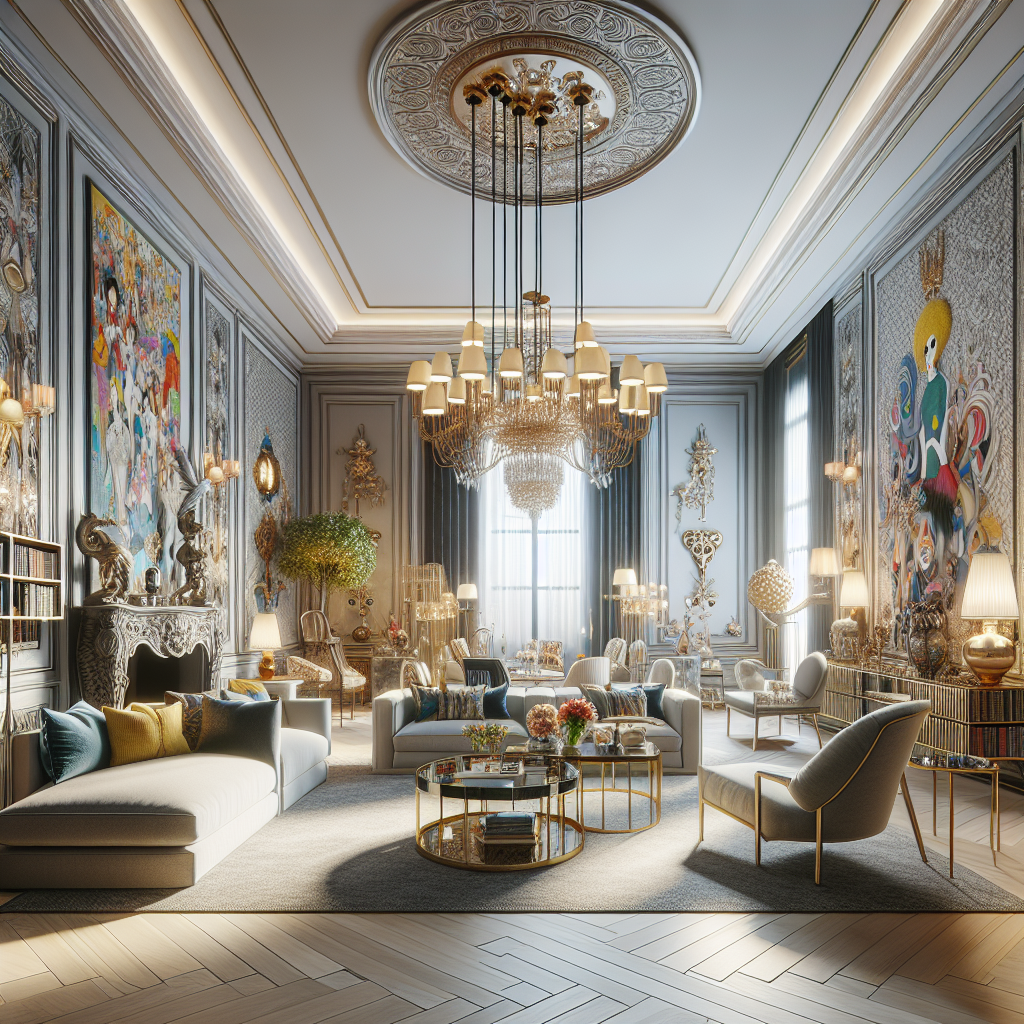
The Art of Mixing: Combining Different Luxury Furniture Styles is a sophisticated exploration into the world of interior design, where elegance meets creativity. This approach transcends traditional design boundaries, inviting homeowners and designers alike to curate spaces that reflect a harmonious blend of diverse aesthetics. By skillfully integrating various luxury furniture styles—ranging from the opulence of classic European pieces to the sleek lines of contemporary design—this art form celebrates individuality and innovation. It encourages a thoughtful juxtaposition of textures, colors, and forms, resulting in interiors that are not only visually stunning but also rich in character and personal expression. Through this artful combination, spaces are transformed into unique sanctuaries that embody both timeless elegance and modern flair.
Embracing Eclecticism: Blending Modern and Vintage Luxury Furniture
Mixing different luxury furniture styles can be an exciting journey into the world of interior design, where creativity knows no bounds. Embracing eclecticism allows you to blend modern and vintage pieces, creating a space that is uniquely yours. This approach not only showcases your personal taste but also adds depth and character to your home. As you embark on this adventure, it’s important to remember that the key to successful mixing lies in balance and harmony.
To begin with, consider the overall mood you want to create in your space. Modern furniture often brings a sense of sleekness and minimalism, while vintage pieces can add warmth and nostalgia. By combining these elements, you can achieve a dynamic and inviting atmosphere. For instance, pairing a contemporary leather sofa with a vintage wooden coffee table can create a striking contrast that draws the eye and sparks conversation. The juxtaposition of different textures and materials can add layers of interest to your room.
Moreover, color plays a crucial role in blending different styles. A cohesive color palette can tie disparate pieces together, making the space feel unified. You might choose a neutral base and then introduce pops of color through accessories like cushions, rugs, or artwork. This approach allows you to experiment with bold hues without overwhelming the room. Additionally, using similar tones or complementary colors can help bridge the gap between modern and vintage items, ensuring a seamless transition from one style to another.
Another important aspect to consider is scale and proportion. Mixing furniture styles requires a keen eye for balance. A large, ornate vintage armoire might overpower a sleek, modern chair if not placed thoughtfully. To avoid this, try to distribute visual weight evenly throughout the room. This might mean placing a substantial vintage piece alongside a group of smaller modern items, creating a sense of equilibrium. By paying attention to the size and shape of each piece, you can ensure that your space feels harmonious rather than chaotic.
Furthermore, don’t be afraid to let your personality shine through in your choices. Eclectic design is all about expressing individuality, so feel free to incorporate pieces that have personal significance or tell a story. Perhaps you have a cherished family heirloom that can be paired with a contemporary piece to create a meaningful vignette. These personal touches not only make your space more interesting but also imbue it with a sense of authenticity and warmth.
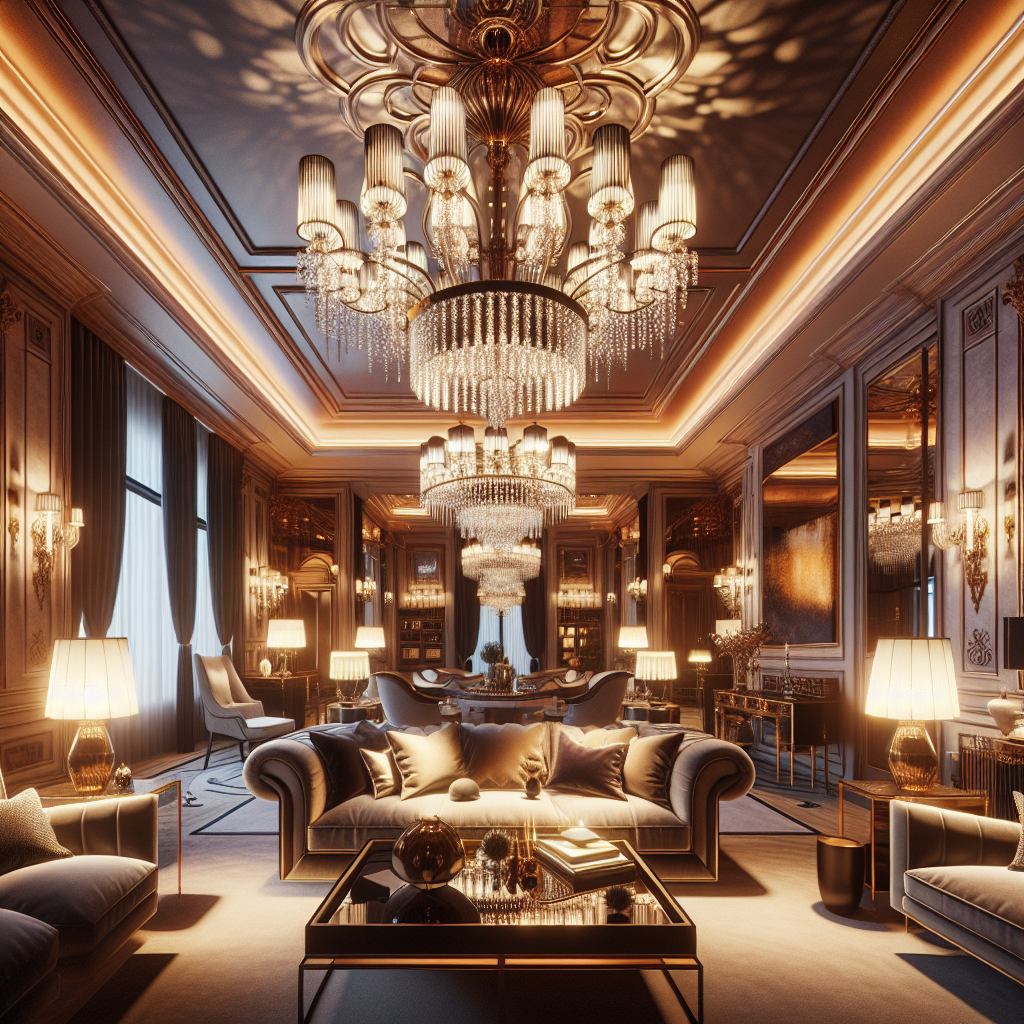
Lighting is another element that can enhance the blend of modern and vintage styles. A statement chandelier or a pair of vintage sconces can add drama and elegance, while modern floor lamps or pendant lights can provide a clean, functional contrast. By layering different lighting sources, you can create a versatile and inviting ambiance that highlights the unique features of each piece.
In conclusion, the art of mixing modern and vintage luxury furniture is a delightful exploration of contrasts and complements. By focusing on balance, color, scale, and personal expression, you can create a space that is both stylish and comfortable. Embracing eclecticism allows you to break free from conventional design rules and craft an environment that truly reflects who you are. So go ahead, mix it up, and enjoy the process of creating a home that is as unique and multifaceted as you are.
Harmonizing Textures: Mixing Leather, Velvet, and Wood in Luxury Interiors
When it comes to creating a luxurious interior, the art of mixing different furniture styles can transform a space from ordinary to extraordinary. One of the most exciting aspects of interior design is the ability to blend various textures, such as leather, velvet, and wood, to create a harmonious and inviting atmosphere. While it might seem daunting at first, combining these materials can be a delightful journey of creativity and expression.
To begin with, leather is a timeless material that exudes sophistication and elegance. Its smooth texture and rich tones can add a touch of class to any room. When incorporating leather into your design, consider using it for statement pieces like a plush sofa or a sleek armchair. These items can serve as the focal point of the room, drawing the eye and setting the tone for the rest of the space. Leather’s versatility allows it to pair beautifully with other materials, making it an excellent choice for mixing and matching.
Transitioning to velvet, this luxurious fabric brings a sense of opulence and warmth to an interior. Velvet’s soft, plush texture contrasts beautifully with the sleekness of leather, creating a dynamic interplay of materials. To incorporate velvet into your design, think about adding accent pieces such as throw pillows, ottomans, or even a statement chair. The key is to balance the boldness of velvet with the understated elegance of leather, ensuring that neither material overwhelms the other.
Wood, on the other hand, introduces an element of natural beauty and warmth to a space. Its organic texture and earthy tones can ground a room, providing a sense of stability and comfort. When mixing wood with leather and velvet, consider using it for larger pieces like coffee tables, sideboards, or even flooring. The natural grain of wood can complement the smoothness of leather and the plushness of velvet, creating a cohesive and inviting environment.
As you blend these materials, it’s important to pay attention to color palettes. Choosing complementary colors can help unify the different textures and create a seamless look. For instance, pairing a deep brown leather sofa with a navy velvet chair and a walnut wood coffee table can create a rich and cohesive color scheme. Alternatively, if you prefer a lighter palette, consider combining a cream leather armchair with a soft pastel velvet pillow and a light oak side table.
Moreover, don’t forget about the power of accessories in tying everything together. Rugs, curtains, and artwork can all play a role in harmonizing the different textures in your space. A well-chosen rug can anchor the room, while curtains can add an additional layer of texture and color. Artwork, on the other hand, can serve as a unifying element, bringing together the various materials and colors in the room.
In conclusion, mixing leather, velvet, and wood in luxury interiors is an art form that allows for endless creativity and personalization. By carefully selecting and balancing these materials, you can create a space that is not only luxurious but also warm and inviting. Remember to consider color palettes and accessories to ensure a harmonious blend, and most importantly, have fun with the process. After all, your home should be a reflection of your unique style and personality.
Color Coordination: Creating Cohesive Spaces with Diverse Furniture Styles
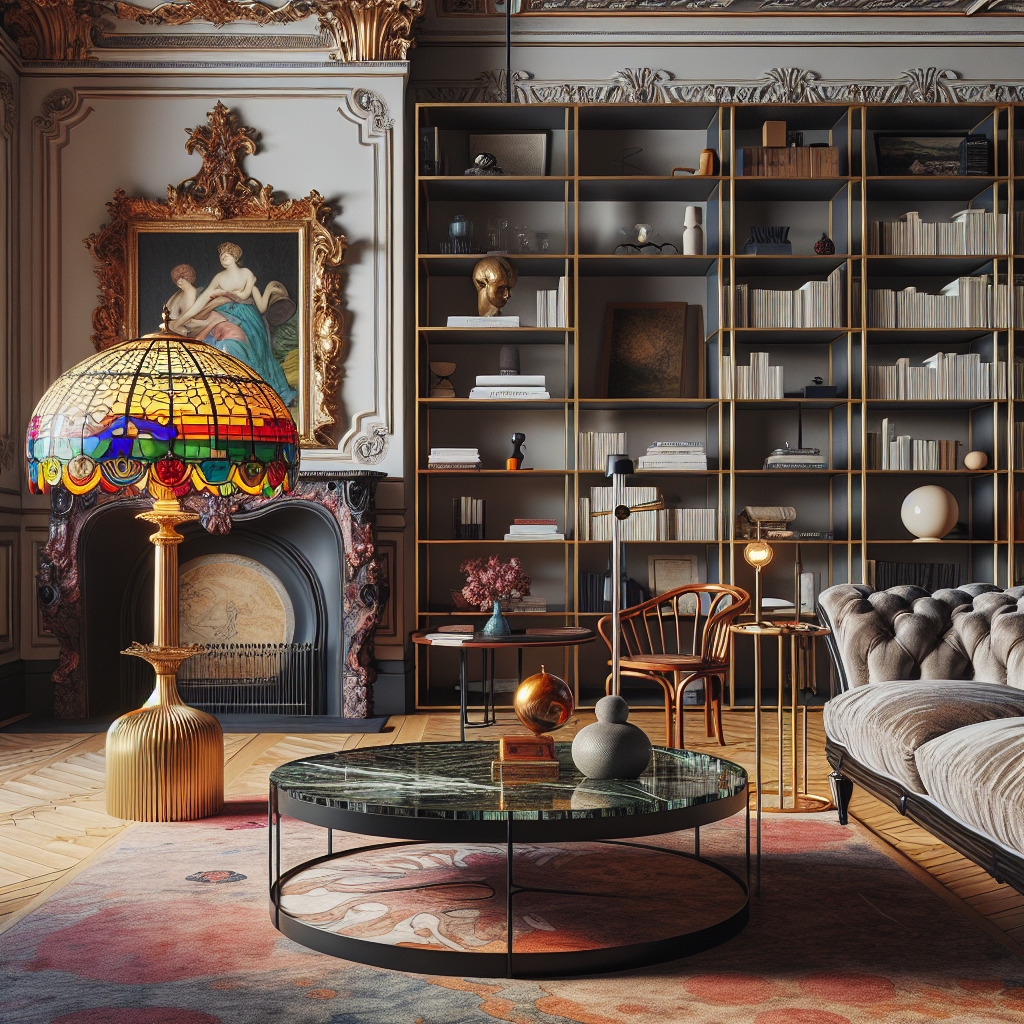
Creating a cohesive space with diverse furniture styles is an art form that can transform any room into a masterpiece. When it comes to mixing luxury furniture styles, color coordination is the secret ingredient that ties everything together. Imagine walking into a room where a sleek, modern sofa sits comfortably alongside a vintage, ornate coffee table. At first glance, these pieces might seem worlds apart, but with the right color palette, they can harmonize beautifully.
To begin with, consider the colors that already exist in your space. Walls, floors, and even the view from your windows can influence your color choices. If your walls are painted in a neutral tone, you have a versatile canvas to work with. Neutral colors like beige, gray, or soft white can serve as a backdrop that allows your furniture to shine. On the other hand, if your walls are bold and vibrant, you might want to choose furniture pieces that complement or contrast in a way that feels intentional.
Once you have a sense of your existing color scheme, think about the mood you want to create. Warm colors like reds, oranges, and yellows can make a space feel cozy and inviting, while cool colors like blues, greens, and purples can evoke a sense of calm and tranquility. By selecting furniture pieces that align with your desired mood, you can create a space that feels both cohesive and inviting.
When mixing different furniture styles, it’s helpful to find a common color thread that runs through each piece. For instance, if you have a contemporary chair with chrome legs, you might choose a traditional wooden table with a similar metallic accent. This subtle connection can make the pieces feel like they belong together, even if their styles are quite different. Additionally, using accessories like throw pillows, rugs, or artwork in coordinating colors can further unify the space.
Another approach is to use a dominant color to anchor the room and then introduce secondary colors through your furniture. For example, if you have a dominant navy blue sofa, you might incorporate a mid-century modern armchair in a lighter shade of blue or a complementary color like mustard yellow. This creates a visual hierarchy that guides the eye and makes the space feel intentional.
Moreover, don’t be afraid to experiment with patterns and textures. A plush velvet chair can look stunning next to a sleek leather sofa, especially if they share a common color. Patterns, too, can add depth and interest to a room. A geometric rug can complement a floral armchair if they share a similar color palette, creating a dynamic yet cohesive look.
Ultimately, the key to successful color coordination in a space with diverse furniture styles is balance. Too much of one color can overwhelm, while too little can make the room feel disjointed. By thoughtfully selecting colors that complement and contrast in just the right way, you can create a space that feels both eclectic and harmonious.
In conclusion, mixing different luxury furniture styles is all about finding the right balance of color and style. With a little creativity and attention to detail, you can create a space that reflects your unique taste and personality. So go ahead, mix and match with confidence, and watch as your room transforms into a beautifully cohesive masterpiece.
Statement Pieces: Integrating Bold Luxury Furniture into Mixed-Style Rooms
Mixing different luxury furniture styles in a single room can be a delightful adventure, transforming a space into a unique reflection of personal taste and creativity. The key to mastering this art lies in the thoughtful integration of statement pieces that not only stand out but also harmonize with the overall design. When done right, these bold elements can elevate a room from ordinary to extraordinary, creating a space that feels both curated and cohesive.
To begin with, it’s important to understand the role of a statement piece. These are the items that draw the eye and set the tone for the room. Whether it’s a lavish velvet sofa, an intricately carved wooden table, or a striking piece of art, these elements should capture attention and spark conversation. However, the challenge lies in ensuring that these pieces do not overwhelm the space but rather complement the existing decor.
One effective approach is to start with a neutral base. By choosing a color palette that is understated, you allow your statement pieces to shine without clashing with other elements in the room. For instance, a room with soft, muted walls and flooring can provide the perfect backdrop for a bold, jewel-toned armchair or a vibrant, abstract painting. This contrast not only highlights the statement piece but also adds depth and interest to the room.
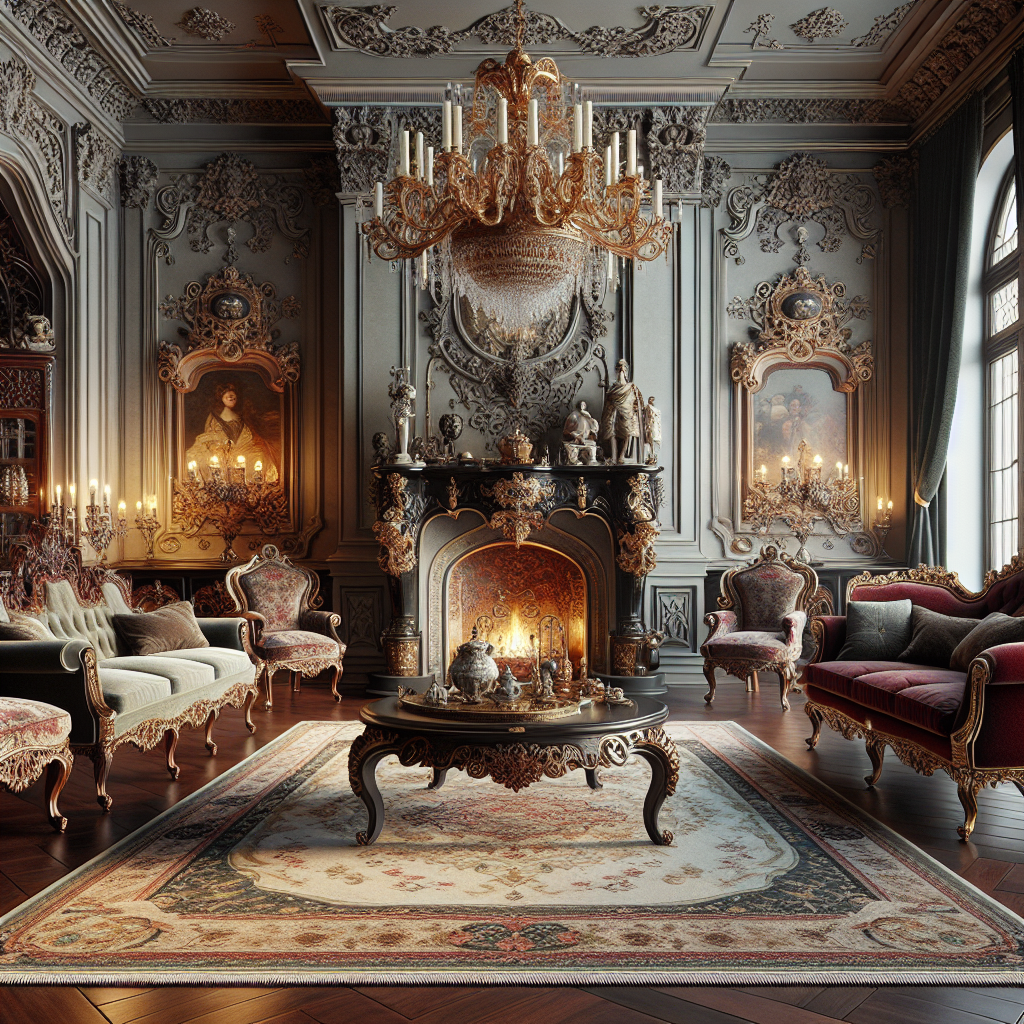
Moreover, balance is crucial when mixing different styles. While it might be tempting to fill a room with multiple statement pieces, it’s often more effective to limit these to one or two per space. This restraint ensures that each piece receives the attention it deserves without competing for focus. For example, if you have a grand, ornate chandelier, you might pair it with simpler, more streamlined furniture to maintain a sense of equilibrium.
Transitioning between different styles can also be achieved through the use of complementary materials and textures. A sleek, modern coffee table can be paired with a plush, vintage rug, creating a tactile contrast that is both visually appealing and inviting. Similarly, mixing metals, such as combining a brass lamp with silver accents, can add a layer of sophistication and intrigue.
In addition, consider the scale and proportion of your furniture. A large, imposing piece can dominate a small room, making it feel cramped and cluttered. Conversely, a small statement piece might get lost in a spacious area. By carefully considering the size of each item in relation to the room, you can ensure that your statement pieces enhance rather than detract from the overall design.
Finally, personal touches are what truly make a space feel like home. Incorporating items that have sentimental value or reflect your personal interests can add a layer of authenticity to your design. Whether it’s a collection of travel souvenirs or a cherished family heirloom, these elements can seamlessly blend with luxury furniture to create a space that is uniquely yours.
In conclusion, integrating bold luxury furniture into mixed-style rooms is an art that requires a delicate balance of contrast, harmony, and personal expression. By thoughtfully selecting statement pieces and considering factors such as color, texture, and scale, you can create a space that is both stylish and inviting. So go ahead, embrace the challenge, and let your creativity shine through in your home.
Balancing Proportions: Combining Large and Small Luxury Furniture Elements
Mixing different luxury furniture styles can be an exciting journey into the world of interior design, where creativity knows no bounds. The art of combining large and small luxury furniture elements is all about finding the right balance, ensuring that each piece complements the other while maintaining its unique charm. As you embark on this adventure, it’s essential to consider proportions, as they play a crucial role in achieving a harmonious look.
To begin with, understanding the scale of your space is vital. Large furniture pieces, such as a grand sofa or an opulent dining table, can serve as the focal point of a room. These items often set the tone and style, providing a foundation upon which smaller elements can be layered. However, it’s important not to let these larger pieces overwhelm the space. Instead, they should anchor the room, allowing smaller luxury items to add depth and character.
Transitioning from large to small elements requires a keen eye for detail. Consider incorporating smaller pieces that echo the style or color palette of the larger items. For instance, if you have a statement armchair with intricate detailing, you might choose a side table with similar craftsmanship or a lamp that mirrors its color scheme. This approach creates a cohesive look, where each piece feels like part of a curated collection rather than a random assortment.
Moreover, playing with textures can enhance the balance between large and small furniture elements. A plush, oversized sofa can be beautifully offset by a sleek, minimalist coffee table. The contrast in textures not only adds visual interest but also prevents the room from feeling monotonous. Similarly, a large, ornate chandelier can be paired with smaller, understated light fixtures to create a layered lighting effect that draws the eye around the room.
In addition to textures, consider the shapes of your furniture pieces. Mixing different shapes can add a dynamic quality to your space. For example, a round dining table can soften the angular lines of a rectangular room, while a collection of small, round ottomans can provide a playful counterpoint to a large, square sectional. By varying shapes, you introduce movement and flow, guiding the eye naturally from one piece to the next.
Another key aspect of balancing proportions is the strategic use of negative space. Allowing room for your furniture to breathe can prevent the space from feeling cluttered. This is particularly important when combining large and small elements, as it ensures that each piece has its moment to shine. For instance, placing a small, elegant sculpture on a large, open shelf can create a striking focal point without overwhelming the senses.
Finally, don’t be afraid to experiment and trust your instincts. Mixing luxury furniture styles is as much about personal expression as it is about design principles. While guidelines can help you achieve balance, your unique taste and creativity are what will truly bring your space to life. By thoughtfully combining large and small elements, you can create a luxurious environment that feels both cohesive and inviting, a true reflection of your personal style. So go ahead, mix and match with confidence, and watch as your space transforms into a masterpiece of design.
Conclusion
The art of mixing different luxury furniture styles involves a careful balance of aesthetics, functionality, and personal expression. By thoughtfully combining various design elements, such as textures, colors, and materials, one can create a cohesive and harmonious space that reflects individual taste and sophistication. Successful mixing requires an understanding of the underlying principles of each style, allowing for a seamless integration that enhances the overall ambiance. The result is a unique and personalized environment that exudes elegance and character, showcasing the beauty of diversity in design.