The Luxury of Privacy: Designing Intimate Spaces in Open Plan Homes
May 31, 2022
The Art of Mixing: Combining Different Luxury Furniture Styles
June 14, 2022
-
Table of Contents
- Introduction
- Exploring the Role of Texture in Creating Luxurious Interiors
- How Tactile Elements Elevate High-End Fashion Design
- The Psychology of Touch: Why Texture Matters in Luxury Products
- Incorporating Texture in Luxury Automotive Design
- The Art of Layering Textures in Upscale Home Decor
- Conclusion
Introduction
Tactile Luxury: The Importance of Texture in High-End Design
In the realm of high-end design, where aesthetics and functionality converge to create spaces of unparalleled elegance, the role of texture emerges as a pivotal element that transcends mere visual appeal. Tactile luxury, the art of incorporating rich, varied textures, elevates the sensory experience, transforming interiors into immersive environments that captivate and comfort. From the sumptuous feel of velvet drapes to the intricate grain of hand-carved wood, texture adds depth and dimension, inviting touch and interaction. It is this tactile quality that distinguishes luxury design, offering a multisensory journey that engages not just the eyes, but the very essence of human perception. As designers continue to explore the interplay of materials, the importance of texture in high-end design becomes increasingly evident, underscoring its role in crafting spaces that are not only seen but profoundly felt.
Exploring the Role of Texture in Creating Luxurious Interiors
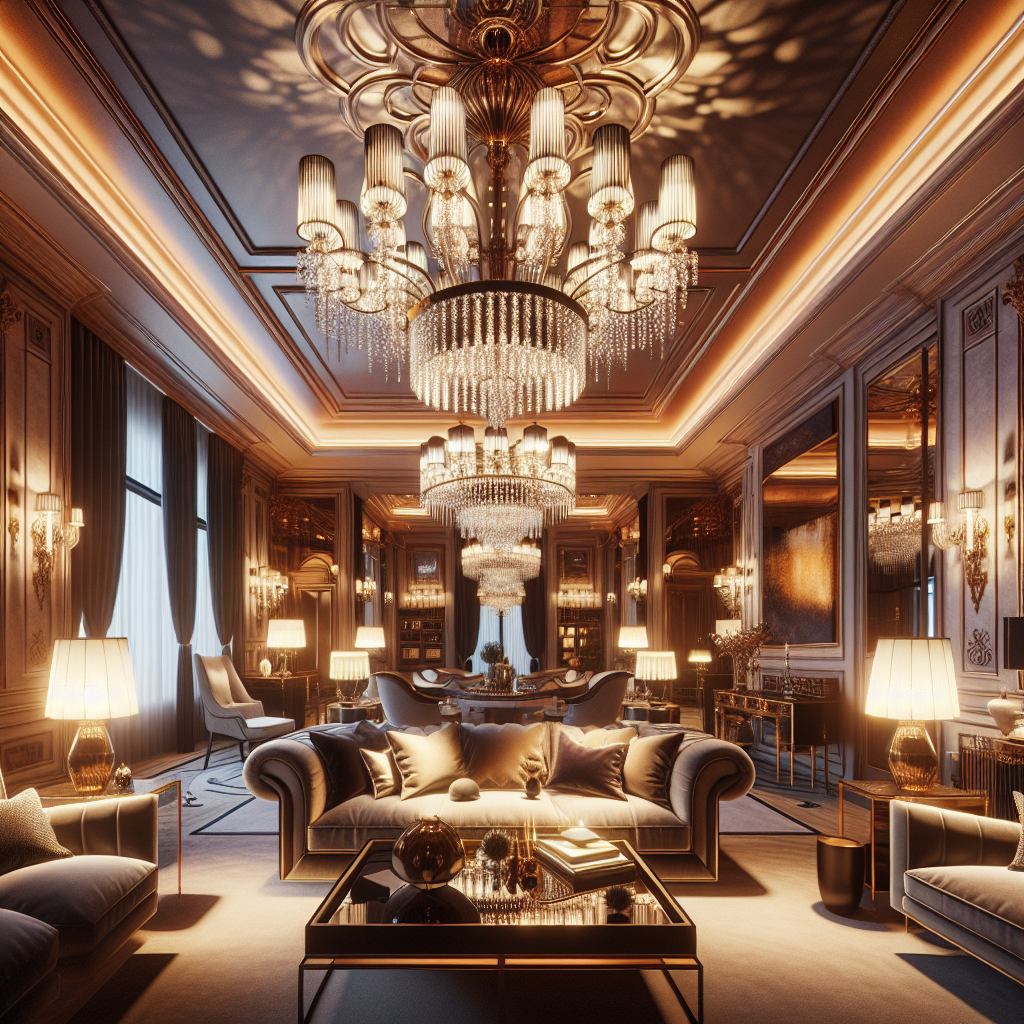
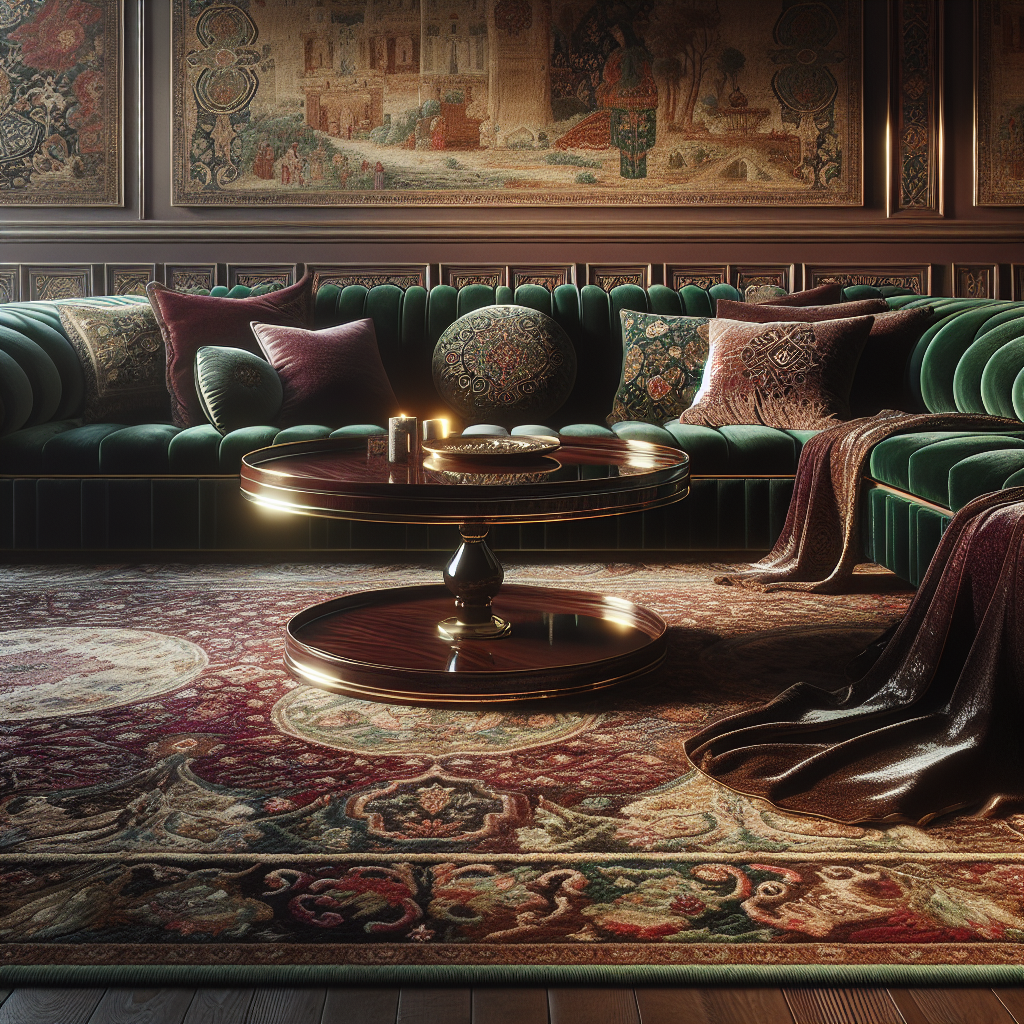
When it comes to creating luxurious interiors, texture often plays a starring role, even if it doesn’t always get the spotlight it deserves. While color and form are typically the first elements that catch the eye, it’s texture that invites you to linger, to touch, and to truly experience a space. Imagine walking into a room where the walls are covered in sumptuous velvet, the floors are adorned with plush rugs, and the furniture is upholstered in buttery leather. Each of these elements contributes to a sensory experience that goes beyond mere visual appeal, creating an environment that feels as good as it looks.
Texture in high-end design is all about creating depth and interest. It adds layers to a space, making it feel more dynamic and engaging. For instance, a sleek, modern room can be softened with the addition of a textured throw or a nubby wool rug. These tactile elements break up the monotony of smooth surfaces and add warmth, making the space feel more inviting. In this way, texture acts as a bridge between the visual and the tactile, enhancing the overall ambiance of a room.
Moreover, texture can also be used to highlight certain features within a space. A textured wall, for example, can serve as a stunning backdrop for a piece of art, drawing the eye and creating a focal point. Similarly, a textured ceiling can add an unexpected element of surprise, encouraging guests to look up and appreciate the craftsmanship involved. By playing with different textures, designers can guide the viewer’s attention and create a sense of balance and harmony within a room.
In addition to its aesthetic benefits, texture also has a practical side. It can help to absorb sound, making a space feel quieter and more serene. This is particularly important in high-end interiors, where creating a sense of tranquility is often a top priority. Textured materials like heavy drapes, thick carpets, and upholstered walls can all contribute to a more peaceful environment, enhancing the overall sense of luxury.
Furthermore, texture can evoke emotions and memories, adding a personal touch to a space. A soft, worn leather chair might remind someone of a beloved family heirloom, while a rough-hewn wooden table could evoke memories of a rustic countryside retreat. By incorporating textures that resonate on a personal level, designers can create spaces that feel uniquely tailored to their clients, adding an extra layer of luxury.
As we explore the role of texture in creating luxurious interiors, it’s clear that it is an essential component of high-end design. It adds depth, interest, and warmth, transforming a space from merely beautiful to truly inviting. By carefully selecting and combining different textures, designers can create environments that not only look stunning but also feel incredible to inhabit. So, the next time you find yourself in a beautifully designed room, take a moment to appreciate the textures around you. Run your hand over a velvet cushion, feel the grain of a wooden table, or sink your feet into a plush carpet. In doing so, you’ll be experiencing the true essence of tactile luxury.
How Tactile Elements Elevate High-End Fashion Design
In the world of high-end fashion, where every detail is meticulously crafted to perfection, texture plays a pivotal role in elevating a design from merely beautiful to truly extraordinary. While color and silhouette often steal the spotlight, it’s the tactile elements that can transform a garment into a sensory experience. Imagine running your fingers over a sumptuous velvet dress or feeling the intricate embroidery on a couture gown. These tactile sensations are not just incidental; they are integral to the allure of luxury fashion.
To begin with, texture adds depth and dimension to a piece, creating visual interest that draws the eye and invites closer inspection. A smooth silk blouse might catch the light in a way that highlights its sheen, while a chunky knit sweater offers a cozy, inviting warmth. These contrasting textures can be used strategically to create balance within an outfit, allowing designers to play with proportions and layers in innovative ways. Moreover, the juxtaposition of different materials can evoke a sense of harmony or tension, depending on the desired effect.
Furthermore, tactile elements in fashion design often carry emotional and cultural significance. For instance, the use of lace might evoke a sense of romance and nostalgia, while leather can convey strength and edginess. Designers often draw on these associations to tell a story through their collections, using texture as a narrative tool. This storytelling aspect is particularly evident in haute couture, where each piece is a work of art, crafted with painstaking attention to detail. The choice of fabric, the way it drapes, and the embellishments used all contribute to the overall narrative, making the tactile experience an essential part of the design’s impact.
In addition to their aesthetic and emotional appeal, tactile elements also enhance the wearer’s experience. The feel of a garment against the skin can influence how it is perceived and enjoyed. A well-chosen fabric can provide comfort and confidence, making the wearer feel as good as they look. This is especially important in high-end fashion, where the expectation is not just for a garment to be visually stunning, but also to offer an unparalleled wearing experience. Designers often go to great lengths to source the finest materials, ensuring that their creations are as luxurious to touch as they are to behold.
Moreover, the importance of texture in fashion design extends beyond the garments themselves to the accessories that accompany them. A leather handbag with a distinctive grain or a pair of shoes with a unique finish can add an extra layer of sophistication to an ensemble. These tactile details are often what set high-end fashion apart, providing that elusive quality that makes a piece feel special and exclusive.
In conclusion, while the visual elements of fashion design are undeniably important, it is the tactile elements that truly elevate a piece to the realm of luxury. By engaging the senses and evoking emotion, texture adds a richness and depth that cannot be achieved through sight alone. As designers continue to push the boundaries of creativity, the role of texture in high-end fashion will undoubtedly remain a key factor in crafting unforgettable, luxurious experiences. Whether through the softness of cashmere or the intricate weave of brocade, tactile luxury is an essential component of what makes high-end fashion so captivating.
The Psychology of Touch: Why Texture Matters in Luxury Products
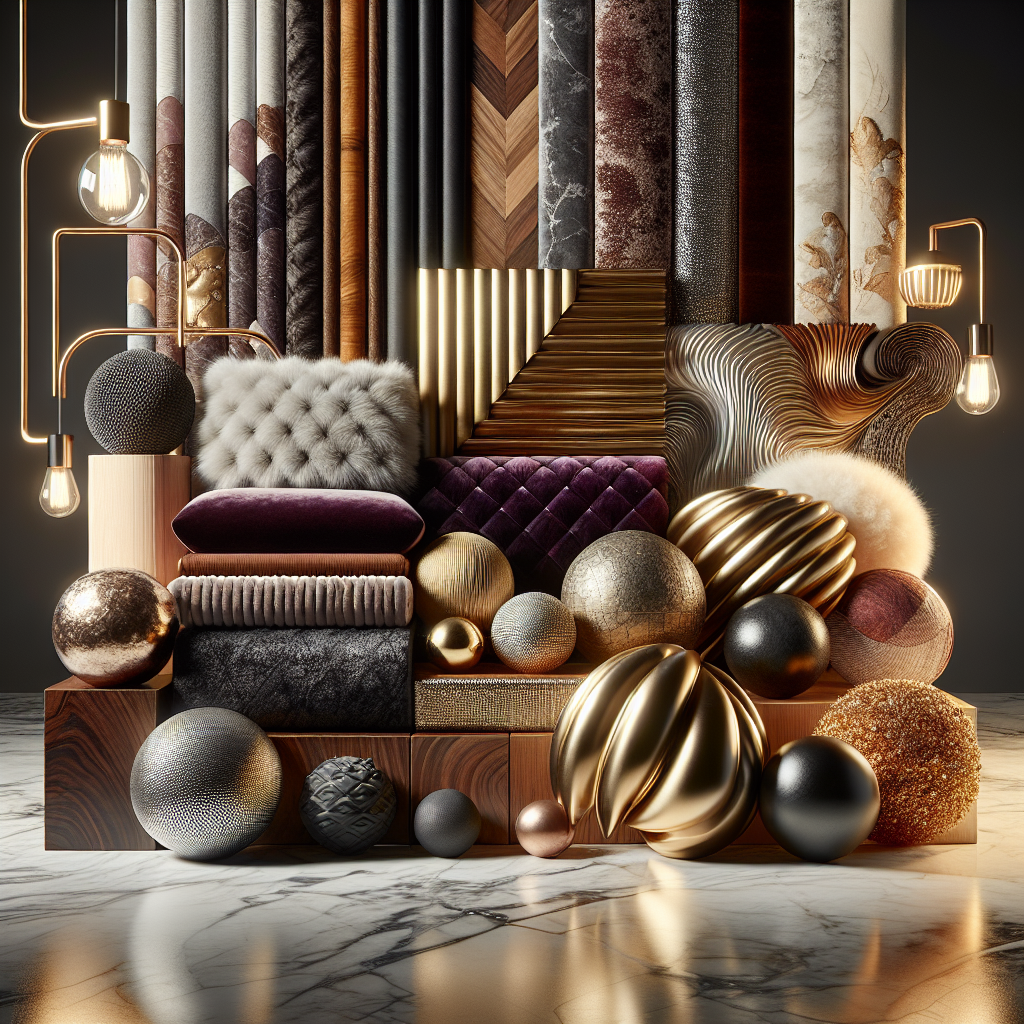
When we think about luxury products, our minds often drift to images of opulent materials, exquisite craftsmanship, and elegant designs. However, there’s an often-overlooked element that plays a crucial role in defining the luxury experience: texture. The way a product feels in our hands can significantly influence our perception of its quality and value. This is where the psychology of touch comes into play, revealing why texture matters so much in high-end design.
Imagine walking into a luxury boutique. The first thing you might notice is the visual appeal of the products on display. But as you reach out to touch a cashmere sweater or a leather handbag, it’s the texture that truly captivates you. This tactile interaction is not just a sensory experience; it’s a psychological one. Our brains are wired to associate certain textures with quality and comfort. For instance, the softness of a silk scarf or the smoothness of a polished wooden surface can evoke feelings of warmth and satisfaction, enhancing our overall perception of luxury.
Moreover, texture can evoke emotions and memories, making the experience of luxury products deeply personal. Think about the comforting feel of a plush velvet sofa or the cool, sleek surface of a marble countertop. These textures can transport us to different times and places, perhaps reminding us of a cherished memory or a dream destination. This emotional connection is a powerful tool in luxury design, as it creates a bond between the consumer and the product that goes beyond mere aesthetics.
In addition to evoking emotions, texture also plays a practical role in luxury design. High-end products are often crafted with meticulous attention to detail, and texture is a key component of this craftsmanship. The choice of materials and the way they are finished can speak volumes about the quality of a product. For example, the grain of a hand-stitched leather bag or the intricate weave of a designer fabric can showcase the skill and dedication of the artisans who created it. This level of detail not only enhances the product’s appeal but also reinforces its status as a luxury item.
Furthermore, texture can influence our purchasing decisions, often subconsciously. When we touch a product and feel its quality, we are more likely to perceive it as valuable and worth the investment. This is why luxury brands pay close attention to the tactile elements of their products, ensuring that every touchpoint delivers a sense of refinement and exclusivity. From the weight of a watch to the finish of a car’s interior, texture is a silent yet persuasive factor in the luxury market.
In conclusion, while the visual allure of luxury products is undeniable, it’s the texture that often seals the deal. The psychology of touch reveals that texture is not just a superficial aspect of design but a fundamental component that shapes our perception and experience of luxury. By engaging our senses and emotions, texture adds depth and dimension to high-end products, making them not just items to own but experiences to cherish. So, the next time you find yourself drawn to a luxury item, take a moment to appreciate the texture—it’s the touch of luxury that truly makes it special.
Incorporating Texture in Luxury Automotive Design
When it comes to luxury automotive design, the devil is truly in the details. While sleek lines and powerful engines often steal the spotlight, it’s the subtle nuances that elevate a vehicle from merely high-end to truly luxurious. One such nuance is texture, an element that can transform the driving experience from ordinary to extraordinary. As we delve into the world of luxury cars, it’s fascinating to see how texture plays a pivotal role in crafting an environment that feels both opulent and inviting.
Imagine sliding into the driver’s seat of a luxury car. The first thing you might notice is the feel of the leather against your skin. It’s not just any leather; it’s buttery soft, meticulously stitched, and exudes a sense of warmth and comfort. This tactile experience is no accident. Designers carefully select materials that not only look good but also feel exceptional to the touch. The choice of leather, for instance, can vary from smooth and supple to textured and rugged, each offering a different sensory experience that caters to diverse tastes.
Moving beyond leather, the dashboard and interior panels often feature a blend of materials that add depth and character. From polished wood veneers to brushed metal finishes, these elements are chosen for their ability to catch the light and create visual interest. However, it’s not just about aesthetics. The texture of these materials can evoke a sense of nostalgia or modernity, depending on the design intent. For example, a classic wood grain might transport you to a bygone era of motoring elegance, while a sleek carbon fiber finish might speak to a more futuristic vision.
Incorporating texture into luxury automotive design isn’t limited to the interior. The exterior of a vehicle can also benefit from thoughtful textural choices. Consider the paint finish, which can range from high-gloss to matte. A matte finish, with its understated elegance, can give a car a sophisticated edge, while a high-gloss finish might highlight the vehicle’s curves and contours, making it appear more dynamic. These choices are not merely about appearance; they also influence how the car feels to the touch, whether it’s the smooth glide of a hand over a glossy surface or the subtle resistance of a matte finish.
Furthermore, texture can play a role in the soundscape of a luxury vehicle. The acoustics inside a car are influenced by the materials used, with softer textures often absorbing sound and creating a quieter cabin environment. This attention to detail ensures that the auditory experience matches the visual and tactile luxury, providing a serene space that allows drivers and passengers to enjoy the journey in peace.
Ultimately, the incorporation of texture in luxury automotive design is about creating a holistic experience that engages all the senses. It’s about crafting an environment where every touchpoint feels considered and intentional, where the materials chosen tell a story of craftsmanship and quality. As we continue to see advancements in automotive technology, the role of texture remains a timeless element that bridges the gap between innovation and tradition. So, the next time you find yourself in a luxury vehicle, take a moment to appreciate the textures around you. They are, after all, a testament to the artistry and attention to detail that define true luxury.
The Art of Layering Textures in Upscale Home Decor
When it comes to creating a truly luxurious home environment, the importance of texture cannot be overstated. While color and form often take center stage in design discussions, texture is the unsung hero that adds depth and richness to a space. Imagine walking into a room where every surface invites you to touch, where the interplay of different materials creates a symphony of sensations. This is the art of layering textures in upscale home decor, a technique that transforms a house into a haven of tactile luxury.
To begin with, consider the foundational elements of a room. Walls, floors, and ceilings are the canvas upon which textures can be layered. A smooth, polished marble floor might be juxtaposed with a rough-hewn stone wall, creating a dynamic contrast that immediately draws the eye. Similarly, a ceiling adorned with intricate moldings or a textured wallpaper can add an unexpected element of interest. These foundational textures set the stage for the rest of the room, providing a backdrop that enhances the other elements of the design.
Moving beyond the structural elements, furniture offers another opportunity to play with texture. A plush velvet sofa, for instance, invites relaxation and adds a touch of opulence. Pairing it with a sleek leather armchair or a rustic wooden coffee table can create a balanced composition that feels both sophisticated and inviting. The key is to mix materials in a way that feels intentional, allowing each piece to complement the others while still standing out on its own.
In addition to furniture, textiles play a crucial role in layering textures. Think of soft cashmere throws draped over the back of a chair, or a collection of silk and linen pillows scattered across a bed. These elements not only add visual interest but also provide comfort and warmth, making a space feel lived-in and welcoming. Rugs, too, are an essential component of texture layering. A hand-knotted wool rug can anchor a room, adding both color and texture underfoot, while a sisal or jute rug might introduce an element of natural simplicity.
Moreover, accessories and artwork offer the finishing touches in the art of texture layering. A ceramic vase with a matte finish, a metallic sculpture with a polished sheen, or a painting with thick, impasto brushstrokes can all contribute to the tactile experience of a room. These elements should be chosen with care, ensuring that they enhance the overall design without overwhelming it. The goal is to create a harmonious blend of textures that feels cohesive and intentional.
As you experiment with layering textures in your own home, remember that balance is key. Too many competing textures can create a sense of chaos, while too few can leave a space feeling flat and uninspired. By thoughtfully combining different materials and finishes, you can create a space that feels both luxurious and inviting, a true reflection of your personal style. Ultimately, the art of layering textures is about creating a sensory experience, one that invites you to slow down, savor the moment, and appreciate the beauty of your surroundings. In this way, texture becomes more than just a design element; it becomes a way of life.
Conclusion
Tactile luxury plays a crucial role in high-end design by enhancing the sensory experience and elevating the perception of quality and exclusivity. Texture adds depth and dimension to design elements, creating a more engaging and immersive environment. It influences the emotional and psychological responses of individuals, making spaces feel more inviting and comfortable. In luxury design, the careful selection and combination of textures—such as soft velvets, rich leathers, and intricate weaves—contribute to a sophisticated aesthetic that appeals to the senses. Ultimately, the importance of texture in high-end design lies in its ability to transform ordinary spaces into extraordinary experiences, reinforcing the brand’s identity and leaving a lasting impression on clients and users.