Sculptural Seating: When Chairs Become Art in Luxury Interiors
May 24, 2022
Tactile Luxury: The Importance of Texture in High-End Design
June 7, 2022
-
Table of Contents
- Introduction
- Balancing Openness and Seclusion: Strategies for Creating Private Nooks in Open Plan Homes
- The Art of Partitioning: Innovative Solutions for Privacy in Expansive Living Areas
- Soundproof Sanctuaries: Designing Quiet Retreats in Open Plan Environments
- Green Dividers: Using Indoor Plants to Enhance Privacy and Aesthetics
- Lighting Techniques: Crafting Intimate Ambiances in Open Spaces
- Conclusion
Introduction
In an era where open-plan living has become the hallmark of modern home design, the quest for privacy within these expansive spaces has emerged as a compelling challenge for architects and homeowners alike. “The Luxury of Privacy: Designing Intimate Spaces in Open Plan Homes” delves into the innovative strategies and creative solutions that redefine personal sanctuaries in environments characterized by fluidity and openness. This exploration highlights the delicate balance between communal living and the need for seclusion, offering insights into how thoughtful design can transform open areas into versatile spaces that cater to both social interaction and private retreat. Through a blend of architectural ingenuity and interior design finesse, this work showcases how the luxury of privacy can be seamlessly integrated into the contemporary open-plan home, enhancing both functionality and personal well-being.
Balancing Openness and Seclusion: Strategies for Creating Private Nooks in Open Plan Homes
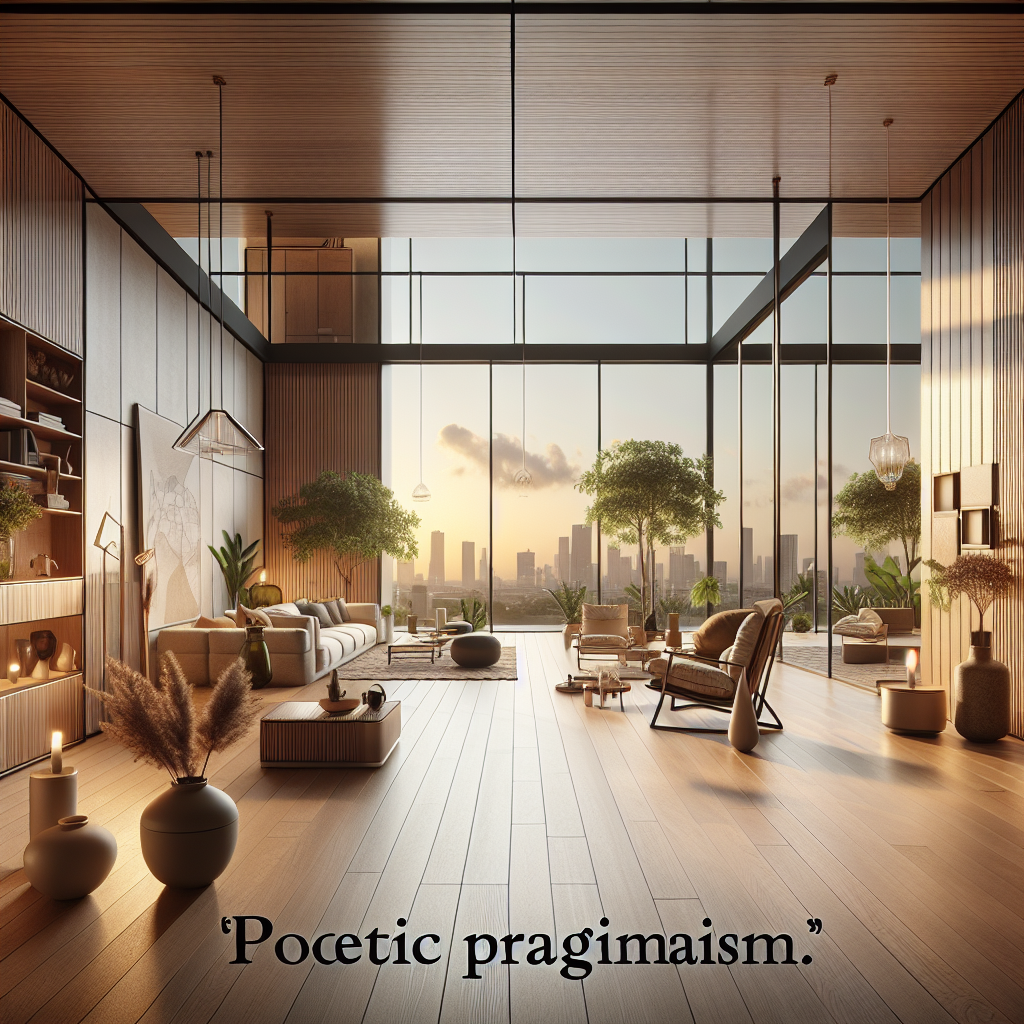
In recent years, open plan homes have become the epitome of modern living, celebrated for their spaciousness and the seamless flow they offer between different areas of the house. However, as much as we love the airy feel and the social connectivity these layouts provide, there’s an undeniable craving for private nooks where one can retreat and enjoy a moment of solitude. Balancing openness with seclusion might seem like a daunting task, but with a few creative strategies, you can design intimate spaces that offer the luxury of privacy without compromising the open plan’s charm.
To begin with, consider the strategic use of furniture to carve out distinct zones within your open space. A well-placed bookshelf or a stylish room divider can create a sense of separation without the need for walls. These elements not only serve a functional purpose but also add character and depth to your home. For instance, a tall bookshelf filled with your favorite reads can act as a barrier between the living room and a cozy reading nook, offering a quiet escape while still being part of the larger space.
Another effective approach is to use rugs and lighting to define different areas. A plush rug can anchor a seating area, making it feel like its own little island within the open expanse. Similarly, pendant lights or floor lamps can create visual boundaries, drawing the eye to specific zones and enhancing the feeling of intimacy. By playing with different textures and light sources, you can craft spaces that feel both connected and distinct.
Plants are another fantastic tool for creating private corners. Tall indoor plants or a vertical garden can act as natural dividers, bringing a touch of greenery while providing a sense of enclosure. Not only do they contribute to the aesthetic appeal, but they also improve air quality and add a calming presence to your home. Imagine a small corner with a comfortable chair, surrounded by lush plants—it’s the perfect spot for a morning coffee or an afternoon of reflection.
Moreover, consider the power of color and materials in shaping the ambiance of your home. Soft, muted tones can create a soothing environment, while bold colors can energize a space. By choosing different palettes for different areas, you can subtly delineate spaces without the need for physical barriers. Similarly, varying materials—such as wood, metal, or fabric—can add layers of interest and help define separate zones within an open plan.
In addition to these design elements, think about incorporating multi-functional furniture that can adapt to your needs. A fold-out desk or a convertible sofa can transform a living area into a private workspace or a guest room when needed. This flexibility is key in maximizing the functionality of open plan homes while ensuring that private spaces are available when desired.
Ultimately, the goal is to create a harmonious balance between openness and seclusion, allowing for both social interaction and personal retreat. By thoughtfully integrating these strategies, you can enjoy the best of both worlds: the luxury of privacy within the expansive beauty of an open plan home. As you experiment with different ideas, remember that the most important aspect is to create spaces that reflect your lifestyle and personal preferences, ensuring that your home is a true sanctuary.
The Art of Partitioning: Innovative Solutions for Privacy in Expansive Living Areas
In recent years, open plan homes have become the epitome of modern living, celebrated for their spaciousness and the seamless flow they offer between different areas of the house. However, as much as we love the airy feel and the social connectivity these spaces provide, there comes a time when we crave a little privacy. The challenge, then, is how to create intimate spaces without compromising the openness that makes these homes so appealing. Fortunately, with a bit of creativity and some innovative solutions, it’s entirely possible to enjoy the best of both worlds.
One of the simplest yet most effective ways to carve out private nooks in an open plan home is through the use of partitions. These can range from traditional folding screens to more modern, artistic dividers that add a touch of style while serving a practical purpose. For instance, a beautifully crafted wooden screen can introduce warmth and texture, while a sleek, metal partition might lend a contemporary edge. The key is to choose materials and designs that complement the existing decor, ensuring that the partitions enhance rather than detract from the overall aesthetic.
Moreover, furniture can play a pivotal role in defining spaces within an open plan layout. By strategically placing bookshelves, sofas, or even large plants, you can create distinct zones that offer a sense of separation without the need for walls. Imagine a cozy reading corner tucked behind a tall bookshelf or a dining area subtly delineated by a plush sofa. These arrangements not only provide privacy but also add layers of interest to the space, making it feel more dynamic and inviting.
In addition to physical dividers, the clever use of color and lighting can also help in demarcating areas within an open plan home. Different color schemes can signal different functions, such as a calming blue for a relaxation zone or a vibrant yellow for a lively kitchen area. Similarly, varying the lighting—perhaps with pendant lights over the dining table and softer, ambient lighting in the living room—can create distinct atmospheres that guide the flow of the space.
Furthermore, technology offers some exciting possibilities for those looking to maintain privacy in open plan homes. Smart glass, for example, can switch from transparent to opaque at the touch of a button, providing instant seclusion when needed. This high-tech solution is perfect for spaces that require flexibility, such as home offices or guest rooms, where privacy is occasionally necessary but not always required.
Of course, the art of partitioning is not just about physical barriers. It’s also about creating a sense of psychological separation. This can be achieved through thoughtful design elements like rugs, which can anchor a space and give it a distinct identity. Similarly, artwork or a statement piece can draw the eye and create a focal point, subtly guiding the perception of different areas within the home.
Ultimately, designing intimate spaces in open plan homes is about balance. It’s about finding ways to enjoy the luxury of privacy without losing the openness that makes these homes so special. With a little ingenuity and a willingness to experiment, you can create a living environment that offers both connection and solitude, ensuring that your home is as versatile as it is beautiful.
Soundproof Sanctuaries: Designing Quiet Retreats in Open Plan Environments
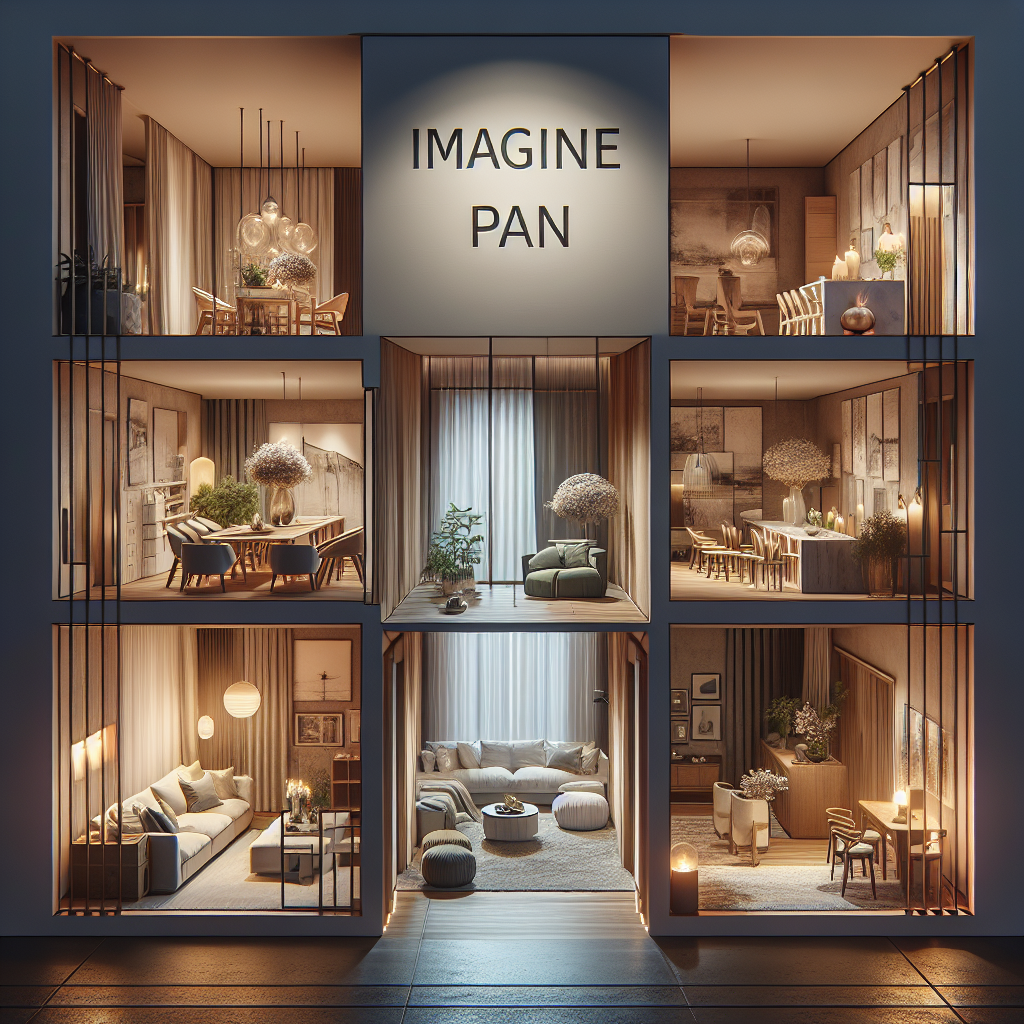
In today’s world, where open plan homes have become the epitome of modern living, the quest for privacy within these expansive spaces has taken on a new level of importance. While the open plan design offers a sense of freedom and connectivity, it can sometimes feel like a challenge to carve out quiet retreats where one can escape the hustle and bustle of daily life. Fortunately, with a little creativity and thoughtful design, it’s entirely possible to create soundproof sanctuaries that offer the luxury of privacy without compromising the open, airy feel of your home.
One of the first steps in designing a quiet retreat within an open plan environment is to consider the layout of your space. By strategically placing furniture and using room dividers, you can create distinct zones that serve different purposes. For instance, a well-placed bookshelf or a stylish screen can act as a visual and acoustic barrier, providing a sense of separation without completely closing off the area. This not only helps in reducing noise but also adds an element of coziness to your sanctuary.
In addition to physical barriers, incorporating soft furnishings can significantly enhance the soundproofing of your intimate space. Think plush rugs, heavy curtains, and an abundance of cushions. These elements not only absorb sound but also add warmth and texture to your retreat, making it a more inviting place to unwind. Moreover, choosing materials with sound-dampening properties, such as upholstered furniture or acoustic panels, can further enhance the tranquility of your space.
Lighting also plays a crucial role in creating a serene atmosphere. Opt for soft, ambient lighting that can be adjusted to suit your mood. Dimmable lamps or fairy lights can add a touch of magic to your sanctuary, making it a perfect spot for relaxation or reflection. Additionally, consider incorporating natural elements like plants or a small indoor water feature. The gentle sound of trickling water can be incredibly soothing and can help mask any background noise from the rest of the house.
Another effective strategy for designing a quiet retreat is to embrace technology. Noise-canceling devices or white noise machines can be invaluable in drowning out unwanted sounds, allowing you to fully immerse yourself in your private haven. Alternatively, a good pair of noise-canceling headphones can do wonders when you need to focus or simply want to enjoy some peaceful solitude.
While creating a soundproof sanctuary in an open plan home may seem like a daunting task, it’s important to remember that even small changes can make a big difference. By thoughtfully considering the layout, incorporating sound-absorbing materials, and utilizing technology, you can transform any corner of your home into a luxurious retreat. Ultimately, the key is to strike a balance between maintaining the openness of your living space and ensuring that you have a quiet place to retreat to when needed.
In conclusion, the luxury of privacy in an open plan home is not just a dream but a reality that can be achieved with a little ingenuity and attention to detail. By designing intimate spaces that cater to your need for peace and quiet, you can enjoy the best of both worlds: the freedom of open plan living and the comfort of a personal sanctuary. So go ahead, create your soundproof haven, and relish the tranquility it brings to your life.
Green Dividers: Using Indoor Plants to Enhance Privacy and Aesthetics
In recent years, open plan homes have become the epitome of modern living, offering a seamless flow between spaces and fostering a sense of togetherness. However, as much as we love the airy and spacious feel of these designs, there are times when a little privacy is needed. Enter the concept of green dividers—using indoor plants to create intimate spaces while enhancing the aesthetics of your home. This approach not only provides a practical solution to privacy concerns but also brings a touch of nature indoors, which can be incredibly refreshing.
Imagine walking into your living room and being greeted by a lush, green partition that subtly separates your reading nook from the main seating area. This is the magic of using plants as dividers. They offer a soft, organic barrier that doesn’t disrupt the open feel of your home. Plus, they add a layer of texture and color that can transform any space from bland to beautiful. The best part? You don’t need to be a gardening expert to make this work. With a little creativity and some basic plant care knowledge, anyone can incorporate green dividers into their home.
One of the easiest ways to start is by using tall, leafy plants like fiddle leaf figs or rubber plants. These plants have a commanding presence and can grow quite tall, making them perfect for creating a natural screen. Place them in stylish pots that complement your decor, and you’ve got yourself a chic and functional divider. For those who prefer a more structured look, consider using planters with built-in trellises. These can support climbing plants like pothos or ivy, which will weave their way up and create a living wall effect.
Transitioning from one area of your home to another can be made more fluid with the strategic placement of these green dividers. For instance, if you have an open kitchen and dining area, a row of potted herbs can serve as a fragrant and practical boundary. Not only do they provide a visual break, but they also offer fresh ingredients for your culinary adventures. Similarly, in a home office setup, a cluster of peace lilies or snake plants can delineate your workspace from the rest of the room, helping you mentally switch gears when it’s time to work or relax.
Moreover, the benefits of using plants extend beyond aesthetics and privacy. Indoor plants are known to improve air quality by filtering out toxins and releasing oxygen. They also have a calming effect, which can reduce stress and boost your mood. In an open plan home, where activities and noise levels can vary, having these natural elements can create a more serene environment.
As you experiment with different plant arrangements, don’t be afraid to mix and match varieties to suit your style and needs. Whether you prefer a minimalist look with a few statement plants or a lush jungle vibe with an abundance of greenery, there’s no right or wrong way to go about it. The key is to find what works for your space and lifestyle.
In conclusion, green dividers offer a delightful solution to the challenge of creating private, intimate spaces in open plan homes. They blend functionality with beauty, providing not just privacy but also a healthier and more inviting living environment. So, the next time you feel the need for a little seclusion in your open plan home, consider turning to nature’s own dividers. With a bit of imagination and care, you’ll find that the luxury of privacy is well within reach.
Lighting Techniques: Crafting Intimate Ambiances in Open Spaces
In the world of modern architecture, open plan homes have become a popular choice for their spaciousness and fluidity. These designs encourage a sense of community and connection, allowing for seamless interaction between family members and guests. However, the challenge lies in creating intimate spaces within these expansive layouts. One of the most effective ways to achieve this is through thoughtful lighting techniques. By carefully considering how light interacts with space, you can craft cozy, inviting areas that offer a sense of privacy and comfort.
To begin with, it’s important to understand the role of natural light in open plan homes. Large windows and skylights are often key features, flooding the space with sunlight and enhancing the feeling of openness. While this is undoubtedly a benefit, it can also make it difficult to create distinct, intimate zones. To counteract this, consider using sheer curtains or strategically placed plants to diffuse the light, creating softer, more secluded areas without sacrificing the overall brightness of the home.
Transitioning from natural to artificial lighting, the use of layered lighting is essential in defining intimate spaces. Start with ambient lighting, which provides general illumination for the entire area. This can be achieved through ceiling fixtures or recessed lights that blend seamlessly into the architecture. Once the ambient lighting is established, focus on task lighting to highlight specific areas, such as reading nooks or kitchen islands. Pendant lights or adjustable floor lamps can serve this purpose, offering both functionality and a touch of style.
Accent lighting is another powerful tool in your arsenal. By using spotlights or wall sconces, you can draw attention to particular features, such as artwork or architectural details, creating focal points that naturally delineate different zones within the open plan. This not only adds depth and interest to the space but also helps to establish a sense of intimacy by guiding the eye and encouraging exploration.
Moreover, the choice of light fixtures themselves can contribute to the ambiance of a space. Opt for fixtures with warm tones and materials like wood or fabric to evoke a cozy, inviting atmosphere. Dimmable lights are particularly useful, allowing you to adjust the intensity of the light to suit different moods and occasions. For instance, a dimly lit dining area can transform a casual meal into an intimate dinner party, while a softly illuminated living room invites relaxation and conversation.
In addition to the type and placement of lights, consider the color temperature of the bulbs you choose. Warmer tones, such as those in the 2700K to 3000K range, tend to create a more welcoming and intimate environment compared to cooler, harsher lights. This subtle shift in color can make a significant difference in how a space feels, encouraging people to linger and enjoy the moment.
Finally, don’t underestimate the power of shadows in crafting intimate spaces. By playing with light and shadow, you can add layers and texture to a room, making it feel more dynamic and alive. Shadows can create a sense of mystery and intrigue, inviting people to explore and discover hidden corners within the open plan.
In conclusion, while open plan homes offer many advantages, they also present unique challenges when it comes to creating intimate spaces. Through the strategic use of lighting techniques, you can transform these expansive areas into cozy, inviting environments that offer both privacy and connection. By considering the interplay of natural and artificial light, layering different types of lighting, and paying attention to the details, you can craft a home that feels both spacious and intimate, providing the best of both worlds.
Conclusion
The Luxury of Privacy: Designing Intimate Spaces in Open Plan Homes highlights the growing need to balance openness and seclusion in modern living environments. As open-plan designs become increasingly popular for their spaciousness and fluidity, the challenge lies in creating private, intimate areas without compromising the overall aesthetic and functionality. Effective strategies include the use of partitions, strategic furniture placement, and innovative architectural elements to delineate spaces. By integrating these design solutions, homeowners can enjoy the benefits of open-plan living while maintaining personal privacy and comfort, ultimately enhancing the quality of life within these versatile spaces.