Eco-Luxe: Sustainable Materials in High-End Furniture
June 21, 2022
Luxury Meets Functionality: Smart Storage Solutions for Upscale Living
July 5, 2022
-
Table of Contents
- Introduction
- Exploring The History Of Rattan: From Traditional Craft To Modern Design
- Sustainable Style: Why Rattan Is The Eco-Friendly Choice For Contemporary Interiors
- Blending Cultures: How Rattan Brings A Touch Of The Tropics To Urban Living Spaces
- Versatile And Chic: Creative Ways To Incorporate Rattan Into Your Home Decor
- The Art Of Rattan Weaving: Celebrating Craftsmanship In Modern Furniture Design
- Conclusion
Introduction
The Renaissance of Rattan: Tropical Elegance for Modern Homes explores the resurgence of rattan as a favored material in contemporary interior design. Once a staple of tropical and colonial aesthetics, rattan is experiencing a revival, celebrated for its sustainable qualities, versatility, and timeless appeal. This introduction delves into how designers and homeowners are embracing rattan’s natural beauty and durability, integrating it into modern spaces to create a harmonious blend of elegance and comfort. By reimagining traditional craftsmanship with innovative designs, rattan is redefining modern home decor, offering a chic yet eco-friendly alternative that resonates with today’s environmentally conscious consumers.
Exploring The History Of Rattan: From Traditional Craft To Modern Design
Rattan, a material that has been cherished for centuries, is experiencing a renaissance in the world of interior design. This versatile and sustainable material, derived from the stems of a type of climbing palm, has a rich history that dates back to ancient times. As we explore the journey of rattan from traditional craft to modern design, it becomes clear why this tropical elegance is making a comeback in contemporary homes.
The story of rattan begins in the dense forests of Southeast Asia, where it has been used for centuries by indigenous communities. These early artisans recognized the unique qualities of rattan—its strength, flexibility, and lightweight nature—and began crafting it into furniture and household items. The traditional methods of weaving and bending rattan have been passed down through generations, preserving the cultural heritage and craftsmanship of these communities. As trade routes expanded, rattan found its way to Europe, where it quickly gained popularity during the colonial era. European designers were captivated by its exotic appeal and began incorporating rattan into their own creations. The material’s ability to be shaped into intricate patterns and designs made it a favorite among the elite, who sought to bring a touch of the tropics into their homes.
Fast forward to the mid-20th century, and rattan experienced another surge in popularity, this time as part of the mid-century modern movement. Designers like Franco Albini and Arne Jacobsen embraced rattan for its organic qualities and its ability to complement the clean lines and minimalist aesthetics of the time. Rattan furniture became synonymous with laid-back elegance, gracing the patios and living rooms of stylish homes around the world. However, as trends shifted towards more industrial and synthetic materials in the latter part of the century, rattan fell out of favor, relegated to the realm of bohemian and beachy decor.
Today, rattan is experiencing a revival, as designers and homeowners alike seek to reconnect with nature and embrace sustainable living. The renewed interest in rattan is part of a larger movement towards eco-friendly materials and artisanal craftsmanship. In a world dominated by mass production, rattan offers a refreshing alternative, with each piece telling a story of tradition and skill. Modern designers are reimagining rattan in innovative ways, blending it with other materials like metal and glass to create contemporary pieces that fit seamlessly into modern interiors. The natural texture and warmth of rattan add a touch of tropical elegance to any space, whether it’s a sleek urban apartment or a cozy country cottage.
Moreover, the versatility of rattan allows it to be used in a variety of styles, from Scandinavian simplicity to eclectic boho chic. Its neutral tones and organic forms make it a perfect complement to both bold colors and muted palettes. As we continue to explore the history of rattan, it becomes evident that this material is more than just a trend; it is a timeless element that brings a sense of calm and connection to nature into our homes. The renaissance of rattan is a testament to the enduring appeal of traditional craftsmanship and the beauty of sustainable design. As we embrace this tropical elegance, we are reminded of the rich history and cultural significance that rattan carries, making it a cherished addition to modern living spaces.
Sustainable Style: Why Rattan Is The Eco-Friendly Choice For Contemporary Interiors
In recent years, the world of interior design has witnessed a delightful resurgence of rattan, a material that effortlessly combines tropical elegance with modern sensibilities. As more people seek to create living spaces that are both stylish and sustainable, rattan has emerged as a top choice for those who want to infuse their homes with a touch of natural beauty. But what makes rattan such an eco-friendly option for contemporary interiors? Let’s explore the reasons behind its growing popularity and why it might just be the perfect addition to your home.
To begin with, rattan is a renewable resource, which makes it an excellent choice for environmentally conscious homeowners. Unlike hardwood trees that can take decades to mature, rattan grows rapidly, often reaching full maturity in just five to seven years. This quick growth cycle means that rattan can be harvested more frequently without depleting the forests where it thrives. Moreover, rattan is typically harvested by hand, which minimizes the environmental impact and helps preserve the surrounding ecosystem. This sustainable harvesting process ensures that rattan remains a viable material for future generations, making it a guilt-free choice for those who care about the planet.
In addition to its eco-friendly credentials, rattan offers a unique aesthetic that blends seamlessly with a variety of interior styles. Its natural texture and warm tones add a touch of organic charm to any space, whether you’re aiming for a bohemian vibe or a more minimalist look. Rattan furniture and decor pieces can easily be mixed and matched with other materials, such as wood, metal, or glass, to create a harmonious and inviting atmosphere. Furthermore, the versatility of rattan allows it to be used in a wide range of applications, from statement chairs and coffee tables to intricate light fixtures and wall art. This adaptability makes it an ideal choice for those who want to experiment with different design elements without committing to a single style.
Another reason why rattan is gaining popularity in modern homes is its durability and low maintenance requirements. Rattan furniture is known for its strength and resilience, making it suitable for both indoor and outdoor use. With proper care, rattan pieces can last for many years, providing excellent value for money. To keep your rattan furniture looking its best, simply wipe it down with a damp cloth and avoid exposing it to excessive moisture or direct sunlight. This easy maintenance routine ensures that your rattan pieces remain beautiful and functional, even in high-traffic areas of your home.
Moreover, the lightweight nature of rattan makes it a practical choice for those who enjoy rearranging their living spaces. Whether you’re hosting a gathering or simply want to refresh your decor, rattan furniture can be easily moved and repositioned to suit your needs. This flexibility allows you to experiment with different layouts and configurations, ensuring that your home always feels fresh and inviting.
In conclusion, the renaissance of rattan in contemporary interiors is a testament to its timeless appeal and sustainable qualities. As more people embrace eco-friendly living, rattan offers a stylish and responsible way to enhance your home. Its natural beauty, versatility, and durability make it a standout choice for those who want to create a space that reflects their values and personal style. So, if you’re looking to add a touch of tropical elegance to your home, consider incorporating rattan into your decor. You might just find that it’s the perfect blend of form and function you’ve been searching for.
Blending Cultures: How Rattan Brings A Touch Of The Tropics To Urban Living Spaces
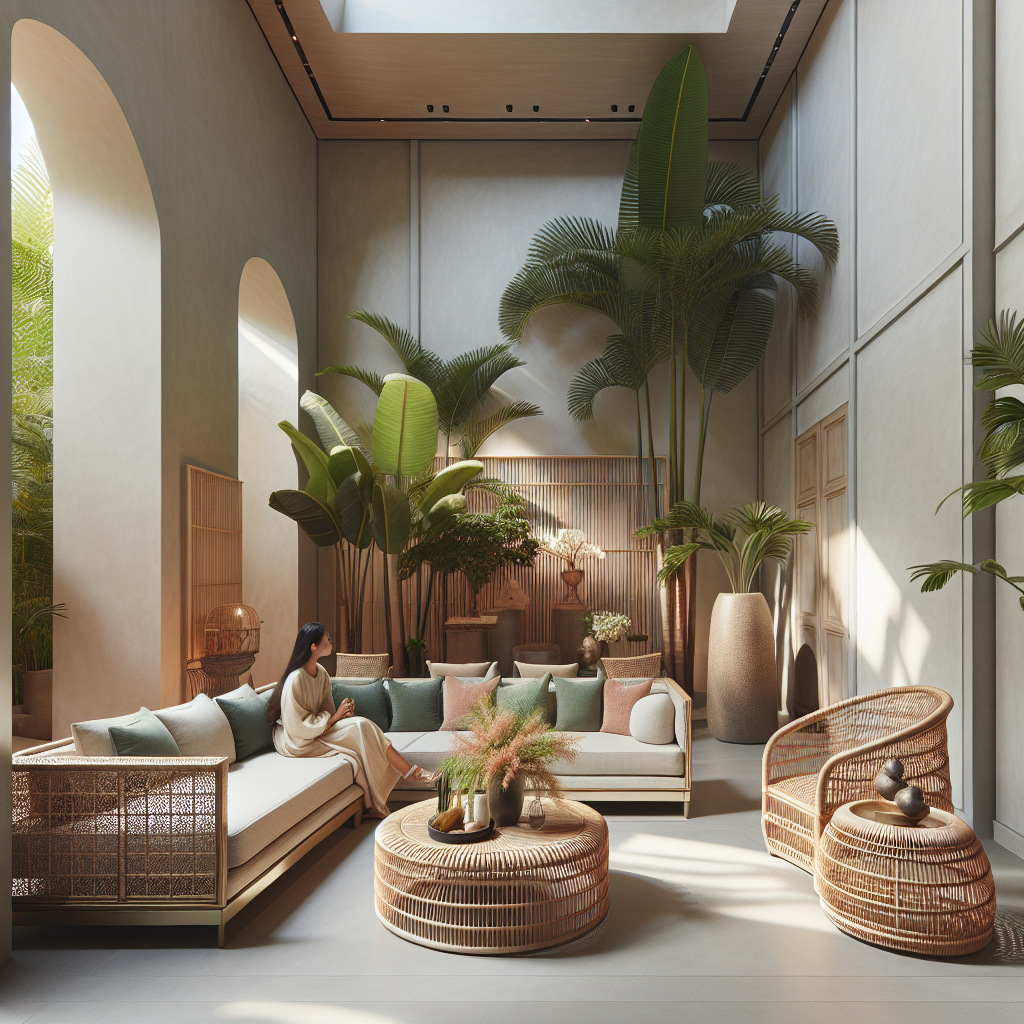
In recent years, the resurgence of rattan in interior design has brought a delightful touch of the tropics into urban living spaces, blending cultures and styles in a way that feels both fresh and timeless. This natural material, once primarily associated with outdoor furniture and beachside bungalows, is now making its way into the heart of modern homes, offering a unique blend of elegance and casual charm. As we explore this trend, it becomes clear that rattan is more than just a design choice; it’s a cultural bridge that connects the laid-back vibes of tropical locales with the sleek sophistication of city living.
One of the most appealing aspects of rattan is its versatility. Its lightweight yet sturdy nature makes it an ideal choice for a variety of furniture pieces, from chairs and tables to shelving and decorative accents. This adaptability allows rattan to seamlessly integrate into different design aesthetics, whether it’s a minimalist apartment in New York or a bohemian loft in Los Angeles. Moreover, the natural texture and warm tones of rattan add an organic element to any space, creating a sense of balance and harmony that is often missing in urban environments dominated by concrete and steel.
In addition to its aesthetic appeal, rattan also carries with it a rich cultural heritage. Originating from tropical regions in Southeast Asia, rattan has been used for centuries by indigenous communities to craft everything from baskets to building materials. By incorporating rattan into modern interiors, homeowners are not only embracing a stylish trend but also paying homage to the craftsmanship and traditions of these cultures. This cultural connection adds depth and meaning to the pieces, transforming them from mere objects into stories that enrich the living space.
Furthermore, the rise of rattan in urban homes is part of a larger movement towards sustainable and eco-friendly design. As consumers become more conscious of their environmental impact, the demand for natural and renewable materials has grown. Rattan, which is harvested from fast-growing vines, offers an environmentally friendly alternative to traditional hardwoods. Its cultivation supports sustainable forestry practices and provides economic opportunities for communities in developing regions. By choosing rattan, homeowners are making a statement about their values and contributing to a more sustainable future.
As we continue to see the influence of global cultures in interior design, rattan stands out as a material that effortlessly bridges the gap between different worlds. Its ability to evoke the relaxed ambiance of a tropical paradise while maintaining the chic elegance required in urban settings makes it a favorite among designers and homeowners alike. Whether used as a statement piece or as subtle accents throughout a room, rattan brings a touch of the exotic that can transform any space into a sanctuary.
In conclusion, the renaissance of rattan in modern homes is a testament to the enduring appeal of this versatile material. By blending the tropical with the urban, rattan offers a unique opportunity to create spaces that are not only beautiful but also culturally rich and environmentally conscious. As more people seek to infuse their homes with warmth and character, it’s clear that rattan will continue to play a significant role in shaping the future of interior design. So, whether you’re redecorating a city apartment or simply looking to add a touch of the tropics to your home, consider the timeless elegance of rattan.
Versatile And Chic: Creative Ways To Incorporate Rattan Into Your Home Decor
Rattan is making a grand comeback, and it’s not just for your grandmother’s sunroom anymore. This versatile material, known for its durability and natural beauty, is finding its way into modern homes in the most stylish ways. If you’re looking to add a touch of tropical elegance to your space, rattan might just be the perfect choice. With its warm, earthy tones and intricate textures, rattan can seamlessly blend into various decor styles, from bohemian to minimalist, offering a chic and sustainable option for home enthusiasts.
One of the most appealing aspects of rattan is its versatility. Whether you’re aiming for a laid-back beach vibe or a sophisticated urban look, rattan can adapt to your vision. For instance, consider incorporating a rattan chair or a set of bar stools into your kitchen or dining area. These pieces not only provide comfortable seating but also introduce an organic element that can soften the often hard lines of modern interiors. Pair them with a sleek glass or metal table to create a balanced contrast that feels both fresh and inviting.
Moving beyond the dining area, rattan can also make a statement in your living room. A rattan coffee table or side table can serve as a focal point, adding texture and interest to the space. To enhance the cozy factor, drape a soft throw over a rattan armchair or loveseat. This combination of materials creates a layered look that is both stylish and comfortable, perfect for lounging with a good book or entertaining guests.
In addition to furniture, rattan accessories can be a subtle yet impactful way to incorporate this material into your home. Think about adding rattan baskets for storage, which are not only practical but also add a touch of rustic charm. These baskets can be used in various rooms, from holding towels in the bathroom to organizing toys in the playroom. Moreover, rattan mirrors or wall hangings can add an artistic flair to your walls, creating visual interest without overwhelming the space.
For those who love to experiment with decor, mixing rattan with other materials can yield stunning results. Combining rattan with textiles like linen or cotton can enhance its natural appeal, while pairing it with metals like brass or copper can add a modern edge. This interplay of materials can be particularly effective in spaces like bedrooms, where a rattan headboard can be complemented by crisp white bedding and metallic accents for a look that is both serene and sophisticated.
As you explore the possibilities of rattan, don’t forget about outdoor spaces. Rattan furniture is a classic choice for patios and gardens, offering durability and style that can withstand the elements. A rattan lounge chair or dining set can transform your outdoor area into a tropical retreat, perfect for enjoying sunny days and starry nights.
In conclusion, the renaissance of rattan in modern home decor is a testament to its timeless appeal and adaptability. By incorporating rattan into your home, you can achieve a look that is both elegant and relaxed, bringing a touch of the tropics into your everyday life. Whether through furniture, accessories, or creative combinations, rattan offers endless possibilities for those looking to refresh their space with a natural, chic touch.
The Art Of Rattan Weaving: Celebrating Craftsmanship In Modern Furniture Design
Rattan, a material once synonymous with tropical resorts and sun-drenched patios, is experiencing a renaissance in the world of modern furniture design. This resurgence is not just about nostalgia; it’s a celebration of craftsmanship and the timeless appeal of natural materials. As we delve into the art of rattan weaving, we uncover how this age-old technique is being reimagined for contemporary homes, blending tropical elegance with modern sensibilities.
To begin with, rattan is a vine-like plant that grows abundantly in the tropical regions of Southeast Asia. Its flexibility and strength make it an ideal material for crafting furniture. The process of weaving rattan is an art form that has been passed down through generations, requiring skill, patience, and a keen eye for detail. Artisans meticulously weave the slender strands into intricate patterns, creating pieces that are not only functional but also visually stunning. This craftsmanship is at the heart of rattan’s renewed popularity, as more people seek out furniture that tells a story and showcases the hand of the maker.
In today’s design landscape, rattan is being embraced for its versatility and sustainability. As consumers become more environmentally conscious, the demand for eco-friendly materials has surged. Rattan fits the bill perfectly; it is a renewable resource that grows quickly and requires minimal processing. This makes it an attractive option for those looking to reduce their carbon footprint without sacrificing style. Moreover, the natural texture and warm tones of rattan add a touch of organic beauty to any space, effortlessly complementing both minimalist and eclectic interiors.
Transitioning from traditional to modern, designers are pushing the boundaries of what rattan can do. While classic rattan furniture often featured ornate designs and curvaceous forms, contemporary pieces are exploring sleeker lines and innovative shapes. This evolution is evident in the work of designers who are blending rattan with other materials like metal and glass, creating striking contrasts that highlight the material’s unique qualities. The result is furniture that feels fresh and relevant, yet still pays homage to its tropical roots.
Furthermore, the resurgence of rattan is not limited to furniture alone. This versatile material is making its way into lighting fixtures, wall art, and even home accessories. Rattan pendant lights, for instance, cast a warm, inviting glow that transforms any room into a cozy retreat. Similarly, rattan mirrors and baskets add texture and depth, enhancing the overall aesthetic of a space. These elements work together to create a cohesive look that is both modern and timeless.
As we embrace the renaissance of rattan, it’s important to recognize the artisans who keep this craft alive. Their dedication to preserving traditional techniques while adapting to contemporary trends is what makes rattan so special. By choosing rattan pieces for our homes, we not only support these skilled craftsmen but also bring a piece of their artistry into our everyday lives.
In conclusion, the art of rattan weaving is a testament to the enduring appeal of natural materials and the beauty of handmade craftsmanship. As modern design continues to evolve, rattan remains a beloved choice for those seeking to infuse their homes with tropical elegance and sustainable style. Whether it’s a statement chair or a subtle accent piece, rattan offers a unique blend of tradition and innovation that resonates with today’s design-savvy consumers.
Conclusion
The Renaissance of Rattan: Tropical Elegance for Modern Homes highlights the resurgence of rattan as a favored material in contemporary interior design. This trend reflects a growing appreciation for sustainable, natural materials that offer both aesthetic appeal and functional versatility. Rattan’s lightweight, durable, and flexible nature makes it ideal for crafting a wide range of furniture and decor items, seamlessly blending with various design styles from bohemian to minimalist. Its tropical origins bring a sense of warmth and exotic elegance to modern homes, creating inviting spaces that connect the indoors with the natural world. As consumers increasingly prioritize eco-friendly and stylish home furnishings, rattan’s popularity is set to continue its upward trajectory, solidifying its place as a timeless element in modern interior design.