The Rise of Smart Furniture: Technology Meets Elegance
August 20, 2024
Haute Hydration: Luxury Water Features for Interior Spaces
August 27, 2024
-
Table of Contents
- Introduction
- The History And Evolution Of Artisanal Craftsmanship In Luxury Furniture
- Techniques And Materials: What Sets Artisanal Furniture Apart
- The Role Of Artisans In Preserving Traditional Craftsmanship
- How Artisanal Craftsmanship Enhances The Value Of Luxury Furniture
- The Future Of Artisanal Craftsmanship In A Modern World
- Conclusion
Introduction
Artisanal craftsmanship represents the heart and soul of luxury furniture, embodying a tradition of meticulous skill and dedication that transforms raw materials into exquisite works of art. This age-old practice, passed down through generations, emphasizes the importance of human touch and creativity in an era dominated by mass production. Each piece of luxury furniture crafted by artisans tells a unique story, reflecting the individuality and passion of its creator. The intricate detailing, superior quality, and timeless elegance of these handcrafted items not only elevate the aesthetic appeal of any space but also offer a tangible connection to the rich heritage and cultural significance of traditional craftsmanship. In a world where uniformity often prevails, artisanal craftsmanship stands as a testament to the enduring value of authenticity, artistry, and the pursuit of perfection in luxury furniture design.
The History And Evolution Of Artisanal Craftsmanship In Luxury Furniture
Artisanal craftsmanship has long been the beating heart of luxury furniture, a tradition that weaves together history, skill, and an unwavering dedication to quality. To truly appreciate the evolution of this craft, we must first journey back to its origins, where the seeds of luxury furniture were sown in the hands of skilled artisans. These early craftsmen, often working in small, family-run workshops, were the unsung heroes of their time, transforming raw materials into exquisite pieces that graced the homes of the elite. Their work was not just about function; it was about creating art that told a story, each piece a testament to the artisan’s skill and creativity.
As we move through history, the Renaissance period stands out as a pivotal moment for artisanal craftsmanship in luxury furniture. This era, known for its cultural rebirth, saw a renewed interest in art and design, which naturally extended to furniture making. Artisans began to experiment with new techniques and materials, pushing the boundaries of what was possible. The intricate carvings and ornate details that characterized Renaissance furniture were a reflection of the period’s artistic spirit, and they set a new standard for luxury that would influence generations to come.
Transitioning into the 18th and 19th centuries, the Industrial Revolution brought about significant changes in the world of furniture making. While mass production threatened to overshadow traditional craftsmanship, it also highlighted the unique value of artisanal work. In a world increasingly dominated by uniformity, handcrafted furniture became a symbol of individuality and exclusivity. Artisans who remained committed to their craft found themselves in high demand, as discerning customers sought out pieces that offered a personal touch and a connection to the past.
In the modern era, artisanal craftsmanship continues to hold a special place in the luxury furniture market. Despite advances in technology and manufacturing, there is an enduring appreciation for the time-honored techniques and meticulous attention to detail that only skilled artisans can provide. Today’s luxury furniture makers often blend traditional methods with contemporary design, creating pieces that are both timeless and innovative. This fusion of old and new is a testament to the adaptability and resilience of artisanal craftsmanship, ensuring its relevance in an ever-changing world.
Moreover, the rise of sustainable and ethical consumerism has further bolstered the appeal of artisanal furniture. As people become more conscious of their environmental impact, there is a growing demand for products that are not only beautiful but also responsibly made. Artisans, with their focus on quality over quantity and their use of sustainable materials, are perfectly positioned to meet this demand. By choosing handcrafted furniture, consumers are not only investing in a piece of art but also supporting a tradition that values sustainability and ethical practices.
In conclusion, the history and evolution of artisanal craftsmanship in luxury furniture is a rich tapestry that reflects the changing tastes and values of society. From its humble beginnings to its current status as a symbol of luxury and sustainability, artisanal craftsmanship has remained a constant, infusing each piece with soul and character. As we look to the future, it is clear that this tradition will continue to thrive, driven by a passion for creativity and a commitment to excellence that transcends time.
Techniques And Materials: What Sets Artisanal Furniture Apart
Artisanal craftsmanship is the heartbeat of luxury furniture, infusing each piece with a unique soul that mass-produced items simply cannot replicate. When you think about what sets artisanal furniture apart, it all boils down to the techniques and materials used by skilled artisans who pour their passion and expertise into every creation. These craftsmen and women are like the unsung heroes of the furniture world, blending time-honored traditions with innovative approaches to create pieces that are not just functional, but also works of art.
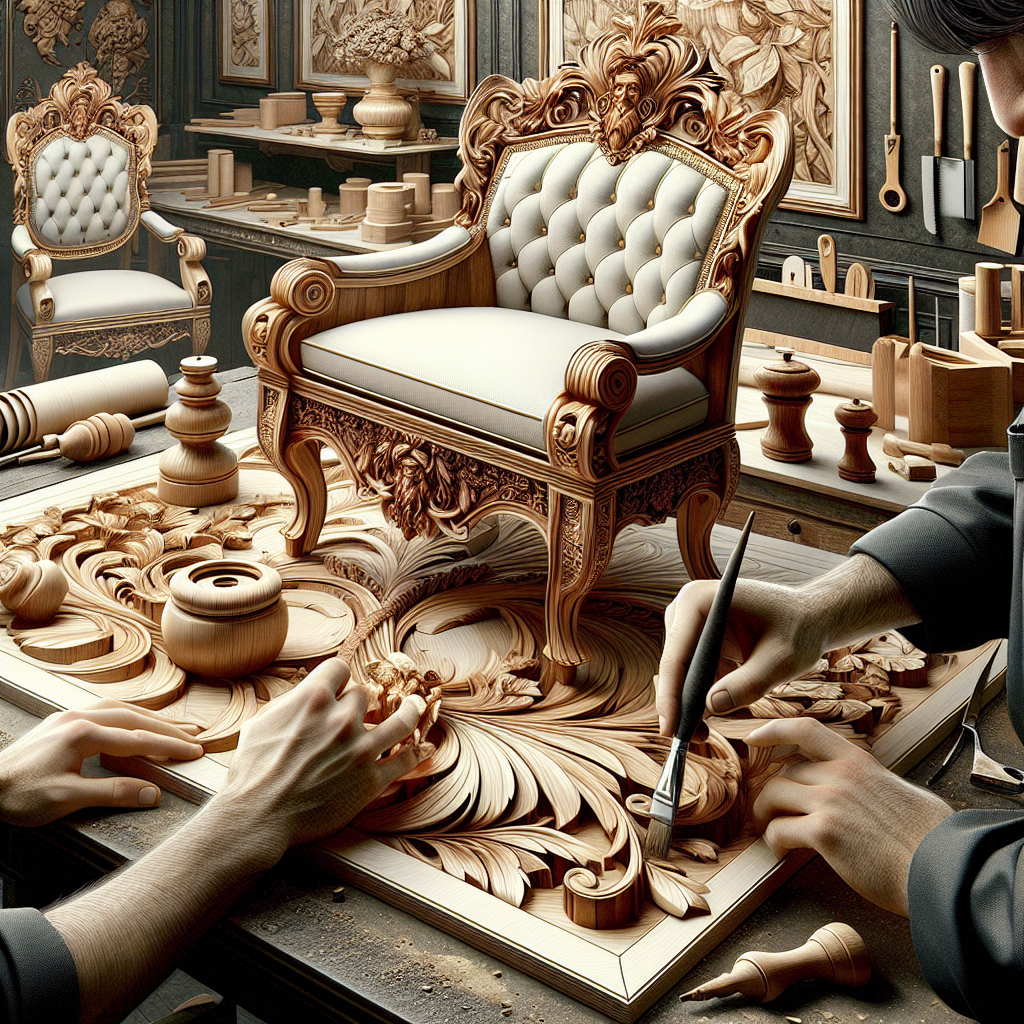
To begin with, the techniques employed in artisanal furniture-making are often passed down through generations, preserving a rich heritage of craftsmanship. These methods require a level of skill and patience that is truly remarkable. For instance, hand-carving is a technique that allows artisans to add intricate details and personal touches to each piece. This meticulous process can take hours, if not days, to complete, but the result is a stunning piece of furniture that tells a story. Similarly, joinery techniques like dovetail and mortise-and-tenon joints are used to ensure durability and strength, without the need for nails or screws. These methods not only enhance the structural integrity of the furniture but also add an element of elegance and sophistication.
Transitioning to the materials, the choice of wood is crucial in artisanal furniture-making. Artisans often select high-quality, sustainably sourced woods such as walnut, oak, and cherry, which are known for their beauty and longevity. The natural grain patterns and rich colors of these woods add depth and character to each piece, making them truly one-of-a-kind. Moreover, the use of natural finishes, like oils and waxes, enhances the wood’s natural beauty while providing protection. These finishes are applied by hand, allowing the artisan to control the final appearance and feel of the piece.
In addition to wood, other materials like metal, leather, and glass are often incorporated into artisanal furniture to add contrast and interest. For example, hand-forged metal accents can provide a modern touch to a classic wooden piece, while hand-stitched leather upholstery adds a layer of luxury and comfort. The combination of these materials, when done thoughtfully, results in furniture that is not only visually appealing but also functional and comfortable.
Furthermore, the environmental impact of artisanal furniture is often much lower than that of mass-produced items. Artisans tend to prioritize sustainability, using eco-friendly materials and practices to minimize waste. This commitment to the environment is yet another reason why artisanal furniture stands out in the world of luxury furnishings.
Ultimately, what truly sets artisanal furniture apart is the passion and dedication of the artisans themselves. Each piece is a labor of love, reflecting the artisan’s skill, creativity, and attention to detail. When you invest in artisanal furniture, you’re not just buying a piece of furniture; you’re acquiring a piece of art that has been crafted with care and intention. It’s this personal touch that gives artisanal furniture its soul, making it a cherished addition to any home. So, the next time you’re in the market for furniture, consider the artistry and craftsmanship that goes into artisanal pieces, and you’ll find yourself drawn to their timeless beauty and enduring quality.
The Role Of Artisans In Preserving Traditional Craftsmanship
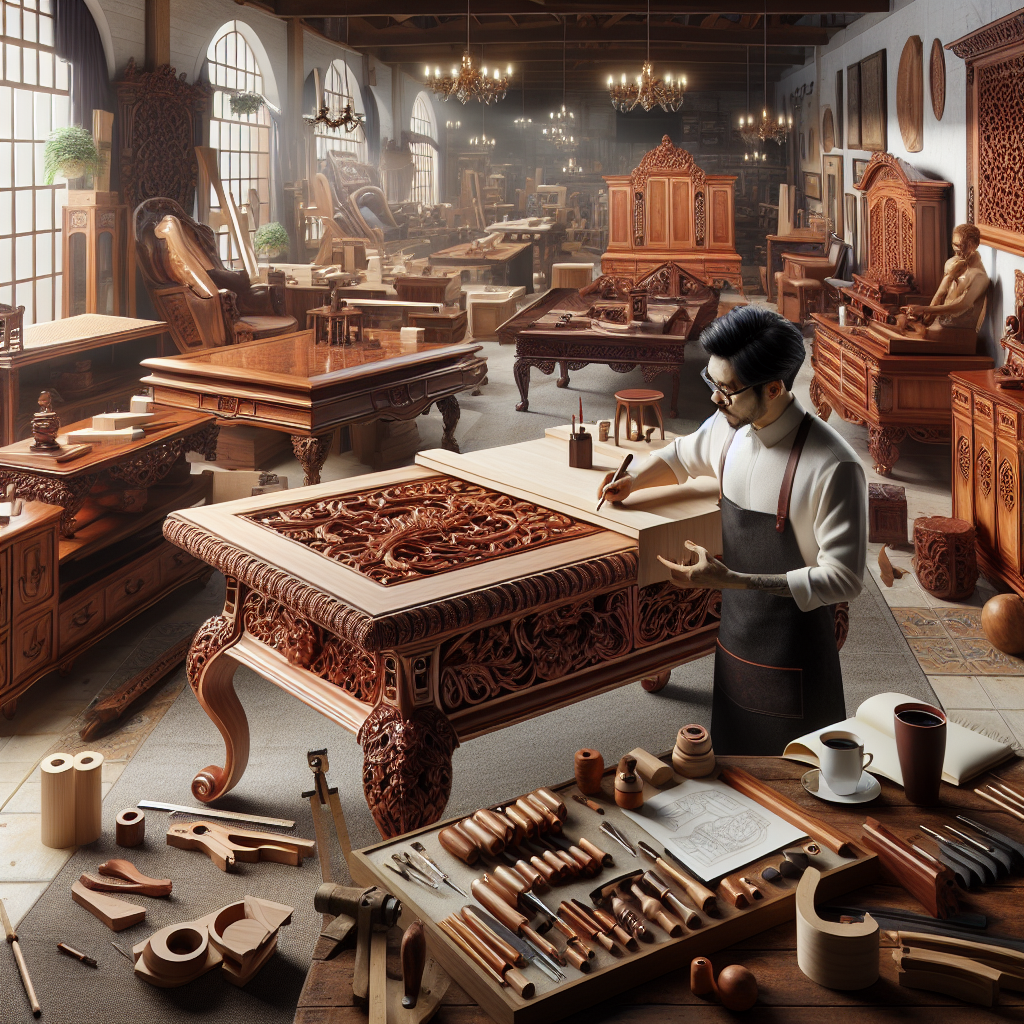
In a world where mass production often takes center stage, the role of artisans in preserving traditional craftsmanship is more crucial than ever, especially in the realm of luxury furniture. These skilled craftsmen and women are the unsung heroes who infuse soul and character into every piece they create, ensuring that the art of furniture-making remains vibrant and alive. As we delve into the world of artisanal craftsmanship, it becomes clear that these artisans are not just preserving techniques; they are safeguarding a rich cultural heritage that speaks volumes about history, tradition, and artistry.
To begin with, the essence of artisanal craftsmanship lies in its meticulous attention to detail. Unlike factory-produced furniture, which often prioritizes speed and uniformity, artisanal pieces are crafted with patience and precision. Each piece tells a story, reflecting the artisan’s dedication and passion. This dedication is evident in the intricate carvings, the seamless joinery, and the hand-applied finishes that transform raw materials into works of art. It’s this level of detail that sets luxury furniture apart, making it not just functional but also a testament to human creativity and skill.
Moreover, artisans play a pivotal role in preserving traditional techniques that have been passed down through generations. These techniques, whether it’s the delicate art of marquetry or the robust construction of dovetail joints, are at risk of being lost in an age dominated by technology and automation. By continuing to practice and teach these methods, artisans ensure that these skills remain relevant and appreciated. This preservation of tradition is not just about maintaining the status quo; it’s about adapting and evolving these techniques to meet contemporary tastes while honoring their historical roots.
In addition to preserving techniques, artisans also contribute to sustainability in the furniture industry. In a time when environmental concerns are at the forefront, the artisanal approach offers a more sustainable alternative to mass production. Artisans often source materials locally and use them judiciously, minimizing waste and reducing the carbon footprint associated with transportation. Furthermore, the durability and timeless appeal of handcrafted furniture mean that these pieces are less likely to end up in landfills, promoting a culture of longevity and appreciation for quality over quantity.
As we consider the impact of artisans on the luxury furniture market, it’s important to recognize the personal connection they foster between the creator and the consumer. When you purchase an artisanal piece, you’re not just buying furniture; you’re investing in a story, a tradition, and a piece of the artisan’s soul. This connection is something that mass-produced items simply cannot replicate. It adds a layer of meaning and value that resonates with those who seek authenticity and uniqueness in their homes.
In conclusion, the role of artisans in preserving traditional craftsmanship is indispensable to the luxury furniture industry. Their dedication to detail, commitment to tradition, and focus on sustainability ensure that the art of furniture-making continues to thrive. As we celebrate these artisans, we are reminded of the importance of preserving our cultural heritage and the beauty that comes from human hands. In a world that often prioritizes speed and efficiency, it’s refreshing to know that there are still those who value the time-honored traditions that make luxury furniture truly special.
How Artisanal Craftsmanship Enhances The Value Of Luxury Furniture
When you think of luxury furniture, images of opulent designs and exquisite materials might come to mind. However, what truly sets these pieces apart is the artisanal craftsmanship that goes into creating them. This craftsmanship is not just about skill; it’s about passion, tradition, and a deep understanding of materials and techniques. Artisanal craftsmanship breathes life into luxury furniture, transforming it from mere objects into works of art that tell a story.
To begin with, the value of luxury furniture is significantly enhanced by the meticulous attention to detail that artisans bring to their work. Unlike mass-produced items, each piece of artisanal furniture is crafted with care and precision. Artisans spend countless hours perfecting their craft, ensuring that every joint is seamless, every curve is smooth, and every finish is flawless. This dedication to detail not only enhances the aesthetic appeal of the furniture but also ensures its durability and longevity. When you invest in a piece of luxury furniture, you’re not just buying a product; you’re acquiring a legacy that can be passed down through generations.
Moreover, the use of high-quality materials is another hallmark of artisanal craftsmanship. Artisans have a keen eye for selecting the finest woods, metals, and fabrics, understanding that the quality of the materials is just as important as the craftsmanship itself. They often source materials from sustainable and ethical suppliers, adding an element of responsibility to their creations. This careful selection process ensures that each piece of furniture is not only beautiful but also environmentally conscious, appealing to those who value sustainability alongside luxury.
In addition to the materials, the techniques employed by artisans are often steeped in tradition, passed down through generations. These time-honored methods, such as hand-carving, inlay work, and marquetry, require a level of skill and expertise that machines simply cannot replicate. By preserving these traditional techniques, artisans keep the history and culture of furniture-making alive, infusing each piece with a sense of heritage and authenticity. This connection to the past adds a layer of depth and meaning to luxury furniture, making it more than just a functional item but a piece of history.
Furthermore, artisanal craftsmanship allows for a level of customization that is rarely found in mass-produced furniture. Artisans can work closely with clients to create bespoke pieces that reflect their personal tastes and preferences. This collaborative process results in furniture that is truly unique, tailored to fit the specific needs and desires of the owner. Whether it’s a custom-designed dining table or a one-of-a-kind armchair, the ability to personalize luxury furniture adds significant value, making it a cherished addition to any home.
Ultimately, the soul of luxury furniture lies in the hands of the artisans who create it. Their passion, skill, and dedication elevate these pieces from mere objects to expressions of art and culture. By choosing artisanal craftsmanship, you’re not just investing in furniture; you’re embracing a tradition of excellence and a commitment to quality that enhances the value of your home. So, the next time you admire a piece of luxury furniture, take a moment to appreciate the artistry and craftsmanship that make it truly special.
The Future Of Artisanal Craftsmanship In A Modern World
In a world increasingly dominated by mass production and digital technology, the allure of artisanal craftsmanship in luxury furniture remains as captivating as ever. This timeless art form, which emphasizes meticulous attention to detail and the use of high-quality materials, continues to hold a special place in the hearts of those who appreciate the finer things in life. As we look to the future, the question arises: how will artisanal craftsmanship adapt and thrive in our modern world?
To begin with, it’s essential to recognize that the essence of artisanal craftsmanship lies in its dedication to quality and individuality. Unlike mass-produced furniture, which often prioritizes speed and cost-efficiency, artisanal pieces are crafted with a deep sense of pride and passion. Each piece tells a story, reflecting the skill and creativity of the artisan who brought it to life. This personal touch is something that cannot be replicated by machines, and it is precisely what makes artisanal furniture so desirable.
As we move forward, one of the key factors that will shape the future of artisanal craftsmanship is the growing consumer demand for sustainable and ethically produced goods. More than ever, people are becoming conscious of the environmental impact of their purchases and are seeking out products that align with their values. Artisanal furniture, often made from sustainably sourced materials and crafted using traditional techniques, fits perfectly into this narrative. By choosing artisanal pieces, consumers can enjoy the beauty and uniqueness of luxury furniture while also supporting environmentally friendly practices.
Moreover, the rise of digital platforms has opened up new opportunities for artisans to showcase their work to a global audience. Social media, in particular, has become a powerful tool for artisans to connect with potential customers and share the stories behind their creations. This increased visibility not only helps artisans reach a wider market but also fosters a deeper appreciation for the craftsmanship involved in each piece. As a result, more people are becoming aware of the value of artisanal furniture and are willing to invest in these one-of-a-kind items.
In addition to these trends, collaborations between artisans and contemporary designers are also playing a significant role in shaping the future of artisanal craftsmanship. By blending traditional techniques with modern design sensibilities, these partnerships are creating innovative pieces that appeal to a new generation of consumers. This fusion of old and new not only keeps the art of craftsmanship alive but also ensures its relevance in today’s ever-evolving design landscape.
Furthermore, as technology continues to advance, there is potential for artisans to incorporate new tools and techniques into their work without compromising the integrity of their craft. For instance, 3D printing and computer-aided design can be used to create intricate patterns and components that would be difficult to achieve by hand. By embracing these innovations, artisans can push the boundaries of their creativity while still maintaining the authenticity that defines their work.
In conclusion, the future of artisanal craftsmanship in luxury furniture looks promising, as it adapts to meet the demands of a modern world. By staying true to its core values of quality, sustainability, and individuality, while also embracing new opportunities and technologies, artisanal craftsmanship will continue to captivate and inspire for generations to come. As consumers, we have the privilege of supporting this timeless art form and ensuring that it remains an integral part of our cultural heritage.
Conclusion
Artisanal craftsmanship represents the heart and soul of luxury furniture, embodying a dedication to quality, tradition, and individuality. This meticulous approach ensures that each piece is not only functional but also a work of art, reflecting the unique vision and skill of the artisan. In an era dominated by mass production, artisanal craftsmanship stands as a testament to the enduring value of human creativity and attention to detail. It elevates furniture from mere objects to cherished heirlooms, offering a tangible connection to cultural heritage and personal expression. Ultimately, artisanal craftsmanship in luxury furniture is a celebration of the human touch, imbuing each creation with a soul that resonates with authenticity and timeless elegance.