
Chiaroscuro in Design: Mastering Light and Shadow in Luxury Interiors
August 20, 2024
Artisanal Craftsmanship: The Soul of Luxury Furniture
August 27, 2024
-
Table of Contents
- Introduction
- Innovative Designs: How Smart Furniture is Transforming Modern Living Spaces
- The Future of Home Automation: Integrating Smart Furniture with IoT
- Sustainability and Style: Eco-Friendly Smart Furniture Solutions
- Smart Furniture for Small Spaces: Maximizing Functionality and Elegance
- The Role of AI in Smart Furniture: Enhancing User Experience and Comfort
- Conclusion
Introduction
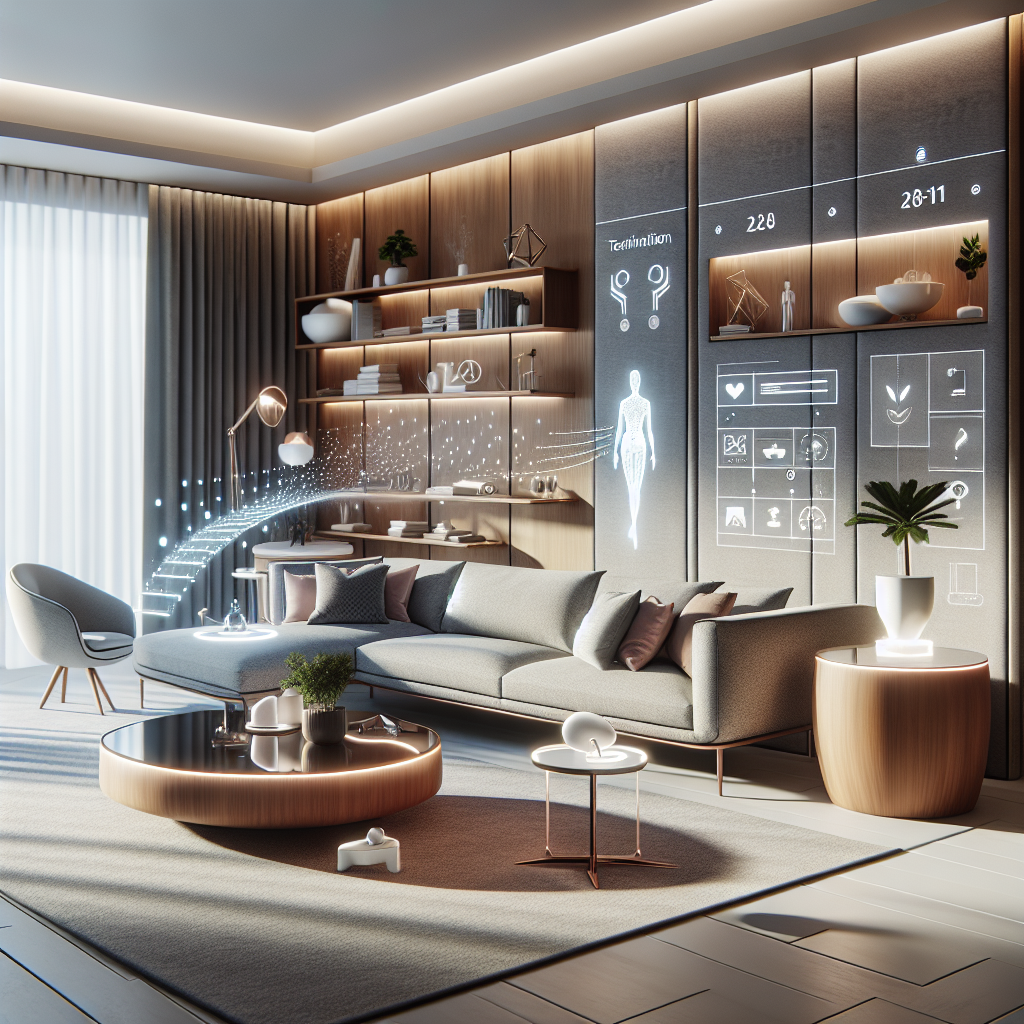
The Rise of Smart Furniture: Technology Meets Elegance marks a transformative era in interior design, where cutting-edge technology seamlessly integrates with sophisticated aesthetics to redefine modern living spaces. As the boundaries between functionality and style blur, smart furniture emerges as a pivotal innovation, offering solutions that cater to the evolving needs of contemporary lifestyles. From adjustable smart beds that enhance sleep quality to coffee tables with built-in wireless charging stations, these intelligent pieces not only elevate the ambiance of a room but also enhance convenience and efficiency. This fusion of technology and elegance not only reflects the growing demand for multifunctional living environments but also underscores a commitment to sustainability and innovation. As smart furniture continues to evolve, it promises to revolutionize the way we interact with our homes, making them more intuitive, responsive, and attuned to our daily lives.
Innovative Designs: How Smart Furniture is Transforming Modern Living Spaces
In recent years, the concept of smart furniture has taken the world of interior design by storm, seamlessly blending technology with elegance to transform modern living spaces. As our lives become increasingly intertwined with technology, it’s no surprise that our furniture is following suit, evolving to meet the demands of a more connected and efficient lifestyle. Imagine a world where your coffee table charges your devices, your sofa adjusts to your comfort preferences, and your bed monitors your sleep patterns. This is not a distant future; it’s the present reality of smart furniture.
One of the most exciting aspects of smart furniture is its ability to integrate technology without sacrificing style. Gone are the days when tech-savvy meant bulky and unattractive. Today’s smart furniture pieces are designed with aesthetics in mind, ensuring that they complement any decor while offering a host of innovative features. For instance, consider a sleek dining table that doubles as a wireless charging station. It maintains its elegant appearance while providing a practical solution to the ever-present problem of tangled cords and low battery warnings.
Moreover, smart furniture is not just about convenience; it’s about enhancing the quality of life. Take, for example, the rise of adjustable smart beds that can track your sleep patterns and provide insights into your sleep quality. These beds can adjust their firmness and position to help you achieve a more restful night’s sleep, ultimately contributing to better health and well-being. Similarly, smart sofas equipped with sensors can detect your posture and make real-time adjustments to support your back, ensuring maximum comfort during those long movie marathons or work-from-home days.
In addition to comfort and convenience, smart furniture also offers solutions for maximizing space, a crucial consideration in today’s urban living environments. With the increasing trend of smaller living spaces, multifunctional furniture has become a necessity. Smart furniture pieces, such as coffee tables that transform into workstations or beds that fold into the wall, provide ingenious ways to make the most of limited square footage. These designs not only save space but also add a touch of sophistication to any room.
Furthermore, the integration of smart technology into furniture is paving the way for more sustainable living. Many smart furniture pieces are designed with energy efficiency in mind, incorporating features like solar charging and energy-saving modes. This not only reduces the environmental impact but also helps homeowners save on energy costs. As sustainability becomes a priority for many, the demand for eco-friendly smart furniture is likely to grow, encouraging manufacturers to innovate even further.
As we continue to embrace the digital age, the line between technology and everyday life becomes increasingly blurred. Smart furniture represents a natural progression in this evolution, offering a harmonious blend of functionality, style, and innovation. It’s an exciting time for both tech enthusiasts and design aficionados, as the possibilities for smart furniture are virtually limitless. Whether you’re looking to enhance your home’s aesthetic appeal, improve your quality of life, or simply make your living space more efficient, smart furniture offers a world of opportunities. As technology continues to advance, we can only imagine what the future holds for our living spaces, but one thing is certain: smart furniture is here to stay, and it’s transforming the way we live, one elegant piece at a time.
The Future of Home Automation: Integrating Smart Furniture with IoT
In recent years, the concept of a smart home has evolved from a futuristic dream into a tangible reality, with smart furniture playing a pivotal role in this transformation. As technology continues to advance at a rapid pace, the integration of smart furniture with the Internet of Things (IoT) is reshaping the way we interact with our living spaces. Imagine a world where your coffee table charges your devices, your sofa adjusts its firmness based on your preferences, and your bed monitors your sleep patterns to ensure you wake up refreshed. This is not just a fantasy; it’s the future of home automation.
The allure of smart furniture lies in its ability to seamlessly blend technology with elegance, offering both functionality and style. As we spend more time at home, the demand for furniture that enhances our living experience has skyrocketed. Smart furniture is designed to make our lives easier, more comfortable, and more efficient. For instance, consider a smart desk that not only adjusts its height to promote better posture but also comes equipped with built-in wireless charging and voice-activated controls. Such innovations are not only practical but also add a touch of sophistication to any room.
Moreover, the integration of IoT with smart furniture allows for a level of customization and control that was previously unimaginable. Through connected devices and apps, homeowners can now manage their furniture settings remotely, creating a personalized environment tailored to their needs. Whether it’s adjusting the lighting to match your mood or setting your recliner to the perfect angle for movie night, the possibilities are endless. This level of control extends beyond mere convenience; it also contributes to energy efficiency and sustainability. By optimizing the use of resources, smart furniture can help reduce energy consumption, making it an eco-friendly choice for the modern home.
As we delve deeper into the world of smart furniture, it’s important to acknowledge the role of design in this technological revolution. Manufacturers are increasingly focusing on creating pieces that are not only smart but also aesthetically pleasing. The challenge lies in integrating advanced technology without compromising on design. Fortunately, many companies are rising to the occasion, producing furniture that is both cutting-edge and visually appealing. This marriage of form and function is what sets smart furniture apart, making it a desirable addition to any home.
Furthermore, the rise of smart furniture is also influencing the way we think about space. With urban living spaces becoming smaller, the need for multifunctional furniture has never been greater. Smart furniture offers innovative solutions to this challenge, with pieces that can transform and adapt to different uses. A smart dining table that doubles as a workspace or a sofa that converts into a guest bed are just a few examples of how technology is helping us make the most of our living areas.
In conclusion, the integration of smart furniture with IoT is revolutionizing the future of home automation. By combining technology with elegance, smart furniture is enhancing our living spaces in ways we never thought possible. As we continue to embrace this trend, it’s exciting to imagine what the future holds. Whether you’re a tech enthusiast or simply someone who appreciates good design, there’s no denying that smart furniture is here to stay, promising a more connected, efficient, and stylish home for all.
Sustainability and Style: Eco-Friendly Smart Furniture Solutions
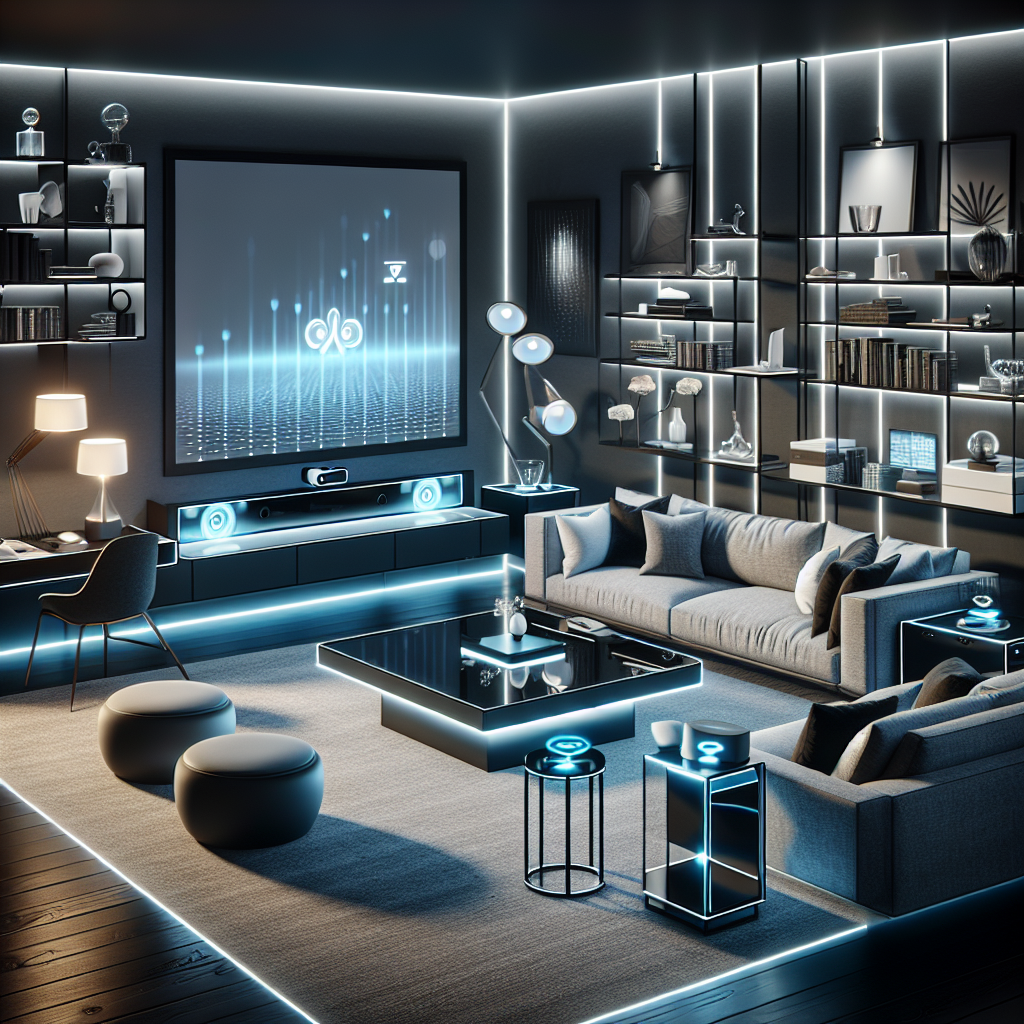
In recent years, the world of interior design has witnessed a fascinating evolution with the rise of smart furniture, where technology seamlessly meets elegance. This trend is not just about adding a touch of modernity to our living spaces; it’s also about embracing sustainability and style in a harmonious blend. As we become more conscious of our environmental footprint, eco-friendly smart furniture solutions are gaining popularity, offering a perfect balance between innovation and responsibility.
To begin with, the concept of smart furniture revolves around integrating technology into everyday items, making them more functional and efficient. Imagine a coffee table that charges your devices wirelessly or a sofa that adjusts its firmness based on your preferences. These innovations are not only convenient but also contribute to a more sustainable lifestyle. By reducing the need for multiple gadgets and appliances, smart furniture helps minimize energy consumption and waste, aligning with the growing demand for eco-friendly solutions.
Moreover, the materials used in crafting these smart pieces are often chosen with sustainability in mind. Many manufacturers are now opting for recycled or upcycled materials, such as reclaimed wood or repurposed metal, to create furniture that is both stylish and environmentally friendly. This approach not only reduces the strain on natural resources but also gives a second life to materials that might otherwise end up in landfills. As a result, consumers can enjoy beautifully designed furniture that tells a story of sustainability and innovation.
In addition to the materials, the production processes for smart furniture are also evolving to be more eco-conscious. Companies are increasingly adopting green manufacturing practices, such as using water-based adhesives and non-toxic finishes, to ensure that their products are safe for both the environment and the people who use them. This shift towards sustainable production methods reflects a broader commitment to reducing the carbon footprint of the furniture industry, which has traditionally been resource-intensive.
Furthermore, smart furniture is designed with longevity in mind, which is a crucial aspect of sustainability. Unlike traditional furniture that may need to be replaced frequently due to wear and tear, smart pieces are often built to last, with features that can be updated or upgraded over time. This not only reduces waste but also offers consumers a more cost-effective solution in the long run. By investing in durable, adaptable furniture, individuals can enjoy the benefits of cutting-edge technology without compromising on style or sustainability.
As we continue to explore the possibilities of smart furniture, it’s clear that this trend is more than just a passing fad. It represents a shift towards a more thoughtful and responsible approach to interior design, where technology and sustainability go hand in hand. By choosing eco-friendly smart furniture solutions, we can create living spaces that are not only beautiful and functional but also kind to the planet.
In conclusion, the rise of smart furniture is a testament to the power of innovation in transforming our homes into spaces that reflect our values and aspirations. As we embrace this exciting trend, we have the opportunity to make a positive impact on the environment while enjoying the elegance and convenience that smart furniture brings. With each piece we choose, we are not just enhancing our living spaces; we are also contributing to a more sustainable future for generations to come.
Smart Furniture for Small Spaces: Maximizing Functionality and Elegance
In today’s fast-paced world, where urban living often means making the most out of limited space, smart furniture has emerged as a game-changer. Imagine a world where your coffee table doubles as a work desk, or your bed transforms into a cozy reading nook with just a touch of a button. This is the reality that smart furniture brings to small spaces, seamlessly blending technology with elegance to maximize both functionality and style.
As city dwellers increasingly find themselves in compact apartments, the demand for furniture that can do more with less has skyrocketed. Smart furniture, with its innovative designs and multifunctional capabilities, offers a perfect solution. For instance, consider a sofa that not only provides a comfortable seating area but also unfolds into a bed for guests. This kind of versatility is invaluable in small spaces, where every square foot counts. Moreover, many of these pieces come equipped with built-in storage, helping to keep clutter at bay and maintain a clean, organized living environment.
Transitioning from traditional furniture to smart alternatives might seem daunting at first, but the benefits quickly become apparent. One of the most appealing aspects of smart furniture is its ability to adapt to the user’s needs. Take, for example, a dining table that can expand to accommodate more guests or contract for a more intimate setting. This adaptability ensures that your furniture is always in sync with your lifestyle, whether you’re hosting a dinner party or enjoying a quiet meal alone.
In addition to their practical benefits, smart furniture pieces are designed with aesthetics in mind. Gone are the days when multifunctional meant bulky or unattractive. Today’s smart furniture is sleek, stylish, and available in a variety of designs to suit any taste. Whether you prefer a minimalist look or something more eclectic, there’s a smart furniture option that will complement your decor while enhancing the overall elegance of your space.
Furthermore, the integration of technology into furniture design has opened up a world of possibilities. Imagine a coffee table with a built-in wireless charging station for your devices or a mirror that doubles as a digital assistant, providing you with weather updates and reminders as you get ready for the day. These tech-savvy features not only add convenience but also elevate the sophistication of your home.
As we continue to embrace the digital age, the line between technology and everyday living becomes increasingly blurred. Smart furniture exemplifies this trend, offering solutions that are both practical and stylish. It’s not just about making the most of small spaces; it’s about enhancing the quality of life within them. By investing in smart furniture, you’re not only optimizing your living area but also creating a home that reflects your personality and meets your unique needs.
In conclusion, the rise of smart furniture represents a harmonious blend of technology and elegance, perfectly suited for small spaces. As more people seek to maximize their living environments without sacrificing style, smart furniture stands out as a versatile and attractive option. Whether you’re looking to declutter, entertain, or simply enjoy a more efficient home, smart furniture offers endless possibilities to transform your space into a functional and elegant haven.
The Role of AI in Smart Furniture: Enhancing User Experience and Comfort
In recent years, the fusion of technology and design has given birth to a fascinating trend: smart furniture. This innovative blend of functionality and aesthetics is transforming our living spaces, making them more intuitive and responsive to our needs. At the heart of this transformation is artificial intelligence (AI), which plays a pivotal role in enhancing user experience and comfort. As we delve into the world of smart furniture, it becomes clear that AI is not just a buzzword but a game-changer in how we interact with our surroundings.
Imagine walking into your living room after a long day, and your sofa automatically adjusts to your preferred seating position, while the lighting dims to create a relaxing ambiance. This is not a scene from a sci-fi movie but a reality made possible by AI-driven smart furniture. By learning from user behavior and preferences, AI enables furniture to adapt and respond in real-time, offering a personalized experience that was once unimaginable. This seamless integration of technology into everyday objects is redefining comfort, making our homes more than just places to live—they become extensions of ourselves.
Moreover, AI in smart furniture is not limited to comfort alone; it also enhances functionality. Take, for instance, a smart bed that monitors your sleep patterns and adjusts its firmness to ensure a restful night. By analyzing data over time, these intelligent systems can provide insights into your sleep habits, helping you make informed decisions about your health and well-being. This level of interaction between user and furniture is unprecedented, creating a symbiotic relationship that benefits both parties.
Transitioning from the bedroom to the office, smart desks equipped with AI capabilities are revolutionizing the way we work. These desks can adjust their height based on your posture, remind you to take breaks, and even suggest exercises to alleviate strain. By promoting a healthier work environment, AI-driven furniture not only boosts productivity but also contributes to overall well-being. This holistic approach to design and functionality is a testament to the potential of AI in enhancing our daily lives.
Furthermore, the integration of AI in smart furniture extends beyond individual pieces to entire ecosystems within the home. Imagine a living room where the sofa, coffee table, and entertainment system communicate with each other to create an immersive experience tailored to your preferences. Whether it’s adjusting the sound system for movie night or setting the perfect lighting for a cozy evening, AI orchestrates these elements seamlessly, offering a level of convenience that was once the stuff of dreams.
As we embrace this new era of smart furniture, it’s important to consider the implications of AI on privacy and security. While the benefits are undeniable, ensuring that our data is protected and used responsibly is crucial. Manufacturers are increasingly aware of these concerns and are implementing robust security measures to safeguard user information. By addressing these challenges head-on, the industry is paving the way for a future where smart furniture is not only intelligent but also trustworthy.
In conclusion, the rise of smart furniture, powered by AI, is transforming our living spaces into dynamic environments that cater to our needs and preferences. By enhancing comfort, functionality, and convenience, AI is redefining the way we interact with our homes. As technology continues to evolve, the possibilities for smart furniture are limitless, promising a future where elegance and intelligence coexist harmoniously.
Conclusion
The rise of smart furniture represents a significant evolution in interior design, merging technology with elegance to create functional and aesthetically pleasing living spaces. This trend reflects a growing consumer demand for convenience, efficiency, and connectivity within the home environment. Smart furniture integrates advanced features such as wireless charging, voice control, and adaptive lighting, enhancing user experience and promoting a seamless lifestyle. As technology continues to advance, smart furniture is likely to become more sophisticated, offering personalized solutions that cater to individual needs while maintaining a focus on design and style. This convergence of technology and elegance not only transforms how we interact with our living spaces but also sets the stage for future innovations in home design.