Tactile Traditions: Incorporating Handwoven Textiles in Luxury Decor
April 12, 2022
Chromatic Courage: Bold Color Choices in High-End Interiors
April 26, 2022
-
Table of Contents
Introduction
“The Luxury of Lightness: Airy Design for Serene Living Spaces” explores the transformative power of minimalist design in creating tranquil and inviting environments. This book delves into the principles of airy aesthetics, emphasizing the use of natural light, open spaces, and subtle color palettes to cultivate a sense of calm and elegance. Through a curated collection of inspiring interiors, it showcases how thoughtful design choices can enhance the feeling of spaciousness and serenity in any living space. Whether it’s through the strategic placement of furniture, the integration of nature, or the use of lightweight materials, this guide offers insights into achieving a harmonious balance between luxury and simplicity.
Embracing Minimalism: The Art of Airy Interiors
In recent years, the concept of minimalism has taken the world of interior design by storm, offering a refreshing antidote to the cluttered chaos of modern life. At the heart of this movement is the idea of creating airy, serene living spaces that not only look beautiful but also promote a sense of calm and tranquility. Embracing minimalism in your home doesn’t mean stripping away all personality or comfort; rather, it’s about making thoughtful choices that enhance the feeling of openness and lightness.
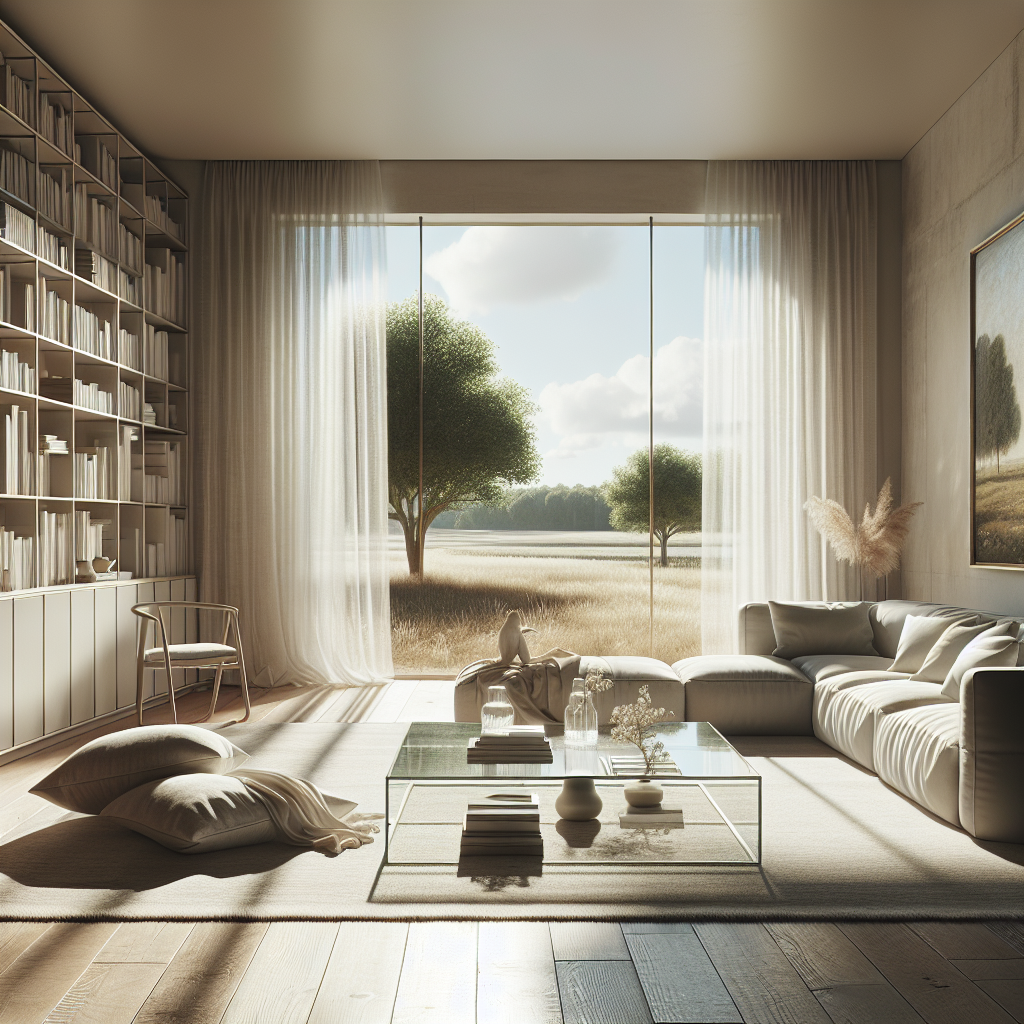
To begin with, one of the key elements of airy design is the use of natural light. Large windows, sheer curtains, and strategically placed mirrors can work wonders in maximizing the amount of sunlight that floods into a room. This not only brightens the space but also creates an illusion of expansiveness, making even the smallest of rooms feel larger and more inviting. Moreover, natural light has been shown to boost mood and productivity, making it a win-win for both aesthetics and well-being.
In addition to harnessing natural light, the color palette plays a crucial role in achieving an airy atmosphere. Soft, neutral tones such as whites, beiges, and light grays serve as the perfect backdrop for a minimalist interior. These colors reflect light and create a sense of continuity throughout the space, allowing the eye to move freely without interruption. However, this doesn’t mean you have to shy away from color altogether. Thoughtfully placed accents, like a pastel throw pillow or a piece of art, can add a touch of personality without overwhelming the senses.
Furniture selection is another important aspect of creating a serene living space. Opting for pieces with clean lines and simple silhouettes can help maintain a sense of order and balance. Multi-functional furniture, such as a sleek sofa bed or a coffee table with hidden storage, can also be a great way to keep clutter at bay while maximizing functionality. It’s all about finding that sweet spot between form and function, where each piece serves a purpose and contributes to the overall harmony of the room.
Furthermore, incorporating natural materials like wood, stone, and linen can add warmth and texture to an otherwise minimalist space. These elements bring a touch of the outdoors inside, fostering a connection with nature that is both grounding and soothing. Plants, too, can play a significant role in airy design. Not only do they purify the air, but they also introduce a sense of vitality and freshness that can enliven any room.
As we consider the finishing touches, it’s important to remember that less is often more. Instead of filling every nook and cranny with decorative items, choose a few meaningful pieces that resonate with you. This could be a cherished family heirloom, a sculpture that speaks to your soul, or a collection of books that inspire you. By curating your space with intention, you create an environment that reflects your values and brings you joy.
In conclusion, embracing minimalism through airy design is about more than just aesthetics; it’s a lifestyle choice that prioritizes simplicity, mindfulness, and well-being. By focusing on light, color, furniture, natural materials, and meaningful decor, you can transform your home into a sanctuary that nurtures both body and mind. So, take a deep breath, let go of the excess, and enjoy the luxury of lightness in your living space.
Natural Light: Transforming Spaces with Sunlit Serenity
In the quest for creating serene living spaces, the role of natural light cannot be overstated. Imagine walking into a room where sunlight dances across the walls, casting gentle shadows that shift with the passing hours. This is the magic of natural light, a design element that transforms ordinary spaces into havens of tranquility. By embracing the luxury of lightness, we can craft environments that not only look beautiful but also feel rejuvenating.
To begin with, natural light has an unparalleled ability to enhance the mood of any room. When sunlight floods a space, it brings with it a sense of warmth and openness that artificial lighting simply cannot replicate. This infusion of light can make even the smallest of rooms feel expansive and inviting. Moreover, natural light has been shown to boost our mood and energy levels, making it an essential component of serene living spaces. By strategically placing windows and using sheer curtains, we can maximize the amount of sunlight that enters our homes, creating a bright and airy atmosphere that promotes well-being.
Transitioning from the benefits of natural light, let’s explore how it can be harnessed to highlight the architectural features of a space. Sunlight has a unique way of accentuating textures and colors, bringing out the subtle nuances in materials like wood, stone, and fabric. By allowing natural light to interact with these elements, we can create a dynamic and visually interesting environment. For instance, a sunlit room with exposed brick walls or wooden beams can take on a new life as the light shifts throughout the day, casting intricate patterns and adding depth to the space.
In addition to enhancing aesthetics, natural light also plays a crucial role in sustainable design. By reducing our reliance on artificial lighting during the day, we can lower energy consumption and create more eco-friendly living spaces. This not only benefits the environment but also contributes to a healthier indoor atmosphere. Natural light helps regulate our circadian rhythms, improving sleep quality and overall health. Therefore, designing spaces that prioritize sunlight is not just a stylistic choice but a lifestyle one as well.
Furthermore, the integration of natural light into our homes can be complemented by thoughtful interior design choices. Light-colored walls and reflective surfaces, such as mirrors and glass, can amplify the effect of sunlight, making rooms feel even brighter. Additionally, incorporating plants into our living spaces can enhance the connection to nature, as they thrive in sunlit environments and add a touch of greenery that further softens and enlivens the space.
As we consider the luxury of lightness in our homes, it’s important to remember that natural light is not just a design element but a source of inspiration. It encourages us to embrace simplicity and minimalism, focusing on what truly matters in our living spaces. By allowing sunlight to guide our design choices, we can create environments that are not only aesthetically pleasing but also nurturing to the soul.
In conclusion, the transformative power of natural light is undeniable. It has the ability to turn any space into a serene sanctuary, filled with warmth and vitality. By prioritizing natural light in our design choices, we can create living spaces that are both luxurious and light, offering a daily retreat from the hustle and bustle of the outside world. So, let the sunlight in and experience the serene beauty it brings to your home.
Color Palettes for Calm: Soft Hues in Airy Design
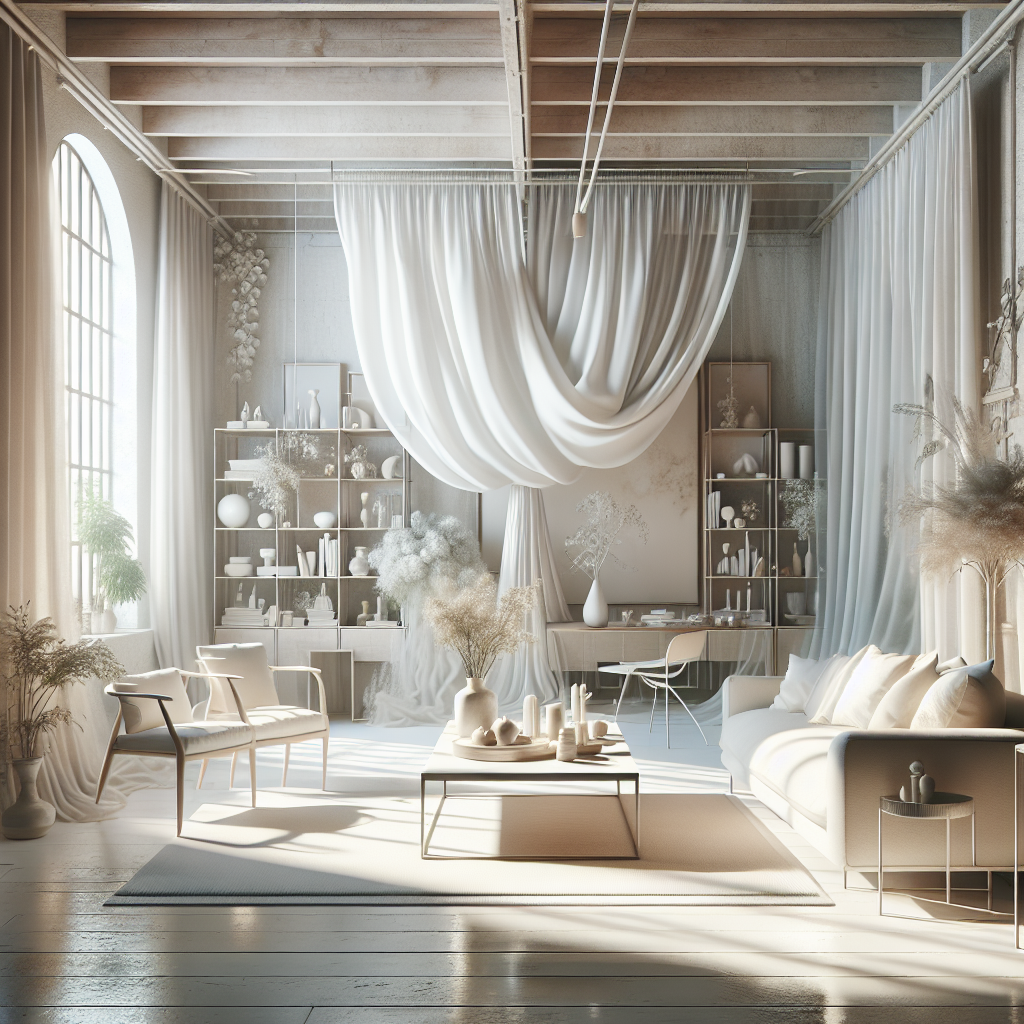
When it comes to creating serene living spaces, the color palette plays a pivotal role in setting the tone and mood of a room. In the realm of airy design, soft hues are the unsung heroes that transform a space into a tranquil haven. Imagine walking into a room where the colors whisper rather than shout, inviting you to relax and unwind. This is the magic of using soft hues in airy design, where the luxury of lightness is not just a concept but a tangible experience.
To begin with, let’s talk about the power of pastels. These gentle colors, ranging from soft pinks to muted blues, have a way of soothing the senses. They create an atmosphere that feels open and inviting, making them perfect for spaces where you want to feel at ease. Pastels can be used on walls, furniture, or even in the smallest of accents, like throw pillows or artwork. The key is to use them in a way that feels natural and not overwhelming. By doing so, you allow the colors to breathe and contribute to the overall airiness of the space.
Transitioning from pastels, we find that neutral tones are equally important in achieving a serene environment. Shades like soft whites, gentle grays, and warm beiges serve as the perfect backdrop for an airy design. These colors have a timeless quality that not only enhances the lightness of a room but also provides a versatile canvas for other design elements. Neutrals can be layered to add depth and interest without compromising the calmness of the space. For instance, pairing a light gray wall with a cream-colored sofa can create a harmonious balance that feels both sophisticated and relaxed.
Moreover, incorporating natural elements into your color palette can further enhance the serenity of your living space. Think of the soft greens of a fern or the pale blues of a clear sky. These colors, inspired by nature, have an innate ability to calm the mind and bring a sense of peace. By integrating these hues into your design, whether through plants, textiles, or artwork, you can create a connection to the natural world that feels both refreshing and grounding.
As we explore the world of soft hues, it’s important to remember that lighting plays a crucial role in how these colors are perceived. Natural light, in particular, can amplify the effect of soft colors, making them appear even more luminous and airy. Large windows, sheer curtains, and strategically placed mirrors can help maximize the amount of natural light in a room, enhancing the overall sense of openness and tranquility.
In conclusion, the use of soft hues in airy design is a testament to the luxury of lightness. By carefully selecting colors that promote calmness and serenity, you can create living spaces that feel like a breath of fresh air. Whether through pastels, neutrals, or nature-inspired tones, the right color palette can transform your home into a sanctuary where you can escape the hustle and bustle of everyday life. So, the next time you’re considering a redesign, remember the power of soft hues and let them guide you towards a more serene and airy living space.
Furniture Choices: Lightweight Pieces for a Spacious Feel
Creating a serene living space is all about embracing the luxury of lightness, and one of the most effective ways to achieve this is through thoughtful furniture choices. Lightweight pieces can transform a room, making it feel more open and inviting. As we explore the world of airy design, let’s consider how selecting the right furniture can enhance the spaciousness of your home.
To begin with, it’s important to understand that lightweight furniture doesn’t just refer to the physical weight of the pieces. It’s also about the visual impact they have on a room. For instance, furniture with slender legs or open frames can create a sense of airiness, allowing light to flow freely and making the space feel less cluttered. This is particularly beneficial in smaller rooms where every inch counts. By opting for pieces that don’t dominate the space, you can create a more balanced and harmonious environment.
Moreover, materials play a crucial role in achieving a light and airy aesthetic. Consider incorporating furniture made from natural materials like rattan, bamboo, or light woods such as ash and oak. These materials not only add a touch of nature to your home but also contribute to a sense of calm and tranquility. Additionally, they often come in lighter shades, which can help reflect light and make the room feel brighter and more spacious.
In addition to materials, the color palette of your furniture can significantly impact the overall feel of your living space. Light, neutral colors such as whites, creams, and soft pastels can enhance the sense of openness and serenity. These hues have a way of blending seamlessly with the surroundings, creating a cohesive look that doesn’t overwhelm the senses. Furthermore, they provide a versatile backdrop that allows you to easily switch up accessories and decor as your tastes evolve.
Another aspect to consider is the multifunctionality of your furniture. In today’s world, where space is often at a premium, choosing pieces that serve multiple purposes can be a game-changer. Think of a sleek sofa bed that offers both seating and sleeping options, or a coffee table with hidden storage to keep clutter at bay. These smart solutions not only save space but also contribute to a more organized and peaceful living environment.
As we delve deeper into the concept of airy design, it’s worth mentioning the importance of layout. Arranging your furniture in a way that promotes flow and movement can make a significant difference. Avoid overcrowding the room and allow for ample walking space between pieces. This not only enhances the functionality of the space but also reinforces the feeling of lightness and freedom.
Finally, don’t forget the power of accessories in complementing your lightweight furniture choices. Opt for sheer curtains that let in natural light, and incorporate mirrors to reflect it around the room. These elements can amplify the sense of space and add to the overall ambiance of serenity.
In conclusion, the luxury of lightness in interior design is all about making thoughtful choices that prioritize openness and tranquility. By selecting lightweight furniture, embracing natural materials, and considering multifunctional pieces, you can create a living space that feels both spacious and serene. With these tips in mind, you’re well on your way to enjoying a home that truly embodies the essence of airy design.
Indoor-Outdoor Harmony: Blurring Boundaries for Open Living
In recent years, the concept of indoor-outdoor harmony has become a cornerstone of modern design, offering a seamless blend of nature and architecture that transforms living spaces into serene retreats. This trend, often characterized by airy designs and open layouts, invites the outside in, creating a fluid transition between the interior and exterior of a home. As we explore this luxurious lightness, it becomes clear that the key to achieving such harmony lies in the thoughtful integration of natural elements and innovative design techniques.
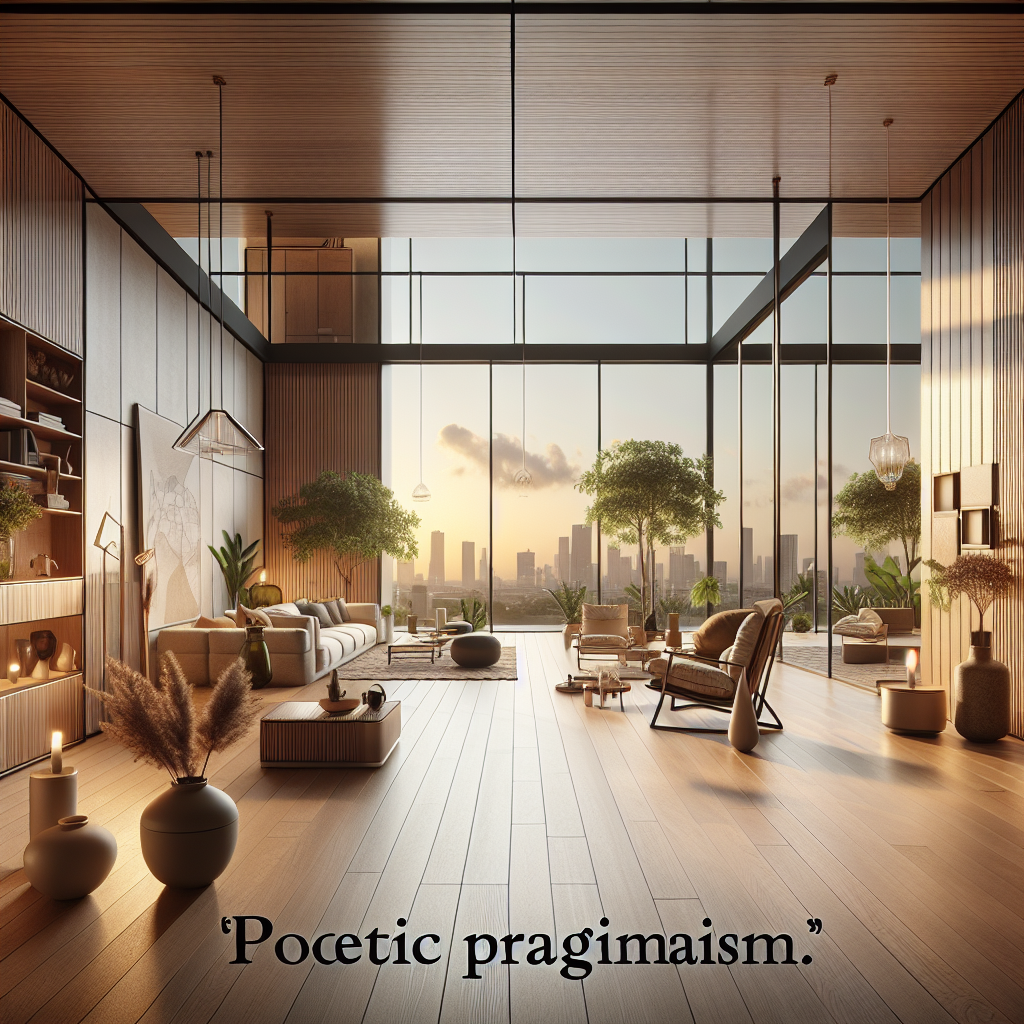
To begin with, one of the most effective ways to blur the boundaries between indoor and outdoor spaces is through the use of large, expansive windows and sliding glass doors. These features not only allow for an abundance of natural light to flood the interior but also provide unobstructed views of the surrounding landscape. By doing so, they create a visual connection with nature, making the indoor space feel more expansive and inviting. Moreover, the use of glass as a design element fosters a sense of transparency and openness, which is essential for achieving that coveted airy atmosphere.
In addition to architectural elements, the choice of materials plays a crucial role in enhancing the indoor-outdoor connection. Natural materials such as wood, stone, and bamboo can be used both inside and outside the home, creating a cohesive aesthetic that ties the two spaces together. For instance, a wooden deck that extends from the living room can serve as a natural extension of the indoor space, encouraging a seamless flow between the two areas. Similarly, using stone tiles in both the interior and exterior can create a unified look that further blurs the lines between inside and out.
Furthermore, the incorporation of greenery is another vital aspect of achieving indoor-outdoor harmony. Indoor plants not only bring a touch of nature into the home but also improve air quality and promote a sense of well-being. By strategically placing plants near windows or in transitional spaces such as sunrooms or patios, you can create a lush, verdant environment that feels both tranquil and invigorating. Additionally, outdoor gardens or potted plants on a terrace can mirror the indoor greenery, reinforcing the connection between the two spaces.
Lighting also plays a significant role in creating a serene living environment that bridges the gap between indoors and outdoors. During the day, maximizing natural light is essential, but as the sun sets, the right artificial lighting can enhance the ambiance. Soft, warm lighting can mimic the glow of the setting sun, while strategically placed outdoor lights can highlight garden features and extend the usability of outdoor spaces into the evening. This thoughtful approach to lighting ensures that the transition from day to night is as smooth and harmonious as the transition from inside to outside.
Finally, the selection of furniture and decor can further enhance the sense of indoor-outdoor harmony. Opting for lightweight, versatile pieces that can easily be moved between spaces allows for greater flexibility and adaptability. Outdoor furniture that is stylish enough for indoor use, or vice versa, can help maintain a consistent aesthetic throughout the home. By choosing decor that complements the natural surroundings, you can create a cohesive look that ties the entire space together.
In conclusion, the luxury of lightness in design is all about creating a serene living environment that seamlessly integrates indoor and outdoor spaces. Through the use of expansive windows, natural materials, greenery, thoughtful lighting, and versatile furnishings, you can achieve a harmonious balance that blurs the boundaries between inside and out, offering a tranquil retreat that feels both luxurious and inviting.
Conclusion
“The Luxury of Lightness: Airy Design for Serene Living Spaces” emphasizes the transformative power of light and open design in creating tranquil and inviting environments. By prioritizing natural light, minimalist aesthetics, and thoughtful spatial arrangements, these designs foster a sense of calm and well-being. The integration of airy elements not only enhances the visual appeal but also promotes a harmonious living experience, making spaces feel more expansive and connected to the natural world. Ultimately, this approach to design underscores the importance of simplicity and elegance in cultivating serene and luxurious living spaces.