The New Opulence: Redefining Luxury for the 21st Century
April 5, 2022
The Luxury of Lightness: Airy Design for Serene Living Spaces
April 19, 2022
-
Table of Contents
- Introduction
- Exploring the Artistry: The Craftsmanship Behind Handwoven Textiles
- Timeless Elegance: How Handwoven Textiles Elevate Luxury Interiors
- Cultural Heritage: The Stories Woven into Traditional Textiles
- Sustainable Luxury: The Eco-Friendly Appeal of Handwoven Decor
- Design Harmony: Blending Handwoven Textiles with Modern Aesthetics
- Conclusion
Introduction
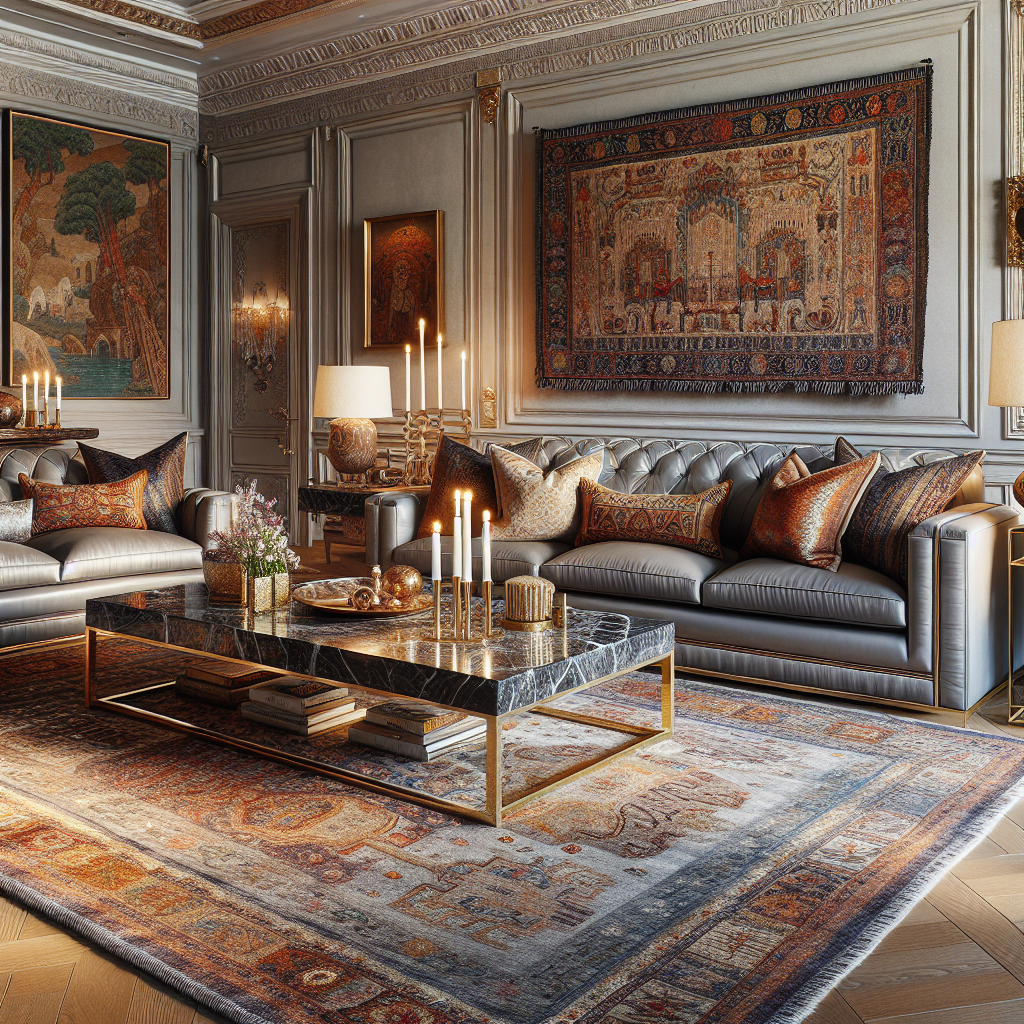
“Tactile Traditions: Incorporating Handwoven Textiles in Luxury Decor” explores the timeless allure and intricate craftsmanship of handwoven textiles, seamlessly blending them into the realm of luxury interior design. This approach celebrates the rich heritage and cultural narratives embedded in each thread, offering a unique fusion of tradition and modernity. By integrating these artisanal fabrics into high-end decor, designers not only enhance the aesthetic appeal of spaces but also honor the skilled artisans behind each creation. The result is an environment that exudes warmth, authenticity, and sophistication, inviting a tactile connection to the past while embracing contemporary elegance.
Exploring the Artistry: The Craftsmanship Behind Handwoven Textiles
In the world of luxury decor, where every detail is meticulously curated, handwoven textiles have emerged as a beloved element that adds depth, warmth, and a touch of history to any space. These textiles, crafted with care and precision, are not just decorative pieces; they are a testament to the artistry and dedication of skilled artisans who have honed their craft over generations. As we explore the craftsmanship behind these exquisite creations, it becomes clear why they hold such a cherished place in the realm of high-end interior design.
To begin with, the process of creating handwoven textiles is a labor of love that requires both patience and expertise. Artisans often spend years mastering the techniques passed down through their families, learning to weave intricate patterns and designs that tell stories of their culture and heritage. This dedication to preserving traditional methods is what sets handwoven textiles apart from their machine-made counterparts. Each piece is unique, bearing the subtle imperfections and variations that only human hands can produce, which adds to its charm and authenticity.
Moreover, the materials used in handwoven textiles are carefully selected to ensure quality and durability. Natural fibers such as cotton, wool, silk, and linen are often chosen for their ability to absorb dyes beautifully and their soft, luxurious feel. These materials not only enhance the aesthetic appeal of the textiles but also contribute to their longevity, making them a worthwhile investment for any luxury decor enthusiast. The use of natural dyes, derived from plants, minerals, and even insects, further enriches the color palette, resulting in vibrant hues that can transform a room.
As we delve deeper into the artistry of handwoven textiles, it is impossible to overlook the cultural significance embedded in each piece. Many of these textiles are created using techniques that have been passed down through generations, with patterns and motifs that hold symbolic meanings. For instance, a particular design might represent prosperity, protection, or a connection to nature. By incorporating these textiles into luxury decor, homeowners not only add a layer of visual interest but also invite a sense of history and cultural richness into their spaces.
Transitioning from the cultural to the practical, handwoven textiles offer versatility that is hard to match. Whether used as a statement wall hanging, a cozy throw draped over a sofa, or elegant cushion covers, these textiles can seamlessly blend with various design styles, from modern minimalism to bohemian chic. Their tactile quality invites touch, creating an inviting atmosphere that encourages relaxation and comfort. Furthermore, the ability to customize these textiles to suit specific color schemes or design preferences makes them an ideal choice for those looking to create a truly personalized space.
In conclusion, the craftsmanship behind handwoven textiles is a celebration of tradition, skill, and creativity. These textiles bring more than just beauty to luxury decor; they offer a connection to the past, a story woven into every thread. As we continue to appreciate and incorporate these tactile traditions into our homes, we not only honor the artisans who create them but also enrich our living spaces with pieces that are as meaningful as they are beautiful. So, the next time you find yourself drawn to a handwoven textile, remember that you are not just choosing a decorative item; you are embracing a piece of art that carries with it the legacy of its maker.
Timeless Elegance: How Handwoven Textiles Elevate Luxury Interiors
In the world of luxury interiors, where every detail is meticulously curated to create an atmosphere of opulence and sophistication, handwoven textiles have emerged as a timeless element that adds depth and character to any space. These exquisite fabrics, crafted with care and precision, bring a sense of history and artistry that mass-produced materials simply cannot replicate. As we explore the role of handwoven textiles in luxury decor, it becomes clear that their tactile beauty and cultural significance make them an invaluable addition to any elegant interior.
To begin with, handwoven textiles offer a unique texture that instantly elevates the aesthetic of a room. Unlike machine-made fabrics, which often lack the subtle variations and imperfections that give a piece its soul, handwoven textiles are imbued with the artisan’s touch. This human element is evident in the intricate patterns and rich colors that characterize these fabrics, making them a perfect choice for those who appreciate the finer things in life. Whether draped over a sofa, used as a statement wall hanging, or incorporated into custom upholstery, these textiles add a layer of visual interest that draws the eye and invites touch.
Moreover, the cultural heritage embedded in handwoven textiles adds a narrative dimension to luxury interiors. Each piece tells a story, reflecting the traditions and techniques of the region from which it originates. For instance, a handwoven Persian rug might carry the legacy of centuries-old weaving practices, while a vibrant Guatemalan textile could showcase the vibrant colors and motifs of Mayan culture. By incorporating these pieces into their homes, discerning decorators not only enhance the visual appeal of their spaces but also celebrate the diverse histories and craftsmanship of artisans around the world.
In addition to their aesthetic and cultural value, handwoven textiles are also a sustainable choice for luxury interiors. As the demand for eco-friendly and ethically sourced materials continues to grow, these textiles offer a responsible alternative to mass-produced options. Many artisans use natural fibers and dyes, ensuring that their creations are not only beautiful but also environmentally friendly. By supporting these craftspeople, homeowners contribute to the preservation of traditional techniques and the livelihoods of skilled artisans, making a positive impact on both the environment and global communities.
Furthermore, the versatility of handwoven textiles makes them an ideal choice for a variety of design styles. Whether your taste leans towards the classic elegance of a traditional home or the sleek minimalism of a modern space, there is a handwoven textile that can complement and enhance your decor. For instance, a neutral-toned woven throw can add warmth and texture to a contemporary living room, while a bold, patterned tapestry can serve as a focal point in a more eclectic setting. The possibilities are endless, allowing for creativity and personalization in every design project.
In conclusion, handwoven textiles offer a unique blend of beauty, history, and sustainability that makes them an essential component of luxury interiors. Their tactile appeal, cultural significance, and eco-friendly nature make them a perfect choice for those looking to create a space that is both elegant and meaningful. As more people seek to incorporate these timeless pieces into their homes, the tradition of handweaving continues to thrive, enriching our lives with its artistry and heritage.
Cultural Heritage: The Stories Woven into Traditional Textiles
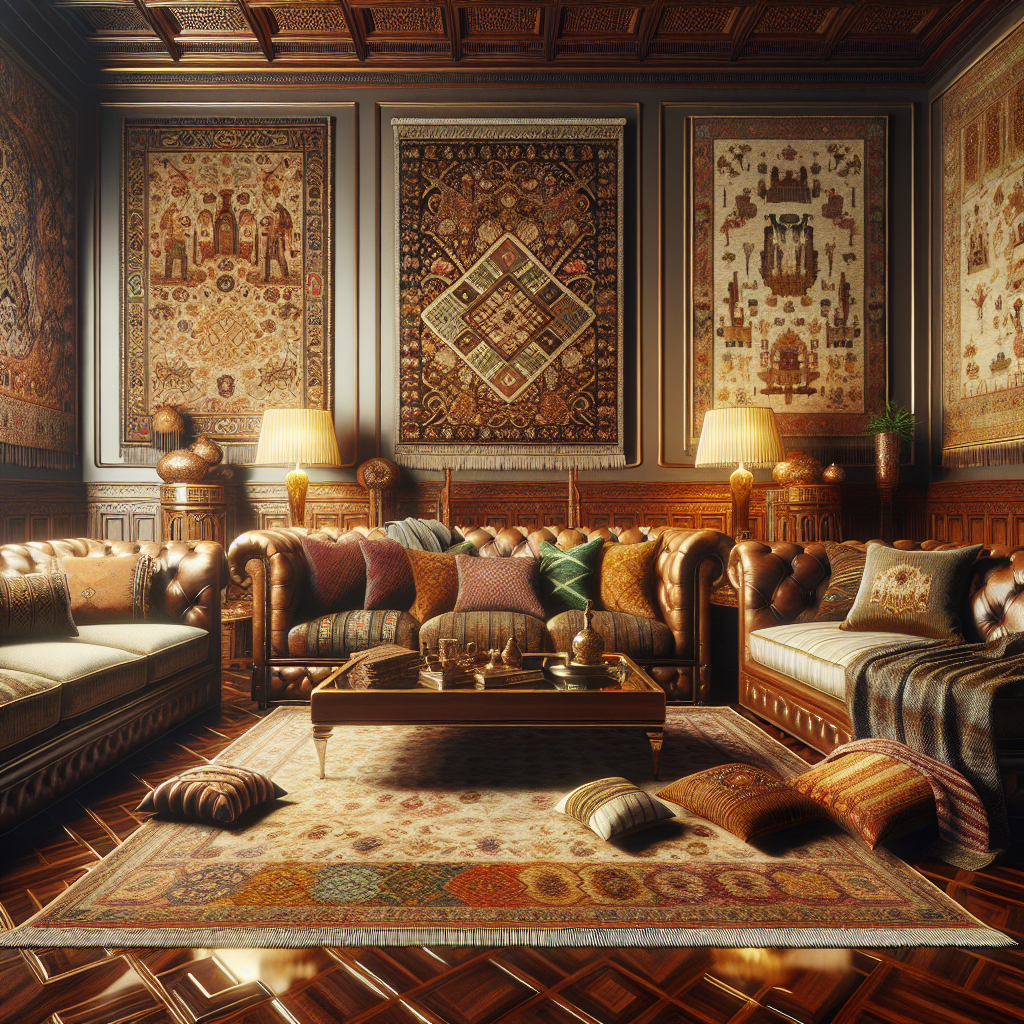
Incorporating handwoven textiles into luxury decor is like inviting a piece of history into your home. These textiles, rich in cultural heritage, tell stories that have been passed down through generations. Each thread is a testament to the skill and artistry of the weaver, and each pattern is a narrative of the community from which it originates. As we explore the world of traditional textiles, we find that they are more than just decorative items; they are vibrant expressions of cultural identity and heritage.
Imagine walking into a room where the decor speaks volumes about the history and traditions of distant lands. The intricate patterns of a Persian rug, the vibrant colors of a Guatemalan huipil, or the delicate weaves of an Indian sari can transform a space, adding depth and character. These textiles are not just beautiful; they are imbued with meaning. They reflect the beliefs, values, and stories of the people who created them. By incorporating these pieces into our homes, we are not only enhancing our living spaces but also honoring the cultures from which they come.
The beauty of handwoven textiles lies in their uniqueness. Unlike mass-produced fabrics, each piece is crafted with care and attention to detail. The weaver’s hands guide the loom, creating patterns that are often specific to a particular region or community. This individuality is what makes traditional textiles so special. They are a celebration of diversity, showcasing the myriad ways in which different cultures express themselves through fabric.
Moreover, these textiles often carry symbolic meanings. For instance, certain colors or motifs may represent prosperity, protection, or fertility. Understanding these symbols can deepen our appreciation for the textiles and the cultures they represent. It also allows us to connect with the stories and traditions of people from around the world, fostering a sense of global community.
Incorporating handwoven textiles into luxury decor is not just about aesthetics; it’s also about sustainability. In a world where fast fashion and disposable goods are the norm, choosing handmade textiles is a way to support traditional craftsmanship and promote sustainable practices. These textiles are made using techniques that have been refined over centuries, often with locally sourced materials. By choosing them, we are supporting artisans and helping to preserve their craft for future generations.
Furthermore, handwoven textiles can serve as conversation starters. When guests admire a beautifully woven tapestry or a striking kilim, it opens the door to discussions about the origins and significance of these pieces. Sharing the stories behind the textiles can be a way to educate others about different cultures and traditions, fostering understanding and appreciation.
In conclusion, incorporating handwoven textiles into luxury decor is a way to celebrate cultural heritage and bring a touch of history into our homes. These textiles are more than just decorative items; they are storytellers, each with a unique tale to tell. By choosing to include them in our decor, we are honoring the artisans who create them and the cultures they represent. So, the next time you consider adding a new piece to your home, think about the stories woven into traditional textiles and the rich tapestry of history they bring with them.
Sustainable Luxury: The Eco-Friendly Appeal of Handwoven Decor
In recent years, the world of luxury decor has seen a delightful shift towards sustainability, with handwoven textiles taking center stage. These exquisite pieces not only add a touch of elegance to any space but also tell a story of tradition, craftsmanship, and environmental consciousness. As more people seek to create homes that reflect their values, incorporating handwoven textiles into luxury decor has become an increasingly popular choice.
One of the most compelling reasons to embrace handwoven textiles is their eco-friendly nature. Unlike mass-produced fabrics, which often rely on synthetic materials and energy-intensive processes, handwoven textiles are crafted using natural fibers and traditional techniques. This means they have a significantly lower carbon footprint, making them a perfect fit for those who prioritize sustainability. Moreover, the use of natural dyes in many handwoven pieces further enhances their environmental appeal, as these dyes are derived from plants and minerals, reducing the reliance on harmful chemicals.
In addition to their sustainable qualities, handwoven textiles offer a unique aesthetic that is hard to replicate with machine-made products. Each piece is a testament to the skill and creativity of the artisan, with intricate patterns and textures that add depth and character to any room. Whether it’s a vibrant kilim rug, a delicate silk throw, or a rustic woolen blanket, these textiles bring a sense of warmth and authenticity that is often missing in modern decor. The tactile nature of handwoven fabrics invites you to touch and feel, creating a sensory experience that enhances the overall ambiance of your home.
Furthermore, incorporating handwoven textiles into your decor is a wonderful way to support traditional crafts and the communities that produce them. Many of these textiles are made by artisans in regions where weaving has been a way of life for generations. By choosing handwoven pieces, you are not only investing in a high-quality product but also helping to preserve cultural heritage and provide economic opportunities for these skilled craftspeople. This connection to the human element behind each piece adds an extra layer of meaning to your decor, transforming your home into a space that celebrates diversity and craftsmanship.
As you consider adding handwoven textiles to your luxury decor, it’s important to think about how these pieces can complement your existing style. The versatility of handwoven fabrics makes them suitable for a variety of design aesthetics, from bohemian to minimalist. For instance, a handwoven rug can serve as a bold statement piece in a neutral room, while a set of hand-embroidered cushions can add a pop of color and texture to a sleek, modern sofa. The key is to find a balance that allows the beauty of the textiles to shine without overwhelming the space.
In conclusion, the integration of handwoven textiles into luxury decor is more than just a trend; it’s a movement towards a more sustainable and meaningful way of living. By choosing these beautiful, eco-friendly pieces, you are not only enhancing the aesthetic appeal of your home but also making a positive impact on the environment and supporting the artisans who keep these timeless traditions alive. So, the next time you’re looking to refresh your space, consider the tactile charm of handwoven textiles and let them weave their magic into your home.
Design Harmony: Blending Handwoven Textiles with Modern Aesthetics
In the world of interior design, the fusion of traditional craftsmanship with modern aesthetics creates a unique tapestry of style and sophistication. Handwoven textiles, with their rich history and intricate patterns, offer a tactile experience that can transform any space into a luxurious haven. As we explore the art of incorporating these textiles into contemporary decor, it becomes clear that their timeless appeal lies in their ability to bridge the gap between the past and the present.
To begin with, handwoven textiles bring a sense of warmth and authenticity to modern interiors. Their textures and patterns, often inspired by cultural heritage, add depth and character to spaces that might otherwise feel sterile or impersonal. By integrating these textiles into your decor, you not only honor the artisans who crafted them but also infuse your home with a story that resonates with history and tradition. This connection to the past can be particularly appealing in a world where mass-produced items often lack individuality and soul.
Moreover, the versatility of handwoven textiles makes them an ideal choice for a variety of design styles. Whether your aesthetic leans towards minimalist, bohemian, or eclectic, these textiles can seamlessly blend with your existing decor. For instance, a handwoven rug with geometric patterns can serve as a striking focal point in a minimalist living room, while a colorful throw can add a touch of whimsy to a bohemian bedroom. The key is to balance the boldness of the textiles with the simplicity of modern design elements, creating a harmonious interplay that enhances the overall ambiance of the space.
In addition to their aesthetic appeal, handwoven textiles offer practical benefits that contribute to the comfort and functionality of a home. Their natural fibers, such as wool, cotton, and silk, provide durability and warmth, making them ideal for high-traffic areas or cozy nooks. Furthermore, these textiles often boast eco-friendly credentials, as they are typically crafted using sustainable materials and traditional techniques that minimize environmental impact. By choosing handwoven textiles, you not only elevate your decor but also make a conscious choice to support sustainable practices and ethical craftsmanship.
As you consider incorporating handwoven textiles into your home, it is important to pay attention to the details that will ensure a cohesive look. Start by selecting a color palette that complements your existing decor, and consider the scale and proportion of the textiles in relation to the space. Mixing and matching different patterns and textures can create visual interest, but be mindful of maintaining a sense of balance to avoid overwhelming the room. Additionally, consider the placement of these textiles, whether as statement pieces or subtle accents, to achieve the desired effect.
Ultimately, the integration of handwoven textiles into modern decor is a celebration of artistry and tradition. It is an opportunity to create a space that is not only visually stunning but also rich in meaning and connection. By embracing these tactile treasures, you invite a sense of warmth and authenticity into your home, crafting an environment that is both luxurious and inviting. As you embark on this design journey, remember that the beauty of handwoven textiles lies in their ability to tell a story—one that is woven into the very fabric of your living space.
Conclusion
Tactile Traditions: Incorporating Handwoven Textiles in Luxury Decor highlights the growing trend of integrating artisanal craftsmanship into high-end interior design. By embracing handwoven textiles, luxury decor not only elevates aesthetic appeal but also adds depth and cultural richness to spaces. These textiles, often crafted using traditional techniques passed down through generations, bring a unique blend of history and artistry that mass-produced items cannot replicate. The incorporation of such textiles supports sustainable practices and empowers local artisans, aligning with the increasing consumer demand for ethical and meaningful luxury. Ultimately, handwoven textiles in luxury decor create a harmonious balance between tradition and modernity, offering a tactile and visual experience that resonates with discerning clients seeking authenticity and exclusivity in their living environments.