Artistic License: When Furniture Becomes Functional Sculpture
February 1, 2022
Tonal Textures: Monochromatic Luxury in Layered Materials
February 15, 2022
-
Table of Contents
- Introduction
- The Timeless Appeal Of Artisanal Craftsmanship In Furniture Design
- Exploring The Materials: Wood, Metal, And Beyond In Handcrafted Furniture
- The Art Of Customization: Personalizing Your Space With Artisanal Pieces
- Sustainability And Tradition: The Eco-Friendly Side Of Handcrafted Furniture
- The Master Craftsmen: Stories Behind The Artisans Creating Luxury Furniture
- Conclusion
Introduction
“The Luxury of Handcrafted: Celebrating Artisanal Furniture Making” delves into the world of bespoke craftsmanship, where tradition meets innovation in the creation of exquisite furniture pieces. This exploration highlights the meticulous artistry and dedication of skilled artisans who transform raw materials into functional works of art. In an era dominated by mass production, artisanal furniture making stands as a testament to the enduring value of quality, individuality, and sustainability. By celebrating these handcrafted masterpieces, we not only honor the rich heritage of furniture making but also embrace a future where luxury is defined by authenticity and the human touch.
The Timeless Appeal Of Artisanal Craftsmanship In Furniture Design
In a world increasingly dominated by mass production and disposable goods, the allure of artisanal craftsmanship in furniture design stands as a testament to the enduring value of quality and individuality. There’s something inherently special about owning a piece of furniture that has been lovingly crafted by skilled hands, where every curve and joint tells a story of dedication and artistry. This timeless appeal of handcrafted furniture lies not only in its aesthetic beauty but also in the connection it fosters between the creator and the owner.
To begin with, the process of creating artisanal furniture is a labor of love that requires patience, precision, and a deep understanding of materials. Unlike factory-produced pieces, which are often churned out in large quantities with little regard for uniqueness, handcrafted furniture is made with an eye for detail and a commitment to excellence. Artisans take the time to select the finest woods, often choosing materials that have been sustainably sourced, ensuring that each piece is not only beautiful but also environmentally responsible. This careful selection process is just the beginning of a journey that transforms raw materials into functional works of art.
Moreover, the techniques employed by furniture artisans are often passed down through generations, preserving traditional methods while also allowing for innovation and personal expression. This blend of old and new results in pieces that are not only timeless but also contemporary, fitting seamlessly into any home decor. The use of hand tools and time-honored techniques means that each piece is imbued with a sense of history and authenticity, qualities that are increasingly rare in today’s fast-paced world. As a result, owning artisanal furniture becomes an experience, a way to connect with the past while enjoying the present.
In addition to the craftsmanship itself, the story behind each piece of artisanal furniture adds to its charm. Many artisans are eager to share their creative process, offering insights into the inspiration and challenges that shaped their work. This transparency fosters a deeper appreciation for the furniture, as owners become part of the narrative, understanding the passion and skill that went into its creation. It’s a relationship that goes beyond mere ownership, transforming furniture into cherished heirlooms that can be passed down through generations.
Furthermore, the individuality of handcrafted furniture is a significant draw for those seeking to express their personal style. In a market flooded with identical, cookie-cutter designs, artisanal pieces stand out as unique expressions of creativity. Whether it’s a beautifully carved chair, a meticulously joined table, or a strikingly original cabinet, each item reflects the personality and vision of its maker. This uniqueness allows homeowners to curate spaces that are truly their own, filled with pieces that resonate on a personal level.
Ultimately, the luxury of handcrafted furniture lies in its ability to transcend the ordinary, offering a tangible connection to artistry, tradition, and individuality. As we continue to navigate a world where convenience often trumps quality, the timeless appeal of artisanal craftsmanship serves as a reminder of the beauty and value found in taking the time to create something truly special. By celebrating and supporting these skilled artisans, we not only enrich our living spaces but also ensure that the art of furniture making continues to thrive for generations to come.
Exploring The Materials: Wood, Metal, And Beyond In Handcrafted Furniture
When it comes to handcrafted furniture, the choice of materials plays a pivotal role in defining both the aesthetic and functional qualities of each piece. Artisanal furniture makers often have a deep appreciation for the materials they work with, understanding that the right selection can elevate a piece from merely functional to truly extraordinary. Wood, metal, and other materials each bring their own unique characteristics to the table, quite literally, and exploring these options can be a delightful journey for both the maker and the consumer.
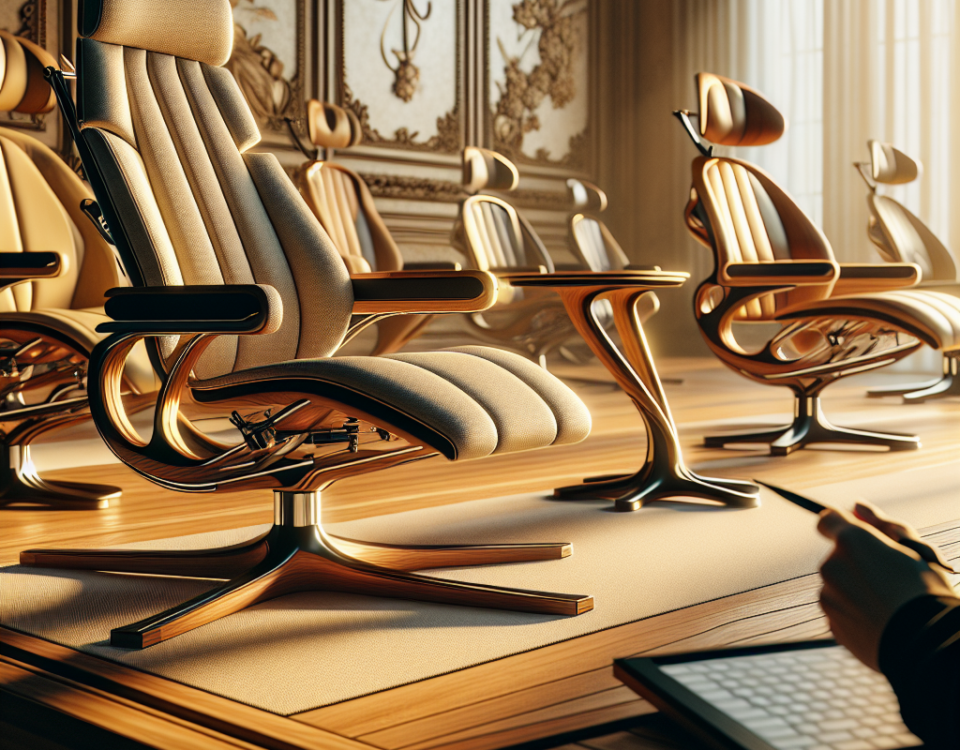
Wood is perhaps the most traditional and beloved material in the world of handcrafted furniture. Its natural beauty and versatility make it a favorite among artisans. From the rich, dark hues of walnut to the light, airy tones of maple, each type of wood offers its own distinct personality. The grain patterns, knots, and textures found in wood add a layer of uniqueness to every piece, ensuring that no two items are exactly alike. Moreover, wood is a material that ages gracefully, developing a patina over time that tells the story of its use and care. This aging process is something that many furniture enthusiasts cherish, as it adds character and history to their cherished pieces.
Transitioning from wood, metal is another material that has found its place in the world of artisanal furniture. Metals like steel, iron, and brass are often used to create sleek, modern designs or to add structural elements to more traditional pieces. The cool, industrial feel of metal can provide a striking contrast to the warmth of wood, resulting in a balanced and harmonious design. Additionally, metal is incredibly durable, making it an excellent choice for furniture that needs to withstand the test of time. Artisans often enjoy experimenting with different finishes, such as brushed, polished, or patinated, to achieve the desired look and feel.
Beyond wood and metal, there is a world of other materials that artisans explore to create unique and innovative furniture pieces. For instance, glass can be used to add an element of transparency and lightness, while stone can introduce a sense of solidity and permanence. Textiles, too, play a significant role, especially in upholstered pieces where the choice of fabric can dramatically alter the overall aesthetic. Leather, with its luxurious texture and durability, is another popular choice, often used in combination with wood or metal to create a sophisticated and timeless look.
As we delve deeper into the materials used in handcrafted furniture, it becomes clear that the possibilities are virtually endless. Artisans are constantly pushing the boundaries, experimenting with new materials and techniques to create pieces that are not only functional but also works of art. This spirit of innovation is what makes artisanal furniture so exciting and appealing to those who appreciate the finer things in life.
In conclusion, the luxury of handcrafted furniture lies not only in the skill and craftsmanship of the maker but also in the thoughtful selection and combination of materials. Whether it’s the warmth of wood, the strength of metal, or the elegance of other materials, each element contributes to the overall beauty and uniqueness of the piece. For those who value quality and individuality, exploring the materials used in artisanal furniture is a rewarding experience that celebrates the artistry and creativity of the makers.
The Art Of Customization: Personalizing Your Space With Artisanal Pieces
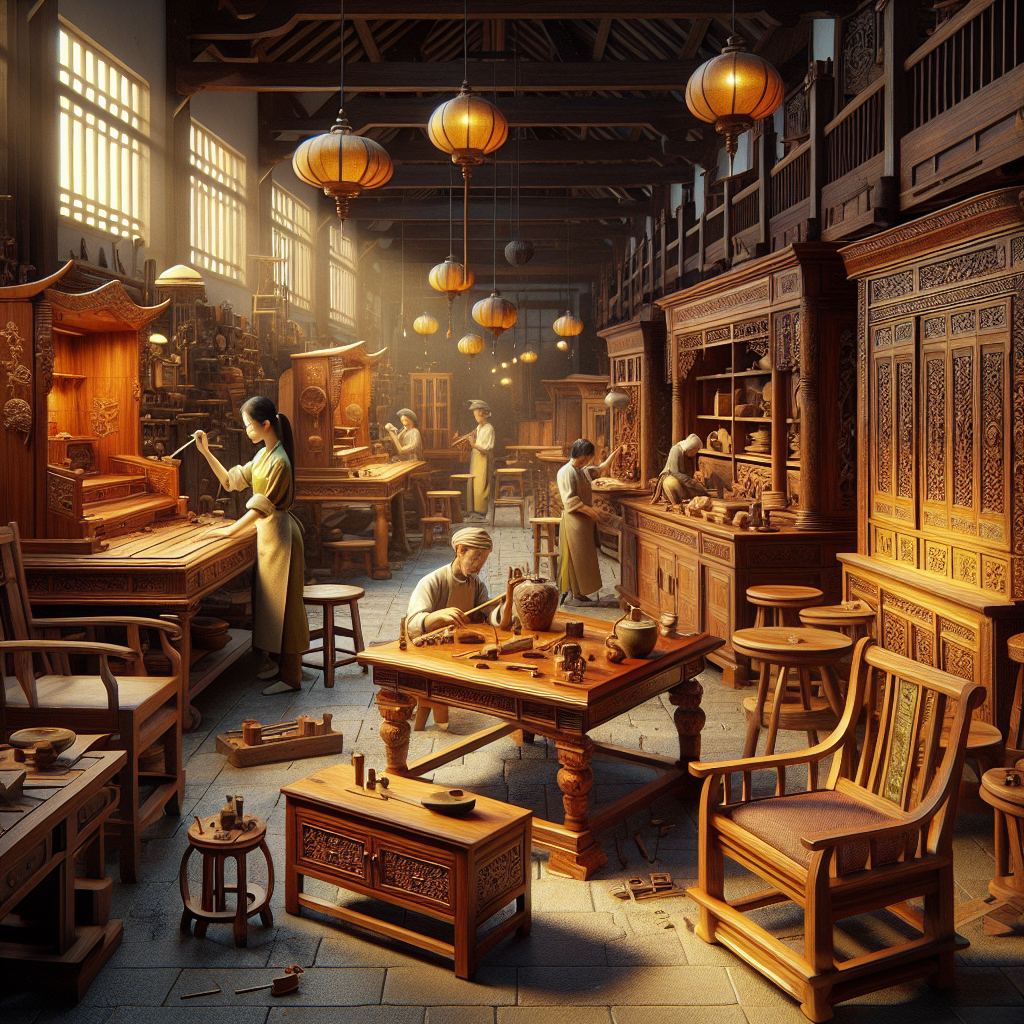
In a world where mass production often takes center stage, there’s something truly special about the art of customization, particularly when it comes to furnishing your home. Artisanal furniture making offers a unique opportunity to personalize your space with pieces that are not only functional but also rich in character and craftsmanship. Imagine walking into a room where every piece of furniture tells a story, each one a testament to the skill and creativity of the artisan who crafted it. This is the luxury of handcrafted furniture, where every detail is thoughtfully considered and meticulously executed.
One of the most appealing aspects of artisanal furniture is the ability to tailor each piece to your specific tastes and needs. Unlike mass-produced items, which often come in standard sizes and finishes, handcrafted pieces can be customized in countless ways. Whether it’s selecting the type of wood, choosing a particular stain, or even deciding on the dimensions, the possibilities are endless. This level of personalization ensures that your furniture not only fits perfectly within your space but also reflects your individual style and personality.
Moreover, artisanal furniture is often made using traditional techniques that have been passed down through generations. These time-honored methods not only ensure the durability and longevity of each piece but also imbue them with a sense of history and authenticity. When you invest in handcrafted furniture, you’re not just buying a product; you’re acquiring a piece of art that has been lovingly created with care and attention to detail. This connection to the past adds a layer of depth and meaning to your home, making it a place that truly feels like your own.
In addition to the aesthetic and emotional benefits, choosing artisanal furniture also supports local artisans and small businesses. By opting for handcrafted pieces, you’re contributing to the preservation of traditional crafts and helping to sustain the livelihoods of skilled artisans. This not only fosters a sense of community but also promotes sustainable practices, as many artisans prioritize using locally sourced materials and environmentally friendly methods. In a world increasingly focused on sustainability, this is an important consideration for many conscientious consumers.
Furthermore, artisanal furniture often boasts a level of quality that is unmatched by mass-produced alternatives. The attention to detail and commitment to excellence that artisans bring to their work results in pieces that are not only beautiful but also built to last. This means that while handcrafted furniture may come with a higher price tag, it is an investment that pays off in the long run. The durability and timeless appeal of these pieces ensure that they will remain cherished items in your home for years to come.
Ultimately, the art of customization through artisanal furniture making allows you to create a living space that is truly unique and reflective of your personal taste. It offers a chance to break away from the cookie-cutter designs of mass production and embrace the individuality and craftsmanship that only handcrafted pieces can provide. So, whether you’re looking to furnish an entire room or simply add a statement piece, consider the luxury of artisanal furniture. It’s an investment in quality, sustainability, and the beauty of personalized design, transforming your home into a space that is as distinctive as you are.
Sustainability And Tradition: The Eco-Friendly Side Of Handcrafted Furniture
In a world increasingly dominated by mass production and disposable goods, the allure of handcrafted furniture stands out as a beacon of sustainability and tradition. Artisanal furniture making is not just about creating beautiful pieces; it’s about preserving age-old techniques and embracing an eco-friendly approach to design. As we delve into the world of handcrafted furniture, we discover how these pieces offer a sustainable alternative to the fast-paced, throwaway culture that has become all too common.
To begin with, the process of crafting furniture by hand inherently supports sustainability. Unlike mass-produced items that often rely on synthetic materials and energy-intensive manufacturing processes, artisanal furniture is typically made from natural, locally sourced materials. This not only reduces the carbon footprint associated with transportation but also supports local economies and reduces the demand for non-renewable resources. Moreover, artisans often use reclaimed or sustainably harvested wood, ensuring that their creations have minimal impact on the environment.
Transitioning from materials to methods, the techniques employed in handcrafted furniture making are steeped in tradition and passed down through generations. These time-honored methods emphasize quality and durability, resulting in pieces that are built to last. In contrast to the disposable nature of many modern furnishings, artisanal pieces are designed to withstand the test of time, reducing the need for frequent replacements and thereby minimizing waste. This longevity is a testament to the skill and dedication of the craftsmen, who pour their heart and soul into every creation.
Furthermore, the personalized nature of handcrafted furniture adds another layer of sustainability. Each piece is unique, often tailored to the specific needs and preferences of the customer. This bespoke approach not only ensures that the furniture fits perfectly into its intended space but also fosters a deeper connection between the owner and the piece. When people invest in furniture that resonates with them personally, they are more likely to cherish and care for it, further extending its lifespan.
In addition to the environmental benefits, supporting artisanal furniture makers also helps preserve cultural heritage. Many of these craftsmen are keepers of traditional skills that might otherwise be lost in the face of industrialization. By choosing handcrafted furniture, consumers are not only acquiring a beautiful and functional item but also contributing to the survival of these invaluable traditions. This cultural preservation is an often-overlooked aspect of sustainability, yet it plays a crucial role in maintaining the diversity and richness of our global heritage.
As we consider the broader implications of our purchasing decisions, it becomes clear that opting for handcrafted furniture is a choice that aligns with both environmental and ethical values. It is a celebration of craftsmanship, a nod to tradition, and a commitment to sustainability. In a world where convenience often trumps quality, taking the time to appreciate and invest in artisanal pieces is a meaningful way to make a positive impact.
In conclusion, the luxury of handcrafted furniture extends far beyond its aesthetic appeal. It embodies a sustainable approach to living, one that values quality over quantity and tradition over trend. By embracing artisanal furniture making, we not only enhance our living spaces with unique and enduring pieces but also contribute to a more sustainable and culturally rich world. So, the next time you’re in the market for furniture, consider the eco-friendly and tradition-rich path of handcrafted pieces; it’s a choice that benefits both you and the planet.
The Master Craftsmen: Stories Behind The Artisans Creating Luxury Furniture
In a world increasingly dominated by mass production and fast-paced consumerism, the allure of handcrafted luxury furniture stands as a testament to the enduring value of artistry and tradition. At the heart of this movement are the master craftsmen, whose stories and skills breathe life into each unique piece. These artisans, often working in small workshops or family-run businesses, dedicate their lives to perfecting the art of furniture making, ensuring that every creation is not just a piece of furniture, but a work of art.
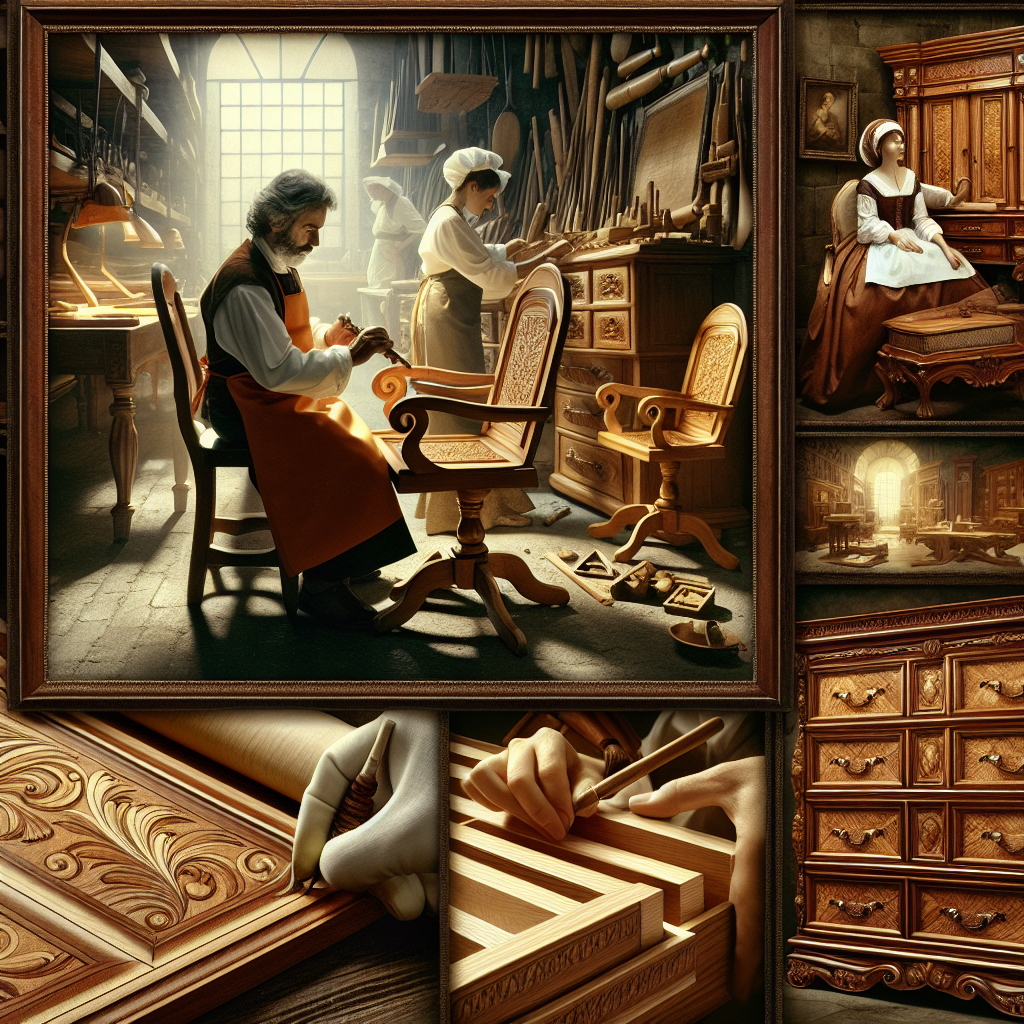
Imagine walking into a workshop where the scent of freshly cut wood mingles with the hum of tools in motion. Here, the craftsmen are not just building furniture; they are weaving stories into every grain and curve. Each piece begins as a vision, a spark of creativity that is nurtured through the careful selection of materials. The artisans often spend years honing their skills, learning the nuances of different woods, and mastering techniques passed down through generations. This dedication to their craft is what sets them apart, allowing them to create pieces that are both functional and beautiful.
One such craftsman, let’s call him Marco, learned the trade from his father, who learned it from his own father. For Marco, furniture making is not just a job; it is a legacy. He speaks of his work with a passion that is infectious, describing how he can spend hours perfecting a single joint or carving intricate details into a chair leg. Marco’s story is not unique; it echoes the experiences of many artisans who view their work as a lifelong journey rather than a mere occupation.
The process of creating luxury furniture is as much about the journey as it is about the final product. From the initial design sketches to the final polish, every step is infused with care and attention to detail. The artisans often collaborate with designers, blending traditional techniques with modern aesthetics to create pieces that are timeless yet contemporary. This fusion of old and new is what makes handcrafted furniture so special, offering a unique blend of history and innovation.
Moreover, the stories behind these artisans add a layer of richness to their creations. Knowing that a table was crafted by someone who spent decades perfecting their craft, or that a chair was made using techniques that have been around for centuries, adds a personal connection to the furniture. It transforms a simple object into a conversation piece, a testament to the skill and dedication of the person who made it.
In an era where everything seems to be moving faster, taking the time to appreciate the craftsmanship behind luxury furniture is a reminder of the beauty of slowing down. It is about valuing quality over quantity, and understanding that true luxury lies not in the price tag, but in the story and skill behind each piece. As we celebrate these master craftsmen, we are not just honoring their work; we are preserving a tradition that enriches our lives and our homes. So, the next time you admire a beautifully crafted piece of furniture, take a moment to appreciate the hands that made it and the stories it carries within its very fibers.
Conclusion
The Luxury of Handcrafted: Celebrating Artisanal Furniture Making highlights the timeless appeal and exceptional quality of handcrafted furniture, emphasizing the skill, dedication, and artistry involved in its creation. It underscores the importance of preserving traditional craftsmanship in an era dominated by mass production, showcasing how artisanal pieces offer unique character, sustainability, and a personal connection between the maker and the owner. The celebration of artisanal furniture making not only honors the rich heritage of craftsmanship but also promotes a more thoughtful and sustainable approach to furnishing our living spaces.