Kinetic Art in Interiors: Movement in Luxury Design
March 14, 2023
Nostalgic Tech: Retro-Futuristic Elements in Modern Luxury
March 28, 2023
-
Table of Contents
- Introduction
- The Allure of Dark Interiors: Creating Cozy and Sophisticated Spaces
- Embracing Moody Palettes: How Deep Hues Transform Modern Design
- The Psychology of Darkness: Why Deep Colors Evoke Luxury and Comfort
- Lighting and Dark Tones: Balancing Illumination in Deep-Hued Spaces
- Textures and Finishes: Enhancing Depth in Dark-Themed Interiors
- Conclusion
Introduction
In the realm of design, where light and color orchestrate the ambiance of a space, the allure of deep, dark hues has emerged as a powerful trend, redefining luxury and sophistication. “The Luxury of Darkness: Embracing Deep Hues in Design” delves into the captivating world of rich, shadowy tones that evoke a sense of mystery and elegance. These colors, often associated with opulence and depth, offer a bold departure from the conventional light and airy palettes, inviting designers and homeowners alike to explore the transformative potential of darkness. By embracing these deep hues, spaces are imbued with a dramatic flair, creating an atmosphere that is both intimate and grand. This exploration not only highlights the aesthetic appeal of dark colors but also examines their psychological impact, demonstrating how they can evoke a sense of calm, focus, and luxury. Through a blend of historical context, contemporary examples, and practical applications, this introduction sets the stage for a deeper understanding of how darkness, when skillfully applied, can elevate design to new heights of sophistication and allure.
The Allure of Dark Interiors: Creating Cozy and Sophisticated Spaces
In recent years, the world of interior design has seen a significant shift towards embracing darker hues, and it’s easy to understand why. The allure of dark interiors lies in their ability to create spaces that are both cozy and sophisticated, offering a unique blend of comfort and elegance. While some may shy away from using deep colors, fearing they might make a room feel smaller or too intense, the truth is that when used thoughtfully, dark tones can transform a space into a luxurious retreat.
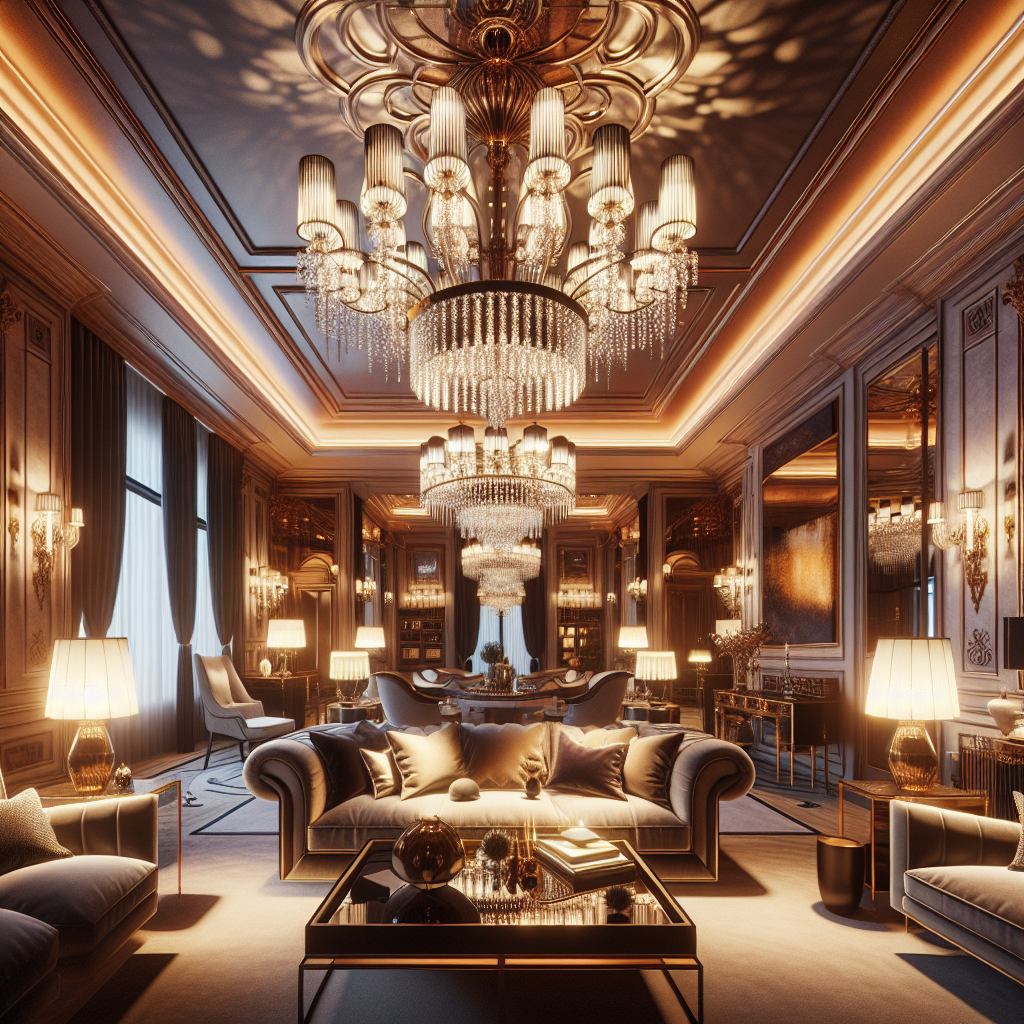
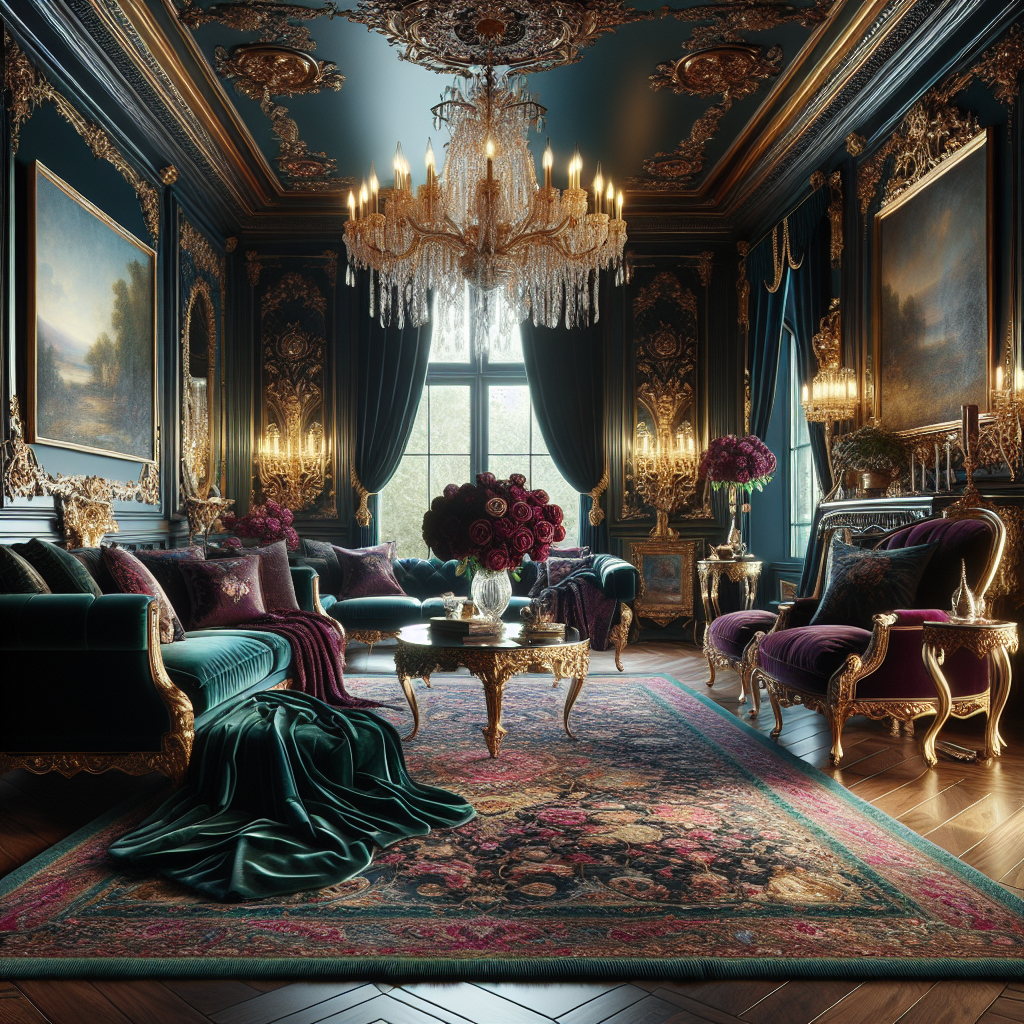
One of the key benefits of incorporating dark colors into your home is the sense of intimacy they can create. Dark walls, for instance, can envelop a room, making it feel like a warm, inviting cocoon. This is particularly appealing in spaces where relaxation is the goal, such as bedrooms or living rooms. Imagine sinking into a plush sofa surrounded by rich navy or charcoal walls, with soft lighting casting a gentle glow. It’s the perfect setting for unwinding after a long day.
Moreover, dark interiors have a way of highlighting other elements in a room. When paired with lighter furniture or metallic accents, deep hues can make these features pop, adding depth and interest to the overall design. For example, a dark green wall can serve as a stunning backdrop for a cream-colored sofa or a gold-framed mirror, creating a striking contrast that draws the eye. This interplay of light and dark not only adds visual intrigue but also enhances the sense of balance and harmony within the space.
Transitioning from the visual to the tactile, dark interiors also offer a wonderful opportunity to play with textures. The richness of deep colors can be complemented by a variety of materials, from velvet and leather to wood and stone. These textures add layers to a room, making it feel more dynamic and inviting. A dark, moody palette can be softened with the addition of a plush rug or a knitted throw, creating a space that is as comfortable as it is stylish.
Furthermore, embracing dark hues doesn’t mean you have to commit to an entirely monochromatic scheme. In fact, incorporating different shades and tones can add complexity and depth to your design. Consider using a range of dark colors, such as deep blues, rich burgundies, and earthy browns, to create a cohesive yet varied look. This approach allows you to maintain the sophisticated feel of a dark interior while introducing subtle variations that keep the space from feeling flat or one-dimensional.
Of course, lighting plays a crucial role in the success of dark interiors. Proper lighting can enhance the mood and highlight the beauty of deep colors. Layering different types of lighting, such as ambient, task, and accent lighting, can help create a well-lit space that feels both functional and atmospheric. Dimmable lights are particularly useful, allowing you to adjust the brightness to suit different occasions and times of day.
In conclusion, the luxury of darkness in interior design is all about embracing the depth and richness that deep hues can bring to a space. By thoughtfully incorporating dark colors, playing with textures, and using lighting to your advantage, you can create interiors that are not only cozy and inviting but also exude a sense of sophistication and style. So, don’t be afraid to explore the darker side of design; you might just find that it brings a whole new level of warmth and elegance to your home.
Embracing Moody Palettes: How Deep Hues Transform Modern Design
In recent years, the world of interior design has seen a significant shift towards embracing moody palettes, with deep hues taking center stage in modern design. This trend, which celebrates the luxury of darkness, is all about creating spaces that are both sophisticated and inviting. As we explore this fascinating design movement, it becomes clear that these rich colors have the power to transform any space into a haven of elegance and comfort.
To begin with, deep hues such as navy blue, forest green, and charcoal gray have an innate ability to evoke a sense of calm and tranquility. These colors, often associated with the natural world, bring a grounding effect to interiors, making them perfect for creating a serene atmosphere. When used thoughtfully, they can envelop a room in warmth, making it feel like a cozy retreat from the hustle and bustle of everyday life. Moreover, these colors have a timeless quality that ensures they remain stylish and relevant, regardless of changing trends.
In addition to their calming properties, deep hues also have the remarkable ability to add depth and dimension to a space. When applied to walls, they can make a room feel more expansive, drawing the eye and creating a sense of intrigue. This is particularly effective in smaller spaces, where the use of darker colors can blur the boundaries and make the room appear larger than it actually is. Furthermore, these colors can be used to highlight architectural features, such as moldings or built-in shelving, adding an extra layer of interest to the design.
Transitioning from walls to furnishings, incorporating deep hues into furniture and accessories is another way to embrace this trend. A plush velvet sofa in a rich burgundy or a set of midnight blue dining chairs can serve as stunning focal points, adding a touch of luxury to any room. These pieces not only provide visual interest but also invite tactile engagement, encouraging people to sit back and relax. Additionally, pairing these bold pieces with lighter, neutral tones can create a balanced and harmonious look, allowing the deep hues to shine without overwhelming the space.
Lighting also plays a crucial role in enhancing the beauty of moody palettes. The right lighting can accentuate the richness of deep hues, creating a dramatic and inviting ambiance. Soft, warm lighting, such as that from table lamps or wall sconces, can add a cozy glow, while strategically placed spotlights can highlight specific areas or features. By experimenting with different lighting options, one can achieve a perfect balance that complements the overall design.
Finally, accessorizing with metallics and textures can elevate the use of deep hues in a space. Gold or brass accents, for instance, can add a touch of glamour and sophistication, while textured materials like wool or leather can introduce an element of comfort and warmth. These details not only enhance the overall aesthetic but also contribute to a layered and cohesive design.
In conclusion, embracing moody palettes and deep hues in modern design is all about creating spaces that are both luxurious and inviting. By thoughtfully incorporating these colors into various elements of a room, from walls to furnishings and accessories, one can achieve a look that is both timeless and contemporary. As we continue to explore the possibilities of this trend, it becomes clear that the luxury of darkness is here to stay, offering endless opportunities for creativity and expression in interior design.
The Psychology of Darkness: Why Deep Colors Evoke Luxury and Comfort
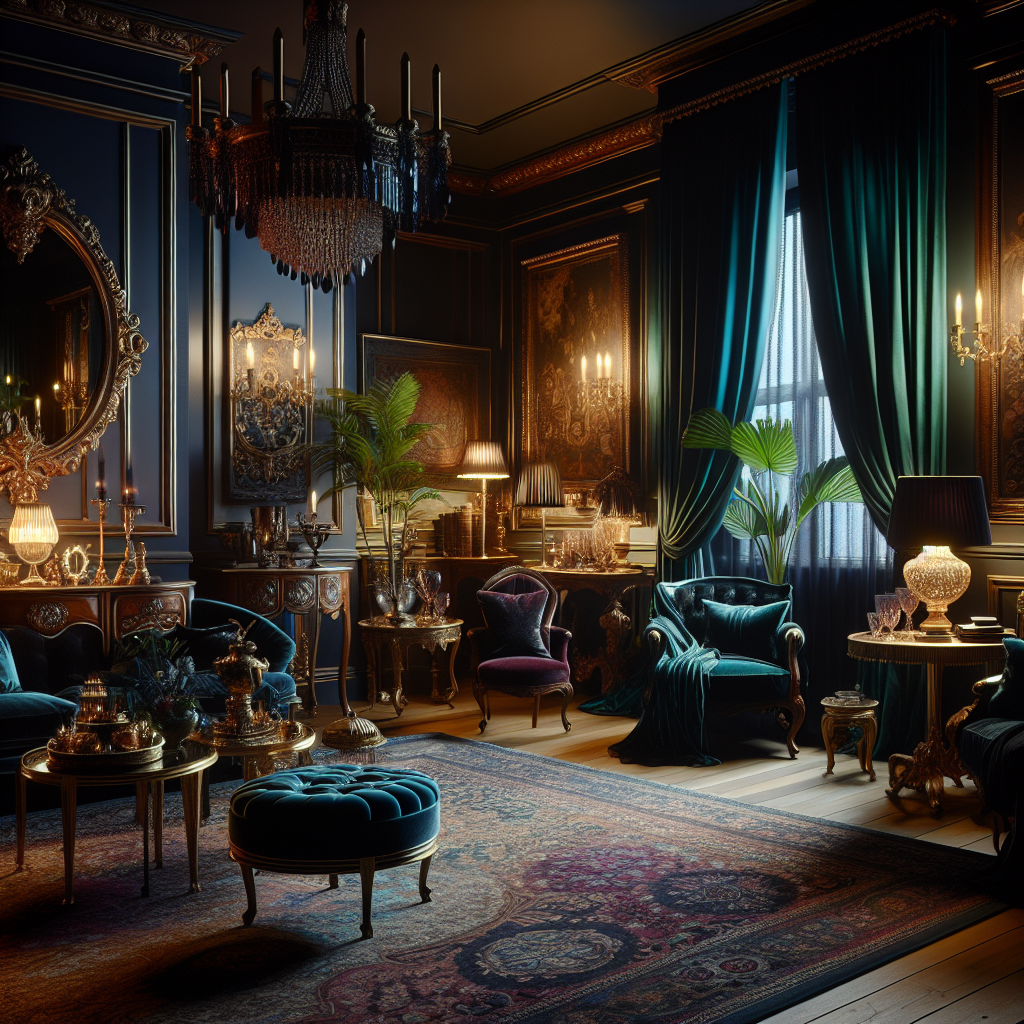
When it comes to interior design, the use of color can dramatically transform a space, influencing not only its aesthetic appeal but also the mood it evokes. Among the myriad of hues available, deep, dark colors have a unique ability to convey a sense of luxury and comfort. While some might shy away from these bold choices, fearing they might make a room feel smaller or too intense, embracing the luxury of darkness can actually create an inviting and sophisticated atmosphere.
To understand why deep colors evoke such feelings of opulence and coziness, it’s essential to delve into the psychology of color. Dark hues, such as navy blue, charcoal gray, and rich burgundy, are often associated with elegance and sophistication. These colors have a grounding effect, providing a sense of stability and security. When used thoughtfully, they can transform a space into a sanctuary, offering a retreat from the chaos of the outside world.
Moreover, dark colors have a way of adding depth and dimension to a room. They can make a space feel more intimate and enclosed, which is particularly appealing in areas meant for relaxation, such as bedrooms or living rooms. The enveloping nature of these hues can create a cocoon-like effect, making you feel as though you’re being gently embraced by the walls around you. This sense of enclosure can be incredibly comforting, especially in today’s fast-paced world where finding moments of peace is increasingly important.
In addition to their psychological impact, deep colors also have a practical side. They are excellent at hiding imperfections, whether it’s a slight blemish on the wall or a piece of furniture that’s seen better days. This makes them a practical choice for high-traffic areas or homes with children and pets. Furthermore, dark colors can serve as a stunning backdrop for artwork and decorative pieces, allowing them to stand out and make a statement.
Transitioning from the practical to the aesthetic, it’s worth noting that dark colors can be incredibly versatile. They pair beautifully with a wide range of other hues, from soft pastels to vibrant jewel tones. This versatility allows for endless creativity in design, enabling you to tailor a space to your personal taste while still maintaining that luxurious feel. For instance, pairing a deep navy wall with gold accents can create a regal atmosphere, while combining charcoal gray with blush pink can result in a chic and modern look.
Of course, incorporating dark colors into your design doesn’t mean you have to commit to painting all your walls in these shades. There are plenty of ways to introduce these hues into your space without overwhelming it. Consider using dark colors in your furniture, textiles, or accessories. A plush velvet sofa in a deep green or a set of midnight blue curtains can add just the right amount of drama and sophistication to a room.
In conclusion, while the idea of using dark colors in design might initially seem daunting, the benefits they offer in terms of luxury and comfort are undeniable. By understanding the psychology behind these hues and exploring creative ways to incorporate them into your space, you can create an environment that is both stylish and inviting. So, don’t be afraid to embrace the luxury of darkness and let these deep colors transform your home into a haven of elegance and warmth.
Lighting and Dark Tones: Balancing Illumination in Deep-Hued Spaces
When it comes to interior design, the use of deep hues can transform a space into a luxurious haven, exuding sophistication and warmth. However, one of the challenges that often accompanies the use of dark tones is ensuring that the space remains well-lit and inviting. Balancing illumination in deep-hued spaces is an art in itself, but with a few thoughtful considerations, you can create an environment that feels both cozy and vibrant.
To begin with, it’s essential to understand that lighting plays a crucial role in how colors are perceived. In spaces dominated by dark tones, the right lighting can enhance the richness of the colors, making them appear more dynamic and less oppressive. Natural light is your best friend in this scenario. Large windows or strategically placed mirrors can help maximize the amount of daylight entering the room, creating a sense of openness and airiness. If your space lacks natural light, consider using light-colored curtains or blinds that allow sunlight to filter through without being obstructed.
In addition to natural light, artificial lighting is key to balancing deep hues. Layered lighting, which involves using multiple light sources at different levels, can add depth and dimension to a room. Start with ambient lighting, such as ceiling fixtures or recessed lights, to provide overall illumination. Then, incorporate task lighting, like table lamps or under-cabinet lights, to highlight specific areas where activities such as reading or cooking take place. Finally, accent lighting, such as wall sconces or LED strips, can be used to draw attention to architectural features or artwork, adding a touch of drama and elegance.
Moreover, the color temperature of your light bulbs can significantly impact the ambiance of a dark-toned space. Warm white bulbs, with their yellowish hue, can create a cozy and inviting atmosphere, complementing the richness of deep colors. On the other hand, cool white bulbs, which emit a bluish light, can make a space feel more modern and crisp. Depending on the mood you wish to evoke, you can experiment with different color temperatures to find the perfect balance.
Another aspect to consider is the finish of your dark surfaces. Matte finishes tend to absorb light, which can make a room feel more intimate but also potentially smaller. In contrast, glossy finishes reflect light, adding a sense of brightness and spaciousness. By mixing and matching these finishes, you can create a dynamic interplay of light and shadow, enhancing the overall aesthetic of the space.
Furthermore, incorporating metallic accents can also help in reflecting light and adding a touch of glamour. Think of brass fixtures, gold-framed mirrors, or silver accessories that catch the light and create visual interest. These elements not only break up the monotony of dark tones but also contribute to a more balanced and harmonious design.
Ultimately, embracing deep hues in design doesn’t mean sacrificing light and openness. With careful planning and a thoughtful approach to lighting, you can create a space that feels both luxurious and inviting. By considering the interplay of natural and artificial light, experimenting with finishes, and adding reflective accents, you can achieve a perfect balance that highlights the beauty of darkness while ensuring your space remains a welcoming retreat.
Textures and Finishes: Enhancing Depth in Dark-Themed Interiors
When it comes to interior design, the allure of dark hues is undeniable. These deep shades, ranging from rich navy blues to velvety blacks, have a unique ability to transform a space, creating an atmosphere of sophistication and intimacy. However, the secret to mastering dark-themed interiors lies not just in the colors themselves, but in the textures and finishes that accompany them. By thoughtfully incorporating various materials and surfaces, you can enhance the depth and richness of these moody palettes, turning any room into a luxurious retreat.
To begin with, consider the role of texture in adding dimension to dark interiors. Textures can break up the monotony of a single color, providing visual interest and tactile appeal. For instance, a matte black wall can serve as a stunning backdrop when paired with plush velvet furniture. The contrast between the smooth, flat surface of the wall and the soft, inviting texture of the velvet creates a dynamic interplay that draws the eye and invites touch. Similarly, incorporating materials like leather, wool, or even rough-hewn wood can add layers of complexity to a space, making it feel both cozy and sophisticated.
In addition to texture, the finish of a material can significantly impact the overall feel of a dark-themed room. Glossy finishes, for example, can reflect light and add a touch of glamour to an otherwise subdued palette. Imagine a sleek, high-gloss black dining table set against a backdrop of deep charcoal walls. The reflective surface of the table not only catches the light but also creates a sense of movement and energy within the space. On the other hand, matte finishes can absorb light, lending a sense of calm and serenity. A matte finish on cabinetry or fixtures can create a subtle, understated elegance that complements the richness of dark hues.
Moreover, the interplay of light and shadow is crucial in enhancing the depth of dark interiors. Strategic lighting can highlight textures and finishes, bringing out the nuances of each material. Consider using layered lighting, such as a combination of ambient, task, and accent lighting, to create a warm and inviting atmosphere. Soft, diffused lighting can accentuate the plushness of a velvet sofa, while a focused spotlight can draw attention to the intricate grain of a wooden coffee table. By playing with light and shadow, you can add a sense of drama and intrigue to your space.
Furthermore, metallic accents can serve as the perfect complement to dark-themed interiors, adding a touch of opulence and sophistication. Whether it’s a brass lamp, a copper vase, or gold-framed artwork, these metallic elements can catch the light and provide a striking contrast to deep hues. The reflective quality of metals can also help to break up the darkness, adding a sense of brightness and vitality to the room.
In conclusion, embracing deep hues in interior design is about more than just choosing the right colors. It’s about creating a harmonious balance of textures, finishes, and lighting that enhances the inherent beauty of these shades. By thoughtfully incorporating these elements, you can transform any space into a luxurious haven that exudes warmth, depth, and sophistication. So, don’t shy away from the dark side; instead, embrace it with open arms and let your creativity shine.
Conclusion
The Luxury of Darkness: Embracing Deep Hues in Design highlights the transformative power of dark color palettes in creating sophisticated and intimate spaces. By utilizing deep hues, designers can evoke a sense of luxury, depth, and drama, while also providing a backdrop that enhances other design elements. The strategic use of dark colors can redefine spatial perceptions, making environments feel both expansive and cozy. Ultimately, embracing these rich tones allows for a bold expression of style and elegance, proving that darkness in design is not just an absence of light, but a deliberate and impactful choice.