The Luxury of Darkness: Embracing Deep Hues in Design
March 21, 2023
The Art of Division: Luxurious Room Dividers and Screens
April 4, 2023
-
Table of Contents
- Introduction
- Revival Of Vinyl: The Timeless Appeal Of Analog Sound In A Digital Age
- Typewriter Renaissance: The Charm Of Mechanical Keyboards In Contemporary Design
- Polaroid Comeback: Instant Photography’s Role In Modern Luxury Experiences
- Retro Gaming Consoles: The Allure Of Classic Games In Today’s High-Tech World
- Vintage Aesthetics: Incorporating Mid-Century Design In Modern Tech Gadgets
- Conclusion
Introduction
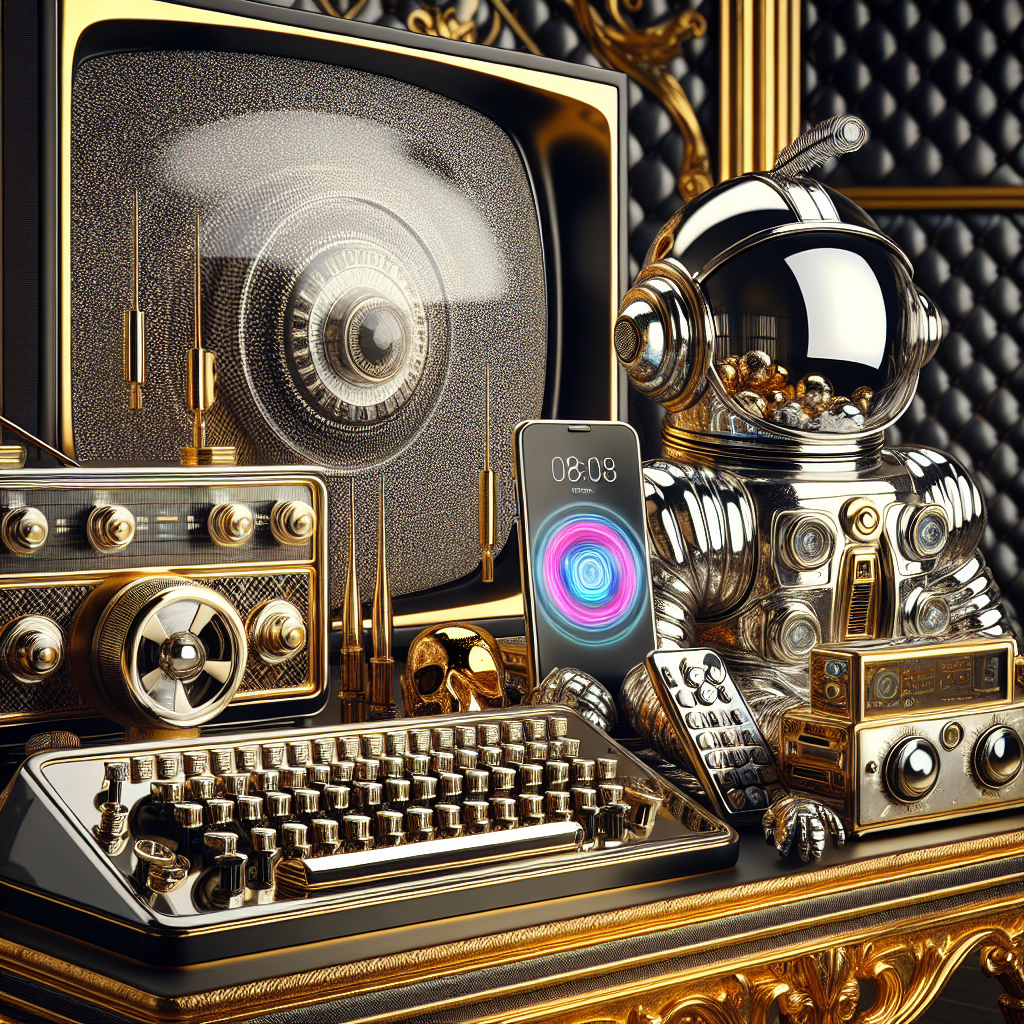
Nostalgic Tech: Retro-Futuristic Elements in Modern Luxury explores the fascinating intersection of past and future within the realm of high-end design and technology. As society hurtles forward in an era defined by rapid technological advancement, there is a growing trend among luxury brands to incorporate retro-futuristic aesthetics—elements that evoke a sense of nostalgia for past visions of the future—into their products and experiences. This movement is characterized by a blend of vintage design motifs and cutting-edge innovation, creating a unique juxtaposition that appeals to consumers’ longing for the familiar while simultaneously offering the allure of the novel. From the sleek lines and bold colors reminiscent of mid-20th-century science fiction to the integration of analog features in digital devices, nostalgic tech captures the imagination by reimagining the future through the lens of the past. This trend not only highlights the cyclical nature of design but also underscores a cultural desire to find comfort and inspiration in the technological dreams of yesteryear, all while enjoying the luxuries of today.
Revival Of Vinyl: The Timeless Appeal Of Analog Sound In A Digital Age
In an era dominated by digital streaming and instant access to vast music libraries, it’s fascinating to witness the revival of vinyl records, a medium that many had once considered obsolete. This resurgence is not just a fleeting trend but a testament to the timeless appeal of analog sound. As we delve into the reasons behind this phenomenon, it becomes clear that vinyl offers something uniquely satisfying that digital formats often lack.
To begin with, there’s an undeniable charm in the tactile experience of vinyl. The act of carefully selecting a record, gently placing it on the turntable, and lowering the needle is a ritual that engages the senses in a way that clicking a play button simply cannot. This process invites listeners to slow down and savor the music, creating a more intentional and immersive experience. Moreover, the large album covers and intricate artwork provide a visual feast that complements the auditory pleasure, making vinyl a feast for both the eyes and ears.
Transitioning from the physical to the auditory, the sound quality of vinyl is another compelling factor in its revival. Many audiophiles argue that vinyl offers a warmer, richer sound compared to digital formats. This is largely due to the analog nature of vinyl, which captures the full spectrum of sound waves, preserving the nuances and depth of the original recording. In contrast, digital formats often compress audio files, which can result in a loss of detail. For those who appreciate the subtleties of music, vinyl provides an authentic listening experience that digital simply can’t replicate.
Furthermore, the resurgence of vinyl is also a reflection of a broader cultural shift towards nostalgia and retro-futurism. In a world where technology is constantly evolving, there’s a growing appreciation for the past and a desire to reconnect with simpler times. Vinyl embodies this sentiment, offering a tangible link to the history of music and a reminder of the days when listening to an album was an event in itself. This nostalgic appeal is particularly strong among younger generations who may have never experienced vinyl firsthand but are drawn to its vintage allure.
In addition to its nostalgic value, vinyl has also become a symbol of luxury and exclusivity in the modern age. Limited edition releases, colored vinyl, and special box sets have turned records into coveted collector’s items. Owning a rare or unique vinyl pressing is akin to possessing a piece of art, adding an element of prestige to one’s music collection. This aspect of vinyl culture has been embraced by both artists and fans, further fueling its popularity.
As we continue to navigate the digital age, the revival of vinyl serves as a reminder of the enduring power of analog sound. It highlights the importance of slowing down, appreciating the details, and finding joy in the tangible. While digital music will undoubtedly remain the dominant format, vinyl offers a complementary experience that enriches our relationship with music. In embracing this retro-futuristic element, we not only celebrate the past but also enhance our present, creating a harmonious blend of old and new that resonates with music lovers around the world.
Typewriter Renaissance: The Charm Of Mechanical Keyboards In Contemporary Design
In a world where technology is constantly evolving, there’s something undeniably charming about the nostalgia of yesteryear. This sentiment is particularly evident in the resurgence of mechanical keyboards, which have become a beloved staple in contemporary design. These keyboards, reminiscent of the classic typewriters, are making a significant comeback, blending retro-futuristic elements with modern luxury. As we delve into this fascinating trend, it’s easy to see why mechanical keyboards are capturing the hearts of tech enthusiasts and design aficionados alike.
To begin with, the tactile experience of using a mechanical keyboard is a major draw for many. Unlike their membrane counterparts, mechanical keyboards offer a satisfying click-clack sound and a distinct tactile feedback with each keystroke. This sensory experience is reminiscent of the typewriters of the past, evoking a sense of nostalgia that many find comforting in our fast-paced digital age. The sound and feel of these keyboards can transport users back to a time when writing was a more deliberate and thoughtful process, adding a touch of romance to everyday tasks.
Moreover, the aesthetic appeal of mechanical keyboards cannot be overstated. With their sleek designs and customizable features, these keyboards are as much a statement piece as they are a functional tool. Many models are available in a variety of colors and finishes, allowing users to express their personal style. Some even feature retro-inspired keycaps and backlighting options that harken back to the golden age of typewriters. This blend of old and new creates a unique visual appeal that is both nostalgic and cutting-edge, making mechanical keyboards a perfect addition to any modern workspace.
In addition to their sensory and aesthetic qualities, mechanical keyboards are also prized for their durability and performance. Built to withstand heavy use, these keyboards are often constructed with high-quality materials that ensure longevity. This makes them an attractive option for those who spend long hours typing, whether for work or leisure. The robust nature of mechanical keyboards means they can handle the demands of intense gaming sessions or marathon writing projects, providing a reliable and enjoyable user experience.
Furthermore, the rise of remote work and home offices has contributed to the growing popularity of mechanical keyboards. As more people seek to create personalized and inspiring work environments, the demand for unique and high-quality office accessories has increased. Mechanical keyboards, with their blend of functionality and style, fit perfectly into this trend. They offer a way to elevate the home office experience, making work feel less like a chore and more like a creative endeavor.
As we continue to embrace the digital age, it’s clear that the allure of nostalgic tech remains strong. Mechanical keyboards, with their retro-futuristic charm, are a testament to the enduring appeal of blending the past with the present. They remind us that while technology may advance, the desire for a tactile, engaging experience remains constant. Whether you’re a writer, a gamer, or simply someone who appreciates good design, mechanical keyboards offer a delightful fusion of form and function that is hard to resist. So, as you consider your next tech purchase, why not indulge in a little nostalgia and experience the charm of a mechanical keyboard for yourself?
Polaroid Comeback: Instant Photography’s Role In Modern Luxury Experiences
In a world where digital technology dominates our daily lives, there’s something undeniably charming about the tactile experience of instant photography. The Polaroid camera, once a staple of family gatherings and spontaneous adventures, has made a remarkable comeback, finding its place in the realm of modern luxury experiences. This resurgence is not just about capturing moments; it’s about creating a tangible connection to the past while embracing the present.
The allure of instant photography lies in its ability to transform fleeting moments into physical keepsakes. In an era where most photos are stored in the cloud, the act of holding a freshly developed Polaroid picture feels almost magical. It’s a sensory experience that digital photography simply can’t replicate. This tangible quality is precisely what makes Polaroid cameras so appealing in today’s luxury market. They offer a sense of nostalgia, a nod to simpler times when capturing a memory was as much about the process as it was about the result.
Moreover, the resurgence of Polaroid cameras is closely tied to the broader trend of retro-futurism in luxury design. This aesthetic combines elements of the past with futuristic concepts, creating a unique blend that resonates with consumers seeking authenticity and innovation. Polaroid cameras, with their vintage design and modern functionality, perfectly embody this trend. They serve as a bridge between generations, appealing to those who remember their original heyday and to younger audiences discovering them for the first time.
In addition to their nostalgic appeal, Polaroid cameras have become a symbol of exclusivity and personalization in luxury experiences. High-end events and boutique hotels are increasingly incorporating instant photography into their offerings, providing guests with a unique and memorable way to capture their experiences. Whether it’s a personalized photo booth at a wedding or a curated Polaroid album in a luxury suite, these experiences add a personal touch that elevates the overall sense of luxury.
Furthermore, the Polaroid comeback is not just about the cameras themselves but also about the community and culture that surrounds them. Enthusiasts and artists alike have embraced instant photography as a medium for creative expression. Social media platforms are filled with Polaroid-inspired content, showcasing everything from artistic compositions to candid snapshots. This vibrant community has helped to sustain the popularity of Polaroid cameras, ensuring that they remain relevant in a rapidly changing technological landscape.
As we continue to navigate a world dominated by digital innovation, the Polaroid comeback serves as a reminder of the value of analog experiences. It highlights the importance of slowing down, savoring the moment, and appreciating the beauty of imperfection. In a sense, instant photography encourages us to be present, to engage with our surroundings, and to cherish the memories we create.
In conclusion, the revival of Polaroid cameras in modern luxury experiences is a testament to the enduring appeal of nostalgia and the desire for authenticity. By blending retro-futuristic elements with contemporary luxury, Polaroid cameras offer a unique way to capture and celebrate life’s moments. As we look to the future, it’s clear that the charm of instant photography will continue to play a significant role in shaping the way we experience and remember the world around us.
Retro Gaming Consoles: The Allure Of Classic Games In Today’s High-Tech World
In a world where technology is advancing at breakneck speed, there’s something undeniably charming about the simplicity of retro gaming consoles. These classic devices, once the pinnacle of home entertainment, have made a surprising comeback in today’s high-tech world. It’s fascinating to see how these nostalgic pieces of technology have found a place in modern luxury, offering a unique blend of the past and present that captivates both seasoned gamers and newcomers alike.
The allure of retro gaming consoles lies in their ability to transport us back to a simpler time, when gaming was all about pixelated graphics and straightforward gameplay. For many, these consoles evoke fond memories of childhood, when afternoons were spent battling pixelated foes or racing against friends in 8-bit worlds. This sense of nostalgia is powerful, and it’s no wonder that people are drawn to these classic games, even in an era dominated by hyper-realistic graphics and complex storylines.
Moreover, retro gaming consoles offer a refreshing break from the often overwhelming nature of modern gaming. Today’s games can be incredibly immersive, with intricate plots and expansive open worlds that demand hours of dedication. In contrast, classic games are typically easy to pick up and play, providing instant gratification without the need for a steep learning curve. This simplicity is a key factor in their enduring appeal, as it allows players to enjoy a quick gaming session without the commitment required by many contemporary titles.
Interestingly, the resurgence of retro gaming has also been fueled by the rise of the “retro-futuristic” aesthetic in modern luxury. This design trend, which combines elements of vintage and futuristic styles, has permeated various aspects of contemporary culture, from fashion to interior design. In the realm of gaming, this has manifested in the form of sleek, modern consoles that pay homage to their classic predecessors. These devices often feature updated hardware and connectivity options, allowing players to enjoy their favorite retro games on modern televisions without sacrificing the authentic experience.
Furthermore, the popularity of retro gaming has led to the creation of a thriving market for classic games and consoles. Collectors and enthusiasts are willing to pay top dollar for rare and well-preserved items, driving up the value of these nostalgic treasures. This has, in turn, inspired a new generation of gamers to explore the rich history of video games, discovering the roots of the industry and gaining a deeper appreciation for the innovations that have shaped it.
In addition to the nostalgia factor, retro gaming consoles also offer a sense of community and connection. Many classic games were designed with multiplayer experiences in mind, encouraging players to gather around a single screen and share the fun. This social aspect of gaming is often lost in today’s online multiplayer environments, where players are physically separated by screens and miles. By bringing people together in the same room, retro gaming consoles foster a sense of camaraderie and shared enjoyment that is increasingly rare in the digital age.
In conclusion, the allure of retro gaming consoles in today’s high-tech world is a testament to the timeless appeal of classic games. By offering a nostalgic escape from the complexities of modern gaming, these devices provide a unique blend of simplicity and sophistication that resonates with players of all ages. As we continue to embrace the retro-futuristic elements in modern luxury, it’s clear that the charm of these classic consoles will endure for years to come.
Vintage Aesthetics: Incorporating Mid-Century Design In Modern Tech Gadgets
In recent years, there’s been a fascinating trend in the world of technology where modern gadgets are embracing vintage aesthetics, particularly those inspired by mid-century design. This retro-futuristic approach not only evokes a sense of nostalgia but also adds a touch of luxury to everyday tech items. As we delve into this trend, it’s intriguing to see how designers are skillfully blending the charm of the past with the innovation of the present, creating products that are both functional and visually appealing.
To begin with, the mid-century era, spanning roughly from the 1940s to the 1960s, was characterized by clean lines, organic curves, and a minimalist approach. These design principles are making a comeback in today’s tech gadgets, offering a refreshing departure from the sleek, ultra-modern designs that have dominated the market for years. For instance, consider the resurgence of turntables and record players. While they incorporate the latest audio technology, their design often harks back to the golden age of vinyl, with wooden finishes and analog dials that transport users to a different time.
Moreover, this trend isn’t limited to audio equipment. Take, for example, the recent wave of retro-inspired cameras. These devices often feature leatherette bodies and manual controls reminiscent of classic film cameras, yet they are equipped with cutting-edge digital sensors and connectivity options. This fusion of old and new not only appeals to photography enthusiasts who appreciate the tactile experience of traditional cameras but also to a broader audience that values the aesthetic appeal of vintage design.
In addition to personal gadgets, home technology is also embracing mid-century influences. Smart speakers and home assistants, for instance, are being designed with fabric covers and wooden accents that blend seamlessly into mid-century modern interiors. This thoughtful design approach ensures that technology enhances rather than disrupts the aesthetic harmony of a living space. It’s a testament to how tech companies are recognizing the importance of design in creating products that resonate with consumers on a deeper level.
Furthermore, the appeal of retro-futuristic design extends beyond mere aesthetics. It taps into a collective nostalgia, a yearning for a time when technology was seen as a gateway to a brighter, more optimistic future. By incorporating elements of mid-century design, modern gadgets evoke this sense of wonder and possibility, reminding us of a time when the world was on the cusp of technological revolution. This emotional connection can make using these gadgets a more enriching experience, as they become more than just tools but also conversation pieces that tell a story.
As we continue to see this trend evolve, it’s clear that the marriage of vintage aesthetics and modern technology is more than just a passing fad. It represents a thoughtful approach to design that values both form and function, creating products that are not only innovative but also timeless. Whether it’s through the warm glow of a retro-inspired lamp or the satisfying click of a mechanical keyboard, these elements of mid-century design bring a touch of nostalgia and luxury to our modern lives. In doing so, they remind us that while technology continues to advance at a rapid pace, there’s always room to appreciate the beauty and simplicity of the past.
Conclusion
Nostalgic Tech: Retro-Futuristic Elements in Modern Luxury highlights the growing trend of integrating vintage design aesthetics with cutting-edge technology in luxury products. This fusion appeals to consumers’ desire for both innovation and familiarity, creating a unique market niche that combines the charm of the past with the functionality of the future. By leveraging retro-futuristic elements, brands can evoke a sense of nostalgia while offering modern conveniences, thus enhancing the emotional and experiential value of their offerings. This trend not only reflects a cultural longing for simpler times but also demonstrates how past and future can coexist harmoniously in contemporary luxury design.