Nostalgic Tech: Retro-Futuristic Elements in Modern Luxury
March 28, 2023
Luxury at the Threshold: Elevating Entryways and Foyers
April 11, 2023
-
Table of Contents
- Introduction
- Exploring Elegance: The History and Evolution of Luxurious Room Dividers
- Designing with Purpose: How to Choose the Perfect Room Divider for Your Space
- Materials Matter: A Guide to the Finest Materials Used in Luxurious Screens
- Beyond Functionality: The Aesthetic Impact of Room Dividers in Interior Design
- Innovative Designs: The Future of Luxurious Room Dividers and Screens
- Conclusion
Introduction
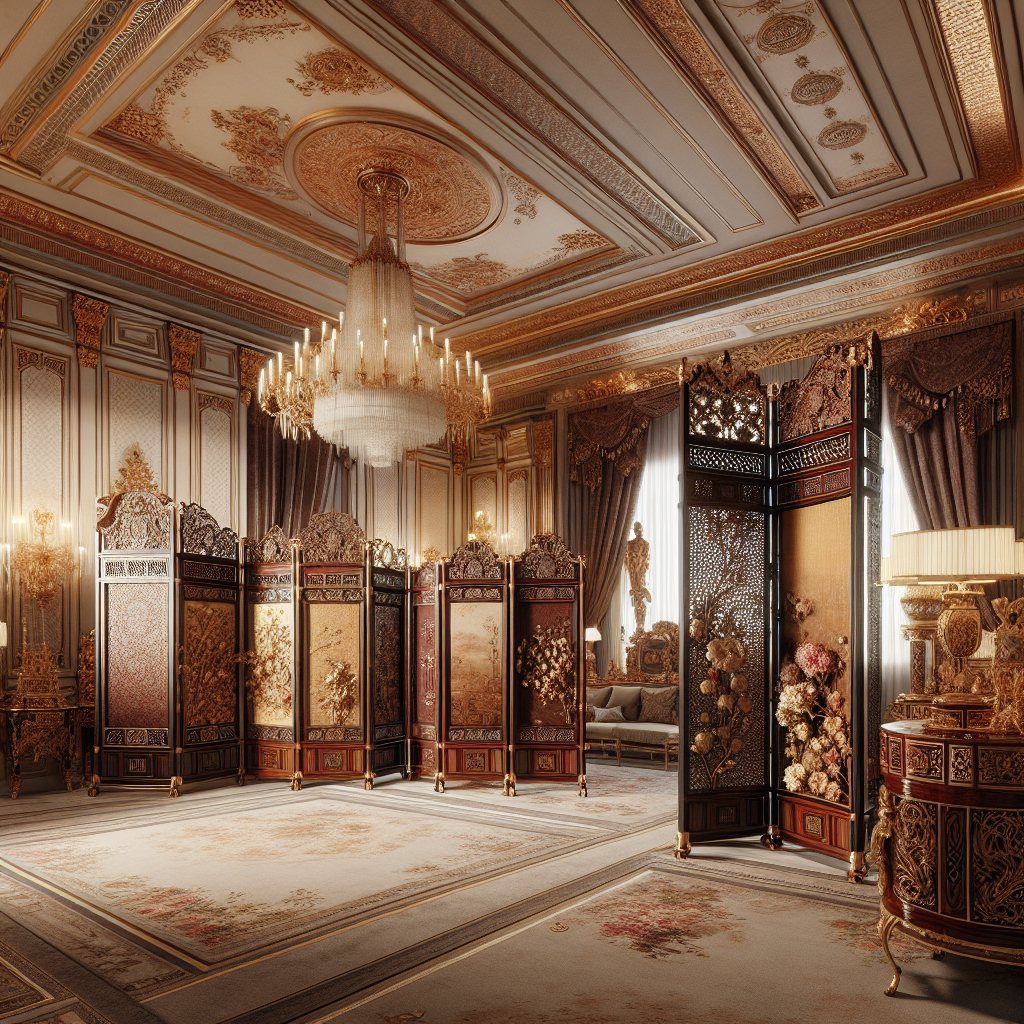
“The Art of Division: Luxurious Room Dividers and Screens” explores the transformative power of room dividers and screens in interior design. These functional yet artistic elements have evolved from mere space separators to statement pieces that enhance the aesthetic appeal of any room. The book delves into the history, craftsmanship, and innovative designs of luxurious dividers, showcasing how they blend practicality with elegance. From intricately carved wooden panels to sleek, modern partitions, this work highlights the diverse styles and materials that cater to various tastes and spaces, offering inspiration for creating harmonious and flexible living environments.
Exploring Elegance: The History and Evolution of Luxurious Room Dividers
Room dividers and screens have long been a staple in interior design, serving both functional and aesthetic purposes. Their history is as rich and varied as the cultures that have embraced them. From the ornate folding screens of ancient China to the sleek, modern partitions found in contemporary homes, these versatile pieces have evolved significantly over the centuries. As we explore the elegance of luxurious room dividers, it becomes clear that they are more than just practical solutions; they are works of art that reflect the tastes and values of their time.
The journey of room dividers begins in ancient China, where they were first used during the Han Dynasty. These early screens were often adorned with intricate paintings and calligraphy, showcasing the artistry and craftsmanship of the period. They served not only to divide spaces but also to tell stories and convey cultural narratives. As these screens gained popularity, they spread to other parts of Asia, including Japan, where they became known as “byōbu.” Japanese screens were typically made of paper or silk and featured delicate, nature-inspired designs, reflecting the country’s deep appreciation for the natural world.
As trade routes expanded, room dividers made their way to Europe, where they were embraced by the aristocracy. In the opulent homes of the Renaissance and Baroque periods, screens became symbols of wealth and sophistication. European artisans began to experiment with different materials, such as wood, leather, and fabric, to create dividers that were as luxurious as they were functional. These screens often featured elaborate carvings, gilded accents, and rich textiles, making them focal points in grand salons and drawing rooms.
The 19th century saw a shift in the design of room dividers, as the Industrial Revolution brought new materials and techniques to the forefront. Metal and glass became popular choices, allowing for more minimalist and modern designs. This era also saw the rise of the Arts and Crafts movement, which emphasized handcrafted quality and natural materials. Room dividers from this period often featured simple, clean lines and a focus on functionality, reflecting the changing tastes of the time.
In the 20th century, room dividers continued to evolve, influenced by the modernist and postmodernist movements. Designers like Eileen Gray and Charles and Ray Eames experimented with new forms and materials, creating screens that were both innovative and stylish. The mid-century modern aesthetic, with its emphasis on open spaces and fluidity, led to the development of dividers that were more about creating zones within a room rather than completely separating spaces.
Today, room dividers and screens are experiencing a resurgence in popularity, as more people seek to create flexible and adaptable living spaces. With the rise of open-plan living, dividers offer a way to define areas without sacrificing the sense of openness. Modern designs often incorporate sustainable materials and technology, such as soundproofing and smart features, making them as functional as they are beautiful.
In conclusion, the history and evolution of luxurious room dividers and screens is a testament to their enduring appeal. From their origins in ancient China to their place in contemporary design, these pieces have continually adapted to meet the needs and tastes of their users. As we continue to explore new ways to live and work, room dividers will undoubtedly remain an essential element of interior design, offering both elegance and practicality in equal measure.
Designing with Purpose: How to Choose the Perfect Room Divider for Your Space
When it comes to designing a space, the art of division can be just as important as the art of decoration. Luxurious room dividers and screens offer a unique opportunity to transform a room, adding both functionality and style. Choosing the perfect room divider for your space involves considering a few key factors, but with a little guidance, you can find the ideal piece that not only meets your needs but also enhances your home’s aesthetic.
To begin with, it’s essential to understand the purpose of your room divider. Are you looking to create a sense of privacy in an open-plan living area, or do you simply want to add a decorative element to a room? Perhaps you need a solution that does both. By identifying the primary function of your divider, you can narrow down your options and focus on pieces that will serve your specific needs. For instance, if privacy is your main concern, consider a solid panel screen that can effectively block sightlines. On the other hand, if you’re aiming for a decorative touch, a more open design with intricate patterns might be the way to go.
Once you’ve determined the purpose, it’s time to think about the style and material of your room divider. Luxurious dividers come in a variety of materials, from rich woods and metals to elegant fabrics and glass. Each material brings its own unique character to a space, so it’s important to choose one that complements your existing decor. For a warm, traditional look, a wooden divider with carved details might be perfect. Alternatively, a sleek metal screen can add a modern edge to your room. If you’re drawn to a more eclectic style, consider a fabric divider with bold colors or patterns that can serve as a statement piece.
In addition to style and material, the size and placement of your room divider are crucial considerations. Measure your space carefully to ensure that the divider you choose fits comfortably without overwhelming the room. A well-placed divider can create distinct zones within a larger area, such as separating a dining space from a living room. However, it’s important to maintain a sense of flow and openness, so avoid placing dividers in a way that disrupts natural pathways or blocks light sources. If you’re working with a smaller space, consider a folding screen that can be easily moved or adjusted as needed.
Moreover, don’t forget to think about the maintenance and durability of your chosen divider. Some materials may require more upkeep than others, so consider your lifestyle and how much time you’re willing to invest in maintaining the piece. For example, fabric dividers might need regular cleaning to keep them looking fresh, while metal or glass options might be easier to wipe down.
Ultimately, the perfect room divider is one that seamlessly blends form and function, enhancing your space while meeting your practical needs. By taking the time to consider the purpose, style, size, and maintenance of your divider, you can make a choice that you’ll be happy with for years to come. So, whether you’re looking to add a touch of luxury or simply create a more functional layout, remember that the art of division is all about designing with purpose.
Materials Matter: A Guide to the Finest Materials Used in Luxurious Screens
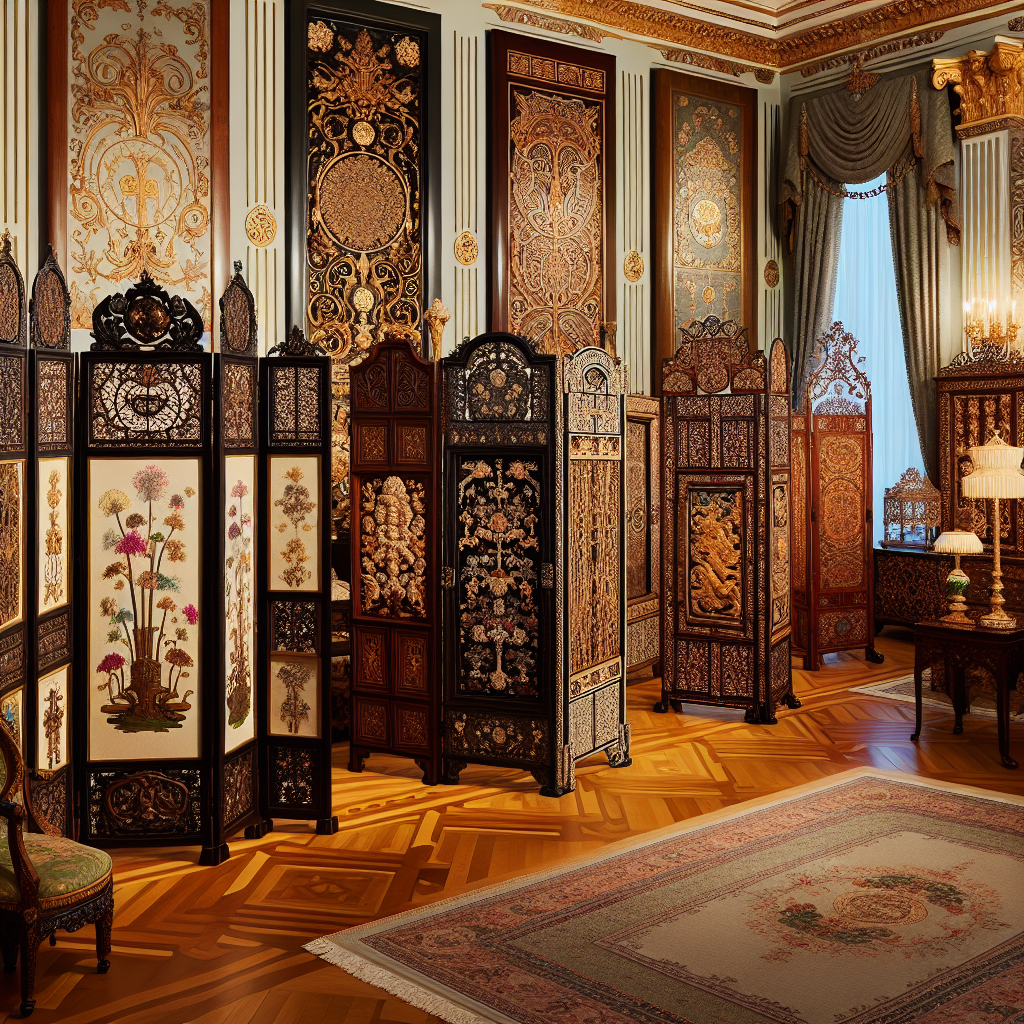
When it comes to creating a luxurious and inviting space, the materials you choose can make all the difference. This is especially true for room dividers and screens, which not only serve a functional purpose but also add a touch of elegance and sophistication to any room. As you explore the world of luxurious room dividers, you’ll find that the materials used in their construction play a crucial role in defining their aesthetic and quality. Let’s take a closer look at some of the finest materials that elevate these pieces from mere functional items to works of art.
To begin with, wood is a classic choice that never goes out of style. Its natural warmth and versatility make it a favorite among designers and homeowners alike. From rich mahogany to sleek walnut, the variety of wood types available allows for endless customization. Each type of wood brings its own unique grain patterns and colors, adding depth and character to the room divider. Moreover, wood can be intricately carved or left with a smooth finish, depending on the desired look. This adaptability makes wood an ideal choice for those seeking a timeless yet luxurious feel.
Transitioning from the organic to the opulent, metal is another material that exudes luxury. Metals like brass, gold, and silver are often used in high-end room dividers to create a sense of grandeur. These metals can be polished to a high shine or given a matte finish for a more understated elegance. The reflective quality of metal can also help to brighten a space, making it feel larger and more open. Additionally, metal dividers often feature intricate designs and patterns, showcasing the craftsmanship involved in their creation. This attention to detail is what sets luxurious metal screens apart from their more utilitarian counterparts.
In contrast, fabric room dividers offer a softer, more tactile experience. Luxurious fabrics such as silk, velvet, and brocade are often used to create screens that are as much about texture as they are about visual appeal. These materials drape beautifully and can be adorned with embroidery or other embellishments to add an extra layer of sophistication. Fabric dividers are particularly well-suited to creating a cozy, intimate atmosphere, making them a popular choice for bedrooms and living areas. The ability to choose from a wide range of colors and patterns also allows for a high degree of personalization, ensuring that the divider complements the existing decor.
Moving on to more contemporary materials, glass is a popular choice for those seeking a modern, minimalist aesthetic. Glass room dividers can be clear, frosted, or tinted, offering varying levels of privacy while still allowing light to pass through. This makes them ideal for open-plan spaces where maintaining a sense of flow is important. The sleek, clean lines of glass dividers lend themselves well to modern interiors, and their transparency can help to create a sense of continuity between different areas of a room.
Finally, for those who appreciate the exotic, materials like bamboo and rattan offer a unique blend of natural beauty and durability. These materials are often used in screens that have an organic, earthy feel, making them perfect for creating a serene, Zen-like atmosphere. Bamboo and rattan are also sustainable choices, appealing to environmentally conscious consumers who still want to indulge in luxury.
In conclusion, the materials used in luxurious room dividers and screens are as varied as the styles they come in. Whether you prefer the timeless elegance of wood, the opulence of metal, the softness of fabric, the modernity of glass, or the exotic appeal of bamboo, there’s a material out there that will perfectly suit your taste and enhance your space. By understanding the unique qualities of each material, you can make an informed choice that not only meets your functional needs but also elevates the aesthetic of your home.
Beyond Functionality: The Aesthetic Impact of Room Dividers in Interior Design
Room dividers and screens have long been a staple in interior design, serving as practical solutions for creating privacy and defining spaces within a room. However, beyond their functional purpose, these versatile pieces have evolved into significant elements of aesthetic appeal, transforming ordinary spaces into extraordinary ones. As we delve into the art of division, it becomes clear that luxurious room dividers and screens are not just about separating spaces; they are about enhancing the overall ambiance and style of a room.
To begin with, room dividers offer a unique opportunity to introduce texture, color, and pattern into a space. Whether crafted from rich woods, sleek metals, or sumptuous fabrics, these dividers can complement or contrast with existing decor, adding depth and interest. For instance, a screen with intricate latticework can cast beautiful shadows and create a sense of mystery, while a divider adorned with vibrant prints can inject a burst of energy into an otherwise neutral room. This ability to play with visual elements makes room dividers an exciting tool for interior designers and homeowners alike.
Moreover, the versatility of room dividers extends to their ability to adapt to various design styles. From minimalist to bohemian, there is a divider to suit every taste. In a modern setting, a sleek, monochromatic screen can enhance the clean lines and open spaces, while in a more eclectic environment, a vintage-inspired divider with ornate details can add a touch of nostalgia and charm. This adaptability ensures that room dividers can seamlessly integrate into any design scheme, making them a valuable addition to any home.
In addition to their aesthetic contributions, room dividers also offer practical benefits that enhance the functionality of a space. For those living in open-plan homes or studio apartments, dividers can create distinct zones for different activities, such as dining, working, or relaxing. This not only maximizes the use of available space but also helps to establish a sense of order and organization. Furthermore, room dividers can be easily moved or adjusted, allowing for flexibility in how a space is used over time. This dynamic quality is particularly appealing in today’s fast-paced world, where adaptability is key.
As we consider the impact of room dividers on interior design, it is important to recognize their role as statement pieces. Much like a piece of art or a striking piece of furniture, a well-chosen room divider can become a focal point in a room, drawing the eye and sparking conversation. This is especially true for dividers that feature unique materials or craftsmanship, such as hand-carved wood or hand-painted panels. By investing in a luxurious room divider, homeowners can elevate their space and express their personal style in a bold and creative way.
In conclusion, while room dividers and screens may have originated as functional solutions for dividing spaces, they have evolved into much more than that. Their ability to enhance the aesthetic appeal of a room, adapt to various design styles, and offer practical benefits makes them an invaluable asset in interior design. As we continue to explore the art of division, it is clear that these luxurious pieces have the power to transform spaces, making them not only more functional but also more beautiful and inspiring.
Innovative Designs: The Future of Luxurious Room Dividers and Screens
In recent years, the concept of open-plan living has taken the interior design world by storm, offering a sense of spaciousness and fluidity that many homeowners crave. However, as much as we love the airy feel of an open space, there are times when a little privacy or a defined area is necessary. Enter the world of luxurious room dividers and screens, where innovation meets elegance, transforming spaces with both style and functionality. As we explore the future of these versatile design elements, it’s clear that they are more than just practical solutions; they are works of art that can elevate any room.
To begin with, the materials used in crafting these dividers have evolved significantly. Gone are the days when room dividers were merely wooden panels or fabric screens. Today, designers are experimenting with a plethora of materials, from sleek metals and glass to sustainable bamboo and even recycled plastics. This shift not only reflects a growing awareness of environmental impact but also allows for a greater range of aesthetic possibilities. For instance, a divider made of frosted glass can create a sense of separation while still allowing light to filter through, maintaining the openness of a space.
Moreover, the designs themselves have become increasingly innovative. With the rise of technology, we are seeing room dividers that incorporate smart features, such as built-in lighting or soundproofing capabilities. Imagine a screen that not only separates your living room from your dining area but also adjusts its opacity at the touch of a button, or a divider that doubles as a vertical garden, bringing a touch of nature indoors. These advancements not only enhance the functionality of room dividers but also add an element of surprise and delight to any space.
In addition to their practical benefits, luxurious room dividers and screens offer a unique opportunity for personal expression. With customizable options, homeowners can choose designs that reflect their individual tastes and complement their existing decor. Whether it’s a hand-painted screen with intricate patterns or a minimalist metal divider with clean lines, these pieces can serve as focal points that draw the eye and spark conversation. Furthermore, the ability to move and rearrange these dividers allows for flexibility in how a space is used, adapting to the changing needs of a household.
As we look to the future, it’s exciting to consider how room dividers and screens will continue to evolve. With a growing emphasis on sustainability and multifunctionality, we can expect to see even more creative solutions that blend form and function seamlessly. Designers are likely to push the boundaries of what these dividers can do, incorporating elements like augmented reality or interactive features that respond to the presence of people in the room.
In conclusion, the art of division has come a long way, and luxurious room dividers and screens are at the forefront of this evolution. By embracing innovative designs and materials, these elements not only provide practical solutions for defining spaces but also offer a canvas for artistic expression. As we continue to explore new possibilities, one thing is certain: the future of room dividers is bright, and it promises to bring both beauty and functionality into our homes in ways we never imagined.
Conclusion
“The Art of Division: Luxurious Room Dividers and Screens” explores the transformative power of room dividers and screens in interior design, highlighting their dual functionality as both practical space organizers and artistic elements. The book delves into the history and evolution of these design pieces, showcasing their ability to enhance privacy, define spaces, and add aesthetic value to any room. Through a curated selection of luxurious examples, it illustrates how room dividers and screens can reflect personal style and elevate the ambiance of a space. Ultimately, the book underscores the importance of thoughtful design in creating harmonious and visually appealing environments.