Biomorphic Brilliance: Organic Shapes in High-End Furniture Design
April 13, 2021
Artful Integration: Incorporating Fine Art into Luxury Interiors
April 27, 2021
-
Table of Contents
- Introduction
- Exploring the Art of Contrast: Balancing Light and Dark in Modern Interiors
- The Role of Lighting in Creating Dramatic Interior Spaces
- Mastering Shadow Play: Techniques for Enhancing Depth and Dimension
- Color Theory in Interior Design: Using Contrast to Elevate Aesthetic Appeal
- Case Studies: Iconic Interiors That Exemplify the Luxury of Contrast
- Conclusion
Introduction
“The Luxury of Contrast: Mastering Light and Dark in Interior Spaces” explores the transformative power of juxtaposing light and dark elements in interior design. This approach not only enhances the aesthetic appeal of a space but also creates a dynamic atmosphere that evokes emotion and intrigue. By skillfully balancing these contrasting elements, designers can craft environments that are both visually striking and functionally harmonious. The book delves into various techniques and principles, offering insights into how light and shadow can be manipulated to highlight architectural features, define spaces, and influence mood. Through a series of case studies and expert interviews, readers are guided on how to achieve a sophisticated interplay of light and dark, ultimately elevating the luxury and depth of any interior setting.
Exploring the Art of Contrast: Balancing Light and Dark in Modern Interiors
In the world of interior design, the interplay between light and dark is akin to a dance, where each element complements and enhances the other. This delicate balance is what transforms a space from ordinary to extraordinary, creating an atmosphere that is both inviting and intriguing. As we explore the art of contrast in modern interiors, it becomes clear that mastering this balance is not just about aesthetics; it’s about creating a mood, telling a story, and evoking emotion.
Imagine walking into a room where the walls are painted a deep, rich navy, and the furniture is a mix of crisp whites and soft grays. The contrast is striking, yet it feels harmonious. This is the magic of using light and dark to define a space. The dark walls provide a cocoon-like effect, making the room feel intimate and cozy, while the lighter elements add a sense of airiness and openness. It’s this push and pull that keeps the eye engaged and the mind intrigued.
One of the key aspects of achieving this balance is understanding the role of natural light. Large windows or strategically placed mirrors can flood a room with sunlight, highlighting the lighter elements and creating a dynamic interplay with the darker tones. This not only enhances the visual appeal but also affects the mood of the space. Natural light has a way of making dark colors feel less oppressive and more inviting, allowing them to serve as a backdrop that highlights the room’s features.
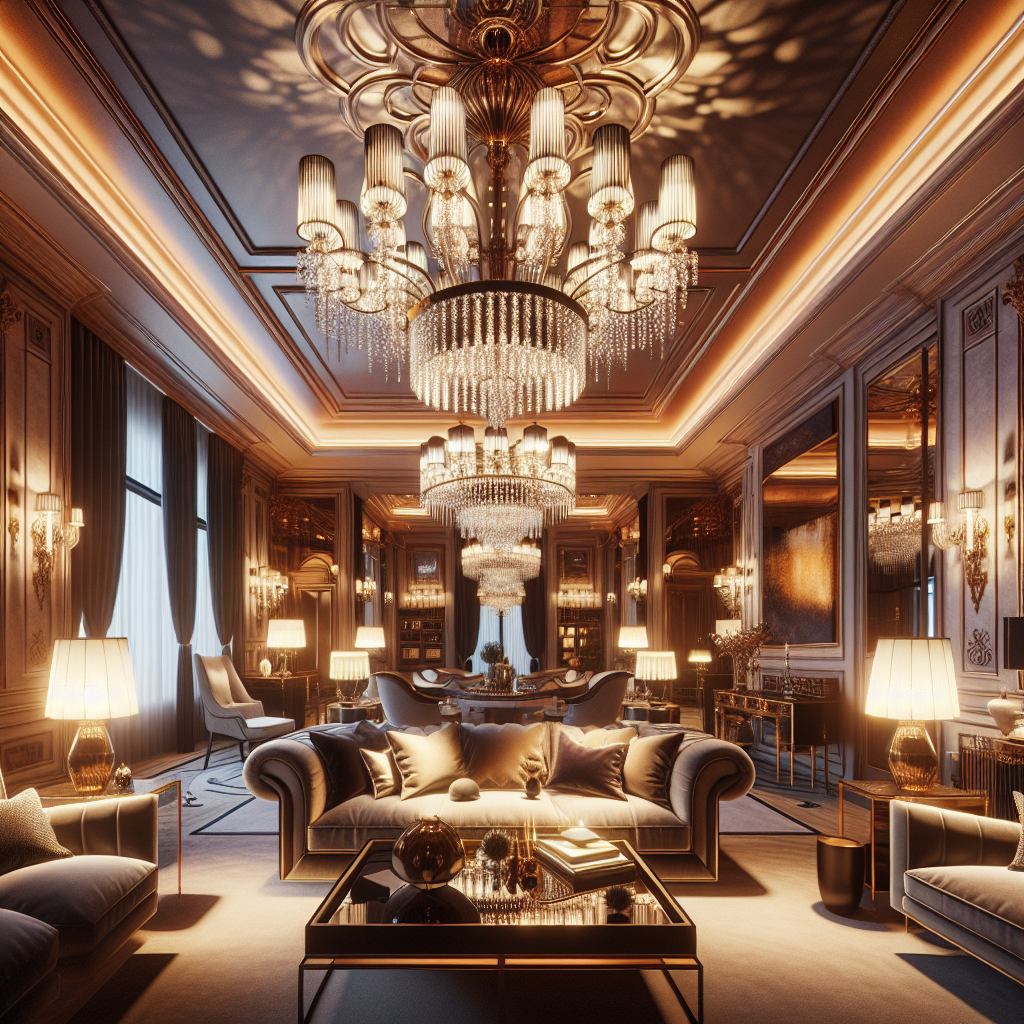
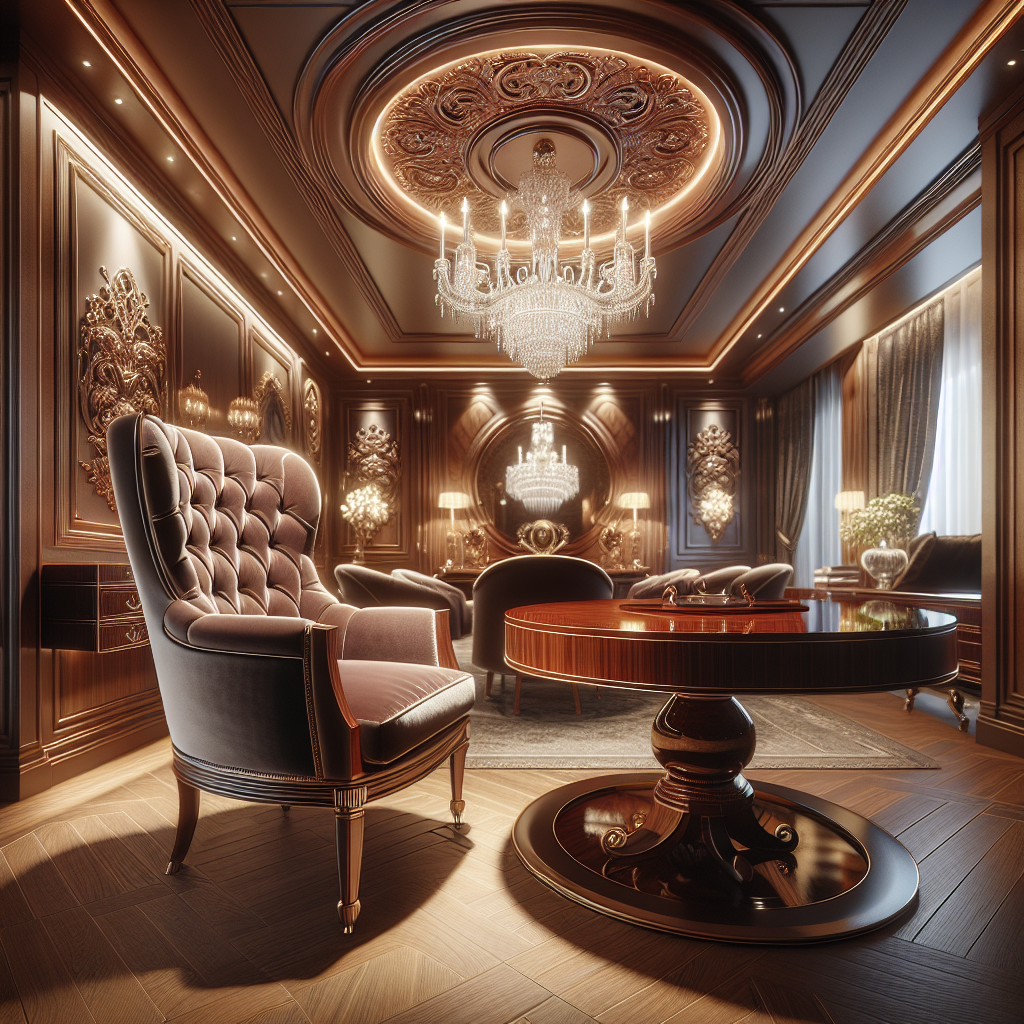
In addition to natural light, artificial lighting plays a crucial role in balancing light and dark. Consider using a mix of ambient, task, and accent lighting to create layers of illumination. For instance, a statement chandelier can serve as a focal point, casting a warm glow that softens dark walls, while table lamps and sconces can add depth and dimension. The key is to use lighting to highlight the contrast, drawing attention to the textures and shapes within the space.
Moreover, the choice of materials can significantly impact the balance of light and dark. Glossy surfaces, such as polished marble or high-gloss paint, can reflect light and add a sense of brightness to darker areas. On the other hand, matte finishes can absorb light, adding depth and richness to lighter spaces. By thoughtfully selecting materials, you can enhance the contrast and create a more dynamic and engaging environment.
Color is another powerful tool in the art of contrast. While black and white are classic choices, don’t be afraid to experiment with other hues. Deep greens, rich burgundies, and even dark purples can serve as stunning alternatives to black, offering a fresh take on contrast. Pair these with lighter shades like soft pinks, creamy beiges, or even metallics for a touch of glamour. The key is to find a balance that feels cohesive and reflects your personal style.
Ultimately, mastering the luxury of contrast in interior spaces is about more than just visual appeal. It’s about creating a space that feels alive, where light and dark work together to evoke emotion and tell a story. By thoughtfully considering elements like lighting, materials, and color, you can transform any room into a masterpiece of modern design. So, embrace the art of contrast and let your interiors shine with the perfect balance of light and dark.
The Role of Lighting in Creating Dramatic Interior Spaces
When it comes to designing a space that truly captivates, lighting plays an indispensable role. It’s not just about illuminating a room; it’s about creating an atmosphere, setting a mood, and highlighting the unique features of your interior. The interplay between light and dark can transform a mundane space into a dramatic masterpiece, and understanding how to master this contrast is key to achieving a luxurious feel in your home.
Imagine walking into a room where the lighting is just right. The shadows dance across the walls, and the highlights draw your eyes to the most beautiful elements of the space. This is the magic of contrast. By strategically using both light and dark, you can create depth and dimension, making the room feel more dynamic and alive. It’s like painting with light, where every shadow and every beam tells a story.
To start, consider the natural light that enters your space. Natural light is a powerful tool in creating contrast, as it changes throughout the day, offering a variety of moods and tones. In the morning, the soft, diffused light can create a gentle, welcoming atmosphere, while the sharp, angled light of the afternoon can add drama and intensity. By positioning furniture and decor to take advantage of these natural shifts, you can enhance the room’s character without much effort.
However, natural light alone isn’t enough to achieve the full spectrum of contrast. This is where artificial lighting comes into play. Layering different types of lighting—ambient, task, and accent—allows you to control the mood and focus within a room. Ambient lighting provides the overall illumination, setting the base level of light. Task lighting, such as reading lamps or under-cabinet lights, offers focused illumination for specific activities. Accent lighting, on the other hand, is where you can really play with contrast. Think of spotlights highlighting a piece of art or a statement chandelier casting intricate shadows on the ceiling.
Moreover, the color temperature of your lighting can significantly impact the feel of a space. Warmer tones tend to create a cozy, inviting atmosphere, while cooler tones can make a space feel more modern and crisp. By mixing these temperatures, you can further enhance the contrast and add layers to your design. For instance, using warm lighting in a predominantly cool-toned room can create a striking balance that feels both sophisticated and comfortable.
In addition to the type and temperature of lighting, the fixtures themselves can serve as focal points. A bold, sculptural light fixture can act as a piece of art, drawing the eye and adding to the room’s drama. When selecting fixtures, consider how they interact with the rest of the space. Do they complement the existing decor, or do they stand out as a statement piece? Either approach can work beautifully, depending on the overall aesthetic you’re aiming for.
Ultimately, mastering the luxury of contrast in interior spaces is about experimentation and intuition. It’s about understanding how light and dark interact and using that knowledge to create a space that feels both intentional and effortless. So, the next time you’re looking to refresh a room, think about how you can play with lighting to enhance its drama and allure. With a little creativity and attention to detail, you can transform any space into a luxurious haven that delights the senses.
Mastering Shadow Play: Techniques for Enhancing Depth and Dimension
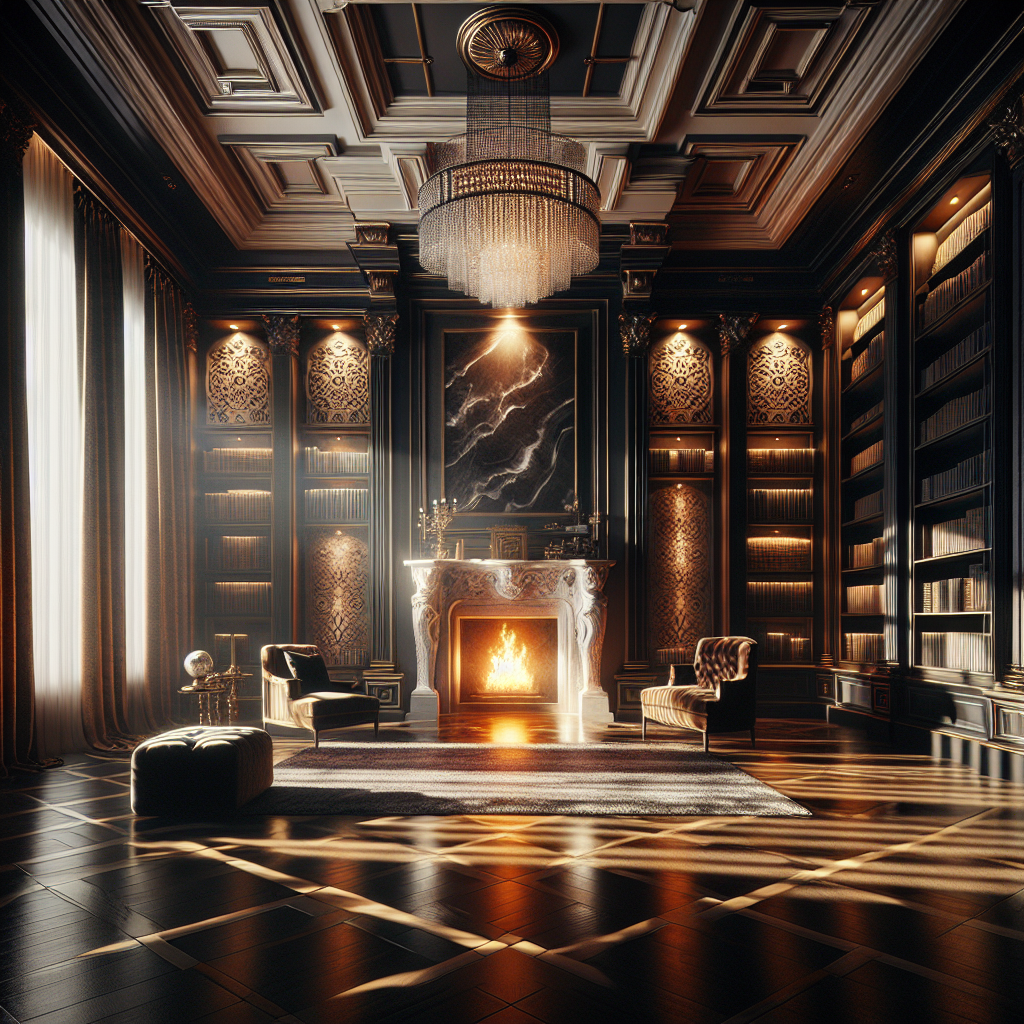
When it comes to interior design, the interplay of light and shadow can transform a space from ordinary to extraordinary. Mastering shadow play is an art that involves using contrast to enhance depth and dimension, creating a dynamic environment that feels both inviting and intriguing. By understanding how to manipulate light and dark, you can add a touch of luxury to any room, making it feel more sophisticated and thoughtfully designed.
To begin with, consider the natural light that enters your space. Natural light is a powerful tool in shadow play, as it changes throughout the day, casting different shadows and highlighting various elements of your interior. Positioning furniture and decor in a way that takes advantage of this shifting light can create a sense of movement and life within a room. For instance, placing a statement piece, like a sculpture or a plant, near a window allows the changing light to cast interesting shadows, adding depth and intrigue.
In addition to natural light, artificial lighting plays a crucial role in mastering shadow play. Layering different types of lighting—such as ambient, task, and accent lighting—can help you control the shadows in a room. Ambient lighting provides overall illumination, while task lighting focuses on specific areas, and accent lighting highlights particular features. By strategically placing these light sources, you can create a balance between light and dark, emphasizing certain areas while allowing others to recede into shadow.
Moreover, the choice of materials and textures can significantly impact the way light and shadow interact in a space. Matte surfaces tend to absorb light, creating softer shadows, while glossy finishes reflect light, producing sharper contrasts. Mixing these textures can add complexity and interest to a room. For example, pairing a matte wall with a glossy piece of furniture can create a striking visual contrast that draws the eye and adds depth.
Color also plays a vital role in shadow play. Darker colors absorb more light, creating deeper shadows, while lighter colors reflect light, resulting in softer shadows. By using a combination of light and dark colors, you can manipulate the perception of space. A dark accent wall, for instance, can make a room feel more intimate, while lighter walls can open up a space, making it feel larger and more airy. This contrast not only enhances the room’s depth but also adds a layer of sophistication.
Furthermore, incorporating elements like mirrors and reflective surfaces can amplify the effects of light and shadow. Mirrors can bounce light around a room, creating the illusion of more space and adding brightness. Reflective surfaces, such as metallic finishes or glass, can catch the light and create interesting reflections and shadows, adding another dimension to your design.
Finally, don’t forget the power of negative space in shadow play. Allowing certain areas to remain unlit or in shadow can create a sense of balance and focus. This intentional use of darkness can highlight the illuminated areas, drawing attention to specific features or creating a mood within the space.
In conclusion, mastering shadow play in interior design is about finding the perfect balance between light and dark. By thoughtfully considering the interplay of natural and artificial light, textures, colors, and reflective surfaces, you can create a space that feels both luxurious and dynamic. Embracing the contrast between light and shadow not only enhances depth and dimension but also adds a touch of elegance and sophistication to your home.
Color Theory in Interior Design: Using Contrast to Elevate Aesthetic Appeal
When it comes to interior design, the interplay of light and dark can transform a space from ordinary to extraordinary. The luxury of contrast is not just about choosing colors that are opposites on the color wheel; it’s about creating a dynamic environment that captivates and comforts. Imagine walking into a room where the walls are a deep, rich navy, and the furniture is a crisp, clean white. The contrast is striking, yet it feels balanced and inviting. This is the magic of mastering light and dark in interior spaces.
To begin with, understanding the basics of color theory is essential. Colors are divided into warm and cool tones, and each has its own impact on mood and perception. Warm colors like reds, oranges, and yellows can make a space feel cozy and intimate, while cool colors such as blues, greens, and purples tend to create a calming and expansive atmosphere. By using contrast, you can harness these effects to enhance the aesthetic appeal of a room. For instance, pairing a warm, earthy terracotta with a cool, muted teal can create a harmonious yet visually interesting space.
Moreover, contrast is not limited to just color. It extends to textures, materials, and even lighting. A room with sleek, modern furniture can be softened with the addition of a plush, textured rug or a few well-placed throw pillows. Similarly, a space dominated by natural materials like wood and stone can be elevated with metallic accents, adding a touch of glamour and sophistication. Lighting plays a crucial role as well; strategically placed light fixtures can highlight certain areas of a room, creating shadows and depth that add to the overall contrast.
In addition to enhancing visual interest, contrast can also be used to define spaces within a home. Open floor plans are increasingly popular, but they can sometimes feel overwhelming or undefined. By using contrasting colors or materials, you can delineate different areas without the need for physical barriers. For example, a dark accent wall in the living area can create a focal point, while lighter tones in the dining area can make it feel distinct yet connected.
Furthermore, contrast can be a powerful tool for highlighting architectural features. If you have a beautiful fireplace or an intricate ceiling design, using contrasting colors can draw attention to these elements, making them stand out as focal points. This not only adds character to the space but also allows you to showcase the unique aspects of your home.
Of course, achieving the perfect balance of light and dark requires a bit of experimentation. It’s important to consider the natural light in a room, as this can affect how colors appear. A color that looks stunning in a sunlit room might feel too harsh in a dimly lit space. Don’t be afraid to test different combinations and see how they interact with the light throughout the day.
In conclusion, the luxury of contrast in interior design is about more than just aesthetics; it’s about creating a space that feels dynamic and alive. By thoughtfully combining light and dark elements, you can elevate the aesthetic appeal of any room, making it a true reflection of your personal style. So go ahead, embrace the contrast, and watch as your interior spaces come to life with depth and dimension.
Case Studies: Iconic Interiors That Exemplify the Luxury of Contrast
When it comes to interior design, the interplay of light and dark can transform a space from ordinary to extraordinary. This dynamic contrast not only adds depth and dimension but also creates a sense of drama and sophistication. Let’s explore some iconic interiors that masterfully exemplify the luxury of contrast, offering inspiration for those looking to elevate their own spaces.
Take, for instance, the renowned Villa Necchi Campiglio in Milan. This 1930s masterpiece, designed by architect Piero Portaluppi, is a stunning example of how light and dark elements can coexist harmoniously. The villa’s interiors feature rich, dark wood paneling juxtaposed with large, airy windows that flood the rooms with natural light. This contrast not only highlights the architectural details but also creates a warm and inviting atmosphere. The play of shadows and light across the surfaces adds a layer of intrigue, inviting visitors to explore every nook and cranny.
Moving across the Atlantic, the Glass House by Philip Johnson in New Canaan, Connecticut, offers another perspective on the luxury of contrast. Here, the stark transparency of the glass walls allows the surrounding landscape to become an integral part of the interior. The minimalist design, with its dark steel framework, stands in sharp contrast to the lush greenery outside. This seamless blend of interior and exterior spaces creates a unique dialogue between light and dark, where the changing seasons continuously alter the ambiance within the house. The Glass House demonstrates how contrast can be achieved not just through color and materials, but also through the relationship between a structure and its environment.
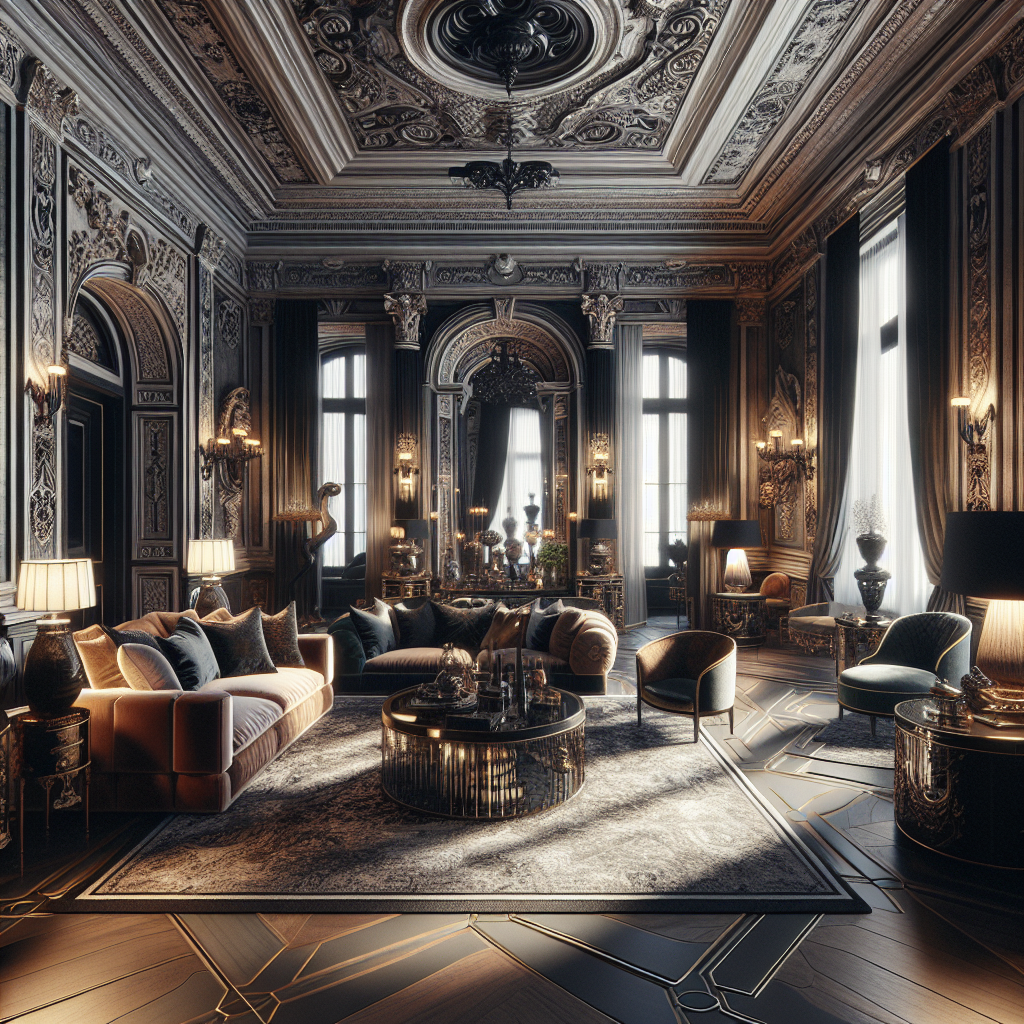
In a more contemporary setting, the work of British designer Kelly Hoppen showcases how contrast can be used to create a sense of balance and harmony. Known for her signature style that combines Eastern simplicity with Western luxury, Hoppen often employs a monochromatic palette with bold accents. In one of her London projects, she uses a combination of soft, light fabrics and dark, textured furnishings to create a space that feels both luxurious and comfortable. The contrast between the plush, light-colored sofas and the dark, sleek coffee tables adds visual interest without overwhelming the senses. This approach highlights how contrast can be used to define different areas within an open-plan space, guiding the eye and creating a sense of flow.
Another striking example can be found in the interiors of the Château de Chenonceau in France. This historic castle, with its opulent rooms and grand hallways, uses contrast to emphasize its architectural grandeur. The dark, ornate woodwork and tapestries are set against light stone walls and expansive windows, creating a sense of timeless elegance. The interplay of light and shadow in these spaces not only enhances the castle’s historical features but also evokes a sense of mystery and romance.
These iconic interiors demonstrate that mastering the luxury of contrast is about more than just choosing the right colors or materials. It’s about understanding how different elements can work together to create a cohesive and captivating environment. Whether through the use of natural light, the integration of the surrounding landscape, or the careful selection of furnishings, these spaces show that contrast is a powerful tool in the hands of a skilled designer. By embracing the interplay of light and dark, anyone can create an interior that is not only visually stunning but also rich in character and depth.
Conclusion
“The Luxury of Contrast: Mastering Light and Dark in Interior Spaces” explores the transformative power of using contrasting elements in interior design to create dynamic and sophisticated environments. By skillfully balancing light and dark tones, designers can enhance spatial perception, evoke emotions, and highlight architectural features. This approach not only adds depth and dimension to a space but also allows for a personalized expression of style and mood. Ultimately, mastering the interplay of light and dark in interiors elevates the aesthetic experience, offering a luxurious and engaging atmosphere that captivates and inspires.