Nostalgic Nouveau: Retro-Inspired Luxury for Modern Living
April 6, 2021
The Luxury of Contrast: Mastering Light and Dark in Interior Spaces
April 20, 2021
-
Table of Contents
- Introduction
- Exploring Biomorphic Brilliance: The Rise of Organic Shapes in Luxury Furniture
- Nature-Inspired Elegance: How Biomorphic Design Transforms High-End Interiors
- The Art of Biomorphic Furniture: Merging Organic Forms with Modern Aesthetics
- From Concept to Creation: The Craftsmanship Behind Biomorphic Furniture Design
- Sustainable Sophistication: Biomorphic Shapes in Eco-Friendly Luxury Furniture
- Conclusion
Introduction
“Biomorphic Brilliance: Organic Shapes in High-End Furniture Design” explores the captivating intersection of nature-inspired aesthetics and luxury craftsmanship in contemporary furniture. This design movement draws inspiration from the fluid, organic forms found in the natural world, translating them into exquisite pieces that challenge traditional design norms. By embracing curves, asymmetry, and natural materials, designers create furniture that not only serves functional purposes but also evokes a sense of harmony and connection with the environment. This approach celebrates the beauty of imperfection and the elegance of nature, offering a refreshing departure from rigid geometric forms and infusing living spaces with a sense of vitality and sophistication.
Exploring Biomorphic Brilliance: The Rise of Organic Shapes in Luxury Furniture
In recent years, the world of high-end furniture design has witnessed a fascinating shift towards biomorphic brilliance, where organic shapes and forms are taking center stage. This trend, characterized by its fluid lines and natural aesthetics, is captivating designers and homeowners alike, offering a refreshing departure from the rigid, geometric styles that have dominated the industry for so long. As we explore this captivating movement, it’s essential to understand the allure of these organic shapes and why they are becoming a staple in luxury furniture design.
To begin with, the appeal of biomorphic design lies in its ability to evoke a sense of harmony and connection with nature. Unlike traditional furniture pieces that often adhere to strict angles and straight lines, biomorphic designs draw inspiration from the natural world, mimicking the curves of a river, the undulating form of a leaf, or the gentle slope of a hill. This connection to nature not only brings a sense of tranquility into our living spaces but also creates an environment that feels more inviting and comfortable. As people increasingly seek refuge from the hustle and bustle of modern life, these organic shapes offer a soothing escape, transforming our homes into sanctuaries of relaxation.
Moreover, the rise of biomorphic design in luxury furniture is also a testament to the growing appreciation for craftsmanship and artistry. Creating pieces with organic shapes requires a high level of skill and precision, as designers must carefully balance form and function to ensure that each piece is not only visually stunning but also practical for everyday use. This emphasis on craftsmanship is particularly appealing to those who value quality and uniqueness in their home furnishings, as each biomorphic piece is often a one-of-a-kind work of art. The intricate details and flowing lines of these designs showcase the talent and creativity of the artisans behind them, making them a perfect fit for those who wish to make a statement with their interior decor.
In addition to their aesthetic and artistic appeal, organic shapes in furniture design also offer a level of versatility that is hard to match. These pieces can seamlessly blend into a variety of interior styles, from minimalist and contemporary to bohemian and eclectic. Their fluid forms can soften the edges of a modern space or add an unexpected twist to a more traditional setting. This adaptability makes biomorphic furniture an excellent choice for those who enjoy experimenting with different design elements and wish to create a dynamic and ever-evolving living environment.
Furthermore, the use of organic shapes in high-end furniture design is also aligned with the growing trend towards sustainability and eco-conscious living. Many designers are now opting for sustainable materials and production methods, ensuring that their creations have a minimal impact on the environment. By choosing furniture that embraces biomorphic design principles, homeowners can enjoy the beauty of nature within their homes while also supporting environmentally responsible practices.
In conclusion, the rise of organic shapes in luxury furniture design is a testament to the enduring appeal of nature-inspired aesthetics and the desire for unique, high-quality pieces that reflect our personal style. As this trend continues to gain momentum, it is clear that biomorphic brilliance is here to stay, offering a perfect blend of beauty, craftsmanship, and sustainability for those who seek to elevate their living spaces. Whether you’re drawn to the soothing curves of a biomorphic sofa or the intricate details of an organically shaped coffee table, there’s no denying the transformative power of these designs in creating a truly luxurious and inviting home.
Nature-Inspired Elegance: How Biomorphic Design Transforms High-End Interiors
In recent years, the world of high-end furniture design has witnessed a fascinating shift towards biomorphic brilliance, where organic shapes and nature-inspired forms take center stage. This trend, which draws inspiration from the fluidity and elegance of the natural world, has captivated designers and homeowners alike, transforming interiors into serene sanctuaries that echo the beauty of the outdoors. As we delve into the allure of biomorphic design, it becomes clear that this approach not only enhances aesthetic appeal but also fosters a deeper connection to nature within our living spaces.
At the heart of biomorphic design is the celebration of organic shapes that mimic the curves and contours found in nature. Unlike the rigid lines and geometric forms that have dominated modern design for decades, biomorphic furniture embraces the imperfect and the asymmetrical. This shift towards softer, more fluid shapes creates a sense of harmony and balance, inviting a sense of calm and relaxation into any room. Imagine a coffee table that resembles a smooth river stone or a chair that mimics the gentle curve of a leaf; these pieces not only serve a functional purpose but also act as artful expressions of nature’s elegance.
Moreover, the materials used in biomorphic furniture design further enhance its connection to the natural world. Designers often opt for sustainable and organic materials such as wood, stone, and natural fibers, which not only add to the aesthetic appeal but also promote environmental consciousness. The use of these materials ensures that each piece is unique, with its own distinct patterns and textures, much like the diverse elements found in nature. This commitment to sustainability resonates with a growing number of consumers who seek to make eco-friendly choices without compromising on style or luxury.
Transitioning from the materials to the craftsmanship, the creation of biomorphic furniture requires a high level of skill and artistry. Artisans meticulously shape and mold each piece, paying close attention to the natural flow and movement inherent in the design. This dedication to craftsmanship results in furniture that is not only visually stunning but also built to last, offering a timeless quality that transcends fleeting trends. The organic shapes and forms invite touch and interaction, encouraging a tactile experience that further deepens our connection to the pieces and, by extension, to nature itself.
Furthermore, the integration of biomorphic design into high-end interiors offers a refreshing departure from the often sterile and impersonal feel of contemporary spaces. By incorporating elements that reflect the natural world, interiors become more inviting and comforting, providing a sanctuary from the hustle and bustle of everyday life. The fluid lines and organic forms create a sense of movement and flow, guiding the eye and creating a cohesive and harmonious environment. This approach not only enhances the visual appeal of a space but also contributes to a sense of well-being and tranquility.
In conclusion, the rise of biomorphic design in high-end furniture is a testament to our innate desire to reconnect with nature and bring its beauty into our homes. By embracing organic shapes, sustainable materials, and meticulous craftsmanship, this design trend offers a perfect blend of elegance and environmental consciousness. As we continue to seek solace and inspiration from the natural world, biomorphic brilliance will undoubtedly remain a cherished and enduring element in the realm of interior design.
The Art of Biomorphic Furniture: Merging Organic Forms with Modern Aesthetics
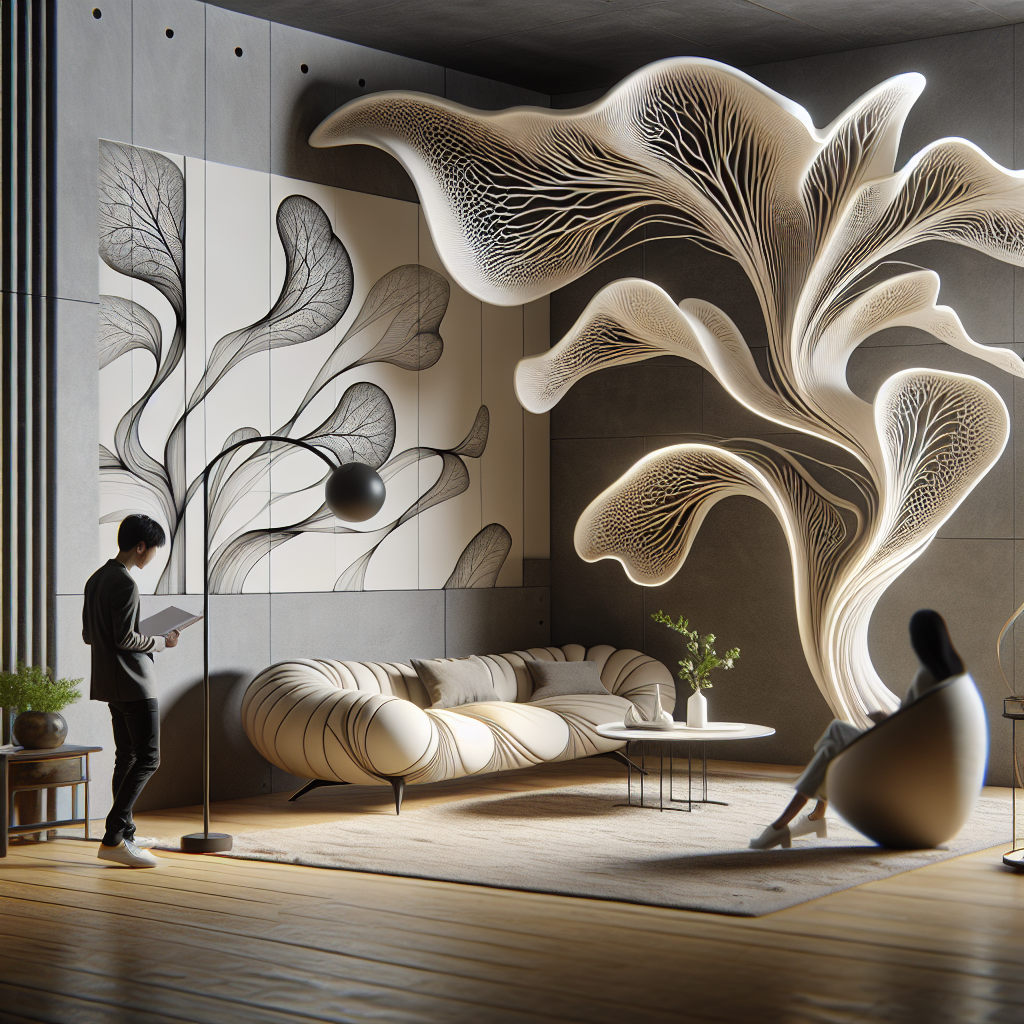
In the world of high-end furniture design, a fascinating trend has emerged that marries the elegance of organic forms with the sleekness of modern aesthetics. This movement, known as biomorphic furniture design, draws inspiration from the natural world, incorporating shapes and patterns that mimic the fluidity and grace of living organisms. As we delve into the art of biomorphic furniture, it becomes clear that this style not only challenges traditional design norms but also offers a refreshing perspective on how we interact with our living spaces.
At the heart of biomorphic design is the idea of creating pieces that feel alive, as if they have been plucked from nature itself. This is achieved through the use of curves, undulating lines, and asymmetrical forms that echo the unpredictability and beauty of the natural environment. For instance, a coffee table might feature a top that resembles the gentle ripples of a pond, while a chair could boast legs that mimic the sinuous grace of tree branches. These organic shapes invite touch and interaction, encouraging us to engage with our furniture in a more intimate and tactile way.
Transitioning from the conceptual to the practical, the materials used in biomorphic furniture play a crucial role in bringing these designs to life. Designers often opt for natural materials such as wood, stone, and leather, which not only enhance the organic feel of the pieces but also add a layer of warmth and authenticity. However, modern technology has also opened the door to innovative materials like molded plastics and composite resins, allowing for even more creative freedom. These materials can be manipulated into intricate forms that would be impossible to achieve with traditional methods, pushing the boundaries of what furniture can be.
Moreover, the integration of biomorphic design into high-end furniture is not just about aesthetics; it also speaks to a broader cultural shift towards sustainability and environmental consciousness. By drawing inspiration from nature, designers are reminded of the importance of preserving it. This has led to an increased focus on sustainable practices, such as using responsibly sourced materials and employing eco-friendly manufacturing processes. In this way, biomorphic furniture becomes a statement of both style and substance, reflecting a commitment to the planet as well as to design excellence.
As we explore the impact of biomorphic design on modern interiors, it is evident that these pieces have the power to transform spaces. Their organic forms can soften the hard lines and stark angles often found in contemporary architecture, creating a harmonious balance between the built environment and the natural world. This fusion of styles results in spaces that feel more inviting and serene, offering a sanctuary from the hustle and bustle of everyday life.
In conclusion, the art of biomorphic furniture design represents a captivating blend of organic inspiration and modern innovation. By embracing the beauty of natural forms and integrating them into our living spaces, we not only enhance the aesthetic appeal of our homes but also foster a deeper connection with the world around us. As this trend continues to evolve, it promises to redefine our understanding of luxury and sustainability, proving that true brilliance lies in the seamless merging of art and nature.
From Concept to Creation: The Craftsmanship Behind Biomorphic Furniture Design
In the world of high-end furniture design, there’s a fascinating trend that’s capturing the imagination of designers and homeowners alike: biomorphic shapes. These organic forms, inspired by the natural world, bring a sense of fluidity and harmony to interior spaces. But what goes into creating these stunning pieces? Let’s take a journey from concept to creation, exploring the craftsmanship behind biomorphic furniture design.
It all begins with inspiration. Designers often draw from the beauty of nature, observing the curves of a leaf, the undulating lines of a river, or the intricate patterns found in seashells. These natural elements serve as a muse, sparking ideas that eventually evolve into unique furniture pieces. The challenge lies in translating these organic shapes into functional designs that not only look beautiful but also serve a practical purpose in the home.
Once a concept is born, the next step is sketching. Designers put pencil to paper, experimenting with different forms and proportions. This stage is crucial, as it allows them to explore various possibilities and refine their ideas. It’s a process of trial and error, where creativity knows no bounds. As the sketches take shape, designers begin to visualize how these forms will interact with a living space, considering factors like scale, balance, and ergonomics.
With a clear vision in mind, the design moves into the digital realm. Advanced software tools enable designers to create detailed 3D models, providing a virtual representation of the final piece. This technology allows for precise adjustments and helps identify any potential issues before the physical creation begins. It’s a blend of artistry and technology, where the organic meets the digital.
The transition from digital model to tangible object is where the craftsmanship truly shines. Skilled artisans take center stage, bringing the designer’s vision to life with their expert hands. The choice of materials is paramount, as it influences both the aesthetic and functional qualities of the piece. Wood, metal, and glass are popular choices, each offering unique characteristics that can enhance the organic feel of the design.
Crafting biomorphic furniture requires a deep understanding of these materials and the techniques needed to manipulate them. Woodworkers might employ steam bending to achieve smooth, flowing curves, while metalworkers might use welding and forging to create intricate, sinuous forms. The process is meticulous and time-consuming, demanding patience and precision at every step.
As the piece takes shape, attention to detail becomes paramount. Artisans meticulously sand, polish, and finish the surfaces, ensuring that every curve is smooth to the touch and every joint is seamless. It’s this dedication to quality that sets high-end biomorphic furniture apart, transforming it into a work of art that elevates any space.
Finally, the completed piece is ready to be showcased. Whether it’s a sculptural chair, a flowing table, or an elegant light fixture, biomorphic furniture captivates with its organic beauty and craftsmanship. It invites us to connect with nature, bringing a sense of tranquility and wonder into our homes. As we admire these creations, we appreciate not only the artistry involved but also the journey from concept to creation—a testament to the brilliance of biomorphic design.
Sustainable Sophistication: Biomorphic Shapes in Eco-Friendly Luxury Furniture
In recent years, the world of high-end furniture design has witnessed a fascinating shift towards biomorphic shapes, a trend that beautifully marries sustainability with sophistication. These organic forms, inspired by the natural world, are not only visually captivating but also serve as a testament to the growing demand for eco-friendly luxury. As we delve into this trend, it becomes clear that biomorphic design is more than just an aesthetic choice; it is a movement that reflects a deeper connection to nature and a commitment to sustainable living.
At the heart of this trend is the desire to bring the outside in, creating spaces that feel harmonious and alive. Designers are increasingly drawing inspiration from the fluid lines and curves found in nature, such as the gentle arc of a leaf or the undulating form of a river. This approach not only results in furniture pieces that are visually stunning but also evokes a sense of calm and tranquility, making them perfect for creating serene living environments. Moreover, these organic shapes often challenge traditional design norms, offering a fresh perspective that is both innovative and timeless.
Transitioning from the aesthetic appeal to the practical aspects, the use of sustainable materials is a key component of this trend. Many designers are opting for responsibly sourced wood, recycled metals, and natural fibers, ensuring that each piece is as kind to the planet as it is beautiful. This commitment to sustainability is not just a passing fad; it is a reflection of a broader shift in consumer values. As more people become aware of the environmental impact of their choices, there is a growing demand for products that align with their eco-conscious lifestyles. Consequently, high-end furniture brands are responding by creating pieces that are not only luxurious but also environmentally responsible.
In addition to the materials used, the production processes behind these biomorphic designs are often rooted in sustainable practices. Many designers are embracing techniques that minimize waste and reduce carbon footprints, such as using digital fabrication methods or collaborating with local artisans. This not only supports local economies but also ensures that each piece is crafted with care and precision. Furthermore, the emphasis on quality and durability means that these furniture pieces are built to last, reducing the need for frequent replacements and further contributing to their sustainability.
As we continue to explore the intersection of biomorphic design and sustainability, it is important to recognize the role of technology in this evolution. Advances in design software and manufacturing techniques have made it possible to create complex, organic shapes that were once difficult to achieve. This has opened up new possibilities for designers, allowing them to push the boundaries of what is possible and create truly unique pieces that stand out in any space.
In conclusion, the trend of biomorphic shapes in high-end furniture design is a testament to the growing desire for sustainable sophistication. By embracing organic forms and eco-friendly materials, designers are creating pieces that not only captivate the eye but also resonate with the values of today’s discerning consumers. As this trend continues to evolve, it is likely that we will see even more innovative and sustainable designs that celebrate the beauty of nature and the importance of preserving it for future generations.
Conclusion
Biomorphic Brilliance: Organic Shapes in High-End Furniture Design highlights the growing trend of incorporating natural, fluid forms into luxury furniture, reflecting a shift towards more organic aesthetics in interior design. This approach not only emphasizes the beauty of nature-inspired shapes but also enhances the sensory experience of living spaces by creating a harmonious blend between the environment and human habitation. The use of biomorphic designs in high-end furniture showcases the innovative fusion of art and functionality, offering unique, sculptural pieces that serve as both practical furnishings and artistic statements. This trend underscores a broader movement towards sustainability and biophilic design, where the connection to nature is prioritized, ultimately enriching the emotional and psychological well-being of individuals in their living and working environments.