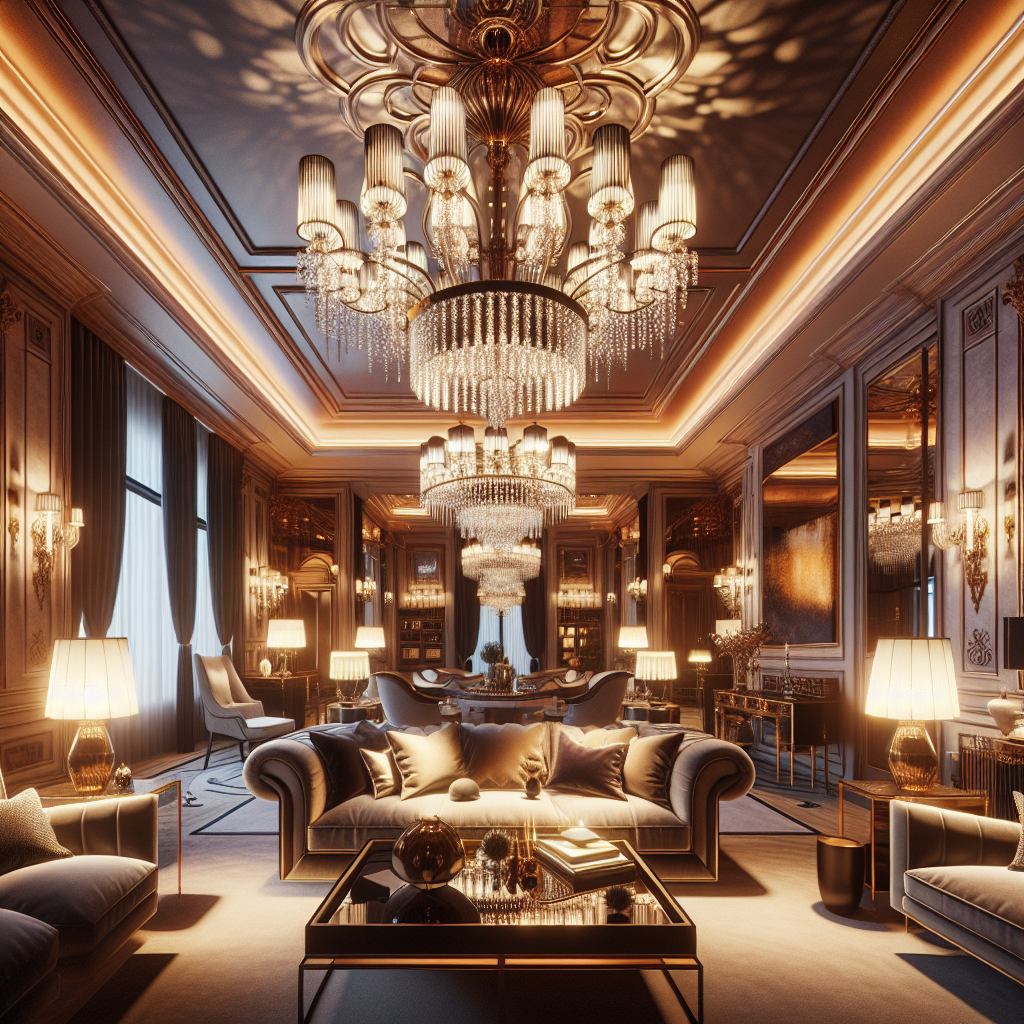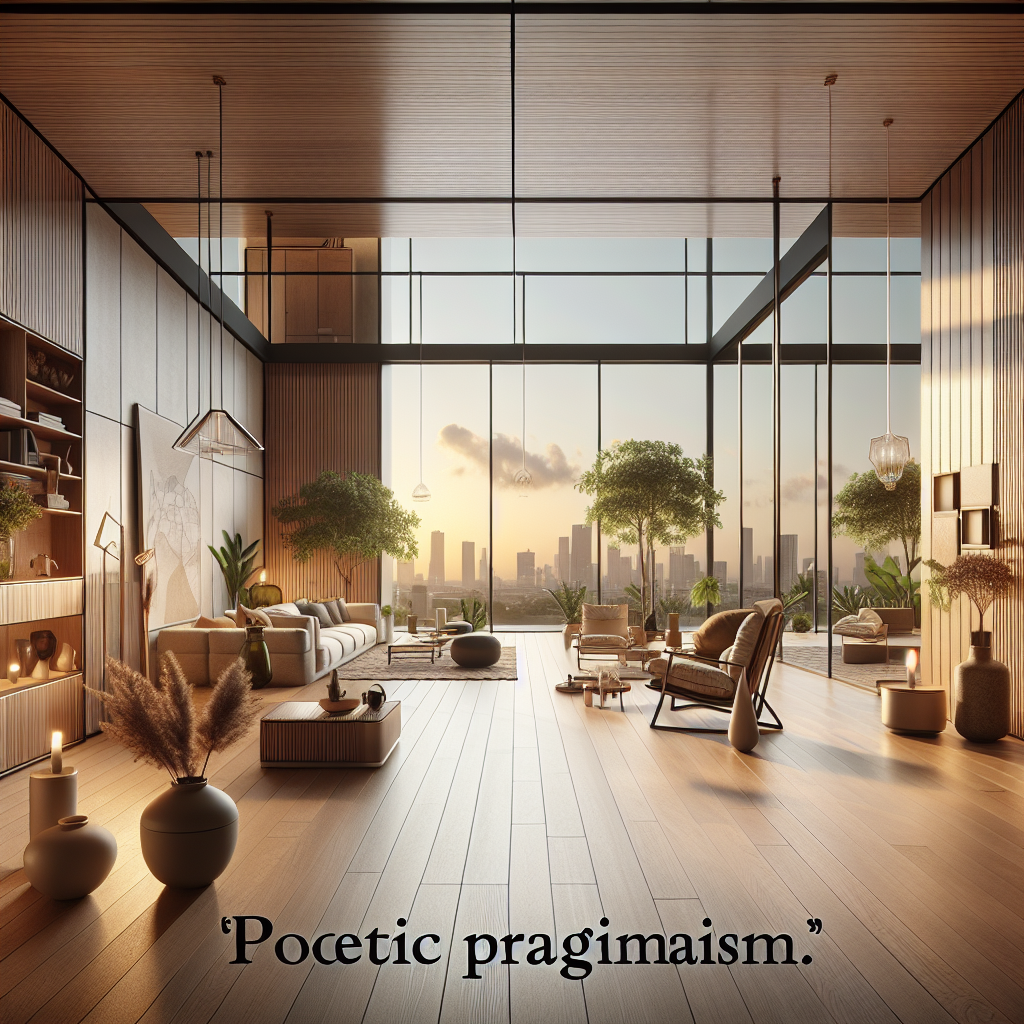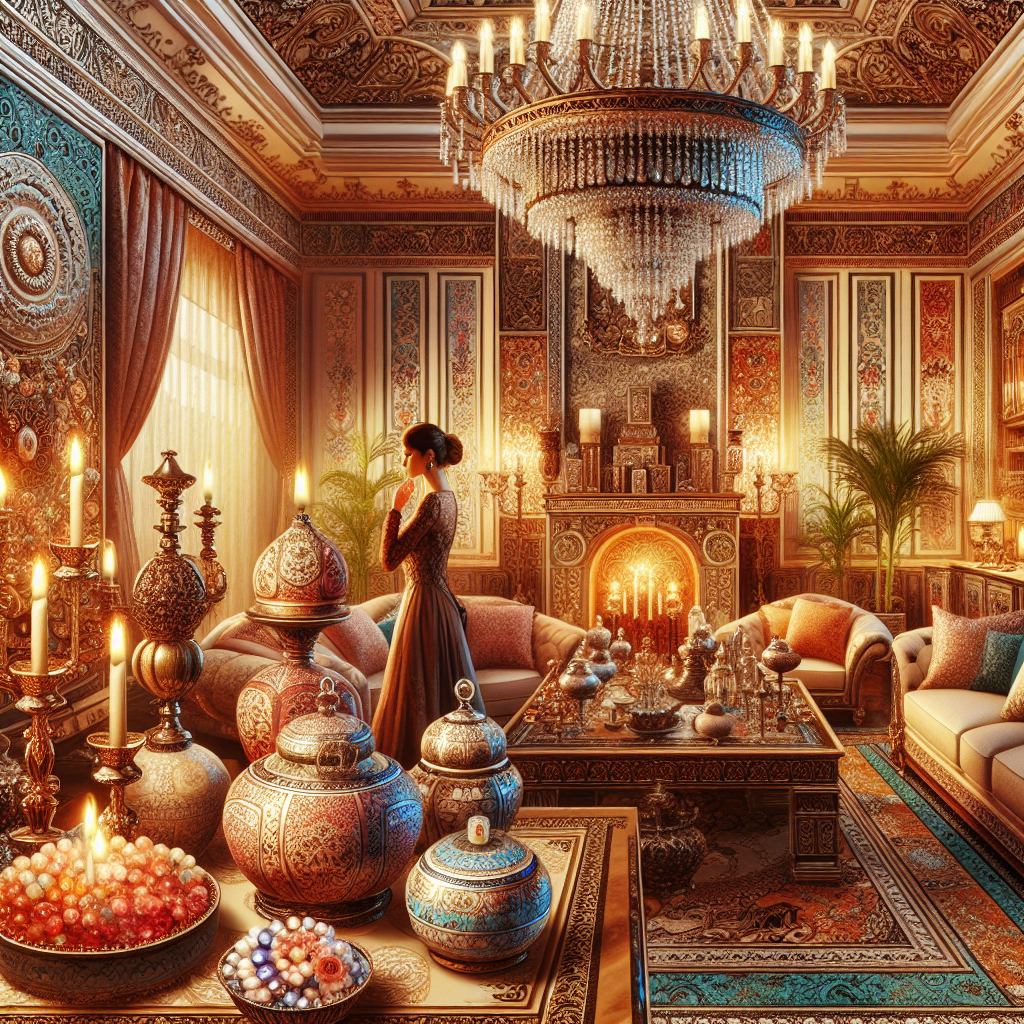
Fusion Luxury: Blending Cultural Styles in High-End Interiors
September 27, 2022
Luxe Layering: Creating Depth in Monochromatic Schemes
October 11, 2022
-
Table of Contents
- Introduction
- Exploring Historical Influences: The Evolution Of Silhouette In Furniture Design
- Minimalism Meets Elegance: The Role Of Silhouette In Modern Furniture
- Crafting Shadows: Techniques For Creating Striking Silhouettes In Furniture
- The Psychology Of Silhouette: How Profiles Impact Perception In Design
- Iconic Silhouettes: Celebrating Timeless Profiles In Furniture History
- Conclusion
Introduction
“The Art of the Silhouette: Striking Profiles in Furniture Design” explores the captivating world of furniture where form and shadow converge to create compelling visual narratives. This exploration delves into the historical and contemporary significance of silhouettes in furniture design, highlighting how designers use shape and outline to evoke emotion, convey style, and enhance functionality. By examining iconic pieces and innovative creations, the book reveals how silhouettes serve as a powerful tool in the designer’s arsenal, transforming ordinary objects into extraordinary works of art. Through a blend of aesthetic analysis and design theory, this work celebrates the elegance and impact of silhouettes in shaping the spaces we inhabit.
Exploring Historical Influences: The Evolution Of Silhouette In Furniture Design
The art of the silhouette in furniture design is a fascinating journey through time, where each era leaves its distinct mark on the profiles that define our living spaces. As we explore the historical influences that have shaped these striking silhouettes, we begin to appreciate how the evolution of furniture design is not just about aesthetics but also about cultural shifts and technological advancements. From the ornate curves of the Baroque period to the sleek lines of modern minimalism, each silhouette tells a story of its time.
In the early days, furniture design was heavily influenced by the grandeur of the Baroque and Rococo periods. These styles, originating in the 17th and 18th centuries, were characterized by their opulence and intricate details. The silhouettes of this era were bold and dramatic, with exaggerated curves and elaborate ornamentation. Furniture pieces were not just functional items but also symbols of wealth and status. The influence of these periods can still be seen today in pieces that embrace a sense of drama and luxury.
As we move into the 19th century, the Industrial Revolution brought about significant changes in furniture design. The ability to mass-produce furniture led to more streamlined silhouettes, as designers began to focus on functionality and efficiency. The Victorian era, however, still held onto some of the ornate qualities of the past, with its penchant for heavy, dark woods and intricate carvings. Yet, the silhouette began to shift towards a more practical form, reflecting the changing needs of society.
The turn of the 20th century marked a pivotal moment in the evolution of furniture silhouettes. The Art Nouveau movement introduced organic forms and flowing lines, inspired by nature. This was a departure from the rigid structures of the past, offering a more fluid and harmonious silhouette. As the century progressed, the Bauhaus movement further revolutionized furniture design by emphasizing simplicity and functionality. The silhouettes became more geometric and less adorned, reflecting a modernist approach that valued form following function.
Mid-century modern design, which emerged in the mid-20th century, continued this trend towards simplicity but added a touch of warmth and playfulness. The silhouettes of this era were characterized by clean lines, gentle curves, and a focus on materials like wood and metal. This style remains popular today, as it strikes a balance between form and function, offering timeless appeal.
In recent years, contemporary furniture design has embraced a diverse range of influences, resulting in silhouettes that are both innovative and eclectic. Designers are not afraid to mix styles, materials, and eras, creating pieces that are unique and personal. The silhouette has become a canvas for creativity, allowing designers to experiment with bold shapes and unexpected combinations.
As we look back at the evolution of silhouette in furniture design, it becomes clear that each era has contributed to the rich tapestry of styles we see today. The silhouettes that define our furniture are not just about aesthetics; they are a reflection of the times, capturing the essence of cultural and technological shifts. Whether it’s the ornate curves of the past or the sleek lines of the present, the art of the silhouette continues to inspire and captivate, reminding us of the ever-evolving nature of design.
Minimalism Meets Elegance: The Role Of Silhouette In Modern Furniture
In the world of modern furniture design, the silhouette has emerged as a powerful element that marries minimalism with elegance. As we navigate through the ever-evolving landscape of interior aesthetics, the silhouette stands out as a defining feature that captures attention and evokes emotion. This artful approach to design emphasizes the importance of shape and form, allowing furniture pieces to make a statement without overwhelming a space. By focusing on clean lines and striking profiles, designers are able to create pieces that are both functional and visually appealing.
One of the key aspects of using silhouettes in furniture design is the ability to convey a sense of simplicity while maintaining a touch of sophistication. This balance is achieved by stripping away unnecessary details and focusing on the essence of the piece. For instance, a chair with a sleek, curved back can evoke a sense of grace and fluidity, while a table with sharp, angular edges might suggest strength and stability. These silhouettes not only define the character of the furniture but also influence the overall ambiance of the room.
Moreover, silhouettes in furniture design allow for versatility and adaptability in various settings. A well-designed piece with a strong silhouette can seamlessly blend into different styles, from contemporary to traditional, without losing its unique identity. This adaptability is particularly appealing in today’s world, where open-concept living spaces and eclectic decor are becoming increasingly popular. By choosing furniture with distinct silhouettes, homeowners can create a cohesive look that ties together diverse elements within a room.
In addition to their aesthetic appeal, silhouettes also play a practical role in furniture design. The emphasis on form and outline can enhance the functionality of a piece, making it more comfortable and user-friendly. For example, a sofa with a gently sloping backrest not only looks inviting but also provides ergonomic support for lounging. Similarly, a dining chair with a contoured seat can offer comfort during long meals, while its streamlined silhouette ensures it doesn’t dominate the dining area.
Furthermore, the use of silhouettes in furniture design encourages creativity and innovation. Designers are constantly exploring new ways to manipulate shapes and forms, resulting in pieces that challenge conventional norms and push the boundaries of design. This experimentation leads to the creation of furniture that is not only beautiful but also thought-provoking, inviting users to engage with their surroundings in new and exciting ways.
As we continue to embrace minimalism in our homes, the role of the silhouette in furniture design becomes increasingly significant. It offers a way to express individuality and style without cluttering a space with excessive ornamentation. By focusing on the purity of form, designers can create pieces that resonate with the modern desire for simplicity and elegance.
In conclusion, the art of the silhouette in furniture design is a testament to the power of minimalism and elegance. It highlights the importance of shape and form, allowing furniture to make a statement while remaining functional and versatile. As we move forward in our quest for beautifully designed spaces, the silhouette will undoubtedly continue to play a crucial role in shaping the future of modern furniture.
Crafting Shadows: Techniques For Creating Striking Silhouettes In Furniture
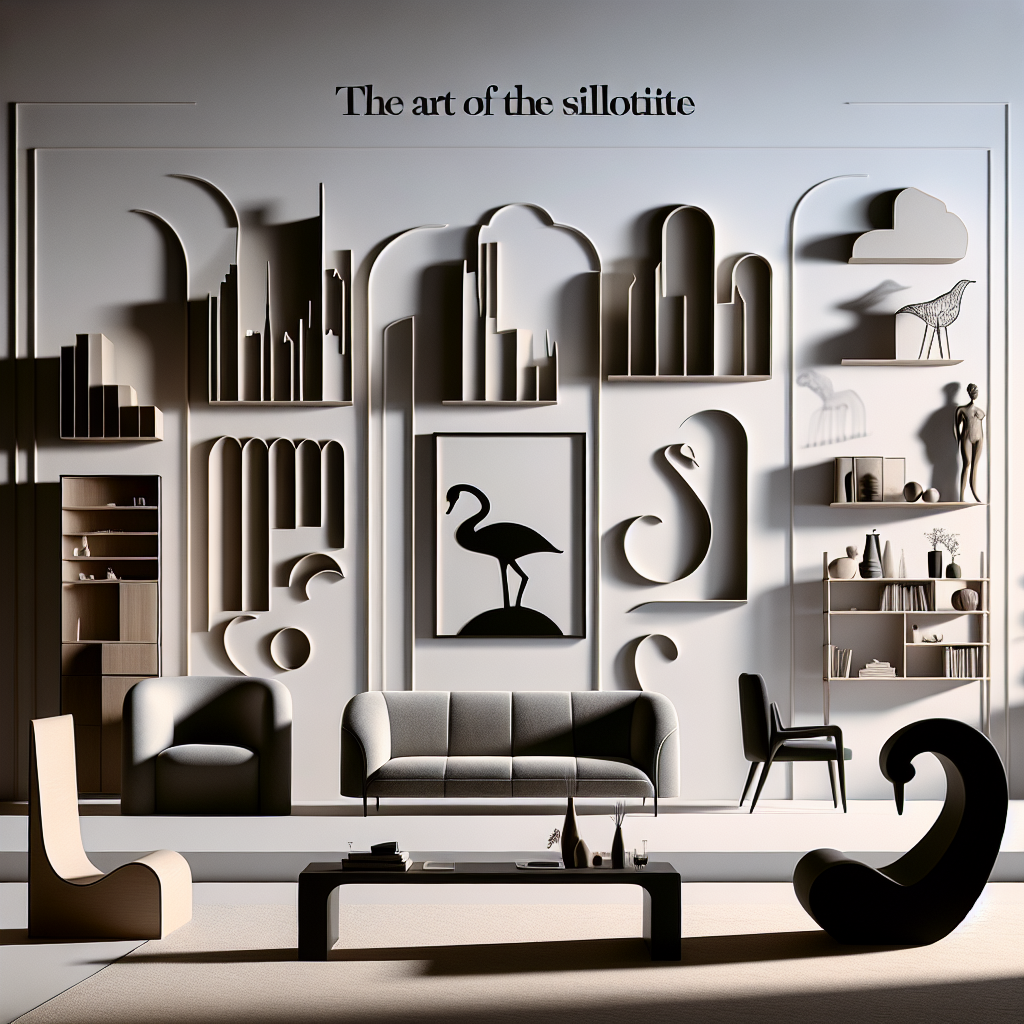
Silhouettes in furniture design have long been a captivating element, drawing the eye with their striking profiles and the way they play with light and shadow. The art of crafting these silhouettes is a delicate balance of creativity, technique, and an understanding of how form interacts with its surroundings. As we delve into the world of furniture design, it’s fascinating to see how designers use silhouettes to create pieces that are not only functional but also visually arresting.
To begin with, the silhouette of a piece of furniture is essentially its outline or profile, which can be as simple or as intricate as the designer desires. This outline is what first catches the eye, often setting the tone for the entire piece. Designers often start with a basic shape and then refine it, considering how it will look from different angles and how it will interact with the space around it. This process requires a keen eye for detail and a deep understanding of geometry and proportion.
One of the most effective techniques for creating striking silhouettes is the use of negative space. By carefully considering the areas around and within a piece, designers can create a sense of balance and harmony. Negative space can be just as important as the solid parts of the furniture, as it allows the silhouette to breathe and gives it a sense of lightness. This technique is often seen in minimalist designs, where the absence of excess material highlights the beauty of the form itself.
Moreover, the choice of materials plays a crucial role in defining a silhouette. Different materials have unique properties that can enhance or detract from the intended profile. For instance, the sleek lines of metal can create sharp, defined silhouettes, while the natural curves of wood can offer a softer, more organic outline. Designers often experiment with a combination of materials to achieve the desired effect, blending textures and finishes to add depth and interest to the silhouette.
In addition to materials, color and finish are also vital in silhouette design. A monochromatic color scheme can emphasize the shape and form of a piece, allowing the silhouette to take center stage. On the other hand, contrasting colors can create a dynamic interplay between the silhouette and its surroundings, drawing attention to specific features. Finishes such as matte or gloss can further enhance the silhouette, either by absorbing light to create a subtle shadow or reflecting it to highlight the contours.
Lighting is another essential element in crafting silhouettes. The way light interacts with a piece can dramatically alter its appearance, casting shadows that enhance or obscure its profile. Designers often consider the placement of furniture in relation to natural and artificial light sources, ensuring that the silhouette is showcased to its best advantage. By playing with light and shadow, they can create a sense of drama and intrigue, inviting viewers to explore the piece from different perspectives.
Ultimately, the art of the silhouette in furniture design is about creating a visual impact that resonates with the viewer. It’s about finding that perfect balance between form and function, where the silhouette not only defines the piece but also tells a story. As designers continue to push the boundaries of creativity, the possibilities for crafting striking silhouettes are endless, offering a world of inspiration for those who appreciate the beauty of design.
The Psychology Of Silhouette: How Profiles Impact Perception In Design
When you walk into a room, the first thing that often catches your eye is the shape of the furniture. It’s not just the color or the material that makes a piece stand out, but its silhouette—the outline that defines its form. The art of the silhouette in furniture design is a fascinating aspect that plays a significant role in how we perceive and interact with our surroundings. Understanding the psychology behind these profiles can enhance our appreciation for design and even influence our choices when selecting pieces for our homes.
Silhouettes in furniture design are more than just aesthetic elements; they are powerful tools that can evoke emotions and set the tone of a space. For instance, a sleek, minimalist silhouette can create a sense of calm and order, perfect for a modern living room or office. On the other hand, a more ornate and intricate profile might evoke a sense of luxury and opulence, making it ideal for a formal dining room or a grand entryway. These shapes can communicate a lot about the style and function of a piece, even before we take a closer look.
Moreover, the silhouette of a piece of furniture can also impact how we perceive the space around it. A well-chosen profile can make a small room feel larger or a large room feel more intimate. For example, furniture with tall, slender silhouettes can draw the eye upward, creating the illusion of height and space. Conversely, low, wide profiles can ground a room, making it feel cozier and more inviting. This interplay between furniture silhouettes and spatial perception is a crucial consideration for designers and homeowners alike.
Transitioning from the visual to the emotional, silhouettes can also influence our mood and behavior. A room filled with sharp, angular profiles might energize and stimulate, making it a great choice for a creative workspace. In contrast, soft, rounded silhouettes can promote relaxation and comfort, ideal for a bedroom or a lounge area. By understanding the psychological impact of these shapes, we can create environments that not only look good but also feel good to be in.
Furthermore, the cultural and historical context of silhouettes in furniture design adds another layer of depth to their impact. Different eras and regions have favored distinct profiles, each telling a story about the values and aesthetics of the time. For instance, the clean lines of mid-century modern furniture reflect a post-war desire for simplicity and functionality, while the elaborate curves of Baroque pieces speak to an era of grandeur and excess. By incorporating these silhouettes into our homes, we can connect with these narratives and bring a sense of history and identity into our spaces.
In conclusion, the art of the silhouette in furniture design is a multifaceted concept that goes beyond mere appearance. It encompasses the psychological effects of shape and form, influencing how we perceive space, feel in a room, and even connect with cultural histories. As we continue to explore and appreciate the power of silhouettes, we open ourselves to a richer, more nuanced understanding of design and its impact on our lives. So next time you find yourself drawn to a particular piece of furniture, take a moment to consider its silhouette and the subtle yet profound ways it shapes your perception.
Iconic Silhouettes: Celebrating Timeless Profiles In Furniture History
When you think about furniture design, it’s easy to get caught up in the details—the intricate carvings, the luxurious fabrics, or the innovative materials. However, one of the most captivating aspects of furniture is often its silhouette. The silhouette of a piece can define its character, evoke a particular era, and even influence the mood of a room. It’s the first impression, the outline that catches your eye before you notice anything else. In the world of furniture design, certain silhouettes have become iconic, standing the test of time and continuing to inspire designers and homeowners alike.
Take, for instance, the classic wingback chair. With its high back and distinctive “wings” that seem to embrace the sitter, this silhouette has been a staple in homes for centuries. Originally designed to protect from drafts in chilly English manors, the wingback chair has evolved but never lost its signature profile. Today, it can be found in a variety of styles, from traditional to modern, proving that a strong silhouette can adapt to changing tastes while maintaining its essence.
Similarly, the sleek lines of the mid-century modern movement have left an indelible mark on furniture design. The clean, unadorned silhouettes of pieces like the Eames Lounge Chair or the Noguchi Coffee Table are instantly recognizable. These designs emphasize form and function, stripping away excess to reveal the beauty of simplicity. The mid-century modern silhouette is not just a relic of the past; it continues to be a favorite in contemporary interiors, celebrated for its timeless appeal and versatility.
Transitioning from the minimalist to the more ornate, the silhouette of the French Louis XV chair offers a different kind of allure. With its curvaceous lines and intricate detailing, this silhouette speaks of elegance and opulence. The cabriole legs and the gentle curves of the backrest create a sense of movement and grace, making it a beloved choice for those who appreciate a touch of classic luxury. Despite its historical roots, the Louis XV silhouette has been reimagined in various materials and finishes, allowing it to fit seamlessly into both traditional and modern settings.
Moreover, the silhouette of the Shaker chair, with its straight lines and functional form, embodies the philosophy of simplicity and utility. The Shakers believed in creating furniture that was both beautiful and practical, and their designs reflect this ethos. The straightforward silhouette of a Shaker chair is a testament to the idea that less can indeed be more. Its enduring popularity is a reminder that good design is not about embellishment but about harmony and proportion.
As we explore these iconic silhouettes, it’s clear that they do more than just define a piece of furniture; they tell a story. Each silhouette carries with it a history, a cultural significance, and an emotional resonance that transcends time. Whether it’s the comforting embrace of a wingback chair, the sleek elegance of mid-century modern lines, the ornate beauty of a Louis XV piece, or the humble simplicity of a Shaker chair, these silhouettes continue to captivate and inspire. They remind us that while trends may come and go, the art of the silhouette remains a timeless celebration of design.
Conclusion
“The Art of the Silhouette: Striking Profiles in Furniture Design” explores the transformative power of silhouette in furniture, emphasizing how the outline and form of a piece can define its aesthetic and functional appeal. The book delves into historical and contemporary examples, illustrating how designers use silhouette to convey style, evoke emotion, and create visual impact. By focusing on the interplay of light, shadow, and shape, it highlights the silhouette’s role in enhancing spatial dynamics and personal expression within interior spaces. Ultimately, the work underscores the silhouette’s enduring significance in furniture design, celebrating its ability to blend artistry with utility.